About Jepun Wreck
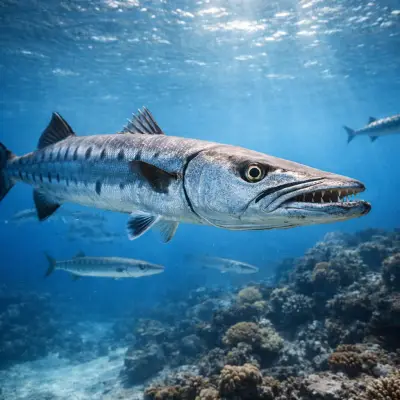
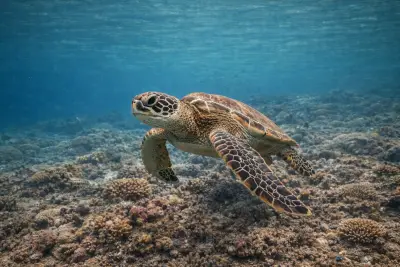
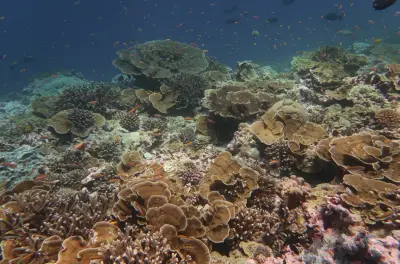
The Jepun Wreck is a dive site nestled in Padang Bai, Bali, a coastal town offering a diverse range of underwater experiences. This site features a fishing boat, approximately 20 meters in length, which was intentionally sunk to create an artificial reef. Lying on a gently sloping, sandy bottom, the wreck rests between 17 and 21 meters, making it accessible for a wide range of certified divers. Padang Bai itself is known for its healthy coral reefs, colorful fish, and challenging ocean currents. The topography at Jepun Wreck is characterized by a gradual sandy slope leading to the wreck, which is now colonized by various marine organisms. Beyond the wreck, the surrounding area continues with this gentle slope, offering opportunities to observe diverse reef fish and macro life that seek shelter and sustenance on and around the structure. The site provides an excellent habitat for schooling barracuda, a variety of reef fish, and resident turtles. The marine life here is a vibrant mix of pelagic and reef species. Schooling barracuda are a common sight, often circling the wreck, while various reef fish populate the structure itself. Turtles are frequently observed, adding to the site's allure. The sandy bottom around the wreck also hosts smaller creatures, contributing to its biodiversity. Diving the Jepun Wreck typically involves a boat entry, often from a traditional wooden boat called a jukung, with a relatively short ride from shore. The dive profile is generally straightforward, focusing on exploring the wreck and its immediate surroundings. Currents can vary, so an awareness of local conditions is beneficial to fully enjoy the experience. The site is considered an intermediate dive, suitable for Open Water certified divers with some experience.
Highlights
Small fishing boat wreckSchooling barracudaGreen sea turtlesDiverse reef fishSandy slope topographyIntermediate shore dive
Season calendar
Best months to dive here
Jan
Feb
Mar
Apr
May
Jun
Jul
Aug
Sep
Oct
Nov
Dec
Good
Dive site facts: Jepun Wreck
- Depth
- 17–21 m
- Current
- Mild to moderate
- Entry
- Shore dive
- Level
- Intermediate / Open Water+
- Dive type
- Wreck, reef, sandy bottom
- Region / port
- Padang Bai
- Coordinates
- 8.5434° S, 115.5097° E
Conditions & Currents
Currents at Jepun Wreck are generally not mentioned as strong, indicating a typically mild to moderate flow. The site features a gently sloping sandy bottom, which usually means less direct exposure to strong tidal pushes compared to exposed reefs. Divers should expect conditions that allow for relatively comfortable navigation around the wreck. Visibility can be affected by rainfall, potentially decreasing during the wet season from November to April, though it is usually clear. This makes the site accessible for Open Water divers, though an intermediate level is suggested, implying some current awareness is beneficial.
Marine life & sighting chances
Dive profile & how the dive runs
Entry to Jepun Wreck is typically a shore dive from Padang Bai. Upon entry, divers navigate towards the gently sloping sandy bottom where the small fishing vessel wreck is located between 17 and 21 meters deep. The dive route generally involves circling the wreck to explore its structure, which provides habitat for schooling barracuda, diverse reef fish, and resident turtles. Divers can also investigate the surrounding sandy areas for macro life. Due to its depth and the nature of wreck diving, careful buoyancy control is essential to avoid stirring up sediment. The safety stop is usually performed on the ascent, utilizing the clear water column or shallower parts of the slope.
Underwater photography
For capturing the Jepun Wreck, a wide-angle lens is beneficial to encompass the 20-meter fishing boat and schooling barracuda. Alternatively, a macro lens will be excellent for the diverse reef fish and smaller inhabitants found on the wreck and sandy bottom. Strobes are recommended to bring out the vibrant colors of the marine life and illuminate the wreck’s details in the ambient light. Given the sandy bottom, maintaining excellent buoyancy is crucial to prevent silting and ensure clear shots.
Combine with nearby dive sites
Getting there & logistics
Jepun Wreck is situated in Padang Bai, a coastal town in Bali, typically reached by road from Ngurah Rai International Airport (DPS). Dive trips to Padang Bai, including Jepun Wreck, usually depart from local dive centers in the area, offering daily excursions. Padang Bai is often combined with other East Bali dive sites or as part of a wider Bali dive safari. Shore dives are common for this site, making access relatively straightforward. No specific permits beyond standard dive operations are usually required.
Safety & environment
For dive safety in Bali, the nearest recompression chamber is located in Denpasar, requiring transport from Padang Bai. It is highly recommended that all divers carry valid dive insurance that covers emergency medical treatment and evacuation. Site-specific hazards at Jepun Wreck are minimal, but divers should be mindful of proper wreck diving etiquette, maintaining buoyancy to avoid damaging the wreck or disturbing marine life. Always dive with a reputable guide and adhere to planned dive profiles, especially considering the intermediate level and depth range.
Who it suits — and who it doesn't
Suited for
- Open Water certified divers
- Divers interested in wreck exploration
- Underwater photographers (macro & wide-angle)
- Divers seeking abundant schooling fish and turtles
- Those who enjoy shore diving
Less suited for
- Absolute beginner divers (prior experience beneficial)
- Divers exclusively seeking large pelagic encounters
- Those uninterested in artificial reefs
FAQ
Jepun Wreck FAQ
What kind of wreck is the Jepun Wreck?
The Jepun Wreck is a small fishing boat, approximately 20 meters in length. It was intentionally or accidentally submerged and now rests on a gently sloping sandy bottom, providing an artificial reef structure for marine life.
What marine life can be seen at Jepun Wreck?
Divers frequently encounter large schools of barracuda and green sea turtles around the wreck. Additionally, a wide variety of colorful reef fish inhabit the structure, and divers can spot macro life on the sandy bottom and within the wreck's crevices.
What is the typical depth for diving Jepun Wreck?
The Jepun Wreck lies at a depth range of 17 to 21 meters. This depth makes it accessible for Open Water certified divers, offering ample time to explore the wreck and its immediate surroundings.
Is Jepun Wreck suitable for beginners?
Jepun Wreck is categorized as an intermediate dive site, suitable for Open Water certified divers with some experience. While not for absolute beginners, its depths and typically mild conditions make it a good progression for those comfortable in the water.
How do you access the Jepun Wreck dive site?
The Jepun Wreck is typically accessed as a shore dive from Padang Bai. Divers will gear up on the beach and enter the water directly to swim out to the wreck, guided by local dive operators.
Why dive Jepun Wreck from a liveaboard?
Jepun Wreck is one of Bali's signature dive sites. A liveaboard sleeps you on the water and puts you in the water for three to four guided dives per day, including dawn and night dives that day-boat operators rarely offer. You skip the daily commute back to port and reach quieter, less-crowded sites in the same region on a single trip.
Below are the liveaboards that include Jepun Wreck on their Bali itineraries.
Liveaboards diving Jepun Wreck
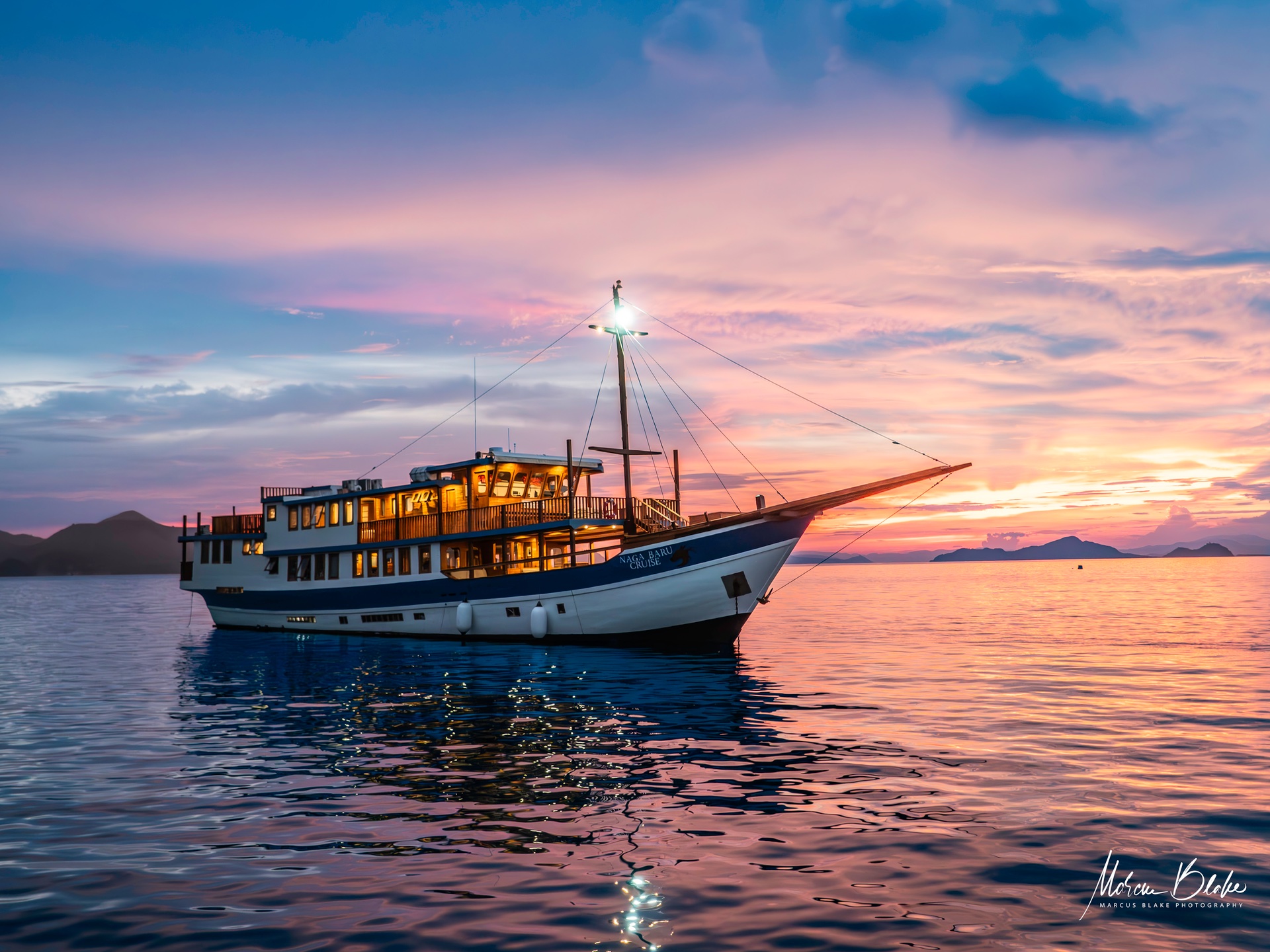
These liveaboards may visit Jepun Wreck on selected itineraries — the exact dive sites depend on departure, weather and conditions.
Naga Biru
Indonesia
12 guests40 m
$274/day
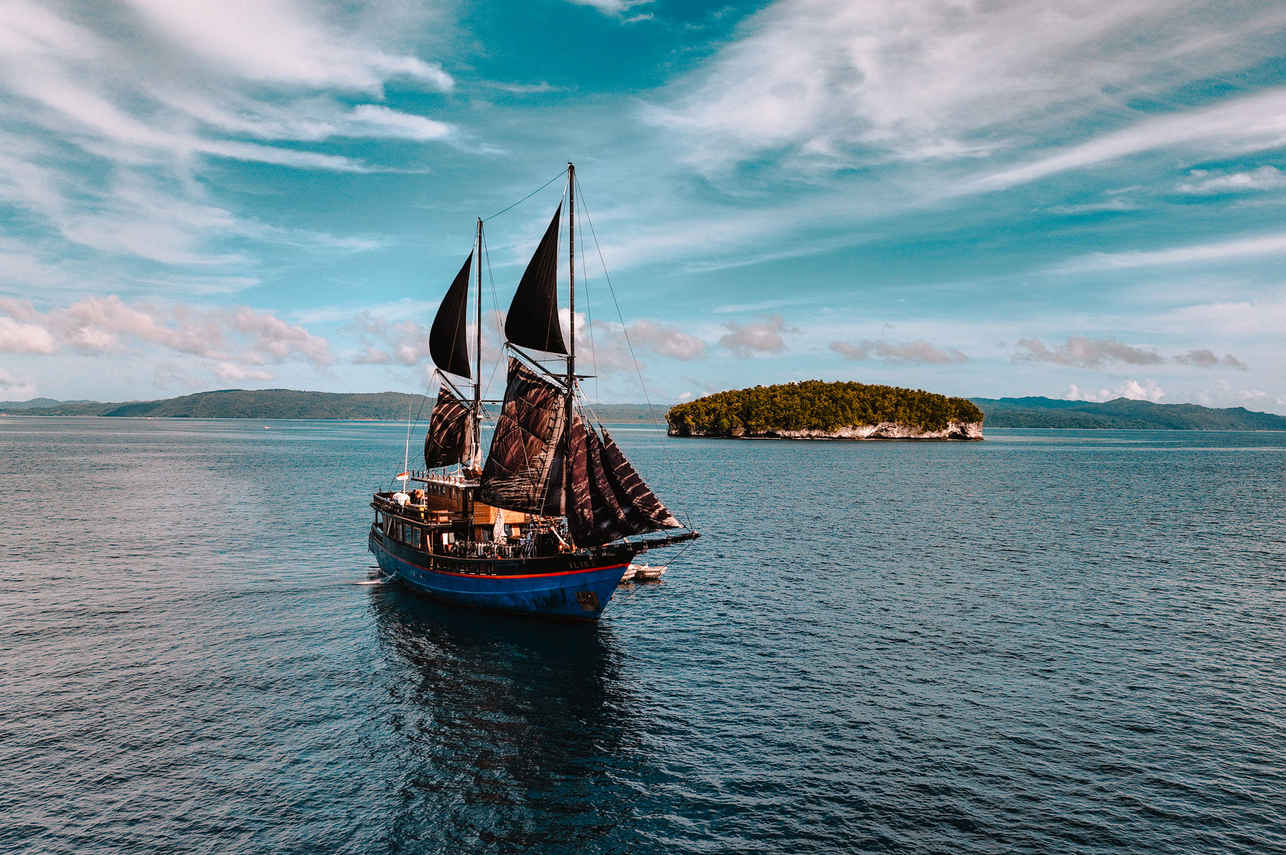
Ilike
Indonesia
16 guests40 m
$298/day
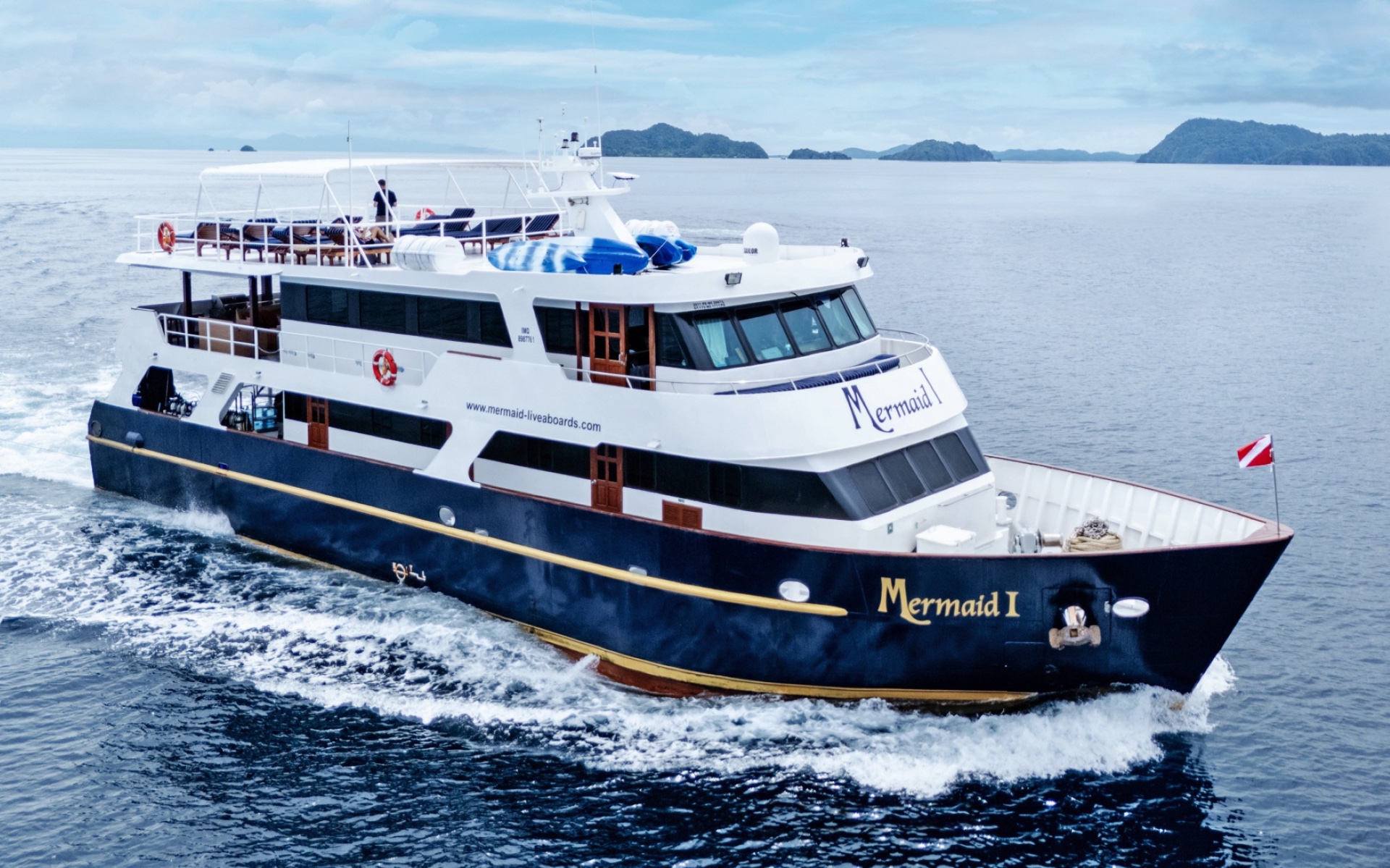
Mermaid I
Alor
15 guests28 m
$372/day
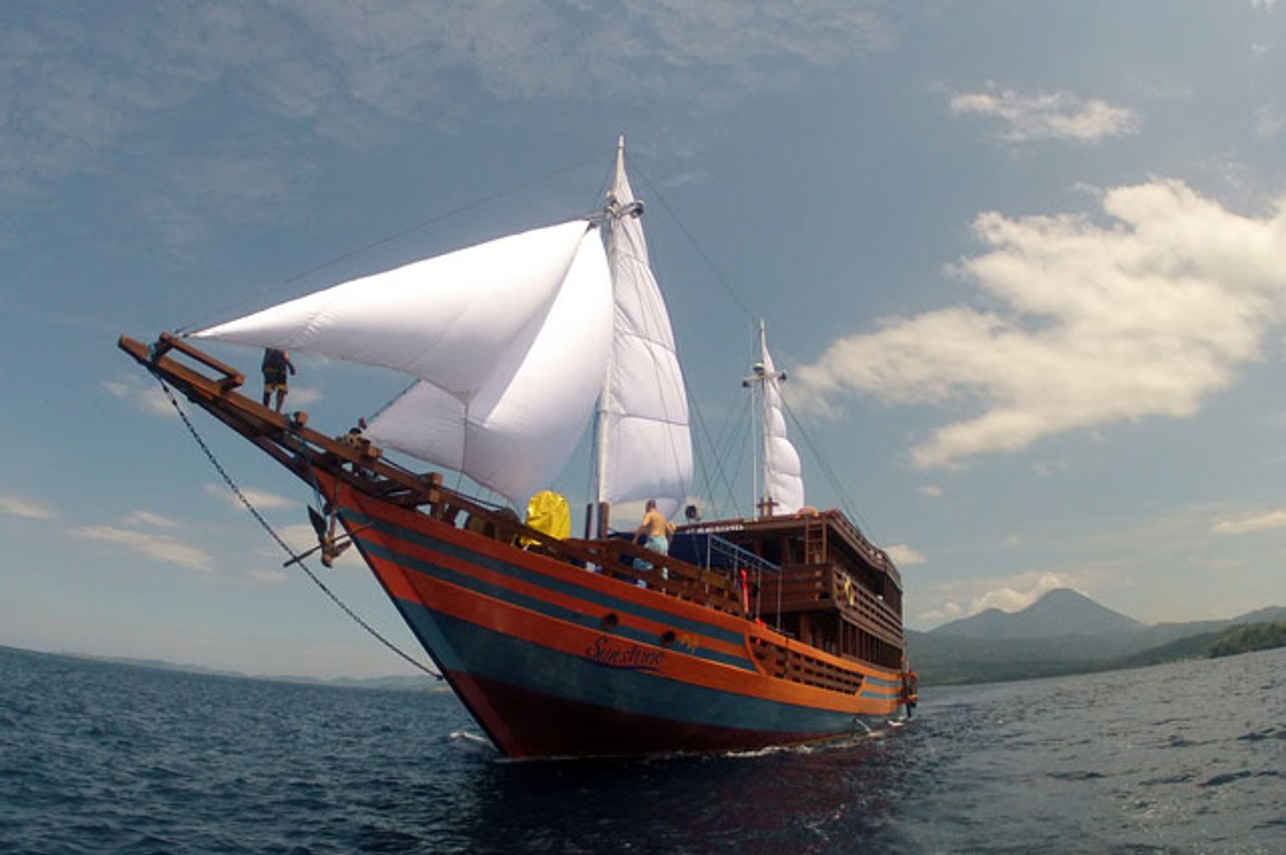
Sunshine Liveaboard
Indonesia
10 guests31 m
$191/day
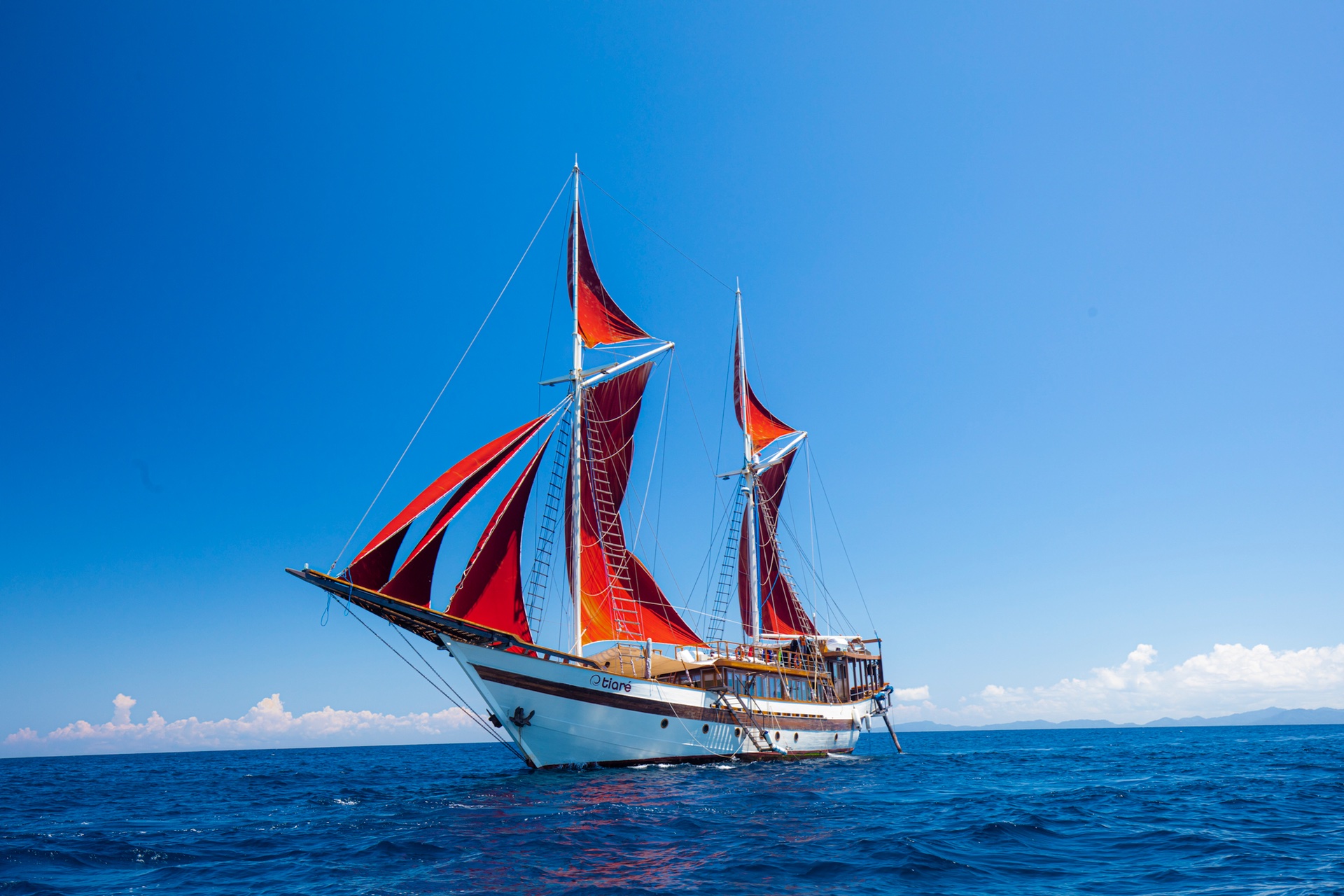
Tiare Cruise
Indonesia
12 guests36.5 m
$419/day
Dive sites similar to Jepun Wreck
Same character, same waters — six more sites divers love for the exact same reasons.Compare seasons, access and liveaboard routes — then pick the site that fits your trip best.
© Esri — Maxar, Earthstar, GIS
Japanese Wreck
Bali
The Japanese Wreck is a compelling dive site located in Banyuning Bay, just off the beach in Amed, Bali.
- Suitable for
- Beginner
- Current
- Moderate
- Access
- Shore / dayboat
- Depth
- 6–12 m
- Theme
- Wreck / Reef
© Esri — Maxar, Earthstar, GIS
Boga Wreck
Bali
The Boga Wreck, also known as the Kubu Wreck, is an Indonesian ex-patrol vessel purposely sunk in 2012 to create an artificial reef and enhance marine biodiversity.
- Suitable for
- Advanced
- Current
- Mild
- Access
- Liveaboard or dayboat
- Depth
- 14–40 m
- Theme
- Wreck / Reef
© Esri — Maxar, Earthstar, GIS
Anker Wreck
Bali
The Anker Wreck, sometimes referred to as Angker Wreck, is a small, historically significant wooden shipwreck located off Menjangan Island in the protected Bali Barat National Park.
- Suitable for
- Intermediate
- Current
- Mild
- Access
- Dayboat
- Depth
- 5–40 m
- Theme
- Wreck / Wall
© Esri — Maxar, Earthstar, GIS
Batununggul
Bali
Batununggul, also known as Suana or Batumulapan by some operators, is a dynamic wall and sloping reef dive site situated on the eastern side of Nusa Penida, Bali.
- Suitable for
- Advanced
- Current
- Strong
- Access
- Liveaboard or dayboat
- Depth
- 10–40 m
- Theme
- Wall
Lipah Bay is situated on Bali's northeast coast within the Amed area, nestled against the dramatic backdrop of Gunung Agung.
- Suitable for
- Beginner
- Current
- Mild
- Access
- Liveaboard or dayboat
- Depth
- 5–30 m
- Theme
- Reef / Drift
© Esri — Maxar, Earthstar, GIS
Eel Garden
Bali
Eel Garden is a renowned dive site located on the north-western side of Menjangan Island, a protected marine area within West Bali National Park.
- Suitable for
- Intermediate
- Current
- Moderate
- Access
- Liveaboard or dayboat
- Depth
- 8–40 m
- Theme
- Drift / Reef