About Bias Tugel
Bias Tugel is an acclaimed dive site situated just a few minutes from the main beach of Padang Bai, on Bali's eastern coast. This location is part of a cluster of dive sites known for offering a range of experiences, from beginner-friendly areas to more challenging dives with stronger currents. The site's underwater topography includes healthy coral gardens and diverse reef structures that attract a wide array of marine species. The area surrounding Padang Bai, including Bias Tugel, is noted for its rich biodiversity, benefiting from the mixing currents of the Pacific and Indian Oceans. While Padang Bai itself is praised for macro life and night diving opportunities in locations like Blue Lagoon, Bias Tugel specifically stands out for its potential to encounter larger pelagic species. Divers here can expect to navigate varied environments, observing abundant fish populations and macro critters. The site's accessibility from Padang Bai makes it a convenient option for day trips. Bias Tugel serves as an excellent example of Bali's diverse underwater offerings, suitable for divers looking for both vibrant reef encounters and the chance to spot impressive pelagics.
Highlights
Healthy coral gardensDiverse reef ecosystemReef sharks sightingsTurtle encountersRich macro lifeAccessible from Padang BaiVaried fish schools
Best Season
The optimal time to dive in Bali, and by extension Bias Tugel, is generally during the dry season from May to October, when favorable weather ensures better ocean visibility. Transition months like April and October are also recommended for their calm seas and gentle winds.
Dive site facts: Bias Tugel
- Depth
- 5–40 m
- Current
- Mild to strong
- Entry
- Boat
- Level
- Intermediate to Advanced (current dependent)
- Dive type
- Reef, drift, pelagic encounters
- Region / port
- Padang Bai, Bali
- Coordinates
- 8.5495° S, 115.5036° E
Conditions & Currents
Bias Tugel is known to experience currents that can range from mild to strong, depending on conditions. The waters in this region, part of the Lombok Strait, can be subject to tricky up and down currents, especially further north at sites like Gili Mimpang, Gili Biaha, and Gili Tepekong. Divers should be prepared for varying current strengths, which can influence visibility and the movement of marine life. It is crucial to dive with an experienced guide who understands the local water dynamics. Maintaining good buoyancy and staying close to the bottom can help manage stronger drifts, and a negative entry may be employed to descend quickly when currents are present. Water temperature can also be affected by upwelling, sometimes leading to slightly cooler conditions.
Marine life & sighting chances

Reef sharks
occasional
Turtles
occasional
Pelagic fish
occasional
Rays
occasional
Schools of fish
common
Hard corals
common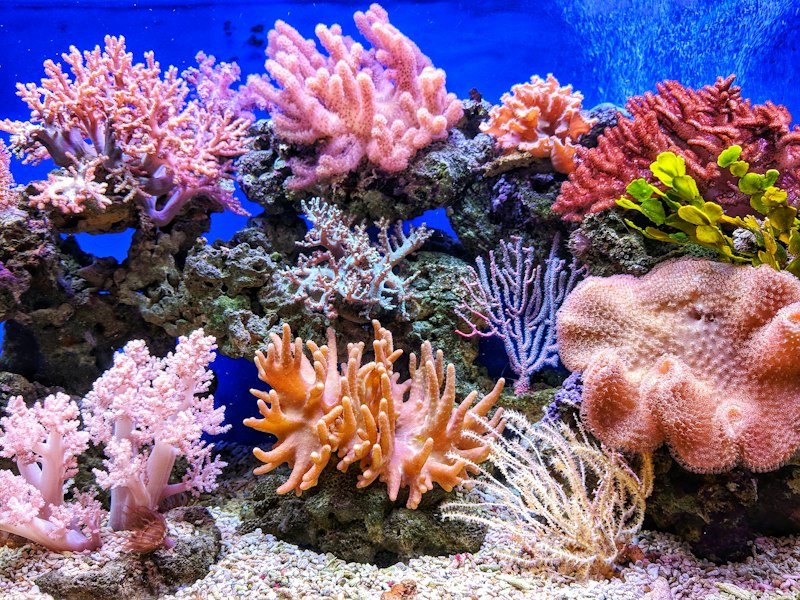
Soft corals
commonDive profile & how the dive runs
Dives at Bias Tugel typically begin with a boat entry from Padang Bai. Depending on current conditions, a negative entry might be utilized to ensure the group descends together. The dive usually follows the contours of the reef, allowing divers to explore coral gardens and rocky formations. Depth progression will vary based on the specific dive plan and current, but generally involves exploring reef slopes where marine life is abundant. The route often involves a drift, with divers moving along with the current to cover more ground. Turn points are dictated by air consumption and bottom time. Safety stops are typically performed in shallower, calmer areas of the reef or in the blue, depending on the dive site's exposure and current. The boat will then pick up divers at a designated exit point.
Underwater photography
For underwater photography at Bias Tugel, a wide-angle lens is recommended to capture the expansive coral reefs and schools of fish. If larger pelagics like sharks or rays are sighted, a wide-angle setup is ideal. For macro subjects found within the corals, a macro lens would be suitable. External strobes are beneficial for bringing out the true colors of the marine life and corals, especially at deeper sections or on overcast days. Strong buoyancy control is essential, particularly when currents are present, to avoid disturbing the delicate reef ecosystem and to maintain stable shots.
Combine with nearby dive sites
- Gili Mimpang
Further north from Padang Bai, known for strong currents and potential for larger marine life.
- Gili Biaha
Further north from Padang Bai, known for strong currents and potential for larger marine life.
- Gili Tepekong
Further north from Padang Bai, known for strong currents and potential for larger marine life.
- Blue Lagoon
Nearby Padang Bai, known for macro life and night diving.
- The Ferry Channel
200 meters from Padang Bai main beach, rich marine life.
Getting there & logistics
Access to Bias Tugel usually involves flying into Ngurah Rai International Airport (DPS) in Denpasar, Bali. From there, transfers are arranged to Padang Bai, which serves as the primary departure port for dives to this site. Day trips are common, with dives typically lasting around 50-60 minutes, although this can vary with depth and current. Most dive operators in Bali, including those in Padang Bai, offer packages that combine dives at Bias Tugel with other nearby sites. Trip lengths can vary from single-day excursions to multi-day dive packages exploring the wider Padang Bai area. No specific permits or park fees were mentioned for Bias Tugel.
Safety & environment
For diving in Bali, including Bias Tugel, it is highly recommended that divers have comprehensive dive insurance that covers recompression chamber treatment and emergency medical evacuation. The nearest recompression chamber is located in Denpasar. Site-specific hazards at Bias Tugel include potentially strong and tricky currents, which necessitate diving with an experienced local guide and careful attention to dive briefings. Divers should maintain excellent buoyancy control to avoid damaging the delicate coral and marine life. Always ensure your equipment is in good working order and plan your gas consumption conservatively, especially when drift diving. Following dive leader instructions and staying with the group are paramount for safety.
Who it suits — and who it doesn't
Suited for
- Advanced Open Water divers comfortable with currents
- Divers seeking reef sharks and pelagic encounters
- Underwater photographers interested in diverse marine life
- Divers looking for vibrant coral reef systems
- Divers on a day trip from Padang Bai
Less suited for
- Inexperienced Open Water divers without current experience
- Divers uncomfortable with drift diving
- Those prone to seasickness in choppier conditions
- Divers expecting calm, current-free dives exclusively
FAQ
Bias Tugel FAQ
What kind of marine life can I expect to see at Bias Tugel?
Bias Tugel is known for its diverse marine ecosystem. Divers frequently encounter healthy coral gardens, schools of reef fish, and various macro critters. There is also a good chance of spotting larger marine life such as reef sharks, rays, and turtles, making it a dynamic dive site.
Are the currents strong at Bias Tugel?
Currents at Bias Tugel can vary from mild to strong, depending on tidal conditions and proximity to the Lombok Strait. It is advisable to dive with an experienced local guide who can assess the conditions on the day. Divers should be prepared for potential drift diving scenarios.
What is the best time of year to dive Bias Tugel?
The dry season, from May to October, generally offers the best diving conditions in Bali, including Bias Tugel, with improved visibility. Transition months like April and October can also provide calm seas. While diving is possible year-round, the rainy season may affect visibility.
Is Bias Tugel suitable for beginner divers?
Due to the potential for strong currents, Bias Tugel is generally more suited for intermediate to advanced divers who have experience with currents and good buoyancy control. Beginner divers might find it challenging, especially on days with stronger conditions, though some parts may be calmer.
How do I get to Bias Tugel for diving?
Bias Tugel is accessed by boat from Padang Bai, a coastal town on Bali's eastern side. Most dive operators in Padang Bai offer day trips to this site, often combining it with other nearby dive locations. Transportation to Padang Bai from major areas of Bali is readily available.
Why dive Bias Tugel from a liveaboard?
Bias Tugel is one of Bali's signature dive sites. A liveaboard sleeps you on the water and puts you in the water for three to four guided dives per day, including dawn and night dives that day-boat operators rarely offer. You skip the daily commute back to port and reach quieter, less-crowded sites in the same region on a single trip.
Below are the liveaboards that include Bias Tugel on their Bali itineraries.
Liveaboards diving Bias Tugel
These liveaboards may visit Bias Tugel on selected itineraries — the exact dive sites depend on departure, weather and conditions.
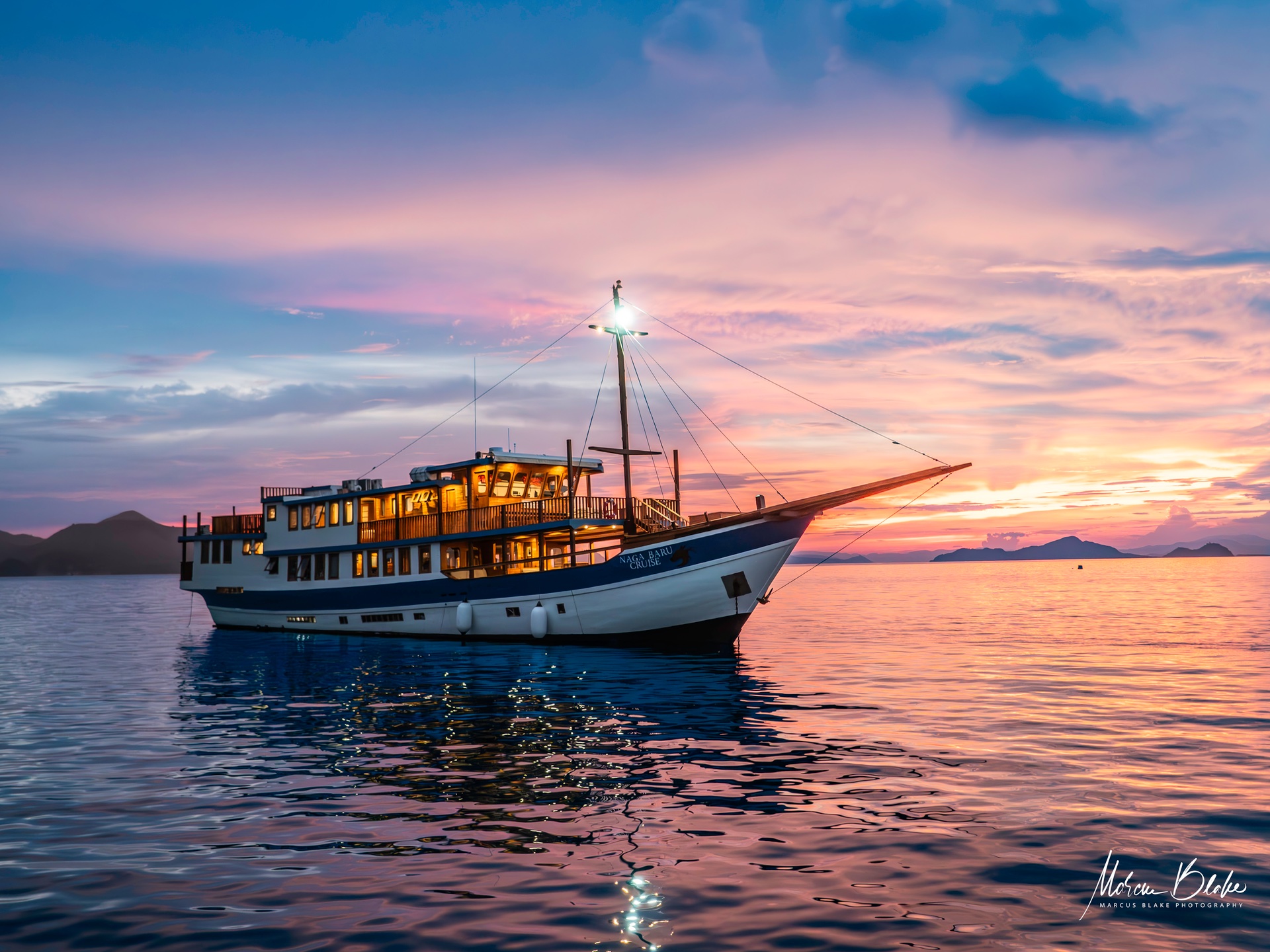
Naga Biru
Indonesia
12 guests40 m
$273/day
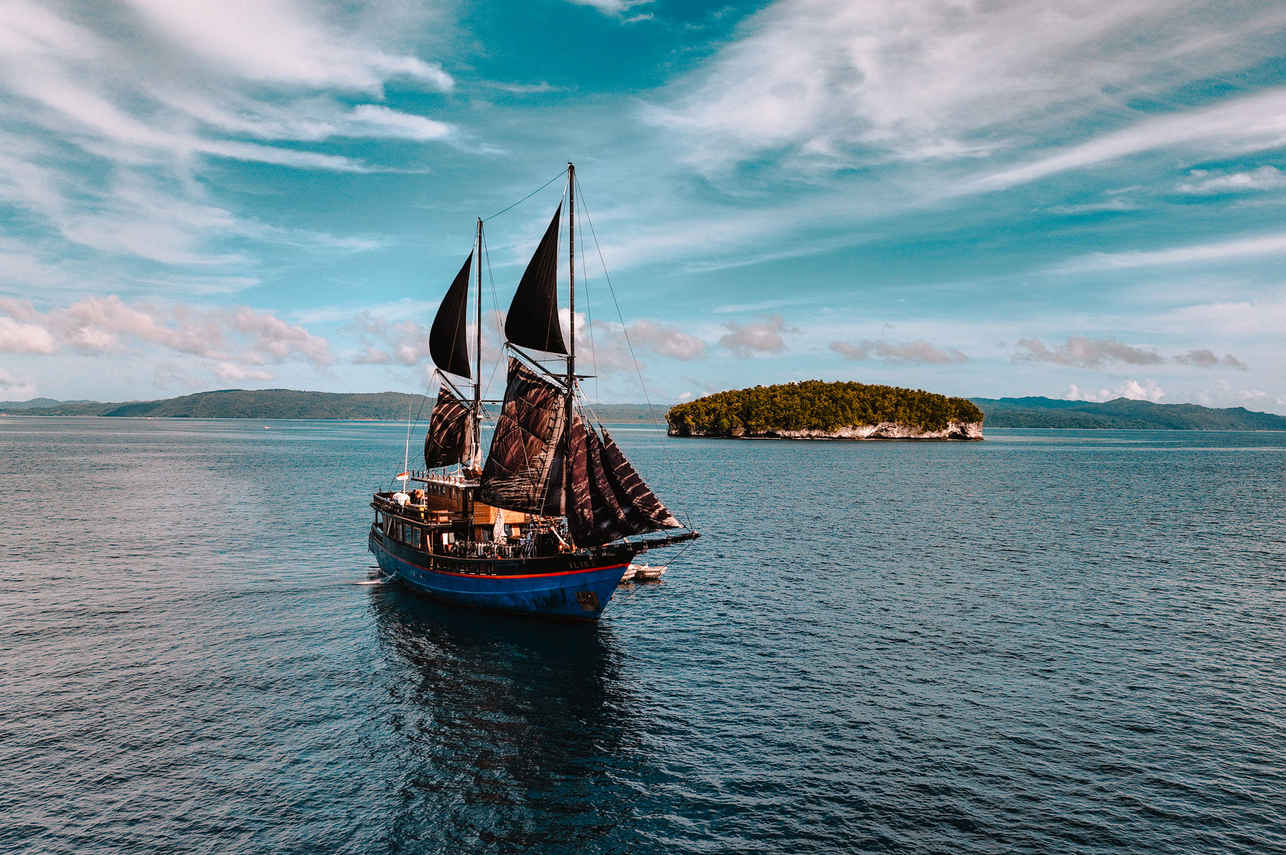
Ilike
Indonesia
16 guests40 m
$350/day
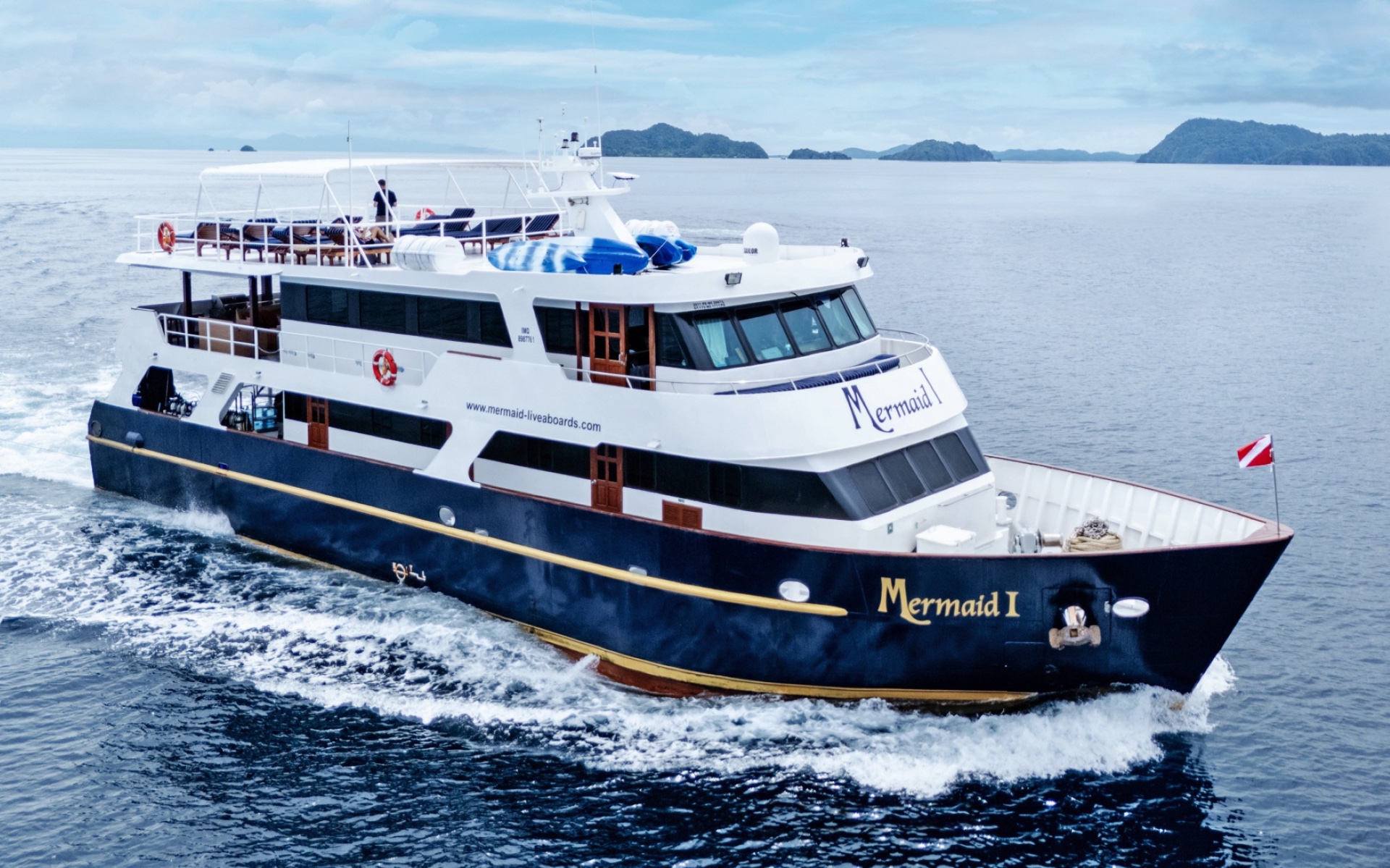
Mermaid I
Alor
15 guests28 m
$479/day
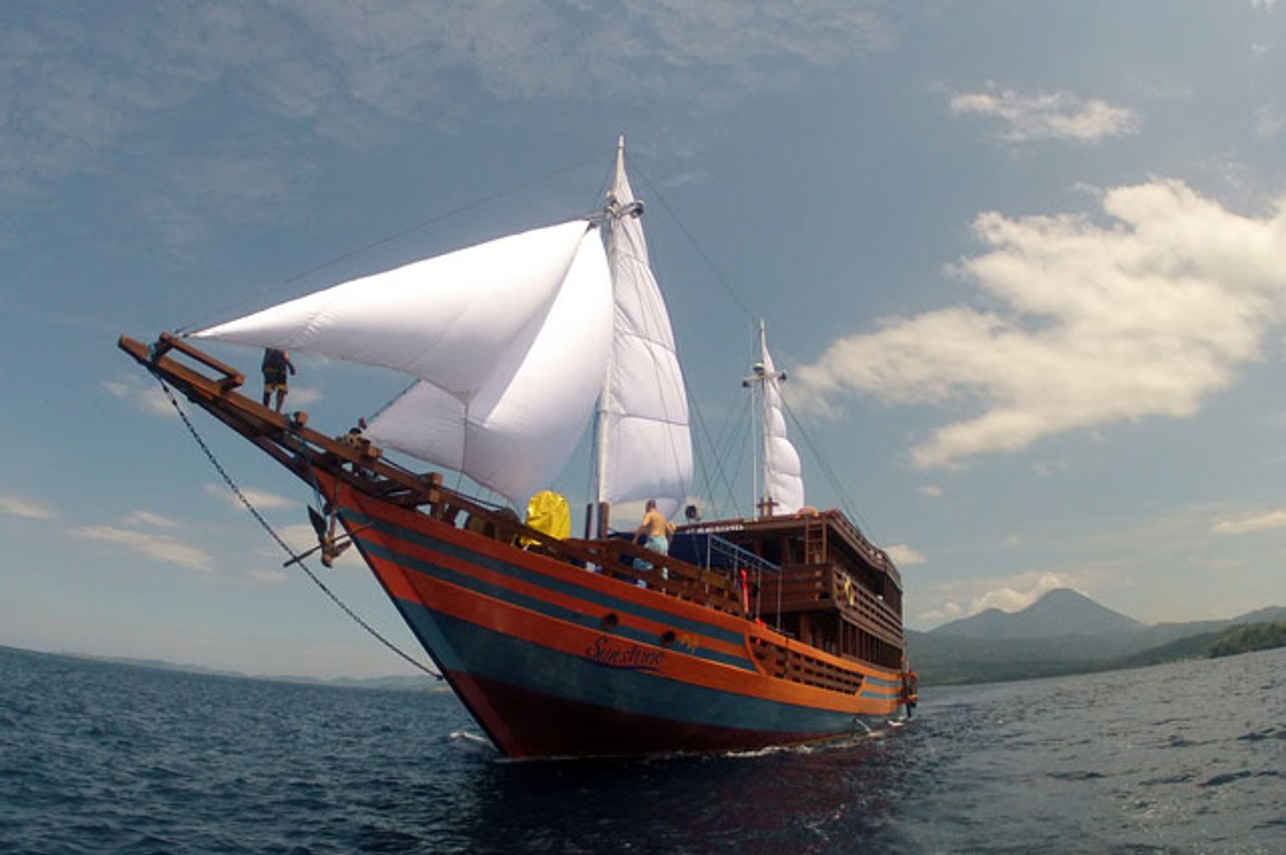
Sunshine Liveaboard
Indonesia
10 guests31 m
$191/day
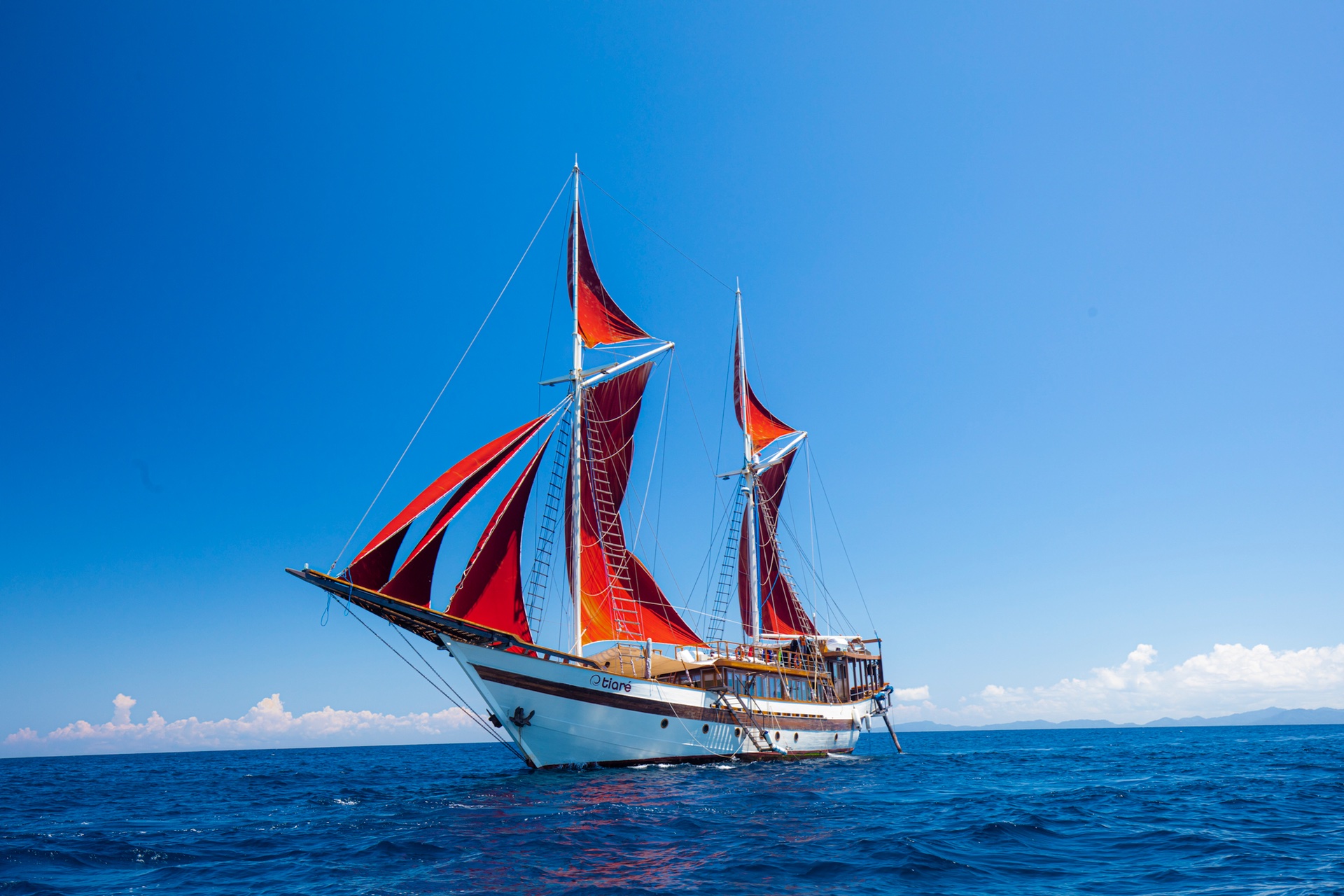
Tiare Cruise
Indonesia
12 guests36.5 m
$473/day
Dive sites similar to Bias Tugel
Same character, same waters — six more sites divers love for the exact same reasons.Compare seasons, access and liveaboard routes — then pick the site that fits your trip best.
Lipah Bay is situated on Bali's northeast coast within the Amed area, nestled against the dramatic backdrop of Gunung Agung.
- Suitable for
- Beginner
- Current
- Mild
- Access
- Liveaboard or dayboat
- Depth
- 5–30 m
- Theme
- Reef / Drift
© Esri — Maxar, Earthstar, GIS
Gili Tepekong
Bali
Gili Tepekong is one of three volcanic islets situated off the coast of Amuk Bay, near Padang Bai and Candidasa in East Bali.
- Suitable for
- Advanced
- Current
- Strong
- Access
- Liveaboard or dayboat
- Depth
- 10–40 m
- Theme
- Cave & cavern / Drift
Puri Jati, often referred to as PJ, is located on Bali's north coast near Lovina, on the outskirts of Seririt village.
- Suitable for
- Intermediate
- Current
- No current
- Access
- Shore / dayboat
- Depth
- 6–12 m
- Theme
- Reef
© Esri — Maxar, Earthstar, GIS
Japanese Wreck
Bali
The Japanese Wreck is a compelling dive site located in Banyuning Bay, just off the beach in Amed, Bali.
- Suitable for
- Beginner
- Current
- Moderate
- Access
- Shore / dayboat
- Depth
- 6–12 m
- Theme
- Wreck / Reef
© Esri — Maxar, Earthstar, GIS
Dream Wall
Bali
Dream Wall is one of Menjangan Island's premier dive sites, located within the protected West Bali National Park marine area.
- Suitable for
- Beginner
- Current
- Mild
- Access
- Dayboat
- Depth
- 10–60 m
- Theme
- Wall / Reef