About Gili Biaha
Gili Biaha is a small, grassy rocky island located off Bali's east coast, approximately 45 minutes by boat from Padang Bai or a 25-minute ride north of Padang Bai. It stands as one of Bali's most captivating dive sites, known for its dynamic underwater landscape that combines thrilling encounters with rich marine biodiversity. The site features a prominent Shark Cave, typically found around 10 meters deep, which serves as a refuge and nursery for white-tip reef sharks. Beyond the cave, the topography consists of extensive coral walls, rocky outcrops, and dramatic drop-offs, with depths commonly ranging from 10 to 40 meters. The Biaha Slope complements the cave, offering diverse exploration opportunities for advanced divers. Marine life is abundant, with white-tip reef sharks being a primary draw within the cave and cruising nearby. Divers can also expect to see a variety of lobsters, pufferfish, octopuses, and numerous nudibranchs along the impressive coral formations. During cooler water seasons, particularly from July to October, there is a chance to spot Mola-Mola. Other sightings include turtles, frogfish, cuttlefish, and schools of trevallies and barracudas. Accessing Gili Biaha often involves a boat entry into a cove with potential waves and subsurface rocks, requiring precision from the captain and guides. Currents here can be strong and unpredictable, often necessitating a negative buoyancy entry to quickly descend to the wall. The dive profile involves navigating along the wall, using topography for shelter, and exercising strong buoyancy control, making it a distinctive challenge and a rewarding adventure for well-prepared divers.
Highlights
Shark Cave with resting white-tip reef sharksDramatic coral walls and drop-offsOpportunity for Mola-Mola sightingsAbundant macro life including nudibranchsDiverse reef fish populationsExhilarating drift diving conditionsSchools of pelagic fishLobsters, octopuses, and pufferfish
Season calendar
Best months to dive here
Jan
Feb
Mar
Apr
May
Jun
Jul
Aug
Sep
Oct
Nov
Dec
Excellent
Good
Dive site facts: Gili Biaha
- Depth
- 10–40 m
- Current
- Strong and unpredictable
- Visibility
- 10–30 m
- Water temperature
- 21–30°C, can drop to 19°C
- Entry
- Boat / negative entry
- Level
- Advanced Open Water recommended, experienced current diver
- Dive type
- Reef, cave, deep, drift
- Region / port
- Padang Bai, East Bali
- Coordinates
- 8.5092° S, 115.6150° E
Conditions & Currents
Gili Biaha is well-known for its potentially strong and unpredictable currents, which demand respect and experience from divers. Entry into the water can be challenging due to up-currents and significant swells, often requiring a negative buoyancy entry to quickly reach the protection of the wall. Once at depth, divers must often streamline themselves and use the local topography, hiding behind rocks and utilizing windows in the surge, to navigate towards the Shark Cave or along the slope. Currents are tide-dependent, and conditions around full or new moons are often avoided due to increased intensity. The water movement, particularly upwellings from the depths, can sometimes affect visibility, introducing a mix of sediments. This site is best suited for advanced divers with excellent physical fitness and prior drift diving experience, as proper air consumption management and buoyancy co
Marine life & sighting chances

White-tip reef shark
common
Lobster
common
Pufferfish
common
Octopus
occasional
Nudibranch
common
Mola-Mola (Oceanic Sunfish)
July–October · occasional
Turtle
occasional
Frogfish
occasional
Cuttlefish
occasional
Lionfish
occasional
Trevallies (schooling)
occasional
Barracudas (schooling)
occasional
Glass fish (schooling)
occasional
Leaf scorpionfish
occasionalDive profile & how the dive runs
The dive at Gili Biaha typically begins with a boat entry into a cove, where strong currents and swells may necessitate a swift negative buoyancy descent to quickly reach the protective wall. Once at the wall, divers usually descend to around 10 meters and begin navigating towards the main attraction, the Shark Cave. This often involves careful streamlining against currents, utilizing the natural topography like rocks and alcoves for shelter, and patiently advancing through lulls in the surge. Inside the cave, divers can observe white-tip reef sharks resting. After exploring the cave, the dive continues along the uneven coral wall, which features terraces, overhangs, and short plateaus, allowing for observation of diverse reef life and macro subjects. The current often dictates the pace and direction, turning the dive into a drift along the reef. The dive concludes with an ascent into the blue, carried by the prevailing currents, ensuring a controlled safety stop before surfacing.
Underwater photography
Gili Biaha offers diverse photographic opportunities, from wide-angle shots of the dramatic coral walls and the Shark Cave to macro captures of its abundant small critters. For wide-angle, a fisheye or wide rectilinear lens is ideal to convey the scale of the wall and capture sharks within the cave. Be prepared for potentially strong currents, which can make stable framing challenging; a fast shutter speed is often beneficial. For macro photography, especially along the rich coral walls and within protected crevices, a 60mm or 100mm lens will be excellent for capturing nudibranchs, shrimps, crabs, and frogfish. Due to variable visibility caused by sediments and water movement, external strobes are highly recommended for both wide-angle and macro to bring out colors and add contrast. Divers should maintain impeccable buoyancy to avoid contact with the delicate corals and to manage their position in unpredictable currents, ensuring clear shots and minimal disturbance to marine life.
Combine with nearby dive sites
- Gili Tepekong
Part of the 'Padang Bai Gilis', known for strong currents and pelagics.
- Gili Mimpang
Another of the 'Padang Bai Gilis', offering diverse topography and marine life.
- Tanjung Jepun
Tanjung Jepun is a celebrated dive site located close to Padang Bai on Bali's eastern coast, easily accessible for day trips from Sanur.
- Jepun Wreck
The Jepun Wreck is a dive site nestled in Padang Bai, Bali, a coastal town offering a diverse range of underwater experiences.
Getting there & logistics
Diving trips to Gili Biaha typically depart from Padang Bai, which is about a 60-minute drive from Sanur in East Bali. Many dive operators arrange hotel transfers from areas like Sanur to Padang Bai. The boat journey from Padang Bai to Gili Biaha takes approximately 25 to 45 minutes. Trips usually include two dives, with a third optional, and cover all necessary diving gear, professional guides, transportation, meals, and marine park fees. Gili Biaha is often combined with other sites in the Padang Bai Gilis (Gili Tepekong, Gili Mimpang) to offer a varied day of diving. Divers should confirm with their dive shop regarding water temperatures and potential need for thicker wetsuits, especially during the Mola-Mola season when cold upwellings are common.
Safety & environment
Diving at Gili Biaha requires a high level of preparedness due to strong and unpredictable currents, potential swells, and challenging entry conditions. Divers should possess advanced certification, excellent buoyancy control, and experience with drift diving. Physical fitness is also a prerequisite. Always follow your dive guide's instructions closely, especially during entry and navigation around the cave and walls. Avoid entering the Shark Cave if surge conditions are not perfect. The nearest recompression chamber is located in Denpasar, Bali. In case of a dive emergency, evacuation would typically involve a boat transfer back to Padang Bai, followed by land transport to medical facilities. Comprehensive dive insurance covering medical emergencies and evacuation is strongly recommended for all divers visiting this site.
Who it suits — and who it doesn't
Suited for
- Advanced Open Water certified divers
- Divers with strong current experience
- Photographers seeking diverse subjects
- Thrill-seekers looking for dynamic dives
- Divers interested in white-tip reef sharks
Less suited for
- Beginner divers or Open Water certified divers
- Divers with limited current experience
- Those with poor buoyancy control
- Divers seeking calm, easy conditions
- Individuals with low physical fitness
FAQ
Gili Biaha FAQ
What marine life can I expect to see at Gili Biaha?
Gili Biaha is most famous for its Shark Cave, where you can frequently spot white-tip reef sharks resting. Beyond the cave, the site is rich with diverse marine life including lobsters, pufferfish, octopuses, and a wide variety of nudibranchs. Lucky divers might also encounter turtles, frogfish, cuttlefish, and during the right season (July-October), the elusive Mola-Mola.
What is the typical depth range for diving at Gili Biaha?
The dive site at Gili Biaha commonly ranges in depth from 10 meters down to 40 meters. The prominent Shark Cave is typically found around 10 meters deep, while the surrounding coral walls and drop-offs extend to greater depths, offering varied exploration opportunities for different dive plans.
Are the currents strong at Gili Biaha?
Yes, Gili Biaha is known for its strong and often unpredictable currents. Divers should be prepared for challenging conditions, including up-currents and swells during entry. Excellent buoyancy control, physical fitness, and prior experience with drift diving are highly recommended to safely navigate this dynamic site.
What is the best time of year to dive Gili Biaha?
Optimal diving conditions at Gili Biaha generally occur from April through October, which is Bali's dry season. During these months, rainfall is lower, seas are calmer, and visibility is typically at its best. This period also aligns with the season when Mola-Mola might be spotted due to cooler upwellings.
What experience level is required for diving Gili Biaha?
Gili Biaha is recommended for advanced divers, specifically those with an Advanced Open Water certification or higher. Due to potentially strong and unpredictable currents, good physical fitness, excellent buoyancy control, and experience with drift diving are essential. It is not suitable for beginner divers.
How do I get to Gili Biaha?
Most dive trips to Gili Biaha depart from Padang Bai on Bali's east coast. Padang Bai is roughly a one-hour drive from Sanur. From Padang Bai, the boat journey to Gili Biaha typically takes between 25 to 45 minutes, depending on sea conditions and the specific departure point.
Why dive Gili Biaha from a liveaboard?
Gili Biaha is one of Bali's signature dive sites. A liveaboard sleeps you on the water and puts you in the water for three to four guided dives per day, including dawn and night dives that day-boat operators rarely offer. You skip the daily commute back to port and reach quieter, less-crowded sites in the same region on a single trip.
Below are the liveaboards that include Gili Biaha on their Bali itineraries.
Liveaboards diving Gili Biaha
These liveaboards may visit Gili Biaha on selected itineraries — the exact dive sites depend on departure, weather and conditions.
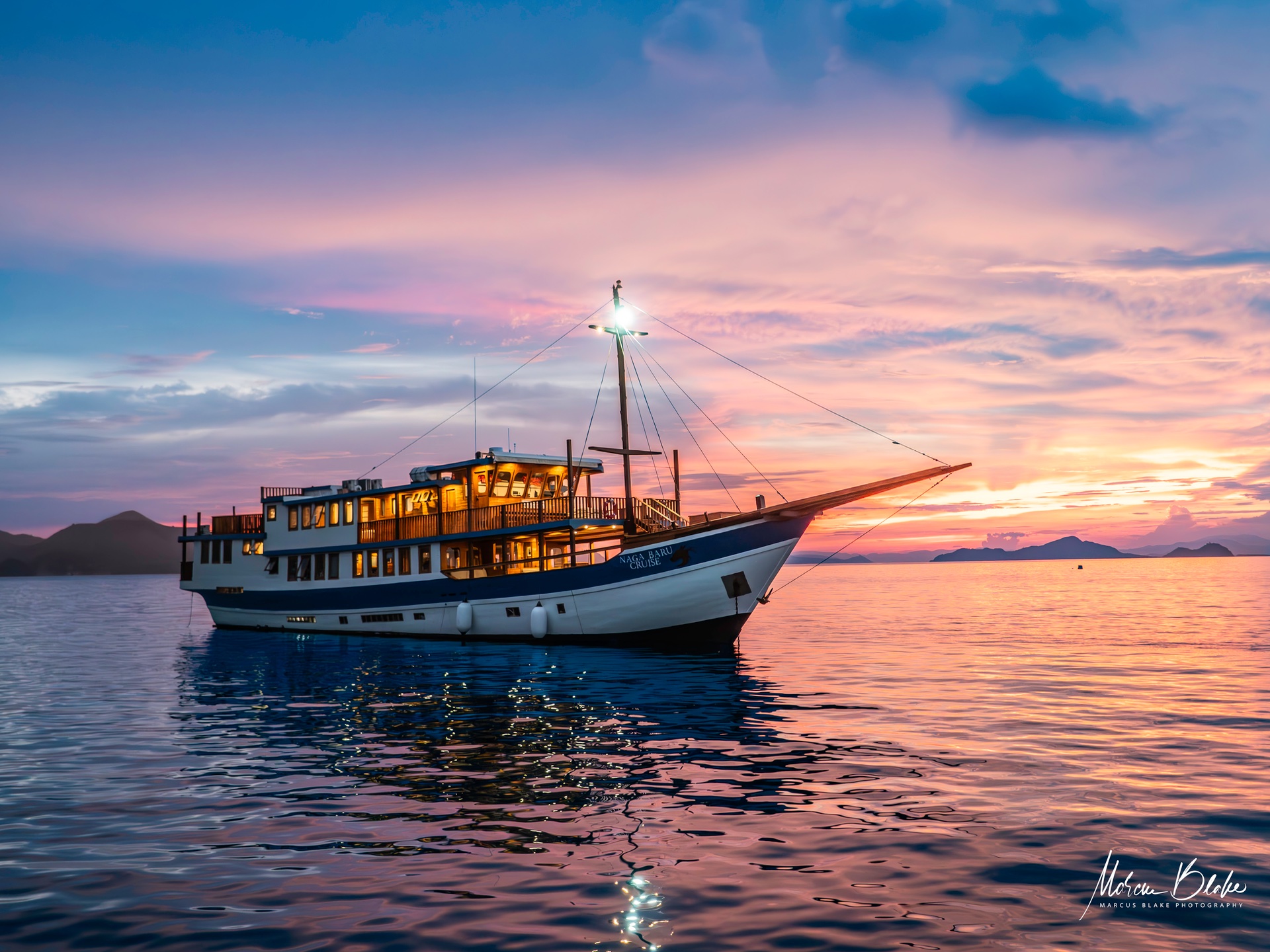
Naga Biru
Indonesia
12 guests40 m
$271/day
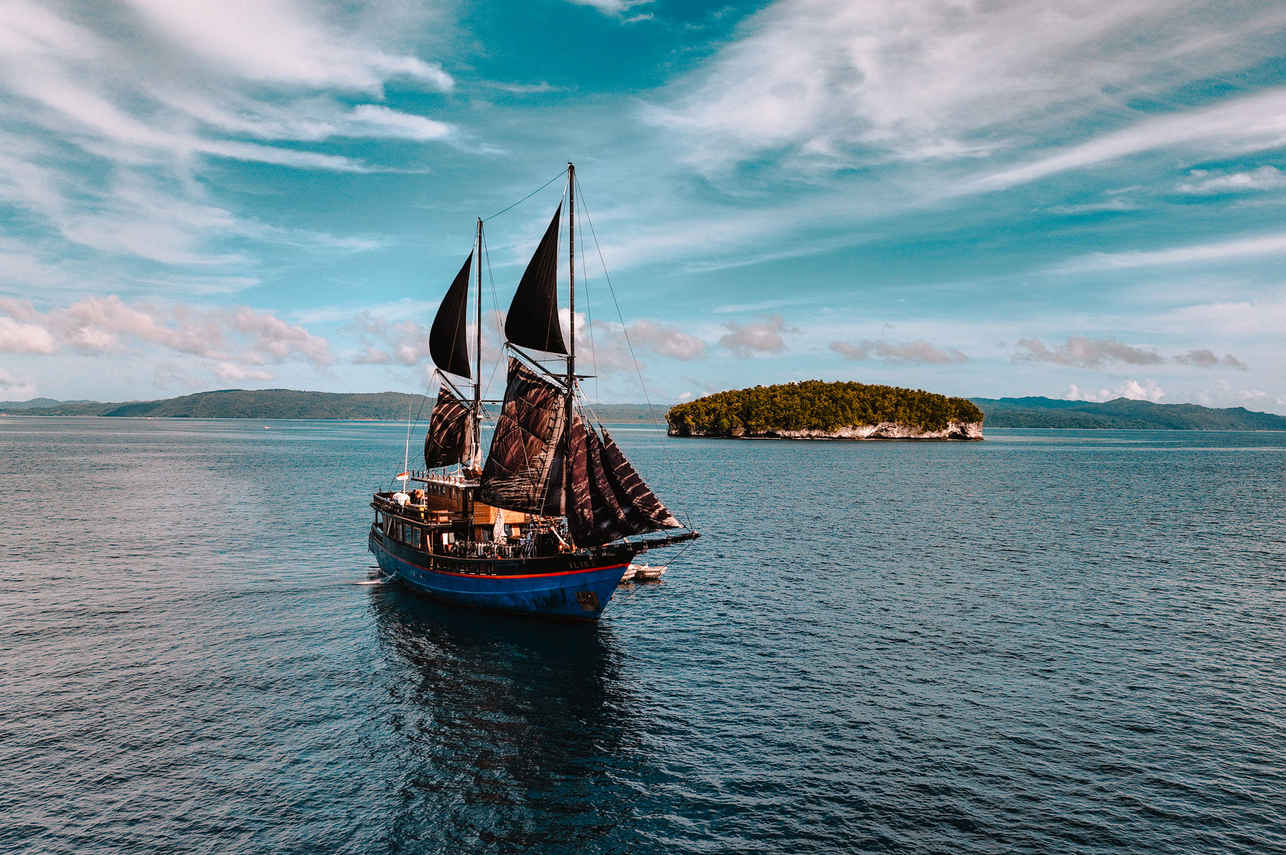
Ilike
Indonesia
16 guests40 m
$350/day
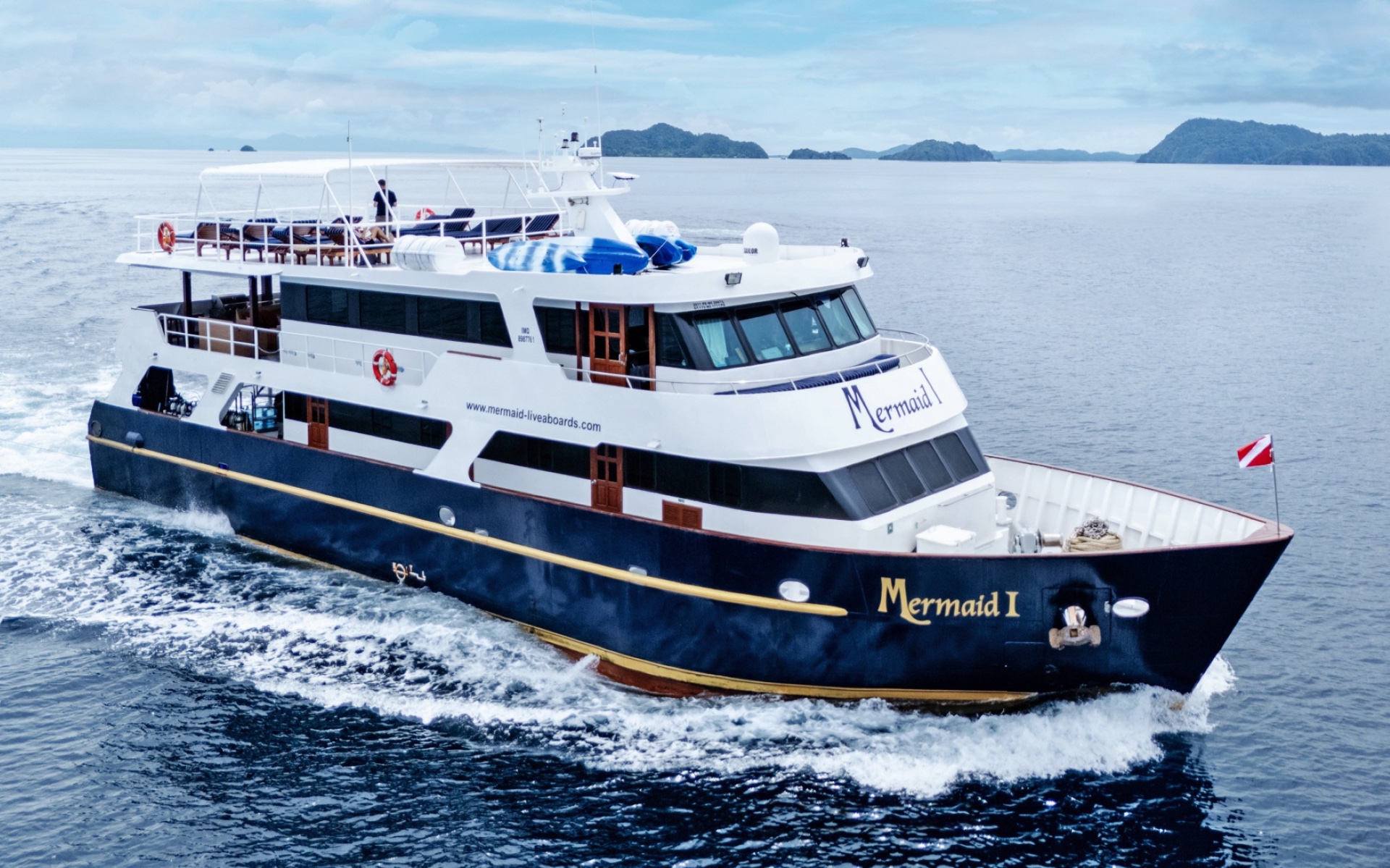
Mermaid I
Alor
15 guests28 m
$474/day
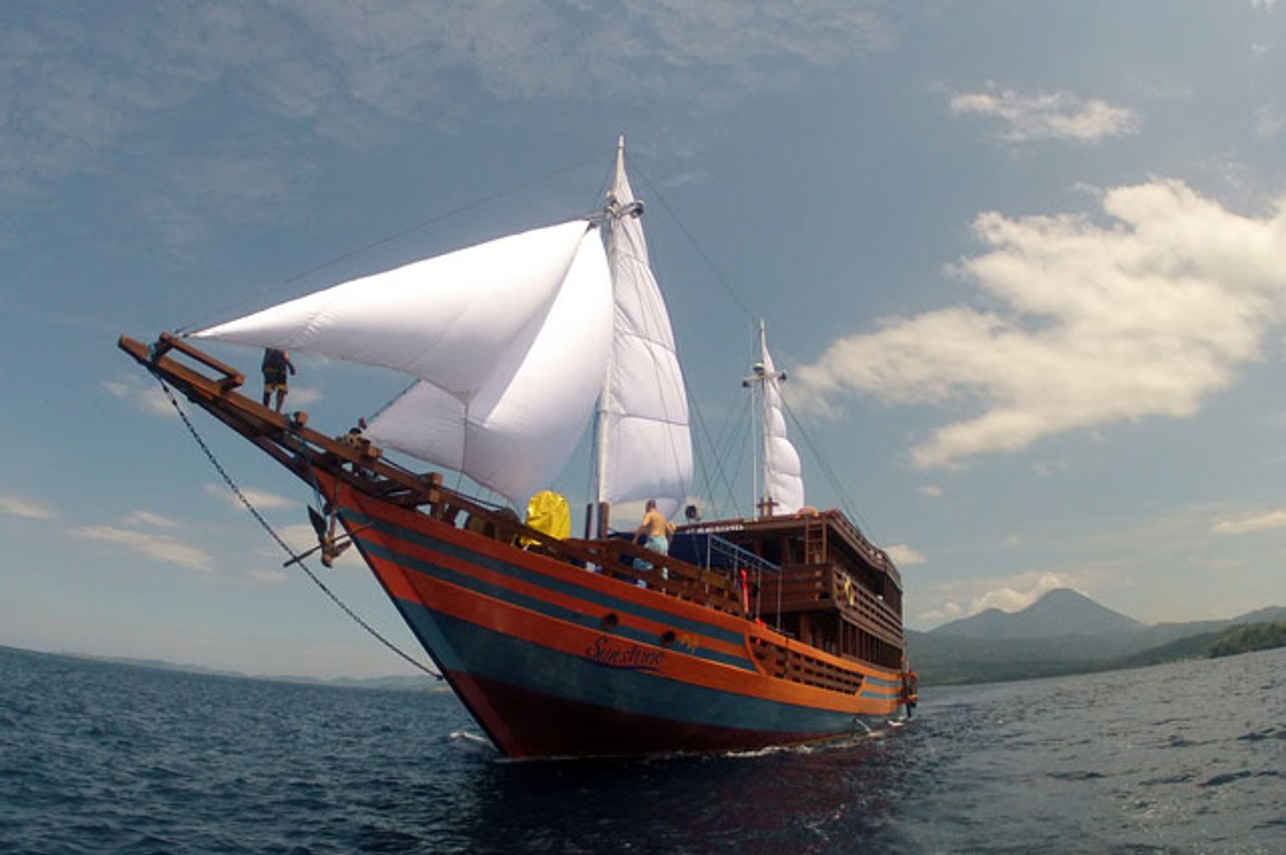
Sunshine Liveaboard
Indonesia
10 guests31 m
$190/day
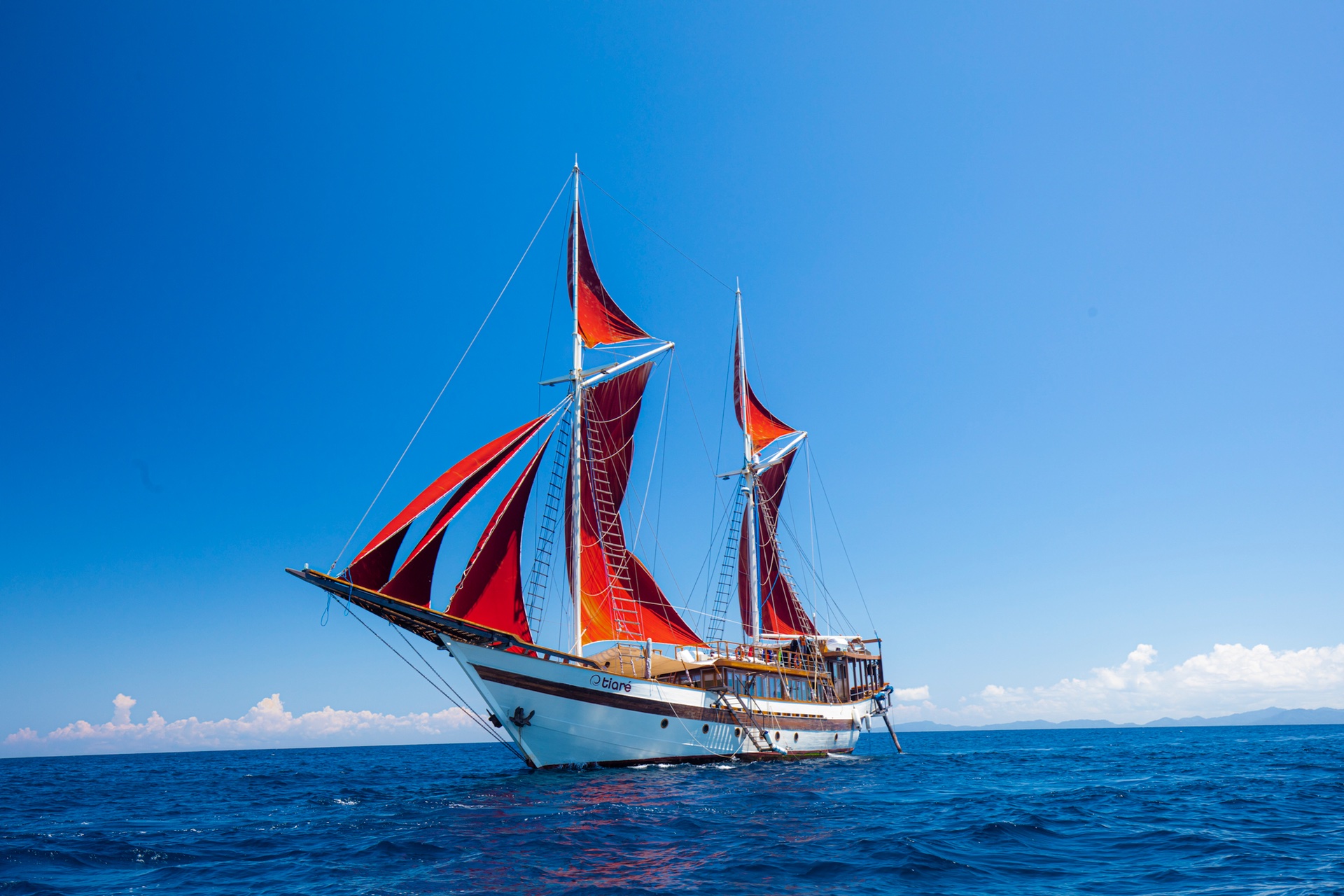
Tiare Cruise
Indonesia
12 guests36.5 m
$473/day
Dive sites similar to Gili Biaha
Same character, same waters — six more sites divers love for the exact same reasons.Compare seasons, access and liveaboard routes — then pick the site that fits your trip best.
© Esri — Maxar, Earthstar, GIS
Big La Laguna
Philippines
Big La Laguna is a beach community situated on the western edge of the Sabang Peninsula, a popular dive region on Mindoro Island, Philippines.
- Suitable for
- Intermediate
- Current
- Moderate
- Access
- Dayboat
- Depth
- 5–35 m
- Theme
- Reef / Wall
© Esri — Maxar, Earthstar, GIS
Rusa Pinnacle
Alor
Rusa Pinnacle is a challenging yet highly rewarding dive site situated in the Alor archipelago, part of Indonesia's East Nusa Tenggara.
- Suitable for
- Advanced
- Current
- Strong
- Access
- Liveaboard only
- Depth
- 6–30 m
- Theme
- Reef
Lipah Bay is situated on Bali's northeast coast within the Amed area, nestled against the dramatic backdrop of Gunung Agung.
- Suitable for
- Beginner
- Current
- Mild
- Access
- Liveaboard or dayboat
- Depth
- 5–30 m
- Theme
- Reef / Drift
© Esri — Maxar, Earthstar, GIS
Tangked Cave
Bali
Tangked Cave, sometimes referred to as Tangked Taked Shark Cave, is an advanced dive site situated in the open ocean off Bali's southeastern coast.
- Suitable for
- Advanced
- Current
- Moderate
- Access
- Liveaboard or dayboat
- Depth
- 15–40 m
- Theme
- Cave & cavern / Reef
© Esri — Maxar, Earthstar, GIS
Schools Out
Alor
Schools Out in Alor offers divers an exceptional encounter with healthy coral reefs and a rich variety of marine species.
- Suitable for
- Intermediate
- Current
- Mild
- Access
- Liveaboard only
- Depth
- 20–30 m
- Theme
- Reef
© Esri — Maxar, Earthstar, GIS
Batununggul
Bali
Batununggul, also known as Suana or Batumulapan by some operators, is a dynamic wall and sloping reef dive site situated on the eastern side of Nusa Penida, Bali.
- Suitable for
- Advanced
- Current
- Strong
- Access
- Liveaboard or dayboat
- Depth
- 10–40 m
- Theme
- Wall