About Kavachi Submarine Volcano
Kavachi, famously known as the "Sharkano," is a dynamic submarine volcano located south of Gatokae and Vangunu Islands in the Solomon Sea. It stands as one of the world's most active underwater volcanoes, regularly producing discolored water plumes, steam, and ash, and occasionally forming temporary islands that rapidly erode. The summit is approximately 20 meters below sea level, though the volcanic cone rises from a depth of about 1 kilometer. The volcano is renowned for the unusual marine life that thrives in its acidic, mineral-rich crater waters during periods of reduced activity. Observations have included sharks, fish, and gelatinous animals adapting to this extreme environment, supported by chemosynthetic microbial populations. While the volcano's constant activity and acidic waters mean direct diving into the crater is extremely hazardous and prohibited, its unique influence on the surrounding marine ecosystem makes it a point of significant scientific interest. The area around Kavachi showcases the resilience of life in proximity to active volcanic forces, offering insights into deep-sea hydrothermal ecosystems. Regular monitoring is conducted via satellite to track its activity, which can fluctuate rapidly. Access to the immediate vicinity is generally restricted due to the unpredictable nature of its eruptions and the associated dangers from sudden explosions and toxic plumes.
Highlights
Active submarine volcanoExtreme marine life adaptationAcidic crater watersTemporary island formationDiscolored water plumesUnique hydrothermal ecosystemGeological activity
Season calendar
Best months to dive here
Jan
Feb
Mar
Apr
May
Jun
Jul
Aug
Sep
Oct
Nov
Dec
Excellent
Good
Dive site facts: Kavachi Submarine Volcano
- Depth
- -20 m (summit below sea level)
- Typical dive
- Not applicable (no recreational diving)
- Current
- Strong, unpredictable, and hazardous
- Visibility
- Highly variable (clear to zero)
- Entry
- Not applicable (prohibited access)
- Level
- Not suited for recreational diving
- Dive type
- Volcanic observation (research only)
- Night dive
- Not permitted
- Region / port
- Western Province, Solomon Islands
- Coordinates
- -9.0167, 157.9667
Conditions & Currents
Kavachi is a highly active submarine volcano where conditions can change instantaneously, posing extreme hazards. The waters surrounding the volcano are subject to rapid and unpredictable current shifts, directly influenced by volcanic activity and the expulsion of plumes. Divers and vessels approaching the area face significant risks from sudden explosive eruptions, toxic and acidic water, steam blasts, and strong, localized currents. Entry and exit strategies are critically compromised by these dangers, rendering the site unsuitable for recreational diving. Visibility can range from clear to zero due to discolored water plumes and suspended ash, and thermoclines might be present from hydrothermal venting. Official safety warnings explicitly state that no safe approach exists for diving or boating near Kavachi, and access is prohibited due to the potential for sudden and severe events.
Marine life & sighting chances


Dive profile & how the dive runs
Kavachi is an active submarine volcano and is explicitly deemed unsafe for recreational diving due to the high risk of sudden explosive eruptions, toxic and acidic waters, and steam blasts. Access for general public or recreational divers is prohibited. Only professional research expeditions with special permits may conduct observations, typically employing remote sensing or submersibles. Therefore, there is no established dive profile or route for recreational diving at this site. Any attempt to dive here would be extremely hazardous and is strongly advised against.
Underwater photography
Due to the extreme hazards and explicit prohibition of recreational diving at Kavachi, specialized underwater photography is not feasible or safe. Research expeditions utilize robust remote-operated vehicles (ROVs) or autonomous underwater vehicles (AUVs) equipped with scientific-grade cameras to capture imagery in the hazardous, acidic, and often turbid environment. These conditions require highly specialized, pressure-resistant equipment and lighting to penetrate discolored water plumes and capture the unique extremophile marine life. Recreational photographers should avoid this area entirely.
Combine with nearby dive sites
- Gatokae - Kavalapu
Located north of Kavachi
- Marovo Lagoon - Coral Gardens
Known for soft corals and diverse macro life, further removed from volcanic activity.
- Munda - Shark Point
Offers walls and reef diving with sharks, a common liveaboard stop.
- Njari Island - Manta Point
Features a manta ray cleaning station, often part of Western Province itineraries.
Getting there & logistics
Access to the Solomon Islands typically begins with international flights to Honiara International Airport (HIR) on Guadalcanal, with direct connections from Australia and regional hubs. From Honiara, onward travel to the Western Province, where Kavachi is located, involves local flights or liveaboard vessels. However, it is critical to note that direct access and diving at Kavachi Submarine Volcano are prohibited for safety reasons due to its active and unpredictable nature. Only authorized scientific research expeditions with specific permits can approach the site. Most liveaboard trips in the Solomon Islands focus on other dive sites in the Western Province or other island groups, offering diverse experiences with wrecks, reefs, and pelagic encounters over typical itineraries of 7-14 days.
Safety & environment
Kavachi Submarine Volcano is an extremely dangerous and unpredictable site. Official warnings explicitly state that boating or diving near the volcano is strictly prohibited due to the severe risk of sudden explosive eruptions, toxic and highly acidic waters (pH 1-2), strong currents, and steam blasts. There is no safe approach to the site, and activity can change rapidly without warning. In the event of an emergency, evacuation would be complex and time-consuming, with limited immediate medical facilities in remote areas of the Solomon Islands. Divers are strongly advised to adhere to all prohibitions and seek comprehensive dive insurance for any diving activities in the region, but never attempt to dive at Kavachi. The nearest recompression chamber is located outside the Solomon Islands, highlighting the remote nature of emergency medical care.
Who it suits — and who it doesn't
Suited for
- Scientific research expeditions with specialized permits
- Volcanologists studying submarine activity
- Extremophile biologists
- Remote sensing and satellite monitoring experts
Less suited for
- Recreational divers of any experience level
- Liveaboard tourism
- Beginner divers
- Underwater photographers seeking marine life encounters
- Snorkelers or free divers
FAQ
Kavachi Submarine Volcano FAQ
Is it safe to dive Kavachi Submarine Volcano?
No, it is not safe to dive Kavachi Submarine Volcano. Official warnings state that boating or diving near the site is extremely dangerous due to the risk of sudden explosions, toxic and acidic water, strong currents, and steam blasts. Access is strictly prohibited for recreational purposes.
What kind of marine life lives in Kavachi?
Despite the extreme conditions, Kavachi is known for unusual marine life, including sharks, fish, and gelatinous animals, that have adapted to the acidic, mineral-rich crater waters. Scientific expeditions have observed these resilient species thriving in this unique hydrothermal environment.
Can I visit Kavachi as a tourist?
Recreational visits to Kavachi are prohibited due to the inherent dangers. The volcano is highly active and unpredictable, posing significant risks to anyone in its vicinity. Only professional research expeditions with explicit permits are allowed to approach the site for scientific study.
How deep is the summit of Kavachi?
The summit of Kavachi Submarine Volcano is approximately 20 meters (66 feet) below sea level. However, the volcanic cone itself rises from much greater depths, around 1 kilometer (0.6 miles) below the surface.
What is the "Sharkano" nickname about?
Kavachi earned the nickname "Sharkano" because sharks and other marine life have been observed living and thriving in its active, acidic crater waters. This unusual phenomenon highlights the adaptability of certain species to extreme environments.
How active is Kavachi?
Kavachi is one of the world's most active submarine volcanoes, with frequent phreatomagmatic eruptions. These eruptions produce discolored water plumes, temporary islands, and steam/ash emissions, with activity monitored remotely via satellite due to its continuous unrest.
Why dive Kavachi Submarine Volcano from a liveaboard?
Kavachi Submarine Volcano is one of Solomon Islands's signature dive sites. A liveaboard sleeps you on the water and puts you in the water for three to four guided dives per day, including dawn and night dives that day-boat operators rarely offer. You skip the daily commute back to port and reach quieter, less-crowded sites in the same region on a single trip.
Below are the liveaboards that include Kavachi Submarine Volcano on their Solomon Islands itineraries.
Liveaboards diving Kavachi Submarine Volcano
These liveaboards may visit Kavachi Submarine Volcano on selected itineraries — the exact dive sites depend on departure, weather and conditions.
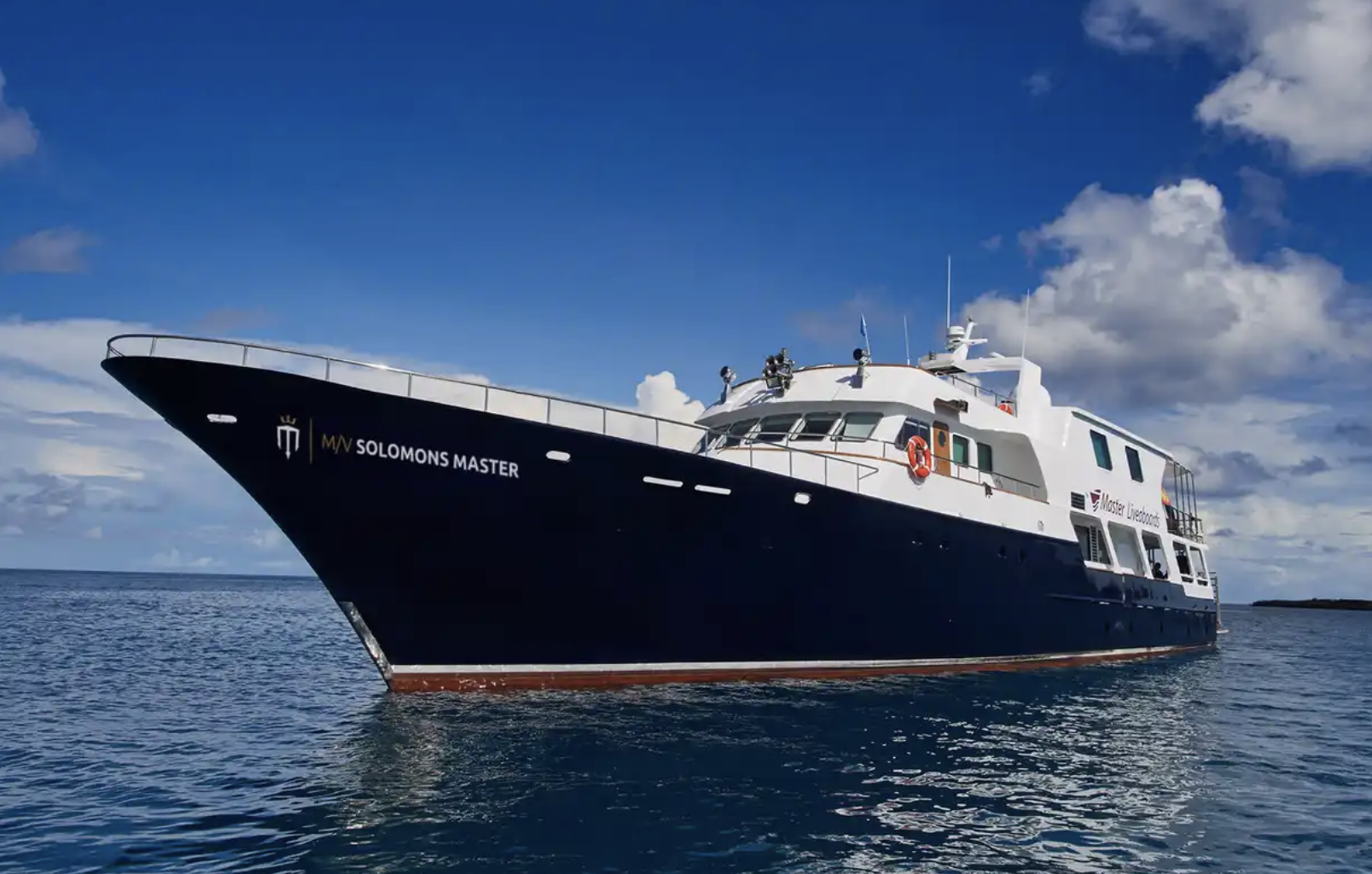
Solomons Master
Solomon Islands
16 guests
$401/day
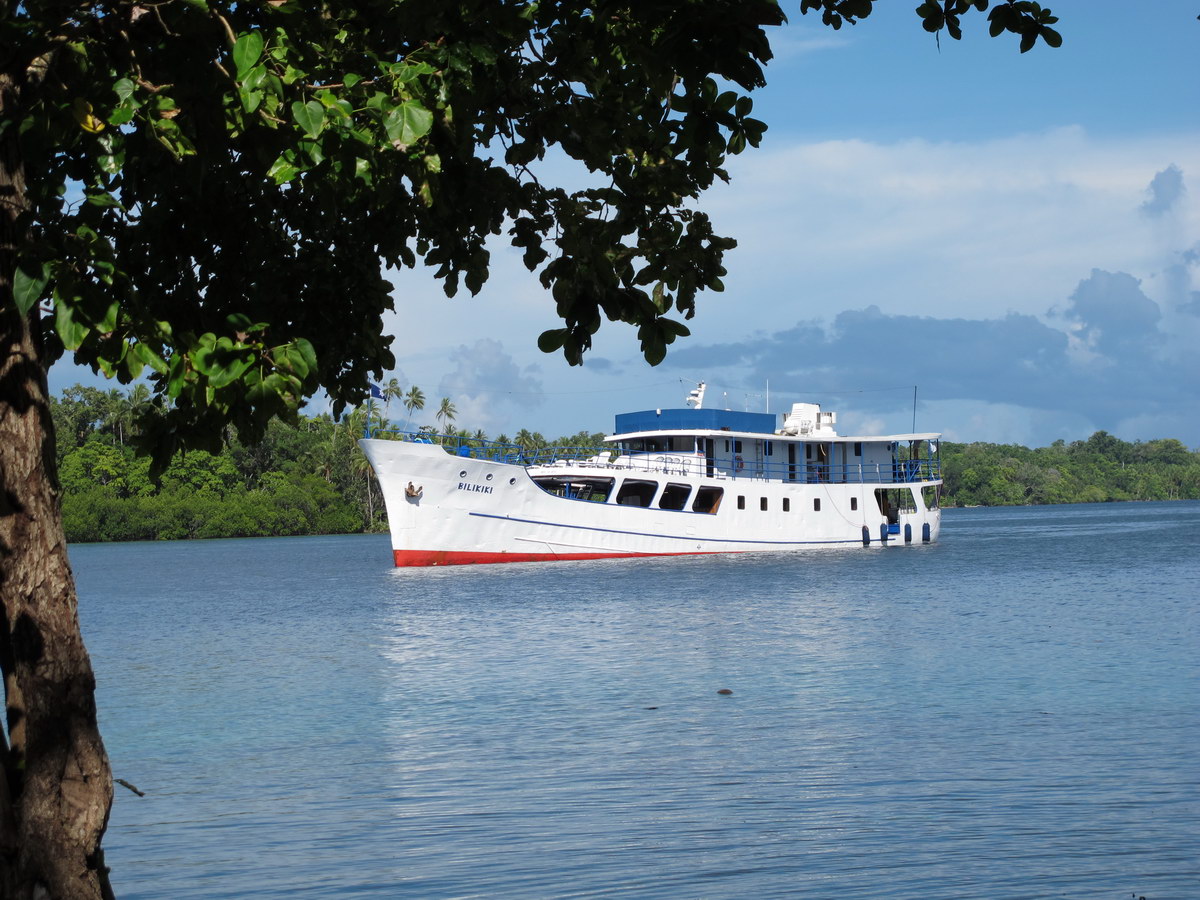
Emperor Bilikiki
Solomon Islands
20 guests38 m
$569/day
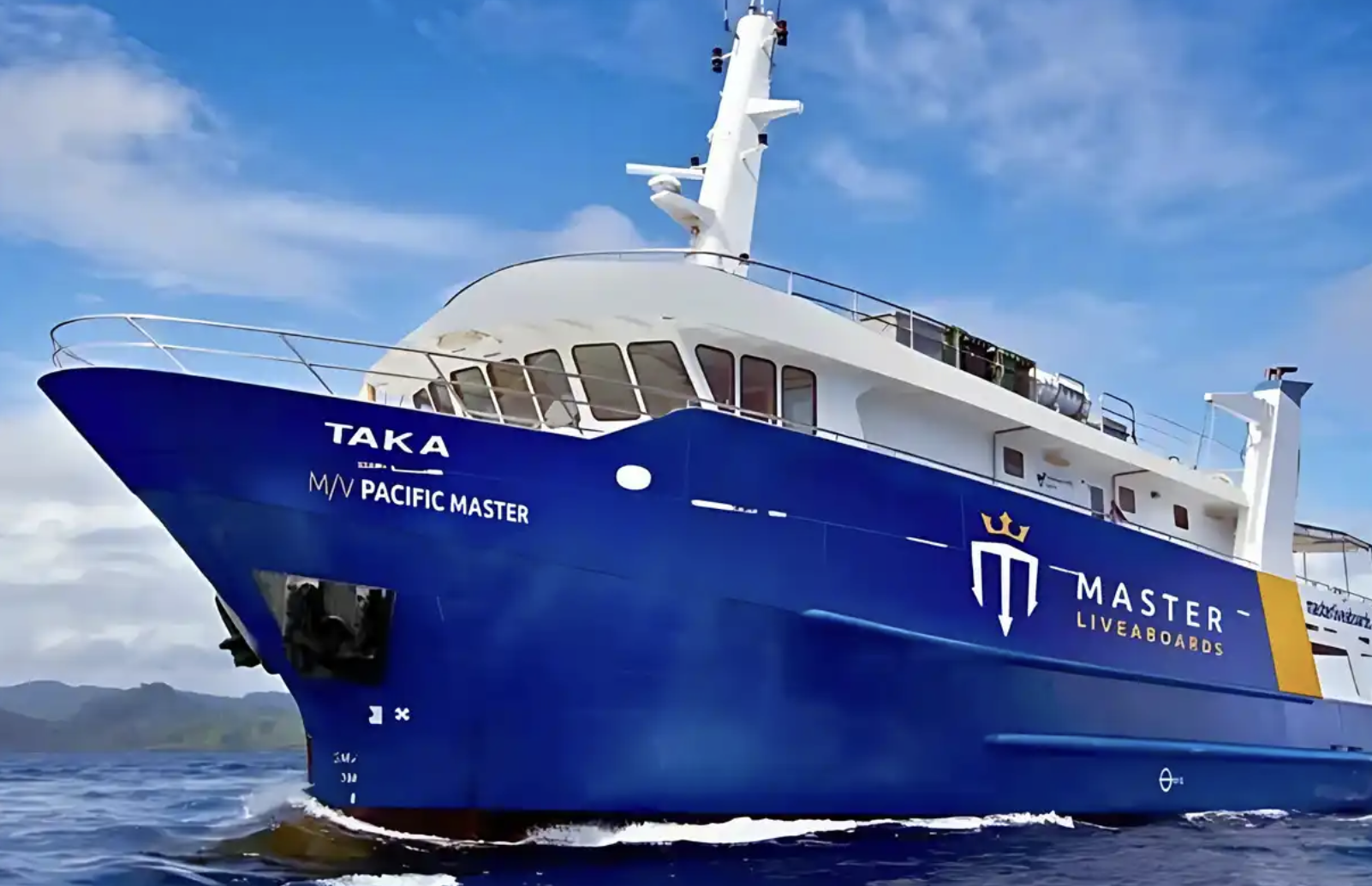
Pacific Master
Solomon Islands
20 guests30 m
$268/day
Dive sites similar to Kavachi Submarine Volcano
Same character, same waters — six more sites divers love for the exact same reasons.Compare seasons, access and liveaboard routes — then pick the site that fits your trip best.
© Esri — Maxar, Earthstar, GIS
Marovo Lagoon - Coral Gardens
Solomon Islands
Marovo Lagoon, a UNESCO World Heritage site and the planet's largest saltwater lagoon, is a crown jewel of diving in the Solomon Islands.
- Suitable for
- Beginner
- Current
- Moderate
- Access
- Liveaboard only
- Depth
- 3–15 m
- Theme
- Reef
© Esri — Maxar, Earthstar, GIS
Mbigo Mbigo
Solomon Islands
Mbigo Mbigo is a renowned dive site located in the Western Province of the Solomon Islands, accessible from Munda.
- Suitable for
- Beginner
- Current
- Mild
- Access
- Liveaboard only
- Depth
- ≤ 25 m
- Theme
- Reef
© Esri — Maxar, Earthstar, GIS
Mbulo Island
Solomon Islands
Mbulo Island, a crown jewel within the immense Marovo Lagoon in the western Solomon Islands, is renowned for its distinctive underwater topography.
- Suitable for
- Intermediate
- Current
- Mild
- Access
- Liveaboard only
- Depth
- ≤ 20 m
- Theme
- Cavern / Reef
Munda Bar is a prominent dive site located in the Munda region of the Solomon Islands' Western Province.
- Suitable for
- Beginner
- Current
- Mild
- Access
- Dayboat
- Depth
- 5–60 m
- Theme
- Reef
Kuabs, situated off Munda in the Solomon Islands' Western Province, presents a captivating sloping reef wall dive.
- Suitable for
- Intermediate
- Current
- No current
- Access
- Dayboat
- Depth
- —
- Theme
- Reef / Wall