About Twin Rocks
Twin Rocks is a prominent dive site located in Anilao, Batangas, within the Philippines' Calumpan Peninsula. It holds marine protected area status, contributing to its exceptional biodiversity, particularly attracting macro photographers and critter enthusiasts. Situated within the Verde Island Passage, recognized as the "center of the center of marine biodiversity," the site offers a rich tapestry of marine life. The site is characterized by two distinct rock formations, which give it its name, positioned closely together at depths of 14 to 16 meters. These rocks are adorned with diverse soft corals, large sea fans, and fire corals, creating a visually stunning underwater landscape. The surrounding reef system is healthy and extends to various depths, accommodating different diving experiences. While larger pelagic encounters are less common, Twin Rocks is a paradise for spotting smaller, often rare, marine species. Nudibranchs, various shrimp species, and other unique critters are abundant year-round. Water temperatures consistently range from 27-30°C, providing comfortable diving conditions throughout the year, with optimal visibility and calmer seas during the dry season from December to April. Diving here typically involves boat access, with short rides from nearby resorts. Most dives maintain a shallow to moderate depth profile, generally between 6 to 18 meters, making it accessible for Open Water certified divers. However, experienced local guides are crucial for identifying the site's elusive macro subjects and navigating the environment effectively.
Highlights
Marine protected areaExceptional macro photographySoft corals and sea fansAbundant nudibranchsRibbon eels and mantis shrimpTwin rock formations
Season calendar
Best months to dive here
Jan
Feb
Mar
Apr
May
Jun
Jul
Aug
Sep
Oct
Nov
Dec
Excellent
Good
Off-Season
Dec – Apr (Dec–Apr)
Best diving conditions across most regions. Calm seas, excellent visibility. Tubbataha Reef accessible Mar–Jun only. Thresher sharks year-round at Malapascua.
May & Nov (May, Nov)
Weather shifts between seasons. Still excellent diving in many areas. Fewer crowds and lower prices. Some regions still offer perfect conditions.
Jun – Oct (Jun–Oct)
Typhoon season — mainly affects northern regions. Southern Visayas and Mindanao still offer good diving. Reduced visibility. Best prices and fewest crowds.
Dive site facts: Twin Rocks
- Depth
- 6–18 m (max 20 m)
- Typical dive
- 12–18 m, 50–60 min
- Current
- Calm
- Visibility
- 10–25 m
- Water temperature
- 27–30°C
- Entry
- Boat
- Level
- Open Water
- Dive type
- Macro, reef, critter hunting
- Night dive
- Possible
- Region / port
- Anilao, Batangas
- Coordinates
- 13.752, 120.939
Conditions & Currents
Currents at Twin Rocks are generally calm, making it suitable for divers of various experience levels. However, as with any dive site, conditions can vary, and divers should always heed local guide and captain briefings regarding daily tidal influences and potential shifts in current. Entry and exit procedures for boat dives should be confirmed beforehand to ensure a smooth experience. Visibility is typically good, ranging from 10 to 25 meters, but can be affected by plankton blooms or recent weather. Water temperatures are consistently warm, between 27-30°C, so thermoclines are not typically a concern. The calm conditions generally allow for relaxed dives, focusing on macro exploration rather than challenging drifts.
Marine life & sighting chances

Nudibranchs
Year-round · common
Barracuda
Year-round · occasional
Mantis shrimp
Year-round · common
Coleman shrimp
Year-round · occasional
Porcelain crabs
Year-round · occasional
Ribbon eels
Year-round · occasional
Anthias
Year-round · common
Damselfish
Year-round · common
Lionfish
Year-round · common
Surgeonfish
Year-round · common
Batfish
Year-round · common
Yellow snapper
Year-round · common
Jackfish
Year-round · commonDive profile & how the dive runs
Your dive at Twin Rocks typically begins with a boat entry, followed by a descent to the base of the two prominent rock formations, which lie at about 14-16 meters. You'll spend significant time exploring the crevices and surfaces of these rocks, looking for macro life, nudibranchs, and various crustaceans, often following a spiral path around them to cover different angles. The guide will lead you along the reef slope, maintaining depths generally between 6 and 18 meters, allowing ample bottom time for photography and observation. The dive concludes with an ascent towards the shallower reef tops, often around 5-7 meters, where your safety stop will take place, offering additional opportunities for observing juvenile fish and colorful corals before a boat pick-up.
Underwater photography
Twin Rocks is a macro photographer's dream, making a macro lens (60mm or 100/105mm) essential for capturing the site's tiny inhabitants. Consider a snoot or small strobes for creative lighting and isolating subjects against the vibrant coral backgrounds or dark volcanic sand. Due to the abundance of critically camouflaged creatures, patient observation and excellent buoyancy control are paramount to avoid stirring up sediment and to get close enough without disturbing the marine life. Listen to your local guide; they possess an unparalleled ability to spot the most elusive critters, significantly enhancing your photographic opportunities. Keep an eye out for nudibranchs, shrimp, and rare pipefish. While less common, a wide-angle setup might capture the general reefscape and large sea fans if conditions permit clear visibility.
Combine with nearby dive sites
- Verde Island Passage
A long day trip from Anilao, known for spectacular walls and diverse marine life.
- Sombrero Island
An island municipality within Anilao's dive region, offering various dive sites.
- Apo Island
Further south in the Visayas, renowned for its marine sanctuary and sea turtle populations.
- Anilao — Secret Bay
Also known as Mainit Muck, a famous muck diving site near Twin Rocks for rare critters.
- Cathedral Rock
Another well-known dive site in Anilao, often included in itineraries.
Getting there & logistics
To reach Twin Rocks, you'll typically fly into Manila's Ninoy Aquino International Airport (MNL). From Manila, Anilao is a convenient 2.5 to 3.5-hour drive south to the Batangas province. Transfers can be arranged via private car or public bus services. Most dive trips to Twin Rocks are organized through resorts in Anilao, which offer daily boat dives to various sites in the area. Dive packages often include multiple dives per day, with itineraries frequently combining Twin Rocks with other nearby Anilao sites like Secret Bay or Cathedral Rock. While no specific park fees are mentioned for Twin Rocks directly, divers should anticipate a small marine park fee, usually around $2.50 USD per day, for diving in the broader Anilao region.
Safety & environment
While Twin Rocks is considered beginner-friendly due to its calm currents and moderate depths, adherence to safe diving practices is essential. Always stay within your certification limits and follow the guidance of your dive master. The nearest recompression chamber is located in Batangas City, roughly an hour's drive from Anilao. In case of a diving emergency, evacuation to the nearest medical facility would involve boat and then land transport, emphasizing the need for comprehensive dive insurance that covers emergency medical care and evacuation. Plan dives conservatively, especially concerning bottom time and ascent rates, given the prevalence of multiple daily dives in the area. Always double-check entry and exit procedures with your boat crew and guide before each dive.
Who it suits — and who it doesn't
Suited for
- Open Water certified divers
- Underwater macro photographers
- Critter hunting enthusiasts
- Divers seeking calm conditions
- Beginner divers improving skills
Less suited for
- Divers seeking large pelagic encounters
- Advanced drift diving enthusiasts
- Divers uninterested in macro life
- Those looking for strong current dives
- Divers who prefer deep wreck diving
FAQ
Twin Rocks FAQ
Is Twin Rocks suitable for beginner divers?
Yes, Twin Rocks is considered suitable for Open Water certified divers. Its maximum depth is around 18-20 meters, and currents are generally calm, providing a relaxed environment for those with less experience. However, always confirm local conditions with your dive operator on the day of your dive.
What kind of marine life can I expect to see at Twin Rocks?
Twin Rocks is renowned for its incredible macro life and biodiversity. You can expect to see a wide variety of nudibranchs, mantis shrimp, Coleman shrimp, porcelain crabs, and ribbon eels. Additionally, tropical reef fish such as anthias, damselfish, lionfish, and various snappers are commonly sighted.
What is the best time of year to dive Twin Rocks?
The best time to dive Twin Rocks is during the dry season, from December to April. During these months, visibility is at its peak, and the seas are calmer, offering the most comfortable and rewarding diving experience. Water temperatures are consistently warm throughout the year.
Are currents strong at Twin Rocks?
No, the currents at Twin Rocks are typically calm. This makes the site ideal for divers who prefer a more relaxed dive and allows for focused critter hunting and underwater photography. Always check with your dive guide for the day's specific conditions.
Is Twin Rocks good for underwater photography?
Twin Rocks is an excellent site for underwater macro photography, often highlighted as a top spot in Anilao for this purpose. The abundance of unique and often rare small critters, combined with healthy corals, provides endless photographic opportunities. Be sure to bring your macro lens!
Why dive Twin Rocks from a liveaboard?
Twin Rocks is one of Philippines's signature dive sites. A liveaboard sleeps you on the water and puts you in the water for three to four guided dives per day, including dawn and night dives that day-boat operators rarely offer. You skip the daily commute back to port and reach quieter, less-crowded sites in the same region on a single trip.
Below are the liveaboards that include Twin Rocks on their Philippines itineraries.
Liveaboards diving Twin Rocks
These liveaboards may visit Twin Rocks on selected itineraries — the exact dive sites depend on departure, weather and conditions.
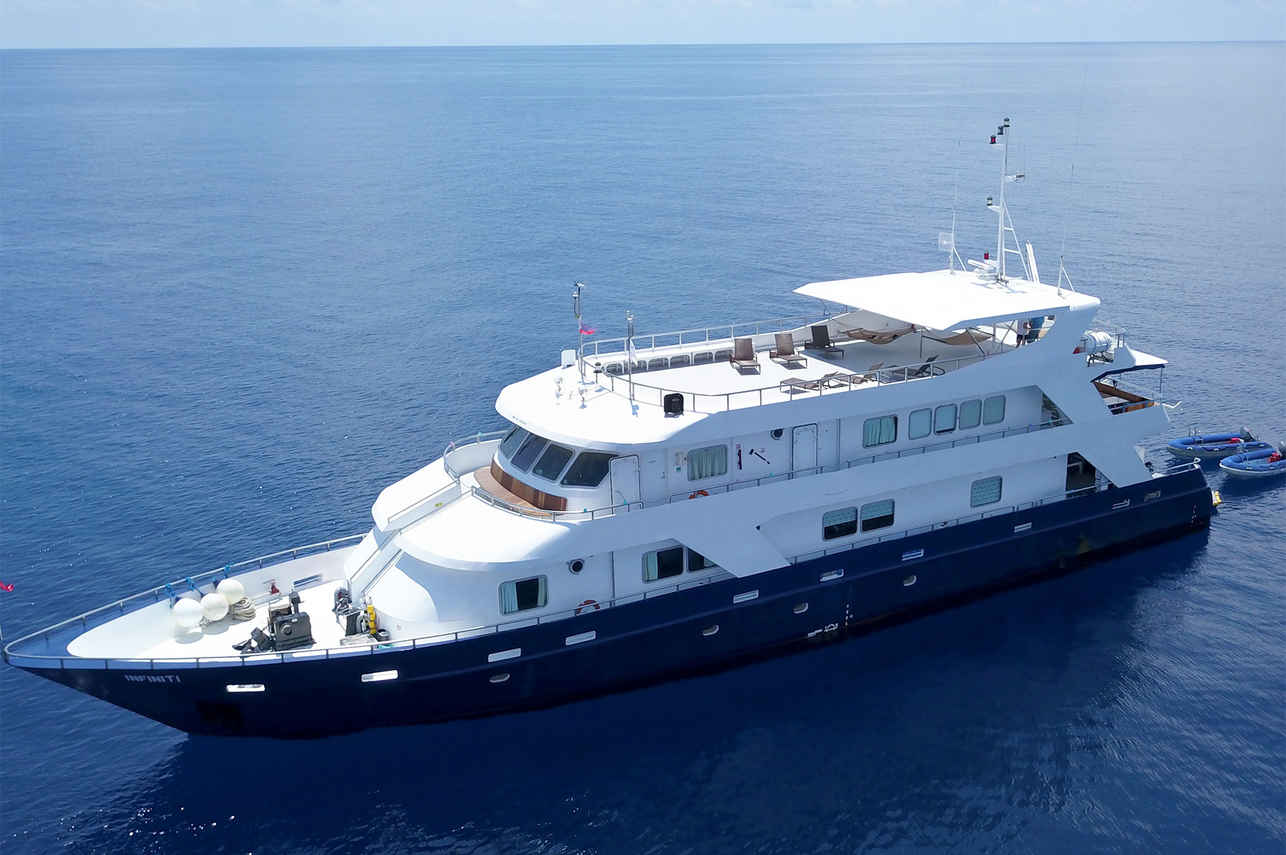
Infiniti
Philippines
25 guests39 m
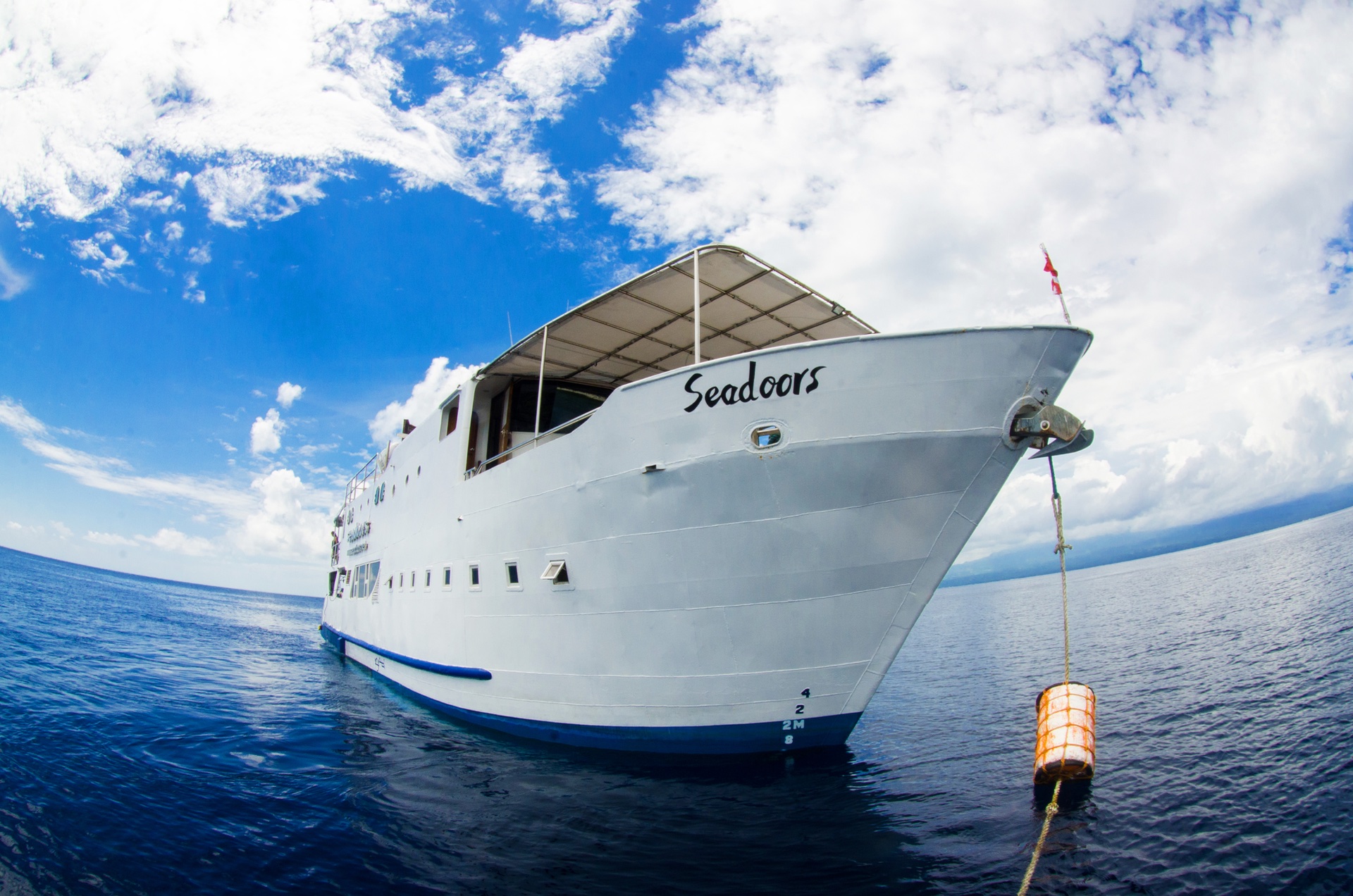
Seadoors
Philippines
16 guests25 m
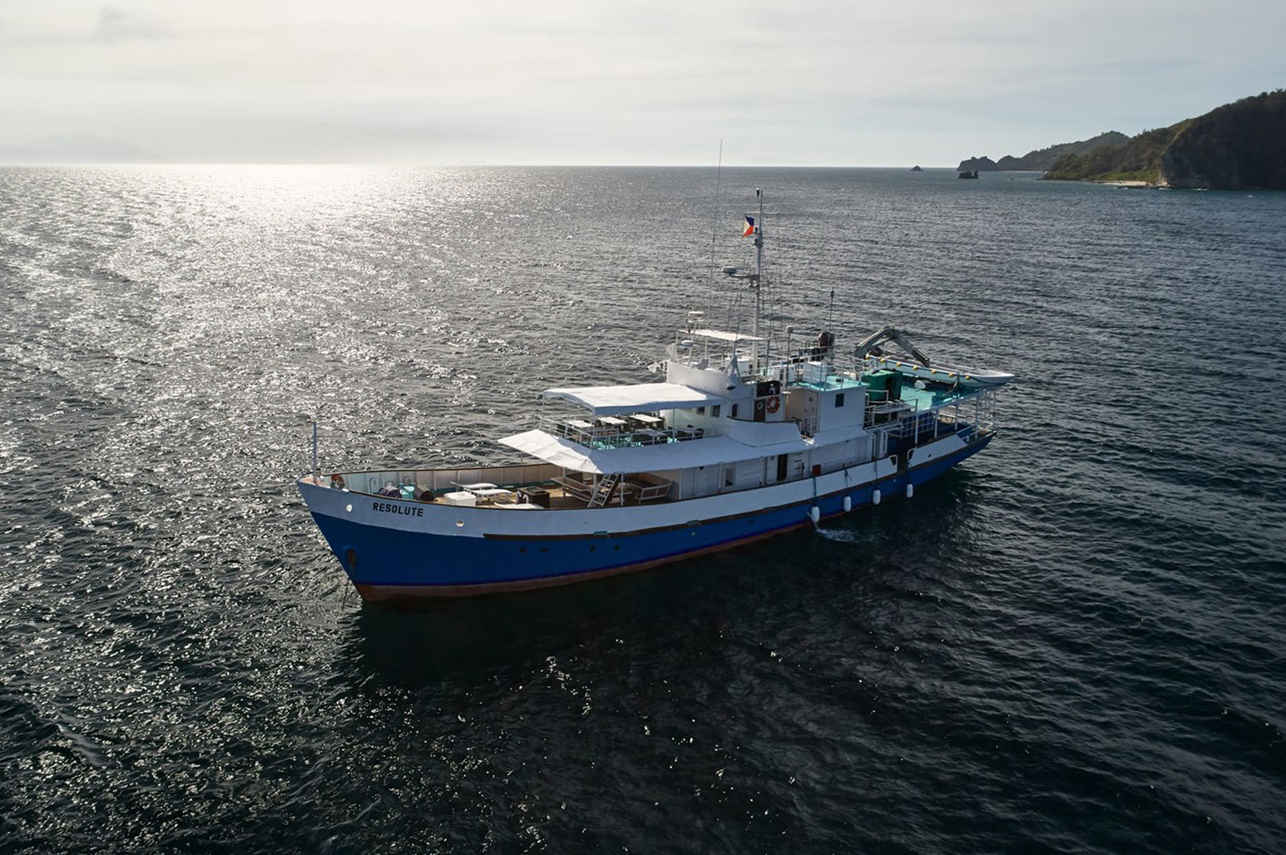
Resolute
Philippines
16 guests35 m
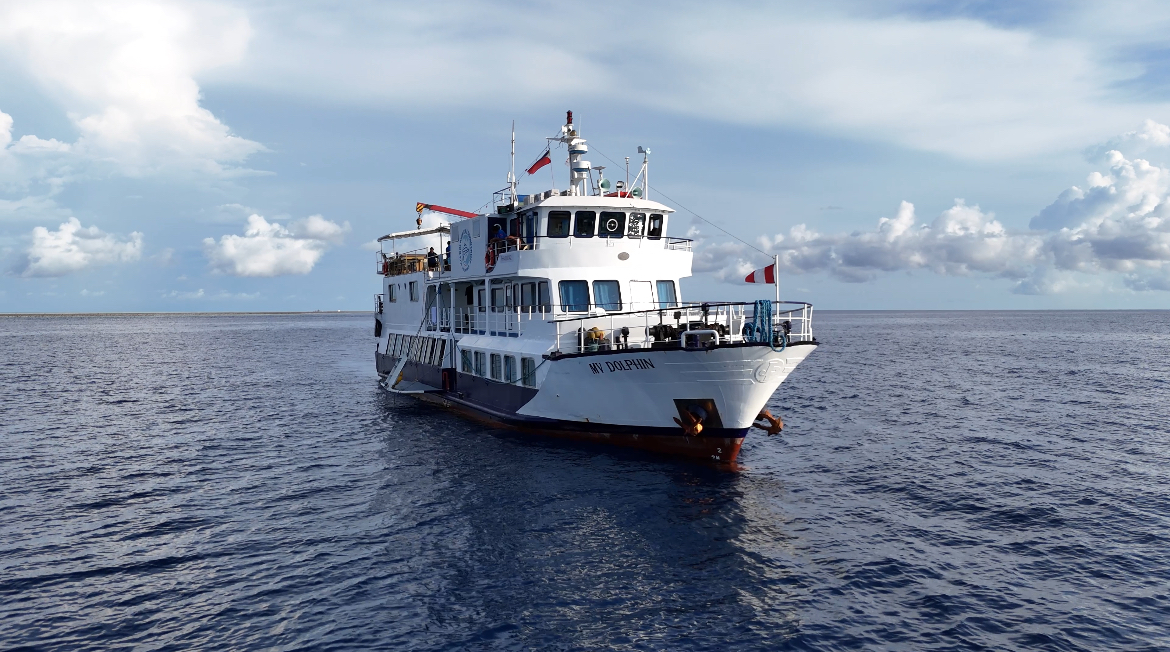
Dolphin
Philippines
18 guests31 m
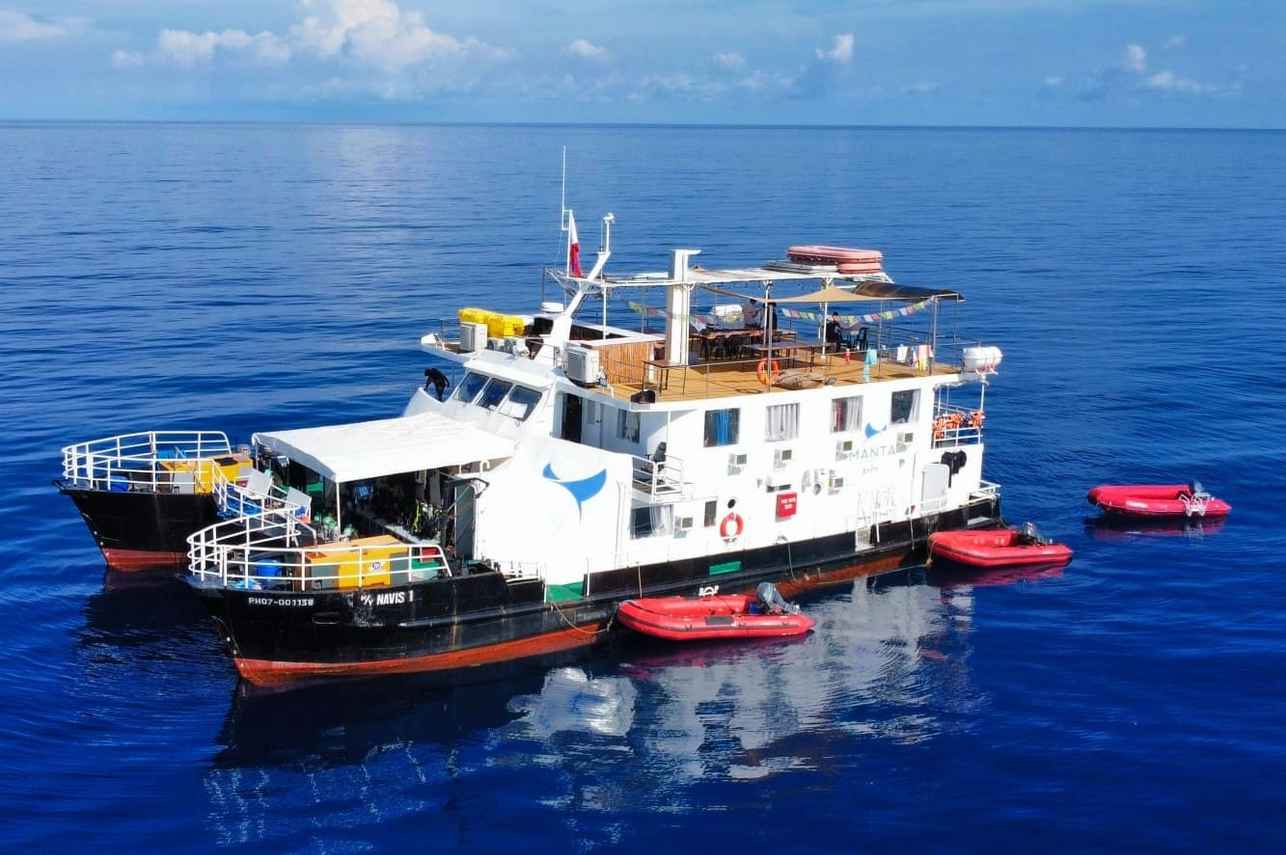
Navis 1
Philippines
22 guests23 m
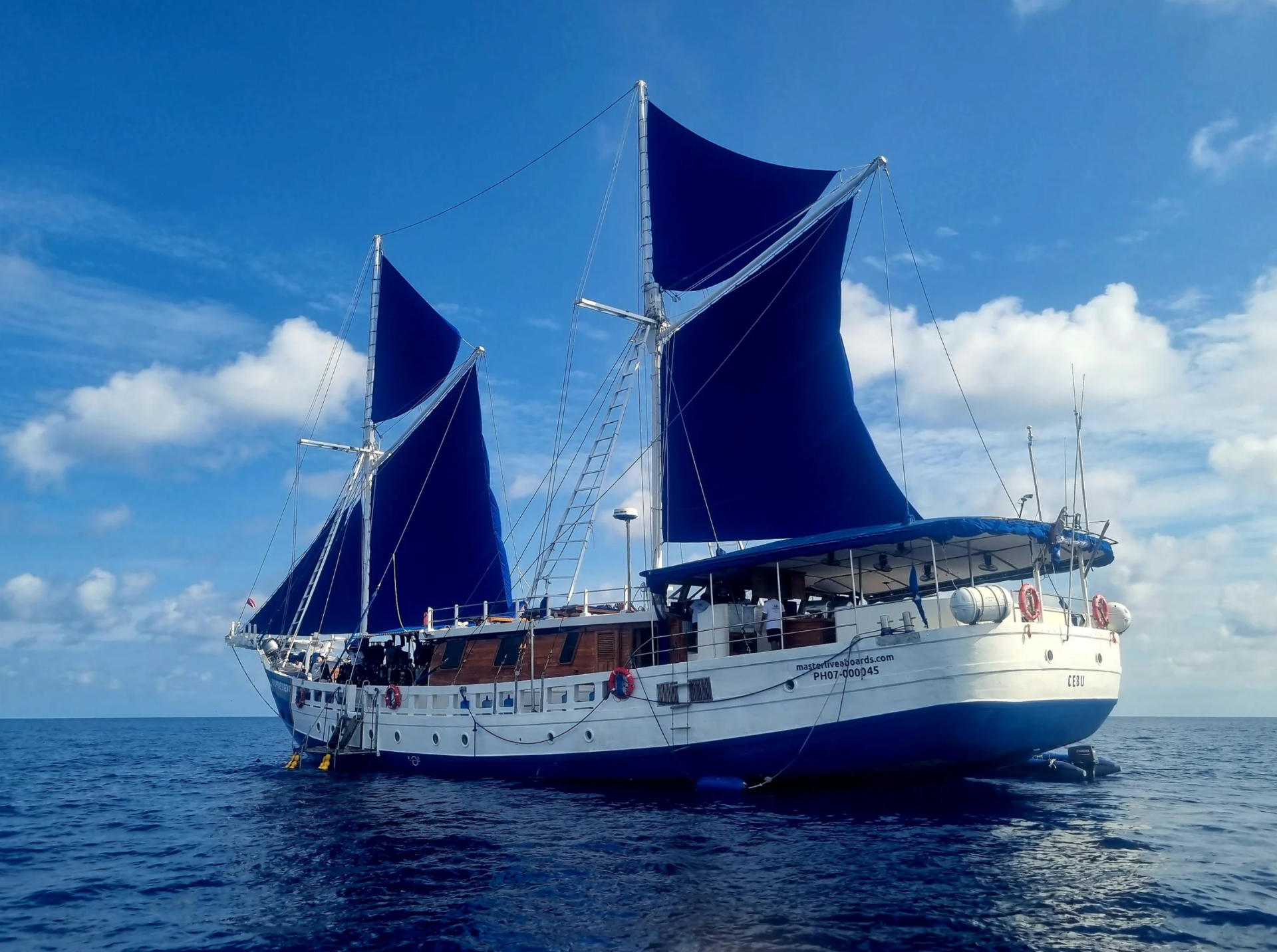
Philippine Siren
Philippines
16 guests
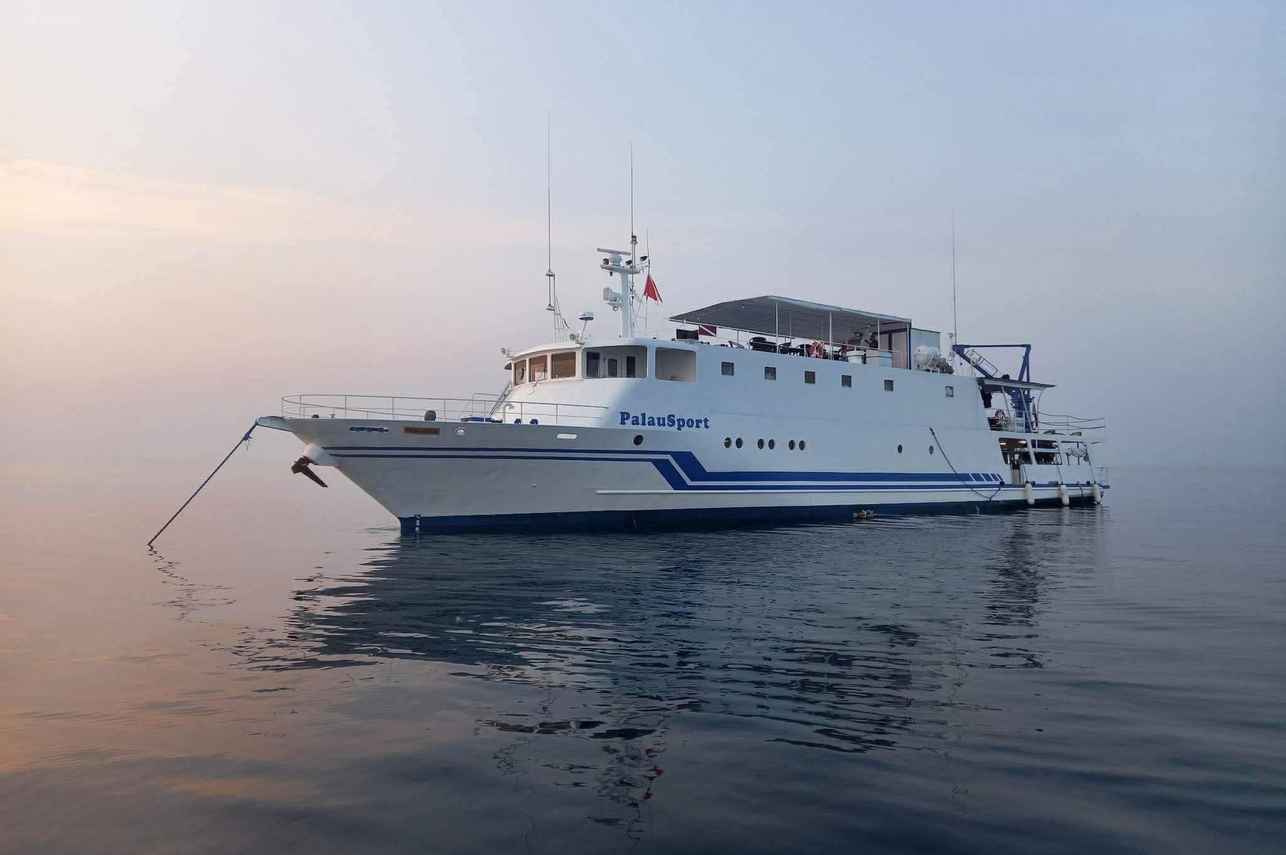
Palau Sport
Philippines
24 guests38 m
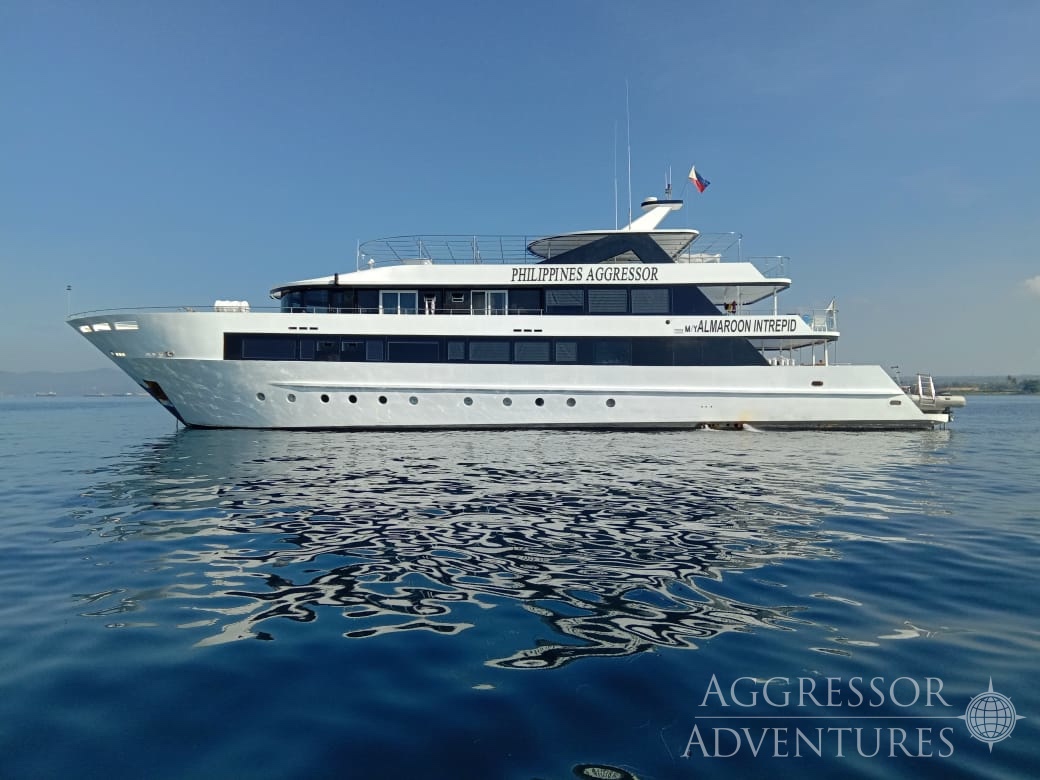
Philippines Aggressor
Philippines
26 guests43 m
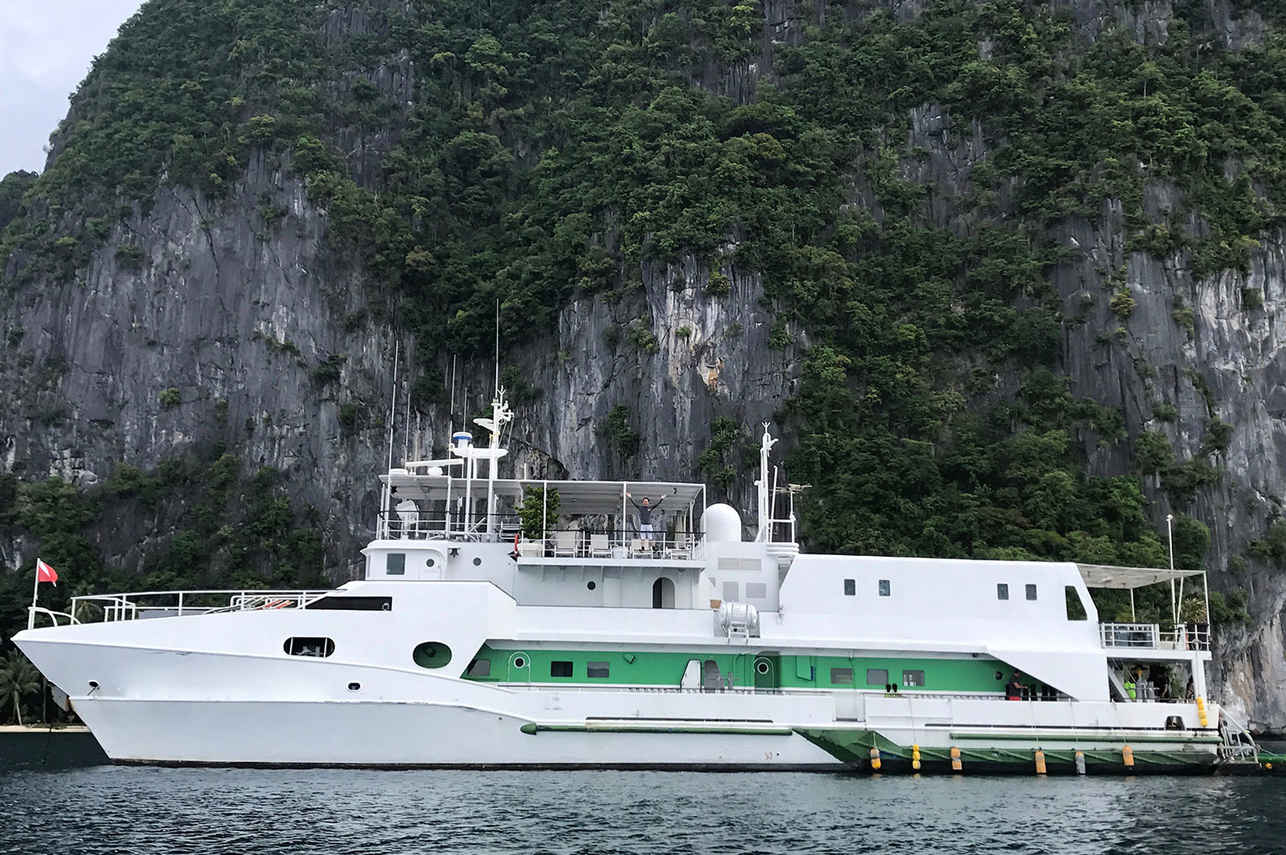
Stella Maris Explorer
Philippines
20 guests33 m
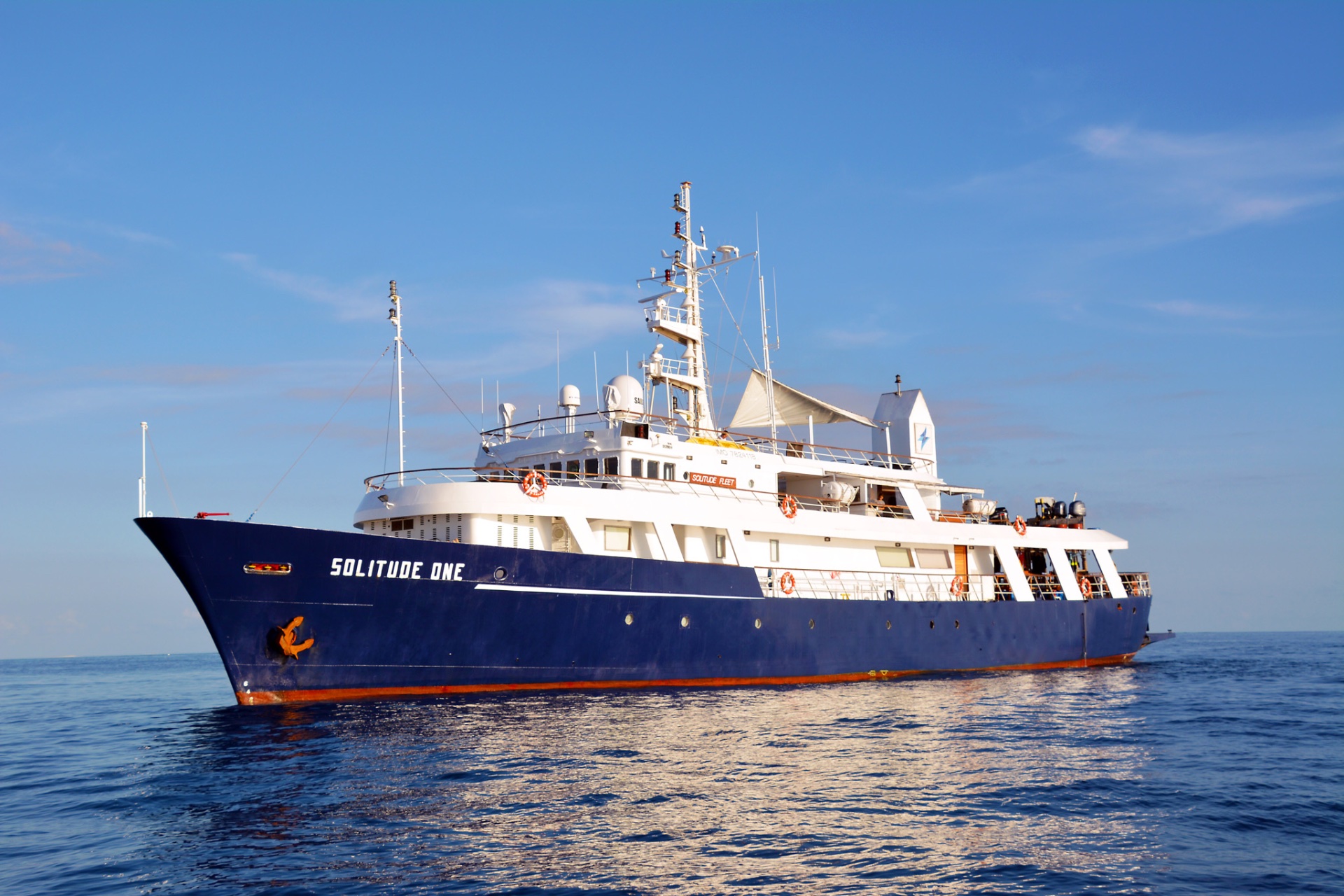
Solitude One
Philippines
24 guests52 m
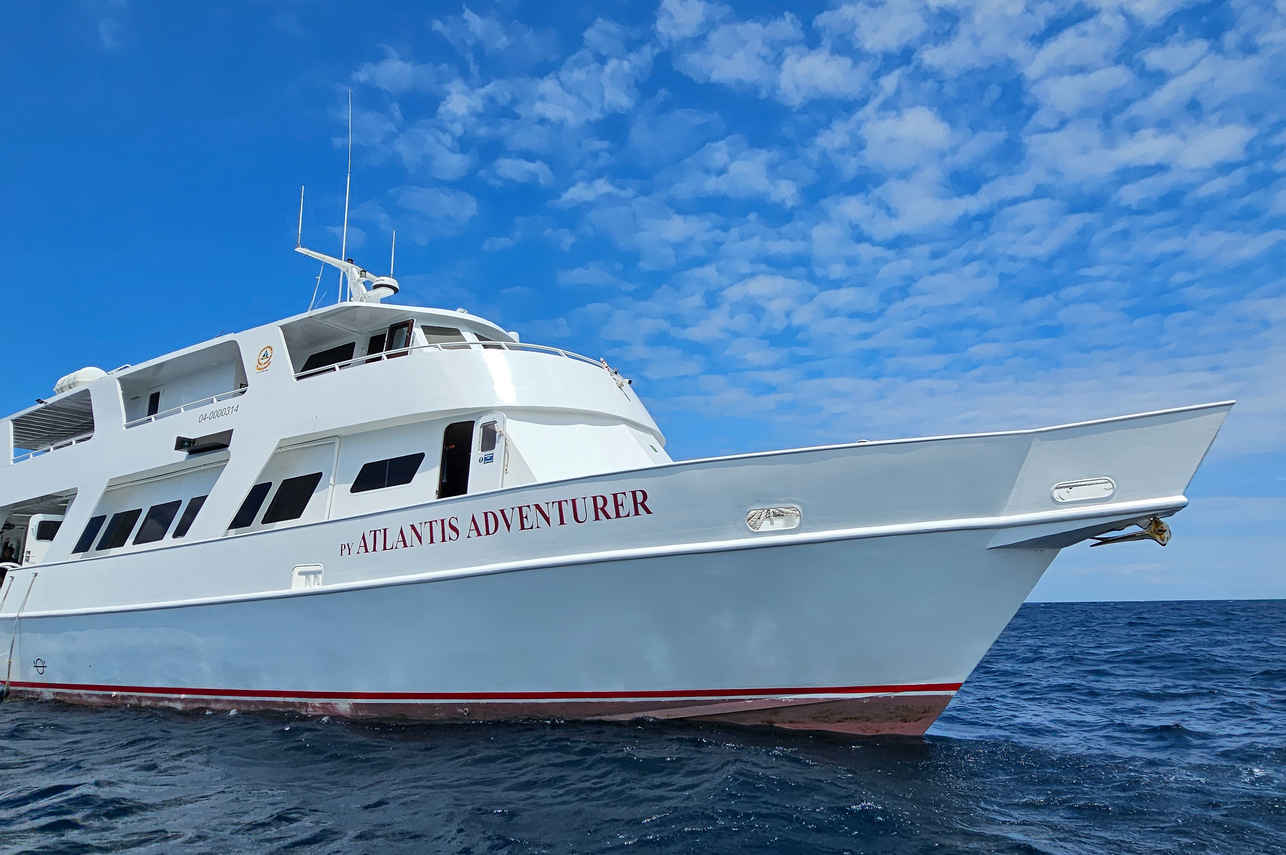
Atlantis Adventurer
Philippines
16 guests33 m
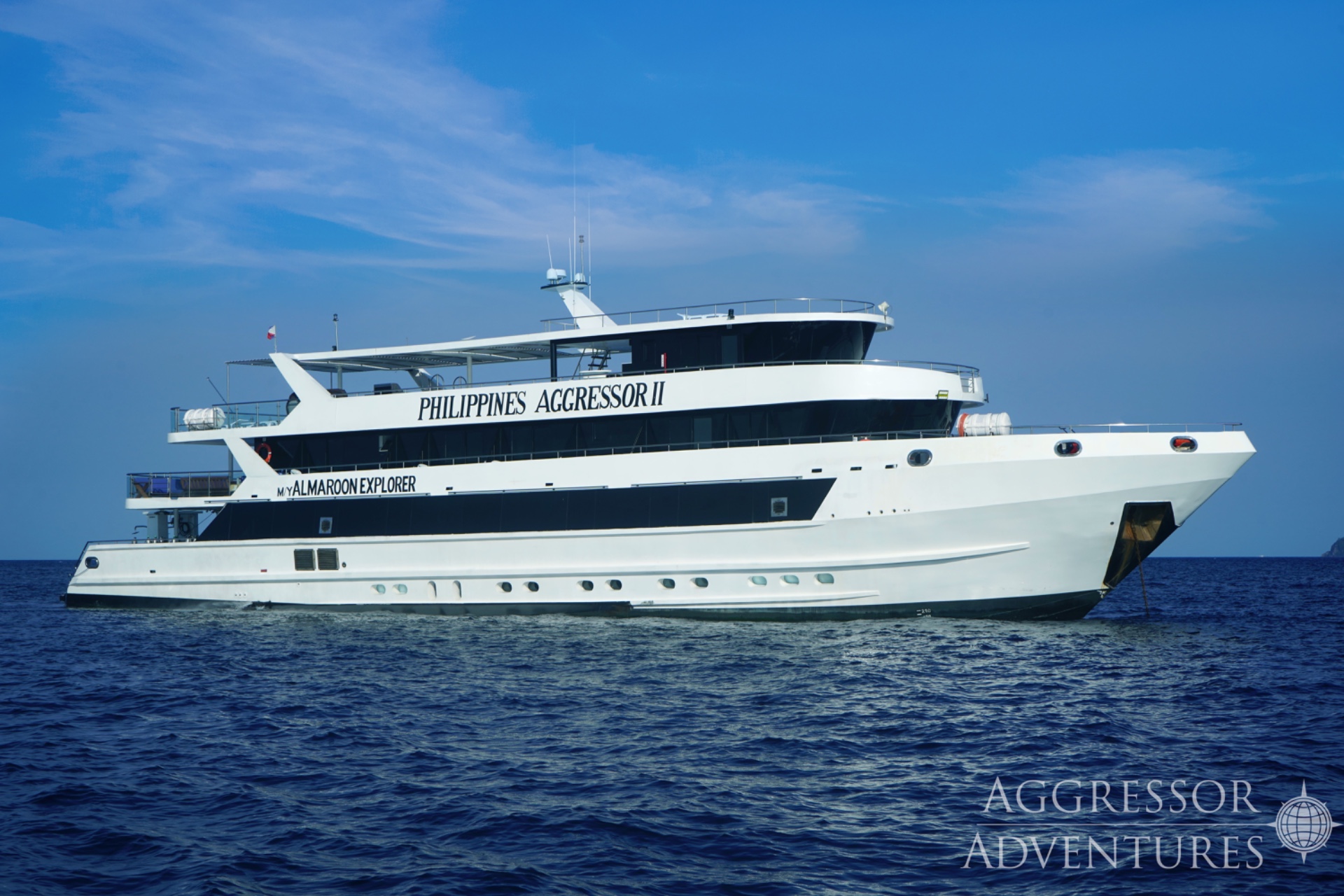
Philippines Aggressor II
Philippines
26 guests43 m
Dive sites similar to Twin Rocks
Same character, same waters — six more sites divers love for the exact same reasons.Compare seasons, access and liveaboard routes — then pick the site that fits your trip best.
Abila is a notable dive site located within the Alor Islands Marine Park, an area celebrated for its rich marine biodiversity due to its position in the Coral Triangle.
- Suitable for
- Beginner
- Current
- Mild
- Access
- Liveaboard only
- Depth
- —
- Theme
- Reef
© Esri — Maxar, Earthstar, GIS
Adonara Channel
Alor
Adonara Channel stands as one of Alor's most iconic dive sites, celebrated for its dynamic currents and exceptionally rich biodiversity.
- Suitable for
- Advanced
- Current
- Strong
- Access
- Liveaboard or dayboat
- Depth
- 10–40 m
- Theme
- Drift / Wall
© Esri — Maxar, Earthstar, GIS
Adonara Wall
Indonesia
Adonara is an Indonesian island dive site, renowned for its vibrant underwater topography characterized by submerged seamounts.
- Suitable for
- Intermediate
- Current
- Strong
- Access
- Liveaboard or dayboat
- Depth
- 5–35 m
- Theme
- Seamount / Wall
© Esri — Maxar, Earthstar, GIS
Agnay Fish Sanctuary
Philippines
Agnay Fish Sanctuary is nestled in a sheltered bay near the village of Agnay in Romblon, a province celebrated for its rich marine biodiversity.
- Suitable for
- Beginner
- Current
- Mild
- Access
- Dayboat
- Depth
- 9–18 m
- Theme
- Reef
© Esri — Maxar, Earthstar, GIS
Ai Island Reef
Banda Sea
Ai Island Reef, nestled within the Banda Sea, offers a remarkable diving experience characterized by its rich marine biodiversity and varied underwater topography.
- Suitable for
- Beginner
- Current
- Strong
- Access
- Liveaboard only
- Depth
- 3–30 m
- Theme
- Reef / Seamount
© Esri — Maxar, Earthstar, GIS
Akitsushima
Philippines
The Akitsushima is a distinguished World War II Japanese seaplane tender, sunk in September 1944 during an American air raid in Coron Bay, Palawan.
- Suitable for
- Advanced
- Current
- Strong
- Access
- Dayboat
- Depth
- 22–38 m
- Theme
- Wreck