About TK3
TK3 is a premier dive site located in the renowned Lembeh Strait, an area celebrated worldwide as the capital of muck diving. This narrow channel between mainland North Sulawesi and Lembeh Island is a magnet for macro enthusiasts and underwater photographers, offering an extraordinary concentration of bizarre, rare, and exceptionally camouflaged marine creatures. Unlike conventional coral reef dives, TK3 focuses on slow, detailed exploration of its black volcanic sand, rubble patches, and scattered debris. The topography of TK3, like much of Lembeh, consists of gently sloping black sand bottom, interspersed with small coral patches, sponges, and various forms of detritus. Depths typically range from shallow areas, where many subjects are found above 12 meters, down to around 25 meters, catering to careful observation rather than expansive underwater landscapes. The unique environment, sheltered from open-ocean swell and enriched by volcanic runoff, creates an ideal habitat for species that thrive on concealment and mimicry. Marine life encounters at TK3 are exceptional year-round, though the peak season from April to November offers the most comfortable conditions. Divers can expect to find an incredible array of critters, including various frogfish species, numerous nudibranchs, several octopus species like the mimic and wonderpus, and tiny, elusive creatures such as seahorses, pipefish, and shrimp. The focus here is on the small, the strange, and the often overlooked, making every dive a treasure hunt. A typical dive at TK3 is a patient, guided experience, often lasting 60 to 70 minutes, where covering significant ground is less important than careful scanning of small areas. Divers, often accompanied by an eagle-eyed guide, spend time hovering or kneeling to observe and photograph individual subjects. This unique approach demands good buoyancy control and an appreciation for the intricate details of marine ecosystems.
Highlights
World-class muck divingRare macro crittersVolcanic black sand slopesExceptional camouflage artBlue-ringed octopus encountersFrogfish capitalUnderwater photography paradise
Season calendar
Best months to dive here
Jan
Feb
Mar
Apr
May
Jun
Jul
Aug
Sep
Oct
Nov
Dec
Good
Dive site facts: TK3
- Depth
- 5–25 m
- Typical dive
- 10–20 m, 60–70 min
- Current
- Mild
- Visibility
- 10–20 m
- Water temperature
- 26–30°C / 79–86°F
- Entry
- Tender / direct entry
- Level
- Intermediate
- Dive type
- Muck, macro, volcanic slope
- Night dive
- Possible
- Region / port
- Lembeh Strait, North Sulawesi
- Coordinates
- -8.5567, 119.4978
Conditions & Currents
Currents at TK3 are generally mild, characteristic of the sheltered Lembeh Strait, which is protected from strong open-ocean swell. This calm environment is a key factor in why so many rare macro critters thrive here, as they prefer less turbulent waters. Visibility can vary, often distinct from clear coral reef sites due to the fine volcanic sand and organic detritus, yet perfectly adequate for macro observation. Divers should anticipate a gentle drift, allowing for relaxed exploration of the bottom. Buoyancy control is paramount to avoid disturbing the silty substrate and to protect delicate marine life. Entry is typically from a tender boat, and divers descend directly onto the site, often staying relatively shallow.
Marine life & sighting chances
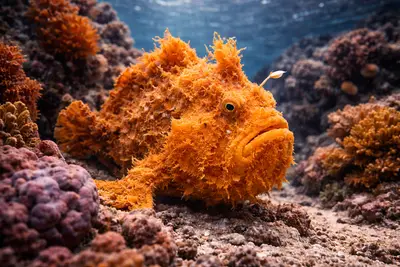
Hairy frogfish
common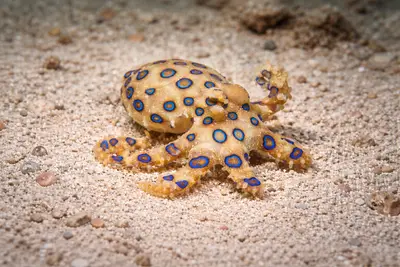
Blue-ringed octopus
occasional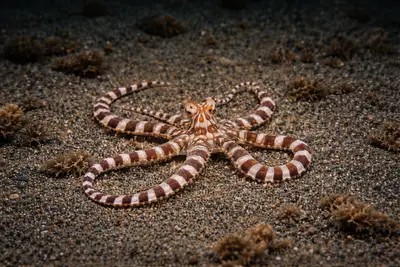
Mimic octopus
occasional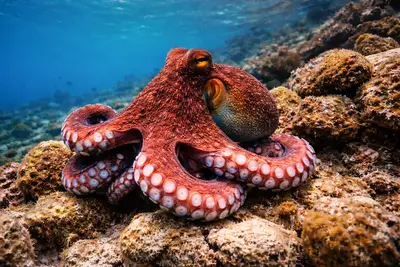
Wonderpus octopus
occasional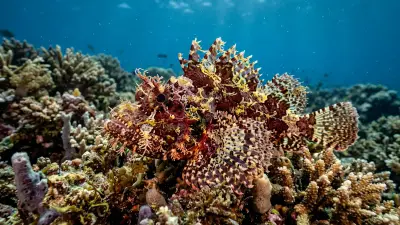
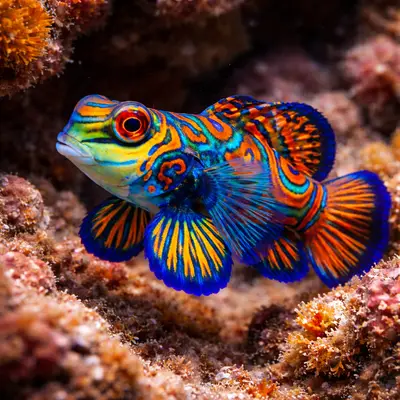
Mandarin fish
occasional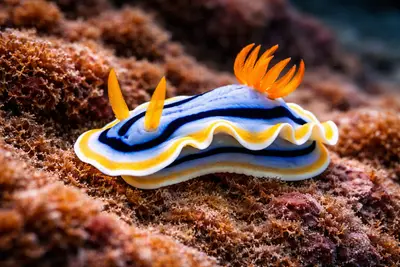
Nudibranchs
common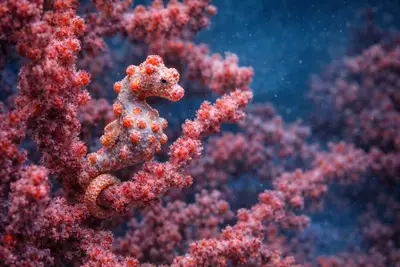
Pygmy seahorses
occasional
Hairy shrimp
occasional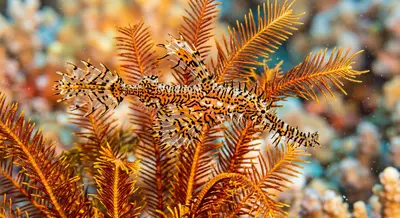
Pipefish
common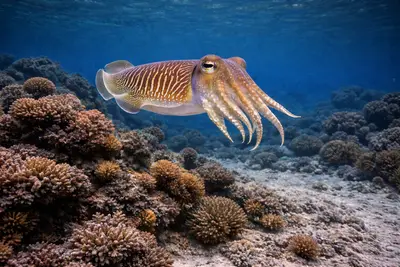
Flamboyant cuttlefish
occasionalDive profile & how the dive runs
Your dive at TK3 begins with a gentle entry from a tender boat, typically with a direct descent to the sandy bottom. The route usually follows the gentle slope, allowing for a slow and meticulous exploration of the volcanic sand and scattered rubble. Dive guides will lead the way, pointing out exceptionally camouflaged critters that are easily missed by the untrained eye. Divers are encouraged to move slowly, maintaining excellent buoyancy to avoid disturbing the silty substrate and to preserve the delicate environment. Depths often range between 10 to 20 meters, where the majority of macro life congregates. The dive progresses with frequent stops for observation and photography, with the turn point determined by air consumption and bottom time, typically after 30-40 minutes. The safety stop is conducted in the shallower water, around 5 meters, before surfacing, where the tender will be waiting to pick up divers.
Underwater photography
TK3 is a macro photographer's dream, requiring specific gear and techniques to capture its unique inhabitants. A macro lens, such as a 60mm or 100/105mm, is essential to fill the frame with tiny subjects like pygmy seahorses, nudibranchs, and hairy frogfish. Dual strobes are highly recommended for even lighting and to minimize backscatter from the silty environment. A snoot can be particularly effective for isolating subjects and creating dramatic lighting on the volcanic sand. Patience and excellent buoyancy control are paramount; avoid kicking up silt, which can ruin visibility for both yourself and others. Many critters are masters of camouflage, so a good dive guide is invaluable for spotting subjects. Respect the marine life by minimizing disturbance, allowing them to exhibit natural behaviors for the best shots.
Combine with nearby dive sites
Getting there & logistics
Access to TK3, like all sites in the Lembeh Strait, is typically via Manado (MDC) International Airport in North Sulawesi. From Manado, it's approximately a 90-minute drive to Bitung, followed by a short boat transfer across the strait to your chosen dive resort. Dive trips in Lembeh are predominantly land-based, with resorts offering daily boat dives to various sites within the strait. Liveaboards that operate in North Sulawesi often include Lembeh in their itineraries, particularly if combining with other regions. Most dive packages include multiple dives per day, with night dives frequently available to observe nocturnal critters. A typical diving holiday in Lembeh lasts between 5 to 7 days, allowing ample time to explore numerous sites and maximize critter encounters. Marine park fees may apply, usually incorporated into package pricing by operators.
Safety & environment
Diving at TK3 in Lembeh Strait, while generally safe due to mild currents, requires adherence to standard dive safety protocols. The nearest recompression chamber is located in Manado, approximately 90 minutes away by road and boat, making emergency evacuation a multi-step process. Comprehensive dive insurance, including coverage for medical evacuation and recompression, is highly recommended for all divers. Site-specific hazards primarily involve delicate marine life and the silty bottom; excellent buoyancy control is crucial to avoid touching or damaging corals and to prevent reducing visibility. Always follow your dive guide's instructions, especially regarding interaction with potentially venomous creatures like the blue-ringed octopus, which should never be provoked or touched. Stay hydrated and be mindful of your depth and bottom time, as many macro dives encourage extended periods at shallower depths.
Who it suits — and who it doesn't
Suited for
- Macro photographers
- Experienced divers with excellent buoyancy
- Divers seeking rare and unusual critters
- Patient observers of marine life
- Divers comfortable with muck diving environments
Less suited for
- Beginner divers
- Divers seeking large pelagics or vast coral reefs
- Those with poor buoyancy control
- Divers who prefer fast-paced, wide-angle dives
- Individuals prone to seasickness on tender boats
FAQ
TK3 FAQ
What kind of marine life can I expect to see at TK3?
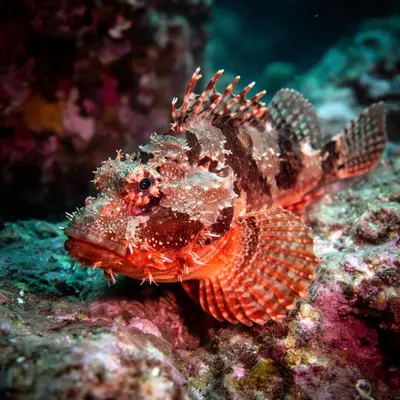
TK3 is renowned for its incredible macro marine life. You can anticipate encountering various species of frogfish, numerous nudibranchs, different octopus species like mimic and wonderpus, seahorses, pipefish, and rare scorpionfish. The site is a treasure trove for finding unique, camouflaged critters.
Is TK3 suitable for beginner divers?
TK3 is generally recommended for intermediate to advanced divers. While currents are usually mild, excellent buoyancy control is crucial to avoid disturbing the silty bottom and to protect delicate marine life. Beginners might find the focus on small, hidden creatures challenging and may struggle with the required precision.
What is the visibility like at TK3?
Visibility at TK3 can range from 10 to 20 meters. It's important to note that muck diving sites, due to their silty volcanic sand bottoms, typically do not offer the crystal-clear visibility often found on coral reefs. However, this level of visibility is perfectly adequate for observing the small macro subjects the site is famous for.
Do I need special equipment for diving at TK3?
For macro photography at TK3, a macro lens and external strobes are highly recommended. For diving itself, standard recreational dive gear is sufficient. However, due to the slow pace and focus on observation, good quality fins for precise maneuvering and an SMB for surface signaling are always advisable.
Can I do night dives at TK3?
Night dives are generally possible and highly rewarding at muck diving sites like TK3. Many unique critters become more active at night, offering different photographic opportunities and encounters. Always consult your dive operator regarding night dive availability and specific site conditions.
Why dive TK3 from a liveaboard?
TK3 is one of Indonesia's signature dive sites. A liveaboard sleeps you on the water and puts you in the water for three to four guided dives per day, including dawn and night dives that day-boat operators rarely offer. You skip the daily commute back to port and reach quieter, less-crowded sites in the same region on a single trip.
Below are the liveaboards that include TK3 on their Indonesia itineraries.
Liveaboards diving TK3
These liveaboards may visit TK3 on selected itineraries — the exact dive sites depend on departure, weather and conditions.
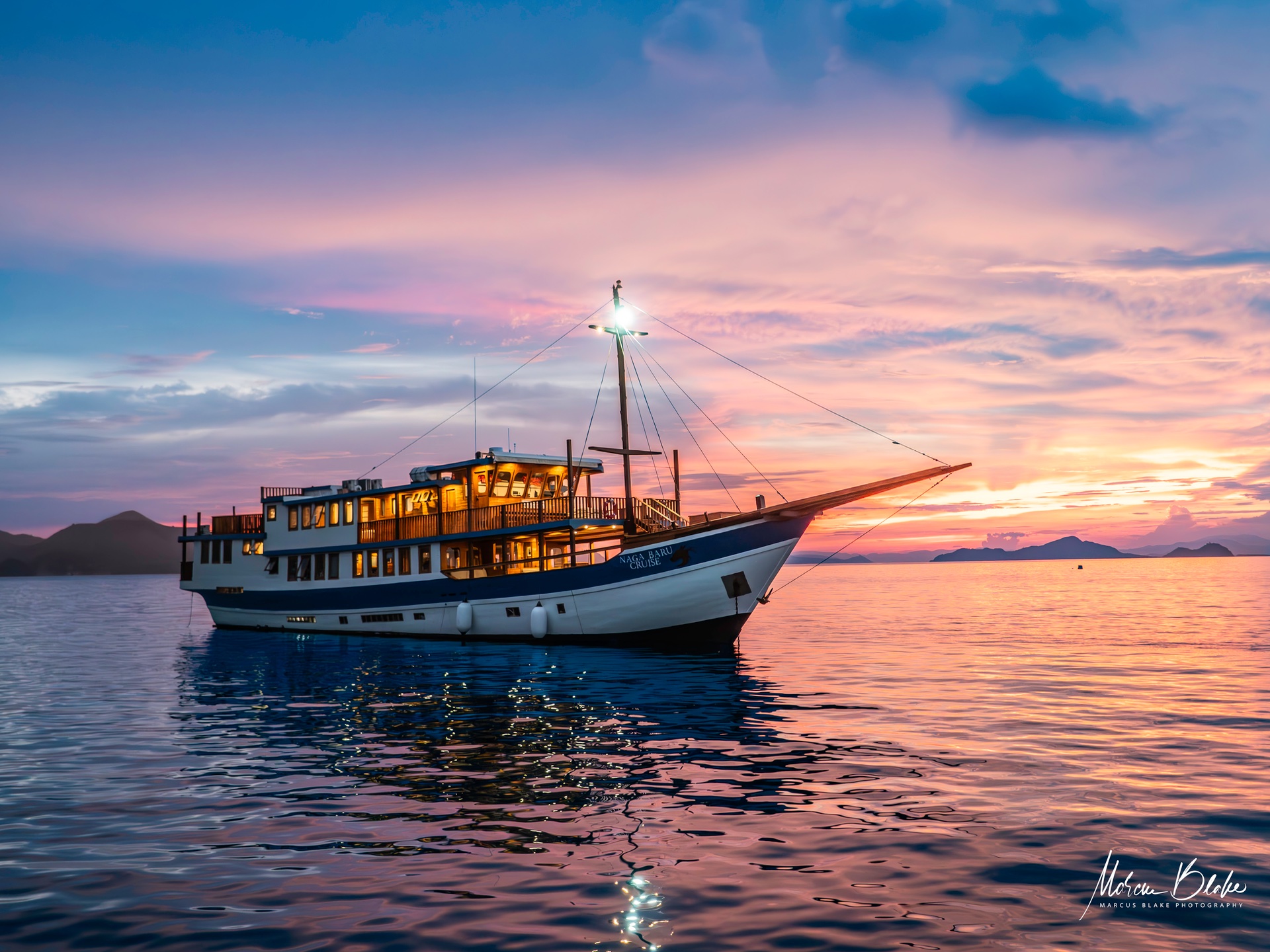
Naga Biru
Indonesia
12 guests40 m
$273/day
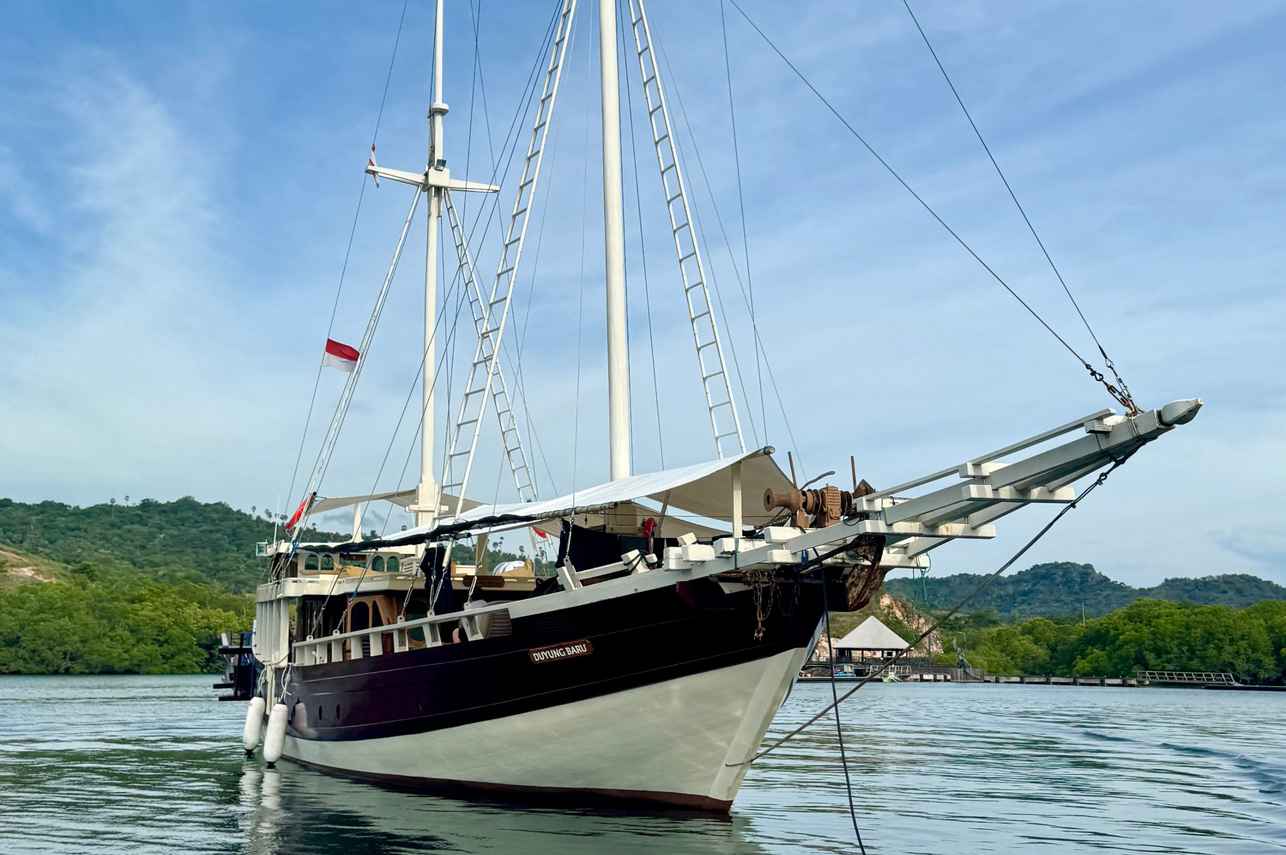
Ecopro Duyung Baru
Indonesia
6 guests27 m
$316/day
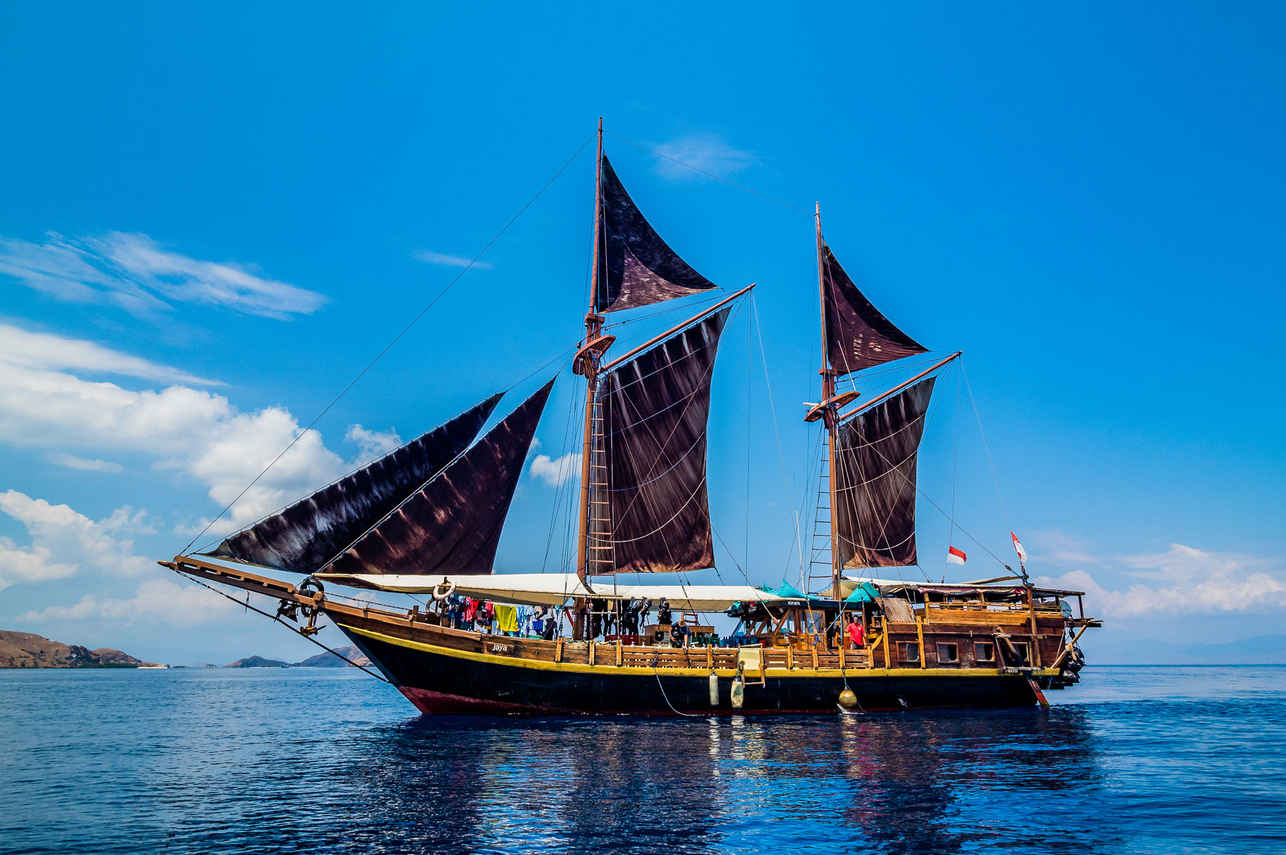
Jaya
Indonesia
14 guests23 m
$280/day
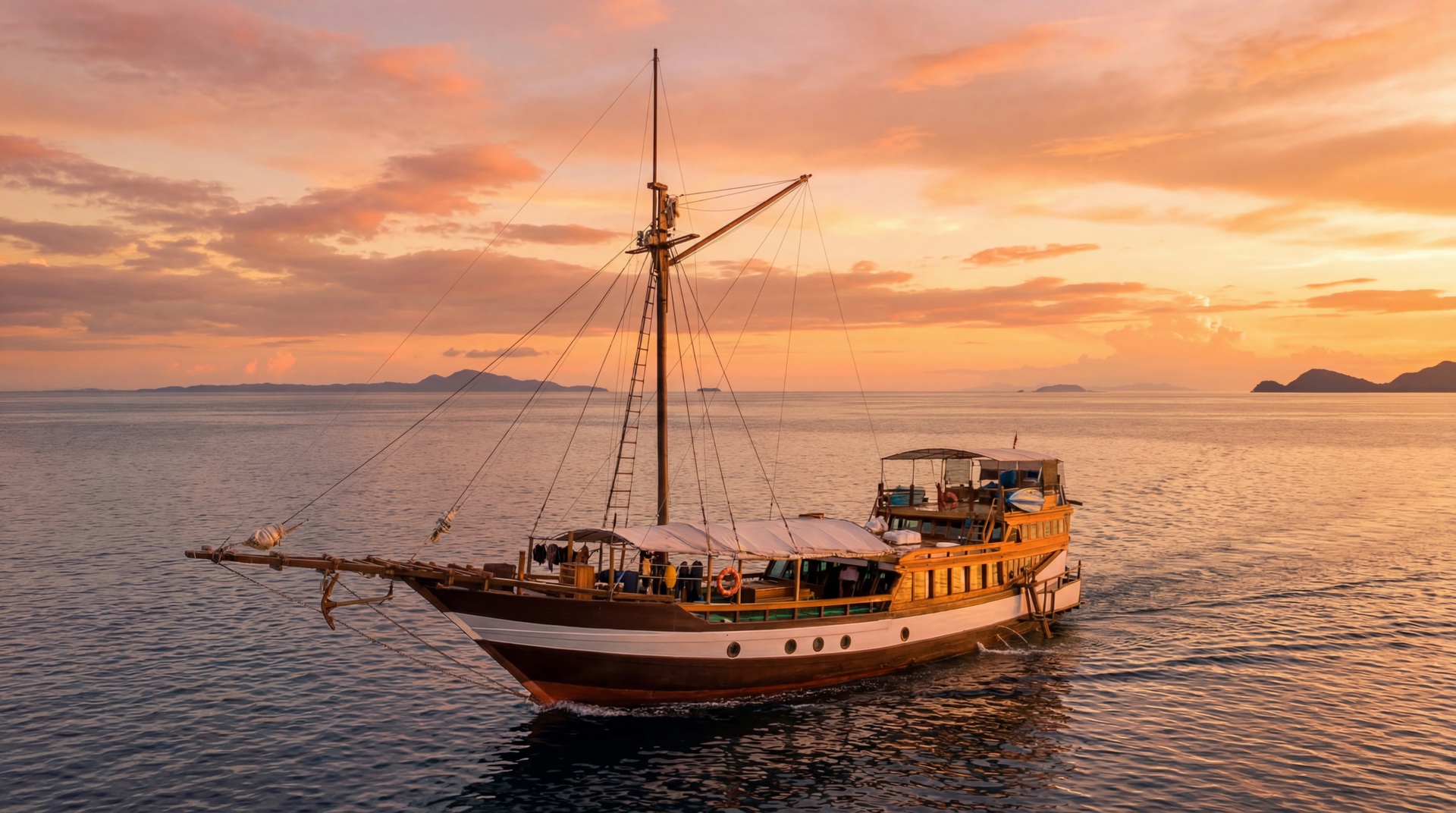
Wellenreng
Indonesia
9 guests25 m
$427/day
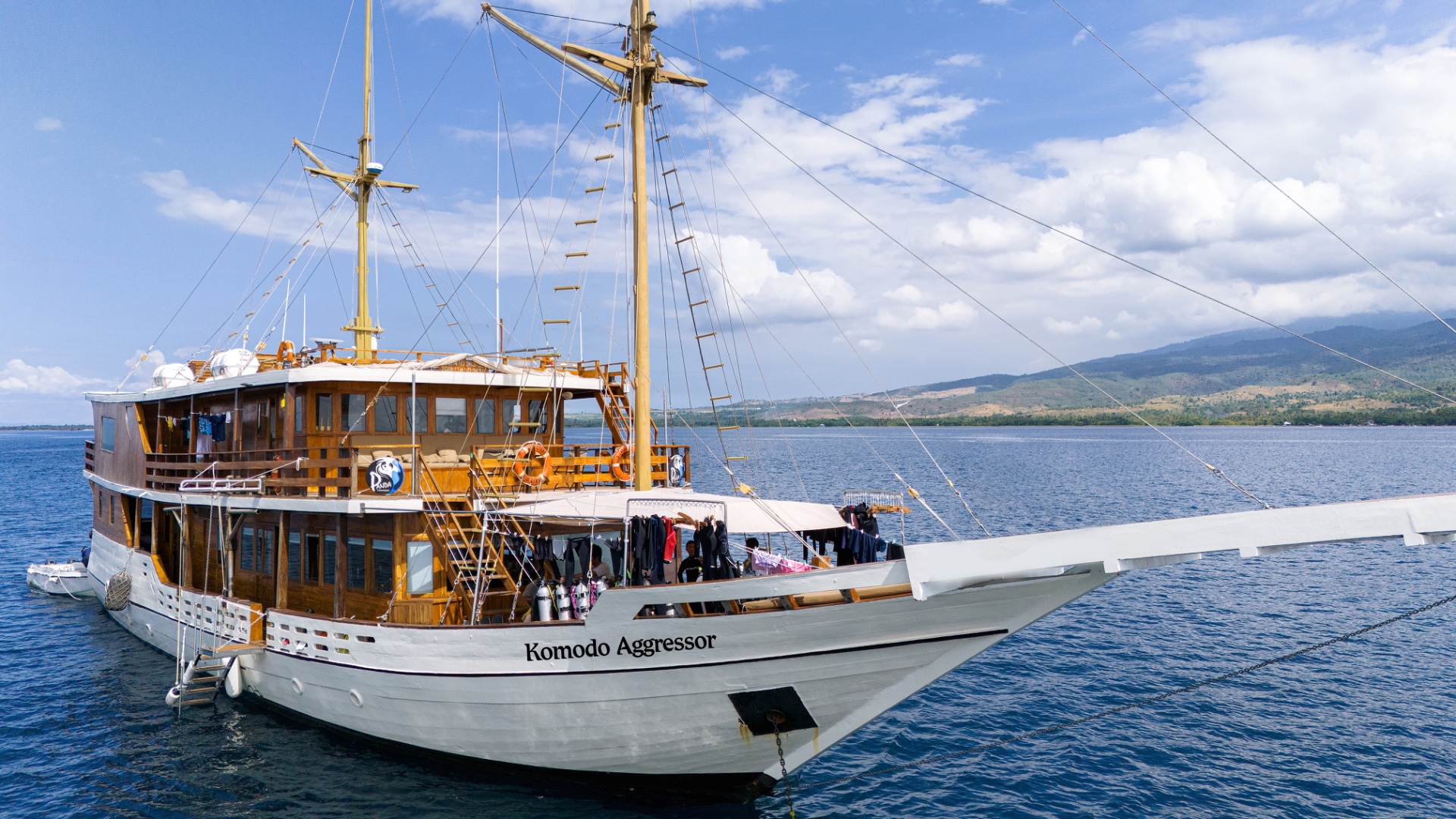
Komodo Aggressor
Komodo, Indonesia
16 guests29 m
$312/day
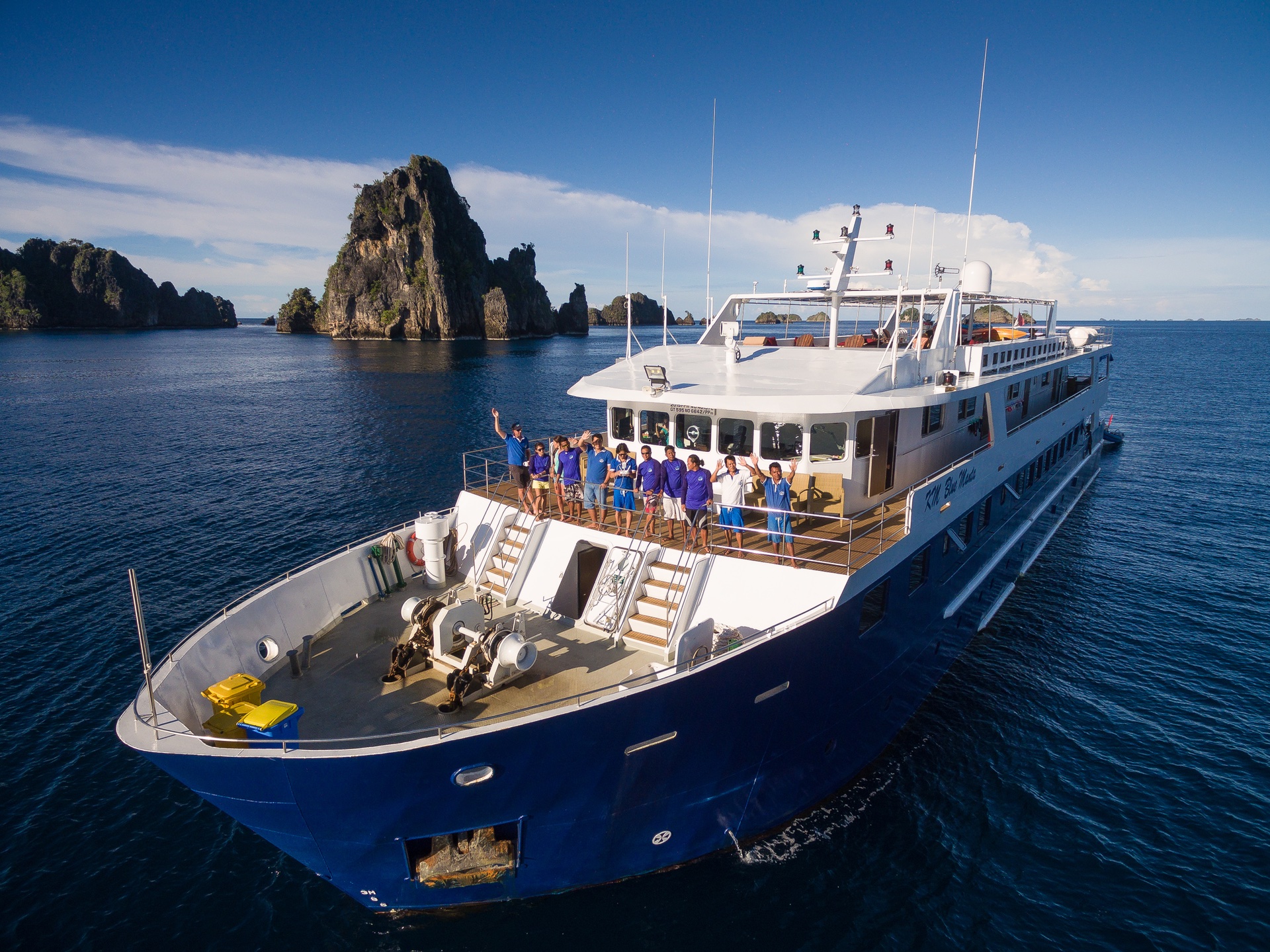
Blue Manta
Indonesia
20 guests45 m
$488/day
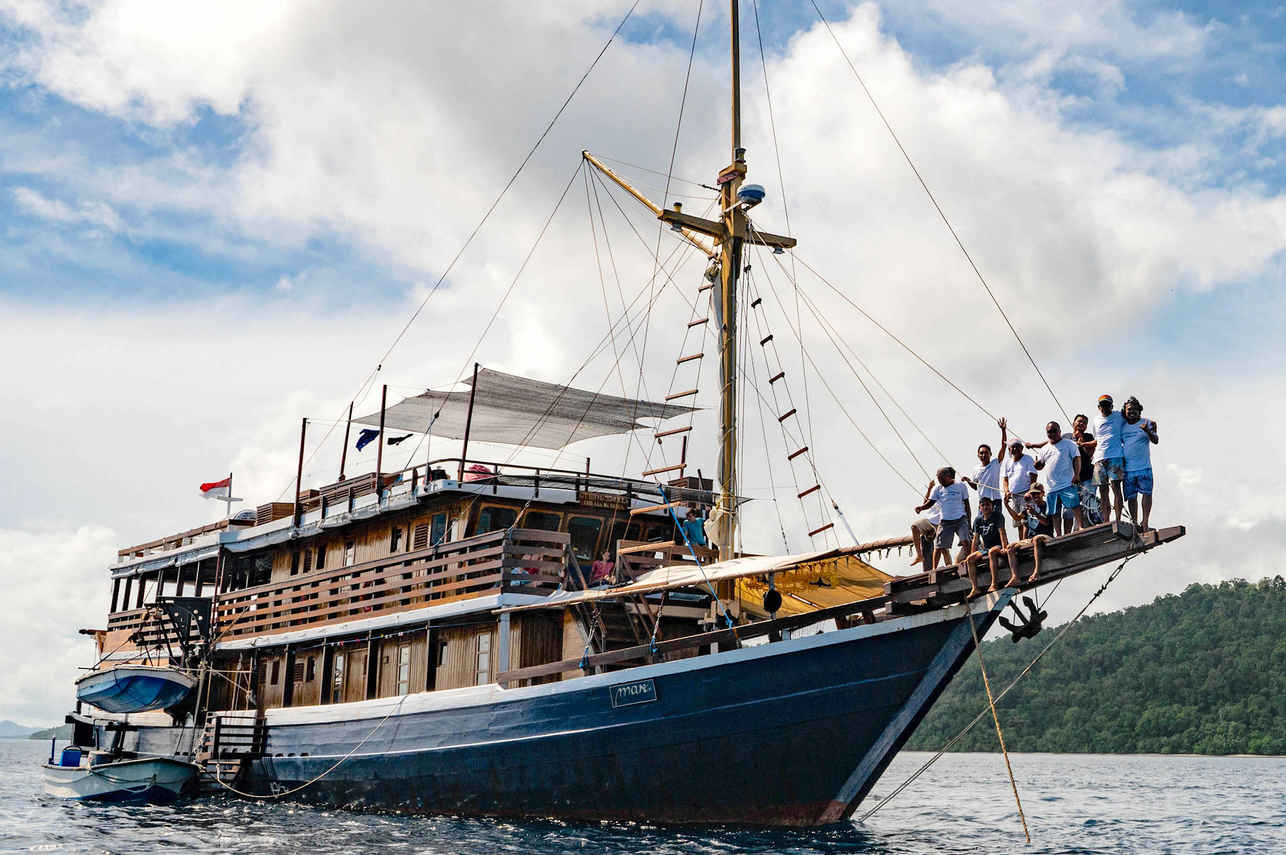
Mari
Indonesia
14 guests32.2 m
$328/day
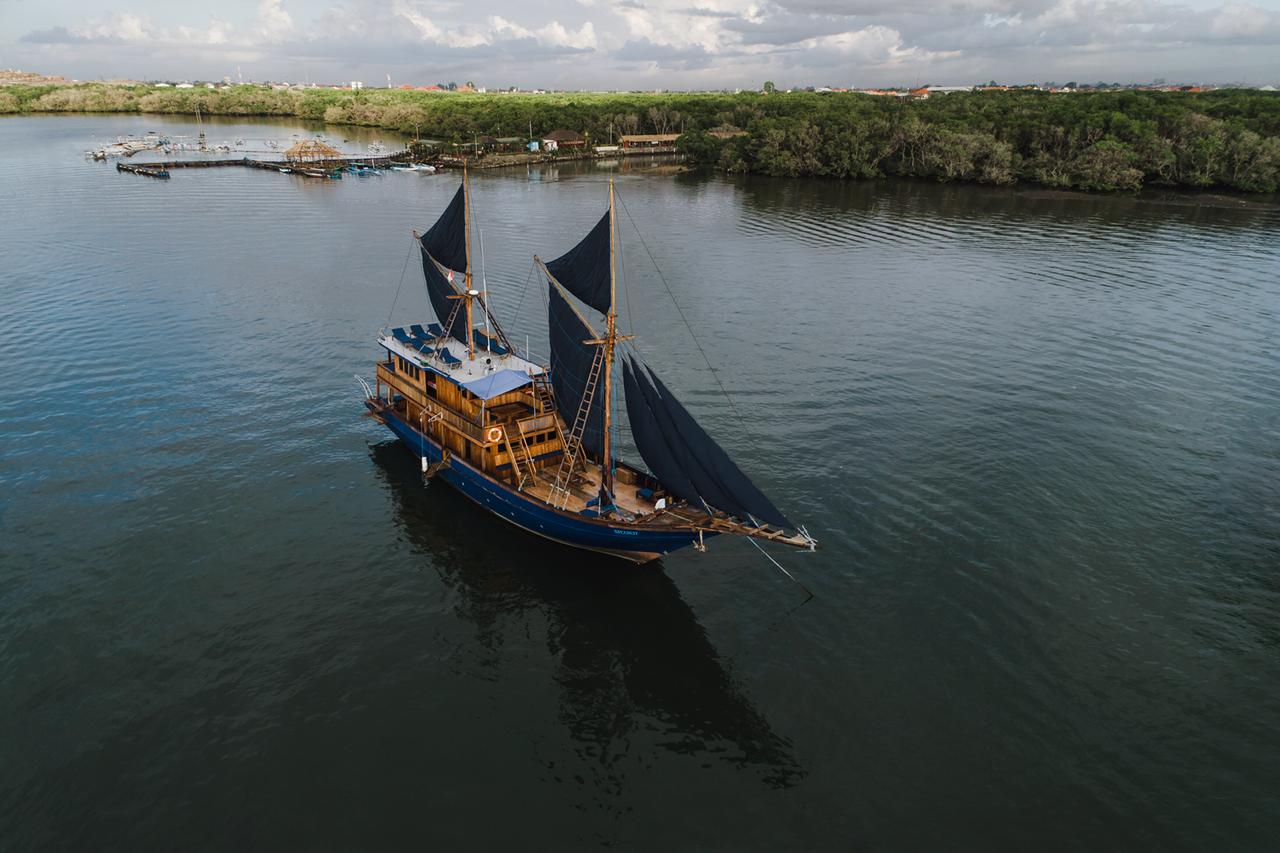
Situju7
Komodo, Indonesia
10 guests32.7 m
$362/day
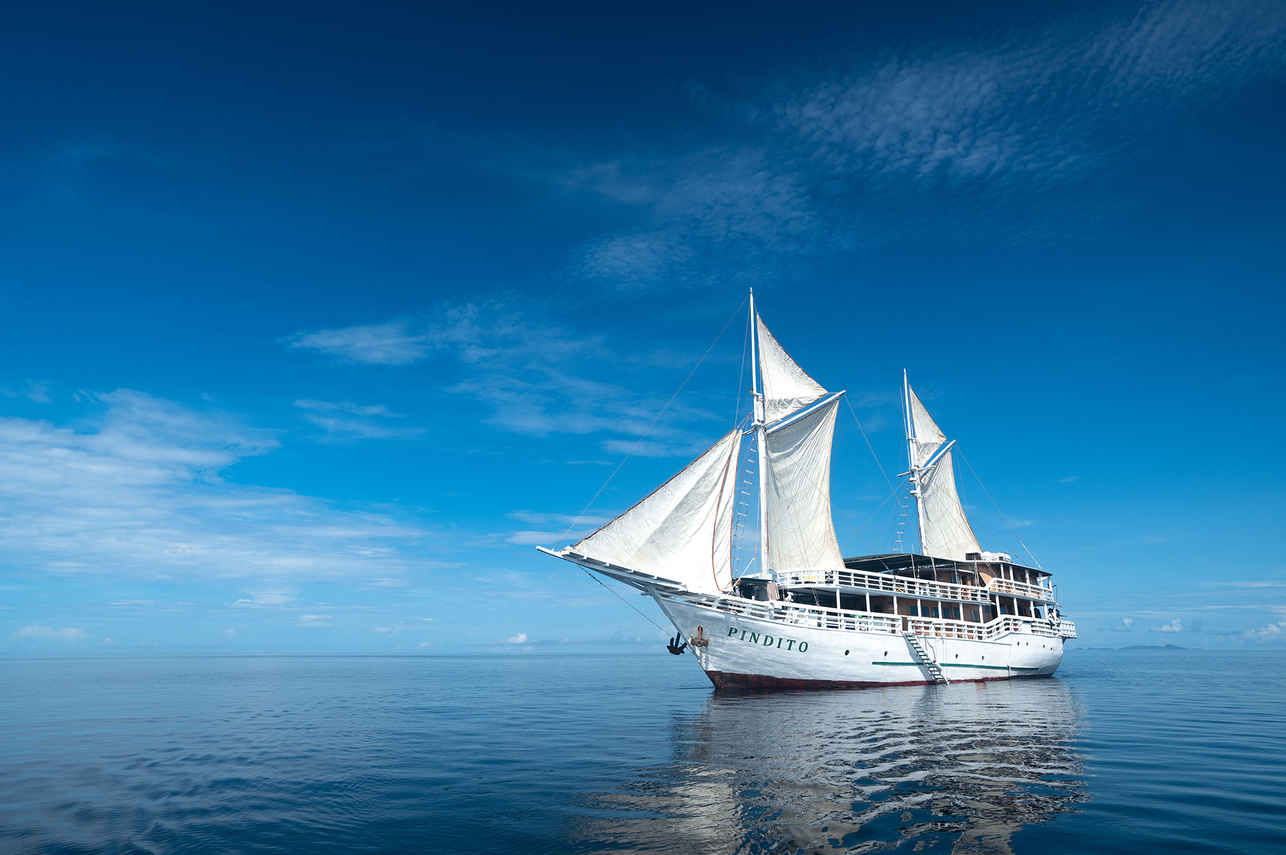
Pindito
Indonesia
16 guests37.79 m
$533/day
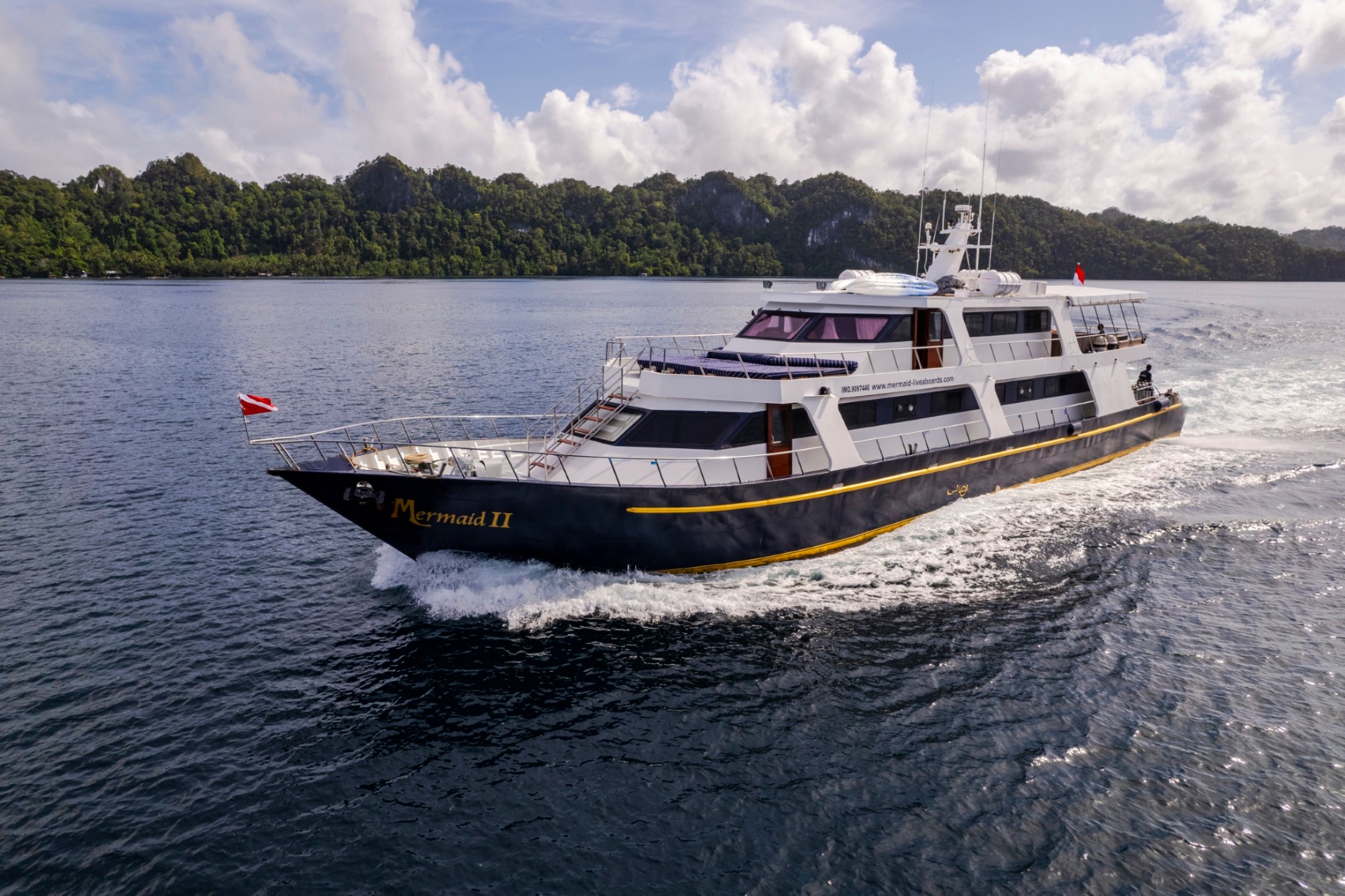
Mermaid II
Komodo, Indonesia
18 guests
$355/day
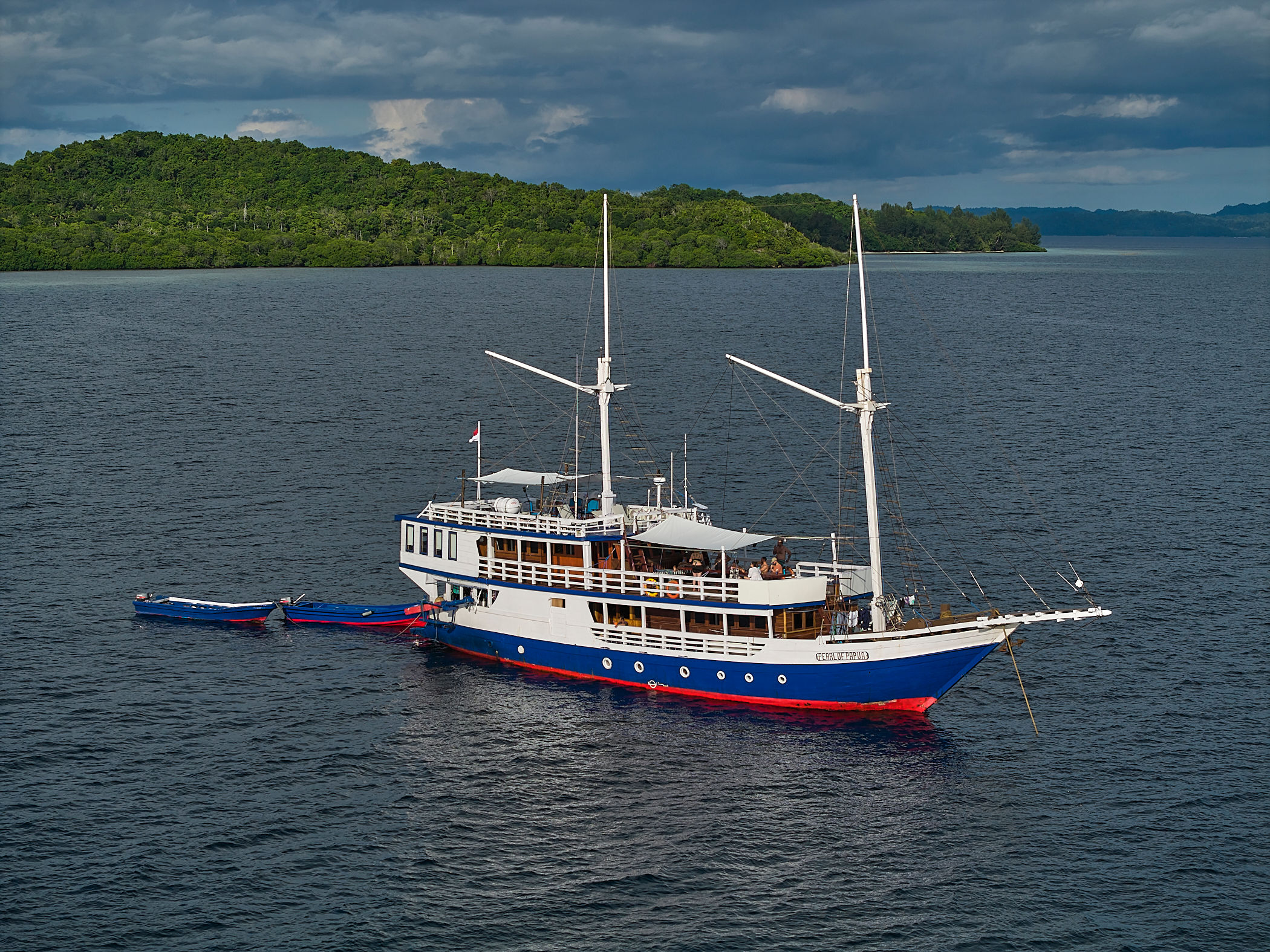
Pearl of Papua
Raja Ampat, Indonesia
14 guests30 m
$303/day
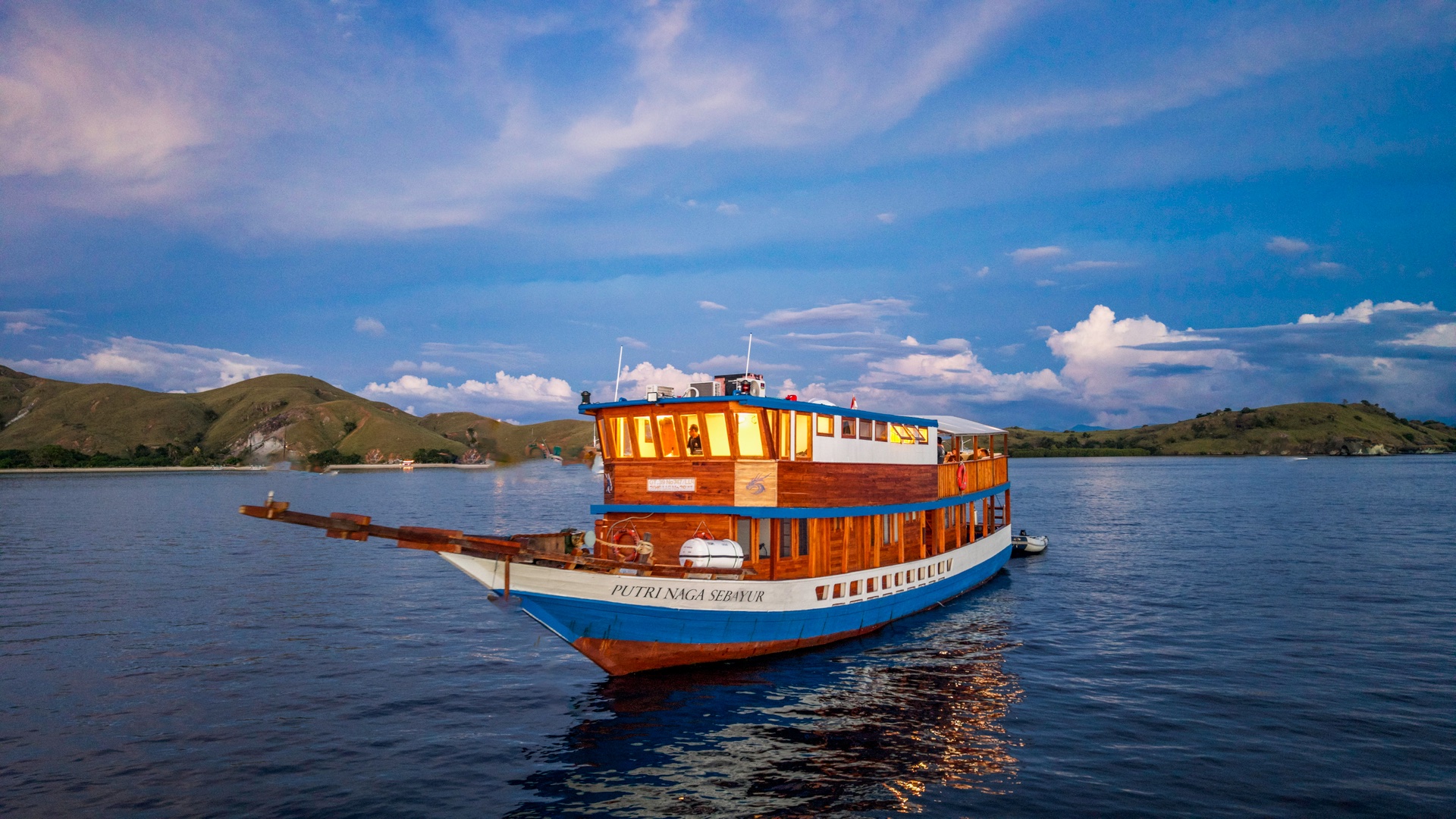
Putri Naga
Komodo, Indonesia
6 guests25 m
$222/day
Dive sites similar to TK3
Same character, same waters — six more sites divers love for the exact same reasons.Compare seasons, access and liveaboard routes — then pick the site that fits your trip best.
Police Pier Lembeh
Indonesia
Police Pier in Lembeh Strait is a renowned muck diving site, celebrated for its extraordinary biodiversity and as a haven for unique macro marine life.
- Suitable for
- Intermediate
- Current
- Moderate
- Access
- Liveaboard or dayboat
- Depth
- 3–12 m
- Theme
- Muck diving
Drop Off
Indonesia
Located in Tulamben Bay on Bali’s northeastern coast, Drop Off, also known as the Tulamben Wall, is a rewarding dive site recognized for its dramatic underwater landscape.
- Suitable for
- Intermediate
- Current
- Mild
- Access
- Shore / dayboat
- Depth
- 5–60 m
- Theme
- Muck diving / Reef
Ghost Bay
Indonesia
Ghost Bay is a renowned dive site located in Amed, on Bali's eastern coast, celebrated for its unique sandy topography and the incredible diversity of macro life it supports.
- Suitable for
- Beginner
- Current
- No current
- Access
- Shore / dayboat
- Depth
- 3–20 m
- Theme
- Muck diving
Nudi Falls
Indonesia
Nudi Falls is a renowned macro dive site located on the mainland side of the Lembeh Strait, a narrow channel between mainland Sulawesi and Lembeh Island in Indonesia.
- Suitable for
- Intermediate
- Current
- Moderate
- Access
- Dayboat
- Depth
- 1–25 m
- Theme
- Muck diving / Wall
Lembeh Strait
Indonesia
The Lembeh Strait, situated in North Sulawesi, Indonesia, is celebrated as the world's foremost destination for muck diving and macro photography.
- Suitable for
- Beginner
- Current
- Strong
- Access
- Shore / dayboat
- Depth
- 5–25 m
- Theme
- Drift / Muck diving
Nudi Retreat
Indonesia
Nudi Retreat is a celebrated dive site situated in Indonesia's highly-dived Lembeh Strait, offering an exceptional macro diving experience.
- Suitable for
- Beginner
- Current
- Ripping
- Access
- Liveaboard or dayboat
- Depth
- 5–18 m
- Theme
- Muck diving / Wall