About The Vulcan Bomber
The Vulcan Bomber, a fiberglass mock-up used in the James Bond film "Thunderball," offers a unique and accessible dive experience off New Providence Island in the Bahamas. This wreck, along with the nearby "Tears of Allah" tugboat, forms part of the famous James Bond Wrecks, celebrated for their cinematic history and rich marine ecosystems. Resting in very shallow water, this site is ideal for divers of all certification levels, including beginners, and even snorkelers can spot the wreckage from the surface due to exceptional visibility. The original exterior panels of the Vulcan Bomber have long since disintegrated, leaving behind its metal framework. This framework has become an artificial reef, teeming with a wild profusion of corals, including sea fans, sponges, and vibrant, though hazardous, fire coral. The site's topography, characterized by a fine white sand seafloor, emphasizes the need for excellent buoyancy control to prevent stirring up sediment and maintaining clarity. Beyond its historical appeal, the Vulcan Bomber is a thriving habitat for various marine species. Expect to encounter barracuda, colorful reef fish, and occasional turtles. The presence of lionfish, while beautiful, indicates an invasive species. The clear, warm waters and minimal currents make for a relaxing and rewarding dive, perfect for underwater photography, capturing the atmospheric structure adorned with marine life. Operators like Stuart Cove's frequently visit this site, which is typically accessed by a short boat ride. The dive often starts with the deeper "Tears of Allah" before moving to the Vulcan Bomber, offering a combined experience. Its shallow depth and clear conditions make it an excellent spot for multiple dives and extended bottom times, allowing ample opportunity to explore every detail of this iconic movie prop turned reef.
Highlights
James Bond movie propShallow, clear wreck diveFiberglass Vulcan Bomber frameworkAbundant coral growthEasy access for all levelsExcellent visibilityDiverse reef fish
Season calendar
Best months to dive here
Jan
Feb
Mar
Apr
May
Jun
Jul
Aug
Sep
Oct
Nov
Dec
Excellent
Good
Dive site facts: The Vulcan Bomber
- Depth
- 12 m
- Current
- Mild
- Visibility
- 15–40 m
- Water temperature
- 26–30°C
- Entry
- Boat
- Level
- Beginner
- Dive type
- Wreck, Reef
- Night dive
- Possible
- Region / port
- New Providence / Nassau
- Coordinates
- 24.995, -77.505
Conditions & Currents
The Vulcan Bomber site typically experiences rare significant currents, contributing to its accessibility for all diver levels. Water movement is generally mild, allowing for comfortable and leisurely exploration of the wreck. Visibility remains consistently excellent, often ranging from 15 to 40 meters, though divers should maintain good buoyancy control to avoid disturbing the fine white sand seabed, which can temporarily reduce local clarity. Surface conditions are usually calm, making boat entries and exits straightforward. There are no notable thermoclines or surge at this shallow site, ensuring a stable and pleasant dive environment.
Marine life & sighting chances
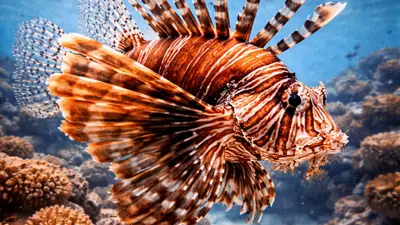
Lionfish
Year-round · common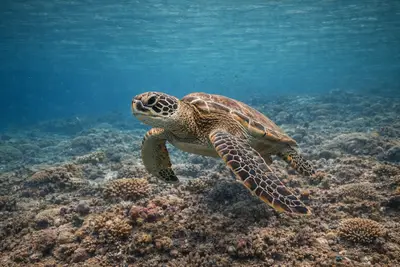
Turtles
Year-round · occasional
Barracuda
Year-round · common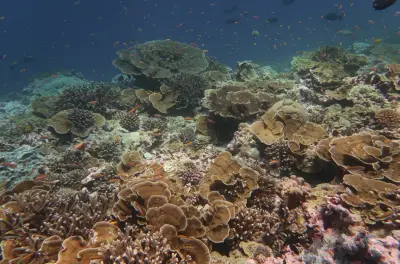
Reef Fish
Year-round · common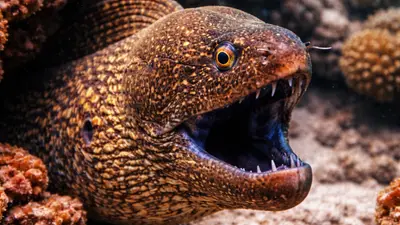
Eels
Year-round · occasional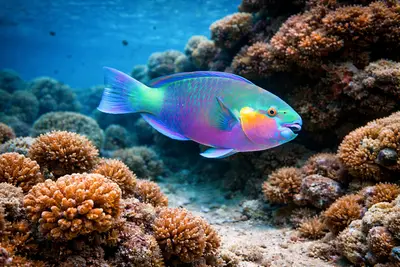
Parrotfish
Year-round · common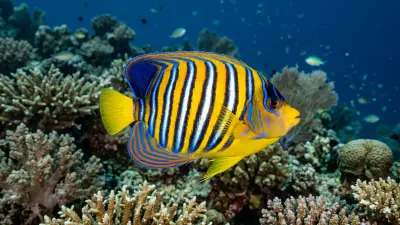
Angelfish
Year-round · common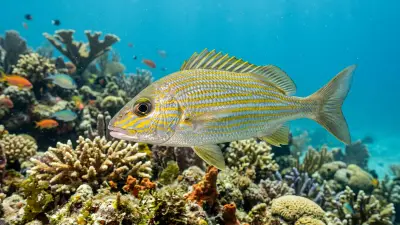
Grunts
Year-round · common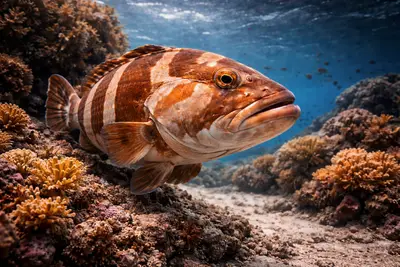
Nassau Grouper
Year-round · occasional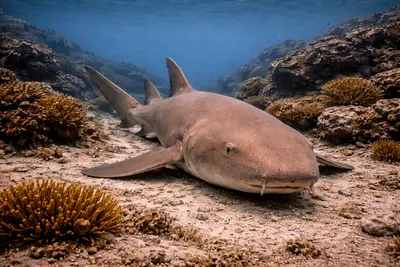
Nurse Sharks
Year-round · rare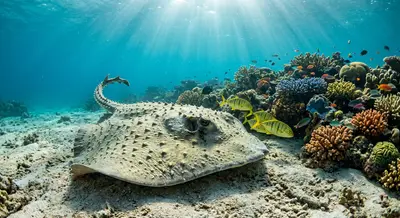
Porcupine Fish
Year-round · occasional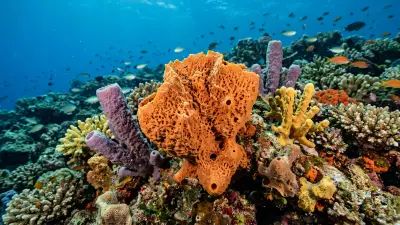
Sponges
Year-round · common
Fire Coral
Year-round · commonDive profile & how the dive runs
Your dive at the Vulcan Bomber typically begins with a short boat ride from New Providence. Often, the excursion starts at the nearby 'Tears of Allah' tugboat, the deeper of the two James Bond wrecks. After exploring the tug, a short two-minute swim brings you to the Vulcan Bomber mock-up. You will descend to a maximum depth of 12 meters, allowing for ample bottom time. The dive route involves exploring the exposed metal framework, which is adorned with diverse corals and serves as a habitat for various marine life. Focus on observing the profusion of sea fans, sponges, and fish sheltering within the structure. Maintain excellent buoyancy to avoid stirring the fine sandy bottom. The turnaround point is flexible, allowing you to retrace your path or continue exploring the entire structure. Given the shallow depth, your safety stop can be easily completed directly over the wreck or during your leisurely ascent to the surface, where snorkelers might even be visible.
Underwater photography
The Vulcan Bomber is an excellent subject for wide-angle photography, especially when capturing the entire framework adorned with corals. The clear, shallow water means ambient light is plentiful, but strobes will enhance color and detail on the corals and marine life. Consider a fisheye lens to get creative shots of the unique metal structure. For macro enthusiasts, there are opportunities to capture the intricate textures of fire coral, sponges, and smaller reef inhabitants like lionfish. Pay close attention to buoyancy to avoid kicking up sand, which can quickly reduce visibility and ruin shots. The upright position of the wreck allows for atmospheric images, and shooting through the remnants of the framework can create compelling compositions.
Combine with nearby dive sites
- Theos Wreck
Theo's Wreck is the remains of the M/S Logona, a 228-foot cargo vessel originally built in Norway in 1954.
- Runway Wall
Runway Wall, located off New Providence (Nassau), offers an exceptional dive experience, featuring a dramatic drop-off that begins at 12…
- Stuart Cove's Wall
Stuart Cove's Wall dive site, located on the southwest side of New Providence Island in the Bahamas, provides dramatic underwater…
- Shark Alley
Sharks Alley, located off the coast of Grand Bahama, is a premier destination for shark diving, providing exhilarating encounters with…
Getting there & logistics
Access to the Vulcan Bomber, located off New Providence Island, is typically via dive operators based in Nassau. The nearest major airport is Lynden Pindling International Airport (NAS) in Nassau. Most dive trips are day excursions and are frequently combined with a visit to the nearby "Tears of Allah" wreck. Dive packages often include boat transfers, tanks, and weights. No special permits or park fees are generally required for this site. Trips typically range from half-day to full-day itineraries, allowing for multiple dives. It's common for liveaboards exploring the Exumas or other Bahamian islands to include a stop at these iconic wrecks before or after their main itinerary.
Safety & environment
Diving at the Vulcan Bomber is generally considered safe due to its shallow depth and mild currents. However, standard dive safety practices are crucial. Always dive with a reputable operator, ensure your gear is in good condition, and adhere to your dive plan. The nearest recompression chamber is located in Nassau, but evacuation can be complex and expensive, underscoring the importance of comprehensive dive insurance, such as DAN. Be mindful of the fire coral on the wreck, which can cause painful stings upon contact. Maintain excellent buoyancy control to avoid damaging the delicate coral growth and stirring up the sandy bottom. Always stay with your buddy and follow your dive guide's instructions.
Who it suits — and who it doesn't
Suited for
- Beginner divers
- Underwater photographers
- Wreck diving enthusiasts
- James Bond fans
- Divers seeking shallow, clear dives
Less suited for
- Divers seeking deep, challenging wrecks
- Divers uninterested in film history
- Those looking for strong current drift dives
FAQ
The Vulcan Bomber FAQ
What is the Vulcan Bomber wreck?
The Vulcan Bomber is a fiberglass mock-up of an aircraft that was deliberately sunk for the 1965 James Bond film "Thunderball." It is not a real aircraft but a movie prop that has since become an artificial reef. The wreck's exterior panels have disintegrated, leaving its metal framework now covered in corals and marine life.
How deep is the Vulcan Bomber dive site?
The Vulcan Bomber rests in very shallow water, with a maximum depth of approximately 12 meters (40 feet). This makes it an ideal dive site for divers of all experience levels, including beginners, and even allows snorkelers to see the wreck from the surface on clear days.
What kind of marine life can I expect to see at the Vulcan Bomber?
The wreck supports a diverse array of marine life, including barracuda, various reef fish, and occasional turtles. You'll also observe a profusion of corals like sea fans, sponges, and fire coral growing on the metal framework, transforming the movie prop into a thriving ecosystem.
Is the Vulcan Bomber suitable for beginner divers?
Yes, the Vulcan Bomber is highly suitable for beginner divers due to its shallow depth, excellent visibility, and typically mild currents. Its easy accessibility and calm conditions make it a perfect site for those new to wreck diving or looking for a relaxed underwater experience.
Can I penetrate the Vulcan Bomber wreck?
The Vulcan Bomber is primarily a framework, as its exterior panels have disintegrated, so there are no enclosed spaces for penetration in the traditional sense. However, divers can swim through certain sections of the remaining metal structure, enjoying the vibrant coral growth from within, provided they maintain good buoyancy control.
How can I combine a dive at the Vulcan Bomber with other sites?
The Vulcan Bomber is frequently combined with a dive to the "Tears of Allah" tugboat, another James Bond movie prop wreck located nearby. Many dive operators from Nassau offer half-day or full-day trips that include both sites, providing a comprehensive cinematic and marine experience in a single outing.
Why dive The Vulcan Bomber from a liveaboard?
The Vulcan Bomber is one of Bahamas's signature dive sites. A liveaboard sleeps you on the water and puts you in the water for three to four guided dives per day, including dawn and night dives that day-boat operators rarely offer. You skip the daily commute back to port and reach quieter, less-crowded sites in the same region on a single trip.
Below are the liveaboards that include The Vulcan Bomber on their Bahamas itineraries.
Liveaboards diving The Vulcan Bomber
These liveaboards may visit The Vulcan Bomber on selected itineraries — the exact dive sites depend on departure, weather and conditions.
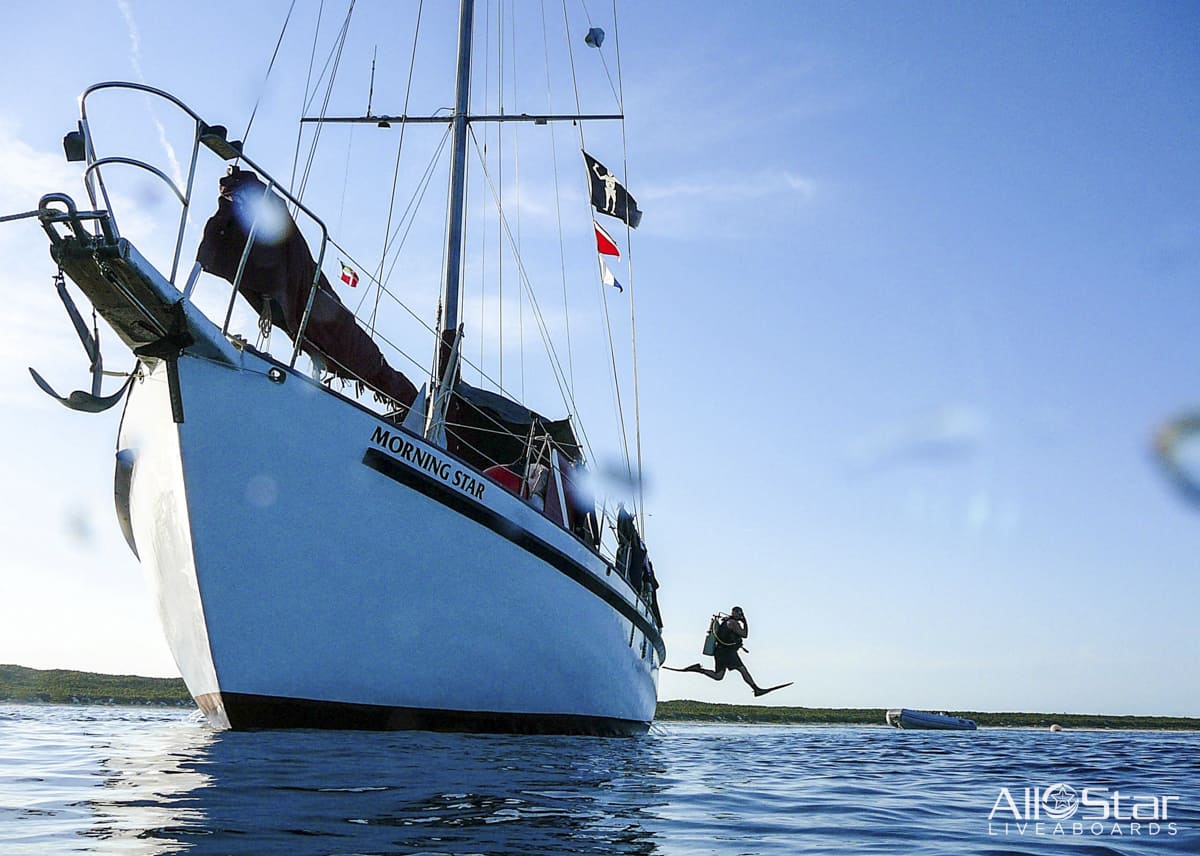
All Star Blackbeards Morning Star
Bahamas
24 guests19.81 m
$156/day
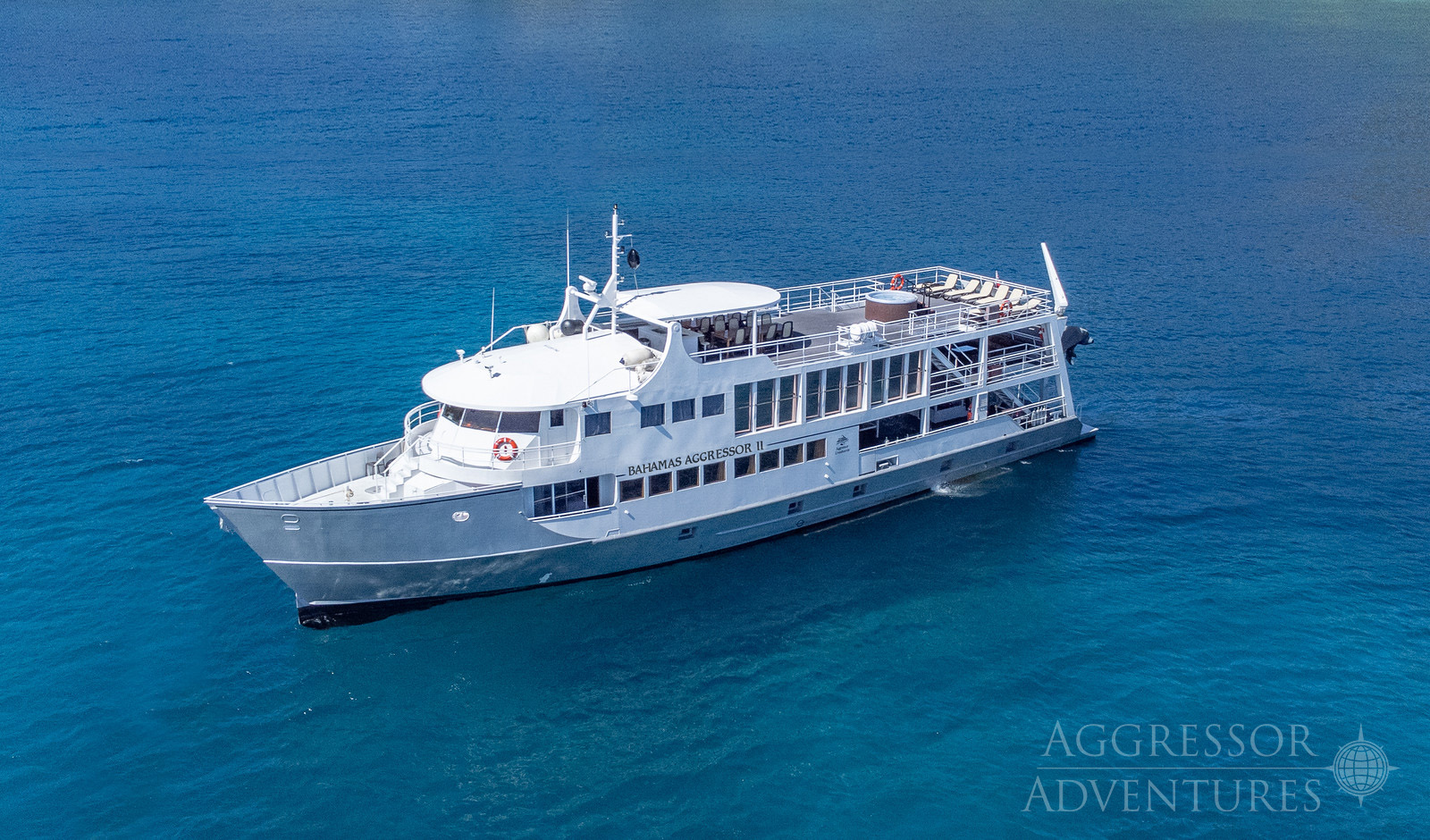
Bahamas Aggressor II
Bahamas
20 guests33.5 m
$328/day
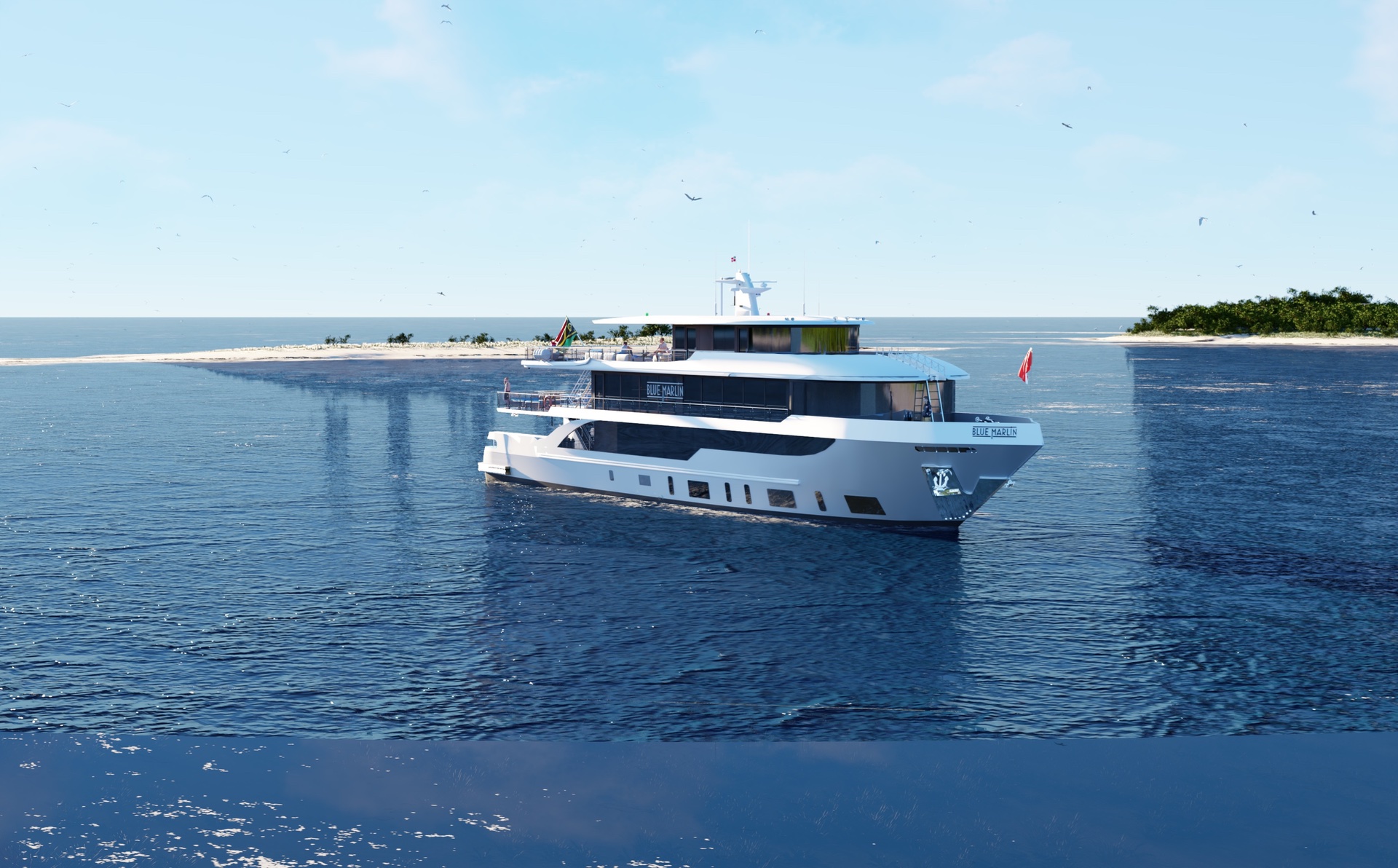
Blue Marlin
Bahamas
26 guests42 m
$318/day
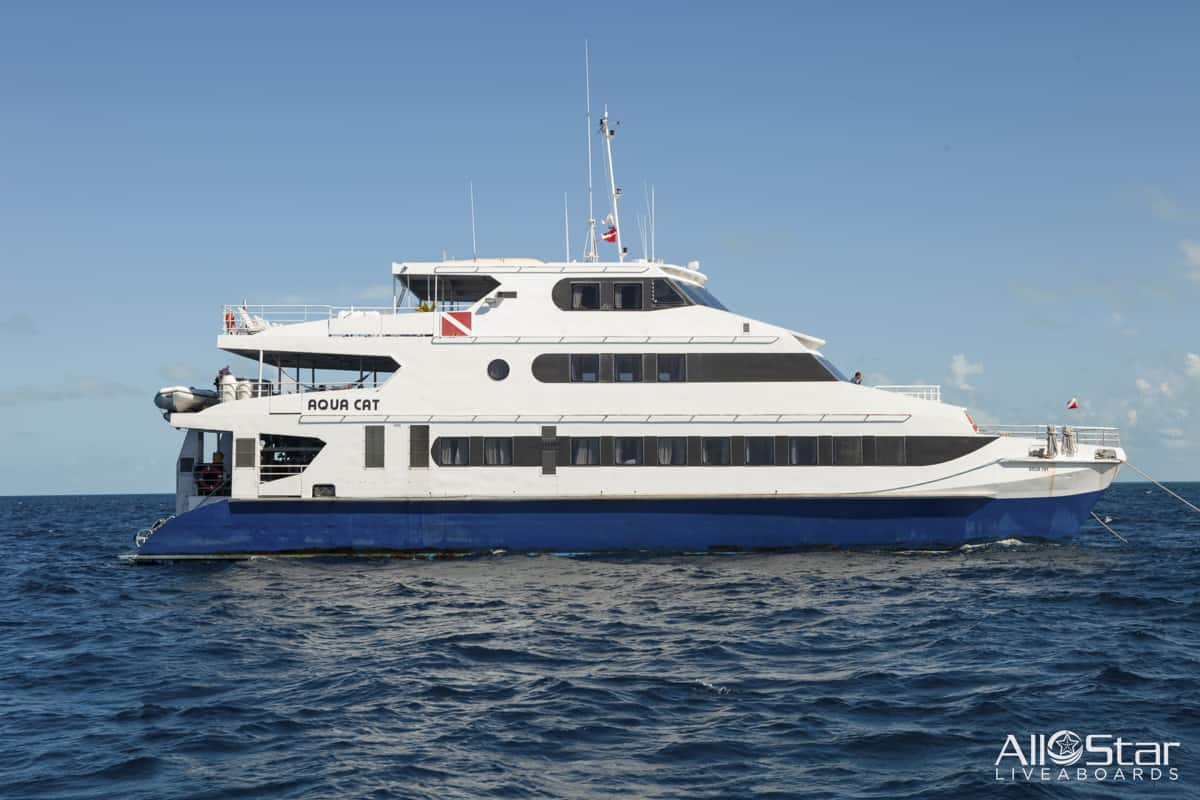
All Star Aqua Cat
Bahamas
30 guests31.09 m
$312/day
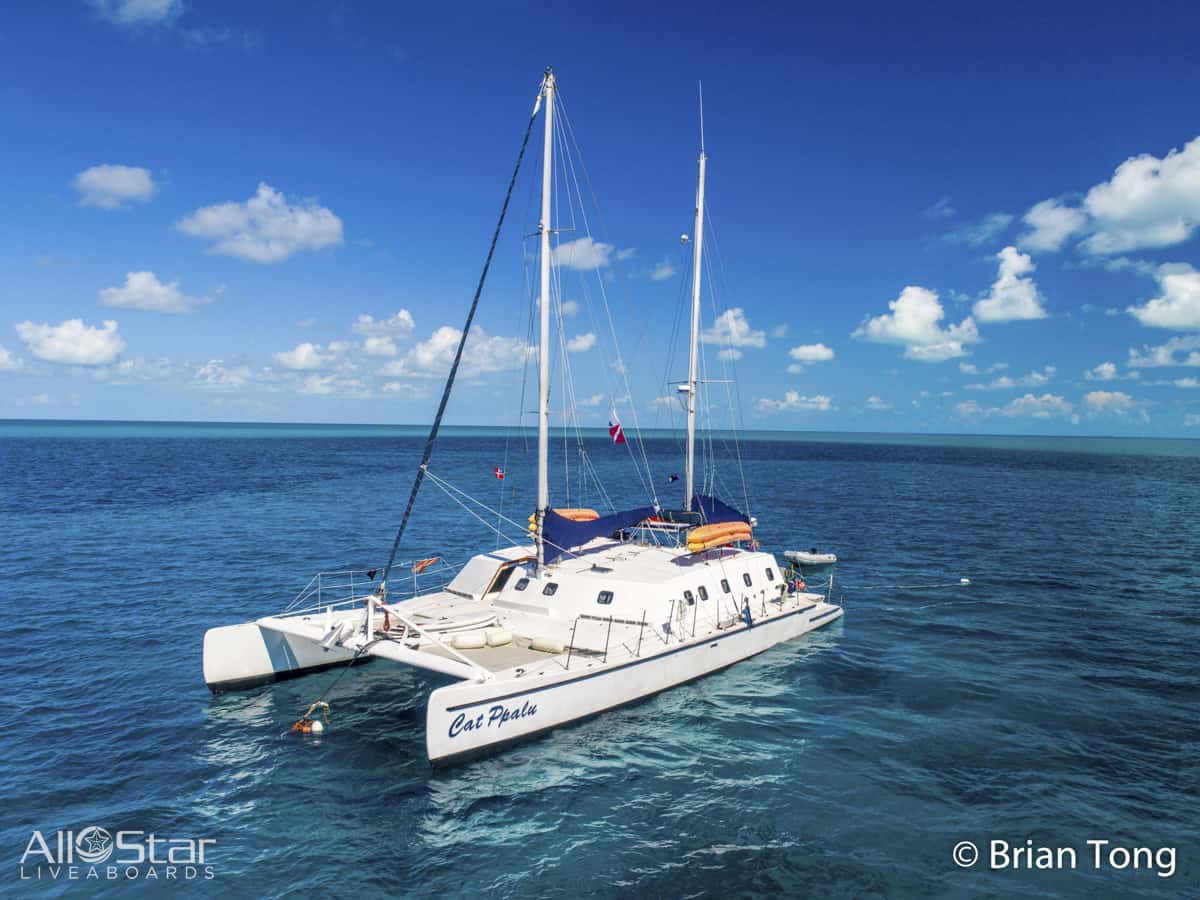
All Star Cat Ppalu
Bahamas
12 guests20 m
$237/day
Dive sites similar to The Vulcan Bomber
Same character, same waters — six more sites divers love for the exact same reasons.Compare seasons, access and liveaboard routes — then pick the site that fits your trip best.
© Esri — Maxar, Earthstar, GIS
The Bimini Barge
Bahamas
The Bimini Barge is a prominent wreck dive located on the extreme northwestern edge of the Great Bahama Bank, just a short distance from the deep wall and the powerful Gulf Stream currents.
- Suitable for
- Intermediate
- Current
- Moderate
- Access
- Liveaboard or dayboat
- Depth
- 30–30 m
- Theme
- Wreck / Drift
© Esri — Maxar, Earthstar, GIS
Austin Smith Wreck
Bahamas
The Austin Smith Wreck, originally named HMBS Flamingo, was a 90-foot Bahamian Defense Force cutter that was decommissioned in 1995. Intended for use as an artificial reef, it…
- Suitable for
- Intermediate
- Current
- Moderate
- Access
- Liveaboard only
- Depth
- 18–18 m
- Theme
- Wreck / Reef
© Esri — Maxar, Earthstar, GIS
Twin Sister Wrecks
Bahamas
The Twin Sister Wrecks offer a compelling paired wreck dive experience off New Providence, presenting two small tanker hulls that rest at differing depths.
- Suitable for
- Intermediate
- Current
- Mild
- Access
- Dayboat
- Depth
- 13–30 m
- Theme
- Wreck
The Vanaheim is a captivating wreck dive located off North Eleuthera, an island chain celebrated for its diverse underwater landscapes.
- Suitable for
- Beginner
- Current
- Mild
- Access
- Dayboat
- Depth
- 8–10 m
- Theme
- Wreck / Reef
The Carnarvon is a prominent wreck site located on the infamous Devil's Backbone, a shallow, rocky reef stretching along the northern coast of Eleuthera.
- Suitable for
- Beginner
- Current
- Mild
- Access
- Dayboat
- Depth
- 7–8 m
- Theme
- Wreck / Reef
© Esri — Maxar, Earthstar, GIS
Cobia Cage
Bahamas
The Cobia Cage off Eleuthera in the Bahamas presents a truly unique underwater landscape.
- Suitable for
- Beginner
- Current
- No current
- Access
- Liveaboard only
- Depth
- 15–27 m
- Theme
- Wreck