About St. George's Caye
St. George's Caye, a small island situated between Belize City and a pristine section of the Belize Barrier Reef, offers divers an intimate encounter with a thriving underwater ecosystem. This location provides access to what is often considered the largest living barrier reef globally, showcasing immense health and biodiversity. The diving topography here features extensive coral gardens and wall dives, with depths that allow for both beginner and advanced exploration. Cavernous areas and structured crevices within the reef provide shelter for a variety of marine creatures, creating dynamic underwater landscapes. The waters around St. George's Caye remain warm year-round, typically ranging from 79°F to 86°F (26°C to 30°C), ensuring comfortable diving conditions. Visibility is generally excellent, often exceeding 50 feet, particularly during the dry season. This consistent clarity enhances opportunities for spotting diverse reef inhabitants, from schooling jacks to curious turtles and nurse sharks. Divers typically access the sites via short boat rides from the resort, enjoying uncrowded conditions and personalized experiences. The gentle currents make for relaxed Caribbean profiles, suitable for extended bottom times and underwater photography, allowing for detailed observation of the reef's rich flora and fauna.
Highlights
Largest living barrier reef accessThriving coral gardensCavernous reef structuresFrequent turtle sightingsNurse shark encountersUncrowded dive sitesWarm, clear waters
Season calendar
Best months to dive here
Jan
Feb
Mar
Apr
May
Jun
Jul
Aug
Sep
Oct
Nov
Dec
Excellent
Good
Dive site facts: St. George's Caye
- Depth
- 9–30 m
- Current
- Mild
- Visibility
- 12–24 m
- Water temperature
- 26–30°C
- Entry
- Boat
- Level
- All levels
- Dive type
- Reef, wall
- Night dive
- Possible
- Region / port
- Belize District
- Coordinates
- 17.5583° N, 88.1183° W
Conditions & Currents
Diving around St. George's Caye generally features soft or minimal currents, making for relaxed dive profiles. This allows divers to drift slowly along the reef or explore specific areas without battling strong water movement, which is ideal for observation and photography. Entry and exit are typically boat-based, ensuring easy access to dive sites located just minutes from the caye. Visibility is consistently excellent, often ranging from 40 to 80 feet (12 to 24 meters), and can be higher on offshore atolls. The water temperature is warm year-round, from 79°F to 86°F (26°C to 30°C), eliminating concerns about thermoclines or cold exposure. These calm conditions mean divers of all levels can enjoy comfortable and unhurried explorations of the reef, with gas planning focused on bottom time rather than current mitigation.
Marine life & sighting chances
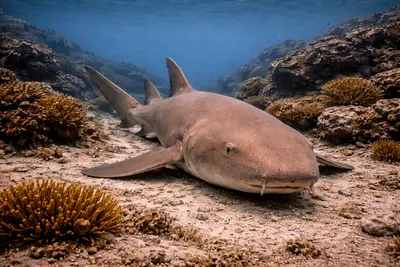
Nurse shark
commonSea turtle
common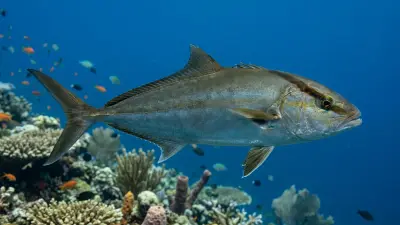
Schooling jacks
common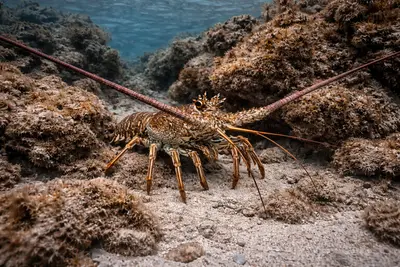
Lobster
common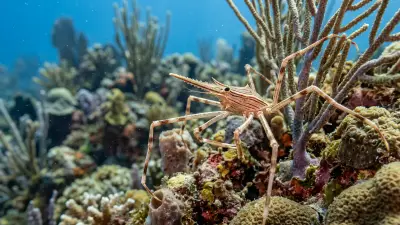
Crab
common
Barracuda
common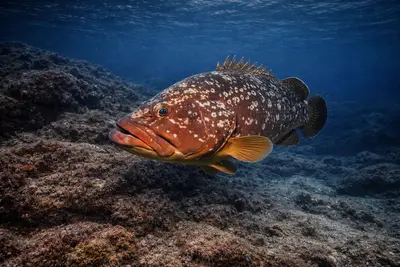
Grouper
common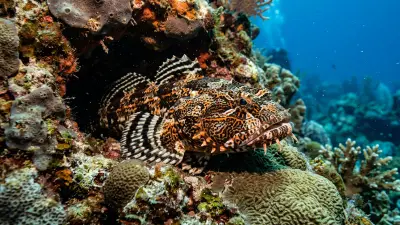
Toadfish
common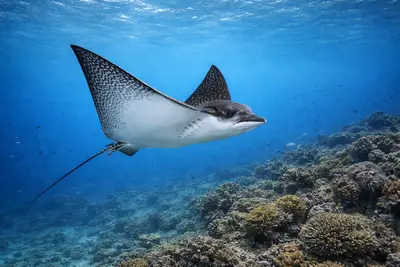
Eagle ray
occasional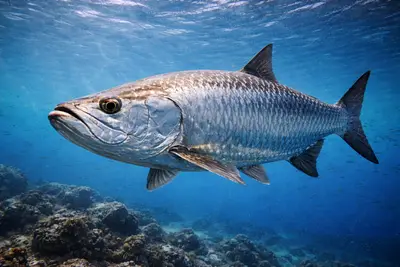
Tarpon
occasional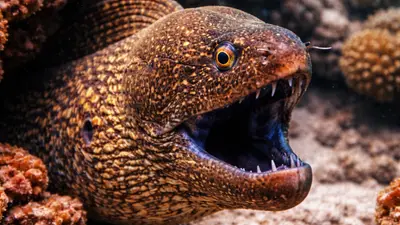
Eel
common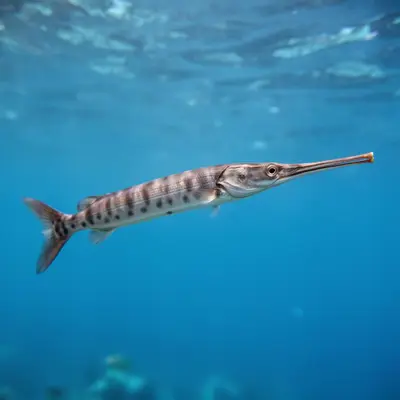
Trumpetfish
common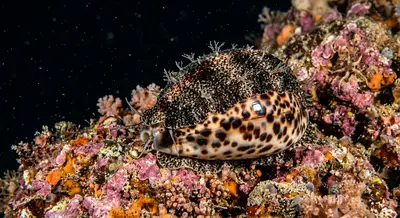
Flamingo tongue cowrie
commonDive profile & how the dive runs
Dives from St. George's Caye typically begin with a short boat ride to nearby barrier reef sites. Entry is usually a backward roll or giant stride from the boat, directly into the warm, clear waters. Divers then descend to explore the vibrant coral gardens and reef walls, often starting around 9 meters (30 feet) and gradually progressing to deeper sections, sometimes reaching 30 meters (100 feet). The route often involves slowly following the natural contour of the reef, exploring crevices and overhangs where marine life congregates. Turn points are determined by air consumption and bottom time, ensuring a safe ascent. The final part of the dive typically involves shallower reef tops for extended no-decompression time and a safety stop, allowing for observation of smaller reef fish and colorful invertebrates before surfacing back at the boat.
Underwater photography
St. George's Caye offers fantastic opportunities for wide-angle and macro photography due to its healthy coral reef system and diverse marine life. For wide-angle shots, consider using a fisheye or rectilinear wide-angle lens to capture the expansive coral formations, dramatic wall profiles, and schooling fish. The excellent visibility allows for clear, well-composed shots. For macro subjects like jawfish, flamingo tongue cowries, and small crustaceans, a dedicated macro lens will be essential. Utilize external strobes to bring out the true colors of the reef, especially in deeper areas or during night dives where tarpon might be hunting. Maintain impeccable buoyancy to avoid damaging delicate corals and disturbing marine life, respecting subjects by observing from a distance before approaching slowly. The calm conditions here provide ample time to compose shots without fighting strong currents.
Combine with nearby dive sites
- Turneffe Atoll
Largest and most biodiverse atoll in Belize, known for walls and pelagics.
- Lighthouse Reef Atoll
Features the iconic Great Blue Hole and other spectacular sites like Half Moon Caye Wall.
- Hol Chan Marine Reserve
A protected area near Ambergris Caye, famed for abundant marine life and shallow depths.
- Shark Ray Alley
Adjacent to Hol Chan, famous for close encounters with nurse sharks and stingrays.
Getting there & logistics
Access to St. George's Caye is typically via boat transfer from Belize City, the main port city on mainland Belize. International travelers usually fly into Philip S. W. Goldson International Airport (BZE) in Belize City. Dive trips to St. George's Caye are often organized through resorts located directly on the island, such as St. George's Caye Resort. These resorts offer small-group snorkel and dive excursions, with short boat rides to the nearby Belize Barrier Reef. Liveaboard options also depart from Belize City and may include dives around St. George's Caye as part of broader itineraries covering the atolls. There are no specific permits or fees mentioned for diving this site itself, but marine park fees may apply for certain protected areas.
Safety & environment
For dive safety around St. George's Caye, divers are advised to have appropriate insurance covering dive accidents and medical emergencies, as evacuation realities can be complex in remote areas. While the nearest recompression chamber location is not specified in the provided sources, the general advice for Belize diving is to plan for potential medical evacuations. Site-specific hazards are minimal due to typically calm conditions and mild currents. However, divers should always follow their dive guide's instructions, maintain good buoyancy control to protect the fragile reef, and monitor their air consumption. The resort on St. George's Caye emphasizes its commitment to safety and provides full-service dive facilities with rental wetsuits and equipment.
Who it suits — and who it doesn't
Suited for
- Newer divers seeking relaxed conditions
- Divers desiring uncrowded reef experiences
- Underwater photographers due to calm waters and visibility
- Divers interested in healthy coral reef ecosystems
- Travelers combining diving with resort relaxation
Less suited for
- Divers seeking extreme drift dives
- Those prioritizing only deep, technical dives
- Divers looking for large pelagic action every dive
- Travelers who prefer shore diving exclusively
- Those seeking high-adrenaline, strong-current experiences
FAQ
St. George's Caye FAQ
What marine life can I expect to see when diving at St. George's Caye?
Divers commonly encounter a rich array of Caribbean sea life. This includes nurse sharks, sea turtles, schooling jacks, lobsters, and crabs within the reef's crevices. You may also spot barracudas, groupers, toadfish, eels, and trumpetfish, making for a vibrant and diverse underwater experience.
What are the water temperatures like around St. George's Caye throughout the year?
The water temperatures are consistently warm, ranging from 79°F to 86°F (26°C to 30°C) year-round. While January to March sees slightly cooler temperatures, the water remains comfortable for diving. Peak warmth is experienced from July to August, making it ideal for extended water activities.
Is St. George's Caye suitable for beginner divers?
Yes, St. George's Caye is highly suitable for beginner divers. The dive sites typically feature mild currents and excellent visibility, allowing for relaxed and enjoyable dives. Dive centers offer instruction and guides ensure a comfortable and safe experience, even for newly certified open-water divers.
How do I get to St. George's Caye for diving?
Most travelers arrive via Philip S. W. Goldson International Airport (BZE) in Belize City. From there, you would take a short boat transfer from the Belize City marina to St. George's Caye. Resorts on the island arrange these transfers and coordinate dive excursions directly from their facilities.
What kind of dive profiles can I expect at St. George's Caye?
You can expect relaxed Caribbean dive profiles around St. George's Caye. Dives typically involve exploring coral gardens and reef walls, with options for both shallower and deeper sections. The focus is on enjoying extended bottom times in warm, clear water with minimal currents, perfect for observing marine life.
Why dive St. George's Caye from a liveaboard?
St. George's Caye is one of Belize's signature dive sites. A liveaboard sleeps you on the water and puts you in the water for three to four guided dives per day, including dawn and night dives that day-boat operators rarely offer. You skip the daily commute back to port and reach quieter, less-crowded sites in the same region on a single trip.
Below are the liveaboards that include St. George's Caye on their Belize itineraries.
Liveaboards diving St. George's Caye
These liveaboards may visit St. George's Caye on selected itineraries — the exact dive sites depend on departure, weather and conditions.
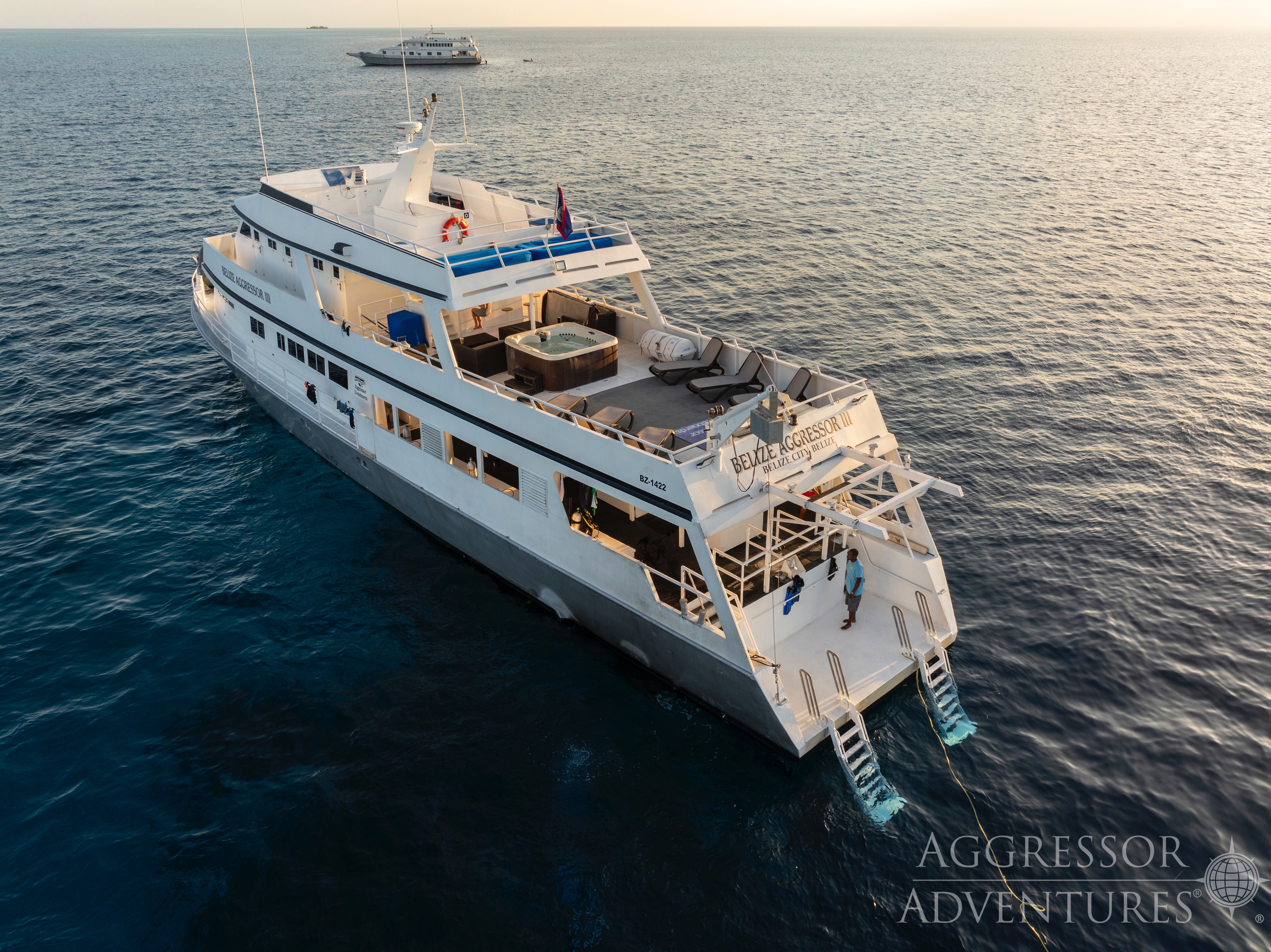
Belize Aggressor III
Belize
18 guests33.5 m
$336/day
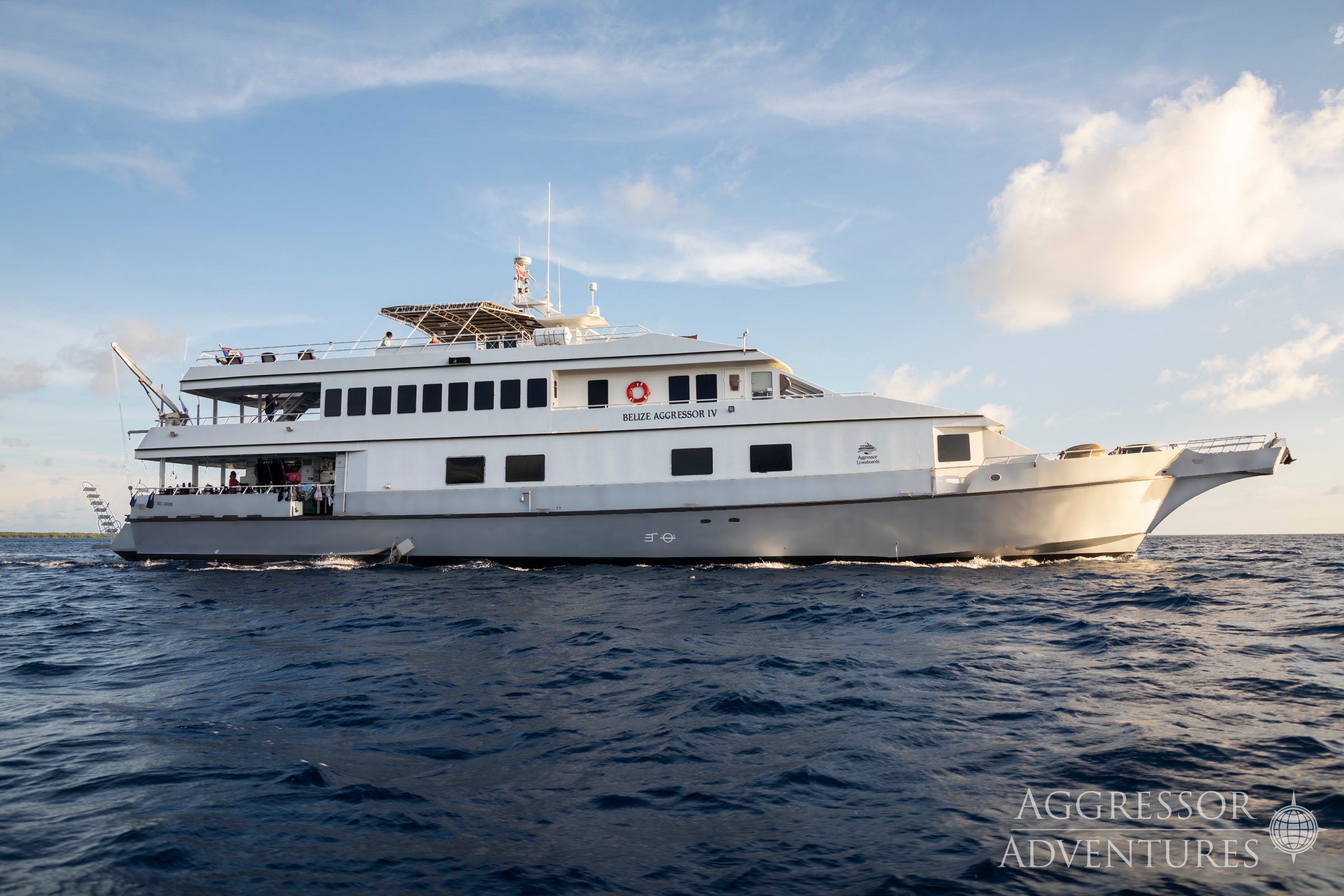
Belize Aggressor IV
Belize
20 guests42.1 m
$356/day
Dive sites similar to St. George's Caye
Same character, same waters — six more sites divers love for the exact same reasons.Compare seasons, access and liveaboard routes — then pick the site that fits your trip best.
Carrie Bow Caye Reef
Belize
Carrie Bow Caye is a small sand caye positioned directly on the Belize Barrier Reef, hosting a continuous coral reef monitoring program by the Smithsonian Institution since 1972.…
- Suitable for
- Intermediate
- Current
- Moderate
- Access
- Liveaboard or dayboat
- Depth
- 4–30 m
- Theme
- Reef / Wall
Ambergris Caye
Belize
Ambergris Caye, the largest and most popular of Belize's offshore cayes, offers unparalleled diving along 40 kilometers of the Belize Barrier Reef, situated less than a mile offshore.
- Suitable for
- Intermediate
- Current
- Mild
- Access
- Dayboat
- Depth
- 15–60 m
- Theme
- Reef / Wall
Long Caye Ridge
Belize
Long Caye Ridge is a highly-rated dive site situated within Belize's Lighthouse Reef Atoll, an area renowned for its pristine conditions due to its distance from the mainland.
- Suitable for
- Intermediate
- Current
- No current
- Access
- Liveaboard only
- Depth
- 21–21 m
- Theme
- Reef
Silver Caves
Belize
Silver Caves offers a distinctive diving experience within the Lighthouse Reef Atoll, one of Belize's healthiest reef systems.
- Suitable for
- Advanced
- Current
- Mild
- Access
- Liveaboard only
- Depth
- 18–28 m
- Theme
- Reef / Cave & cavern
Sayonara Wreck
Belize
The Sayonara Wreck offers an engaging intermediate dive experience southwest of the Turneffe Islands in Belize.
- Suitable for
- Intermediate
- Current
- Moderate
- Access
- Liveaboard only
- Depth
- 12–18 m
- Theme
- Wreck / Reef
Esmeralda
Belize
Esmeralda Canyon, a standout dive site within the Belize Barrier Reef, is located about 30 minutes by boat from Ambergris Caye, a main hub for reef diving.
- Suitable for
- Beginner
- Current
- Strong
- Access
- Liveaboard or dayboat
- Depth
- 13–25 m
- Theme
- Reef