About Soangi
Soangi is an isolated seamount located in the Banda Sea, a remote region within Indonesia's Maluku Province. This dive site serves as a significant waypoint on liveaboard itineraries, situated strategically between Nusa Laut, an island known for reliable hammerhead shark encounters, and the historic Banda Islands. Its designation as an isolated seamount suggests a topography that often attracts pelagic species, benefiting from nutrient-rich upwellings characteristic of the Banda Sea's volcanic island chain. While specific details on Soangi's unique underwater topography are less explicit in sources, its presence in a region dominated by steep drop-offs, sloping reefs, and pinnacles suggests a similar structure. The surrounding Banda Sea is famed for its healthy, vibrant coral reefs, massive sea fans, and giant sponges, indicating a rich environment. The broader Banda Sea ecosystem, including sites like Soangi, supports diverse marine life. This includes frequent sightings of large pelagic species such as various sharks, tuna, and mobula rays, alongside an abundance of reef fish and invertebrates. The optimal diving period in the Banda Sea, and by extension for sites like Soangi, spans from March to April and again from September to November, aligning with the seasons when pelagic activity, particularly hammerhead sharks, is often at its peak. Diving at Soangi is typically part of a liveaboard cruise through the Banda Sea, offering an opportunity to explore a less-frequented site within this remote marine environment. Given its location and the general characteristics of Banda Sea diving, divers can anticipate encounters with schooling fish and potentially larger predators drawn to the seamount's isolation and prevailing currents.
Highlights
Isolated seamount diveBanda Sea itinerary waypointPotential pelagic encountersBetween Nusa Laut and Banda IslandsPart of Ring of Fire
Season calendar
Best months to dive here
Jan
Feb
Mar
Apr
May
Jun
Jul
Aug
Sep
Oct
Nov
Dec
Excellent
Good
Dive site facts: Soangi
- Current
- Variable, mild to strong
- Visibility
- 20–40 m
- Water temperature
- 25–28°C (77–82.4°F)
- Entry
- Liveaboard tender / negative entry
- Level
- Suitable for various levels, current experience beneficial
- Dive type
- Seamount, pelagic encounters
- Region / port
- Banda Sea, Maluku Province, Indonesia
- Coordinates
- 3.3768° S, 131.0269° E
Conditions & Currents
The Banda Sea, where Soangi is located, is known for its variable currents, which can range from mild to strong and create dynamic diving conditions. The strength of these currents is influenced by lunar cycles and the specific topography of the site, such as seamounts or passages between islands. These current-swept areas are often where nutrient-rich waters rise, attracting a high density of marine species, including large pelagics. Divers exploring Soangi should be prepared for potential currents, which can facilitate exhilarating drift dives. While a basic understanding of diving in currents is beneficial, the vastness of the Banda Sea ensures that dive sites, even those with strong currents, are often balanced with more sheltered areas. Visibility in the Banda Sea is generally excellent, typically ranging from 20 to 30 meters, and can extend up to 40 meters on exceptional days, mak
Marine life & sighting chances
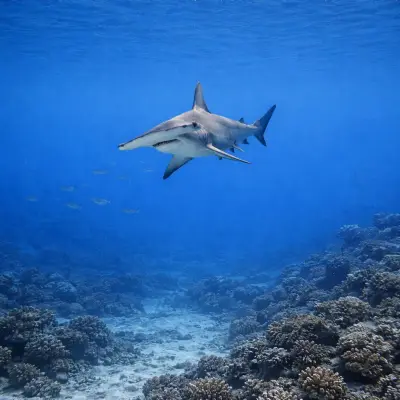
Hammerhead sharks
March-April, September-November · occasional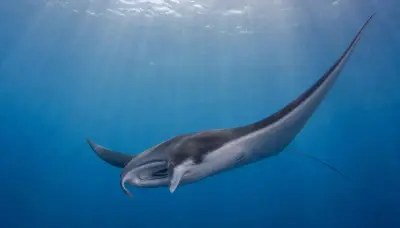
Mobula rays
March-April, September-November · occasional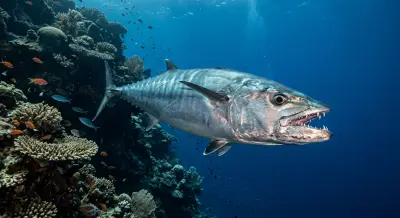
Tuna
March-April, September-November · common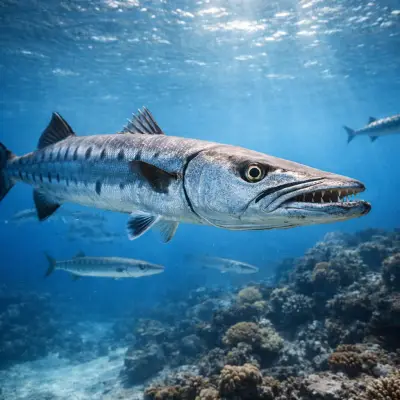
Barracudas
common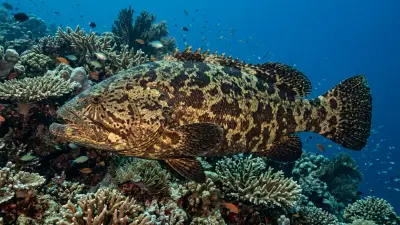
Groupers
common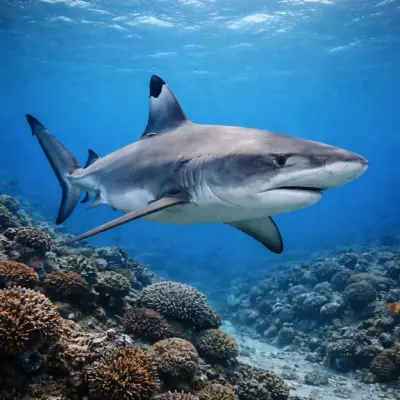
Reef sharks
March-April, September-November · common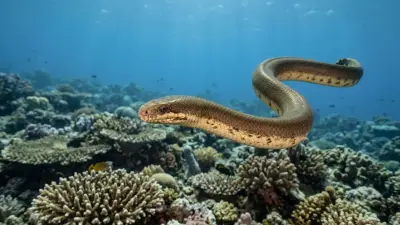
Sea snakes
occasional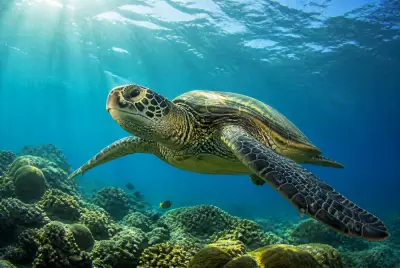
Turtles
common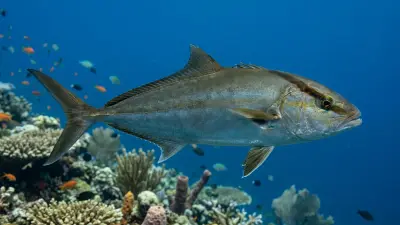
Jacks (schooling)
common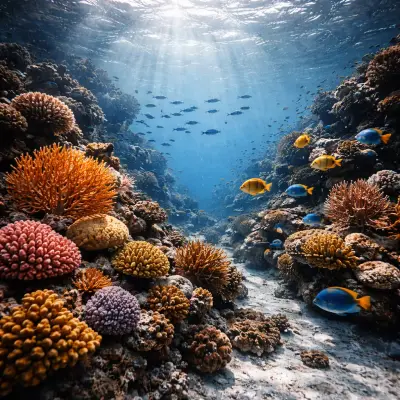
Hard corals
common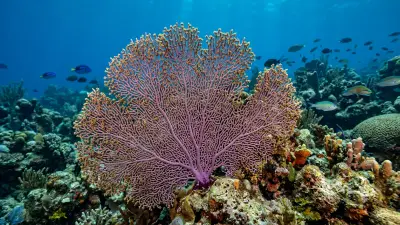
Sea fans
common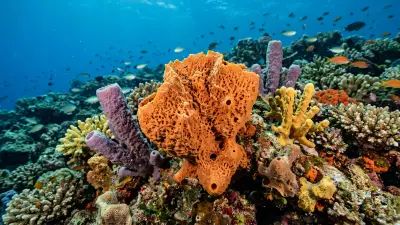
Sponges
commonDive profile & how the dive runs
Diving at Soangi, as an isolated seamount, typically involves a blue water entry from a tender boat, often as a negative entry to quickly descend to the reef or pinnacle. The dive profile will likely follow the contours of the seamount, exploring walls and sloping reefs that extend into deeper water. Due to potentially strong currents, this site is ideal for drift diving, allowing divers to be carried along the reef while observing marine life attracted by the nutrient flow. Divers often focus on the areas where currents are strongest, as these are prime locations for pelagic encounters, including schooling fish and larger predators. Ascent usually occurs with an SMB deployment at the end of the drift, with safety stops performed in the blue, monitoring depth and time. The tender boat then picks up divers from the surface. The route emphasizes current-swept sections to maximize pelagic sightings.
Underwater photography
Soangi, like other Banda Sea seamounts, offers excellent opportunities for wide-angle photography, especially during peak seasons for pelagic sightings. Capture schooling fish, mobula rays, and hammerhead sharks in the clear blue water by using a wide-angle lens, ideally 8-15mm on a full-frame sensor. Strong strobes are essential to bring out the vibrant colors of corals and reef fish against the deep blue backdrop, especially when shooting into the sun. Maintain excellent buoyancy to avoid damaging delicate corals, particularly on sloping sections. For macro enthusiasts, while the site is primarily known for pelagics, smaller creatures may be found in more sheltered nooks, requiring a dedicated macro lens (e.g., 60mm or 100mm). Always prioritize diver safety and respect marine life by maintaining a respectful distance.
Combine with nearby dive sites
- Nusa Laut
A small island known for reliable hammerhead sightings.
- Koon
A wall dive site with numerous fish species.
- Manuk Ridge
Known for sea snakes, hammerheads, and mobula rays.
- Nil Desperandum Atoll
Features sloping reefs, deep walls, and potential hammerhead encounters.
- Pulau Hatta
A site with sloping reefs and large schools of fusiliers.
- Skaru Reef
A dive site explored in conjunction with Banda Island.
Getting there & logistics
Access to Soangi is exclusively via liveaboard cruises, as its remote location in the Banda Sea makes it inaccessible by land. Typical itineraries for the Banda Sea and Forgotten Islands region range from 8 to 12 days, often commencing or concluding in Ambon or Kupang/Maumere. Guests generally arrive at airports such as Ambon (AMQ) or Maumere (MOF), where they are transferred to their liveaboard vessel. Soangi is usually included as part of a broader itinerary exploring the 'Ring of Fire' and Forgotten Islands, often positioned as a stop between Nusa Laut and Banda Island. There are no specific permits or fees mentioned for Soangi itself, but overall marine park fees for the Banda Sea region would be included in the liveaboard package. These comprehensive trips allow divers to experience a variety of sites, from pelagic hotspots to pristine reefs, emphasizing the region's diverse marine environment.
Safety & environment
Diving in the remote Banda Sea, including sites like Soangi, necessitates a strong emphasis on diver safety and preparedness. The nearest recompression chamber is typically located in major regional cities like Denpasar (Bali) or Jakarta, implying that emergency evacuation can be lengthy and complex. Therefore, comprehensive dive insurance that covers emergency medical treatment and evacuation, including hyperbaric therapy, is not just recommended but essential for all divers. Site-specific hazards at Soangi mainly involve managing variable and potentially strong currents, which demand good buoyancy control and experience with drift diving. Divers should always carry an SMB (Surface Marker Buoy) for surface signaling, and dive guides will typically provide thorough briefings on current conditions and emergency procedures. Adhering to dive plan limits, monitoring air consumption, and staying close to your buddy and guide are paramount. Due to the remoteness, it's crucial that all dive equipment is in excellent working order.
Who it suits — and who it doesn't
Suited for
- Experienced divers comfortable with currents
- Divers seeking pelagic encounters
- Liveaboard enthusiasts
- Underwater photographers (wide-angle)
- Explorers of remote, pristine environments
Less suited for
- Beginner divers without current experience
- Divers prone to seasickness
- Those who prefer shore-based diving
- Divers with limited bottom time allowances
- Travelers seeking luxury resort amenities
FAQ
Soangi FAQ
Where is Soangi located?
Soangi is an isolated seamount found in the Banda Sea, part of Indonesia's Maluku Province. It is commonly visited on liveaboard itineraries that traverse the 'Ring of Fire' and Forgotten Islands, typically positioned between Nusa Laut and the Banda Islands themselves.
What kind of marine life can be seen at Soangi?
Soangi, like other seamounts in the Banda Sea, acts as a magnet for pelagic species. Divers have opportunities to encounter hammerhead sharks, mobula rays, barracudas, tuna, and various schooling reef fish. The healthy coral reefs also host numerous smaller marine creatures.
When is the best time to dive Soangi?
The optimal diving window for Soangi and the broader Banda Sea is during the inter-monsoon periods: from March to April and again from September to November. These months generally offer the best visibility and increased chances for pelagic sightings, especially hammerhead sharks.
Are currents strong at Soangi?
Currents at Soangi, similar to many Banda Sea dive sites, can be variable and range from mild to strong. These currents are often beneficial, attracting abundant marine life and making for exciting drift dives. Divers should be comfortable with current diving techniques.
How do I get to Soangi?
Soangi is only accessible via liveaboard cruises, as it is an isolated seamount in a remote part of the Banda Sea. Liveaboard trips typically depart from and return to ports like Ambon or Maumere, with itineraries lasting between 8 and 12 days.
Is Soangi suitable for all diver levels?
While the Banda Sea offers sites for various levels, Soangi's potential for strong currents and its seamount topography make it more suitable for experienced divers. A basic understanding and comfort with diving in currents are highly recommended for a safe and enjoyable experience.
Why dive Soangi from a liveaboard?
Soangi is one of Banda Sea's signature dive sites. A liveaboard sleeps you on the water and puts you in the water for three to four guided dives per day, including dawn and night dives that day-boat operators rarely offer. You skip the daily commute back to port and reach quieter, less-crowded sites in the same region on a single trip.
Below are the liveaboards that include Soangi on their Banda Sea itineraries.
Liveaboards diving Soangi
These liveaboards may visit Soangi on selected itineraries — the exact dive sites depend on departure, weather and conditions.
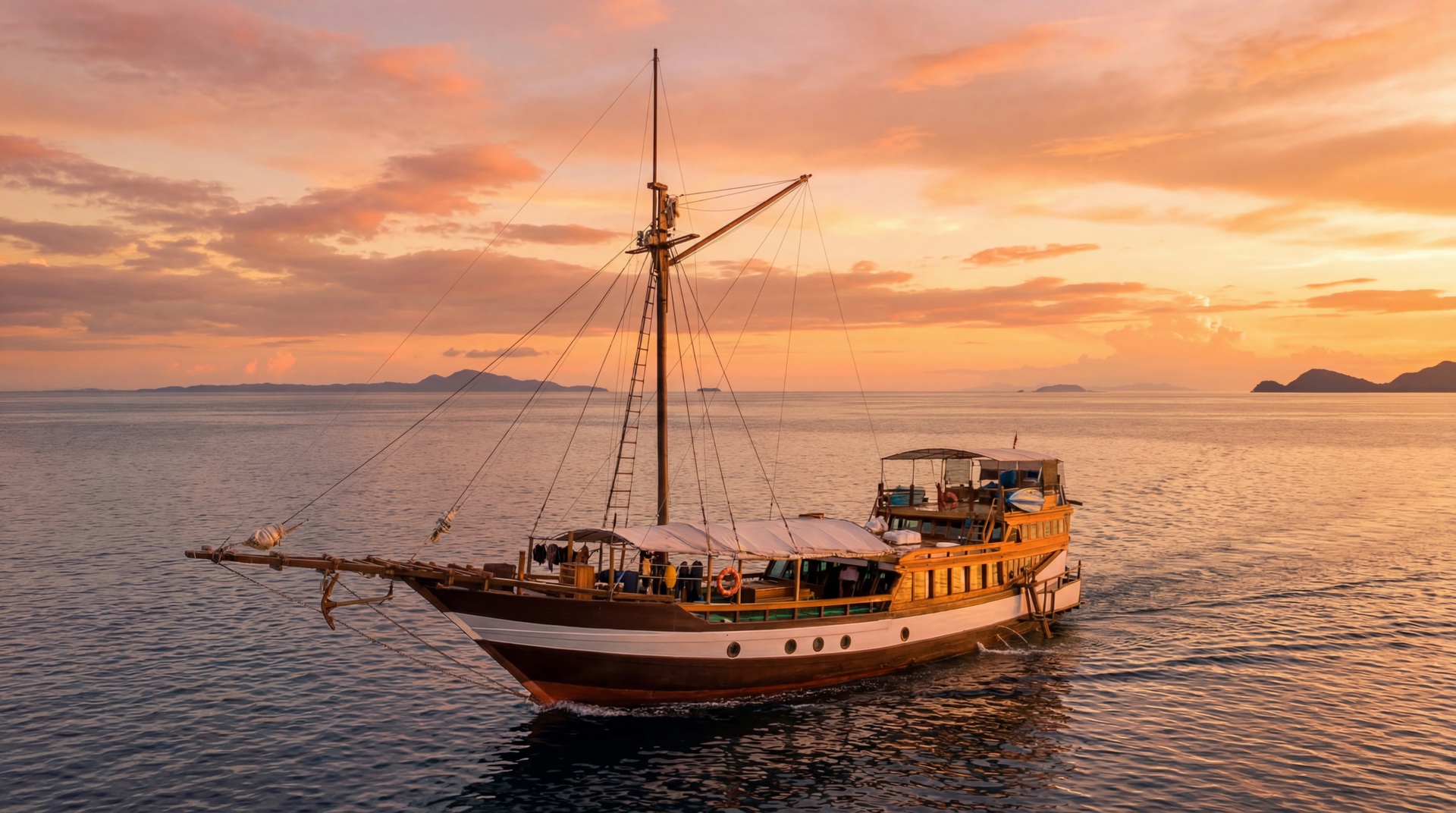
Wellenreng
Indonesia
9 guests25 m
$427/day
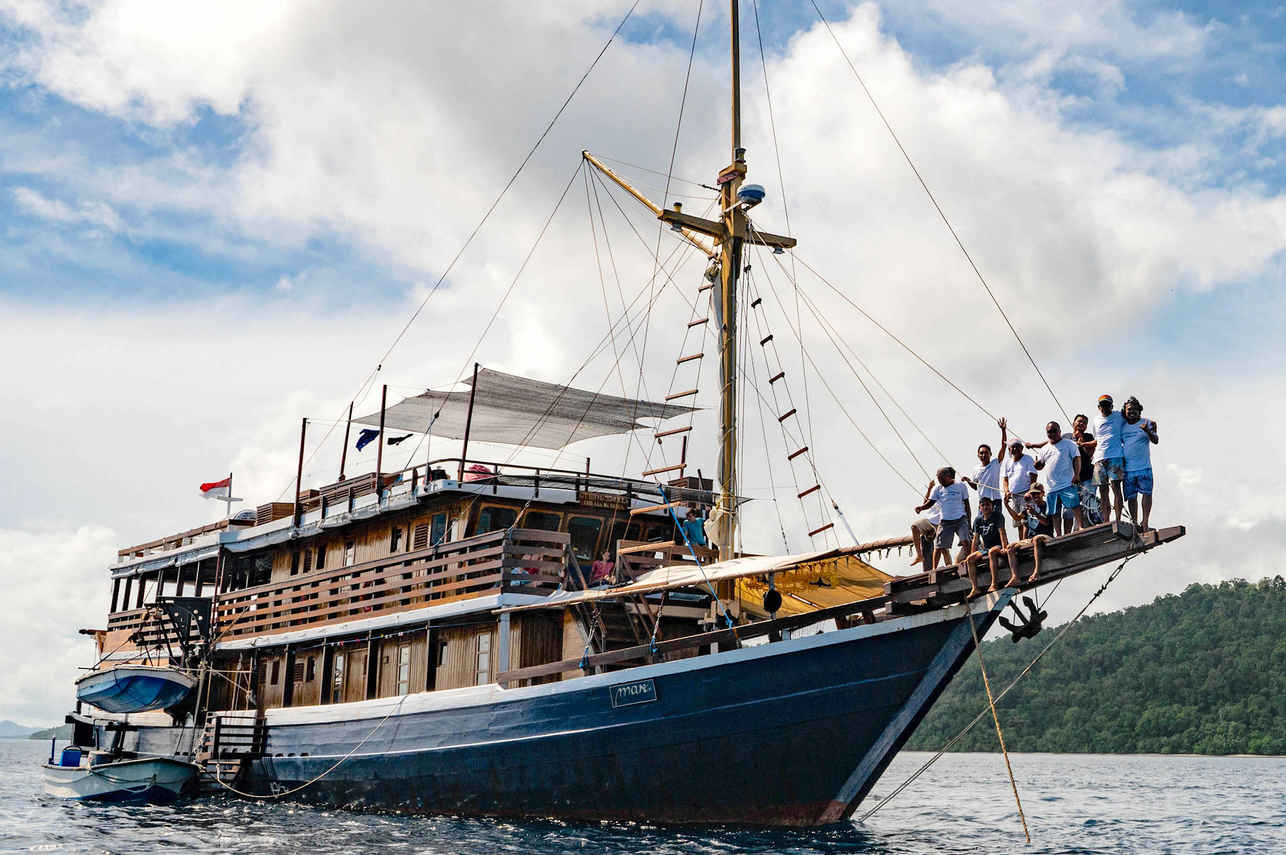
Mari
Indonesia
14 guests32.2 m
$328/day
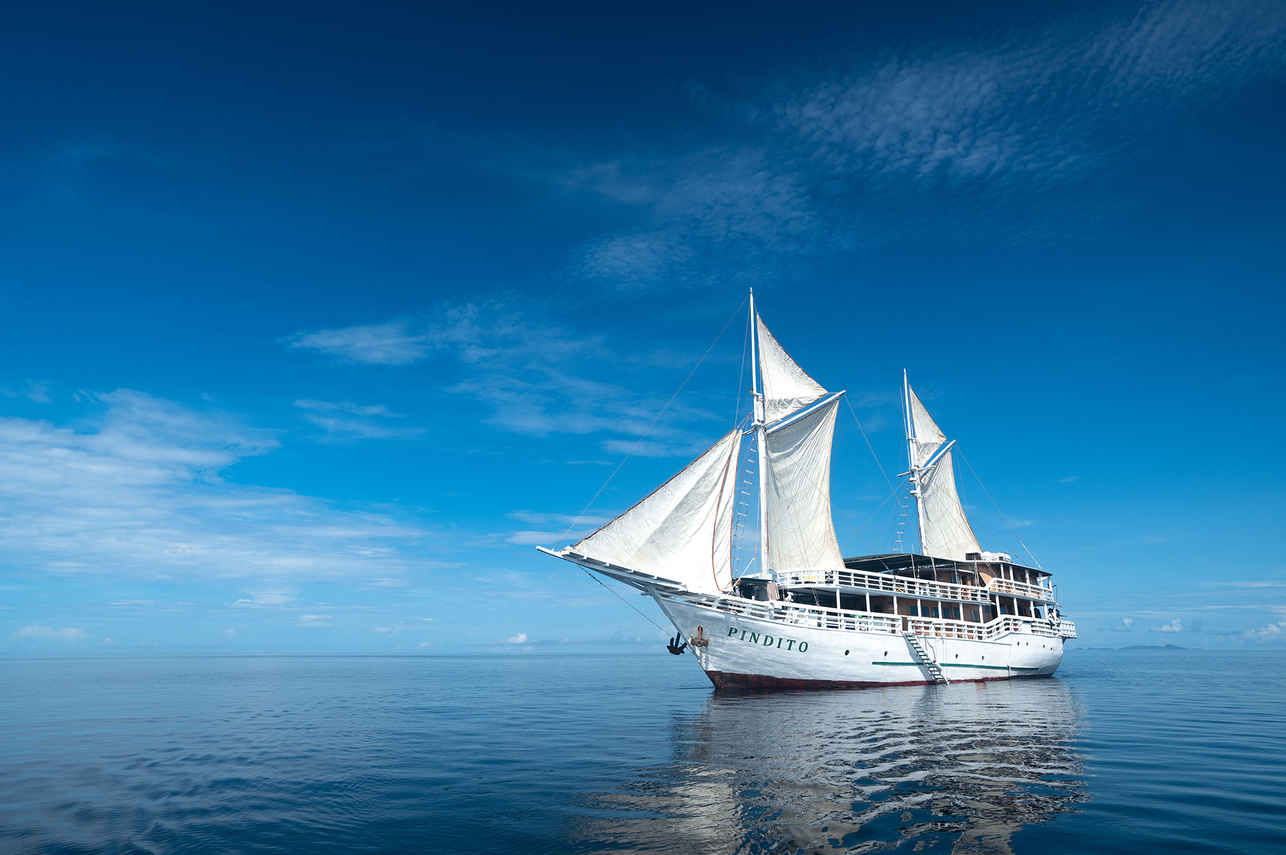
Pindito
Indonesia
16 guests37.79 m
$533/day
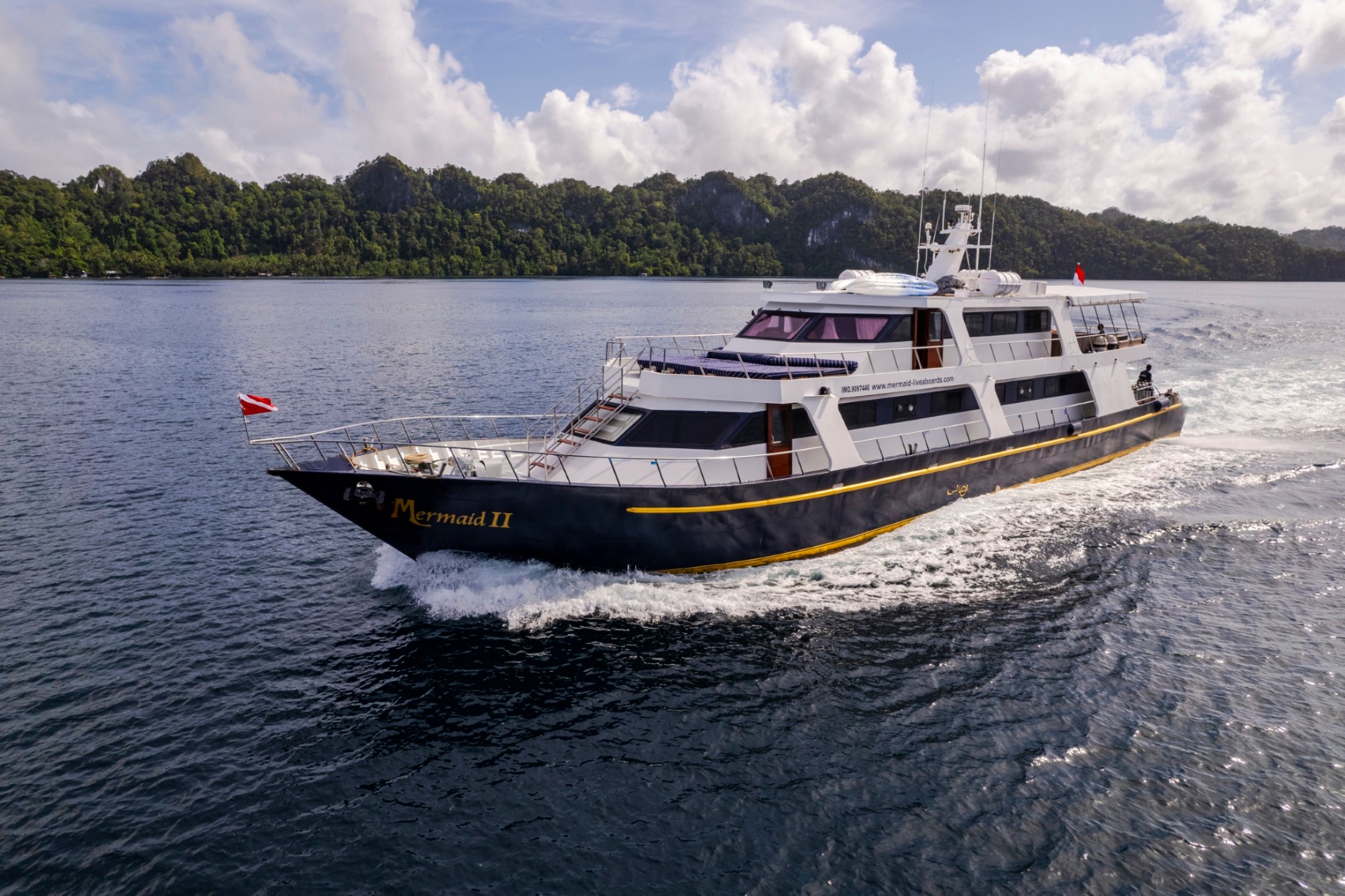
Mermaid II
Komodo, Indonesia
18 guests
$355/day
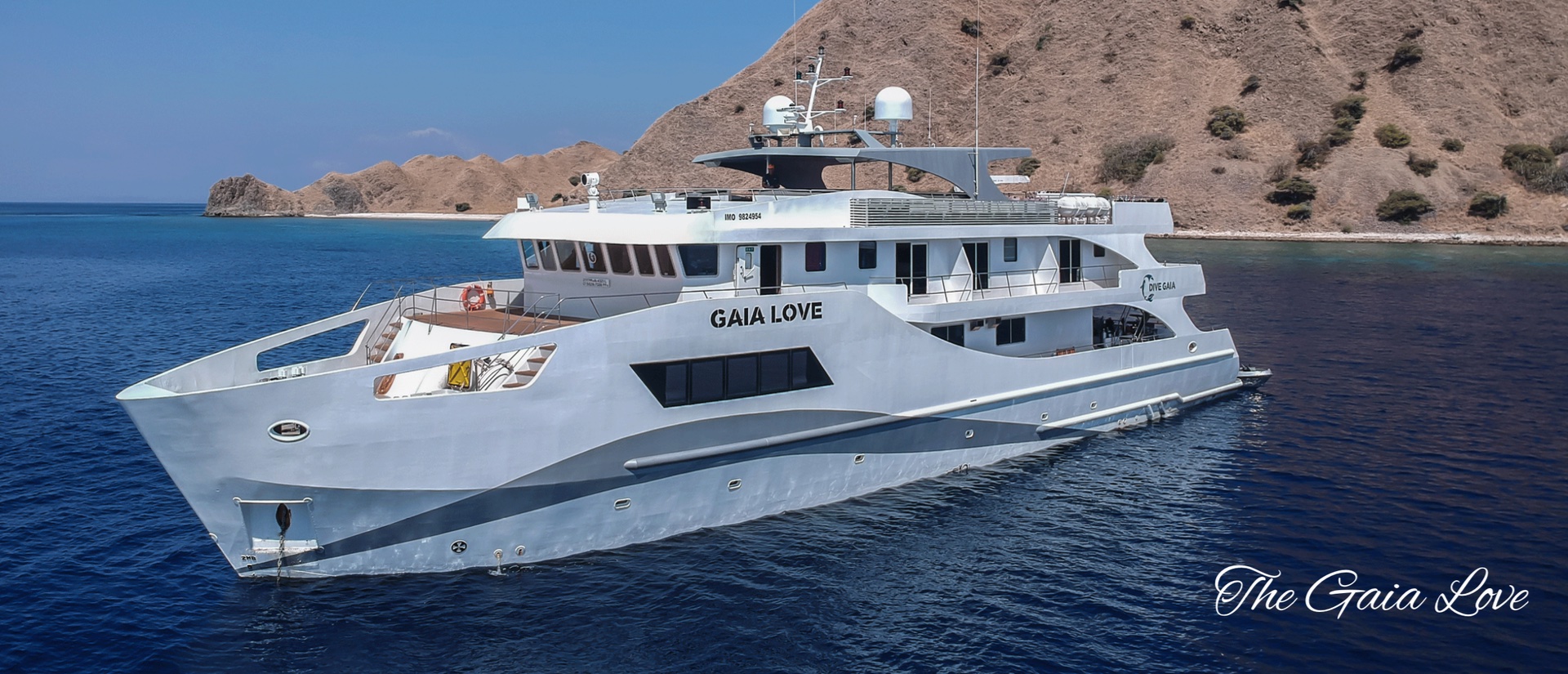
Gaia Love
Alor
20 guests
$554/day
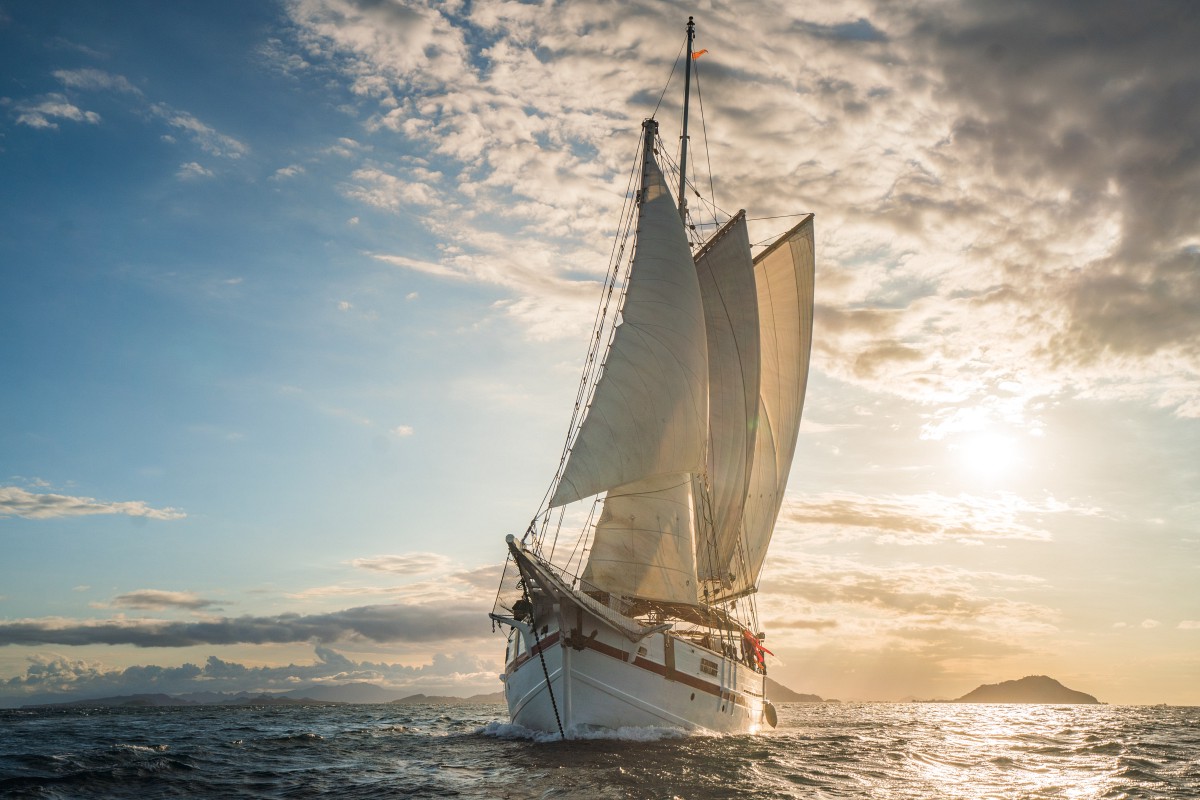
Emperor Raja Laut
Raja Ampat, Indonesia
12 guests31 m
$413/day
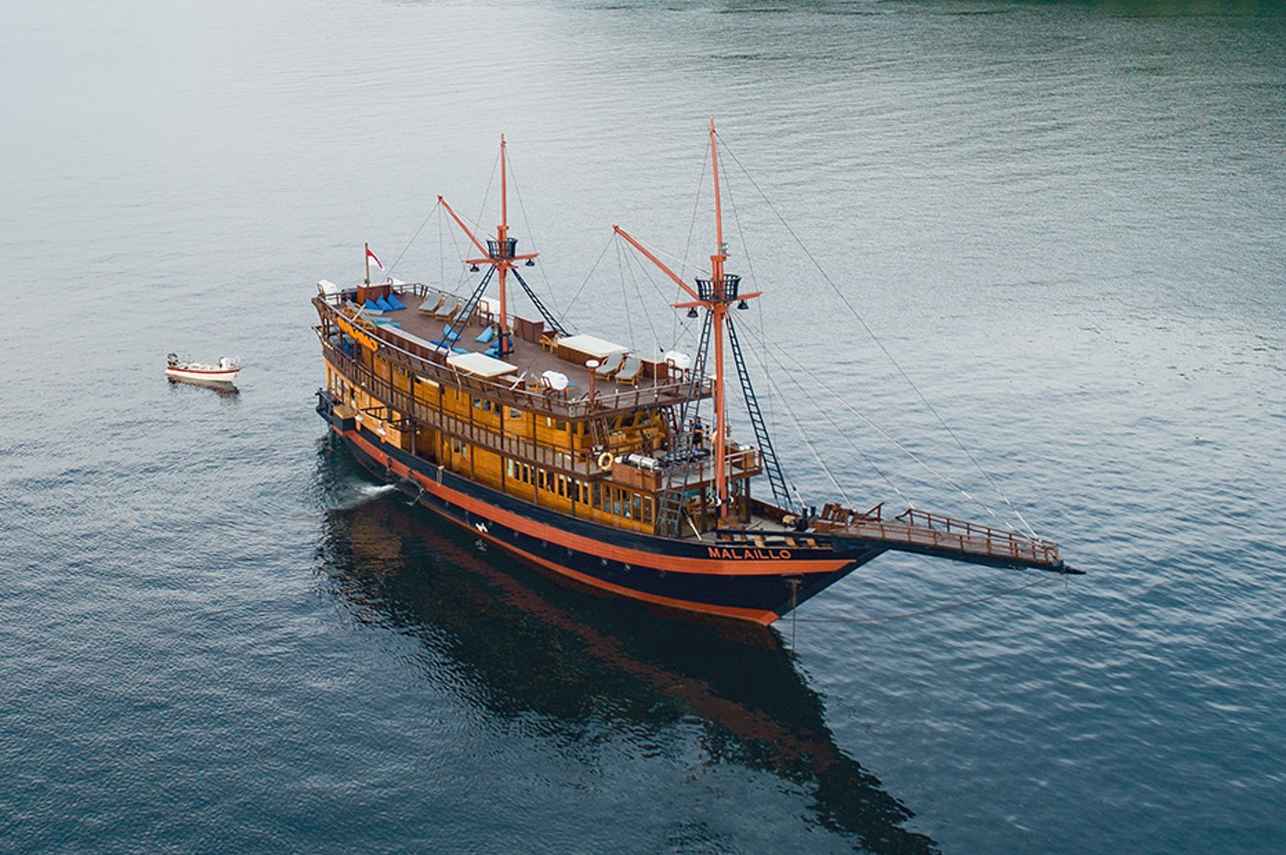
Malaillo
Indonesia
14 guests45.57 m
$348/day
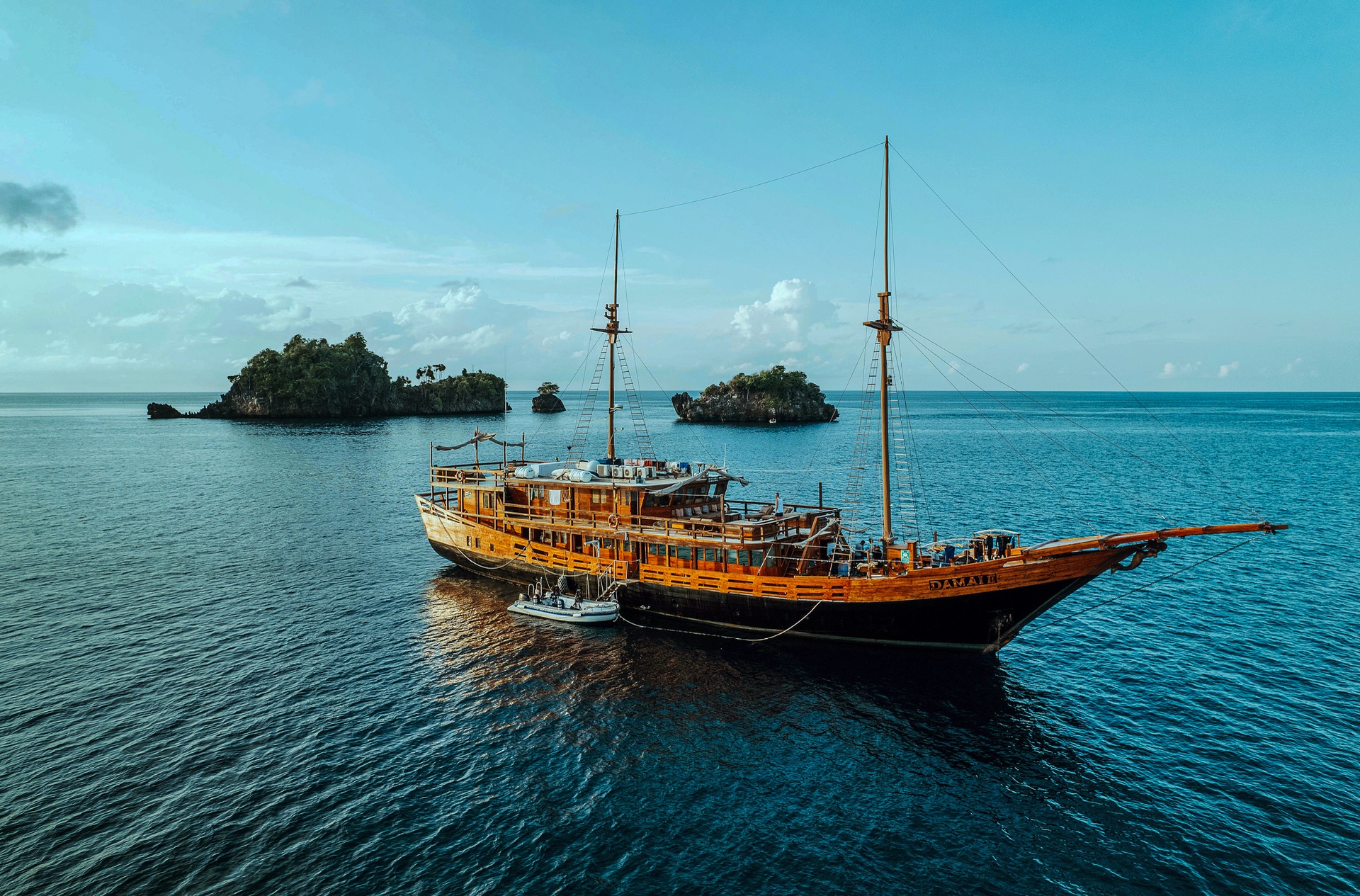
Damai II
Komodo, Indonesia
14 guests
$459/day
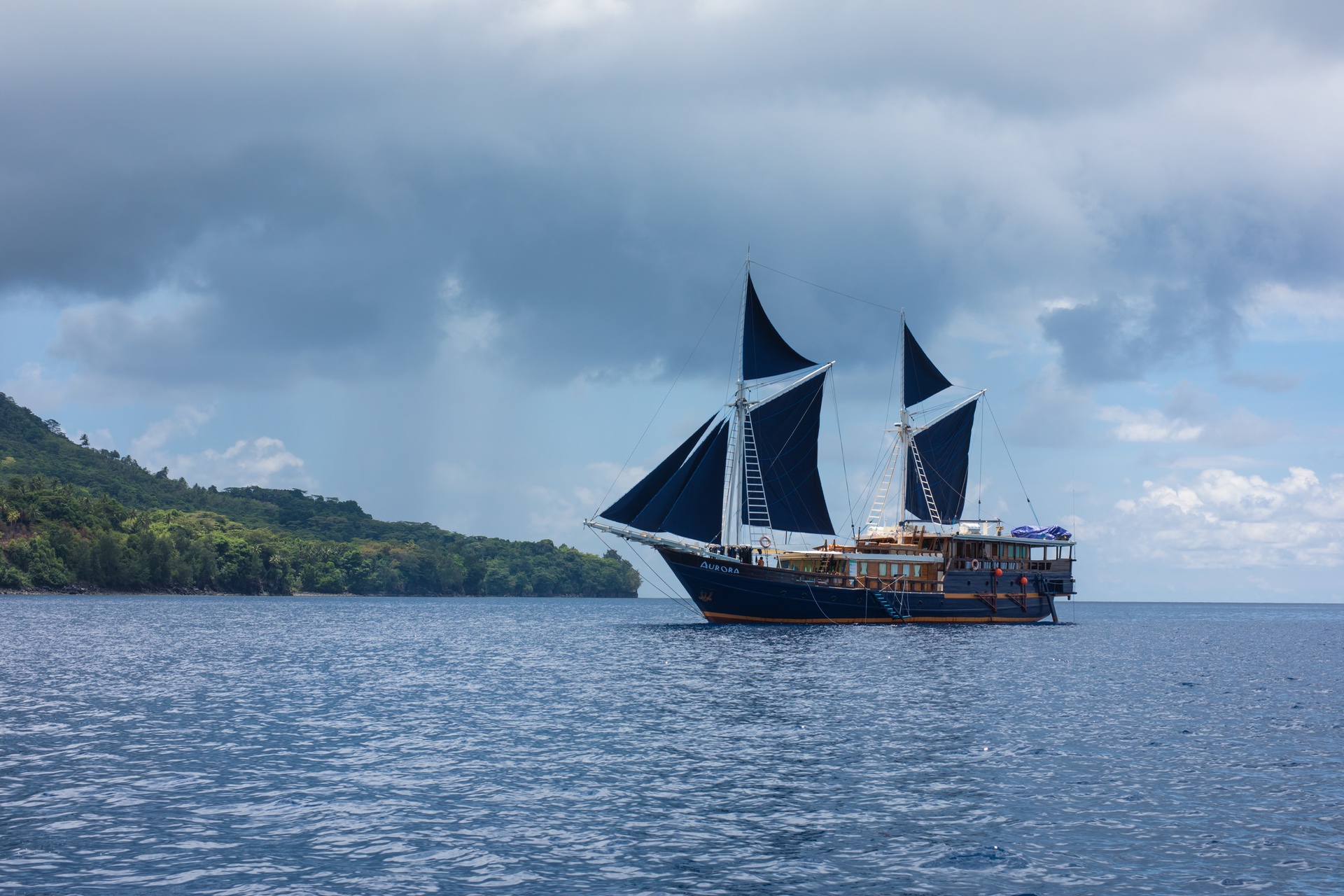
DUNE Aurora
Indonesia
18 guests
$344/day
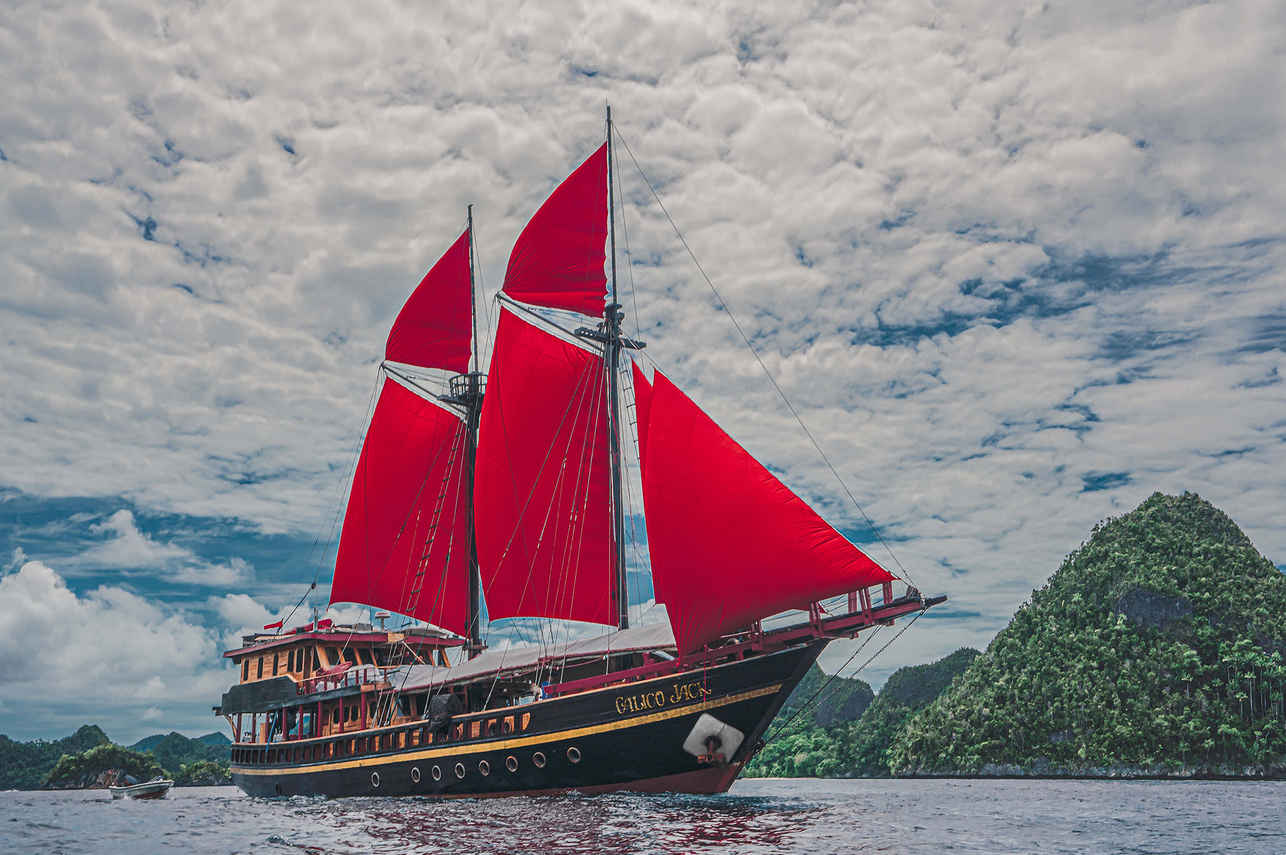
Calico Jack
Indonesia
10 guests30 m
$398/day
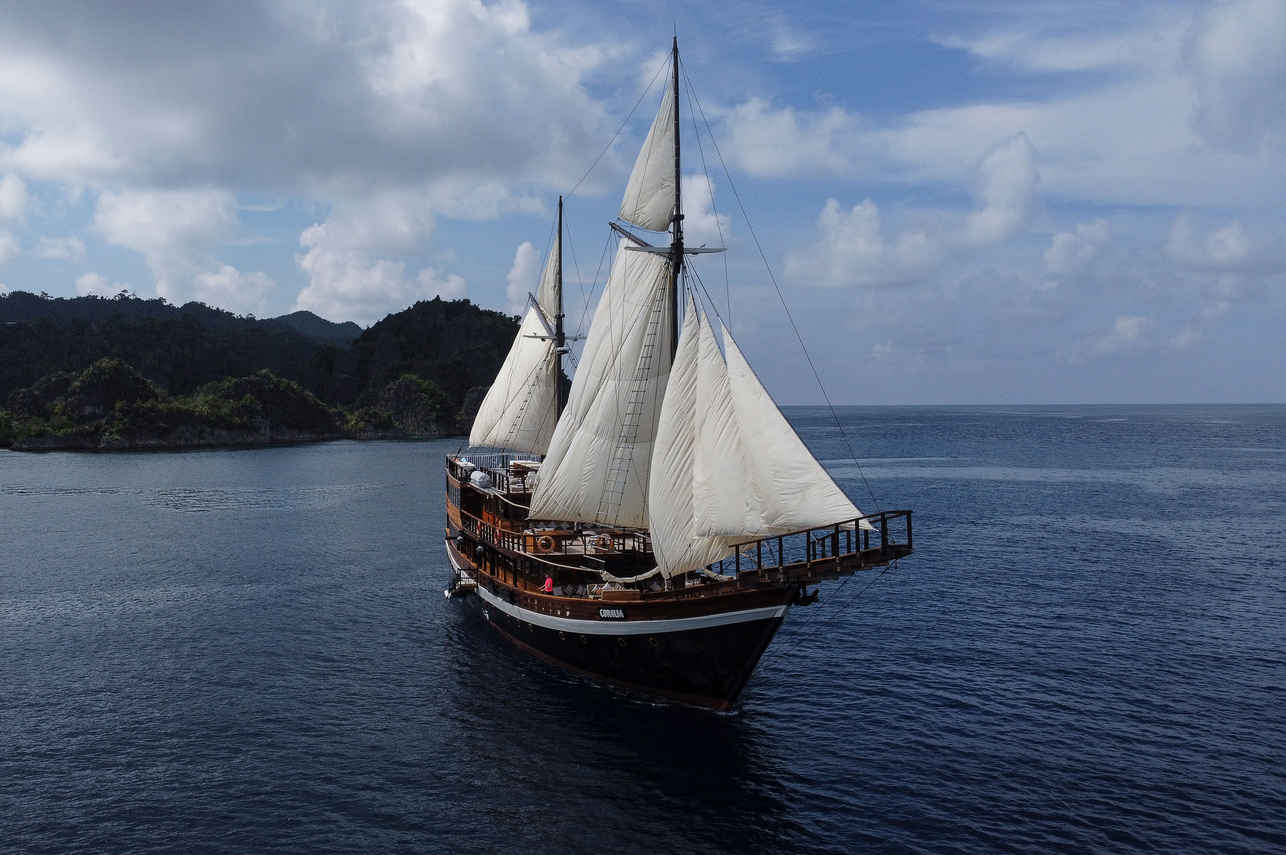
Coralia
Indonesia
16 guests48 m
$577/day
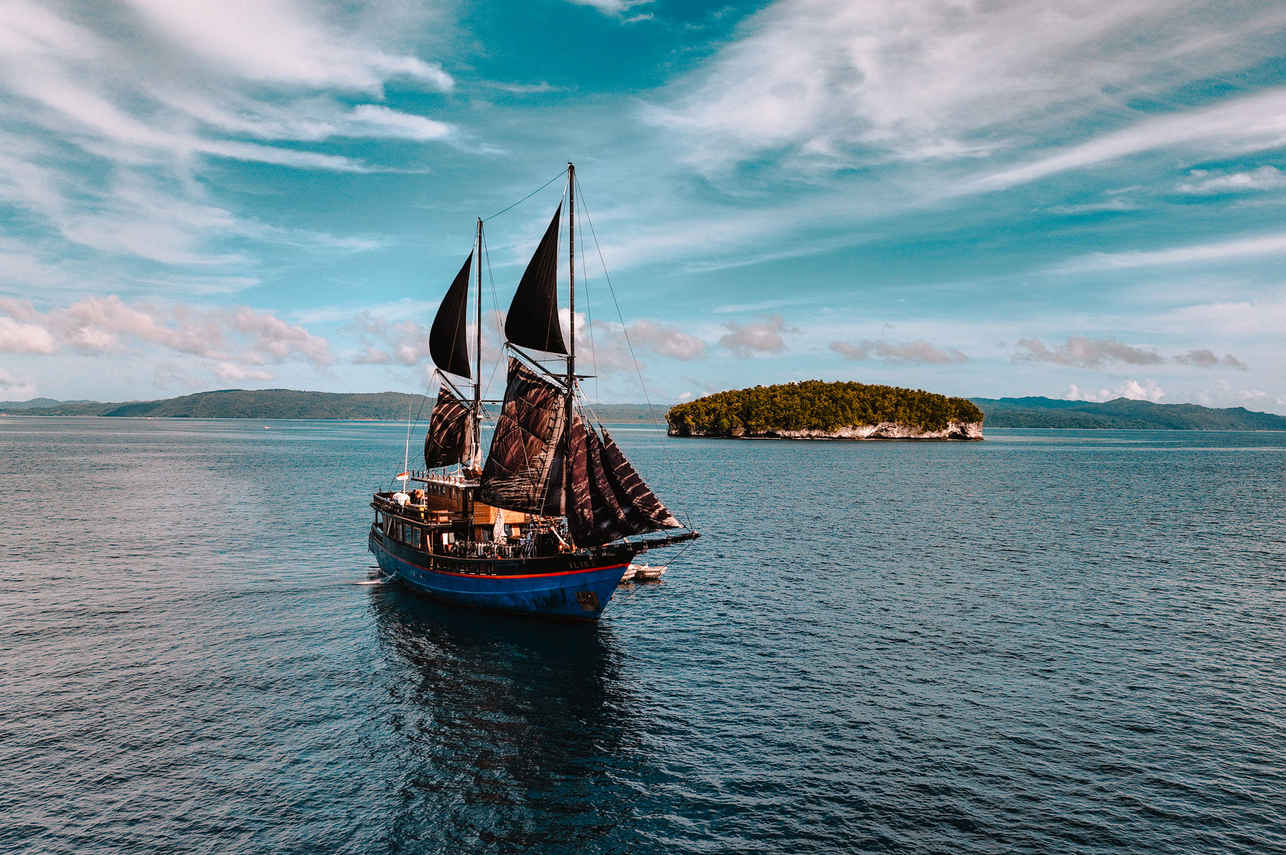
Ilike
Indonesia
16 guests40 m
$298/day
Dive sites similar to Soangi
Same character, same waters — six more sites divers love for the exact same reasons.Compare seasons, access and liveaboard routes — then pick the site that fits your trip best.
© Esri — Maxar, Earthstar, GIS
Patinti Strait
Banda Sea
The Patinti Strait, also known as Selat Patiente, is a renowned dive site located in South Halmahera, nestled between the main island of Halmahera and Bacan Island.
- Suitable for
- Advanced
- Current
- Strong
- Access
- Liveaboard only
- Depth
- 5–30 m
- Theme
- Drift / Reef
© Esri — Maxar, Earthstar, GIS
Banda Api North
Banda Sea
Banda Api North, nestled within Indonesia's remote Banda Sea, offers an extraordinary dive experience shaped by its active volcanic past.
- Suitable for
- Intermediate
- Current
- Strong
- Access
- Liveaboard only
- Depth
- 5–30 m
- Theme
- Reef
© Esri — Maxar, Earthstar, GIS
Nil Desperandum Atoll
Banda Sea
Nil Desperandum Atoll is an isolated seamount in the Banda Sea, part of the remote 'Forgotten Islands' chain.
- Suitable for
- Advanced
- Current
- Strong
- Access
- Liveaboard only
- Depth
- 20–40 m
- Theme
- Reef
© Esri — Maxar, Earthstar, GIS
Pohon Miring
Banda Sea
Pohon Miring, located near Banda Neira, is a dive site within the central Banda Islands group, offering a unique blend of marine biodiversity and accessibility.
- Suitable for
- Beginner
- Current
- Strong
- Access
- Liveaboard only
- Depth
- 3–20 m
- Theme
- Reef / Seamount
© Esri — Maxar, Earthstar, GIS
Dawera Island
Banda Sea
Dawera Island is a captivating dive destination nestled within the Forgotten Islands, a remote chain of islands in the vast Banda Sea, Indonesia.
- Suitable for
- Advanced
- Current
- Moderate
- Access
- Liveaboard only
- Depth
- ≥ 15 m
- Theme
- Reef / Wall
Sermata is part of the Forgotten Islands, a long chain of remote islands and atolls in the Southern Maluku, Indonesia, situated between the nutrient-rich Banda Sea and the Arafura Sea.
- Suitable for
- Advanced
- Current
- Moderate
- Access
- Liveaboard only
- Depth
- 15–40 m
- Theme
- Reef / Wall