About Smith Cove
Smith Cove, also known as Smith's Barcadere, is a popular and easily accessible dive and snorkel site located on Grand Cayman's southwest coast, a short drive south of George Town. This protected cove is celebrated for its beginner-friendly conditions, making it an ideal entry point for exploring the island's underwater world directly from the beach. The topography here includes a distinctive mini-wall, significant coral heads, and a small archway near the mooring line, all resting on a sandy bottom. The depth gradually descends from a shallow entry point of 0.6–0.9 meters (2–3 feet) near the shore to approximately 3–3.2 meters (10 feet) at the reef, with a maximum reported depth of 9.8–10 meters (32 feet) near a central pin. Natural ironshore limestone formations frame the cove, contributing to its sheltered, tranquil environment. While the reef is compact, covering the main snorkeling and diving area in 20-30 minutes, it is rich in marine life. Divers frequently encounter colorful reef fish such as chromises, blue tangs, parrotfish, angelfish, and butterflyfish. The healthy coral formations, part of Grand Cayman’s marine park system, provide a thriving ecosystem for these species. Occasionally, stingrays glide across the sandy bottom, and resident octopuses can be spotted within the rock formations, particularly in the mornings. Accessibility is a key feature of Smith Cove, allowing for easy shore entry. Divers can expect calm waters and minimal currents, which facilitate comfortable exploration. The site is best visited early in the morning or on non-cruise weekdays to enjoy quieter conditions, as it can become quite busy later in the day, especially when cruise ships are in port.
Highlights
Accessible shore entryMini-wall and coral headsSmall archway swim-throughVibrant reef fish diversityCalm, clear waterProtected cove environment
Season calendar
Best months to dive here
Jan
Feb
Mar
Apr
May
Jun
Jul
Aug
Sep
Oct
Nov
Dec
Excellent
Dive site facts: Smith Cove
- Depth
- 0–10 m
- Typical dive
- 3–10 m, 30–60 min
- Current
- None / Mild
- Visibility
- 30 m+
- Water temperature
- 26–29°C
- Entry
- Shore
- Level
- Beginner
- Dive type
- Reef, wall, macro
- Region / port
- Grand Cayman
- Coordinates
- 19.5563° N, 80.8093° W
Conditions & Currents
Smith Cove is characterized by calm waters and typically experiences no significant currents, making it exceptionally beginner-friendly. The Grand Cayman's limited tidal range contributes to minimal water fluctuations and stable conditions, allowing for a relaxed dive experience. Entry is straightforward from the shore, and exit is equally easy, with calm water almost 99% of the time, as noted by local operators. Surge is generally flat calm due to the cove's protected nature by natural ironshore formations that break incoming waves. Visibility is consistently excellent, often reaching 30 meters (100 feet), providing clear views of the reef. Divers should be aware that while underwater conditions are calm, the beach and water can become quite busy, especially on cruise days, potentially affecting entry and exit comfort. No thermoclines are noted in the shallow depths of this site.
Marine life & sighting chances

Chromis
common
Blue Tang
common
Parrotfish
common
Angelfish
common
Butterflyfish
common
Sergeant Major
occasional
Yellowtail Snapper
occasional
Stingray
occasional
Octopus
occasionalDive profile & how the dive runs
Divers at Smith Cove typically begin with an easy shore entry from the beach, wading through shallow water that is 0.6 to 0.9 meters (2 to 3 feet) deep. The main reef structure, characterized by hard coral heads and brain coral, starts approximately 30 yards (one minute's swim) from shore. You can follow the gradual slope down to the primary reef area at about 3 to 3.2 meters (10 feet). Navigation around the site centers on prominent coral formations and a distinctive mini-wall. A small archway near the mooring line offers an optional swim-through, requiring good buoyancy control. The maximum reported depth is around 9.8 to 10 meters (32 feet) near a central pin. Divers generally explore the compact reef in a loop, covering the site in 20 to 30 minutes, maintaining a shallow depth profile throughout. The safety stop is comfortably performed in the calm, shallow waters closer to shore.
Underwater photography
Smith Cove is an excellent site for wide-angle photography, especially to capture the mini-wall, large coral heads, and the small archway feature. The shallow depths and typically excellent visibility make natural light photography highly effective, often reducing the need for strobes for ambient light shots. For macro subjects, a macro lens can reveal the vibrant smaller reef fish and possibly a resident octopus tucked into the rocks. Given the often busy conditions on the beach, plan to arrive early for clearer water and fewer divers in your shots. Maintaining excellent buoyancy is crucial, especially when navigating the archway, to protect the fragile coral formations and avoid stirring up sediment.
Combine with nearby dive sites
- Disneyworld
A shallow coral-head dive located 0.2 km away.
- Killer Puffer
Referred to as Killer Pillar in one source, offering rare pillar coral and diverse marine life on a mini wall.
- Armchair Reef
A boat reef featuring a horseshoe ledge and mini-wall feel, 0.4 km away.
Getting there & logistics
Access to Grand Cayman is primarily through Owen Roberts International Airport (GCM), with direct flights available from North America and the UK. Smith Cove is easily reached by car, located about 5–10 minutes south of George Town on South Church Street. The site is a public beach park with free parking, public restrooms, and freshwater showers, requiring no entrance fee. As a shore dive, it is typically accessed independently, allowing divers to set their own schedule. There are no on-site dive shops or gear rental, so divers must bring all their own equipment. For optimal experience, plan your visit for early mornings or non-cruise weekdays to avoid crowds and ensure easier access and a quieter dive. The site can be combined with other shore dives along South Church Street.
Safety & environment
The nearest recompression chamber facilities are located on Grand Cayman, providing essential emergency services for diving incidents. In the event of a dive emergency, prompt evacuation would typically involve local emergency medical services to a medical facility on the island. Divers are strongly advised to have comprehensive dive insurance covering medical treatment and evacuation. At Smith Cove, a key hazard is the small archway near the mooring line; divers should exercise appropriate clearance and maintain excellent buoyancy control to avoid contact. Given the site's popularity, especially on cruise days, divers should be mindful of other water users, including snorkelers and swimmers, particularly during entry and exit from the shore. The site is part of a marine park, so adhering to responsible diving practices, such as no touching or taking marine life, is mandatory.
Who it suits — and who it doesn't
Suited for
- Beginner divers seeking easy entry
- Divers preferring shore access
- Photographers using wide-angle lenses
- Divers interested in reef fish and coral formations
- Families with children learning to snorkel/dive
Less suited for
- Divers seeking deep wall dives
- Divers who dislike crowds
- Divers without personal dive gear
- Experienced divers looking for large pelagic encounters
- Divers seeking challenging currents
FAQ
Smith Cove FAQ
What is the maximum depth at Smith Cove?
The maximum reported depth at Smith Cove is approximately 9.8 to 10 meters (32 feet), specifically near a central mooring pin. The reef generally sits shallower, around 3 to 3.2 meters (10 feet), making it an ideal spot for beginner divers and snorkelers. The gradual slope from shore allows for comfortable exploration within this shallow range.
Is Smith Cove suitable for beginner divers?
Yes, Smith Cove is exceptionally suitable for beginner divers. It offers easy shore access, consistently calm waters with no significant currents, and shallow depths that rarely exceed 10 meters. The clear visibility and diverse reef life in a protected environment provide a comfortable and rewarding experience for those new to diving.
What kind of marine life can I expect to see at Smith Cove?
Divers at Smith Cove can expect to encounter a vibrant array of colorful reef fish. Common sightings include schools of chromises, blue tangs, parrotfish, angelfish, and butterflyfish. Occasionally, stingrays may be spotted gliding over the sandy bottom, and an octopus might be found tucked into the rock formations, especially during morning dives.
Are there any currents at Smith Cove?
Smith Cove is well-known for its calm conditions and typically experiences no currents, or at most, very mild ones. This is due to its protected position within natural limestone formations and the limited tidal range of the Cayman Islands. The lack of strong currents makes it a very relaxed and enjoyable dive site for all skill levels.
When is the best time to visit Smith Cove to avoid crowds?
To experience Smith Cove with fewer crowds and the most tranquil conditions, it is best to visit early in the morning. Additionally, planning your dive on non-cruise weekdays can significantly reduce the number of visitors. The site tends to become much busier later in the day, especially when cruise ships are in port.
Is Smith Cove a shore dive or a boat dive?
Smith Cove is primarily a shore dive, offering easy access directly from the beach. This makes it highly convenient for divers who prefer to avoid boat trips and explore at their own pace. There are public facilities such as restrooms and showers available right at the beach.
Why dive Smith Cove from a liveaboard?
Smith Cove is one of Cayman Islands's signature dive sites. A liveaboard sleeps you on the water and puts you in the water for three to four guided dives per day, including dawn and night dives that day-boat operators rarely offer. You skip the daily commute back to port and reach quieter, less-crowded sites in the same region on a single trip.
Below are the liveaboards that include Smith Cove on their Cayman Islands itineraries.
Liveaboards diving Smith Cove
These liveaboards may visit Smith Cove on selected itineraries — the exact dive sites depend on departure, weather and conditions.
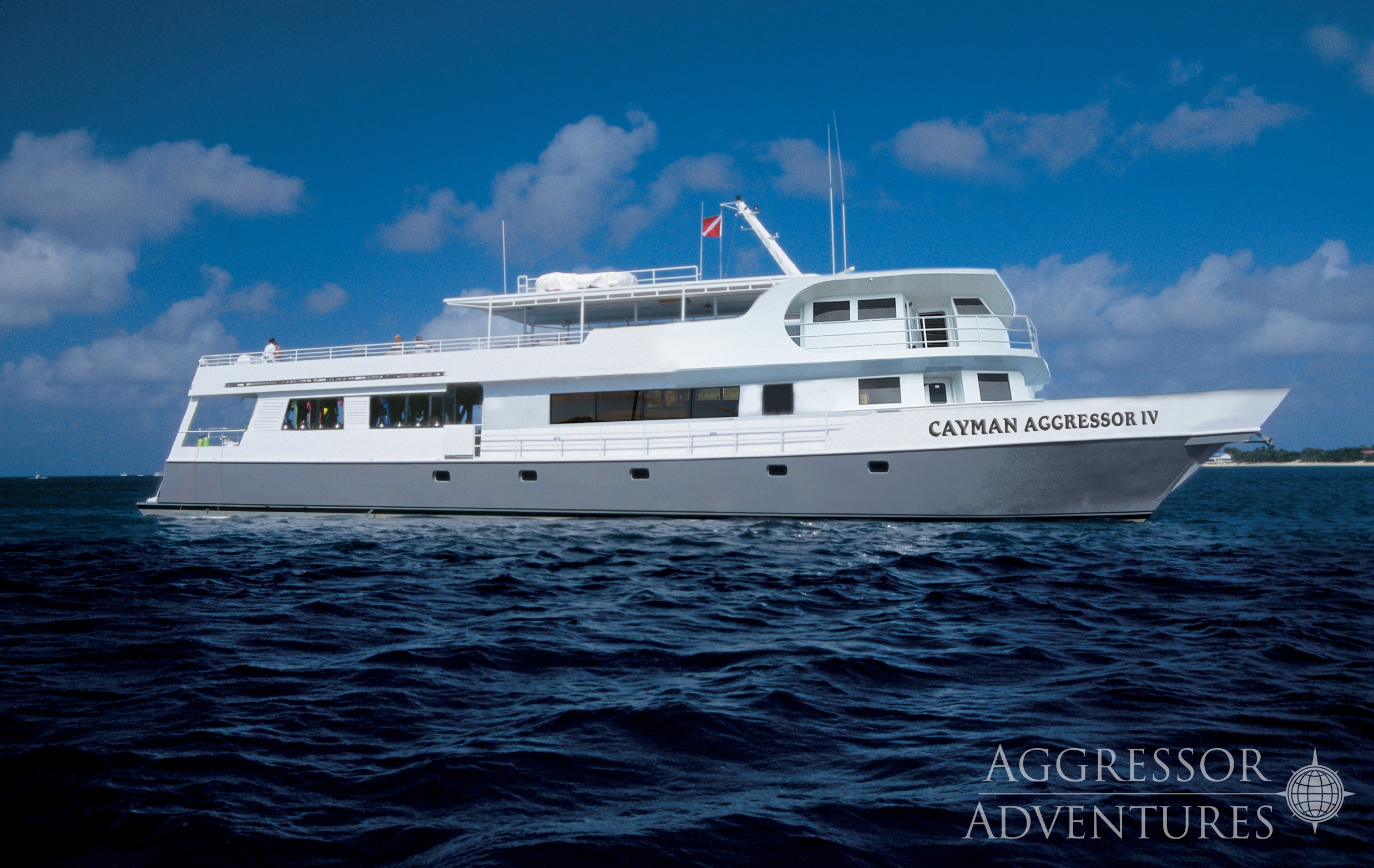
Cayman Aggressor IV
Cayman Islands
18 guests32.9 m
$328/day
Dive sites similar to Smith Cove
Same character, same waters — six more sites divers love for the exact same reasons.Compare seasons, access and liveaboard routes — then pick the site that fits your trip best.
© Esri — Maxar, Earthstar, GIS
Big Table Rock
Cayman Islands
Big Table Rock is a well-known dive site located in George Town, Grand Cayman, offering a diverse and visually striking underwater landscape.
- Suitable for
- Intermediate
- Current
- Mild
- Access
- Dayboat
- Depth
- 10–30 m
- Theme
- Reef / Wall
© Esri — Maxar, Earthstar, GIS
North Wall
Cayman Islands
The North Wall of Grand Cayman stands as one of the most celebrated and visually striking dive regions, stretching along the island's northern coastline.
- Suitable for
- Advanced
- Current
- Mild
- Access
- Liveaboard or dayboat
- Depth
- 50–100 m
- Theme
- Reef
© Esri — Maxar, Earthstar, GIS
Parrot's Reef
Cayman Islands
Parrot's Reef is a notable dive site found along Grand Cayman's South coast, distinct from the more frequently dived West and North Walls.
- Suitable for
- Beginner
- Current
- Mild
- Access
- Dayboat
- Depth
- 12–15 m
- Theme
- Reef
© Esri — Maxar, Earthstar, GIS
Lighthouse Reef
Cayman Islands
Lighthouse Reef, situated near the West End dock of Cayman Brac, provides a distinctive shallow reef diving experience.
- Suitable for
- Beginner
- Current
- Strong
- Access
- Shore / dayboat
- Depth
- 10–25 m
- Theme
- Reef
© Esri — Maxar, Earthstar, GIS
Marty's Wall
Cayman Islands
Marty's Wall is a dive site located in West Bay, Grand Cayman, an area known for its dramatic wall dives and pristine coral ecosystems.
- Suitable for
- Intermediate
- Current
- Mild
- Access
- Dayboat
- Depth
- 12–36 m
- Theme
- Wall / Reef
© Esri — Maxar, Earthstar, GIS
Big Tunnels
Cayman Islands
Big Tunnels is a prominent dive site located on the West Side of Grand Cayman, specifically south of Northwest Point and near Orange Canyon, forming part of the extensive western wall system.
- Suitable for
- Intermediate
- Current
- Mild
- Access
- Liveaboard or dayboat
- Depth
- 17–27 m
- Theme
- Reef