About SAS Wreck (Kaş)
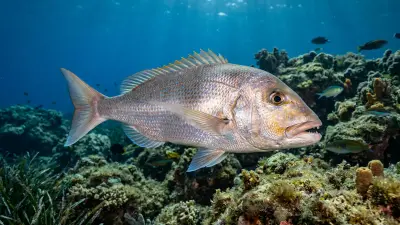
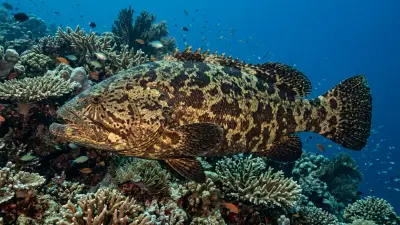
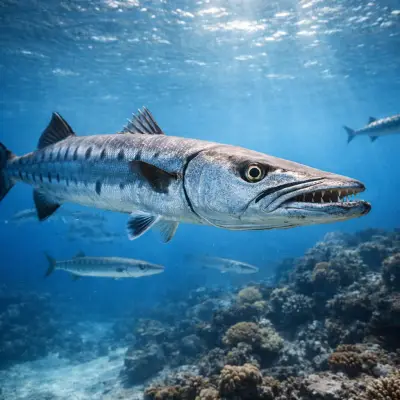
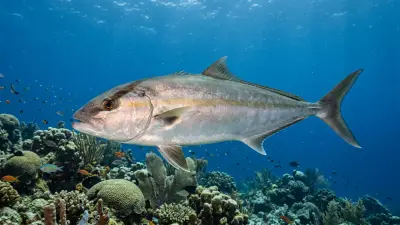
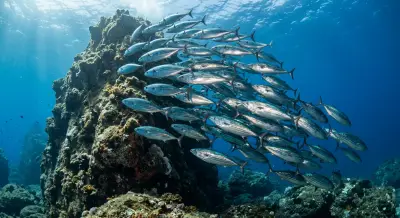
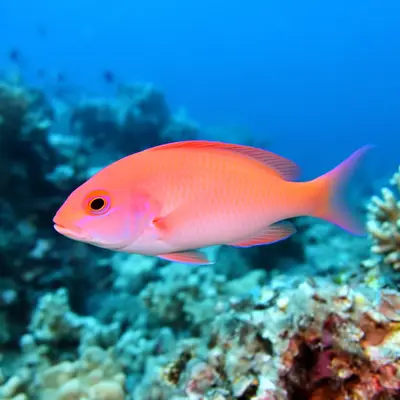
The SAS Wreck, located in the crystal-clear waters off Kaş, Turkey, is a highly significant dive site, renowned for its historical artifact and diverse marine life. This site is home to the remains of an Italian Savoia-Marchetti SM.79 bomber, nicknamed "Sparviero," which was shot down during World War II while bombarding Meis Island. Resting at considerable depths, the wreck attracts technically advanced divers and history enthusiasts alike. Beyond its historical importance, the SAS Wreck offers a fascinating topographical landscape. The area includes a rocky reef, with its shallowest point at 4 meters, descending dramatically to depths where the bomber lies between 55 and 71 meters. The diverse depth profile caters to various skill levels, allowing for exploration of both the shallower reef and the deeper wreck. The marine environment at the SAS Wreck is vibrant, with a notable presence of large pelagic species such as dentex, groupers, barracudas, amberjacks, and bonitos, particularly along the southeast wall when currents are favorable. Pink anthias also add splashes of color to the reef. The site's clear waters, often offering visibility up to 40 meters, enhance the experience of observing both the wreck and its resident marine inhabitants. Diving the SAS Wreck presents a unique experience, combining the thrill of wreck exploration with the beauty of a healthy Mediterranean reef. Due to the significant depth of the wreck and potential strong currents, careful planning and appropriate certification are essential for a safe and rewarding dive. This site stands out as one of Turkey's premier dive destinations, offering a compelling narrative of history beneath the waves.
Highlights
Italian WWII bomber wreckDeep historical divePelagic fish encountersDramatic rocky reefExcellent visibilityChallenging current conditions
Season calendar
Best months to dive here
Jan
Feb
Mar
Apr
May
Jun
Jul
Aug
Sep
Oct
Nov
Dec
Excellent
Good
Dive site facts: SAS Wreck (Kaş)
- Depth
- 4–71 m
- Typical dive
- 30–40 m, 40–50 min (for advanced divers accessing parts of the wreck)
- Current
- Mild to strong, often from southeast
- Visibility
- 9–40 m
- Water temperature
- 16–28°C
- Entry
- Boat / Tender
- Level
- Advanced to Technical Diver (wreck), Open Water (reef top)
- Dive type
- Wreck, Reef, Deep
- Night dive
- Not commonly offered
- Region / port
- Kaş, Antalya, Turkey
- Coordinates
- 36.188, 29.625
Conditions & Currents
Currents at the SAS Wreck can be significant and unpredictable, frequently coming from the southeast. These currents can range from mild to strong, occasionally becoming "dive-aborting" particularly near the deeper wreck site. Divers must be prepared for potential drift conditions and the need for streamlined movement. Entry and exit procedures often involve tender operations due to the boat's need to track divers. Surface intervals require careful monitoring for diver pickup, especially in strong currents. The presence of currents often attracts large pelagic fish, enhancing the dive experience for those capable of handling the conditions.
Marine life & sighting chances
Dive profile & how the dive runs
Your dive at the SAS Wreck typically begins with a boat entry directly over the site. For advanced divers targeting the bomber, a controlled descent follows the mooring line or an instructed path to the wreck, which rests between 55 and 71 meters. For those exploring the reef, the descent is shallower, focusing on the rocky reef structure that starts at 4 meters. The route often involves exploring the bomber's fuselage and wings for a limited bottom time, given the depth. Your turn point is dictated by gas consumption and no-decompression limits, necessitating careful monitoring. Ascent is gradual, with a safety stop at 5 meters for a minimum of 3 minutes. Due to potential currents, the boat will likely pick you up downstream of your ascent point.
Underwater photography
Capturing the historical Italian bomber at the SAS Wreck requires careful planning due to its depth (55-71m) and potential low light. Wide-angle lenses are essential for encompassing the entire wreck or significant sections. External strobes are highly recommended to bring out color and detail, as ambient light diminishes rapidly. Buoyancy control is paramount to avoid disturbing silt and to maintain a safe distance from the fragile wreck. For macro enthusiasts, the shallower reef top offers opportunities for shots of smaller marine life like pink anthias, requiring macro lenses and often snoots for selective lighting. Respectful interaction with the wreck and marine environment is crucial, avoiding any contact or collection of artifacts.
Combine with nearby dive sites
- The Canyon
A classic Kaş dive featuring two steep walls, a cave, and a passage to the Dimitri wreck.
- Dimitri (Cotton) Wreck
An accessible coastal freighter wreck resting between 25-40 meters, often combined with The Canyon.
- Besmi Island
A shoe-shaped reef known for potential turtle sightings and antique wreck artifacts in deeper sections.
- Oasis reef
Features sandy areas, seagrass meadows, and a small wooden wreck with abundant small fauna.
- Kovanli Island
Rich in underwater archaeological artifacts, including whole amphorae and large metal anchors.
- Italian WWII Plane Wreck (Kaş)
Another significant historical aircraft wreck in the Kaş area, similar to the SAS Wreck in historical value.
Getting there & logistics
Kaş is the primary departure point for diving the SAS Wreck. The nearest major airports are Antalya (AYT) and Dalaman (DLM), both approximately 2.5 hours' drive away. Dive trips to the SAS Wreck are typically day trips from Kaş, often including two dives at different sites. Most dive centers in Kaş are PADI and CMAS certified, offering professional services. No special permits beyond standard dive center arrangements are typically required, but access to the deeper wreck requires appropriate advanced certifications. A 3-5 day diving holiday in Kaş is ideal for exploring a variety of its renowned sites, combining wreck dives with reef and historical site explorations.
Safety & environment
Diving the SAS Wreck, especially the deeper bomber, requires stringent safety adherence. Divers must possess appropriate advanced or technical certifications and considerable experience with deep dives and current. Insurance covering dive accidents, including recompression chamber treatment and emergency evacuation, is mandatory. The nearest recompression chamber is typically in Antalya, necessitating potentially lengthy evacuation procedures in a medical emergency. Site-specific hazards include strong and unpredictable currents, the significant depth of the wreck, and potential entanglement risks. Always dive with a reputable dive operator, adhere strictly to the dive guide's briefing, and maintain conservative dive profiles. Always carry a safety sausage and be proficient in its use.
Who it suits — and who it doesn't
Suited for
- Experienced Advanced Open Water Divers (for deeper wreck parts)
- Technical divers
- Wreck diving enthusiasts
- Underwater photographers with deep-diving experience
- History buffs interested in WWII artifacts
- Divers comfortable with currents
Less suited for
- Beginner Open Water Divers
- Divers without deep or technical certifications
- Divers uncomfortable with strong currents
- Those prone to narcosis
- Divers with limited air consumption management
- Families with young children (as divers)
FAQ
SAS Wreck (Kaş) FAQ
What is the SAS Wreck?
The SAS Wreck is the site of an Italian Savoia-Marchetti SM.79 bomber, nicknamed 'Sparviero,' that was shot down during World War II. It rests at considerable depths off the coast of Kaş, offering a unique historical dive experience. The wreck is a popular destination for advanced divers due to its historical significance and the challenging dive conditions.
How deep is the SAS Wreck dive?
The bomber wreck itself lies between 55 and 71 meters, making it a deep dive suitable for advanced or technical divers. The surrounding rocky reef starts much shallower, around 4 meters, allowing for exploration by less experienced divers at shallower depths. Divers should be certified and experienced for the planned depth.
What kind of marine life can be seen at the SAS Wreck?
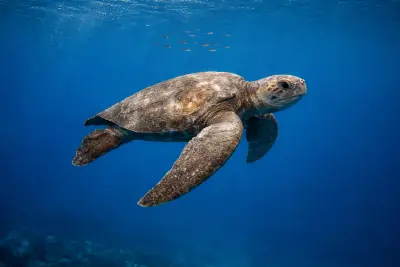
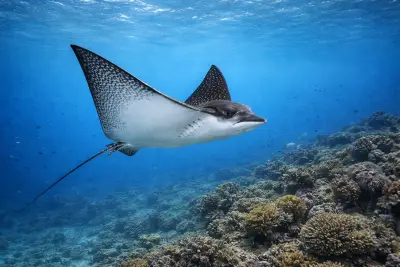
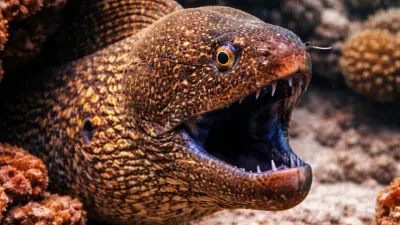
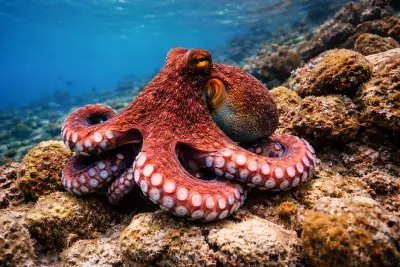
The SAS Wreck and its surrounding reef are home to a variety of marine life, including large pelagic species like dentex, groupers, barracudas, amberjacks, and bonitos. Pink anthias are commonly seen on the reef, and lucky divers might spot loggerhead turtles, eagle rays, moray eels, or octopus. The currents often bring in more active fish species.
Are there strong currents at the SAS Wreck?
Yes, currents at the SAS Wreck can be significant and unpredictable, often coming from the southeast. They can range from mild to strong, occasionally requiring advanced diving techniques and making it challenging. Divers must be prepared for potential drift diving conditions and listen carefully to their dive guide's briefing.
What certification is required to dive the SAS Wreck?
To dive to the deeper parts of the SAS Wreck, where the bomber lies, an Advanced Open Water certification with deep dive experience or a Technical Diver certification is generally required. Divers exploring only the shallower reef sections may be able to do so with an Open Water certification, depending on the dive center's policy. Always confirm requirements with your chosen dive operator.
Is the SAS Wreck suitable for beginners?
No, the SAS Wreck, particularly the bomber itself, is not suitable for beginner divers due to its significant depth (55-71 meters) and the potential for strong currents. While the shallower parts of the reef might be accessible to Open Water divers, diving the wreck demands advanced skills, experience in deep diving, and comfort in challenging conditions. Beginners should consider other Kaş dive sites first.
Why dive SAS Wreck (Kaş) from a liveaboard?
SAS Wreck (Kaş) is one of Turkey's signature dive sites. A liveaboard sleeps you on the water and puts you in the water for three to four guided dives per day, including dawn and night dives that day-boat operators rarely offer. You skip the daily commute back to port and reach quieter, less-crowded sites in the same region on a single trip.
Below are the liveaboards that include SAS Wreck (Kaş) on their Turkey itineraries.
Liveaboards diving SAS Wreck (Kaş)
These liveaboards may visit SAS Wreck (Kaş) on selected itineraries — the exact dive sites depend on departure, weather and conditions.
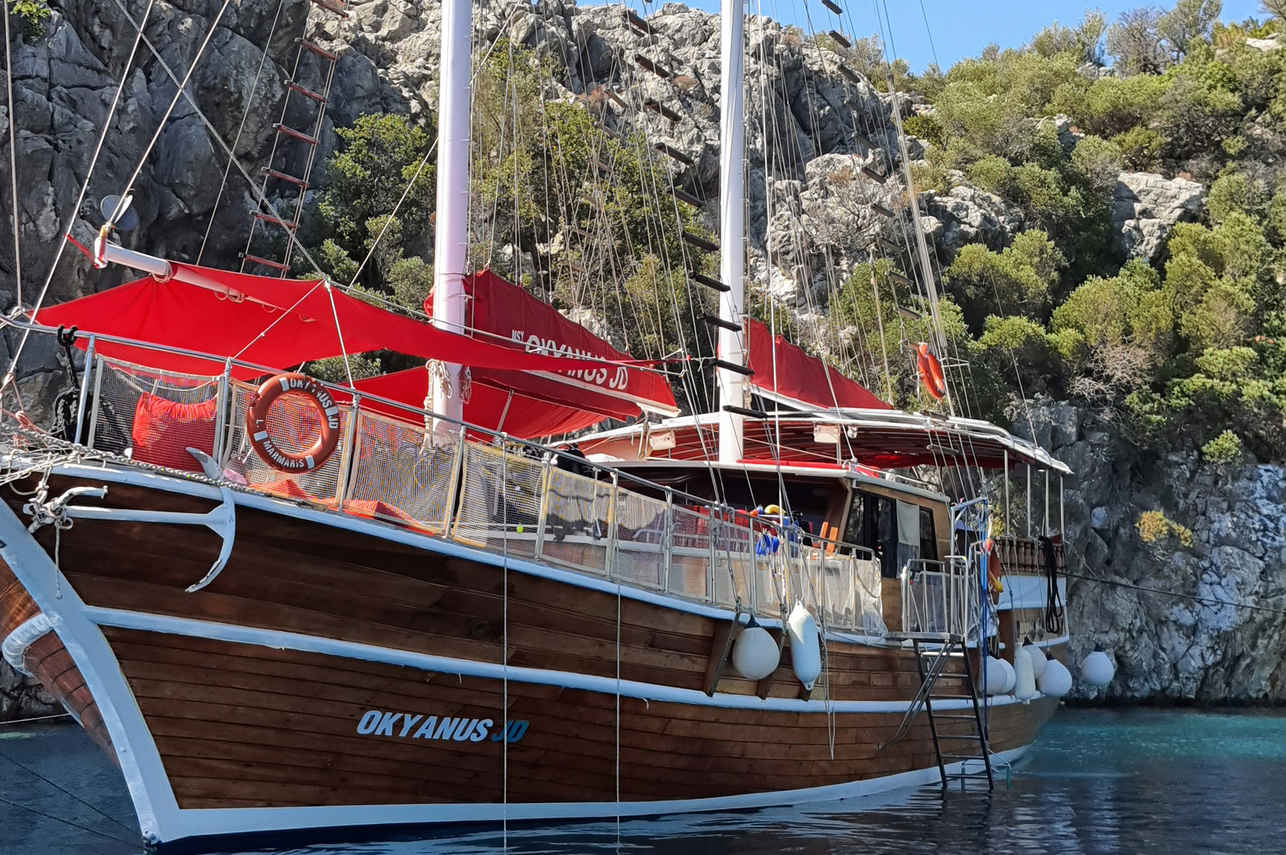
Okyanus JD
Turkey
12 guests24 m
$157/day
Dive sites similar to SAS Wreck (Kaş)
Same character, same waters — six more sites divers love for the exact same reasons.Compare seasons, access and liveaboard routes — then pick the site that fits your trip best.
© Esri — Maxar, Earthstar, GIS
Besmi Island
Turkey
Besmi Island, also known as Besmi Adası, is a challenging yet rewarding dive site located off Turkey's southwestern coast near Fethiye and southwest of Kaş.
- Suitable for
- Advanced
- Current
- Strong
- Access
- Dayboat
- Depth
- 4–60 m
- Theme
- Reef / Wall
© Esri — Maxar, Earthstar, GIS
Gökova Bay Canyon
Turkey
Gökova Bay Canyon is a renowned dive site in Turkey, celebrated for its unique underwater topography, which contrasts sharply with typical Mediterranean dive experiences.
- Suitable for
- Advanced
- Current
- Strong
- Access
- Liveaboard or dayboat
- Depth
- 15–35 m
- Theme
- Wall
© Esri — Maxar, Earthstar, GIS
Kızıl Island
Turkey
Kızıl Island, known locally as Kızılada, is a prominent dive site situated near Fethiye on Turkey's southwestern coast.
- Suitable for
- Intermediate
- Current
- Mild
- Access
- Dayboat
- Depth
- 8–40 m
- Theme
- Reef / Wall
© Esri — Maxar, Earthstar, GIS
The Mexican Hat Cold Water Cave is an intriguing dive site situated near Afkule, roughly 300 meters past the main Afkule cave complex, off the coast of Fethiye, Turkey.
- Suitable for
- Advanced
- Current
- Mild
- Access
- Dayboat
- Depth
- ≤ 30 m
- Theme
- Cave & cavern / Cavern
© Esri — Maxar, Earthstar, GIS
The SG-115 Turkish Navy Shipwreck is an advanced dive site located in the Aegean Sea, just a short boat ride from Bodrum's Black Island.
- Suitable for
- Intermediate
- Current
- Moderate
- Access
- Liveaboard or dayboat
- Depth
- 17–29 m
- Theme
- Wreck
© Esri — Maxar, Earthstar, GIS
Kargı Island
Turkey
Kargı Island is a prominent dive site situated off the Bodrum Peninsula, offering a rugged reef environment characterized by stunning vertical walls.
- Suitable for
- Advanced
- Current
- Strong
- Access
- Dayboat
- Depth
- 7–40 m
- Theme
- Wall / Drift