About Doc Poulson Wreck
The Doc Poulson Wreck, located off the west end of Grand Cayman, offers a fascinating dive experience for all skill levels. Sunk in 1981 as the island's first artificial reef, this 80-foot Japanese-made cable-laying tug rests upright on a sandy seabed, transforming into a diverse ecosystem. It was named in honor of Dr. James 'Jimmy' Poulson, Grand Cayman's pioneering diving doctor who established the first hyperbaric chamber on the island. The wreck lies in approximately 55-60 feet of water, with its deck at about 48 feet. Despite having endured significant storms since its sinking, the Doc Poulson remains largely intact, offering opportunities for exploration both around and within its structure. The surrounding area includes Marty's Wall, a nearby reef system that can be incorporated into your dive. Today, the Doc Poulson is heavily encrusted with a variety of hard and soft corals, sea fans, and sponges, particularly yellow tube sponges. The marine life here is abundant, with frequent sightings of barracuda, snapper, and schools of jacks, alongside garden eels populating the sandy bottom. This site is particularly well-suited for underwater photography due to its encrusted surfaces and diverse inhabitants. The site is well-protected from most weather conditions, making it an accessible and reliable dive spot. Permanent mooring buoys are available on the wreck and adjacent reef, providing easy access. Its shallow depth and generally calm conditions make it an excellent choice for divers seeking a relaxed yet rewarding wreck dive, whether for a day or night exploration.
Highlights
Intact cable-laying tug wreckHeavily encrusted with coralsAbundant sponges and sea fansFrequent barracuda sightingsSchools of jacksHome to garden eelsEasy swim-throughsExcellent for photography
Season calendar
Best months to dive here
Jan
Feb
Mar
Apr
May
Jun
Jul
Aug
Sep
Oct
Nov
Dec
Excellent
Dive site facts: Doc Poulson Wreck
- Depth
- 15–18 m
- Typical dive
- 12–16 m, 50–60 min
- Current
- Mild to moderate
- Visibility
- 25–30 m+
- Water temperature
- 25–32°C
- Entry
- Boat from mooring buoy
- Level
- All levels, Open Water certified
- Dive type
- Wreck, artificial reef, photography
- Night dive
- Possible and recommended
- Region / port
- Grand Cayman, West Bay
- Coordinates
- 19.285, -81.398
Conditions & Currents
The Doc Poulson Wreck site generally experiences minimal surge and light to moderate currents, depending on specific conditions and time of year. Located on the leeward west side of Grand Cayman, it is typically well-protected from strong winds, making it a reliable choice when other sites might be affected. Visibility is consistently excellent, often exceeding 80-100 feet, providing clear views of the wreck and marine life. Water temperatures remain warm year-round, usually between 78-89°F. Divers can expect comfortable conditions suitable for all experience levels, allowing for extended bottom times due to the relatively shallow depth of 50-65 feet.
Marine life & sighting chances

Garden Eels
common
Barracuda
common
Jacks (schooling)
common
Snapper
common
Goliath Grouper
occasional
Tiger Grouper
occasional
French Angelfish
common
Yellow Tube Sponges
common
Sea Fans
common
Hard Corals
common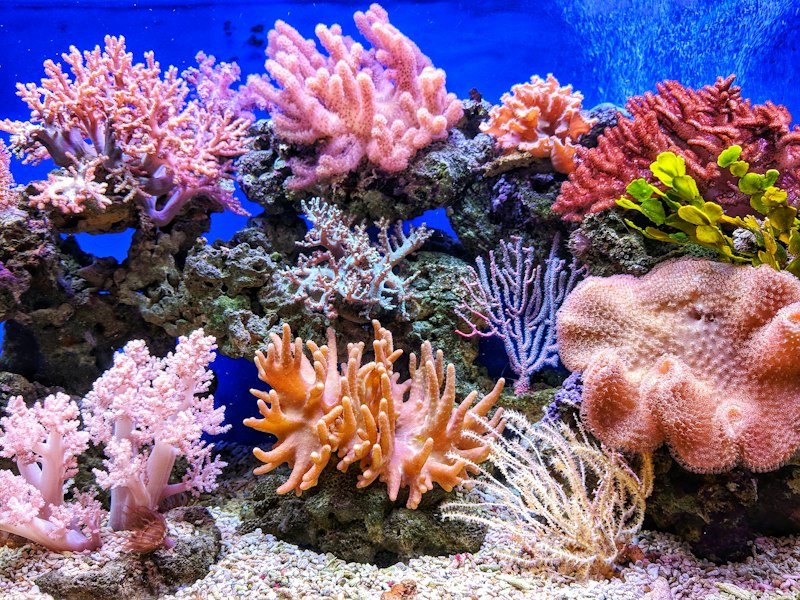
Soft Corals
common
Cleaner Shrimp
occasionalDive profile & how the dive runs
Your dive at the Doc Poulson Wreck typically begins with a descent down a permanent mooring line, guiding you directly to the wreck, which sits upright on a sandy bottom at about 55-60 feet. You'll first explore the exterior, noting the heavy encrustation of corals, sponges, and sea fans that cloak the 80-foot former cable-laying tug. The main deck is at approximately 48 feet, where you can observe the original cable-laying machinery near the bow. Experienced divers can navigate the swim-throughs inside the pilot house and through the main body of the wreck, moving from bow to stern, ensuring careful buoyancy control to avoid disturbing any silt. After exploring the wreck itself, your dive may extend to the adjacent Marty's Wall, a nearby reef drop-off, or simply include a slow ascent over the wreck to observe schooling fish and macro life. The safety stop is comfortably performed over the wreck structure or along the mooring line.
Underwater photography
The Doc Poulson Wreck is a paradise for underwater photographers due to its relatively shallow depth, excellent visibility, and vibrant marine growth. A wide-angle lens is ideal for capturing the entire 80-foot wreck, its prominent cable-laying gear, and the overall encrusted structure. For closer shots of the intricate coral and sponge growth, as well as the resident fish like French Angelfish or barracuda, a macro lens can also be rewarding. External strobes are beneficial for bringing out the true colors of the corals and sponges and illuminating the interior of swim-throughs. During night dives, the wreck takes on a different character, with flashlights revealing hidden creatures and the potential for dramatic lighting. Maintain impeccable buoyancy, especially when entering the wreck's interior, to prevent silting that can ruin shots for yourself and others. Look for cleaner stations around the wreck for macro opportunities.
Combine with nearby dive sites
- USS Kittiwake
A larger, purpose-sunk naval vessel offering multi-level exploration.
- Marty's Wall
An adjacent reef drop-off, often combined with the wreck for a multi-site dive.
- Cemetery Wall
Located near Cemetery Beach, offering access to Grand Cayman's renowned wall diving.
- Devil's Grotto
A popular site known for its honeycombed coral formations and tunnels.
- Stingray City Sandbar
Famous for interactive experiences with Southern Stingrays in shallow water.
Getting there & logistics
Grand Cayman is well-served by Owen Roberts International Airport (GCM), with frequent direct flights from major US cities like New York. Most dive operations are located along Seven Mile Beach or in nearby West Bay, offering convenient access to the Doc Poulson Wreck. Day trips typically involve two-tank dives, with the Doc Poulson often being a highlight. Liveaboards like the Cayman Aggressor IV also visit the wreck as part of their itinerary, offering a comprehensive diving experience around Grand Cayman and Little Cayman. No specific permits beyond standard dive operation fees are generally required for diving this site. Trip lengths usually range from 5-7 days for liveaboards or daily shore-based diving packages. The site's proximity to shore, just a half-mile off Cemetery Beach, makes for short boat rides.
Safety & environment
Grand Cayman maintains a high standard for dive safety, with a hyperbaric chamber readily available on the island, originally established by Dr. James Poulson himself. Divers should always carry valid dive insurance covering emergency medical care and evacuation. The Doc Poulson Wreck is considered suitable for all certified divers due to its shallow depth and mild conditions. However, divers intending to penetrate the wreck should possess appropriate training and certification for wreck penetration. Always adhere to dive guide instructions, maintain neutral buoyancy, and avoid touching the delicate corals and sponges encrusting the wreck to preserve this artificial reef. While the site is well-protected, monitoring weather forecasts is always prudent, especially during hurricane season.
Who it suits — and who it doesn't
Suited for
- Open Water certified divers
- Wreck enthusiasts
- Underwater photographers
- Night divers
- Divers seeking an intact, accessible wreck
- Those interested in artificial reefs
Less suited for
- Divers preferring deep wall dives exclusively
- Those seeking extreme currents or drift dives
- Divers interested only in pelagic encounters
FAQ
Doc Poulson Wreck FAQ
What is the history of the Doc Poulson Wreck?
The Doc Poulson was originally a Japanese-made cable-laying tug that was intentionally sunk in 1981 to create an artificial reef. It holds the distinction of being Grand Cayman's first artificial reef and was named after Dr. James 'Jimmy' Poulson, the island's first diving doctor who was instrumental in setting up the first hyperbaric chamber.
How deep is the Doc Poulson Wreck and what is its condition?
The wreck rests upright on a sandy seabed at a maximum depth of approximately 55-60 feet (17-18 meters), with its deck lying around 48 feet (15 meters). It remains largely intact despite having survived several storms over the years. The wreck is heavily encrusted with a rich variety of hard and soft corals, sea fans, and sponges, showcasing its successful transformation into a thriving artificial reef.
What marine life can be seen at the Doc Poulson Wreck?
The Doc Poulson Wreck is home to a diverse array of marine life. Common sightings include barracuda, snapper, and schools of jacks, while garden eels can be found in the surrounding sandy areas. You might also encounter goliath groupers, tiger groupers, French angelfish, and numerous cleaner shrimp, all inhabiting the vibrant coral and sponge growth on the wreck.
Is the Doc Poulson Wreck suitable for beginner divers?
Yes, the Doc Poulson Wreck is suitable for divers of all experience levels, including beginners with Open Water certification. Its relatively shallow depth, mild currents, and clear visibility make it an accessible and enjoyable wreck dive. For those interested, there are also easy swim-through opportunities for appropriately certified divers.
Can you do night dives on the Doc Poulson Wreck?
Yes, night dives on the Doc Poulson Wreck are possible and highly recommended. The wreck takes on a completely different ambiance after dark, with flashlights revealing nocturnal marine creatures and enhancing the vibrant colors of the corals and sponges. It offers excellent opportunities for unique underwater photography.
What kind of photography opportunities does this wreck offer?
The Doc Poulson Wreck is an exceptional site for underwater photography. Its intact structure, heavy coral and sponge encrustation, and diverse marine life provide numerous subjects for both wide-angle and macro shots. The clear visibility and shallow depth make it easy to capture stunning images of the wreck's features and its inhabitants.
Why dive Doc Poulson Wreck from a liveaboard?
Doc Poulson Wreck is one of Cayman Islands's signature dive sites. A liveaboard sleeps you on the water and puts you in the water for three to four guided dives per day, including dawn and night dives that day-boat operators rarely offer. You skip the daily commute back to port and reach quieter, less-crowded sites in the same region on a single trip.
Below are the liveaboards that include Doc Poulson Wreck on their Cayman Islands itineraries.
Liveaboards diving Doc Poulson Wreck
These liveaboards may visit Doc Poulson Wreck on selected itineraries — the exact dive sites depend on departure, weather and conditions.
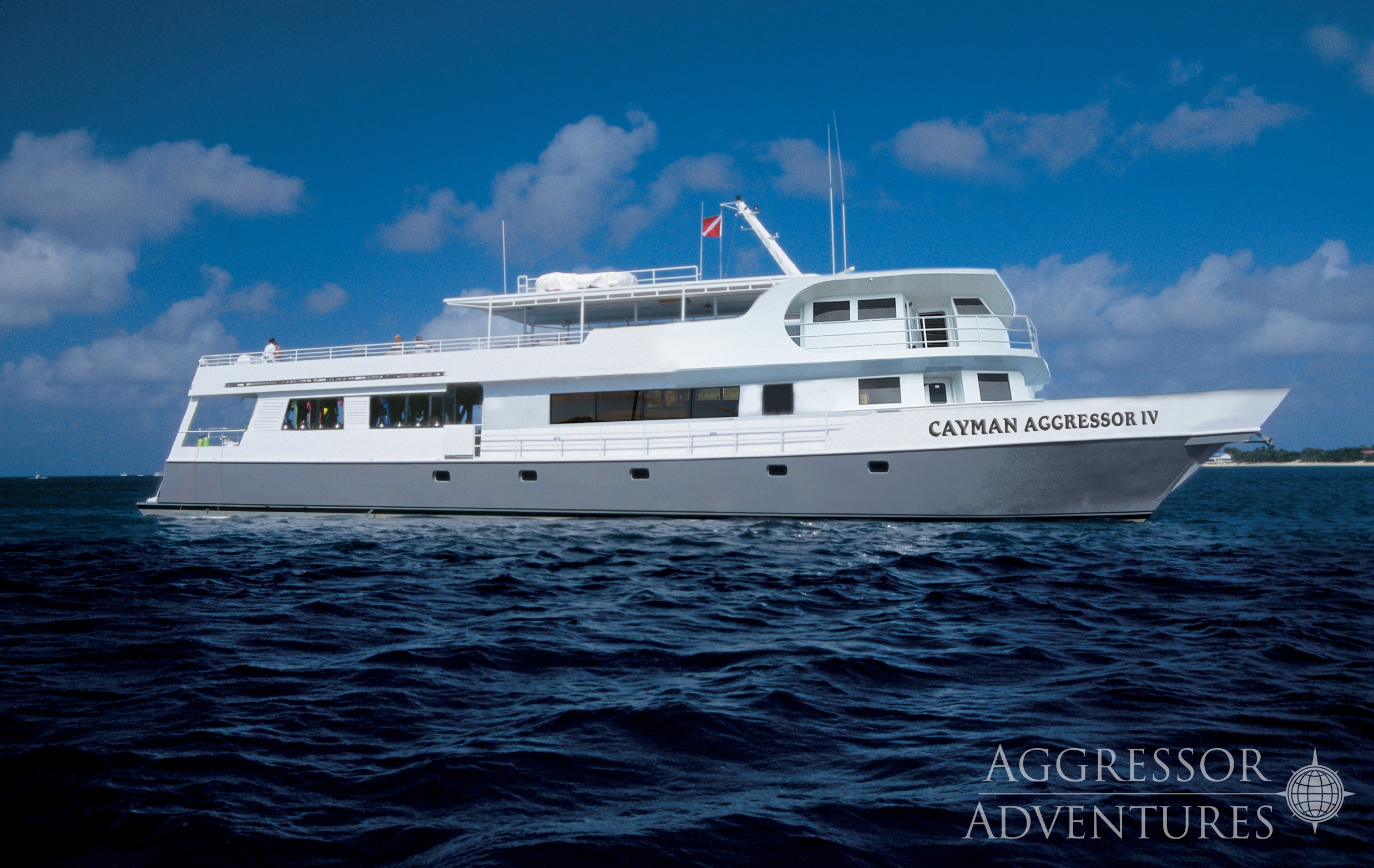
Cayman Aggressor IV
Cayman Islands
18 guests32.9 m
$328/day
Dive sites similar to Doc Poulson Wreck
Same character, same waters — six more sites divers love for the exact same reasons.Compare seasons, access and liveaboard routes — then pick the site that fits your trip best.
© Esri — Maxar, Earthstar, GIS
Big Table Rock
Cayman Islands
Big Table Rock is a well-known dive site located in George Town, Grand Cayman, offering a diverse and visually striking underwater landscape.
- Suitable for
- Intermediate
- Current
- Mild
- Access
- Dayboat
- Depth
- 10–30 m
- Theme
- Reef / Wall
© Esri — Maxar, Earthstar, GIS
Marty's Wall
Cayman Islands
Marty's Wall is a dive site located in West Bay, Grand Cayman, an area known for its dramatic wall dives and pristine coral ecosystems.
- Suitable for
- Intermediate
- Current
- Mild
- Access
- Dayboat
- Depth
- 12–36 m
- Theme
- Wall / Reef
© Esri — Maxar, Earthstar, GIS
Randy's Gazebo
Cayman Islands
Randy's Gazebo is a highly regarded dive site located in Little Cayman, one of the three Cayman Islands, renowned for its spectacular underwater scenery and healthy marine ecosystems.
- Suitable for
- Intermediate
- Current
- Mild
- Access
- Dayboat
- Depth
- 5–18 m
- Theme
- Reef / Wall
© Esri — Maxar, Earthstar, GIS
Lea Lea's Lookout
Cayman Islands
Lea Lea's Lookout is a renowned dive site located on Little Cayman's northern coast, forming part of the iconic Bloody Bay Wall within the Bloody Bay Marine Park.
- Suitable for
- Beginner
- Current
- Mild
- Access
- Dayboat
- Depth
- 7–36 m
- Theme
- Wall / Reef
© Esri — Maxar, Earthstar, GIS
Disneyworld
Cayman Islands
Disneyworld is a notable dive site located on the west side of Grand Cayman, distinguished by its vibrant coral formations.
- Suitable for
- Intermediate
- Current
- Mild
- Access
- Dayboat
- Depth
- 10–30 m
- Theme
- Reef / Wall
© Esri — Maxar, Earthstar, GIS
Grand Cayman Wall
Cayman Islands
The Grand Cayman Wall stands out as one of the world's premier wall diving destinations, encompassing numerous sites around the island.
- Suitable for
- Intermediate
- Current
- Moderate
- Access
- Dayboat
- Depth
- 12–35 m
- Theme
- Wall / Reef