About Stingray City Sandbar
Stingray City Sandbar, located in the North Sound of Grand Cayman, is a world-renowned marine attraction. This site is a collection of sandbars within a coral reef channel where the North Sound meets the Caribbean Sea. The topography consists of shallow sandbars, with the main Sandbar area being incredibly shallow, ranging from three to five feet deep, making it ideal for snorkelers and non-divers to stand. There's also a slightly deeper area, sometimes referred to as the Valley of the Rays, reaching approximately 15 feet. However, stingrays predominantly gather in the shallower sandbar now, making the deeper site less active for diving. The primary marine life attraction here is the Atlantic Southern Stingray. Dozens of these graceful creatures congregate, accustomed to human interaction due to years of being fed by local fishermen cleaning their catch and now by tour operators. Visitors can engage directly with the stingrays, observing them glide through the crystal-clear waters, and even pet or feed them squid provided by guides. The experience offers unparalleled visibility, often exceeding 100 feet, allowing clear views of the stingrays approaching. This natural, unpenned environment ensures the stingrays are there by choice, making the interaction authentic. While once a popular dive site, Stingray City Sandbar is now primarily a snorkeling and shallow-water interaction site. Diving in the immediate sandbar area is generally not offered due to the extremely shallow depths and the stingrays' preference for the shallower parts after a period of reduced food sources during the pandemic. However, the wider Stingray City area, which is a slightly deeper sandbar, is still considered suitable for divers, with depths around 12 feet, often described as the "best 12ft dive in the world" for close encounters with these docile rays. Calm waters and excellent visibility characterize the conditions, making it accessible and enjoyable for a wide range of visitors.
Highlights
Southern StingraysEagle Rays
Season calendar
Best months to dive here
Jan
Feb
Mar
Apr
May
Jun
Jul
Aug
Sep
Oct
Nov
Dec
Good
Dive site facts: Stingray City Sandbar
- Depth
- 3.6–5 m
- Typical dive
- 3.6 m, 30 min
- Current
- None
- Visibility
- 15–30 m
- Water temperature
- 24–30 °C
- Entry
- Boat / Wading
- Level
- Beginner / Snorkeler
- Dive type
- Wildlife interaction / Sandbar
- Region / port
- North Sound, Grand Cayman
- Coordinates
- 19.392, -81.298
Conditions & Currents
Currents at Stingray City Sandbar are typically negligible, allowing for a relaxed and effortless experience. Divers and snorkelers can expect a calm environment with minimal water movement, which is ideal for interacting with the stingrays and observing their natural behavior without being swept. Mild surge can occasionally be present, but it generally does not impact the overall experience significantly given the shallow depths. Visibility remains consistently excellent, often ranging from 15 to 30 meters, contributing to the site's appeal. This calm and clear environment means that entry and exit from boats are usually straightforward, and no special current-related techniques are required for divers.
Dive profile & how the dive runs
The dive experience at Stingray City Sandbar typically begins with a short boat ride from the yacht club to the North Sound. Upon arrival, divers receive a briefing on stingray interaction protocols and general dive procedures. Entry into the water is usually a controlled giant stride or back roll from the boat, directly into the shallow, clear water. The dive profile involves kneeling or maintaining buoyancy just above the sandy bottom at depths of 3.6 to 5 meters. Divers remain in a relatively confined area, interacting with the southern stingrays as they swim by. Some tours may include a brief exploration of a nearby shallow reef after the primary stingray encounter. The dive concludes with a direct ascent to the surface, as safety stops are not typically required given the shallow depth.
Underwater photography
Stingray City Sandbar is a prime location for wide-angle photography due to the abundant southern stingrays and excellent visibility in shallow water. A wide-angle lens is essential to capture the rays and their interactions with people, providing a sense of scale and the surrounding environment. Natural light is often sufficient given the shallow depth, but strobes can enhance colors and reduce backscatter, particularly if shooting against the sun. Be prepared for rapid movement from the rays, requiring a fast shutter speed or quick adjustments. Practicing good buoyancy is crucial to avoid stirring up the sand and impacting visibility for other photographers or disturbing the marine life. Always maintain respectful distances and avoid harassing the rays; many are accustomed to gentle interaction, but ethical conduct ensures their well-being.
Combine with nearby dive sites
Getting there & logistics
Access to Stingray City Sandbar is exclusively by boat, with most tours departing from marinas near Seven Mile Beach or George Town. Common departure points include the Cayman Islands Yacht Club and Safe Haven Marina. Boat rides to the North Sound typically range from 10 to 40 minutes, depending on the departure location and weather conditions. Tours are generally half-day excursions, often lasting 2.5 to 5.5 hours, and can be booked as sandbar-only experiences or combined with snorkeling at nearby Coral Gardens, visits to Starfish Point, or even the Turtle Centre. Guests staying along Seven Mile Beach can usually arrange hotel pickup or easily reach the departure marinas by taxi. No specific dive permits are required for visitors, as tour operators manage all necessary access.
Safety & environment
Safety at Stingray City Sandbar is paramount, with guides providing thorough briefings on how to interact responsibly with the southern stingrays. Visitors are advised to move slowly and avoid sudden movements to prevent startling the animals. While stingrays are generally docile, they are wild animals, and caution should always be exercised; never attempt to provoke or corner them. The nearest recompression chamber is located at the Cayman Islands Hospital in George Town, Grand Cayman. In case of a diving emergency, evacuation would be by boat to the nearest medical facility. Dive insurance is highly recommended for any diving activity in Grand Cayman, as medical evacuations and treatment can be costly. All visitors should adhere to the instructions of their tour guides to ensure a safe and enjoyable experience for both humans and marine life.
Who it suits — and who it doesn't
Suited for
- Beginner divers seeking shallow wildlife encounters
- Snorkelers and non-divers
- Families with children
- Underwater photographers interested in wide-angle marine life
- Travelers looking for an easygoing marine experience
Less suited for
- Divers seeking deep wall or wreck exploration
- Those preferring unguided, independent diving
- Individuals with severe fear of marine animals
- Advanced divers looking for challenging conditions
FAQ
Stingray City Sandbar FAQ
What is the depth at Stingray City Sandbar?
The Stingray City Sandbar is famously shallow, with water typically reaching only waist depth for most adults. For diving purposes, the maximum depth is around 3.6 to 5 meters (12 to 15 feet), making it an accessible site for snorkelers and beginner divers alike. This shallow environment ensures excellent natural light and visibility for optimal stingray interactions.
Can you touch the stingrays at Stingray City Sandbar?
Yes, supervised interaction with the southern stingrays is a key part of the experience, and guides often facilitate gentle touching. However, it's crucial to follow the guidance of your tour operators on how to interact safely and respectfully with these wild animals. Always move slowly and avoid grabbing or cornering them to ensure their well-being.
What kind of marine life will I see?
The primary marine life attraction at Stingray City Sandbar is the abundance of southern stingrays (Hypanus americanus). While the sandbar itself is mostly sandy, nearby combo tour stops like Coral Gardens offer opportunities to see various reef fish. The focus here is overwhelmingly on the unique interactions with the friendly stingrays.
How long does a visit to Stingray City Sandbar typically last?
A dedicated visit to the Stingray City Sandbar usually allows for about 45 minutes of interaction time in the water with the rays. The overall tour duration, including boat travel and any additional stops like snorkeling at Coral Gardens or visiting Starfish Point, can range from 2.5 to 5.5 hours depending on the chosen package.
Do I need to be a certified diver to visit Stingray City Sandbar?
No, you do not need to be a certified diver to enjoy Stingray City Sandbar. Most visitors experience it as a wading or snorkeling activity, and even the shallow dive options are suitable for beginners, often with a dedicated instructor. It's an ideal site for those without extensive diving experience.
Why dive Stingray City Sandbar from a liveaboard?
Stingray City Sandbar is one of Cayman Islands's signature dive sites. A liveaboard sleeps you on the water and puts you in the water for three to four guided dives per day, including dawn and night dives that day-boat operators rarely offer. You skip the daily commute back to port and reach quieter, less-crowded sites in the same region on a single trip.
Below are the liveaboards that include Stingray City Sandbar on their Cayman Islands itineraries.
Liveaboards diving Stingray City Sandbar
These liveaboards may visit Stingray City Sandbar on selected itineraries — the exact dive sites depend on departure, weather and conditions.
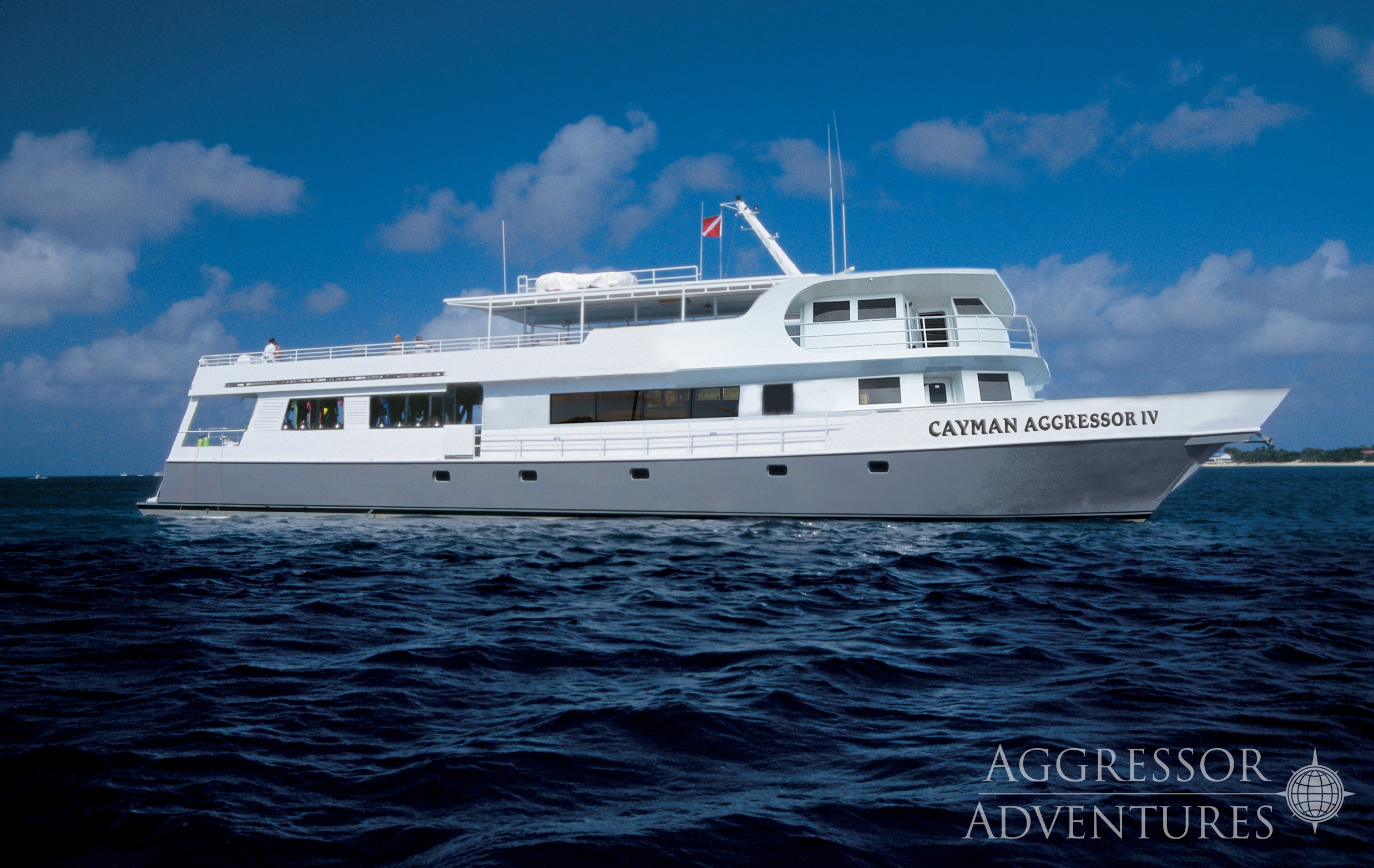
Cayman Aggressor IV
Cayman Islands
18 guests32.9 m
$328/day
Dive sites similar to Stingray City Sandbar
Same character, same waters — six more sites divers love for the exact same reasons.Compare seasons, access and liveaboard routes — then pick the site that fits your trip best.
© Esri — Maxar, Earthstar, GIS
Silver Caves
Belize
Silver Caves offers a distinctive diving experience within the Lighthouse Reef Atoll, one of Belize's healthiest reef systems.
- Suitable for
- Advanced
- Current
- Mild
- Access
- Liveaboard only
- Depth
- 18–28 m
- Theme
- Reef / Cave & cavern
Cozumel's western coast features a dramatic reef shelf that plunges thousands of feet into the ocean.
- Suitable for
- Intermediate
- Current
- Mild
- Access
- Liveaboard or dayboat
- Depth
- 15–27 m
- Theme
- Reef
© Esri — Maxar, Earthstar, GIS
North Wall
Cayman Islands
The North Wall of Grand Cayman stands as one of the most celebrated and visually striking dive regions, stretching along the island's northern coastline.
- Suitable for
- Advanced
- Current
- Mild
- Access
- Liveaboard or dayboat
- Depth
- 50–100 m
- Theme
- Reef
© Esri — Maxar, Earthstar, GIS
Lighthouse Reef
Cayman Islands
Lighthouse Reef, situated near the West End dock of Cayman Brac, provides a distinctive shallow reef diving experience.
- Suitable for
- Beginner
- Current
- Strong
- Access
- Shore / dayboat
- Depth
- 10–25 m
- Theme
- Reef
© Esri — Maxar, Earthstar, GIS
Long Caye Ridge
Belize
Long Caye Ridge is a highly-rated dive site situated within Belize's Lighthouse Reef Atoll, an area renowned for its pristine conditions due to its distance from the mainland.
- Suitable for
- Intermediate
- Current
- No current
- Access
- Liveaboard only
- Depth
- 21–21 m
- Theme
- Reef
Roatán, part of the Bay Islands of Honduras, offers a diverse underwater landscape situated along the Mesoamerican Barrier Reef System, which is the second largest barrier reef globally.
- Suitable for
- Intermediate
- Current
- Moderate
- Access
- Liveaboard or dayboat
- Depth
- 9–40 m
- Theme
- Reef