About Panorama Reef
Panorama Reef, situated in Egypt's Red Sea, provides excellent diving opportunities throughout the year. This site is celebrated for its thriving coral ecosystems, showing no signs of bleaching stress, and boasts a documented diversity of 12 marine species, contributing to a rich underwater experience. As a natural reef structure, it offers a dynamic environment for exploration without the restrictions of a marine protected area, ensuring straightforward access for divers. The reef's conditions are remarkably consistent, allowing for year-round diving. While specific depth and average visibility data are best confirmed with local operators, the overall environment is known for its stability. This combination of healthy coral and varied species makes Panorama Reef a noteworthy addition to any Red Sea diving itinerary. The site is particularly appealing to beginner divers due to its accessible nature and consistent conditions, though it offers routes suitable for various experience levels. Local dive guides and community insights can further inform divers about the most active marine life during their visit, enhancing the planning process for an optimal experience. Diving here typically involves exploring the reef's structure, which includes walls and potential plateaus, often experienced as a drift dive due to prevailing currents. The absence of marine protected area status means a simple entry process, allowing divers to focus on the abundant life and beautiful formations that define Panorama Reef.
Highlights
Healthy coral ecosystemsDiverse marine lifeAccessible reef structureConsistent diving conditionsYear-round divingDrift diving potentialNo marine protected area restrictions
Season calendar
Best months to dive here
Jan
Feb
Mar
Apr
May
Jun
Jul
Aug
Sep
Oct
Nov
Dec
Excellent
Good
Dive site facts: Panorama Reef
- Depth
- 5–40 m
- Current
- Moderate
- Visibility
- 20–40 m
- Water temperature
- 21–30°C
- Entry
- Liveaboard tender / Drift
- Level
- Beginner to Advanced
- Dive type
- Reef / Drift
- Region / port
- Southern Red Sea / Hurghada
- Coordinates
- 26.5333, 34.0833
Conditions & Currents
Currents at Panorama Reef are typically described as moderate, making it an ideal location for drift diving. The prevailing currents aid in moving divers along the reef, reducing the need for excessive finning and allowing for a more relaxed observation of marine life. Divers should pay close attention to pre-dive briefings covering current direction, entry, and exit procedures, as understanding these details is crucial for a safe and enjoyable drift dive. Visibility is generally excellent, often reaching 20-40 meters, though localized plankton blooms, particularly in spring, can occasionally reduce clarity. Water temperatures are warm, ranging from 21-30°C throughout the year, with surface conditions potentially choppy during winter months due to northerly winds, which might affect boat access to certain offshore areas.
Marine life & sighting chances

Coral (diverse species)
Year-round · common
Snappers
Year-round · common
Unicornfish
Year-round · common
Groupers
Year-round · common
Moray eels
Year-round · common
Lionfish
Year-round · common
Barracuda
Year-round · occasional
Turtles
Year-round · occasionalReef sharks (various species)
Year-round · occasional
Whale sharks
March-August · rare
Manta rays
March-November · rare
Hammerhead sharks
June-August (northward migration) · rareDive profile & how the dive runs
A typical dive at Panorama Reef often begins with a liveaboard tender drop, initiating a drift dive along the reef's wall or plateau. Divers usually descend directly into the current, allowing it to carry them past vibrant coral formations and schools of fish. The dive profile may follow the reef at varying depths, often between 5 and 30 meters, depending on the route chosen and diver experience. Turnaround points are not fixed, as the dive relies on the current for movement, with the boat tracking the divers for pick-up. Safety stops are typically conducted towards the end of the drift, in shallower, more sheltered areas, before ascending for boat recovery. Communication signals and buddy positioning are paramount for maintaining group cohesion during the drift.
Underwater photography
Panorama Reef's clear waters and abundant coral offer excellent wide-angle photography opportunities, especially during spring and autumn when visibility is consistently high. A wide-angle lens is ideal for capturing the expansive reefscapes and schooling fish. For macro subjects like nudibranchs, gobies, and other small reef inhabitants, a macro lens will be beneficial. Strong strobes or video lights are recommended to bring out the true colors of the corals and marine life, as the Red Sea's intense sunlight can create harsh contrasts. Pay close attention to buoyancy control to avoid damaging the healthy corals, and maintain respectful distances from marine life to capture natural behaviors. Backscatter can be an issue during plankton blooms, so proper strobe positioning away from the lens is essential.
Combine with nearby dive sites
- Brothers Islands
Famous for pelagic encounters like oceanic whitetip, thresher, and hammerhead sharks, accessible by liveaboard.
- Daedalus Reef
Known for strong currents, deep walls, and frequent sightings of hammerhead sharks and other large pelagics.
- Elphinstone Reef
A renowned site for oceanic whitetip and hammerhead sharks, featuring impressive walls and current-swept corals.
- St. Johns Reef
Offers maze-like reefs, tunnels, and deep walls in the remote Southern Red Sea, rich in diverse marine life.
- Zabargad Island
Part of a marine park, offering varied diving with walls, wrecks, and sheltered bays for night dives.
- Rocky Island
A remote marine park known for its pristine corals and abundant pelagic life, often combined with Zabargad.
Getting there & logistics
Access to Panorama Reef is typically via liveaboards departing from Hurghada, which is served by Hurghada International Airport (HRG). Flights to HRG are available from major European cities, with connections from North America often through Cairo. Liveaboard itineraries to the Southern Red Sea, which often include Panorama Reef, commonly last 7 nights/8 days. Transfers from the airport to the vessel are usually included. While Panorama Reef itself is not within a marine protected area, liveaboard trips often combine it with other sites that may have park fees, so it's advisable to confirm these charges with your operator. Egyptian Pounds (EGP) are the local currency, and a visa is required for most nationalities upon entry to Egypt.
Safety & environment
While diving at Panorama Reef is generally safe, comprehensive dive insurance, such as DAN, is strongly recommended. The nearest recompression chamber is typically located in Hurghada. In the event of a dive emergency, evacuation would likely involve boat transfer to shore followed by road transport to medical facilities, underscoring the importance of good pre-trip planning and insurance coverage for remote locations. Specific hazards at Panorama Reef relate to its drift diving nature, requiring divers to closely follow dive guide instructions regarding current management, buddy procedures, and boat tracking. Divers should be mindful of their air consumption and always stay with their group to prevent separation in the current. Always respect marine life and avoid touching corals to preserve the healthy ecosystem.
Who it suits — and who it doesn't
Suited for
- Beginner divers looking for accessible reefs
- Divers seeking healthy coral ecosystems
- Underwater photographers due to clear waters
- Drift diving enthusiasts
- Divers preferring consistent year-round conditions
Less suited for
- Divers exclusively seeking large wreck exploration
- Those sensitive to cool water temperatures in winter without proper exposure protection
- Divers who prefer stationary dives over drift dives
- Individuals who dislike moderate currents
FAQ
Panorama Reef FAQ
When is the best time to dive Panorama Reef?
Panorama Reef is diveable throughout the entire year, offering consistent conditions for divers. However, for an ideal blend of warm water, calm seas, and vibrant marine life, the shoulder seasons from March to May and September to November are highly recommended. These months typically provide the best visibility and most comfortable air temperatures for surface intervals.
What marine life can I expect to see at Panorama Reef?
Panorama Reef is home to a healthy and diverse marine community, with 12 species documented at the site. You can anticipate seeing a variety of reef fish such as snappers, unicornfish, and groupers, alongside common sightings of moray eels, lionfish, and occasional turtles. While pelagic sightings like whale sharks, manta rays, and hammerheads are rarer, they do occur, particularly in certain seasons.
Is Panorama Reef suitable for beginner divers?
Yes, Panorama Reef is considered suitable for beginner divers due to its accessible reef structure and consistent conditions. While currents can be moderate, making it ideal for drift diving, local operators often tailor dive plans to accommodate less experienced divers. It provides an excellent opportunity for beginners to experience the vibrant marine life of the Red Sea in a relatively straightforward environment.
Are there any marine protected area restrictions at Panorama Reef?
No, Panorama Reef is not located within a marine protected area, which means access rules are generally straightforward and less restrictive compared to some other Red Sea sites. Despite this, divers are always encouraged to adhere to sustainable diving practices, such as maintaining good buoyancy and avoiding contact with corals, to preserve the reef's health.
What kind of currents can I expect during a dive at Panorama Reef?
Panorama Reef typically experiences moderate currents, making it an excellent site for drift diving. These currents gently carry divers along the reef, allowing for an effortless exploration of its extensive formations and marine inhabitants. Divers should be attentive to their dive briefing, which will detail current direction and optimal entry/exit strategies to ensure a safe and enjoyable experience.
Why dive Panorama Reef from a liveaboard?
Panorama Reef is one of Egypt's signature dive sites. A liveaboard sleeps you on the water and puts you in the water for three to four guided dives per day, including dawn and night dives that day-boat operators rarely offer. You skip the daily commute back to port and reach quieter, less-crowded sites in the same region on a single trip.
Below are the liveaboards that include Panorama Reef on their Egypt itineraries.
Liveaboards diving Panorama Reef
These liveaboards may visit Panorama Reef on selected itineraries — the exact dive sites depend on departure, weather and conditions.
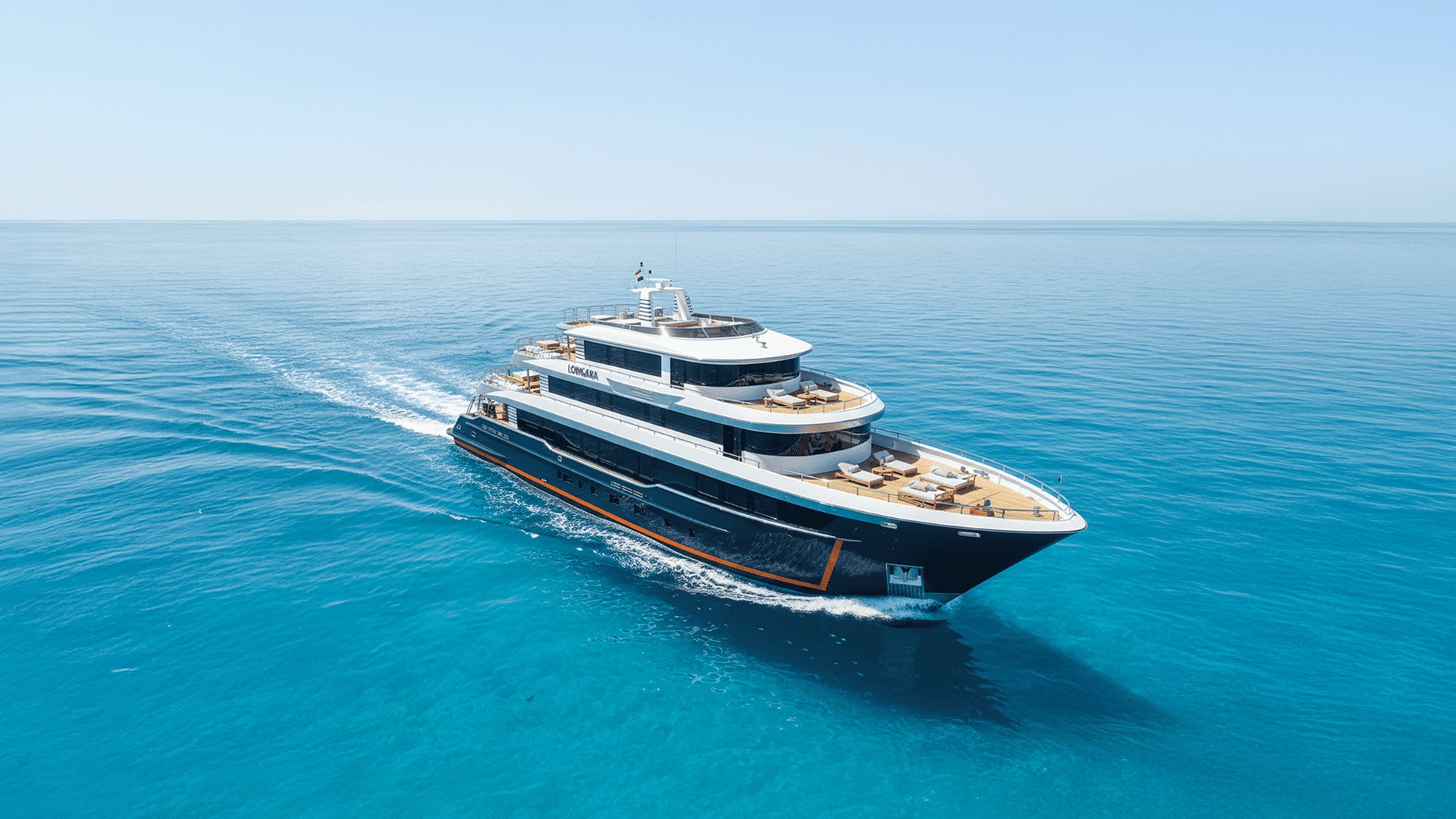
DUNE Longara
Egypt
30 guests
$150/day
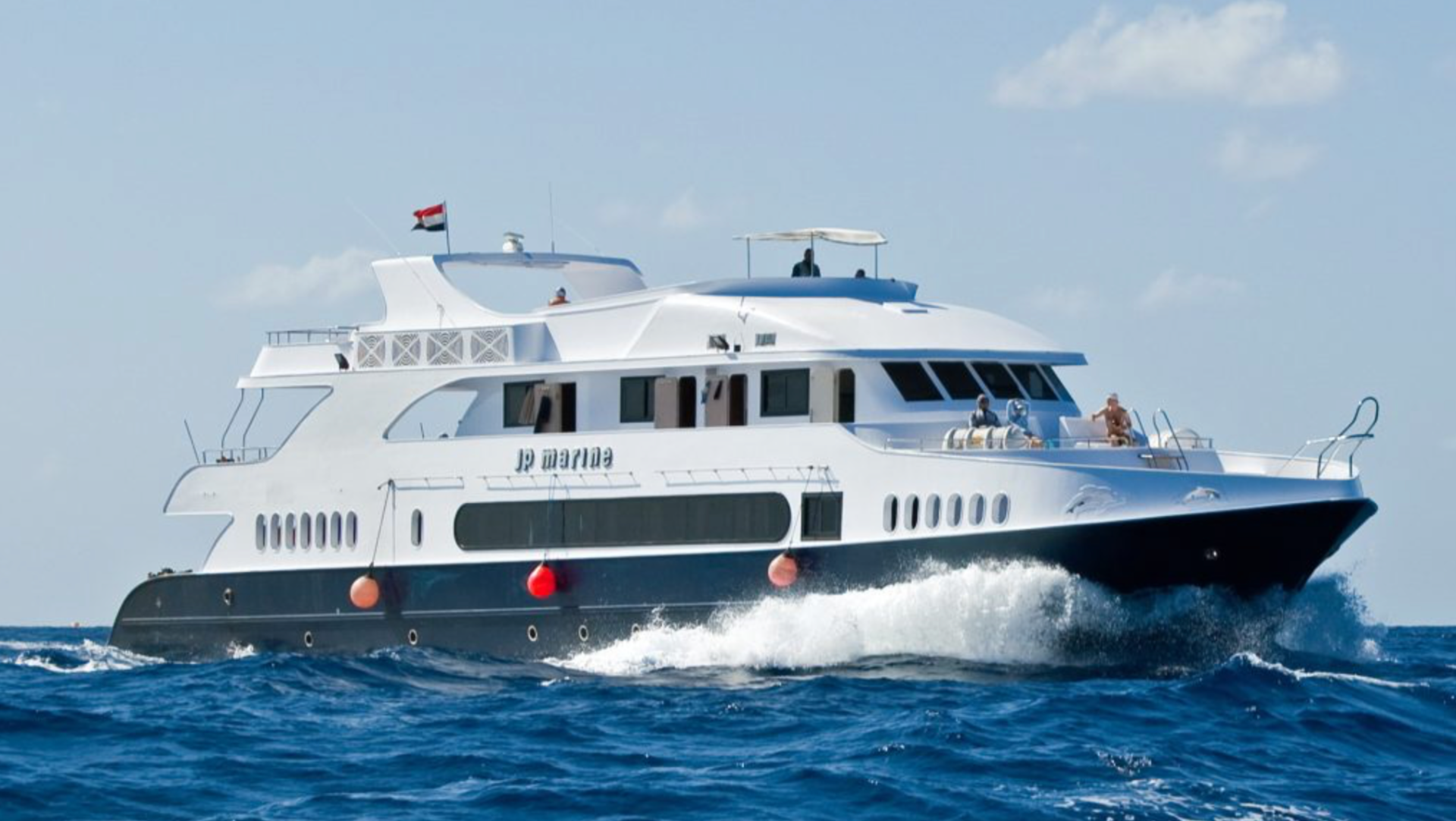
JP Marine
Egypt
28 guests
$109/day
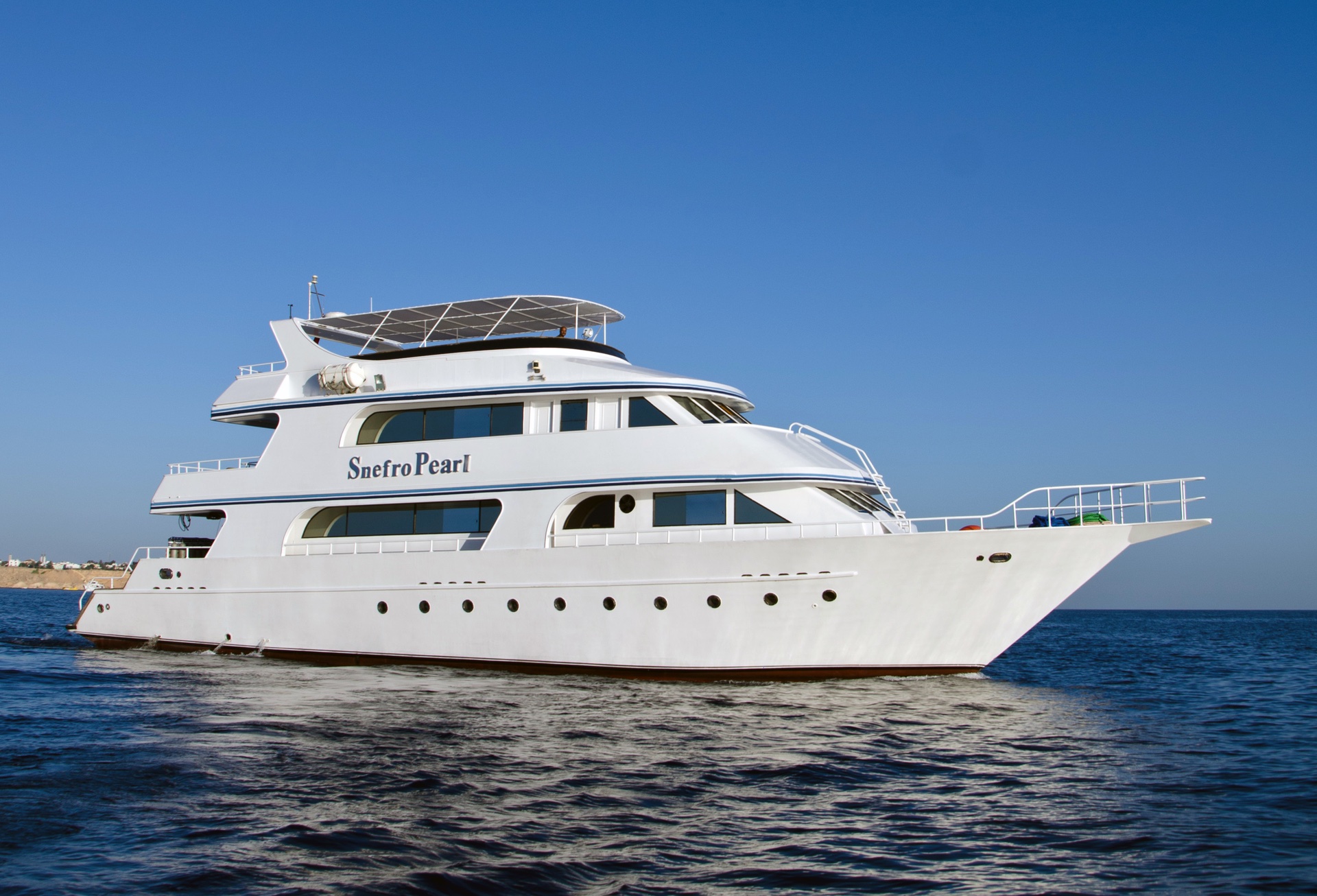
Snefro Pearl
Egypt
12 guests
$150/day
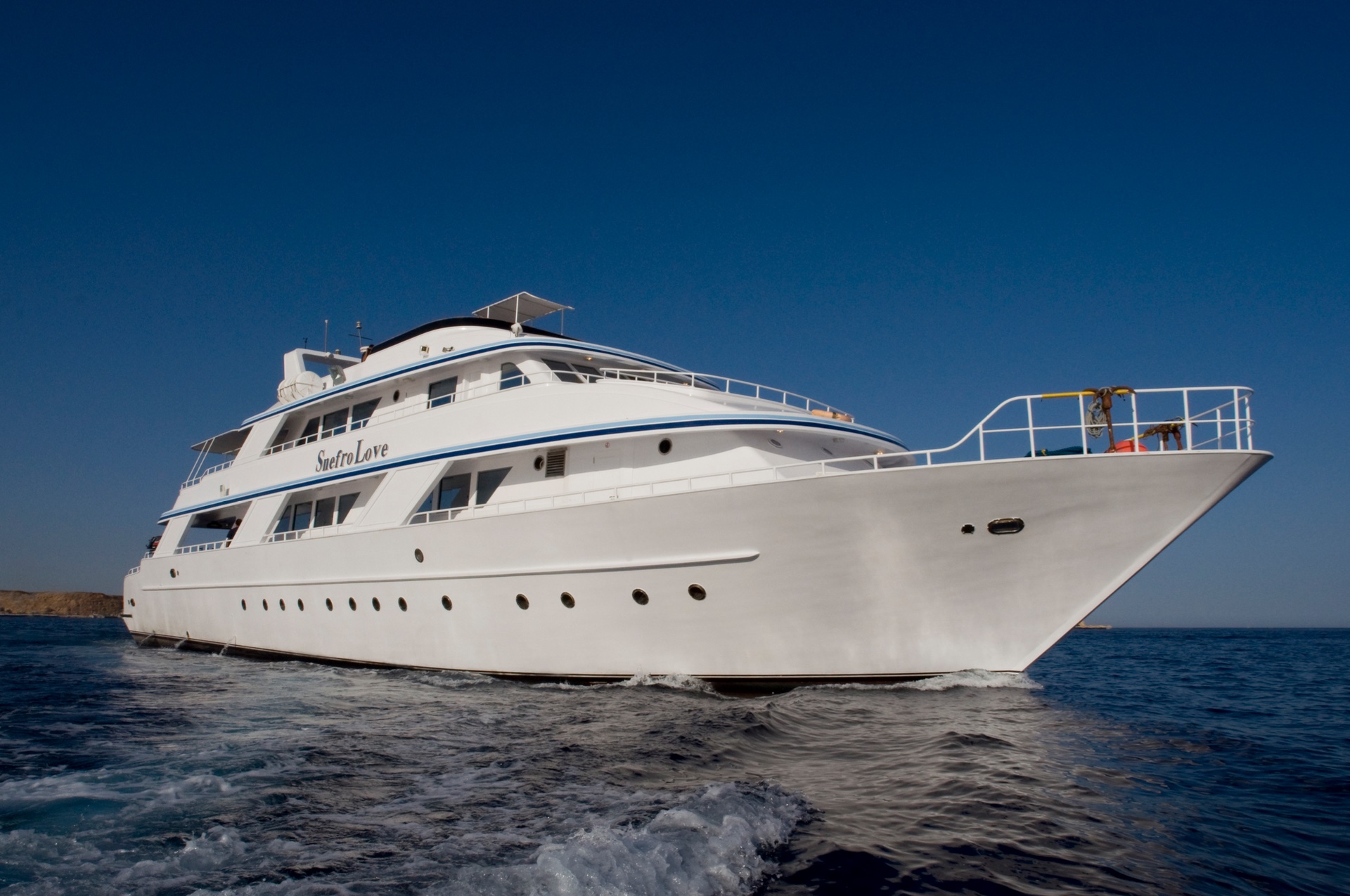
Snefro Love
Egypt
20 guests
$154/day
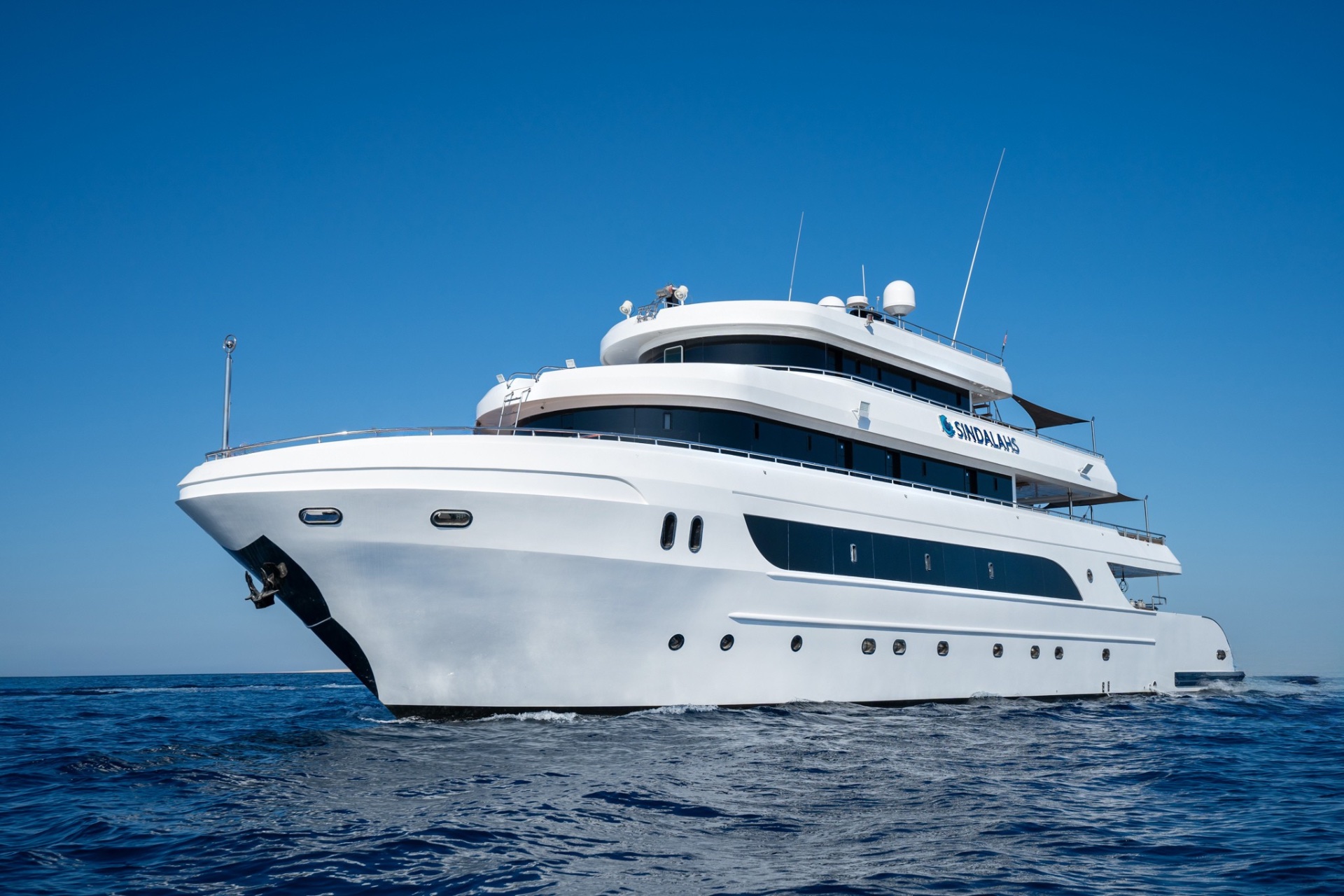
Sindalahs
Egypt
26 guests38 m
$155/day
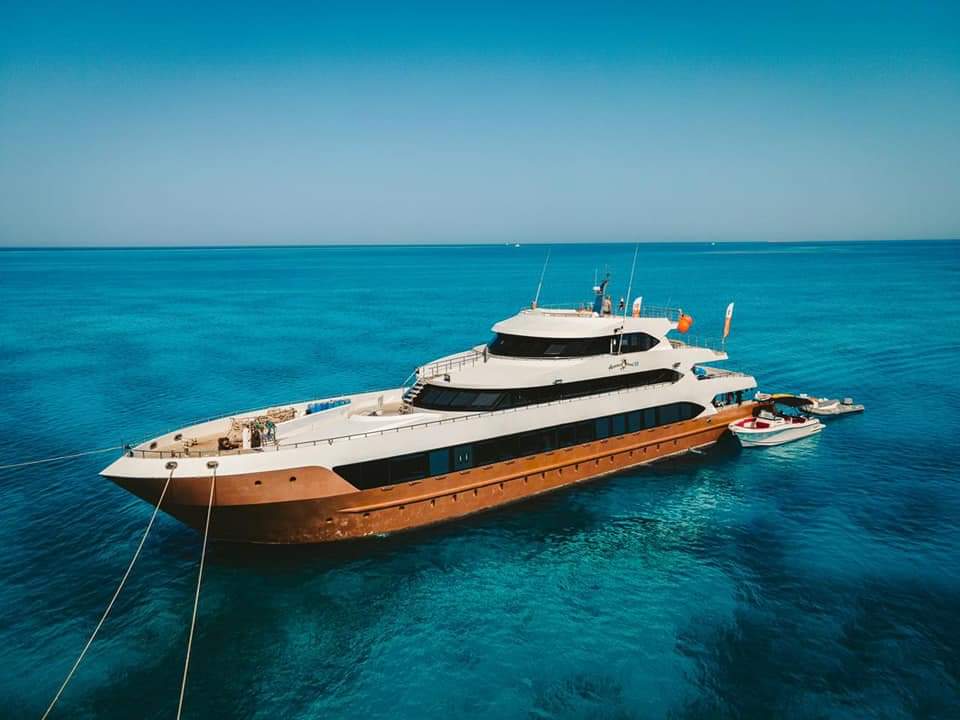
Hammerhead II
Egypt
20 guests
$172/day
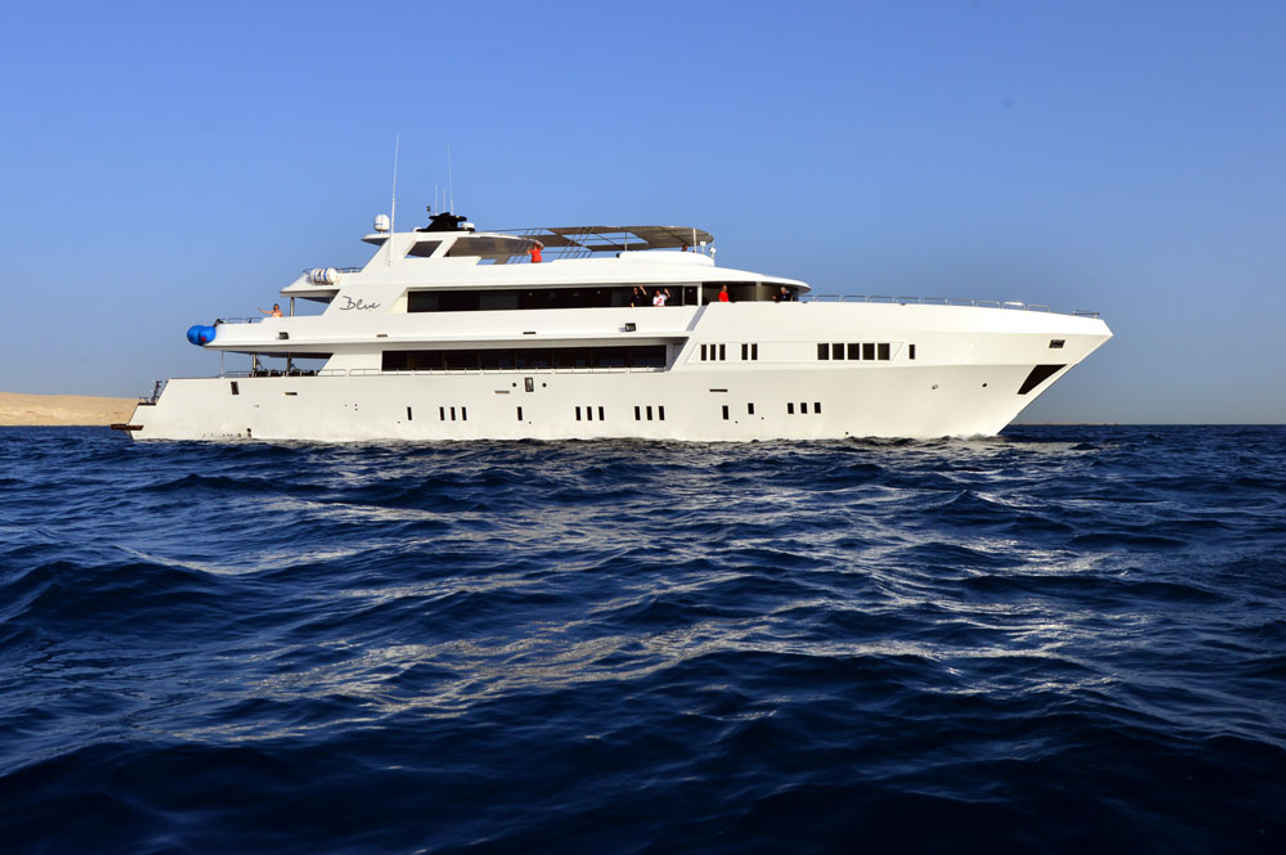
Blue Liveaboard
Egypt
24 guests43 m
$172/day
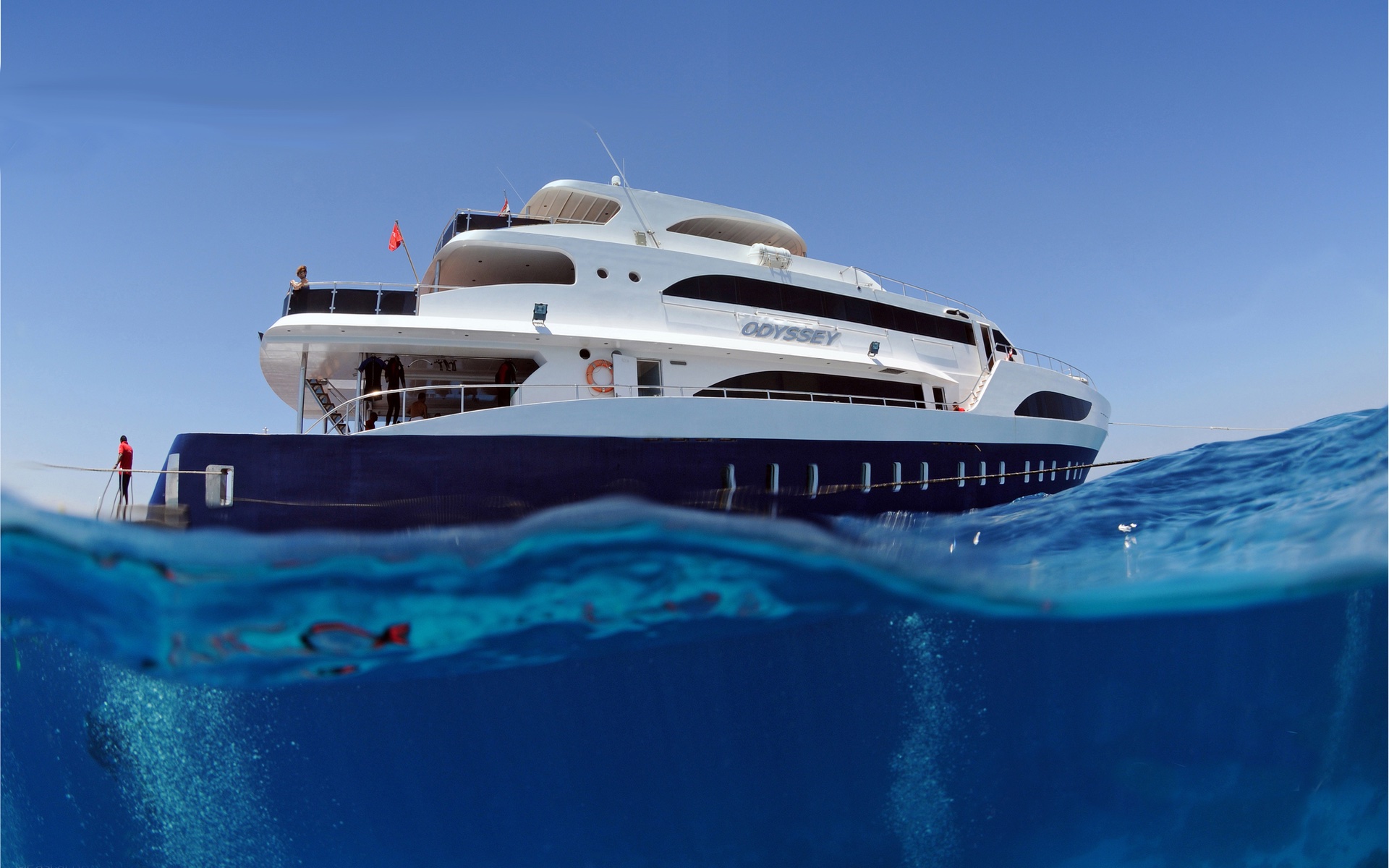
Odyssey
Egypt
26 guests40 m
$185/day
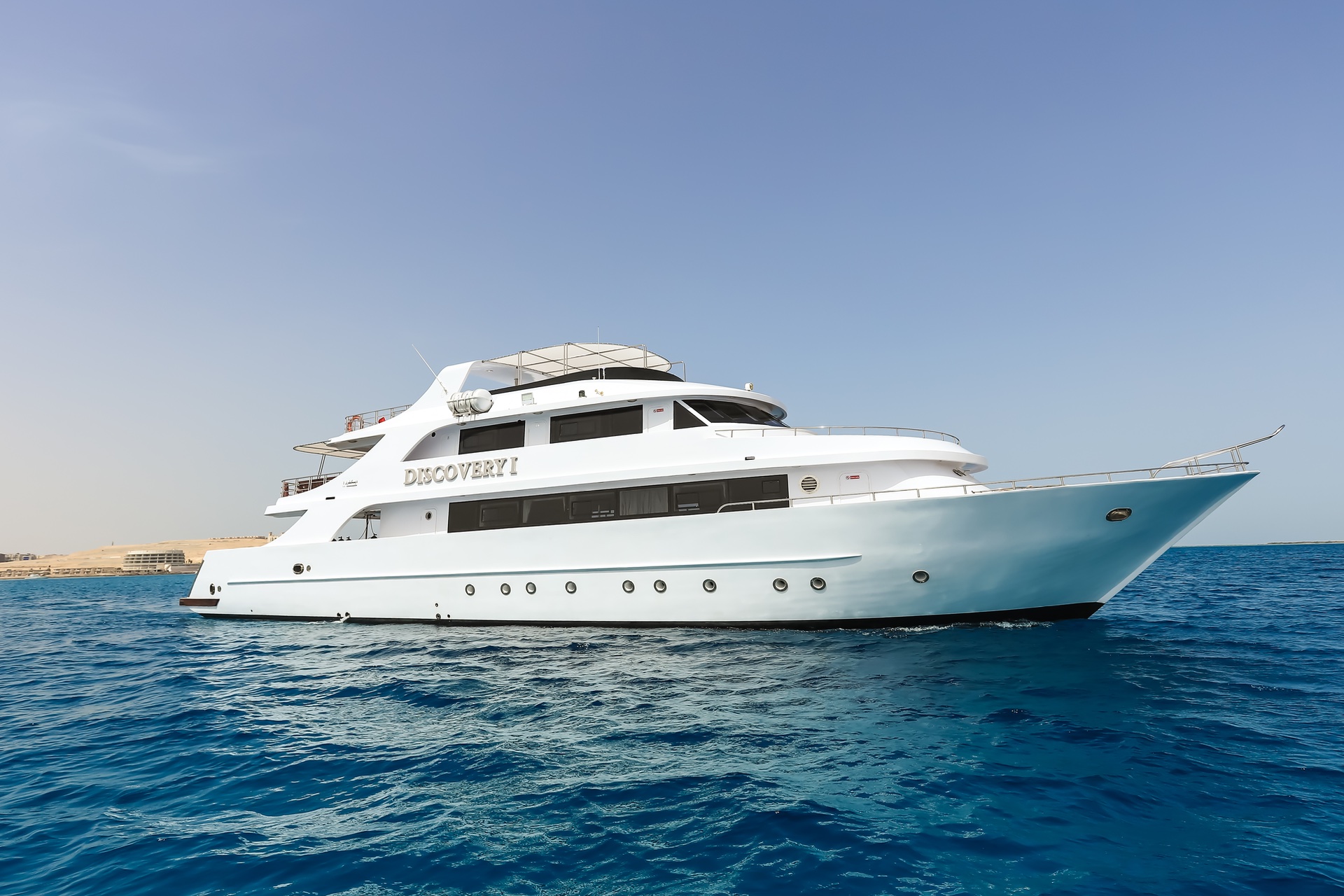
Discovery I
Egypt
20 guests
$104/day
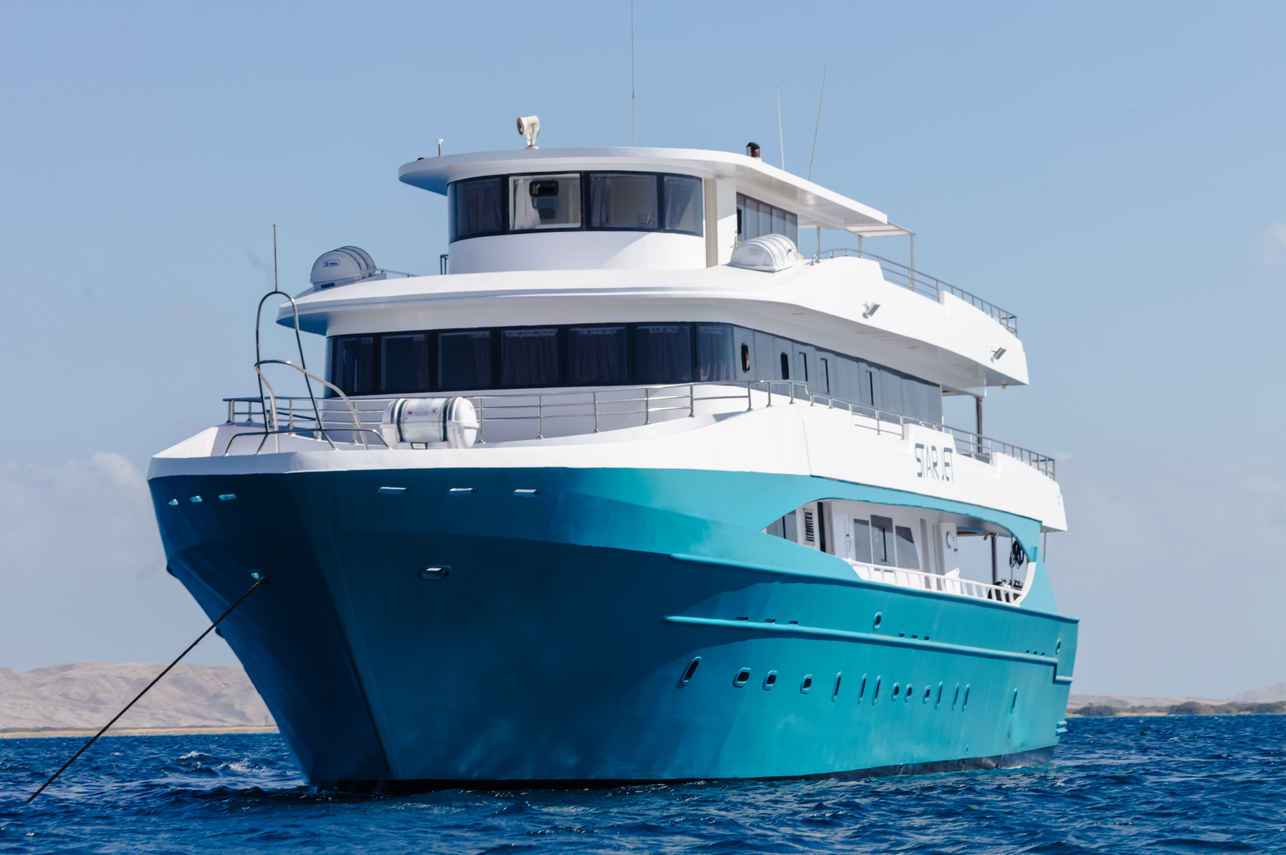
Star Jet
Egypt
28 guests35 m
$145/day
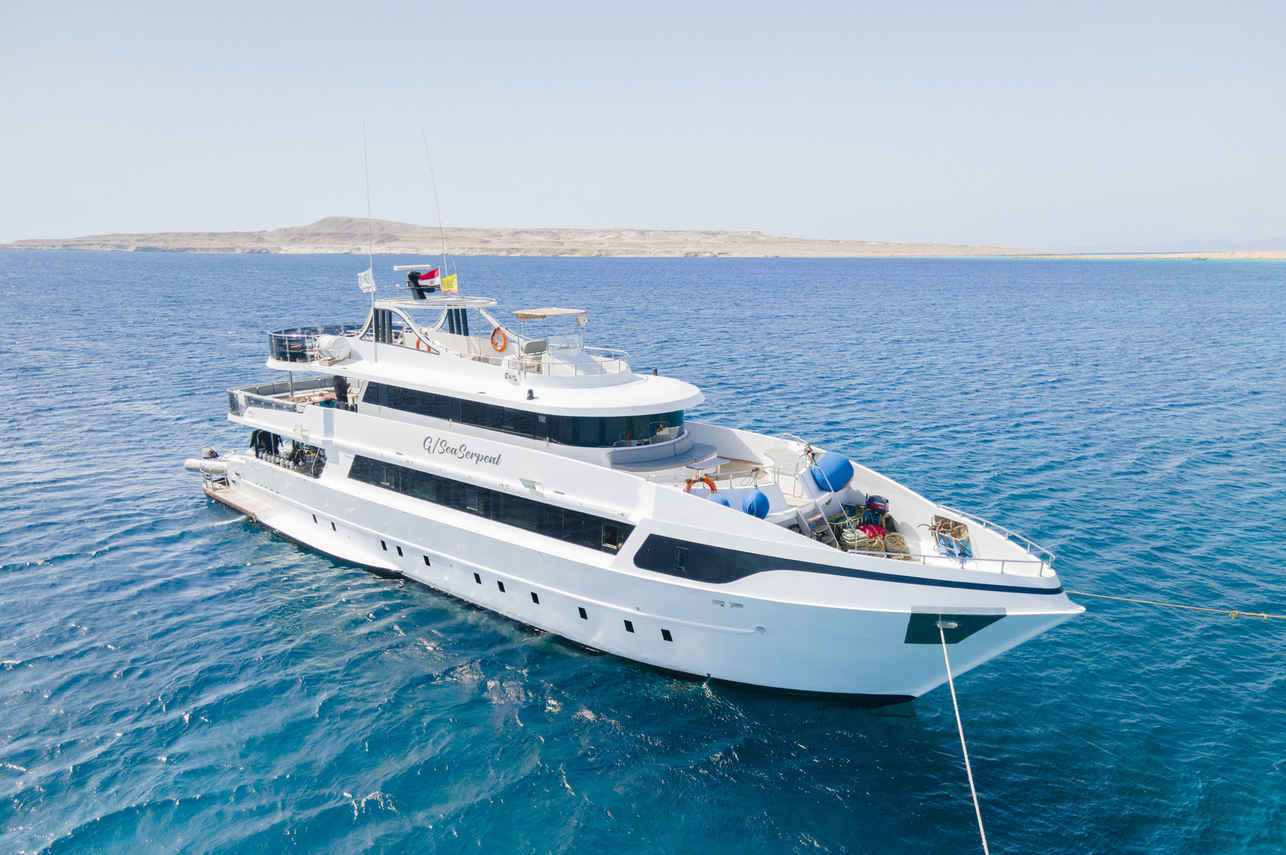
SS Serena Dreams
Egypt
18 guests33 m
$159/day
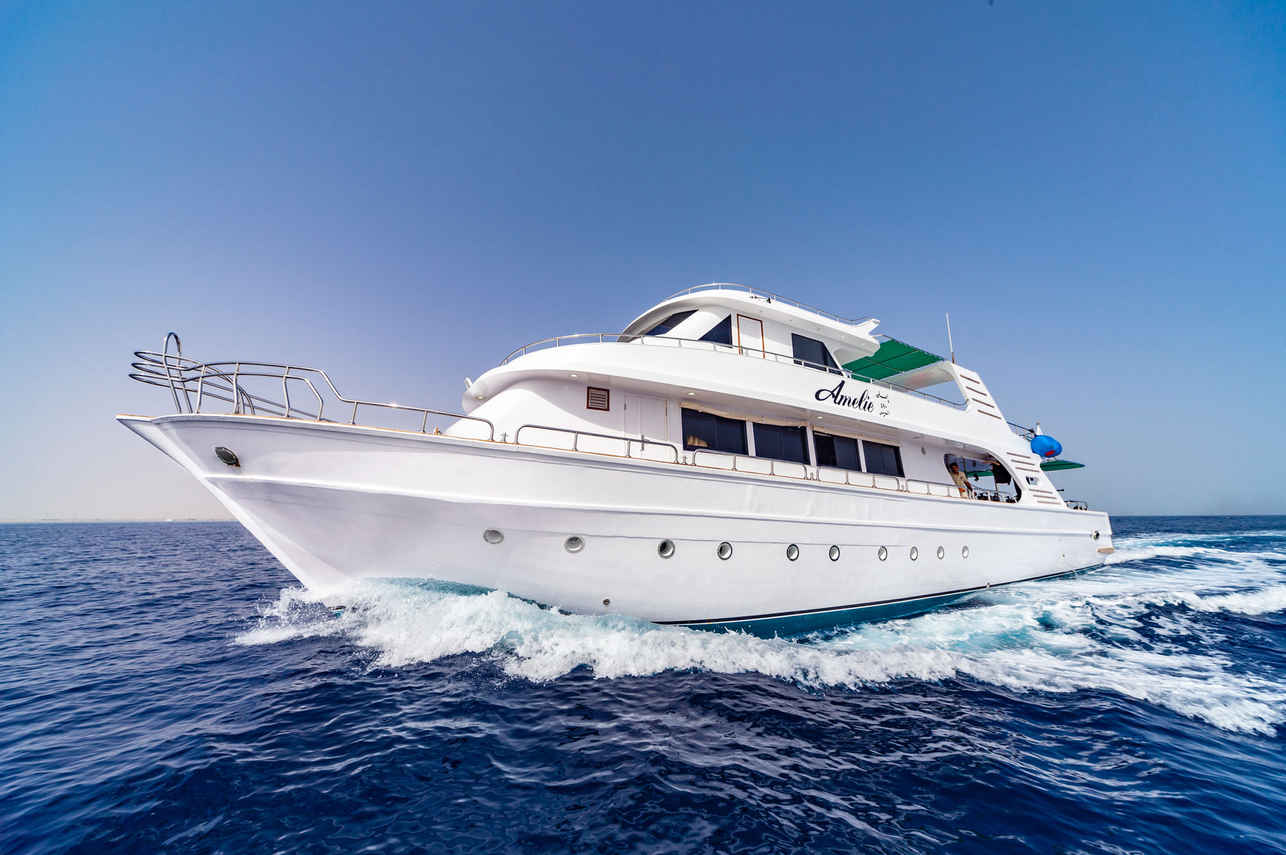
Amelie
Egypt
12 guests23 m
$115/day
Dive sites similar to Panorama Reef
Same character, same waters — six more sites divers love for the exact same reasons.Compare seasons, access and liveaboard routes — then pick the site that fits your trip best.
© Esri — Maxar, Earthstar, GIS
Carless Reef
Egypt
Carless Reef is a renowned advanced dive site near Hurghada, notable for its two prominent coral pinnacles that rise from a sandy bottom at 30 meters.
- Suitable for
- Advanced
- Current
- Strong
- Access
- Dayboat
- Depth
- 15–40 m
- Theme
- Reef / Drift
© Esri — Maxar, Earthstar, GIS
Gordon Reef
Egypt
Gordon Reef is the southernmost of the four prominent coral formations situated in the narrow Straits of Tiran, which separate the Gulf of Aqaba from the main Red Sea.
- Suitable for
- Intermediate
- Current
- Moderate
- Access
- Liveaboard only
- Depth
- 2–300 m
- Theme
- Reef
© Esri — Maxar, Earthstar, GIS
Far Garden
Egypt
Far Garden is a prominent dive site located in Sharm El Sheikh, serving as the northern headland of the adjacent Middle Garden site.
- Suitable for
- Beginner
- Current
- Moderate
- Access
- Shore / dayboat
- Depth
- 1–45 m
- Theme
- Reef / Drift
© Esri — Maxar, Earthstar, GIS
Tobia Arbaa
Egypt
Tobia Arbaa, also widely recognized as the "Seven Pillars," is a highly regarded dive site situated in Egypt, easily accessible via a short speedboat ride from Safaga or Soma Bay.
- Suitable for
- Beginner
- Current
- Mild
- Access
- Liveaboard or dayboat
- Depth
- 10–16 m
- Theme
- Reef
© Esri — Maxar, Earthstar, GIS
Alexandria
Egypt
Alexandria offers a truly unique diving experience in Egypt, differing significantly from the vibrant coral reefs of the Red Sea.
- Suitable for
- Beginner
- Current
- Moderate
- Access
- Liveaboard or dayboat
- Depth
- 5–8 m
- Theme
- Reef
© Esri — Maxar, Earthstar, GIS
Big Brother
Egypt
Big Brother Island, a prominent pinnacle in the southern Red Sea, rises from significant depths approximately 60 miles off the Egyptian coast near El-Quseir.
- Suitable for
- Advanced
- Current
- Strong
- Access
- Liveaboard only
- Depth
- 8–85 m
- Theme
- Drift / Wreck