About Nateara Reef
Nateara Reef is located in the Central Province of Papua New Guinea, within the larger region known for its rich marine biodiversity as part of the Coral Triangle. The area is characterized by its significant tidal movements, which influence diving conditions throughout the day. While specific topographical details of Nateara Reef are not broadly documented, PNG's dive sites often feature vibrant coral systems, walls, and beds, supporting a wide array of marine life. The waters surrounding Papua New Guinea, including those near Nateara Reef, maintain warm temperatures year-round, averaging between 25-31°C. Visibility in the region typically ranges from 20-40 meters, though this can vary locally. The presence of strong currents is common in many PNG dive sites, bringing nutrients that sustain thriving ecosystems. Diving in this region offers opportunities for encountering both macro life and pelagic species, reflecting the health and diversity of the coral triangle. However, the exact species composition and seasonal highlights specific to Nateara Reef are not detailed in general PNG diving information. Divers should anticipate conditions shaped by the strong tidal forces. Accessibility to dive sites like Nateara Reef often involves domestic flights within PNG from Port Moresby, followed by boat transfers. The country's remote nature means dive sites are typically uncrowded, offering an exclusive experience. Divers should be prepared for varying current conditions and plan accordingly for a rewarding underwater exploration.
Highlights
Coral Triangle biodiversityUncrowded dive siteDiverse marine faunaSignificant tidal movementsVast coral bedsFringing reef ecosystems
Season calendar
Best months to dive here
Jan
Feb
Mar
Apr
May
Jun
Jul
Aug
Sep
Oct
Nov
Dec
Excellent
Dive site facts: Nateara Reef
- Current
- Strong tidal influence
- Visibility
- 66–130 ft (20–40 m)
- Water temperature
- 77–86°F (25–30°C)
- Entry
- Boat
- Level
- Intermediate to advanced, due to currents
- Dive type
- Reef, drift, biodiversity
- Night dive
- Possible
- Region / port
- Central Province, Papua New Guinea
- Coordinates
- 9.4718° S, 147.1465° E
Conditions & Currents
Currents at Nateara Reef are significantly influenced by daily tidal changes, exhibiting clear patterns of high and low tides with varying meters of difference. For example, tides can fluctuate from a low of 0.41 meters to a high of 2.24 meters within a single day. These fluctuations suggest that divers can expect current strengths to vary, potentially being stronger during tidal exchanges and weaker during slack tide periods. Divers should be prepared for potential drift dives or plan their dives around specific tidal windows to maximize enjoyment and safety. Entry and exit strategies will likely need to account for these dynamic water movements, and visibility can be affected by the movement of water over the reef. Understanding the specific tide table for Nateara Reef is crucial for planning dives.
Marine life & sighting chances
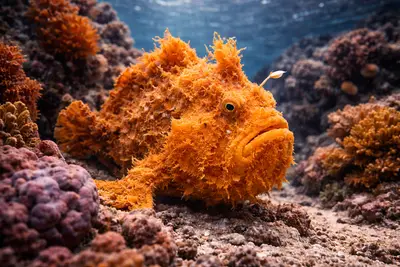
Frogfish
occasional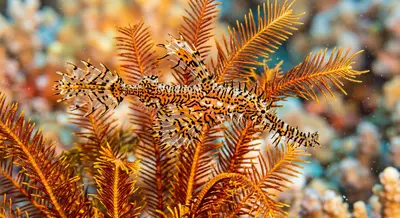
Pipefish
occasional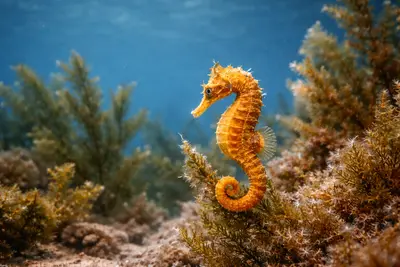
Seahorse
occasional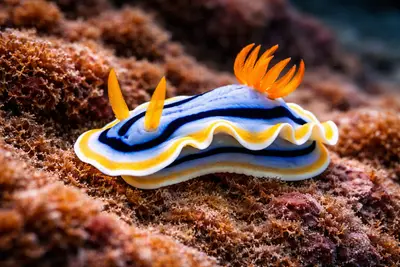
Nudibranchs
occasional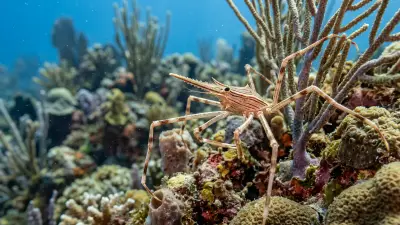
Crabs
occasional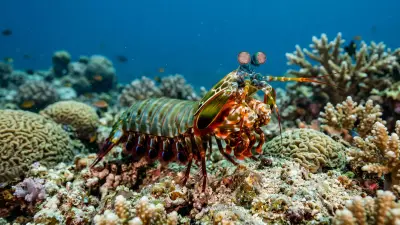
Shrimp
occasionalPelagic sharks
occasionalLarge fish
occasional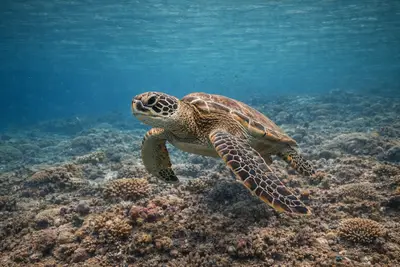
Turtles
occasional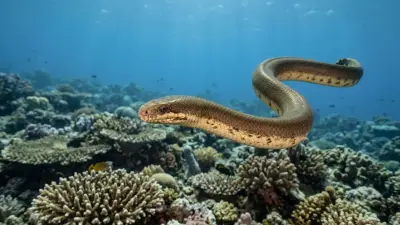
Sea snakes
occasional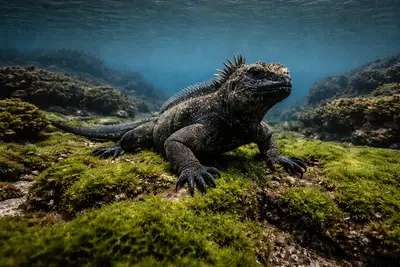
Marine mammals
rare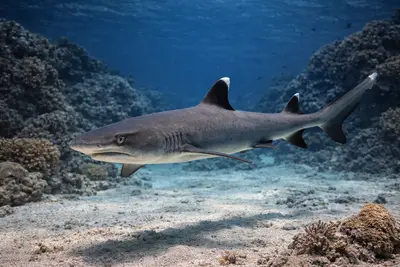
Whitetip reef shark
occasional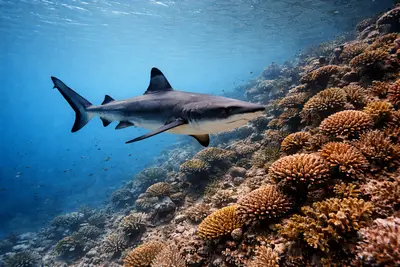
Blacktip reef shark
occasional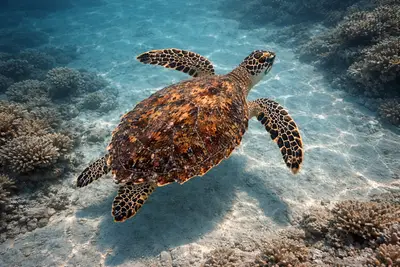
Hawksbill turtle
occasionalDive profile & how the dive runs
A typical dive at Nateara Reef begins with a boat entry, allowing divers to descend onto the reef structure. Given the significant tidal movements, dive plans are often optimized to coincide with slack tides or as a drift dive along the reef's contours. Divers may follow the natural progression of the reef, exploring the coral beds and seeking out macro life among the diverse coral formations. Depths will vary depending on the specific section of the reef being explored, but visibility typically ranges from 20 to 40 meters, allowing for clear views of the underwater environment. The dive might conclude with a safety stop suspended in the blue, followed by an ascent to the surface for boat pickup.
Underwater photography
For photography at Nateara Reef, both wide-angle and macro setups are recommended given the diverse marine life. A wide-angle lens is ideal for capturing the expansive coral beds and the clear visibility, which can extend up to 40 meters, allowing for stunning reefscapes. For macro enthusiasts, patience is key to finding the abundant small critters like frogfish, pipefish, seahorses, nudibranchs, crabs, and shrimp. External strobes are beneficial for bringing out the true colors of the corals and marine organisms, especially when shooting wide-angle or in deeper sections. When focusing on macro subjects, practice good buoyancy control to avoid disturbing the delicate reef and its inhabitants.
Combine with nearby dive sites
- Wahoo Point
Wahoo Point is a renowned dive site located in Papua New Guinea's Milne Bay province, celebrated for its rich biodiversity and pristine…
- Suzie's Bommie
Suzie's Bommie is an impressive pinnacle dive site located outside the Sunken Barrier Reef in Bootless Bay, near Port Moresby, Papua New…
- Sponge Heaven
Sponge Heaven is a renowned wall dive located in Milne Bay Province, Papua New Guinea, distinguished by its impressive vertical topography…
- Deacon's Reef
Deacon's Reef is a renowned dive site located on the Solomon Sea side of the peninsula forming Milne Bay's north coast in Papua New Guinea.
- Lauadi
Lauadi is a celebrated dive site within Milne Bay, Papua New Guinea, specifically recognized as the origin point of muck diving.
- Atun
Atun is an advanced dive site located near Rabaul in Papua New Guinea's East New Britain province, celebrated for its unique blend of…
Getting there & logistics
Access to diving in Papua New Guinea, including areas like Nateara Reef, typically begins with flying into Jacksons International Airport (POM) in Port Moresby. From there, further travel to specific dive regions is usually via domestic flights on carriers such as Air Niugini, as extensive land transport infrastructure is limited. Dive trips often incorporate liveaboards or resort-based diving operations. Given that dive sites in PNG are often uncrowded, itineraries are usually tailored to explore various locations within a region. Trip lengths can vary, with liveaboards offering multi-day excursions to maximize dive opportunities across different reefs and marine environments. Details on park fees and permits would be site-specific and typically arranged through your dive operator.
Safety & environment
Diving in Papua New Guinea requires careful consideration of safety, as medical infrastructure, particularly for diving emergencies, is not as developed as in some other regions. While a recompression chamber's nearest location is not specified, prompt medical evacuation for serious incidents can be challenging and costly. Therefore, comprehensive dive accident insurance is highly recommended for all divers. On-site, divers should be aware of the strong tidal influences at Nateara Reef and plan their dives accordingly, either to capitalize on drift opportunities or to avoid strong currents. Always dive within your training and experience levels, especially when encountering dynamic conditions. Follow all dive guide instructions, maintain excellent buoyancy, and conduct thorough buddy checks before each dive.
Who it suits — and who it doesn't
Suited for
- Experienced divers comfortable with currents
- Underwater photographers seeking diverse subjects
- Divers interested in pristine, uncrowded reefs
- Marine biodiversity enthusiasts
Less suited for
- Beginner divers without current experience
- Divers uncomfortable with potential drift dives
- Those expecting easily accessible medical facilities
- Divers preferring extremely calm, current-free conditions
FAQ
Nateara Reef FAQ
What is the visibility typically like at Nateara Reef?
Visibility at Nateara Reef generally ranges from 66 to 130 feet (20 to 40 meters). This excellent clarity allows for great photographic opportunities and comprehensive views of the diverse coral formations and marine life. However, visibility can occasionally be affected by strong tidal currents or recent weather events.
Are there strong currents at Nateara Reef?
Yes, Nateara Reef experiences significant tidal influences, which can result in strong currents. The tide charts show considerable daily variations in water levels, indicating that currents will fluctuate. Dive plans often account for these dynamics, with options for drift dives or timed entries during slack tide.
What kind of marine life can be seen at Nateara Reef?
Nateara Reef is part of the Coral Triangle, meaning it hosts a high diversity of marine life. Divers can expect to encounter various macro creatures such as frogfish, pipefish, seahorses, nudibranchs, crabs, and shrimp. Larger pelagic species, including reef sharks, large fish, turtles, and sea snakes, are also occasionally sighted in the area.
What is the water temperature around Nateara Reef?
The water temperature in the Papua New Guinea region, including Nateara Reef, is consistently warm, ranging from 77 to 86°F (25 to 30°C) year-round. This comfortable temperature allows for extended dive times and typically only requires a thin wetsuit or rash guard for thermal protection.
Is Nateara Reef suitable for beginner divers?
Nateara Reef is generally more suited for intermediate to advanced divers due to the potential for strong currents and significant tidal movements. While experienced divers can enjoy challenging conditions, beginners might find these currents demanding. It is advisable for less experienced divers to gain more practice in varied current conditions before attempting this site.
Why dive Nateara Reef from a liveaboard?
Nateara Reef is one of Papua New Guinea's signature dive sites. A liveaboard sleeps you on the water and puts you in the water for three to four guided dives per day, including dawn and night dives that day-boat operators rarely offer. You skip the daily commute back to port and reach quieter, less-crowded sites in the same region on a single trip.
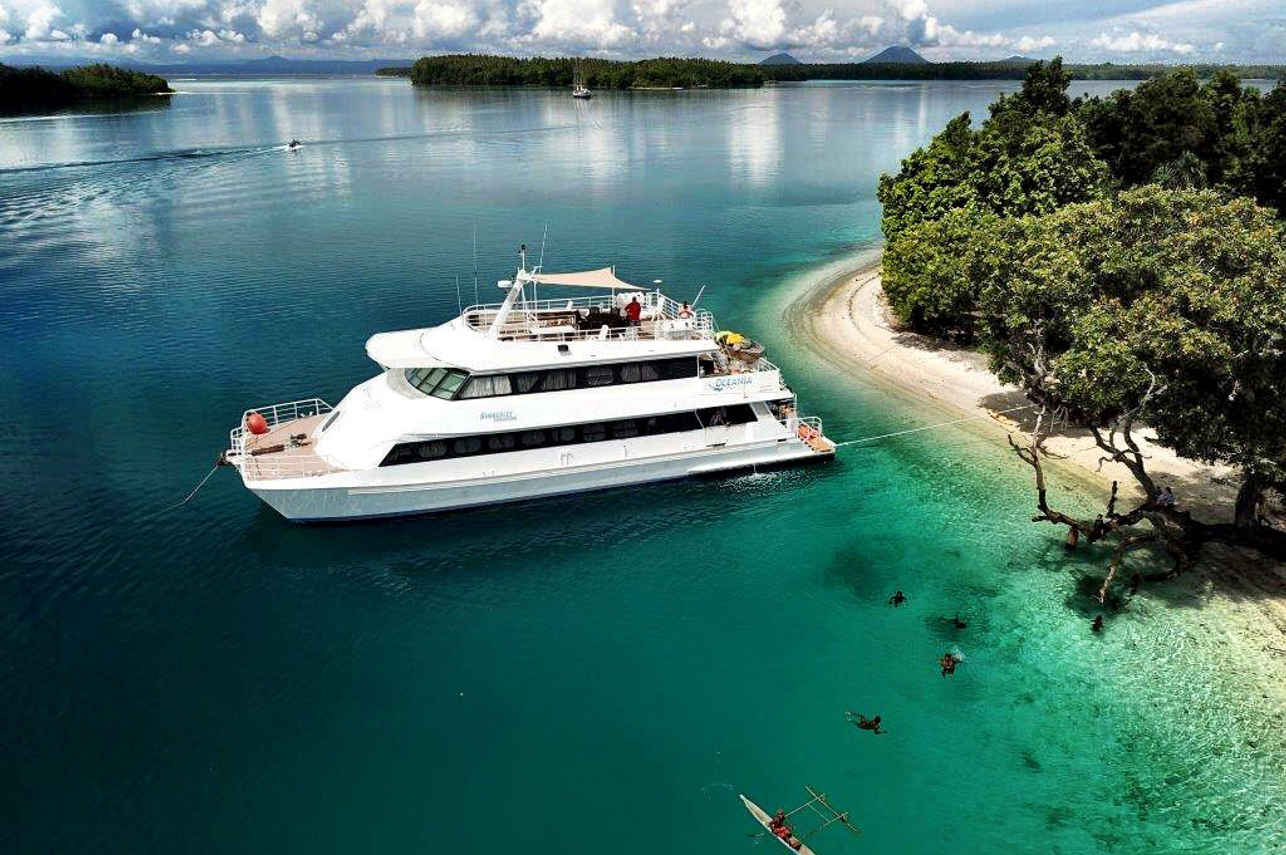
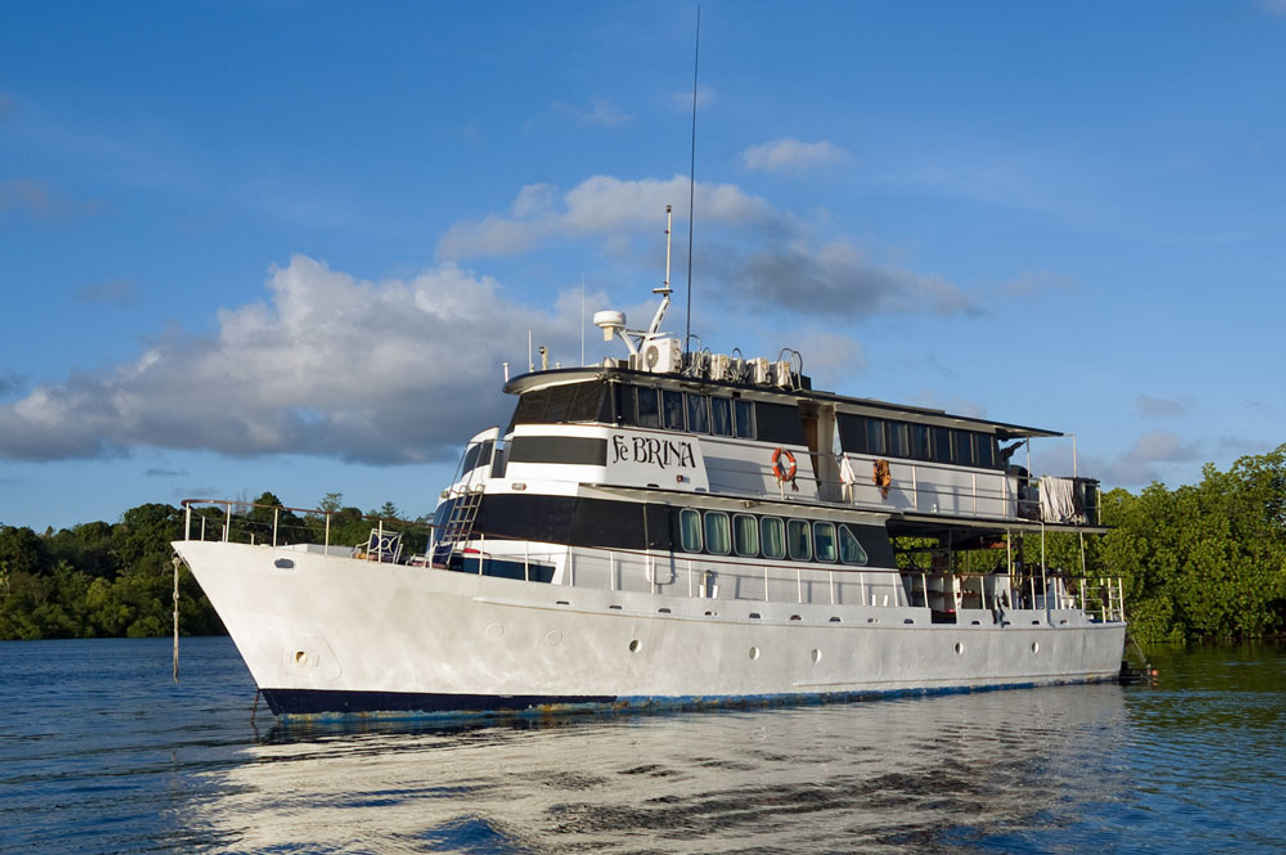
Below are the liveaboards that include Nateara Reef on their Papua New Guinea itineraries.
Liveaboards diving Nateara Reef
These liveaboards may visit Nateara Reef on selected itineraries — the exact dive sites depend on departure, weather and conditions.
Dive sites similar to Nateara Reef
Same character, same waters — six more sites divers love for the exact same reasons.Compare seasons, access and liveaboard routes — then pick the site that fits your trip best.
Giants at Home
Papua New Guinea
Giants at Home is a unique dive site nestled in a protected, shallow bay within Milne Bay, Papua New Guinea, specifically known as a thriving manta ray cleaning station.
- Suitable for
- Beginner
- Current
- Mild
- Access
- Liveaboard only
- Depth
- 1–8 m
- Theme
- Reef
Lissenung Island Reef
Papua New Guinea
Lissenung Island Reef is the house reef surrounding approximately two-thirds of Lissenung Island, located near Kavieng in Papua New Guinea.
- Suitable for
- Beginner
- Current
- Moderate
- Access
- Shore / dayboat
- Depth
- 2–10 m
- Theme
- Reef
Banana Bommie
Papua New Guinea
Banana Bommie is a prominent and highly regarded dive site situated at the northern mouth of Milne Bay in Papua New Guinea.
- Suitable for
- Advanced
- Current
- Moderate
- Access
- Liveaboard only
- Depth
- ≤ 40 m
- Theme
- Reef / Pinnacle
End Bommie
Papua New Guinea
End Bommie is a renowned dive site located in Bootless Bay, near Port Moresby, Papua New Guinea.
- Suitable for
- Advanced
- Current
- Strong
- Access
- Liveaboard or dayboat
- Depth
- 6–30 m
- Theme
- Reef / Wall
Lauadi
Papua New Guinea
Lauadi is a celebrated dive site within Milne Bay, Papua New Guinea, specifically recognized as the origin point of muck diving.
- Suitable for
- Beginner
- Current
- Moderate
- Access
- Shore / dayboat
- Depth
- 8–25 m
- Theme
- Reef
George's Wreck
Papua New Guinea
George's Wreck is a renowned dive site near Rabaul in Papua New Guinea, famous for its historical significance as a Japanese minelayer that reportedly ran aground after an Allied attack.
- Suitable for
- Advanced
- Current
- Moderate
- Access
- Liveaboard only
- Depth
- 12–60 m
- Theme
- Wreck / Reef