About The Bridge
The Bridge dive site in St. Maarten is a distinctive underwater environment formed from the remnants of the old Simpson Bay Bridge, which were deliberately sunk to create an artificial reef. This site is further enhanced by several scuttled boats, including the popular bar boat SV Nightingale, providing a diverse and expansive habitat for marine life. Located just west of Simpson Bay near the lagoon entrance, it offers a fascinating blend of man-made structures and burgeoning natural ecosystems. The topography consists of bridge debris, various wreck installations, seagrass beds, and sandy patches, all inviting exploration. Nature has reclaimed these submerged structures, creating an active and vibrant dive. Divers can expect to encounter a wide array of marine species, from various fish to eels, stingrays, and turtles. Reef sharks are also known to frequent the area, adding an exciting element to the dive. The site is shallow throughout the year, making it accessible and enjoyable in calm conditions. Diving at The Bridge typically involves exploring the various installations and the surrounding seagrass and sand. With light currents and a maximum depth of around 18 meters (60 feet), it's considered beginner-friendly, providing a safe and engaging experience. Access is usually by boat to managed moorings. Divers should be mindful of buoyancy when navigating around the structures and keep clear of any boat traffic near the lagoon entrance.
Highlights
Macro paradiseSeahorsesNight diving
Season calendar
Best months to dive here
Jan
Feb
Mar
Apr
May
Jun
Jul
Aug
Sep
Oct
Nov
Dec
Excellent
Good
Dive site facts: The Bridge
- Depth
- 8–18 m
- Typical dive
- 16 m, ~48 min
- Current
- Mild to none
- Visibility
- 12–30 m
- Water temperature
- 25–30°C
- Entry
- Boat
- Level
- Beginner
- Dive type
- Wreck, Artificial reef
- Region / port
- Dutch St. Maarten
- Coordinates
- 18.01, -63.028
Conditions & Currents
Most dive sites in St. Maarten, including The Bridge, feature little to no current, making for a very relaxed and enjoyable dive. This calm environment is ideal for observing marine life and exploring the intricate structures of the artificial reef without being concerned about drift. Visibility typically ranges from 12 to 30 meters, often reaching the higher end, which provides excellent viewing opportunities of the bridge remnants and associated wrecks. While the sea can occasionally be rough, especially in the wet season, the site generally remains quite calm. This predictable tranquility allows divers to comfortably spend ample time examining the unique topography and resident species, making it suitable for divers who prefer stable conditions and extended bottom times.
Marine life & sighting chances
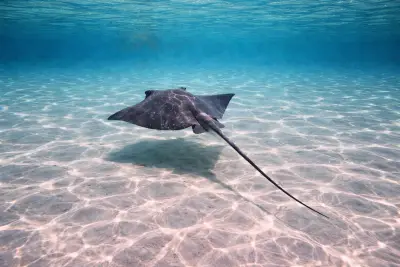
Stingray
common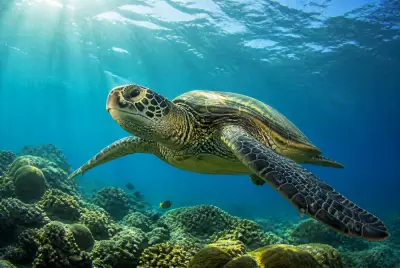
Sea Turtle
common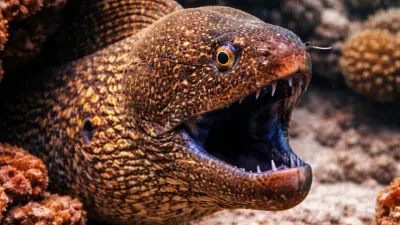
Moray Eel
common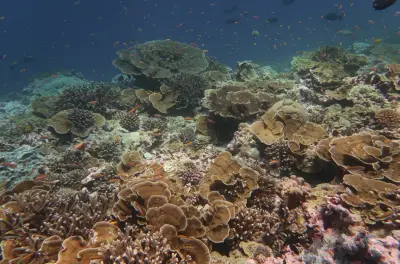
Tropical Fish
common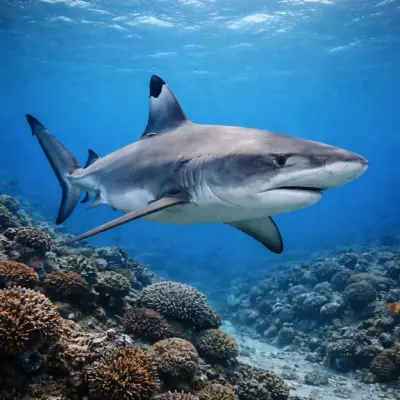
Reef Shark
common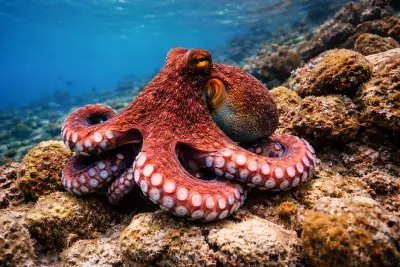
Octopus
common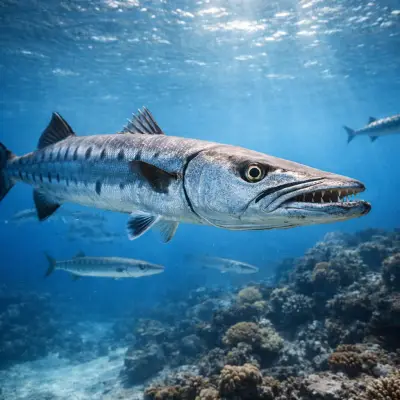
Barracuda
occasional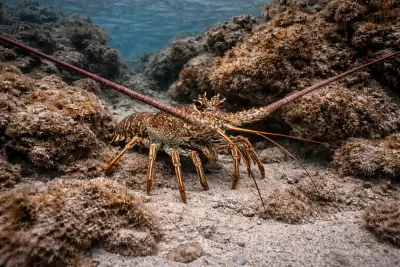
Spiny Lobster
occasional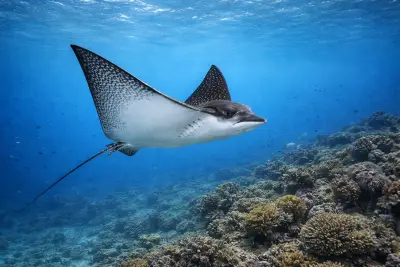
Spotted Eagle Ray
occasional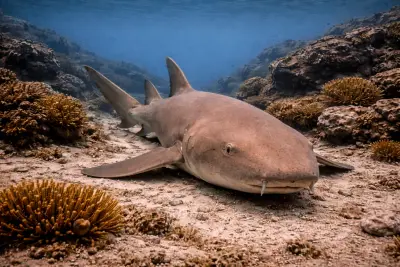
Nurse Shark
occasionalDive profile & how the dive runs
Divers typically begin with a giant stride entry from the dive boat, descending directly onto the artificial reef structures. The dive often starts by exploring the old Simpson Bay Bridge remnants, which are covered in marine growth and provide numerous hiding places for small reef fish and crustaceans. Following the main bridge structure, you can weave among the deliberately sunk yacht wrecks, such as the SV Nightingale, observing how life has colonized these artificial habitats. The maximum depth of the dive is around 16 meters, allowing for extended bottom times. You can follow the contours of the structures, looking for octopus in pilings or stingrays on the sandy patches surrounding the wrecks. The turn point is determined by air consumption, after which a slow ascent is made along the reef, with the safety stop conducted hovering over the shallower parts of the structures, observing the final moments of marine activity before surfacing.
Underwater photography
The Bridge offers excellent opportunities for wide-angle photography due to its expansive artificial structures and abundant marine life. A fisheye or wide-angle lens will capture the scale of the bridge remnants and multiple wrecks, often with schools of fish hovering above. For macro subjects like octopus and smaller crustaceans, a dedicated macro lens will yield impressive detail, especially within the nooks and crannies of the pilings. Utilize strobes to bring out the vibrant colors of the corals and sponges encrusting the structures. Buoyancy control is paramount to avoid disturbing the fragile ecosystems and to navigate smoothly around the underwater debris. Pay attention to the natural light filtering through the shallow waters, which can create dramatic effects. Patience is key for capturing elusive subjects like stingrays resting on the sand or a reef shark patrolling the area.
Combine with nearby dive sites
- Tug Boat Annie
Tug Boat Annie, located off the coast of St.
- Carib Cargo
The Carib Cargo, also known as Carib Ghost or RoRo, is an inter-island trader that now serves as one of St.
- HMS Proselyte
HMS Proselyte is a historic wreck site located just outside Philipsburg, within the protected Man of War Shoal Marine Park in St.
- Fish Bowl
Fish Bowl is a highly-regarded dive site located within St.
Getting there & logistics
Accessing The Bridge dive site typically involves a short boat ride from various dive operators located in Simpson Bay or Philipsburg on the Dutch side of St. Maarten. The primary airport for arrival is Princess Juliana International Airport (SXM). Most dive trips are scheduled as two-tank morning dives, often combining The Bridge with another nearby reef or wreck site. A marine park fee is usually included in dive package costs. While liveaboards are not common for St. Maarten itself, divers can incorporate St. Maarten diving into a broader Caribbean itinerary, sometimes flying to Saba after a few days. The island offers a mix of accommodations, from resorts to guesthouses, catering to various budgets. Consider that specific dive sites are chosen daily based on weather and sea conditions.
Safety & environment
Diving in St. Maarten is generally safe, but adherence to standard safety protocols is essential. Divers should always carry valid certification and dive insurance, such as DAN (Divers Alert Network), to cover potential emergencies. The nearest recompression chamber is approximately 10 kilometers away, so immediate evacuation for serious incidents is crucial. Site-specific hazards at The Bridge are minimal due to its relatively shallow depth and mild currents, but divers must maintain excellent buoyancy control to avoid contact with the artificial structures and marine life. Always dive within your training limits and comfort level. Pay attention to pre-dive briefings for any specific entry, exit, or route information. If you experience any health concerns, consult your dive operator; never dive while congested or feeling unwell. It is recommended to allow at least 24 hours between diving and flying.
Who it suits — and who it doesn't
Suited for
- Beginner divers seeking easy wreck exploration
- Underwater photographers interested in artificial reefs
- Divers who enjoy calm, shallow waters
- Marine life enthusiasts looking for diverse ecosystems
- Those who prefer relaxed, multi-tank dive trips
Less suited for
- Technical divers seeking extreme depths
- Divers solely interested in pristine natural coral formations
- Those who prefer strong current drift dives
- Advanced divers looking for challenging wreck penetration
- Divers expecting large pelagic encounters consistently
FAQ
The Bridge FAQ
What kind of structures will I see at The Bridge?
The Bridge dive site is primarily composed of the remnants of the old Simpson Bay Bridge, which were deliberately sunk to create an artificial reef. You will also encounter several other scuttled boats and yachts, including the SV Nightingale, all of which contribute to the diverse underwater landscape and provide shelter for marine life.
Is The Bridge suitable for beginner divers?
Yes, The Bridge is considered suitable for beginner divers. Its shallow depth, ranging from 8 to 18 meters, combined with generally mild to no currents, makes it an accessible and enjoyable site for those new to diving or looking for a relaxed experience. Dive operators often use this site for training and introductory dives.
What marine life can I expect to see at The Bridge?
The Bridge is teeming with marine life attracted to its artificial reef structures. You can frequently spot stingrays, sea turtles, moray eels, and various tropical fish. Reef sharks are often seen patrolling the area, and octopus frequently hide within the bridge pilings, offering great observational opportunities.
What is the visibility like at The Bridge?
Visibility at The Bridge is typically excellent, often ranging from 12 to 30 meters. These clear waters enhance the diving experience, allowing for great views of the entire artificial reef complex and its inhabitants. Good visibility is consistent year-round, contributing to enjoyable dives.
Can I combine a dive at The Bridge with other sites?
Yes, The Bridge is commonly combined with other nearby reef and wreck sites as part of a typical two-tank dive trip in St. Maarten. Dive operators often pair it with sites like Tug Boat Annie, Carib Cargo, or HMS Proselyte, offering a varied underwater experience within a single outing.
Why dive The Bridge from a liveaboard?
The Bridge is one of St. Maarten's signature dive sites. A liveaboard sleeps you on the water and puts you in the water for three to four guided dives per day, including dawn and night dives that day-boat operators rarely offer. You skip the daily commute back to port and reach quieter, less-crowded sites in the same region on a single trip.
Below are the liveaboards that include The Bridge on their St. Maarten itineraries.
Liveaboards diving The Bridge
These liveaboards may visit The Bridge on selected itineraries — the exact dive sites depend on departure, weather and conditions.
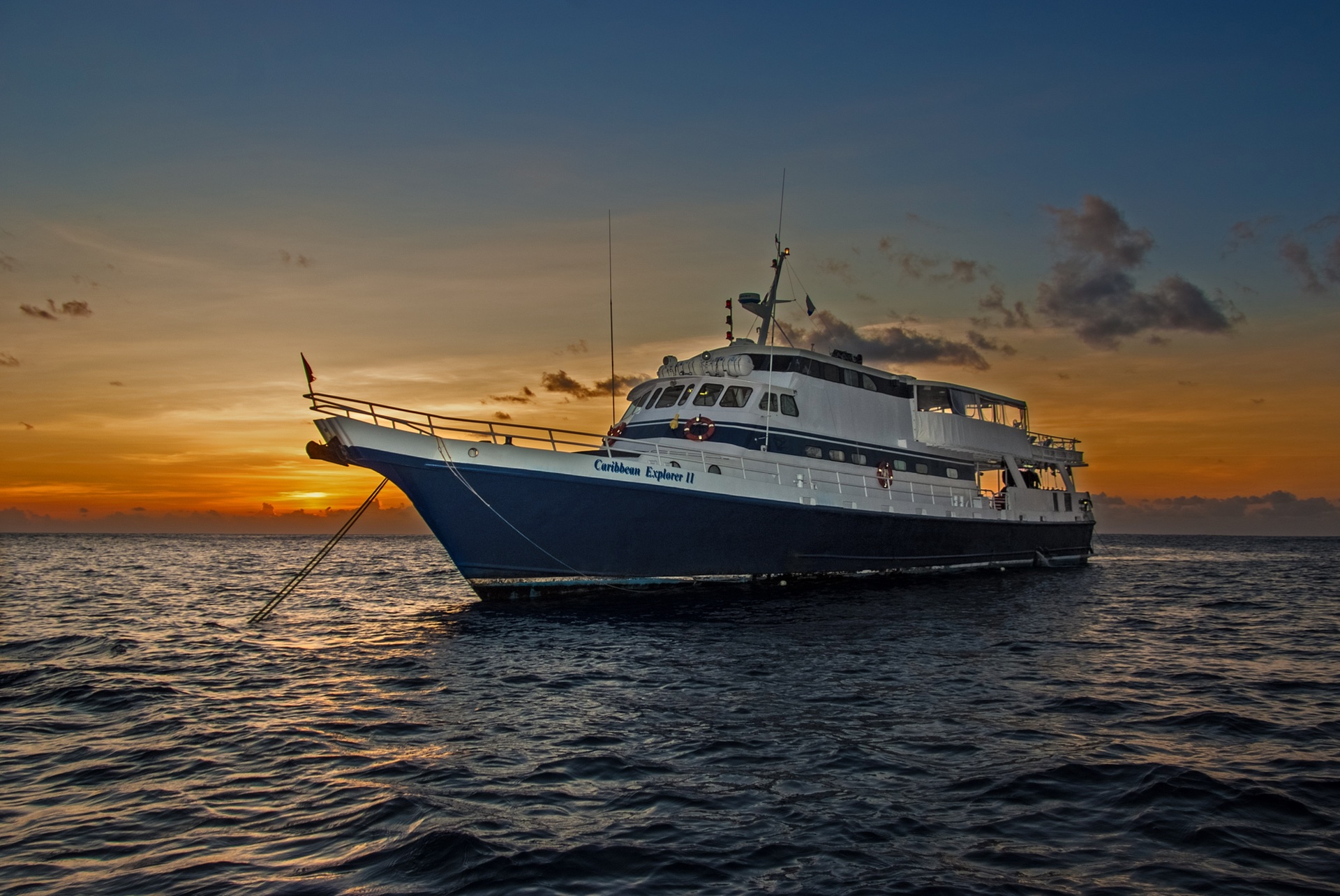
Caribbean Explorer II
St. Maarten
18 guests
$249/day
Dive sites similar to The Bridge
Same character, same waters — six more sites divers love for the exact same reasons.Compare seasons, access and liveaboard routes — then pick the site that fits your trip best.
The Gregory is a purpose-sunk barge, deployed in 1993, that now rests upside-down off the Dutch side of St. Maarten.
- Suitable for
- Intermediate
- Current
- Strong
- Access
- Liveaboard or dayboat
- Depth
- 10–17 m
- Theme
- Drift / Wall
© Esri — Maxar, Earthstar, GIS
Tug Boat Annie
St. Maarten
Tug Boat Annie, located off the coast of St. Maarten, is a popular wreck dive known for its shallow depth and rich marine biodiversity.
- Suitable for
- Beginner
- Current
- Strong
- Access
- Liveaboard or dayboat
- Depth
- 8–15 m
- Theme
- Wreck
The Isabella wreck in St. Maarten offers an engaging dive experience, featuring a barge intentionally sunk to create an artificial reef.
- Suitable for
- Beginner
- Current
- Strong
- Access
- Liveaboard or dayboat
- Depth
- 5–12 m
- Theme
- Reef / Wreck
The Fuh Sheng is a captivating deep wreck dive located near Cupecoy Cay in St. Maarten.
- Suitable for
- Advanced
- Current
- Moderate
- Access
- Liveaboard or dayboat
- Depth
- 20–30 m
- Theme
- Wreck
© Esri — Maxar, Earthstar, GIS
Charlie's Shoal
St. Maarten
Charlie's Shoal is a pristine fringing reef located just outside Simpson Bay on St. Maarten's south coast.
- Suitable for
- Beginner
- Current
- Mild
- Access
- Liveaboard or dayboat
- Depth
- 4–18 m
- Theme
- Reef / Wreck
© Esri — Maxar, Earthstar, GIS
Carib Cargo
St. Maarten
The Carib Cargo, also known as Carib Ghost or RoRo, is an inter-island trader that now serves as one of St. Maarten's premier wreck dive sites.
- Suitable for
- Intermediate
- Current
- Strong
- Access
- Shore / dayboat
- Depth
- 12–18 m
- Theme
- Wreck