About Isabella
The Isabella wreck in St. Maarten offers an engaging dive experience, featuring a barge intentionally sunk to create an artificial reef. This site has become a thriving home for a diverse array of marine life, making it a popular spot for both recreational divers and those keen on underwater photography. It represents the island's commitment to enhancing its underwater ecosystems by creating new habitats. Positioned within St. Maarten's abundant waters, Isabella provides a unique blend of wreck exploration and reef diving. The wreck is easily accessible, and its structure allows for exploration around and within its various compartments, attracting a multitude of fish species and invertebrates. Depths are generally well within recreational limits, making it suitable for a wide range of diver experience levels. While specific details on seasonality for Isabella are not extensively documented, St. Maarten generally enjoys year-round diving. The area's marine life is diverse, with common sightings of Caribbean reef fish, rays, and various crustaceans, thriving on and around the wreck. The constant warm water temperatures contribute to a comfortable diving environment throughout the year. Diving Isabella typically involves a boat entry, leading you directly to the wreck. Divers can spend their bottom time navigating the exterior, observing the coral growth and resident marine life, and for those trained, exploring the accessible interior sections. The dive concludes with a standard safety stop, often above the wreck itself, offering a final view of the bustling ecosystem.
Highlights
Artificial reef bargeThriving marine life habitatAccessible wreck explorationCoral growth on structureUnderwater photography opportunities
Season calendar
Best months to dive here
Jan
Feb
Mar
Apr
May
Jun
Jul
Aug
Sep
Oct
Nov
Dec
Excellent
Good
Dive site facts: Isabella
- Depth
- 5–18 m
- Typical dive
- 12–18 m, 45–60 min
- Current
- Mild
- Visibility
- 12–30 m
- Water temperature
- 25–30°C
- Entry
- Boat
- Level
- Open Water Diver
- Dive type
- Wreck, reef
- Night dive
- Possible
- Region / port
- Sint Maarten
- Coordinates
- 18.006, -63.038
Conditions & Currents
Most dive sites around St. Maarten, including Isabella, typically experience minimal to no current, making for relaxed and straightforward dives. However, occasional stronger currents can occur, particularly during peak trade wind seasons from January through April, or due to northerly swells from December to March which can also introduce surface chop. Visibility generally ranges from 12 to 30 meters, but this can temporarily decrease after heavy rainfall or during rougher sea conditions. Divers should always check with local operators for the most current conditions and be prepared for potential variations. Entry and exit are typically boat-based, directly above the site.
Marine life & sighting chances

Caribbean reef shark
occasional
Nurse shark
occasional
Eagle ray
occasional
Green sea turtle
occasional
Hawksbill sea turtle
occasional
Moray eel
common
Barracuda
common
Blue tang
common
Trumpetfish
common
Angelfish
common
Parrotfish
common
Lobster
commonDive profile & how the dive runs
Your dive at Isabella begins with a boat entry, typically a giant stride, directly over or near the wreck. Upon descent, you'll reach the top of the barge structure at around 5-8 meters, providing ample shallow exploration time. The dive proceeds by circumnavigating the wreck, observing the exterior adorned with corals and sponges, and resident reef fish. Depending on your certification and comfort, you can investigate the open compartments of the barge, looking for resident moray eels and lobsters. The maximum depth reached around the wreck's base is approximately 18 meters. You will typically spend around 45-60 minutes exploring before beginning a slow ascent, completing your safety stop above the wreck while observing schooling fish.
Underwater photography
Isabella is an excellent site for underwater photography, particularly for wide-angle shots of the wreck structure covered in marine growth and the abundant schooling fish around it. A wide-angle lens will capture the scope of the artificial reef and the bustling ecosystem it supports. For macro enthusiasts, there are plenty of smaller subjects like nudibranchs, crabs, and juvenile fish hiding within the wreck's crevices and coral formations. Good buoyancy control is essential to avoid disturbing the fragile marine life and stirring up sediment, which can quickly reduce visibility for your shots. Consider bringing external strobes to bring out the vibrant colors of the corals and fish against the wreck's backdrop, especially in deeper or shadowed sections of the barge.
Combine with nearby dive sites
- Fish Bowl
A circular dive site within the Man O'War Shoal Marine Park, featuring a spectacular swim-through.
- Charlie's Shoal
An undisturbed fringing reef outside Simpson Bay, offering calm waters and chances for turtle and ray encounters.
- HMS Proselyte
St. Maarten's most famous wreck, an 1801 frigate heavily covered in coral and suitable for all diver levels.
- Carib Cargo
A penetrable wreck of a former inter-island trader, known for clear water and diverse marine life.
- Fuh Sheng
A deep artificial reef wreck of a former fishing vessel, best suited for advanced divers.
Getting there & logistics
Accessing Isabella typically involves flying into Princess Juliana International Airport (SXM) on the Dutch side of St. Maarten. Dive operations predominantly depart from Philipsburg or Simpson Bay. Most dive trips are day excursions, often combined with other nearby sites due to the island's compact size and numerous dive opportunities. There are no specific permits required for individual divers to visit Isabella beyond standard dive operator fees. Trips usually last a full or half-day, focusing on 1-2 dives. St. Maarten also serves as a hub for liveaboards that visit surrounding islands like Saba or St. Kitts, providing options for extended dive holidays.
Safety & environment
Diving in St. Maarten is generally safe, with reputable operators maintaining high standards. The nearest recompression chamber is located in Saba, requiring an emergency evacuation by boat or air, which can be time-consuming and costly. Therefore, comprehensive dive insurance, such as that provided by DAN, is highly recommended. Always carry your certification card and ensure you are in good health before diving. Site-specific hazards at Isabella are minimal due to its mild currents and shallow to moderate depths, but divers should remain aware of potential entanglement points on the wreck and avoid penetration unless specifically trained and accompanied. Always follow your dive guide's instructions and maintain good buoyancy control to prevent damage to the wreck and marine life.
Who it suits — and who it doesn't
Suited for
- Open Water certified divers
- Wreck enthusiasts
- Underwater photographers
- Divers seeking abundant reef fish
- Beginners gaining experience
Less suited for
- Technical divers seeking extreme depths
- Divers exclusively interested in large pelagic encounters
- Divers preferring pristine natural coral walls
- Those uninterested in artificial reefs
- Divers seeking strong current drift dives
FAQ
Isabella FAQ
What kind of marine life can I expect to see at Isabella?
At Isabella, you can anticipate a rich variety of reef fish, including blue tangs, trumpetfish, and various angelfish and parrotfish. Moray eels and lobsters commonly hide within the wreck's structure. Occasional sightings of nurse sharks, Caribbean reef sharks, eagle rays, and sea turtles like greens and hawksbills also occur, making each dive unique.
Is Isabella suitable for new divers?
Yes, Isabella is highly suitable for new divers, including those with Open Water certification. Its relatively shallow depth, typically mild currents, and good visibility provide a comfortable and safe environment for gaining experience. The wreck's structure and diverse marine life offer engaging points of interest without being overly challenging.
Can I penetrate the Isabella wreck?
The Isabella wreck is a barge, and some sections may be open for limited penetration if you are appropriately trained and accompanied by a guide. However, extensive penetration requires specialized wreck diving certification. Always consult with your dive operator and guide regarding safe penetration options, and never attempt dives beyond your training level.
What is the water temperature like at Isabella?
Water temperatures at Isabella are invitingly warm year-round. They typically range from 25-27°C (77-80°F) during the cooler winter months (November-March) and rise to 28-30°C (81-88°F) in the summer (April-October). A 3mm wetsuit or shorty is usually sufficient for comfort, with some divers opting for just a swimsuit in summer.
How good is the visibility at this dive site?
Visibility at Isabella is generally very good, often ranging from 12 to 30 meters (40 to 100 feet). This clarity provides excellent conditions for exploring the wreck and observing marine life. However, visibility can be temporarily affected by strong winds creating chop, or runoff from heavy rainfall, so it's always best to check local conditions on the day of your dive.
Are there night diving opportunities at Isabella?
Yes, night diving at Isabella is often possible and highly recommended. The wreck transforms after dark, revealing different marine creatures, such as sleeping parrotfish, hunting lobsters, and various nocturnal crabs. Night dives offer a unique perspective on the site's ecosystem and present excellent opportunities for specialized underwater photography.
Why dive Isabella from a liveaboard?
Isabella is one of St. Maarten's signature dive sites. A liveaboard sleeps you on the water and puts you in the water for three to four guided dives per day, including dawn and night dives that day-boat operators rarely offer. You skip the daily commute back to port and reach quieter, less-crowded sites in the same region on a single trip.
Below are the liveaboards that include Isabella on their St. Maarten itineraries.
Liveaboards diving Isabella
These liveaboards may visit Isabella on selected itineraries — the exact dive sites depend on departure, weather and conditions.
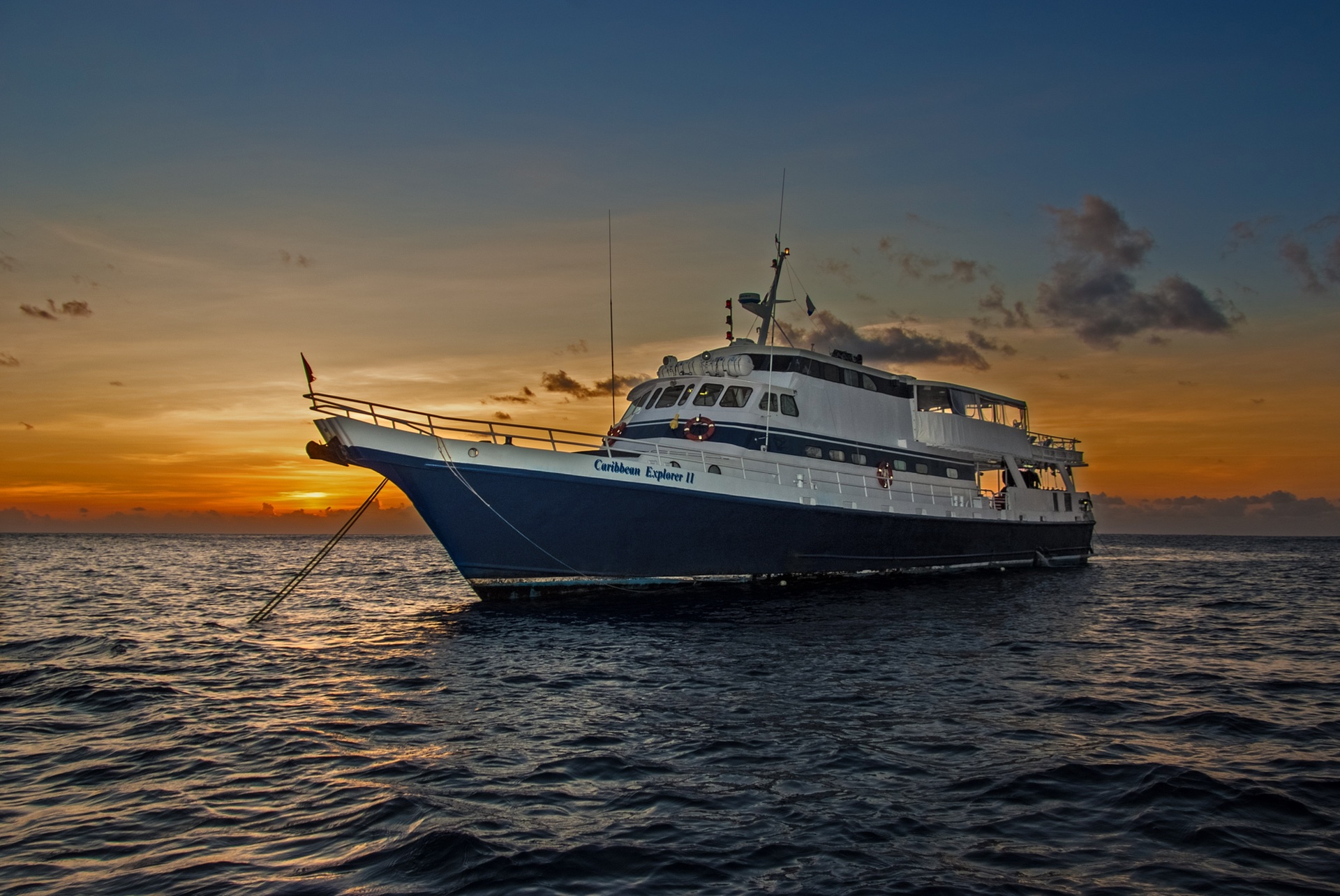
Caribbean Explorer II
St. Maarten
18 guests
$224/day
Dive sites similar to Isabella
Same character, same waters — six more sites divers love for the exact same reasons.Compare seasons, access and liveaboard routes — then pick the site that fits your trip best.
© Esri — Maxar, Earthstar, GIS
Proselyte Reef
St. Maarten
Proselyte Reef, located off the south coast of Sint Maarten near Philipsburg, is the island's most renowned dive site.
- Suitable for
- Beginner
- Current
- Mild
- Access
- Liveaboard or dayboat
- Depth
- ≤ 15 m
- Theme
- Reef
© Esri — Maxar, Earthstar, GIS
Little Bay
St. Maarten
Little Bay, situated in St. Maarten, offers an easily accessible dive and snorkel site, distinguishing itself with a unique underwater sculpture park located directly off the beach.
- Suitable for
- Beginner
- Current
- No current
- Access
- Shore / dayboat
- Depth
- 6–6 m
- Theme
- Reef
La Renee is a deep, open-water wreck situated off the coast of Saint Martin, accessible only by boat.
- Suitable for
- Advanced
- Current
- Moderate
- Access
- Liveaboard or dayboat
- Depth
- 40–40 m
- Theme
- Reef
Big Momma is a natural coral reef system located within the protected Man of War Shoal Marine Park in St. Maarten, known for its extensive coral formations surrounding a sandy seabed.
- Suitable for
- Beginner
- Current
- Mild
- Access
- Liveaboard or dayboat
- Depth
- 12–50 m
- Theme
- Reef
© Esri — Maxar, Earthstar, GIS
Carib Ghost
St. Maarten
The Carib Ghost, also known as Carib Cargo or RORO, is a prominent wreck dive site in St. Maarten, situated off Philipsburg.
- Suitable for
- Beginner
- Current
- Mild
- Access
- Liveaboard or dayboat
- Depth
- 26–26 m
- Theme
- Reef
© Esri — Maxar, Earthstar, GIS
Basse Espagnole
St. Maarten
Located in the Réserve Naturelle de St. Martin on the French side of the island, Basse Espagnole is celebrated for its thriving coral life and preserved marine environment.
- Suitable for
- Beginner
- Current
- Mild
- Access
- Liveaboard or dayboat
- Depth
- ≤ 18 m
- Theme
- Reef