About Barracuda Lake
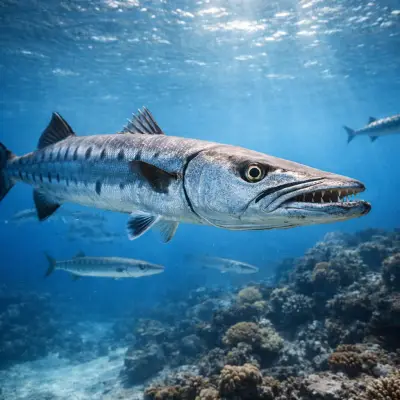
Barracuda Lake presents a truly unique freshwater diving experience in Coron, Palawan, drawing divers with its extraordinary geological features and unusual thermal layers. Situated within towering limestone karsts, this landlocked lake is accessible via a short hike and offers a serene, current-free environment ideal for exploration. The lake is renowned for its distinct thermoclines and haloclines. A layer of fresh water rests atop warmer saltwater, creating fascinating visual distortions and dramatic temperature shifts as you descend. Submerged limestone formations give the underwater landscape an otherworldly appearance, often described as an 'underwater moonscape.' While marine life is less abundant compared to coral reefs, the lake is home to a resident barracuda from which it gets its name, alongside small fish and snails. The primary allure lies in its geological oddities and the unique sensation of diving through varying water temperatures, with temperatures ranging from a comfortable 31°C in the freshwater layer to a hot 38°C in the saltwater. Dive operators in Coron frequently include Barracuda Lake in their itineraries, often combining it with other local sites. Its calm conditions and exceptional visibility make it suitable for a range of divers, from snorkelers to advanced open water divers keen to explore its deeper, warmer zones.
Highlights
Unique thermocline experienceUnderwater limestone formationsFreshwater and saltwater layersResident barracuda sightingsCalm, current-free divingCrystal-clear visibilityGeothermal hot waterOtherworldly landscape
Season calendar
Best months to dive here
Jan
Feb
Mar
Apr
May
Jun
Jul
Aug
Sep
Oct
Nov
Dec
Excellent
Good
Dive site facts: Barracuda Lake
- Depth
- Up to 35 m
- Typical dive
- 18 m, 50–60 min
- Current
- Calm
- Visibility
- 8–20 m
- Water temperature
- 28–38°C
- Entry
- Shore / Boat & Walk
- Level
- OWD recommended, AOWD for deeper zones
- Dive type
- Wall, Lake
- Region / port
- Coron, Palawan
- Coordinates
- 11.983, 120.238
Conditions & Currents
Barracuda Lake is distinguished by its almost complete lack of currents, providing a remarkably calm and serene diving environment. This absence of water movement makes it an excellent site for all diver levels, particularly those less experienced with strong currents. Visibility within the lake is generally excellent, often reaching between 8 and 20 meters, though the halocline layer between the freshwater and saltwater can create temporary visual distortions. A unique aspect of the dive is encountering dramatic thermoclines, where water temperature significantly increases from around 31°C in the freshwater layer to a warm 38°C at approximately 15 meters depth, caused by geothermal vents. Divers should be prepared for these temperature changes, which can be quite pronounced. Entry into the lake typically involves a short swim from the boat to a dock, followed by a somewhat steep descent
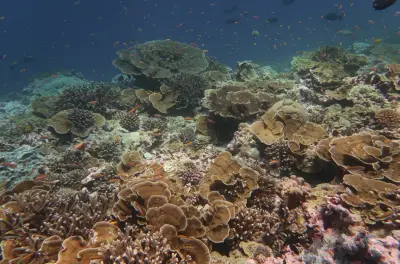
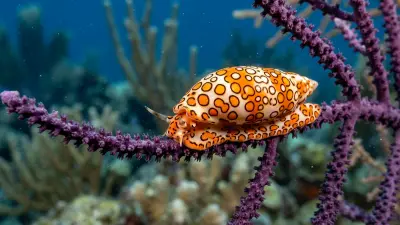
Marine life & sighting chances
Dive profile & how the dive runs
Access to Barracuda Lake begins with a short boat ride from Coron, followed by a swim to a dock and a brief, somewhat steep walk down a path with your gear to the lake's edge. Entry is typically a shore entry. Upon descent, you'll immediately notice the clear freshwater layer, gradually transitioning into a blurry halocline around 10-15 meters as it mixes with saltwater. Below this, the dramatic thermocline creates a noticeable increase in water temperature, reaching up to 38°C. The dive largely consists of exploring the unique limestone rock formations along the walls and bottom, resembling an underwater canyon or moonscape. Divers often follow a route that descends gradually, allowing exploration of the different thermal layers and formations down to a maximum of 35 meters. The dive is usually a relaxed exploration, with no currents to contend with. The safety stop is typically performed in the cooler, shallower freshwater layer, where visibility is excellent.
Underwater photography
Barracuda Lake offers distinct photographic opportunities, primarily focusing on its unique geological features and thermoclines rather than marine life. Wide-angle lenses are ideal for capturing the expansive limestone formations and the surreal underwater landscape, particularly the dramatic walls that plunge into the depths. Experiment with capturing the visible halocline and thermocline layers, which create fascinating blurry effects and visual distortions; these are often best shot with available light or a wide, even light source. While strobes can be useful to illuminate the rock formations, be mindful of backscatter, especially when shooting through the visible water layers. Due to the limited marine life, macro photography is generally not the primary focus, though you might capture small fish or snails on the bottom. Buoyancy control is crucial to avoid disturbing the fine silt on the lakebed and maintain clear shots.
Combine with nearby dive sites
- Coron Bay — Skeleton Wreck
A popular wreck dive in Coron Bay, featuring a Japanese supply ship from WWII.
- Okikawa Maru
A large Japanese tanker wreck from WWII, offering accessible penetration opportunities.
- Irako Wreck
One of the most intact and challenging WWII wrecks in Coron Bay, known for deep penetration.
- Sangat Island
Home to several Japanese WWII wrecks and vibrant reef diving.
Getting there & logistics
To reach Barracuda Lake, you typically fly into Busuanga Airport (USU) in Coron, Palawan. From there, you'll take a short transfer to Coron Town, the main departure point for dive trips. Most dive operators in Coron offer day trips that include Barracuda Lake, often combined with other local attractions like WWII wrecks or lagoons. A 200 peso ecological fee is usually required upon arrival at the lake, which may be included in your dive package. Trips are generally shore-based, with divers transferring from a boat to a dock and then walking to the lake. Liveaboards focusing on Coron Bay's wrecks may also incorporate Barracuda Lake into their itineraries. No special permits beyond standard dive tour arrangements are usually required for recreational diving.
Safety & environment
Diving Barracuda Lake requires adherence to standard dive safety protocols and an awareness of its unique environment. The nearest recompression chamber is in Puerto Princesa, making immediate evacuation a significant logistical challenge; therefore, comprehensive dive insurance covering emergency medical care and evacuation is strongly advised. Specific hazards at Barracuda Lake include navigating the somewhat steep and uneven path from the dock to the lake's entry point with heavy gear, requiring careful footing. Divers should also be aware of the dramatic thermoclines and haloclines, which can cause temporary visual disorientation and unusual temperature sensations. Always follow your local guide's instructions for routes and depths, and be mindful of your depth and no-decompression limits, especially in the deeper, warmer zones. Hydration is important due to the warmer water temperatures encountered.
Who it suits — and who it doesn't
Suited for
- Beginner divers seeking calm conditions
- Photographers interested in unique geological features
- Divers curious about thermoclines and haloclines
- Those looking for a non-traditional dive experience
- Snorkelers and freedivers
Less suited for
- Divers prioritizing abundant marine biodiversity
- Those who dislike dramatic temperature changes underwater
- Individuals with mobility issues due to the entry path
- Divers seeking strong currents or pelagic action
FAQ
Barracuda Lake FAQ
What makes Barracuda Lake unique for diving?
Barracuda Lake is unique for its distinct thermoclines and haloclines, where layers of freshwater meet saltwater, creating blurred visual effects and dramatic temperature changes from 31°C to 38°C. Its underwater landscape is characterized by fascinating limestone formations, giving it an otherworldly appearance. The absence of currents also provides a serene dive environment.
Is Barracuda Lake suitable for beginner divers?
Yes, Barracuda Lake is considered relatively suitable for Open Water divers due to its calm, current-free conditions and excellent visibility. However, to explore the deeper sections and experience the full range of thermoclines, an Advanced Open Water certification is recommended. Always dive with an experienced local guide.
What marine life can I expect to see in Barracuda Lake?
Unlike traditional coral reef dives, Barracuda Lake is not known for abundant marine life. The main attraction is the unique geological formations and the thermal layers. You might spot the resident barracuda, from which the lake gets its name, along with some small fish and snails on the bottom. The dive is more about the experience of the environment itself.
How do I get to Barracuda Lake?
To get to Barracuda Lake, you typically fly to Busuanga Airport (USU) in Coron, Palawan. From Coron Town, dive operators arrange boat trips to the lake's entrance. The final approach involves a short swim to a dock and a walk over limestone steps to reach the water, which can be challenging with full dive gear.
What are the water temperatures like in Barracuda Lake?
The water temperatures in Barracuda Lake are quite varied and form distinct layers. The surface freshwater layer is usually around 31°C. As you descend, you'll pass through a halocline, and then encounter a thermocline around 15 meters where the water temperature sharply rises to a warm 38°C due to geothermal activity. This thermal shift is a highlight of the dive.
Why dive Barracuda Lake from a liveaboard?
Barracuda Lake is one of Philippines's signature dive sites. A liveaboard sleeps you on the water and puts you in the water for three to four guided dives per day, including dawn and night dives that day-boat operators rarely offer. You skip the daily commute back to port and reach quieter, less-crowded sites in the same region on a single trip.
Below are the liveaboards that include Barracuda Lake on their Philippines itineraries.
Liveaboards diving Barracuda Lake
These liveaboards may visit Barracuda Lake on selected itineraries — the exact dive sites depend on departure, weather and conditions.
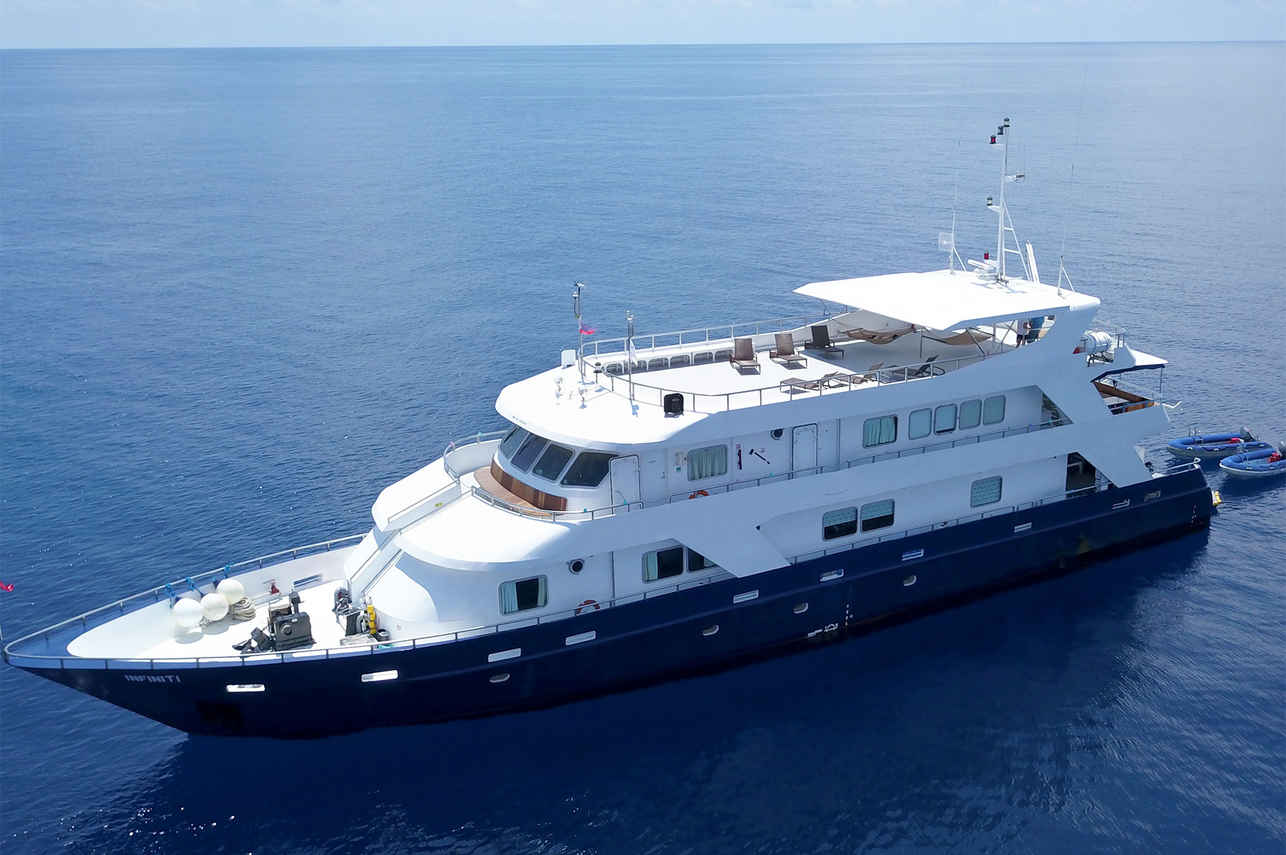
Infiniti
Philippines
25 guests39 m
$280/day
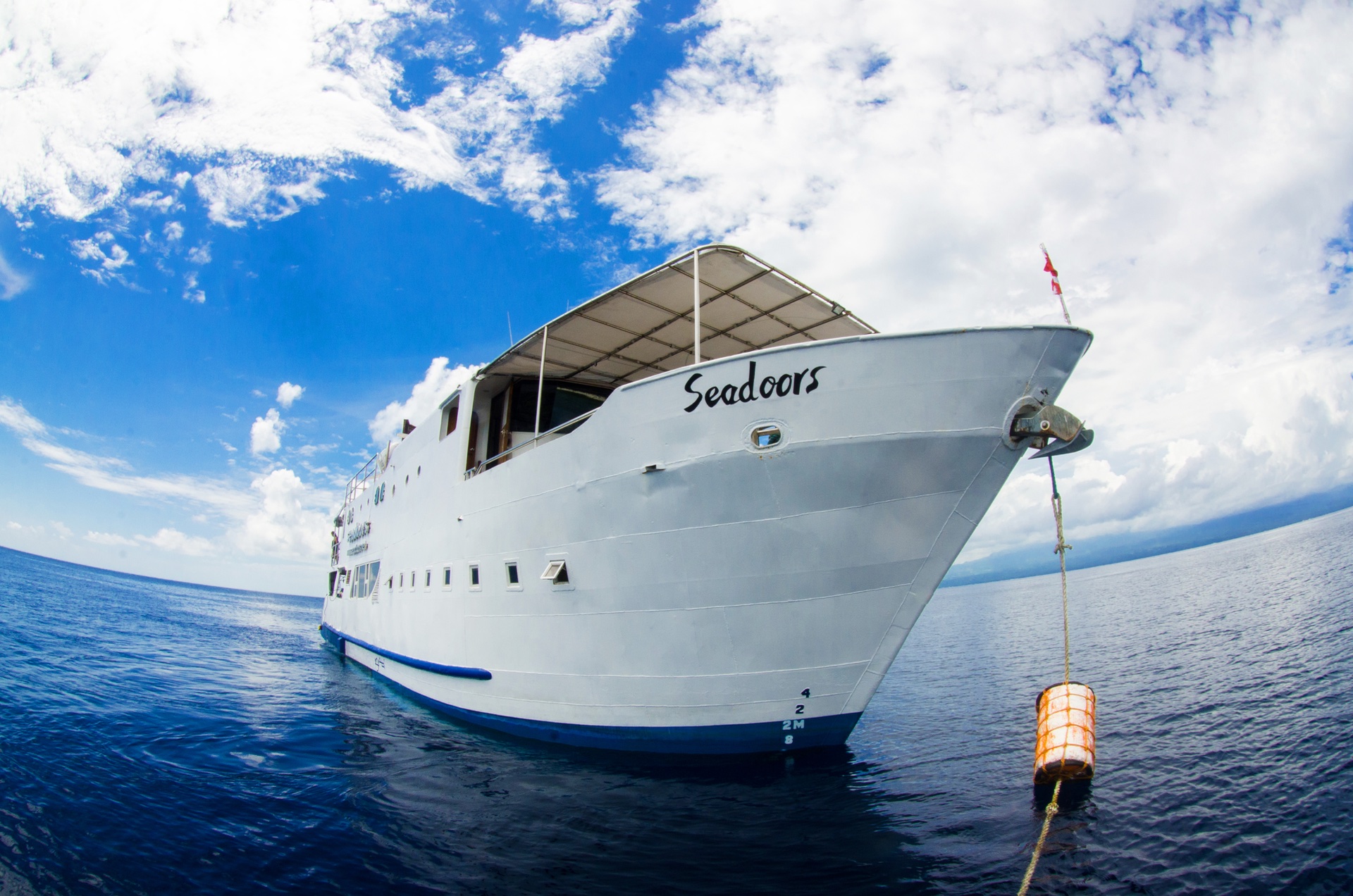
Seadoors
Philippines
16 guests25 m
$335/day
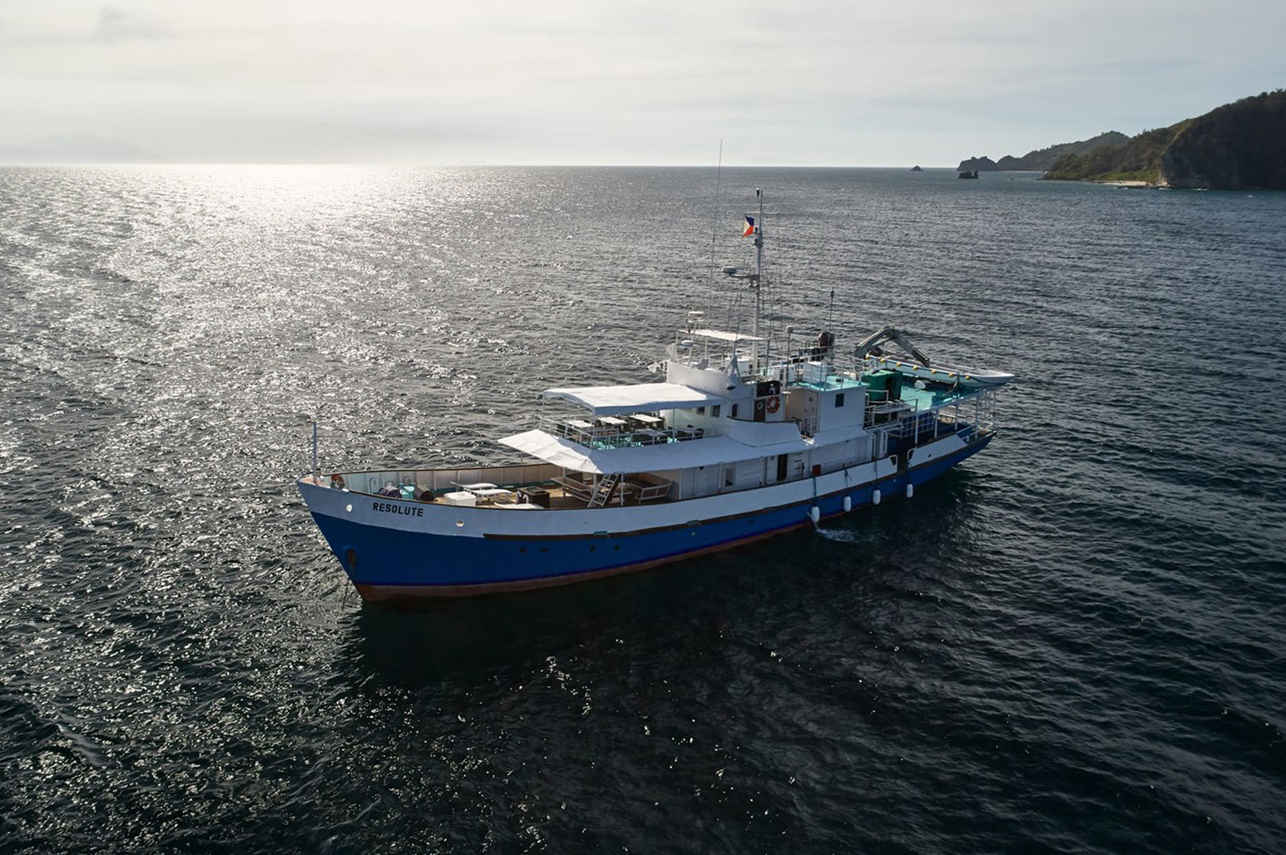
Resolute
Philippines
16 guests34.6 m
$314/day
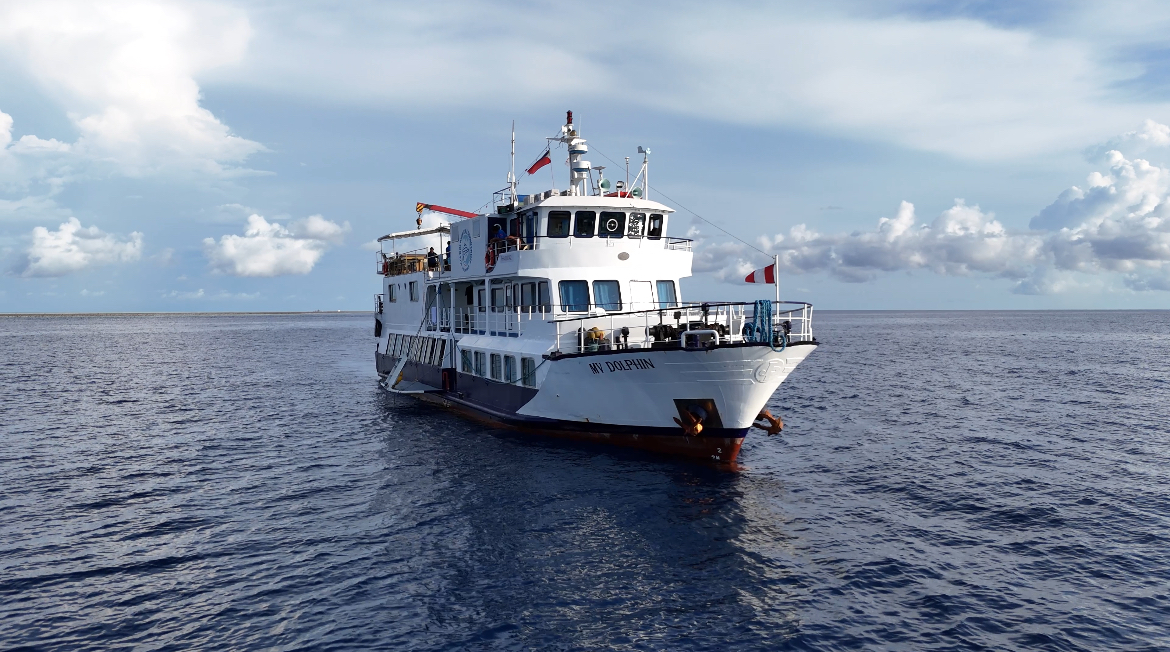
Dolphin
Philippines
18 guests31 m
$326/day
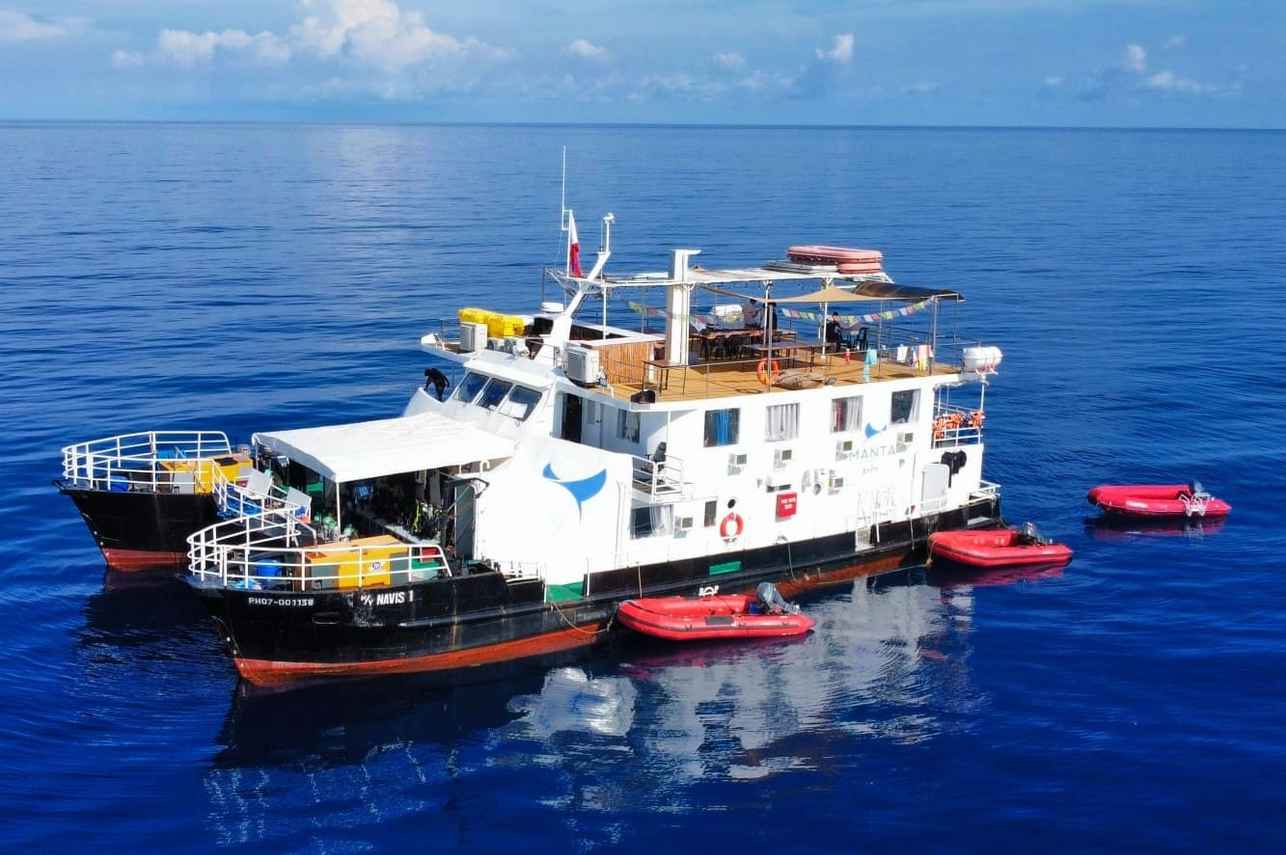
Navis 1
Philippines
22 guests23 m
$250/day
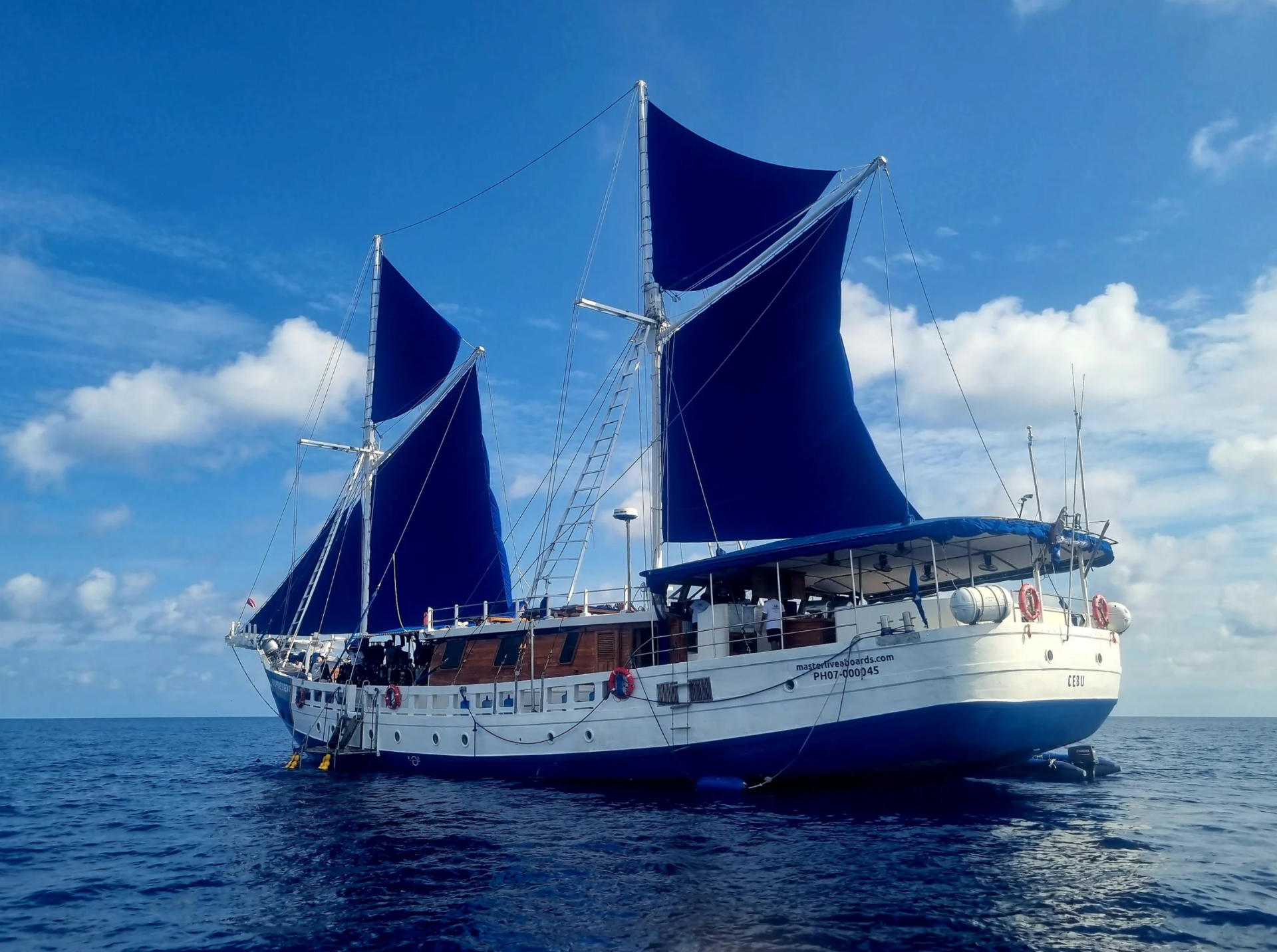
Philippine Siren
Philippines
16 guests
$309/day
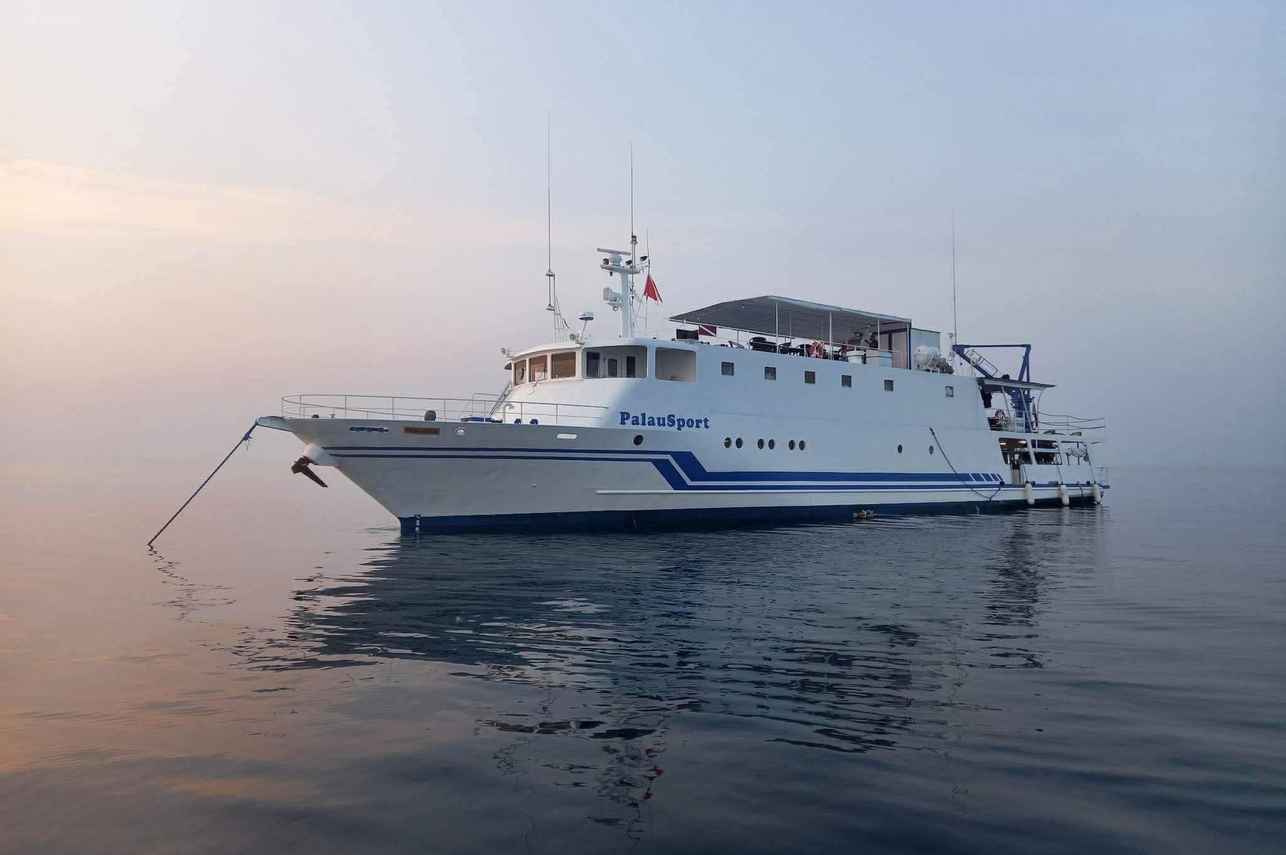
Palau Sport
Philippines
24 guests38.35 m
$215/day
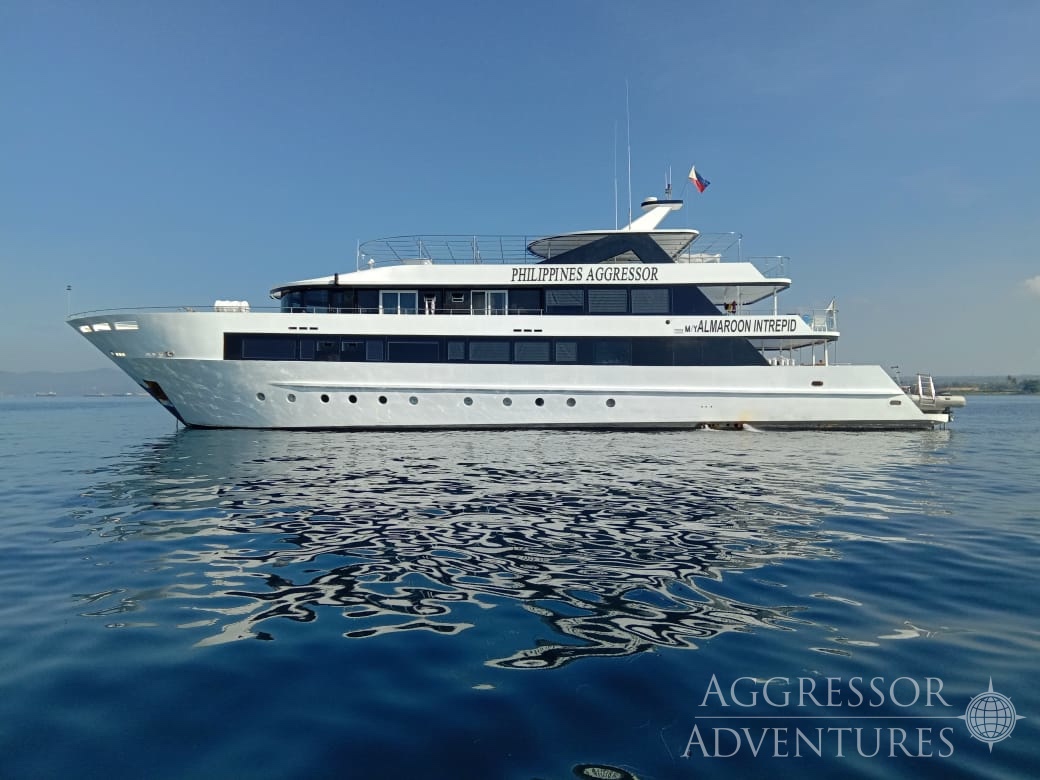
Philippines Aggressor
Philippines
26 guests42.7 m
$381/day
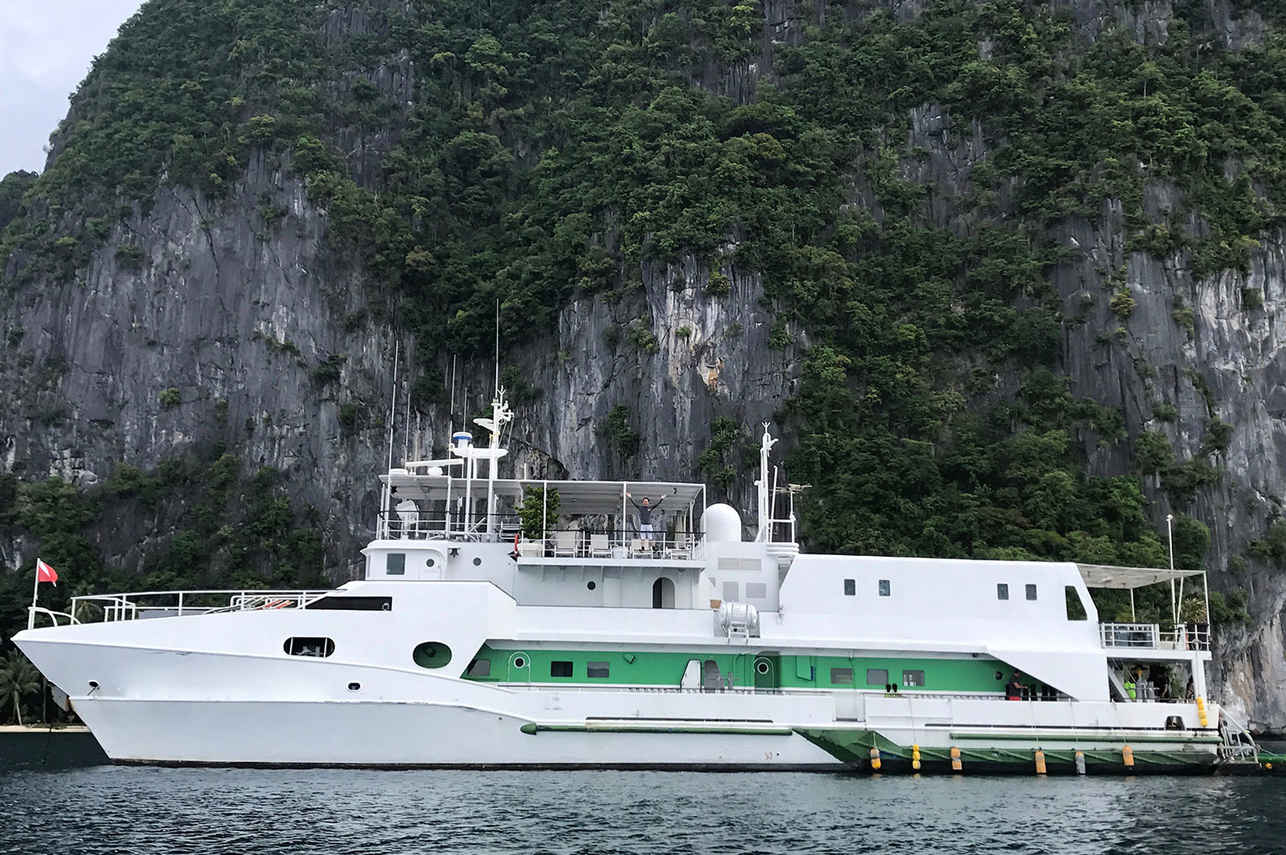
Stella Maris Explorer
Philippines
20 guests33 m
$398/day
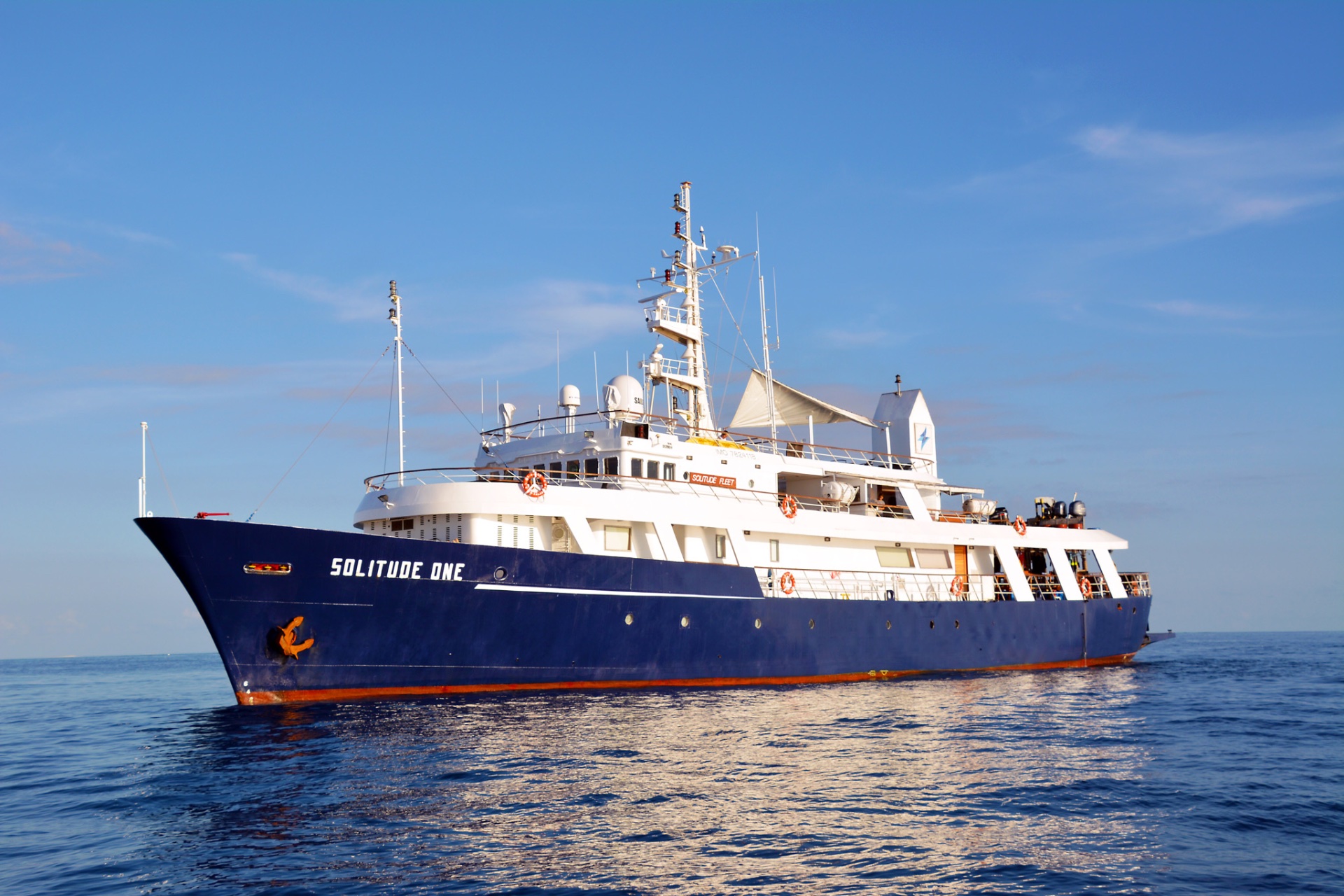
Solitude One
Philippines
24 guests52 m
$460/day
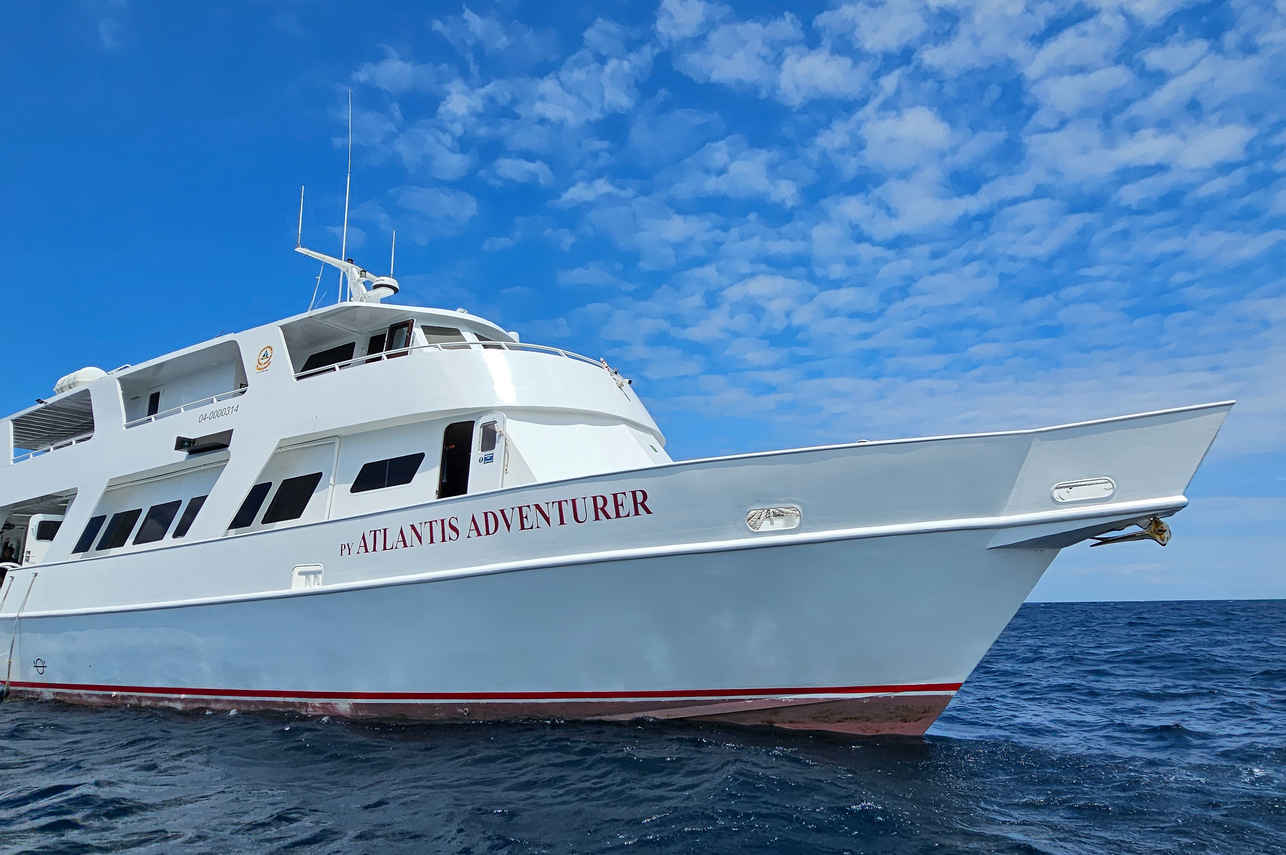
Atlantis Adventurer
Philippines
16 guests32.5 m
$421/day
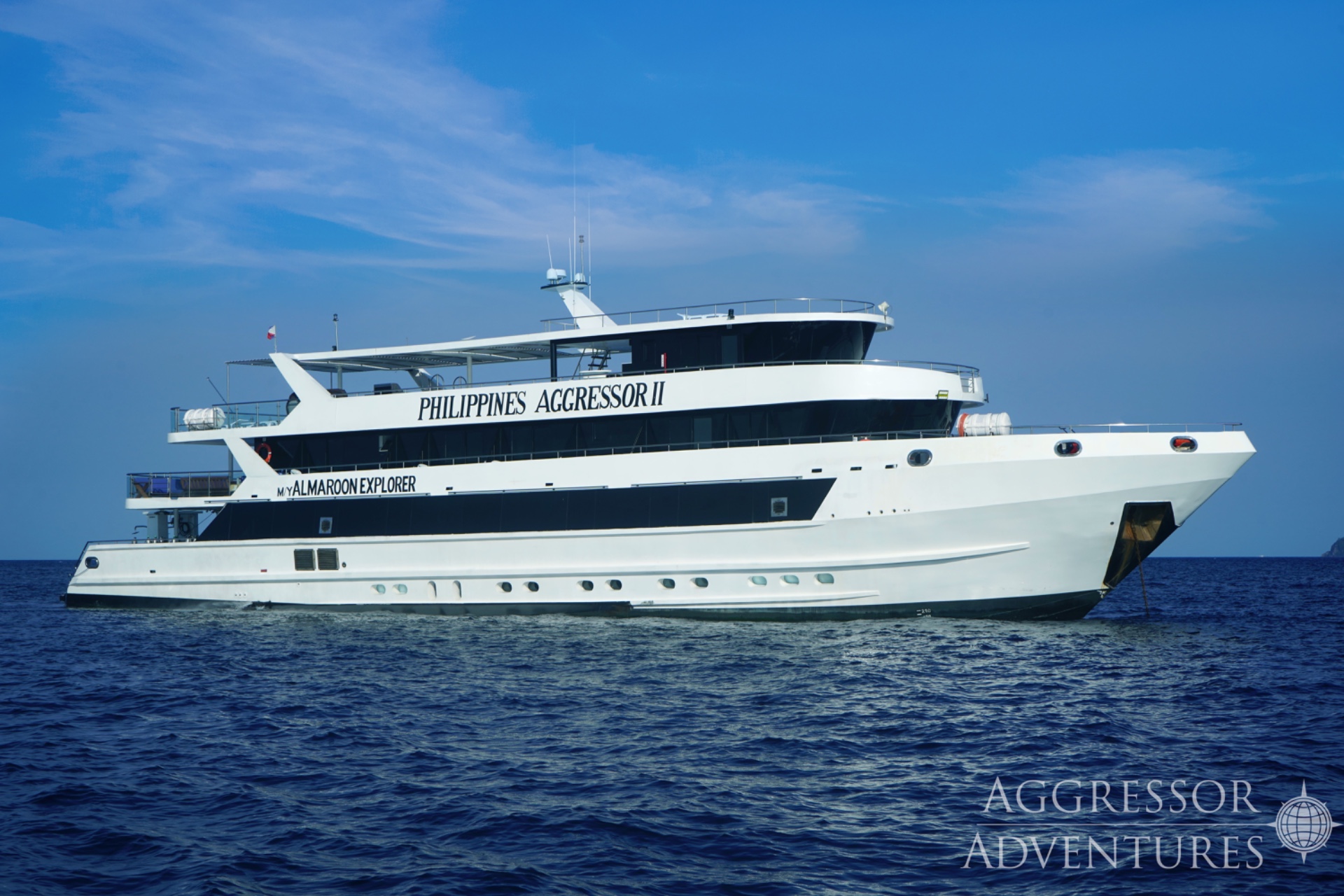
Philippines Aggressor II
Philippines
26 guests42.7 m
$247/day
Dive sites similar to Barracuda Lake
Same character, same waters — six more sites divers love for the exact same reasons.Compare seasons, access and liveaboard routes — then pick the site that fits your trip best.
© Esri — Maxar, Earthstar, GIS
Big La Laguna
Philippines
Big La Laguna is a beach community situated on the western edge of the Sabang Peninsula, a popular dive region on Mindoro Island, Philippines.
- Suitable for
- Intermediate
- Current
- Moderate
- Access
- Dayboat
- Depth
- 5–35 m
- Theme
- Reef / Wall
© Esri — Maxar, Earthstar, GIS
Black Forest
Philippines
Black Forest is a premier dive site located off Balicasag Island, renowned for its exceptional marine biodiversity and distinct topography.
- Suitable for
- Intermediate
- Current
- Strong
- Access
- Liveaboard or dayboat
- Depth
- 10–30 m
- Theme
- Drift / Reef
© Esri — Maxar, Earthstar, GIS
Panagsama Beach
Philippines
Panagsama Beach, situated on a peninsula near Moalboal town in Cebu, serves as a central hub for diving activities in the region, boasting over 20 dive sites along its shoreline.
- Suitable for
- Intermediate
- Current
- Moderate
- Access
- Liveaboard or dayboat
- Depth
- ≤ 30 m
- Theme
- Reef / Wall
© Esri — Maxar, Earthstar, GIS
Olympia Maru
Philippines
The Olympia Maru is a prominent Japanese cargo ship wreck from World War II, located within Coron Bay, Philippines.
- Suitable for
- Intermediate
- Current
- Mild
- Access
- Dayboat
- Depth
- 17–24 m
- Theme
- Wreck / Reef
© Esri — Maxar, Earthstar, GIS
Balinghai Wall
Philippines
Balinghai Wall is a notable dive site located on the northwest side of Boracay, known for its accessible wall and coral slope formations.
- Suitable for
- Intermediate
- Current
- Mild
- Access
- Dayboat
- Depth
- 8–24 m
- Theme
- Wall / Reef
© Esri — Maxar, Earthstar, GIS
Tongo Sanctuary
Philippines
Tongo Sanctuary, located in Moalboal, Cebu, is a marine protected area renowned for its dramatic underwater topography.
- Suitable for
- Beginner
- Current
- Mild
- Access
- Dayboat
- Depth
- 5–55 m
- Theme
- Reef / Wall