About Thunderball Grotto
Thunderball Grotto, nestled in the Exuma Cays of The Bahamas, is an intricate underwater cave system renowned for its cinematic history and vibrant marine life. This natural wonder, located west of Staniel Cay and 80 miles south of Nassau, offers crystal-clear waters perfect for both snorkeling and scuba diving. The grotto's unique topography features multiple hidden entrances, narrow passages, and a hollow interior, where shafts of sunlight penetrate openings in the rock ceiling, illuminating the water column with golden beams. Inside, divers and snorkelers are treated to a spectacular display of marine biodiversity. The chambers are teeming with colorful fish, including Yellowtail Snappers and Angelfish, and vibrant coral formations cling to the rock walls. The interplay of light and shadow, combined with the abundance of marine life, creates an ethereal and magical atmosphere within the grotto. It's a serene setting that captivates both novice and experienced underwater explorers. The grotto's appeal extends beyond its natural beauty, having gained international fame as a filming location for several Hollywood movies, most notably the James Bond film 'Thunderball,' which inspired its name. This storied past adds a layer of intrigue, inviting visitors to channel their inner 007 as they navigate its hidden passages. Whether you're drawn by its cinematic legacy or its stunning underwater landscape, Thunderball Grotto promises a memorable dive experience in one of the Bahamas' most picturesque regions.
Highlights
BarracudaGroupers
Season calendar
Best months to dive here
Jan
Feb
Mar
Apr
May
Jun
Jul
Aug
Sep
Oct
Nov
Dec
Excellent
Good
Dive site facts: Thunderball Grotto
- Depth
- 0–10 m
- Typical dive
- 3–5 m, 30–60 min
- Current
- Mild, tidal dependent
- Visibility
- 20–40 m
- Water temperature
- 22–30°C
- Entry
- Surface swim / Free dive
- Level
- Beginner / Snorkeler
- Dive type
- Cave, grotto, reef fish
- Night dive
- Not typical, unsuited
- Region / port
- Exuma Cays, Bahamas
- Coordinates
- 24.184000, -76.407900
Conditions & Currents
Thunderball Grotto experiences mild currents overall, making it suitable for snorkelers and divers of varying experience levels. However, tidal flow significantly impacts entry and exit, as the grotto's entrances are partially exposed at low tide and fully submerged at high tide. At high tide, a short breath-hold swim may be necessary to navigate the submerged entrances, requiring a degree of comfort in the water. Visibility within the grotto is generally excellent, often exceeding 35 meters, though heavy rainfall in the wet season (June to October) can temporarily reduce clarity in nearshore environments. There are typically no noticeable thermoclines within the shallow depths of the grotto, ensuring consistent water temperatures.
Marine life & sighting chances
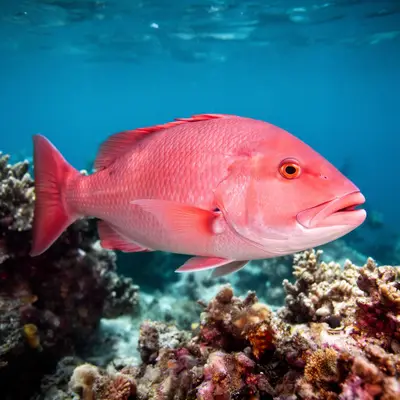
Yellowtail snapper
common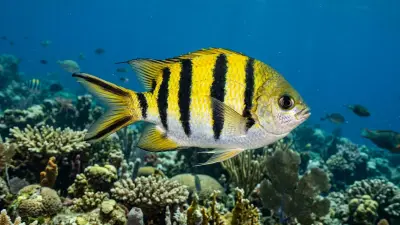
Sergeant major
common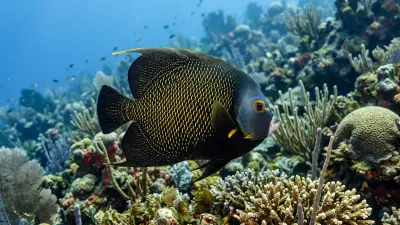
French angelfish
common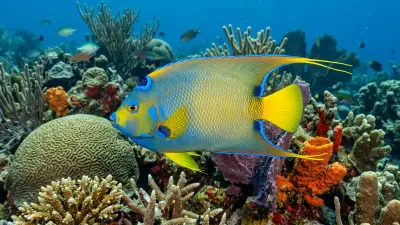
Queen angelfish
common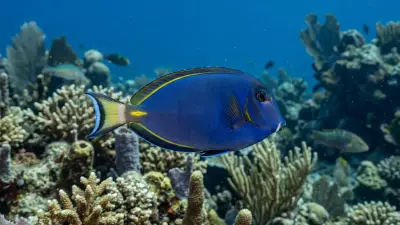
Blue tang
common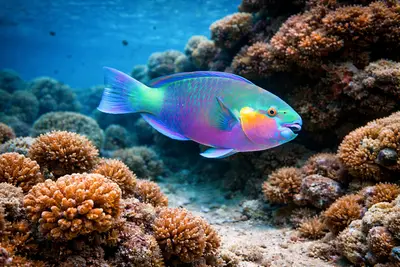
Parrotfish
common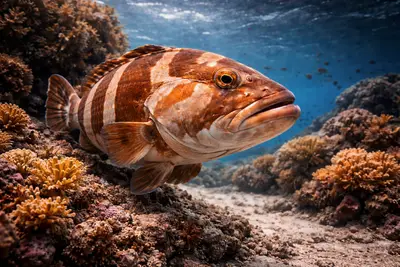
Nassau grouper
occasional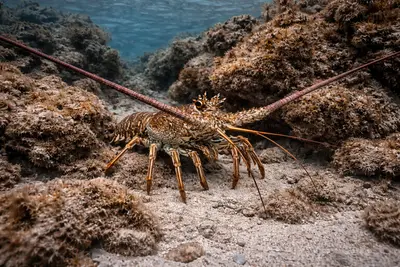
Spiny lobster
common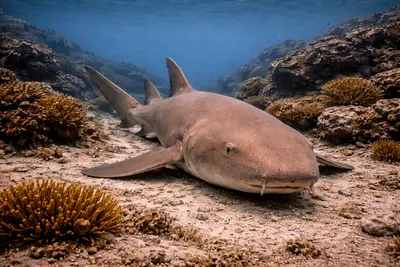
Nurse sharks
occasional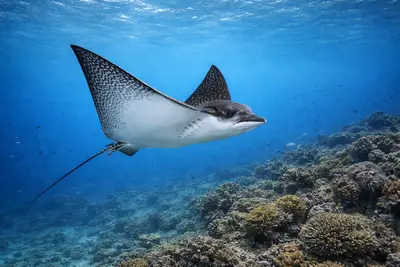
Eagle rays
rareDive profile & how the dive runs
Thunderball Grotto is best experienced as a shallow dive or snorkel. Entry is directly into the grotto from the boat, either by a short surface swim or, at high tide, a brief free-dive through one of the underwater entrances, which are around 3 meters deep. Once inside, you can explore the main chamber, where depths typically range from 3 to 5 meters, with some areas reaching up to 10 meters. The route involves circling the central rock formations and observing the marine life that congregates within the sunlit shafts. The deepest points are usually encountered along the outer edges of the main chamber. There's no specific turn point as it's a relatively compact site; divers can exit through any available opening once they've explored sufficiently. A safety stop is naturally incorporated at the shallow depths near the exit points.
Underwater photography
Thunderball Grotto offers incredible opportunities for wide-angle and ambient light photography, especially during midday low tide when sunlight streams through ceiling openings, creating dramatic light rays. A fisheye lens is ideal to capture the expansive chamber and the 'god rays' effect. Given the shallow depths, external strobes are not strictly necessary but can enhance colors of corals and fish in shadowed areas. Focus on capturing the interaction between light, water, and the dense schools of fish. Be mindful of buoyancy, especially in the enclosed space, to avoid stirring up sediment or disturbing the delicate marine life on the rock walls. Consider shooting from multiple angles to highlight the grotto's unique topography and the vibrant ecosystem within.
Combine with nearby dive sites
Getting there & logistics
Thunderball Grotto is located near Staniel Cay in the Exuma Cays, Bahamas. The most common way to reach Staniel Cay is by short flights from Nassau (Lynden Pindling International Airport, NAS) or other major Bahamian airports, which connect internationally. From Staniel Cay, the grotto is just a few minutes' boat ride away. Many dive operators and resorts in the Exumas offer excursions to the grotto, often as part of a multi-stop itinerary exploring the Exuma Cays Land & Sea Park. No specific permits are typically required for visiting the grotto itself, but some tours might include marine park fees for the larger Exuma Cays area. Liveaboards operating in the Exumas often include Thunderball Grotto in their itineraries, providing seamless access to this and other remote sites.
Safety & environment
Thunderball Grotto is a shallow and relatively safe dive or snorkel site, but certain precautions are advisable. The nearest recompression chamber is located in Nassau, approximately 70 km away, emphasizing the importance of conservative diving practices and having comprehensive dive insurance that covers emergency medical evacuation. Pay close attention to tidal conditions, as entry and exit can be easier or require a short breath-hold swim depending on the tide. Always follow your guide's instructions regarding entry and movement within the grotto, particularly to avoid contact with rock formations or marine life. Ensure you have adequate finning techniques to avoid stirring up silt in the confined spaces, which can quickly reduce visibility for others. Always dive within your training and comfort limits.
Who it suits — and who it doesn't
Suited for
- Snorkelers of all ages
- Beginner divers looking for unique experiences
- Photographers seeking dramatic light effects
- Families with children
- Those interested in shallow, calm water exploration
Less suited for
- Technical divers
- Divers seeking deep wall or wreck dives
- Those uncomfortable in confined or overhead environments
- Divers relying on extensive bottom time at depth
FAQ
Thunderball Grotto FAQ
How deep is Thunderball Grotto?
Thunderball Grotto is very shallow, with internal depths ranging from the surface to about 5 meters (15 feet). The underwater entrances are typically found around 3 meters deep, making it an excellent site for snorkeling and shallow diving without extensive gear.
Do you need scuba gear to explore Thunderball Grotto?
No, scuba gear is not necessary to explore Thunderball Grotto. Its shallow depths and abundant light make it perfect for snorkeling, free-diving, or even simply swimming. At low tide, you can often wade into the grotto, while at high tide, a short breath-hold swim through the entrances is required.
When is the best time to visit Thunderball Grotto for photography?
The best time for photography at Thunderball Grotto is around midday during low tide. At this specific time, the sun is directly overhead, allowing its rays to penetrate the grotto's ceiling openings, creating the iconic, dramatic light beams that illuminate the interior and its vibrant marine life.
Is Thunderball Grotto suitable for children?
Yes, Thunderball Grotto is highly suitable for children, especially those comfortable swimming and snorkeling. Its shallow, calm waters and abundant, friendly fish make it a magical and safe environment for younger explorers. Always ensure children are supervised and wear appropriate flotation devices if needed.
How do you get to Thunderball Grotto?
Thunderball Grotto is accessed by boat from Staniel Cay, which is a small island in the Exuma Cays. Visitors typically fly into Nassau and then take a connecting flight to Staniel Cay, where various local operators offer short boat trips to the grotto as part of their Exuma excursions.
Why dive Thunderball Grotto from a liveaboard?
Thunderball Grotto is one of Bahamas's signature dive sites. A liveaboard sleeps you on the water and puts you in the water for three to four guided dives per day, including dawn and night dives that day-boat operators rarely offer. You skip the daily commute back to port and reach quieter, less-crowded sites in the same region on a single trip.
Below are the liveaboards that include Thunderball Grotto on their Bahamas itineraries.
Liveaboards diving Thunderball Grotto
These liveaboards may visit Thunderball Grotto on selected itineraries — the exact dive sites depend on departure, weather and conditions.
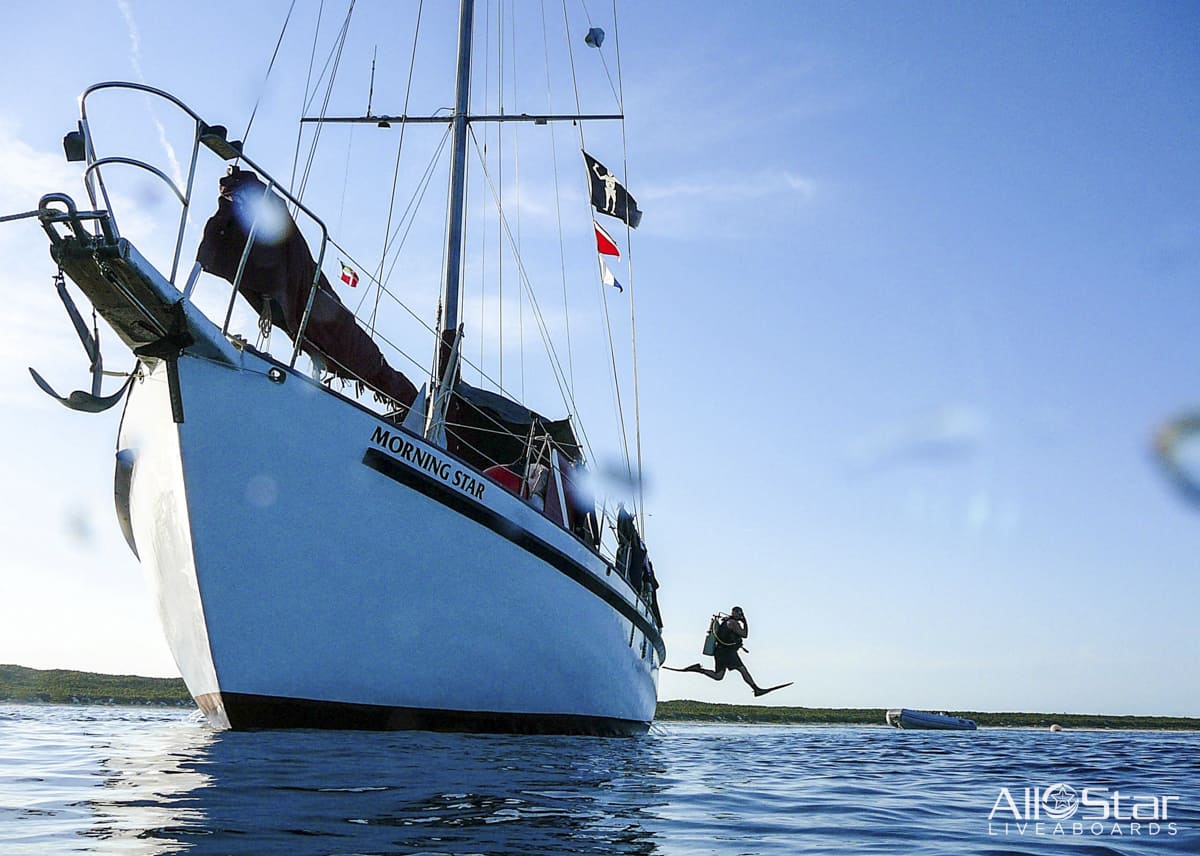
All Star Blackbeards Morning Star
Bahamas
24 guests19.81 m
$156/day
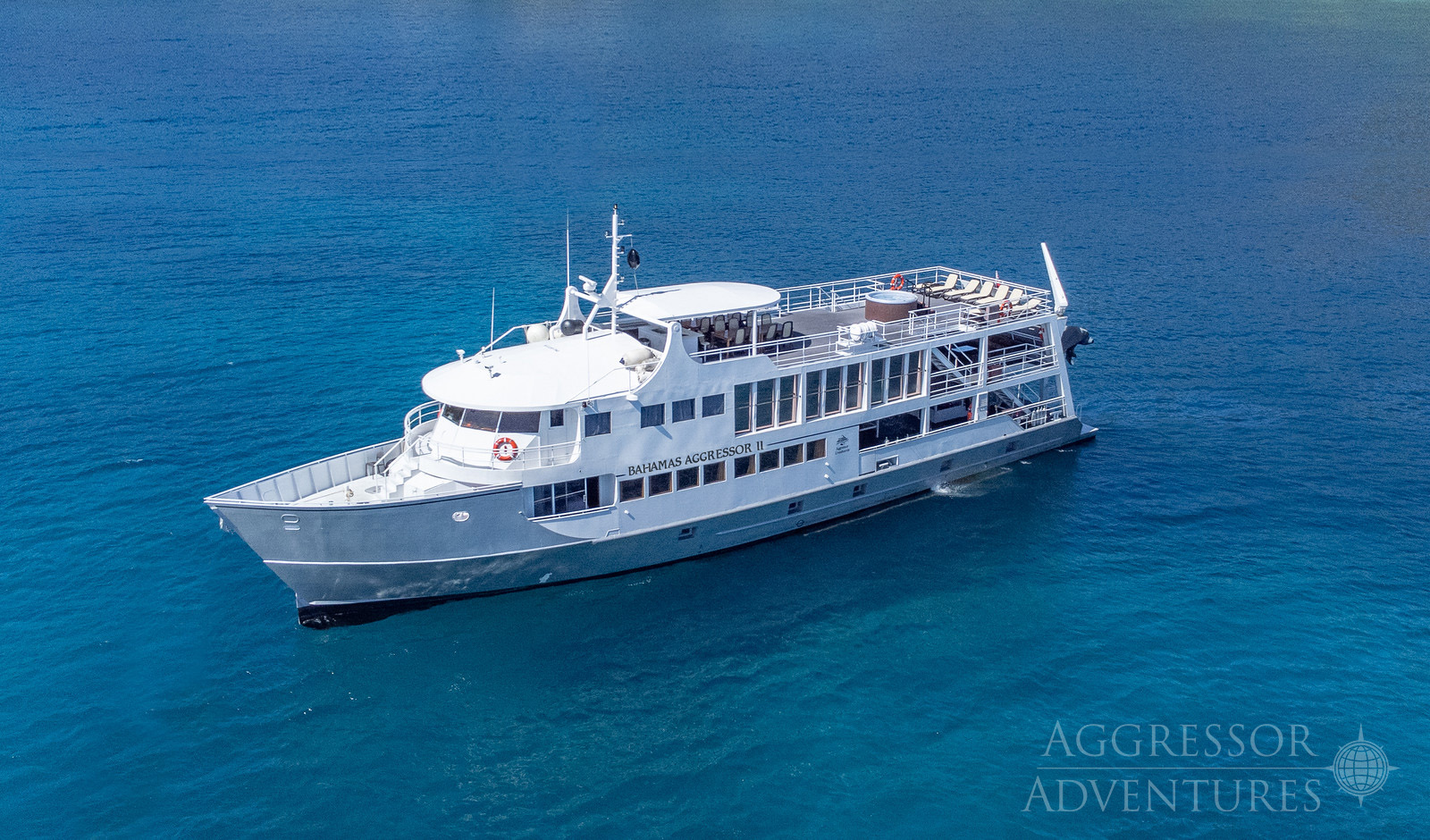
Bahamas Aggressor II
Bahamas
20 guests33.5 m
$328/day
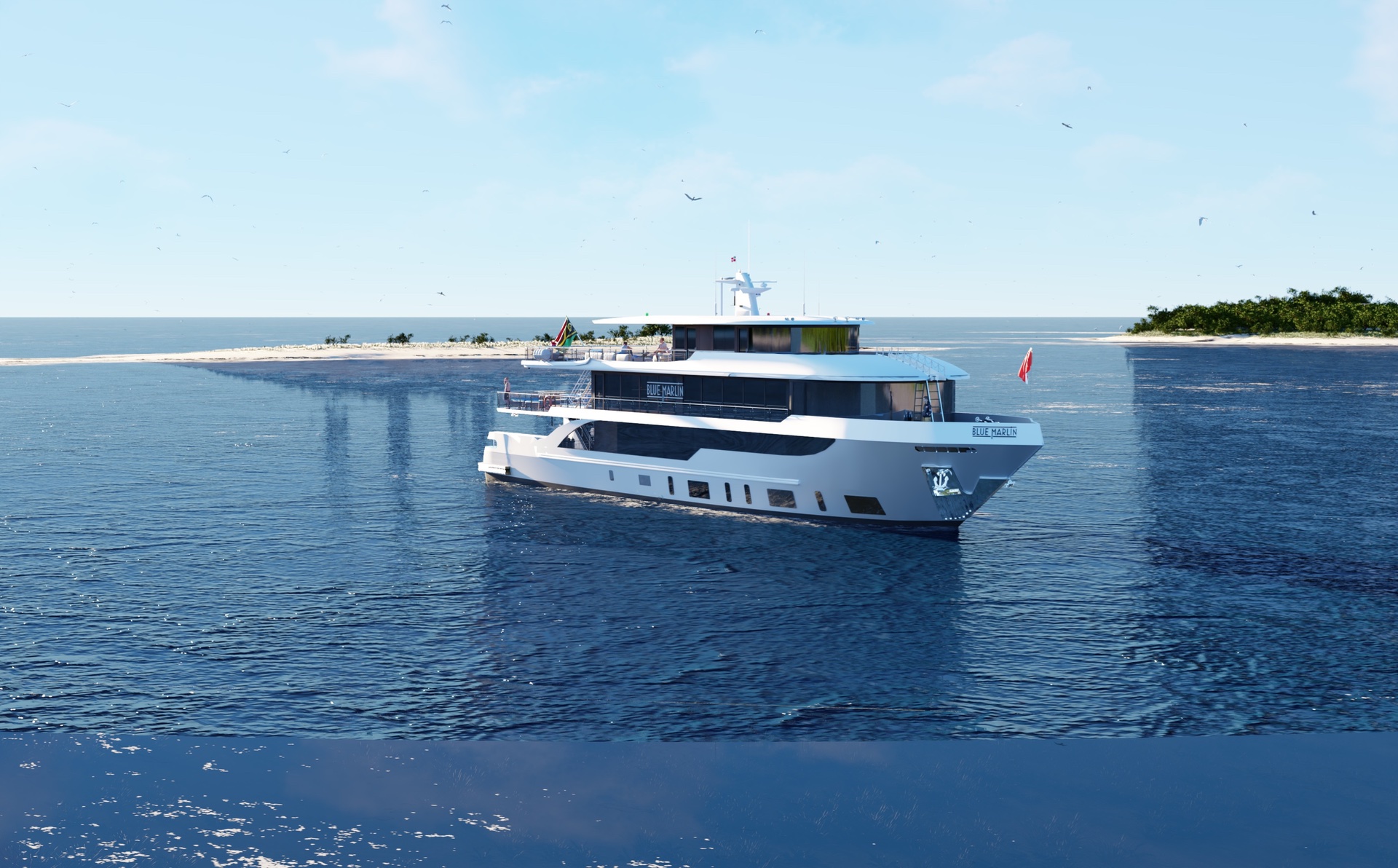
Blue Marlin
Bahamas
26 guests42 m
$318/day
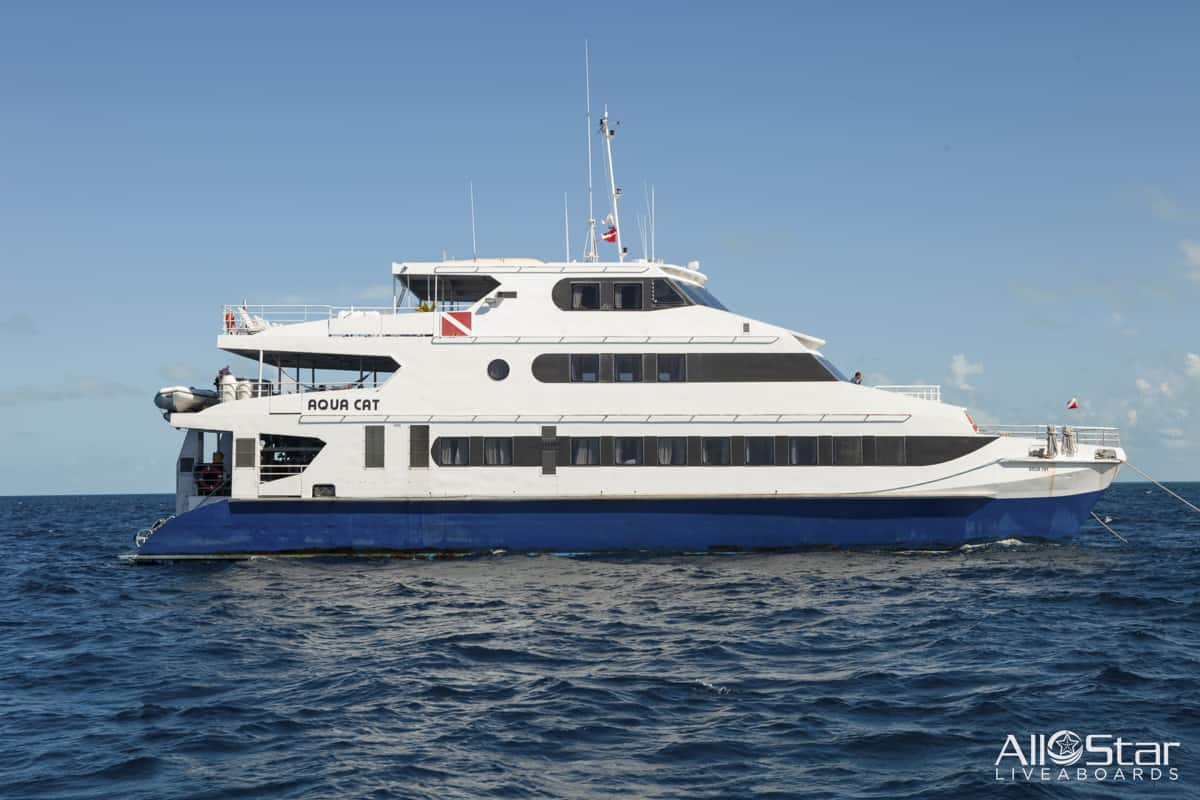
All Star Aqua Cat
Bahamas
30 guests31.09 m
$312/day
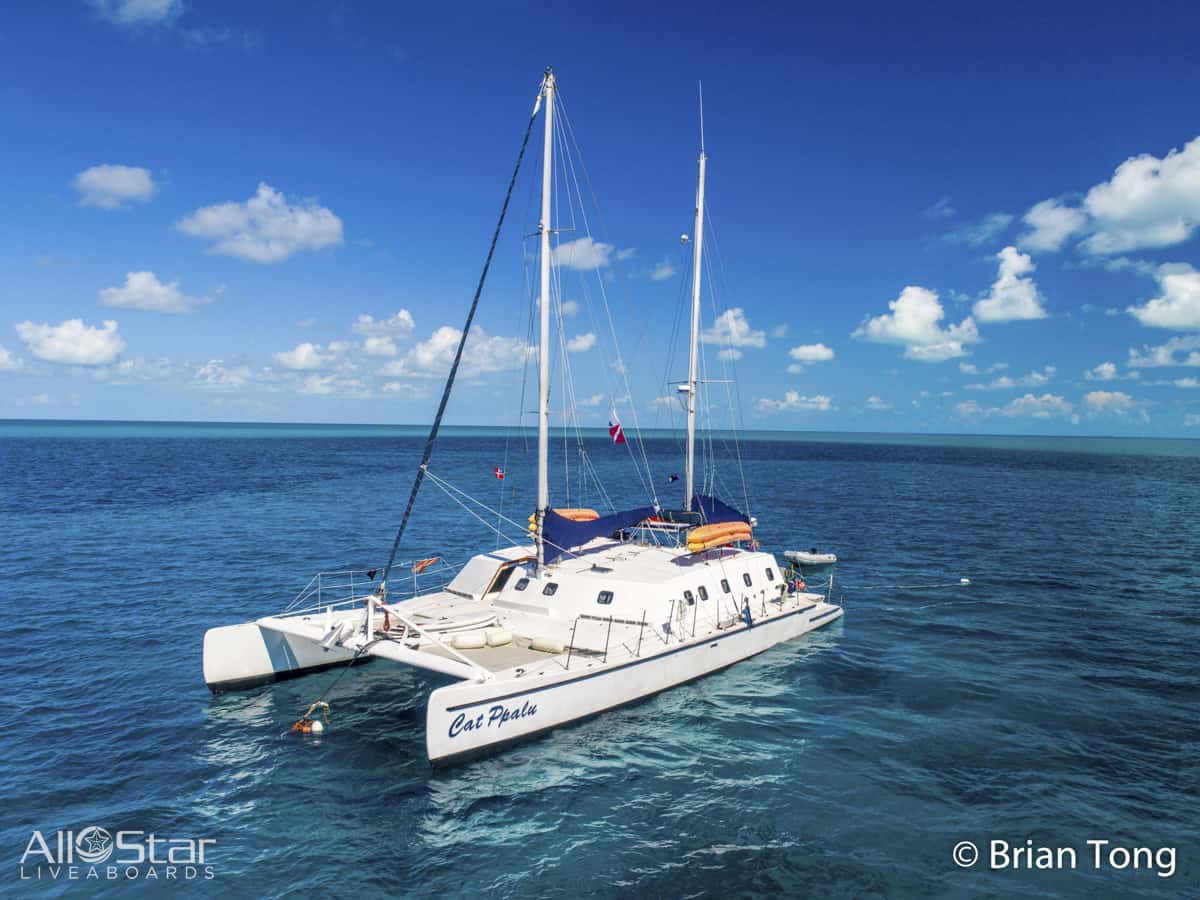
All Star Cat Ppalu
Bahamas
12 guests20 m
$237/day
Dive sites similar to Thunderball Grotto
Same character, same waters — six more sites divers love for the exact same reasons.Compare seasons, access and liveaboard routes — then pick the site that fits your trip best.
Columbus Point
Bahamas
Columbus Point, situated off Cat Island in the Bahamas, stands out as an advanced dive destination renowned for its dramatic wall diving along one of the region's most untouched reef systems.
- Suitable for
- Advanced
- Current
- Strong
- Access
- Dayboat
- Depth
- ≤ 40 m
- Theme
- Wall / Drift
Cut Through City
Bahamas
Cut Through City is a standout dive site located off the coast of Eleuthera in the Bahamas, a region renowned for its diverse underwater topography.
- Suitable for
- Intermediate
- Current
- Mild
- Access
- Liveaboard only
- Depth
- 27–40 m
- Theme
- Wall / Reef
Cousteau's Blue Hole
Bahamas
Cousteau's Blue Hole, located on Andros Island, is an inland blue hole known for its distinctive light effects created by sun rays entering its wide opening.
- Suitable for
- Advanced
- Current
- No current
- Access
- Dayboat
- Depth
- 10–60 m
- Theme
- Cave & cavern
Tongue of the Ocean Wall
Bahamas
The Tongue of the Ocean Wall, located off New Providence near Nassau, represents a spectacular natural phenomenon—a deep oceanic trench that stretches for 120 miles and plunges to depths of 6,000 feet.
- Suitable for
- Advanced
- Current
- Strong
- Access
- Liveaboard or dayboat
- Depth
- 18–52 m
- Theme
- Wall
Cathedral
Bahamas
Cathedral is a renowned dive site located within the Dog Rocks Reef, which is part of the extensive Exuma Cays in the Bahamas, specifically situated off the coast of Scotland Cay.
- Suitable for
- Beginner
- Current
- Moderate
- Access
- Liveaboard only
- Depth
- 10–15 m
- Theme
- Cavern / Wall
Guardian Blue Hole
Bahamas
Guardian Blue Hole is an impressive vertical underwater cave located on Andros Island, an area famously nicknamed "the holy grail of blue hole diving" due to its high concentration of these geological wonders.
- Suitable for
- Advanced
- Current
- No current
- Access
- Dayboat
- Depth
- ≤ 133 m
- Theme
- Cave & cavern