About Jervis Bay
Jervis Bay, located on the South Coast of New South Wales, Australia, is recognized as one of the state's most rewarding diving locations. This large bay covers over 126 square kilometres and features an incredibly untouched coastline, with its southern headland forming part of Booderee National Park. The area is a designated marine reserve, offering a unique blend of tropical and temperate marine environments due to the convergence of the warm East Australian Current and cooler southern waters. Divers can explore more than 30 sites within the bay and along the coast from Currarong to Wreck Bay, an area stretching over 25 kilometres. This extensive range of sites includes everything from towering cliffs dropping into the water to unique underwater topographies supporting rich ecosystems. The region's diverse environment allows for a wide array of marine encounters. The dynamic interaction of currents offshore, combined with deep water at the continental shelf's edge, creates a habitat for a vast array of species. You can encounter tropical reef fish alongside temperate sponge gardens, various shark species, and delicate seahorses, often within the same day's diving. This rich biodiversity makes every dive a unique experience. The practical diving experience in Jervis Bay caters to various certification levels, from calmer sites suitable for less experienced divers to more challenging dives for advanced enthusiasts. The sheer number of available sites ensures that even with frequent diving, you can always discover something new, making it a comprehensive destination for any diver.
Highlights
Over 30 distinct dive sitesConvergence of warm and cool currentsBooderee National Park marine reserveDiverse tropical and temperate marine lifeUntouched spectacular coastlineSouth Coast premier dive destination
Season calendar
Best months to dive here
Jan
Feb
Mar
Apr
May
Jun
Jul
Aug
Sep
Oct
Nov
Dec
Good
Dive site facts: Jervis Bay
- Depth
- 4-24 m (site dependent)
- Current
- Mild to strong, influenced by East Australian Current
- Water temperature
- 14-26°C
- Entry
- Boat
- Level
- All certification levels
- Dive type
- Reef, wreck, cave, shark
- Region / port
- South Coast, New South Wales
- Coordinates
- 35.0692° S, 150.7173° E
Conditions & Currents
The waters around Jervis Bay are significantly influenced by the East Australian Current (EAC), which brings warm tropical waters from the north and mixes with cooler currents from the south. This confluence of currents contributes to the rich biodiversity and can result in varying current conditions. While many sites within the bay itself may offer calmer conditions, sites closer to the continental shelf or exposed headlands can experience stronger currents. Divers should be prepared for potential drift diving scenarios, particularly at sites outside the immediate shelter of the bay, making experience with currents beneficial. Visibility can fluctuate, influenced by weather patterns and plankton blooms associated with the currents, but generally remains good. Water temperatures vary significantly seasonally, from warmer summer highs to cooler winter lows.
Marine life & sighting chances
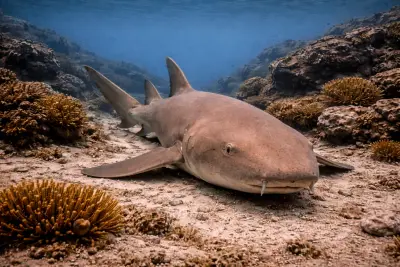
Grey nurse shark
occasional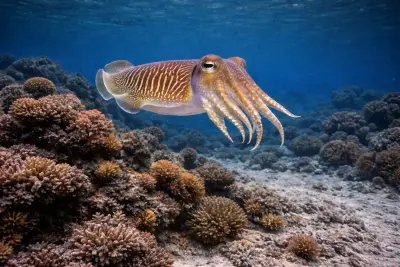
Cuttlefish
common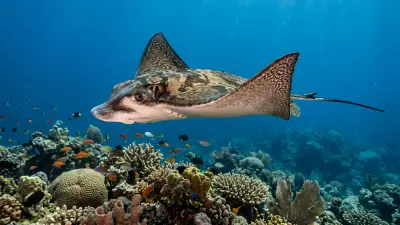
Rays
common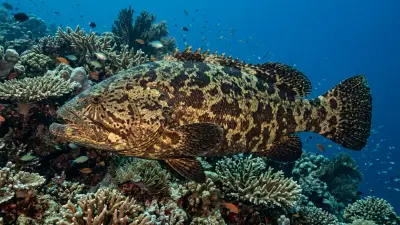
Gropers
common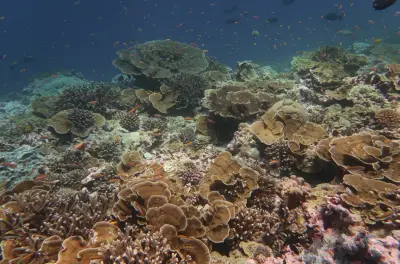
Tropical reef fish
December-April · commonTemperate fish
common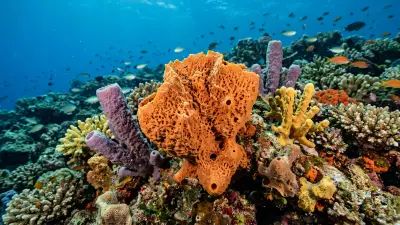
Sponge gardens
common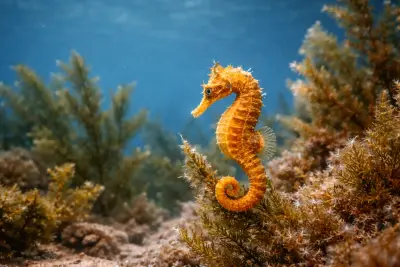
Seahorses
occasional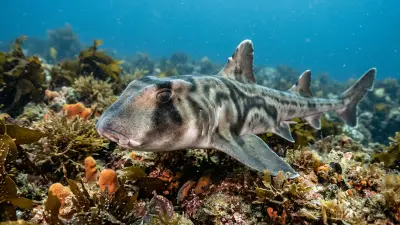
Port Jackson shark
occasional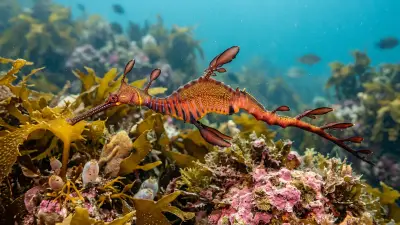
Weedy seadragon
occasional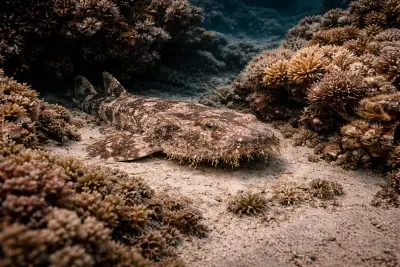
Wobbegong
occasionalDive profile & how the dive runs
Jervis Bay offers a diverse range of dive profiles across its numerous sites, typically accessed by boat. Entry usually involves a backward roll or giant stride from the dive boat directly onto the site. Depths can vary widely, from shallower areas around 4 meters to deeper zones reaching 24 meters or more, depending on the chosen site, such as the TSS Merimbula wreck found between 4 and 13 meters. Divers typically explore reef systems, sponge gardens, or specific wreck features. Routes are often guided by the topography, following reef lines or exploring around pinnacles. The presence of the East Australian Current means that drift diving is common at some sites, requiring divers to be proficient in current management. Safety stops are generally conducted at 5 meters for 3 minutes, with surface intervals on the boat between dives.
Underwater photography
Jervis Bay offers varied photographic opportunities, from wide-angle reefscapes to macro subjects, depending on the chosen dive site. For broad scenes, consider a wide-angle lens to capture the extensive sponge gardens and large schools of fish often found here, especially given the good visibility. Macro photographers will delight in searching for unique temperate species like seahorses and weedy sea dragons; a dedicated macro lens will be essential. Pay close attention to buoyancy, as many areas feature delicate sponge and coral formations. If currents are present, maintaining stable positions for shots can be challenging; consider a solid focus light to assist with finding subjects. Respect marine life by observing from a distance and avoid touching the environment for both your safety and the ecosystem's health.
Combine with nearby dive sites
- Bateman's Bay
Bateman's Bay is a scenic diving area located on the South Coast of New South Wales, Australia.
- Broughton Island
Broughton Island is an offshore island reef located approximately 25 kilometers north of Port Stephens, making it a signature diving…
- Fly Point
Fly Point is a celebrated shore dive site situated in Nelson Bay, part of the extensive Port Stephens-Great Lakes Marine Park in New South…
- The Steps
The Steps is a celebrated shore dive site nestled within the Kamay Botany Bay National Park at Kurnell, on the southern side of Botany Bay…
Getting there & logistics
Access to Jervis Bay primarily involves travelling to the South Coast of New South Wales. While not explicitly stated, Sydney Airport serves as a major international gateway for southern and central NSW regions, from which onward travel would be arranged. Dive operations in Jervis Bay typically depart from local towns surrounding the bay. Given the extensive number of dive sites, day trips are common, and liveaboard options specifically for Jervis Bay are less prominent than in tropical regions, with divers often staying in local accommodation. Many dive operators will arrange boat trips to the various sites within the bay and along the adjacent coastline. There is a marine reserve status, but no specific dive fees are mentioned beyond standard operator costs.
Safety & environment
Diving in Jervis Bay is generally safe for properly certified divers, but awareness of local conditions is crucial. The waters can experience varying currents due to the East Australian Current, requiring divers to be mindful of drift and plan accordingly. Water temperatures can range significantly throughout the year, from warmer summer highs up to 26°C to cooler winter lows around 14°C, necessitating appropriate exposure protection. While no specific recompression chamber location for Jervis Bay is provided, the nearest major medical facilities and chambers would be in larger cities such as Sydney, which implies that evacuation may be required for serious dive emergencies. Divers should always have comprehensive dive insurance covering medical emergencies and evacuation. Adherence to dive operator briefings and maintaining good buoyancy control are essential to prevent incidents and protect the marine environment.
Who it suits — and who it doesn't
Suited for
- Divers seeking diverse marine life
- Those interested in temperate and tropical species
- Divers looking for numerous dive site options
- Macro and wide-angle photographers
- Divers comfortable with potential currents
Less suited for
- Divers expecting only tropical warm waters
- Those who prefer minimal current environments
- Divers seeking exclusively large pelagic encounters
- Individuals without appropriate cold water exposure protection during winter
FAQ
Jervis Bay FAQ
What kind of marine life can I expect to see in Jervis Bay?
Jervis Bay's unique location, where warm East Australian Current waters meet cooler southern currents, results in an incredibly diverse marine ecosystem. You can expect to encounter a mix of tropical reef fish, temperate sponge gardens, and various shark species including grey nurse sharks, Port Jackson sharks, and wobbegongs. Cuttlefish, rays, gropers, seahorses, and weedy sea dragons are also frequently spotted residents.
When is the best time of year to dive Jervis Bay?
Jervis Bay is a year-round diving destination. During the warmer summer months, typically from December to April, the East Australian Current brings an influx of tropical fish. In winter, from June to August, water temperatures are cooler, but visibility can be excellent, and you might encounter different temperate species. Your preferred water temperature and specific marine life interests may influence your ideal timing.
How many dive sites are there in Jervis Bay?
Jervis Bay boasts an impressive array of over 30 dive sites, offering a wide range of experiences for divers. This extensive selection means you could dive multiple times a day for weeks without repeating a site. The sites range from shallow reef systems to deeper wrecks and wall dives, catering to various interests and skill levels.
Are there any wrecks to dive in Jervis Bay?
Yes, Jervis Bay features at least one notable wreck, the TSS Merimbula. This historic wreck is accessible at depths ranging from 4 to 13 meters, making it suitable for a variety of certification levels. Wreck dives offer unique opportunities to explore history while encountering the marine life that has made these artificial reefs their home.
What are the water temperatures in Jervis Bay?
Water temperatures in Jervis Bay vary significantly with the seasons. During the summer months, from December to April, temperatures can range from 24°C to 26°C. In the cooler winter months, from May to November, temperatures typically drop to between 14°C and 16°C. Divers should choose appropriate exposure protection based on the time of year they plan to visit.
Why dive Jervis Bay from a liveaboard?
Jervis Bay is one of Australia's signature dive sites. A liveaboard sleeps you on the water and puts you in the water for three to four guided dives per day, including dawn and night dives that day-boat operators rarely offer. You skip the daily commute back to port and reach quieter, less-crowded sites in the same region on a single trip.
Below are the liveaboards that include Jervis Bay on their Australia itineraries.
Liveaboards diving Jervis Bay
These liveaboards may visit Jervis Bay on selected itineraries — the exact dive sites depend on departure, weather and conditions.
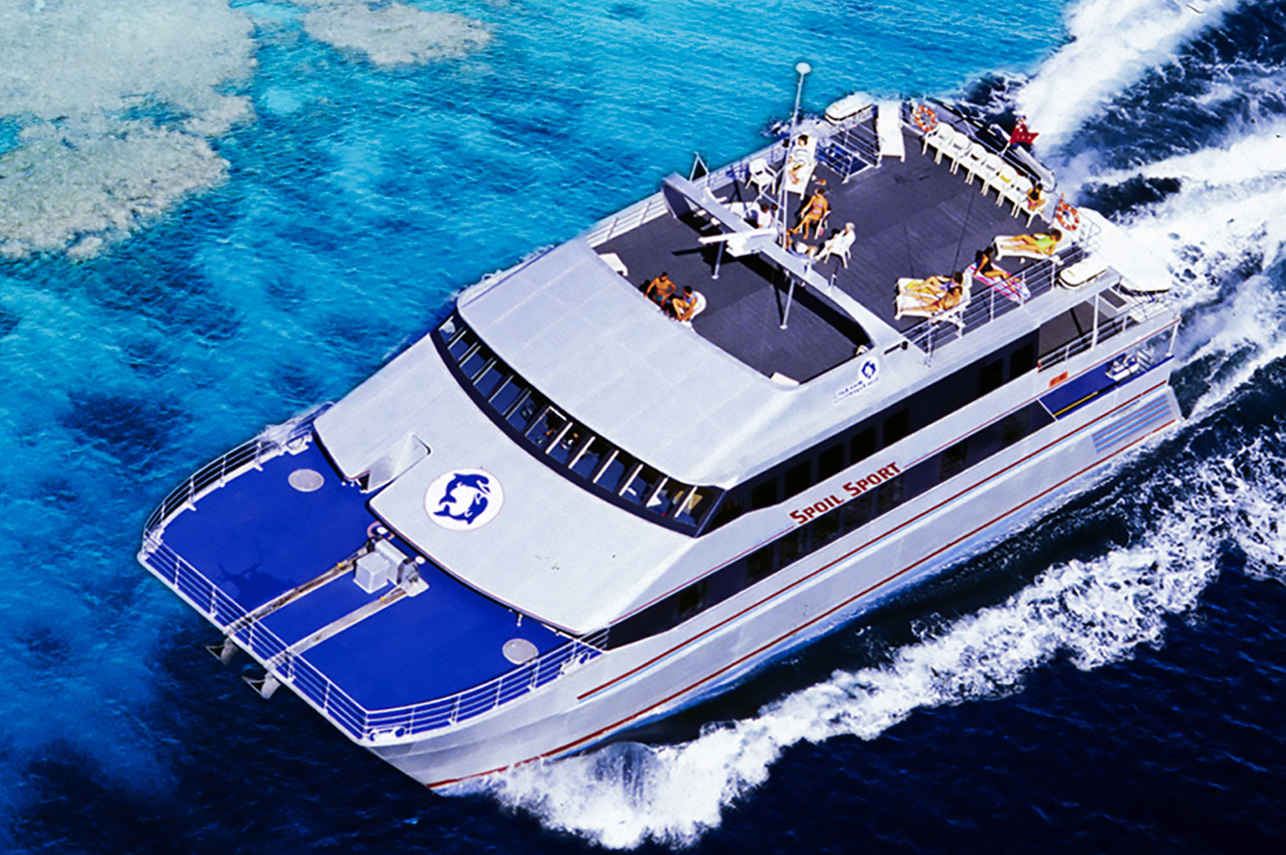
Spoilsport
Australia
28 guests30 m
$408/day
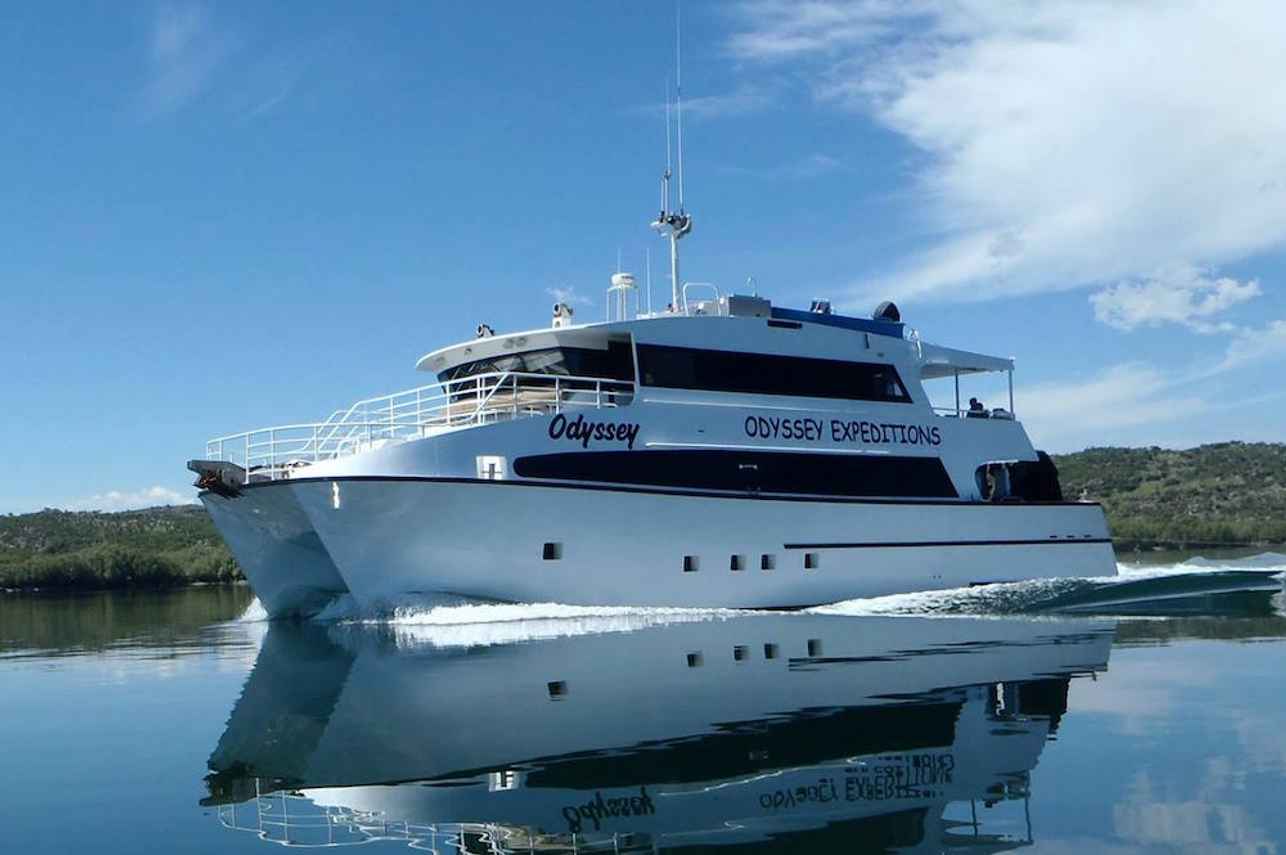
Odyssey Liveaboard
Australia
20 guests24 m
$392/day
Dive sites similar to Jervis Bay
Same character, same waters — six more sites divers love for the exact same reasons.Compare seasons, access and liveaboard routes — then pick the site that fits your trip best.
© Esri — Maxar, Earthstar, GIS
Agincourt Reef
Australia
Agincourt Reef sits on the outer edge of the Great Barrier Reef, roughly 60–72 km off Port Douglas in Far North Queensland, at the southern end of the true ribbon reefs that run…
- Suitable for
- Beginner
- Current
- Moderate
- Access
- Dayboat
- Depth
- 2–20 m
- Theme
- Reef / Wall
© Esri — Maxar, Earthstar, GIS
Cocos Keeling - Canons
Australia
Cocos Keeling - Canons offers a distinctive dive experience within the Cocos (Keeling) Islands lagoon, making it Australia's most remote dive destination.
- Suitable for
- Beginner
- Current
- Mild
- Access
- Dayboat
- Depth
- 8–12 m
- Theme
- Reef
© Esri — Maxar, Earthstar, GIS
Raine Island
Australia
Raine Island is a pivotal dive site located in the Far Northern Great Barrier Reef, approximately 85 kilometers east-north-east of Cape Grenville and just over 4 nautical miles south of the island itself.
- Suitable for
- Advanced
- Current
- Strong
- Access
- Liveaboard only
- Depth
- 5–40 m
- Theme
- Reef / Wall
© Esri — Maxar, Earthstar, GIS
Bare Island East
Australia
Bare Island East is a highly regarded shore dive in Sydney, celebrated for its diverse and colourful sponge gardens.
- Suitable for
- Intermediate
- Current
- Mild
- Access
- Shore / dayboat
- Depth
- 2–11 m
- Theme
- Reef
© Esri — Maxar, Earthstar, GIS
Cocos Keeling - Broccoli Patch
Australia
Broccoli Patch is a premier dive site nestled within the Cocos (Keeling) Islands lagoon system, offering a gentle yet captivating underwater experience.
- Suitable for
- Beginner
- Current
- Mild
- Access
- Dayboat
- Depth
- 5–10 m
- Theme
- Reef
© Esri — Maxar, Earthstar, GIS
Milln Reef
Australia
Milln Reef, located approximately 60km offshore from Cairns within the Great Barrier Reef, stands out as a highly favored outer reef destination for both divers and snorkelers.
- Suitable for
- Intermediate
- Current
- Moderate
- Access
- Liveaboard or dayboat
- Depth
- 4–22 m
- Theme
- Reef