About G Spot
G Spot, located at French Cay, is a renowned dive site in the Turks and Caicos Islands, famously named for a small, G-shaped depression in the reef that divers sometimes find challenging to locate but always rewarding once discovered. This site is a dramatic wall dive where the reef ridge begins at approximately 15 meters (50 feet) before plunging into the abyss. The unique topography and upwelling currents draw nutrient-rich, cooler waters, fostering the growth of magnificent black corals and gorgonian fans that adorn the wall. The diving experience at G Spot is characterized by consistent opportunities to observe larger marine species. Divers frequently encounter resident nurse sharks, reef sharks, and groupers. The site's position at French Cay, a remote and pristine location, ensures a healthy and thriving ecosystem with vibrant biodiversity, making every dive a dynamic exploration of a rich underwater environment. Visibility here is typically excellent, often extending beyond 30 meters (100 feet), providing clear views of the expansive wall and its inhabitants. The site is a favorite among liveaboard operators due to its pristine condition and the quality of marine encounters. While the currents can sometimes be strong, adding to the thrill of pelagic sightings, they also contribute to the site's rich nutrient flow, supporting its prolific coral growth and diverse fish populations. French Cay, often called a playground for pelagics, further enhances the G Spot experience with its overall reputation for big animal encounters and vibrant marine biodiversity. This makes G Spot an essential stop for intermediate divers seeking exhilarating wall dives and memorable interactions with Caribbean marine life.
Highlights
Unique G-shaped reef depressionDramatic wall divingAbundant black corals and gorgoniansFrequent nurse and reef shark sightingsVibrant pelagic encountersExcellent visibilityFrench Cay's pristine environment
Season calendar
Best months to dive here
Jan
Feb
Mar
Apr
May
Jun
Jul
Aug
Sep
Oct
Nov
Dec
Excellent
Dive site facts: G Spot
- Depth
- 15 m to over 30 m
- Typical dive
- 18–30 m, 45–60 min
- Current
- Moderate to strong
- Visibility
- 30+ m
- Water temperature
- 25–29°C (78–84°F)
- Entry
- Liveaboard / Tender / Negative entry
- Level
- Intermediate
- Dive type
- Wall dive, drift dive, pelagic encounters
- Night dive
- Possible
- Region / port
- French Cay, Turks & Caicos
- Coordinates
- 21.575, -72.22
Conditions & Currents
Currents at G Spot can frequently be strong, especially around the two large pinnacles at French Cay that rise from the ocean floor. These strong currents, while sometimes challenging, are a key factor in attracting a significant amount of pelagic activity, including sharks and schooling fish. Divers should anticipate drift diving conditions and be prepared for potential negative entries to descend quickly to the reef. The consistent flow of water also contributes to the exceptional visibility, often exceeding 30 meters, and the vibrant health of the corals and sponges that thrive on the wall. While thermoclines are generally not a significant concern due to the warm Caribbean waters, occasional cooler upwellings can occur, bringing nutrient-rich water to the reef and further enhancing marine life density.
Marine life & sighting chances
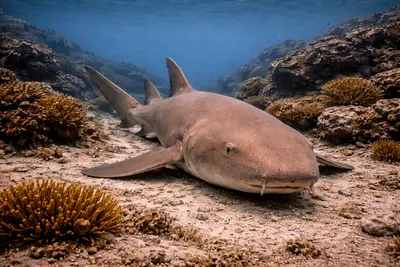
Nurse shark
common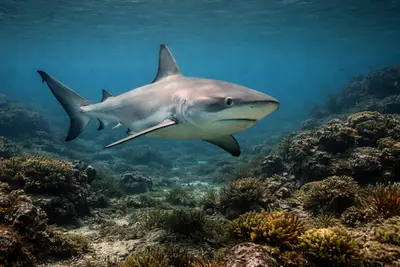
Caribbean reef shark
common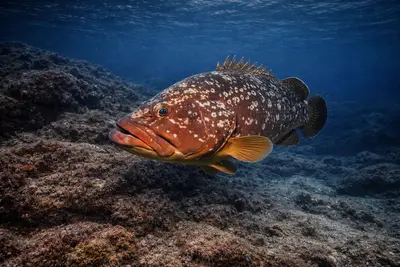
Grouper
common
Black coral
common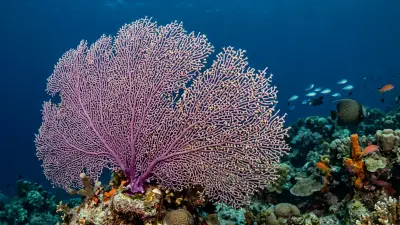
Gorgonian fan
common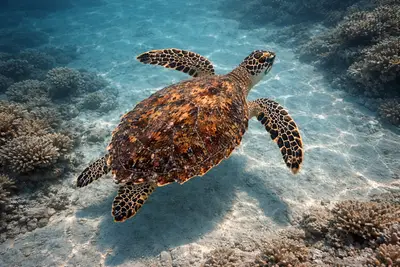
Hawksbill turtle
occasional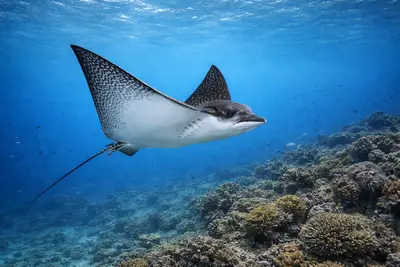
Spotted eagle ray
Winter months · occasional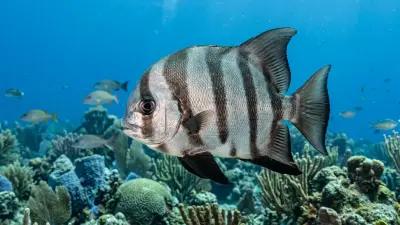
Spadefish
common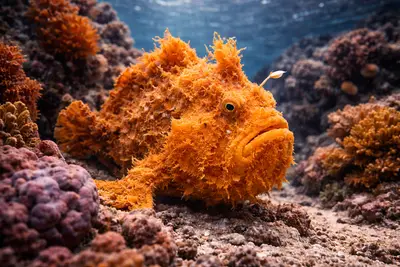
Frogfish
rare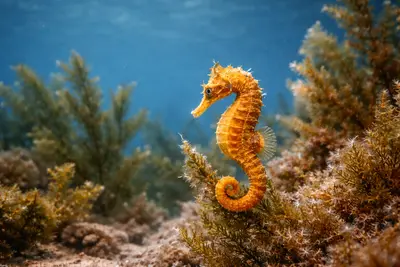
Seahorse
rare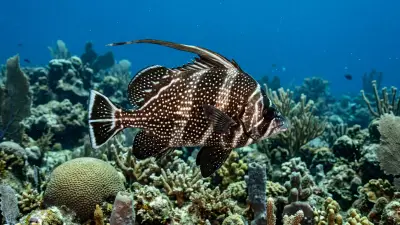
Spotted drum
occasionalDive profile & how the dive runs
Dives at G Spot typically begin with a descent onto the reef ridge at approximately 15 meters (50 feet). From there, divers navigate along the edge of the wall, exploring the dramatic drop-off. The unique G-shaped groove can be found by following the reef's contour. The wall itself is adorned with massive black corals and gorgonian fans, thriving in the nutrient-rich currents. Divers often drift along the wall, observing nurse and reef sharks patrolling the blue, along with schooling spadefish and groupers. The turn point is usually determined by air consumption and bottom time, with a gradual ascent along the wall. The safety stop is typically conducted in the shallower sections of the reef, allowing for further exploration of macro life and hard coral formations.
Underwater photography
G Spot offers excellent opportunities for both wide-angle and macro photography, though wide-angle is often preferred to capture the expansive wall and pelagic action. A fisheye lens is ideal for showcasing the dramatic drop-off, large black corals, and gorgonian fans, as well as any passing sharks or rays. For macro enthusiasts, patience and a keen eye are necessary to spot smaller creatures like frogfish or seahorses hidden within the corals, so a 60mm or 100mm macro lens would be beneficial. Consistent buoyancy control is crucial to avoid damaging the delicate corals and to maintain stable shots in potential currents. External strobes are highly recommended to bring out the vibrant colors of the deep-water corals and to properly light subjects against the deep blue background. When photographing sharks, maintain a respectful distance and observe their natural behavior.
Combine with nearby dive sites
- Double D
Known for two large pinnacles, strong currents, and frequent shark and dolphin action.
- Spanish Anchor
Features an antique anchor embedded in the reef, with opportunities for macro life and sightings of hawksbill turtles and reef sharks.
- Magic Mushroom
A West Caicos site marked by a mushroom-shaped rock, leading to a vibrant reef and dramatic wall.
- Shark Hotel
Famous for consistent Caribbean reef shark sightings and a dynamic reef structure with a chimney swim-through.
- The Driveway
Offers diverse diving options from a sand chute to a deep wall, with interesting coral heads.
Getting there & logistics
Access to G Spot is primarily via liveaboard vessels departing from Providenciales (Provo), the main hub of the Turks and Caicos. Provo is served by an international airport with direct flights from North America. Liveaboard trips typically run for seven nights, offering numerous dives across various sites in West Caicos and French Cay, including G Spot. These itineraries maximize diving opportunities, often allowing up to five dives per day. There are no specific park fees mentioned for G Spot itself, as it is usually part of a broader liveaboard package covering multiple remote sites. Excursions to French Cay often combine several dive sites in the area, capitalizing on its reputation for pelagic encounters.
Safety & environment
While diving in the Turks and Caicos is generally safe, divers should always carry appropriate dive accident insurance. The nearest recompression chamber is located in Providenciales, but evacuation from remote sites like French Cay can take several hours, depending on sea conditions and logistical factors. At G Spot, divers should be mindful of potentially strong currents and ensure they are proficient in drift diving techniques and managing negative entries if required. Always dive with a reliable buddy and carry a surface marker buoy (SMB) for visibility in case of surfacing away from the boat. Respect marine life by maintaining a safe distance and never touching corals or animals. Adhering to dive plan briefings and maintaining conservative dive profiles is crucial for a safe and enjoyable experience.
Who it suits — and who it doesn't
Suited for
- Intermediate divers comfortable with wall diving
- Divers seeking pelagic encounters and shark sightings
- Underwater photographers interested in dramatic reef topography
- Liveaboard enthusiasts looking for remote, pristine sites
- Divers who appreciate healthy, vibrant coral ecosystems
Less suited for
- Beginner divers without drift diving experience
- Divers uncomfortable with potential strong currents
- Those who prefer very shallow, calm reef dives exclusively
- Individuals seeking primarily macro-focused sites
FAQ
G Spot FAQ
Why is it called G Spot?
The site is named G Spot because of a small, G-shaped depression or groove in the reef. Divers sometimes joke that it's challenging to locate, but its unique features and abundant marine life make it well worth the effort once found.
What kind of marine life can I expect to see at G Spot?
G Spot is known for its impressive pelagic encounters and healthy reef ecosystem. You can frequently spot nurse sharks, Caribbean reef sharks, and various groupers. The wall is also adorned with large black corals and gorgonian fans, attracting a diversity of smaller reef fish and occasional sightings of hawksbill turtles and spotted eagle rays.
Is G Spot suitable for beginner divers?
G Spot is generally recommended for intermediate divers due to the potential for strong currents and its wall diving profile. While experienced beginners may manage with close guide supervision, comfort with drift diving and managing descents in current is highly beneficial for an enjoyable and safe experience.
How deep is the dive at G Spot?
The reef ridge at G Spot starts at approximately 15 meters (50 feet), and the wall then plunges dramatically into the abyss. Dives typically explore depths between 18 to 30 meters (60 to 100 feet), allowing divers to experience the full scale of the wall and its unique features.
How do I get to G Spot?
G Spot is located at French Cay, a remote island best accessed via liveaboard dive boats. These liveaboards typically depart from Providenciales and offer multi-day itineraries that include French Cay and other premier dive sites in the Turks and Caicos Islands.
Why dive G Spot from a liveaboard?
G Spot is one of Turks & Caicos's signature dive sites. A liveaboard sleeps you on the water and puts you in the water for three to four guided dives per day, including dawn and night dives that day-boat operators rarely offer. You skip the daily commute back to port and reach quieter, less-crowded sites in the same region on a single trip.
Below are the liveaboards that include G Spot on their Turks & Caicos itineraries.
Liveaboards diving G Spot
These liveaboards may visit G Spot on selected itineraries — the exact dive sites depend on departure, weather and conditions.
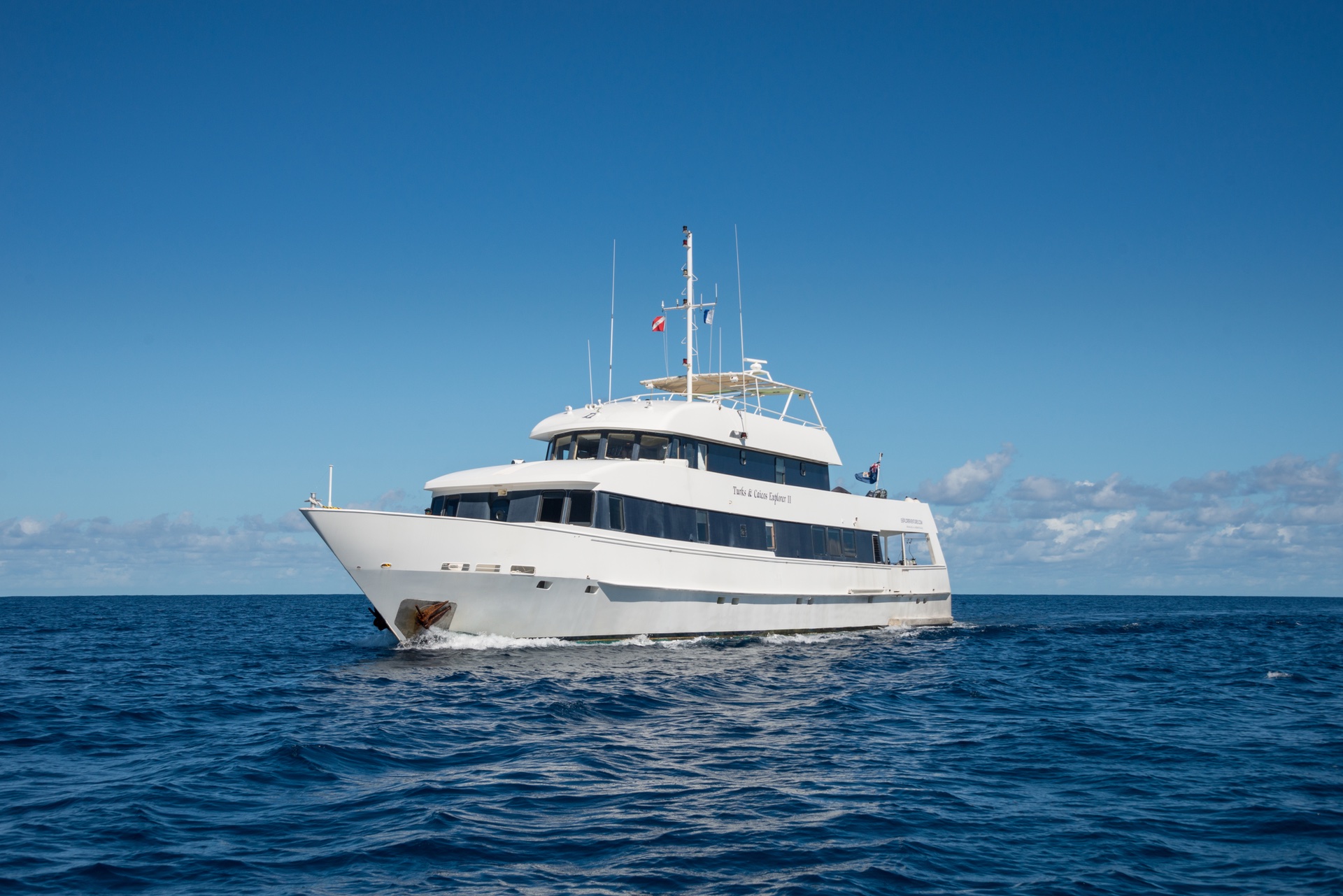
Turks and Caicos Explorer II
Turks & Caicos
20 guests
$187/day
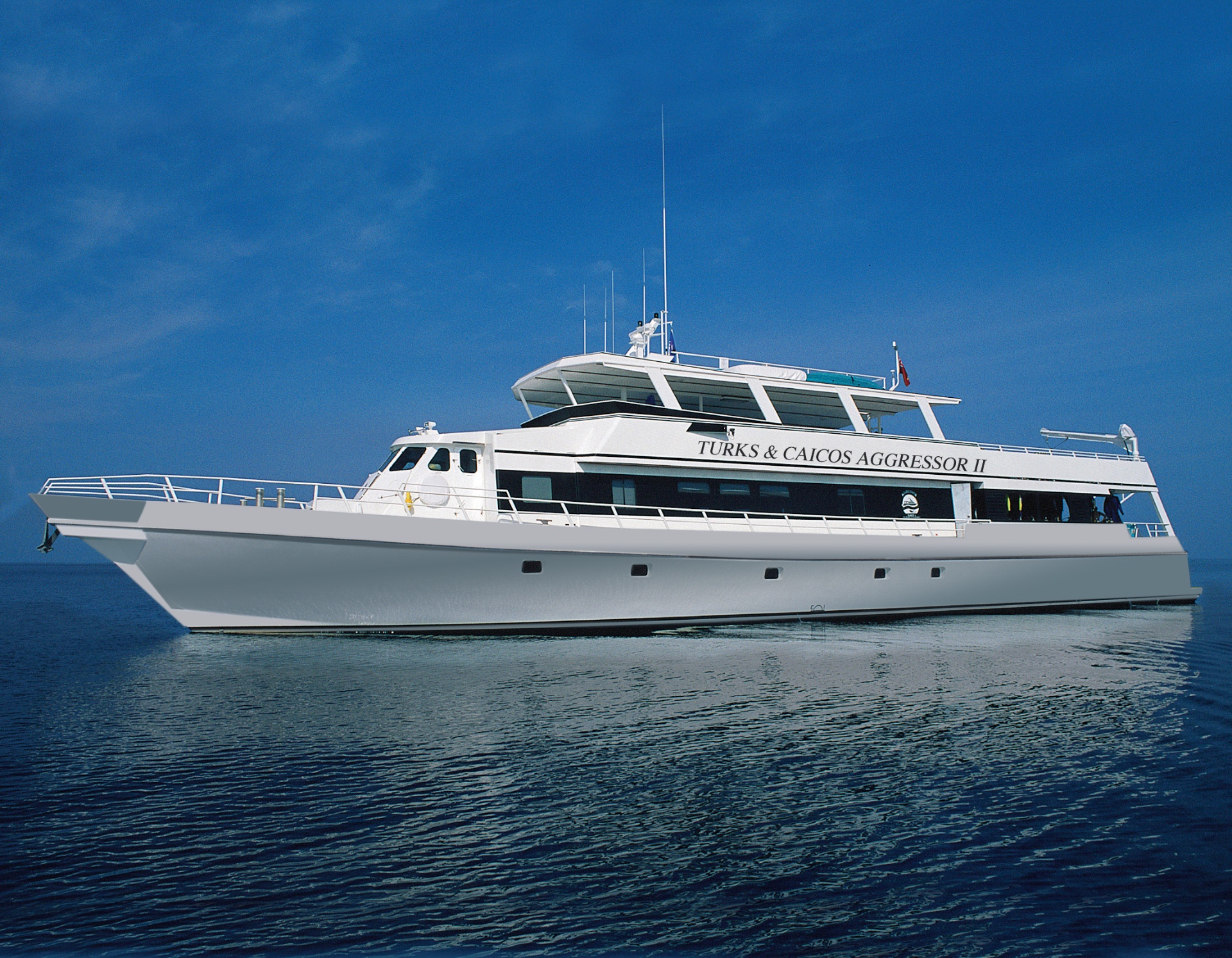
Turks & Caicos Aggressor II
Turks & Caicos
18 guests36.6 m
$287/day
Dive sites similar to G Spot
Same character, same waters — six more sites divers love for the exact same reasons.Compare seasons, access and liveaboard routes — then pick the site that fits your trip best.
Coral Gables
Turks & Caicos
Coral Gables is a popular dive site situated within Grace Bay, off Providenciales in the Turks & Caicos Islands.
- Suitable for
- Beginner
- Current
- Strong
- Access
- Liveaboard or dayboat
- Depth
- 10–25 m
- Theme
- Reef / Wall
Magic Mushroom
Turks & Caicos
Magic Mushroom is a captivating dive site situated off West Caicos, just north of the Yankee Town ruins.
- Suitable for
- Beginner
- Current
- Strong
- Access
- Shore / dayboat
- Depth
- 12–24 m
- Theme
- Wall
Thunderdome
Turks & Caicos
Thunderdome is an extraordinary dive site located at Northwest Point in Turks & Caicos, featuring a submerged metal dome structure with a fascinating origin story.
- Suitable for
- Beginner
- Current
- Mild
- Access
- Liveaboard or dayboat
- Depth
- 5–15 m
- Theme
- Wall
Cathedral
Turks & Caicos
The Cathedral dive site is nestled in the Grace Bay area of Providenciales, Turks & Caicos, offering a convenient and iconic diving experience.
- Suitable for
- Intermediate
- Current
- Mild
- Access
- Liveaboard or dayboat
- Depth
- 9–40 m
- Theme
- Wall
Eagle Ray Pass
Turks & Caicos
Eagle Ray Pass is a notable dive site situated off Grace Bay in the Turks and Caicos Islands.
- Suitable for
- Intermediate
- Current
- Mild
- Access
- Liveaboard or dayboat
- Depth
- ≤ 30 m
- Theme
- Wall / Reef
Gullies
Turks & Caicos
Gullies is a sensational wall dive situated off West Caicos, an uninhabited island approximately 16 kilometers southwest of Providenciales.
- Suitable for
- Beginner
- Current
- Mild
- Access
- Liveaboard only
- Depth
- 10–23 m
- Theme
- Wall / Reef