About Diane's Dream
Diane's Dream is an exemplary dive site located in Roatan, Honduras, part of the extensive Mesoamerican Barrier Reef System, the second-largest barrier reef globally. This region is celebrated for its incredibly healthy coral formations and rich fish populations, a testament to the conservation efforts of the Roatan Marine Park. Divers here can anticipate encountering a diverse underwater landscape that includes vibrant coral gardens transitioning into impressive wall drop-offs, catering to a wide range of diving preferences. The topography at Diane's Dream, like many Roatan sites, typically starts with shallow reef areas, gradually descending through sand patches and coral structures before reaching a main wall that plunges into significant depths. The site’s location near the island means short boat rides from dive centers, maximizing in-water time. Roatan's waters maintain warm temperatures year-round, ideal for exploring. Throughout the year, the site hosts a variety of marine creatures. Common sightings include various species of turtles such as Green and Hawksbill, along with numerous reef fish like Parrotfish, Angelfish, and Triggerfish. Encounters with larger animals like Southern Stingrays and Eagle Rays are also frequent in sandy areas. During specific seasons, unique events like the Silversides migration in mid-June can transform swim-throughs into shimmering masses of fish, attracting predators like Tarpons and Barracudas. Diving at Diane's Dream offers a practical and rewarding experience. Currents are generally gentle, making for relaxed exploration. Visibility is consistently good, often exceeding 30 meters, providing excellent conditions for observing the intricate reef ecosystem. The short travel time to the site allows for multiple dives in a day, often returning to shore between dives, making it an accessible and enjoyable experience for many.
Highlights
Healthy coral reef formationsDiverse reef fish speciesGreen and Hawksbill turtlesSouthern Stingrays and Eagle RaysGentle currentsExcellent visibilityPart of Mesoamerican Barrier Reef
Season calendar
Best months to dive here
Jan
Feb
Mar
Apr
May
Jun
Jul
Aug
Sep
Oct
Nov
Dec
Excellent
Good
Dive site facts: Diane's Dream
- Depth
- 5–30+ m
- Typical dive
- 12–18 m, 50–60 min
- Current
- Gentle
- Visibility
- 18–30+ m
- Water temperature
- 24–31°C
- Entry
- Boat entry / Tender
- Level
- All levels
- Dive type
- Reef, Wall
- Night dive
- Possible
- Region / port
- Roatan, Honduras
- Coordinates
- 16.3104° N, 86.5180° W
Conditions & Currents
At Diane's Dream, as with many Roatan dive sites, currents are typically gentle, making for a relaxed diving experience. The island's location provides a degree of protection, minimizing the intensity of currents often found in more exposed locations. While specific tide or slack current dependencies for Diane's Dream are not detailed, Roatan generally experiences mild currents that allow for comfortable exploration of the reef structure. Entry and exit procedures are usually straightforward boat entries, facilitated by the calm conditions. Visibility is consistently excellent, often ranging from 18 to 30 meters or even more, particularly during the dry season. Water temperatures remain warm year-round, ranging from 24°C to 31°C, meaning thermoclines are generally not a significant concern, contributing to comfortable dives. Boat traffic near dive sites is managed, with moorings availab
Marine life & sighting chances
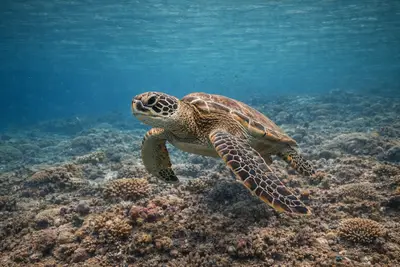
Green turtle
common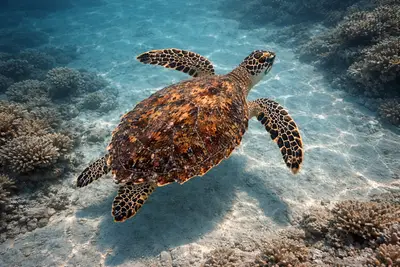
Hawksbill turtle
common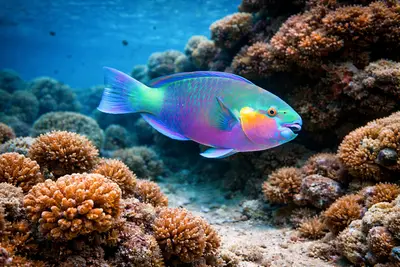
Parrotfish
common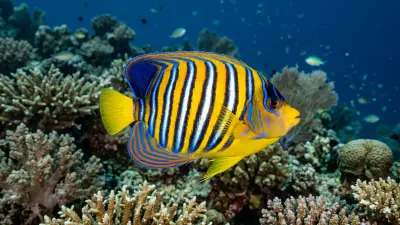
Angelfish
common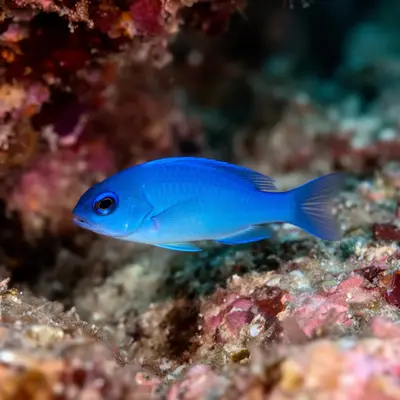
Damselfish
common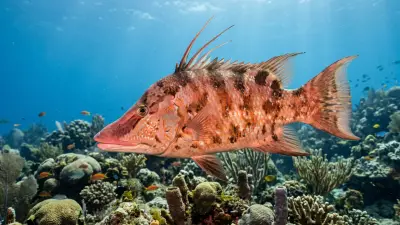
Hogfish
common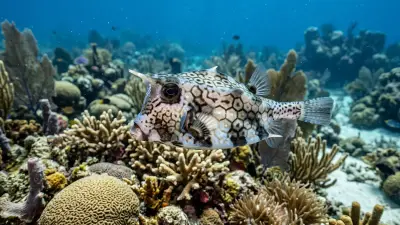
Trunkfish
common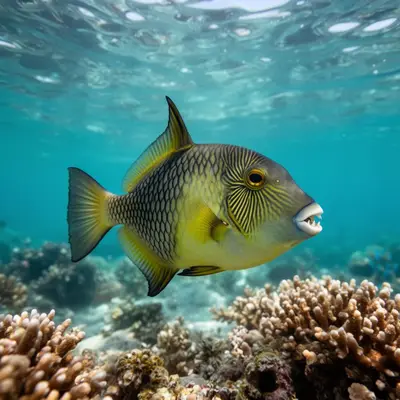
Triggerfish
common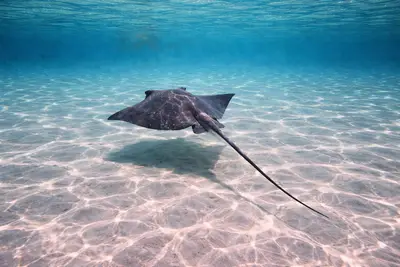
Southern Stingray
common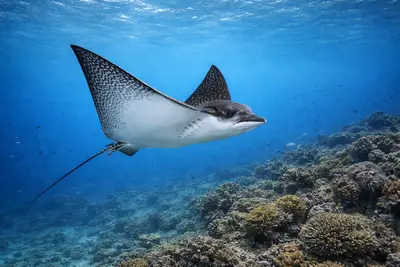
Eagle Ray
common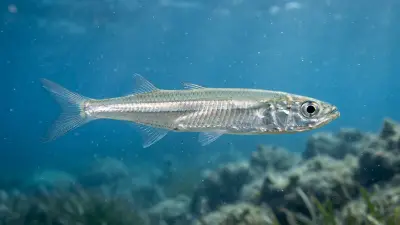
Silversides
mid-June · occasional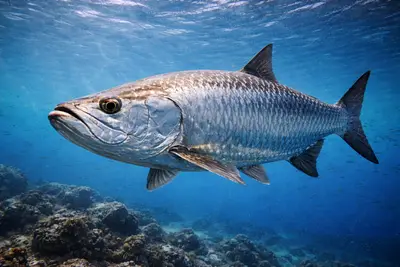
Tarpon
mid-June · occasional
Barracuda
mid-June · occasional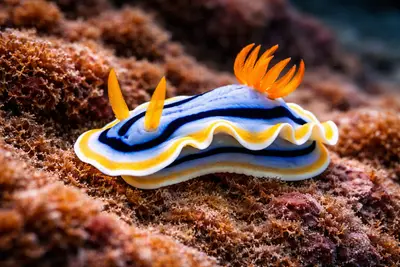
Nudibranch
commonDive profile & how the dive runs
Dives at Diane's Dream typically begin with a comfortable boat entry, followed by a gradual descent onto the upper reef. The initial route often follows coral gardens and sandy patches, providing opportunities for observing smaller reef fish and bottom dwellers like stingrays and eagle rays. As you progress, the reef transitions into a vibrant wall, which can drop to depths exceeding 30 meters. The typical depth range for a recreational dive at this site is between 12 to 18 meters, maximizing bottom time within the most biodiverse sections. Divers usually move along the wall with the gentle current, keeping the reef to one side for orientation. The turn point is determined by air consumption and planned dive time, allowing for a leisurely ascent along the reef slope. Safety stops are comfortably conducted in the shallower sections, typically between 5 to 7 meters, where light penetration is excellent and marine life remains abundant.
Underwater photography
Diane's Dream offers fantastic opportunities for underwater photography, particularly for wide-angle and macro shots given its diverse topography and marine life. For capturing the expansive coral formations and wall sections, a wide-angle lens is recommended, especially given the excellent visibility that often exceeds 30 meters. To highlight the vibrant colors of the corals and reef fish, external strobes are highly beneficial, preventing color loss at depth. When focusing on macro subjects like nudibranchs, seahorses, or tiny shrimps, a dedicated macro lens will be essential, requiring good buoyancy control to avoid disturbing the delicate ecosystem. Practicing careful buoyancy is crucial at all times to prevent accidental contact with the healthy corals. Always maintain a respectful distance from marine life and avoid chasing or stressing animals for a shot, allowing natural behavior to be captured.
Combine with nearby dive sites
- Hole in the Wall
Hole in the Wall is a celebrated dive site in Roatan, part of the extensive Mesoamerican Barrier Reef System, which is the second-largest…
- Black Coral Wall
Black Coral I and II are prominent dive sites within Cuba's renowned Jardines de la Reina marine reserve, an area celebrated for its…
- Marie's Kitchen
Marie's Kitchen is a dive site located around the Bay Islands of Honduras.
- Connie’s Dream
Connie’s Dream is a notable dive site located in Roatan, Honduras, part of the extensive Mesoamerican Barrier Reef System, the world's…
- John’s Spot
John’s Spot is a prominent dive site located in Roatan, Honduras, part of the extensive Mesoamerican Barrier Reef System, the…
Getting there & logistics
Access to Diane's Dream is primarily from Roatan, Honduras, with Juan Manuel Gálvez International Airport (RTB) serving as the main entry point for international travelers. Dive operations typically depart from dive centers located in West Bay and West End, which are popular tourist hubs on the island. The proximity of dive sites like Diane's Dream to shore means short boat rides, usually within 10 minutes, maximizing dive time. Most dive shops offer morning two-tank trips, returning to shore for a surface interval and lunch, followed by optional afternoon dives. Roatan Marine Park fees may apply to help support conservation efforts, though specific amounts are usually included in dive packages. Trips often combine multiple reef and wall dives, showcasing the diverse underwater terrain of the Mesoamerican Barrier Reef.
Safety & environment
Diving in Roatan, including at Diane's Dream, is generally considered safe, but divers should always be prepared for potential emergencies. The nearest recompression chamber is located on Roatan itself, providing essential medical support in case of decompression sickness. Evacuation protocols are in place, typically involving local medical facilities for initial assessment before potential air evacuation for severe cases. Comprehensive dive insurance is highly recommended to cover medical treatments, evacuation, and other unforeseen circumstances. Site-specific hazards at Diane's Dream are minimal, given the usually gentle currents and clear visibility. However, divers should always follow their guide's instructions, maintain good buoyancy control to avoid damaging the delicate coral, and adhere to responsible diving practices. Always dive within your training limits and ensure your equipment is well-maintained.
Who it suits — and who it doesn't
Suited for
- Newly certified divers
- Underwater photographers
- Divers seeking healthy coral reefs
- Marine life enthusiasts
- Divers preferring warm, clear water
Less suited for
- Divers seeking extreme drift challenges
- Those uninterested in reef ecosystems
- Divers with limited buoyancy control
- Those who prefer deep wreck diving exclusively
FAQ
Diane's Dream FAQ
What kind of marine life can I expect to see at Diane's Dream?
At Diane's Dream, you can expect a rich variety of marine life thanks to its location within the healthy Mesoamerican Barrier Reef. Common sightings include Green and Hawksbill turtles, numerous reef fish like Parrotfish, Angelfish, and Triggerfish, as well as Southern Stingrays and Eagle Rays in sandy areas. During certain seasons, you might also encounter large schools of Silversides, attracting predators such as Tarpons and Barracudas. Look closely for smaller creatures like nudibranchs, seahorses, and various shrimps.
What are the typical conditions like for diving at Diane's Dream?
Diving conditions at Diane's Dream are generally excellent and very comfortable. Visibility often extends beyond 30 meters, particularly during the dry season from March to October. Water temperatures are consistently warm, ranging from 24°C to 31°C year-round. Currents are typically gentle, making it a relaxing dive experience suitable for all skill levels. The site features vibrant coral gardens transitioning into beautiful wall dives.
Is Diane's Dream suitable for beginner divers?
Yes, Diane's Dream is well-suited for beginner divers. The site features generally gentle currents, excellent visibility, and a diverse yet accessible reef topography that starts shallow and gradually deepens. This allows newer divers to comfortably explore without being overwhelmed by challenging conditions. It provides a perfect environment to practice skills while enjoying abundant marine life and healthy coral formations.
When is the best time of year to visit Diane's Dream for diving?
The best time to visit Diane's Dream for diving is during Roatan's dry season, which runs from March through October. During these months, you can anticipate the calmest seas and superb visibility, often exceeding 30 meters. Water temperatures are also at their highest, ensuring comfortable dives. While diving is possible year-round, the dry season offers the most consistently ideal conditions for enjoying the reef.
How deep is Diane's Dream and what is the typical dive profile?
Diane's Dream offers a diverse depth profile, starting with shallow reef areas and progressing to a dramatic wall that drops significantly. While the site can reach depths exceeding 30 meters, the typical recreational dive profile focuses on the 12 to 18-meter range to maximize bottom time in the most vibrant coral sections. Dives usually begin with a boat entry, traverse along the reef with gentle currents, and conclude with a safety stop in the shallower, well-lit parts of the reef.
Why dive Diane's Dream from a liveaboard?
Diane's Dream is one of Honduras's signature dive sites. A liveaboard sleeps you on the water and puts you in the water for three to four guided dives per day, including dawn and night dives that day-boat operators rarely offer. You skip the daily commute back to port and reach quieter, less-crowded sites in the same region on a single trip.
Below are the liveaboards that include Diane's Dream on their Honduras itineraries.
Liveaboards diving Diane's Dream
These liveaboards may visit Diane's Dream on selected itineraries — the exact dive sites depend on departure, weather and conditions.
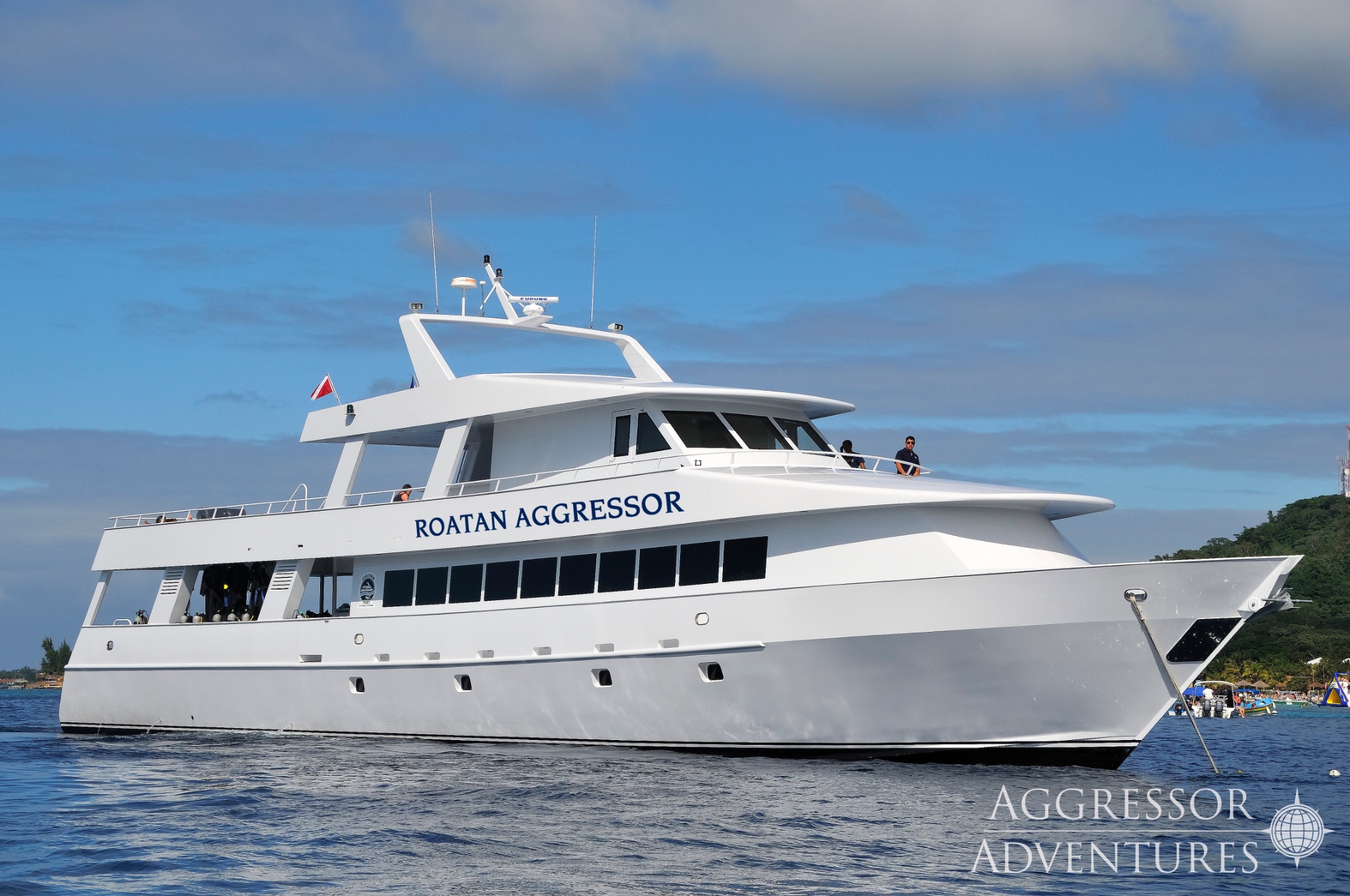
Roatan Aggressor
Honduras
18 guests31.1 m
$309/day
Dive sites similar to Diane's Dream
Same character, same waters — six more sites divers love for the exact same reasons.Compare seasons, access and liveaboard routes — then pick the site that fits your trip best.
© Esri — Maxar, Earthstar, GIS
Satoshi’s Grave
Honduras
Satoshi’s Grave is a distinctive wreck site located on the southern shore of Roatan, specifically the Wreck of Mr. Bud.
- Suitable for
- Beginner
- Current
- Moderate
- Access
- Liveaboard or dayboat
- Depth
- 18–18 m
- Theme
- Wreck / Reef
© Esri — Maxar, Earthstar, GIS
Butcher's Bank
Honduras
Butcher's Bank is a celebrated dive site in Roatan, Honduras, widely regarded as one of the island's most enjoyable locations, particularly for novice divers.
- Suitable for
- Beginner
- Current
- Mild
- Access
- Dayboat
- Depth
- 12–18 m
- Theme
- Reef
© Esri — Maxar, Earthstar, GIS
Wreck of the Aguila
Honduras
The Wreck of the Aguila, affectionately known as 'The Eagle,' is a 60-meter (200-foot) cargo ship purposefully sunk in 1997 to create an artificial reef within recreational diving limits.
- Suitable for
- Intermediate
- Current
- Mild
- Access
- Dayboat
- Depth
- 20–33 m
- Theme
- Wreck / Reef
© Esri — Maxar, Earthstar, GIS
Al's Garden
Honduras
Al's Garden is a notable dive site located in Roatan, part of Honduras's Bay Islands, a region renowned for its vibrant underwater topography and diverse marine ecosystems.
- Suitable for
- Intermediate
- Current
- Moderate
- Access
- Liveaboard or dayboat
- Depth
- 9–40 m
- Theme
- Reef
© Esri — Maxar, Earthstar, GIS
Aaron's Backyard
Honduras
Aaron's Backyard is a noted dive site within the Roatan Marine Park in Honduras, part of the extensive Mesoamerican Barrier Reef System.
- Suitable for
- Intermediate
- Current
- Moderate
- Access
- Liveaboard or dayboat
- Depth
- 9–40 m
- Theme
- Reef
Roatán, part of the Bay Islands of Honduras, offers a diverse underwater landscape situated along the Mesoamerican Barrier Reef System, which is the second largest barrier reef globally.
- Suitable for
- Intermediate
- Current
- Moderate
- Access
- Liveaboard or dayboat
- Depth
- 9–40 m
- Theme
- Reef