About The Wreck
The C-53 Felipe Xicotencatl, known as "The Wreck" in Cozumel, Mexico, is a prominent artificial reef and a key dive site in the Caribbean. This former U.S. Navy minesweeper, originally named USS Scuffle and later transferred to the Mexican Navy, served for decades before its intentional sinking in June 2000 near Chankanaab Park. Its purpose was to create new marine habitat and alleviate pressure on natural reefs, making it an evolving sanctuary for diverse marine life. The vessel rests at approximately 24 meters (78 feet) on a sand bank, offering a large, intact structure stretching about 61 meters (200 feet) long and 12 meters (40 feet) wide. Divers descend a mooring line to the bow, then explore various sections like the engine room, officers' quarters, and wheelhouse. Its accessibility and multiple exit points make navigation straightforward, though lights are recommended for interior penetration. For those seeking shallower options, Cozumel also features two smaller Navy patrol boats, the P74 Laguna de Mandinga and PC321 Laguna de Patzcuaro, sunk in 6 meters (20 feet) of water. Marine life has thoroughly colonized the C-53, with dense sponges and corals steadily transforming the wreck. You can expect to encounter schools of glassy sweepers within its darker corridors and an impressively large green moray eel often residing inside. The outside environment also attracts groupers and various fish species. This dive is accessible to certified divers with some previous wreck or deep diving experience. While exploration of the exterior is open to many, advanced divers can undertake interior penetration. Cozumel typically offers 1-2 dives per day at this site, providing an immersive experience into both history and marine ecology.
Highlights
C-53 Felipe Xicotencatl minesweeperMassive green moray eelSchools of glassy sweepersIntact ship structureEngine room explorationDense sponge and coral growthShallow patrol boat wrecks
Dive site facts: The Wreck
- Depth
- 6–24 m
- Current
- Mild
- Entry
- Liveaboard or dayboat
- Level
- Intermediate
- Dive type
- Wreck, Reef
- Region / port
- Mexico
- Coordinates
- 22.9500° N, 109.4000° W
Conditions & Currents
Currents at the C-53 wreck site can vary, although they are generally manageable for divers with appropriate experience. The site is normally dived by descending a mooring line directly to the bow, providing a controlled entry point. While the primary C-53 wreck site does not typically experience strong surge, the shallower patrol boat wrecks located off Playa las Casitas can have strong currents and boat traffic, necessitating the use of a surface marker buoy for safety if shore diving them. Visibility around the C-53 is usually good but can be influenced by local conditions, providing clear views of the wreck and its marine inhabitants. There are no reported significant thermoclines at this depth. Divers should be certified with previous deep or wreck diving experience to safely explore the C-53, especially for potential interior penetration where lights are advisable.
Why dive The Wreck from a liveaboard?
The Wreck is one of Mexico's signature dive sites. A liveaboard sleeps you on the water and puts you in the water for three to four guided dives per day, including dawn and night dives that day-boat operators rarely offer. You skip the daily commute back to port and reach quieter, less-crowded sites in the same region on a single trip.
Below are the liveaboards that include The Wreck on their Mexico itineraries.
Liveaboards diving The Wreck
These liveaboards may visit The Wreck on selected itineraries — the exact dive sites depend on departure, weather and conditions.
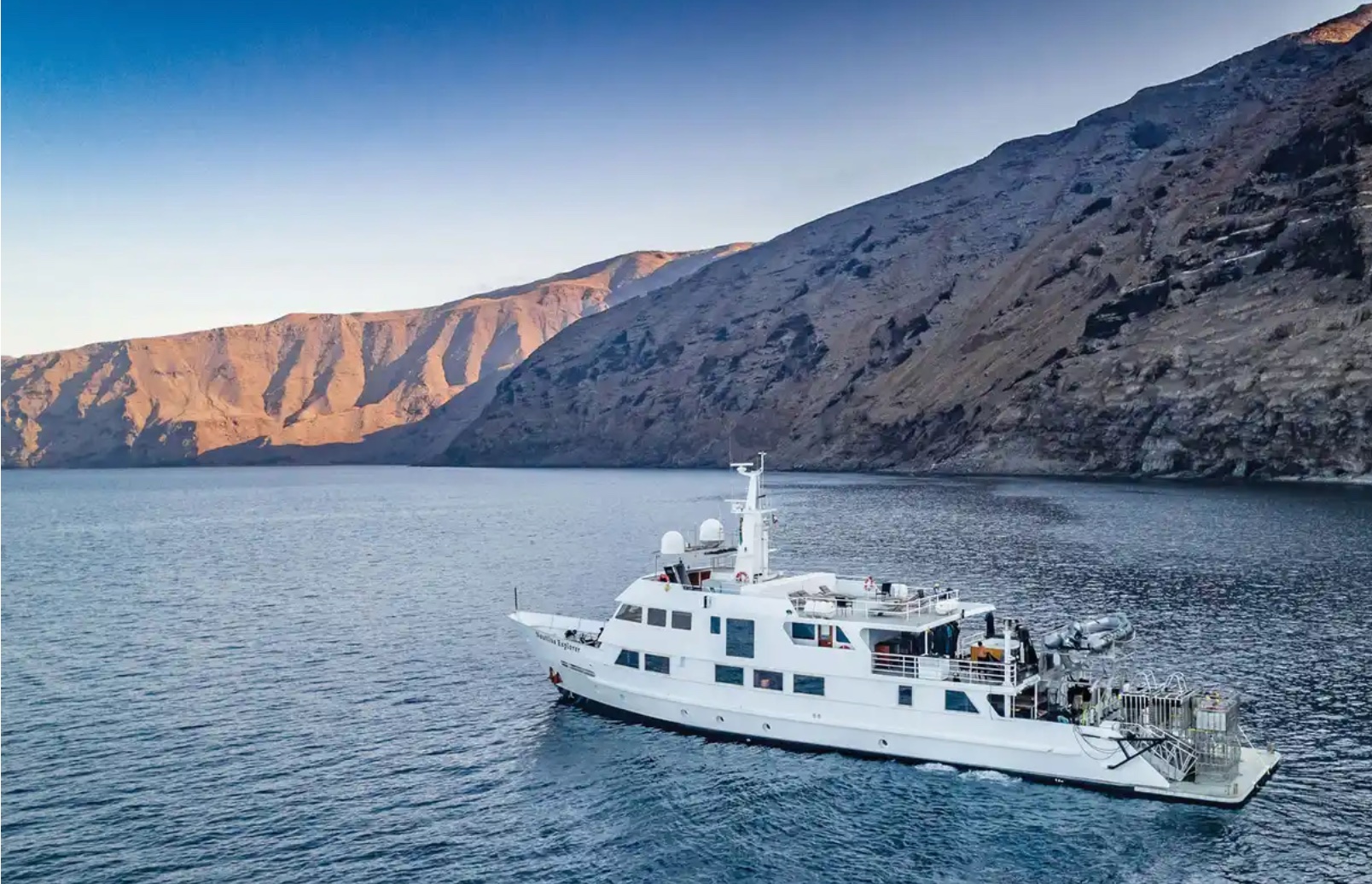
Nautilus Explorer
Mexico
25 guests44.8 m
$230/day
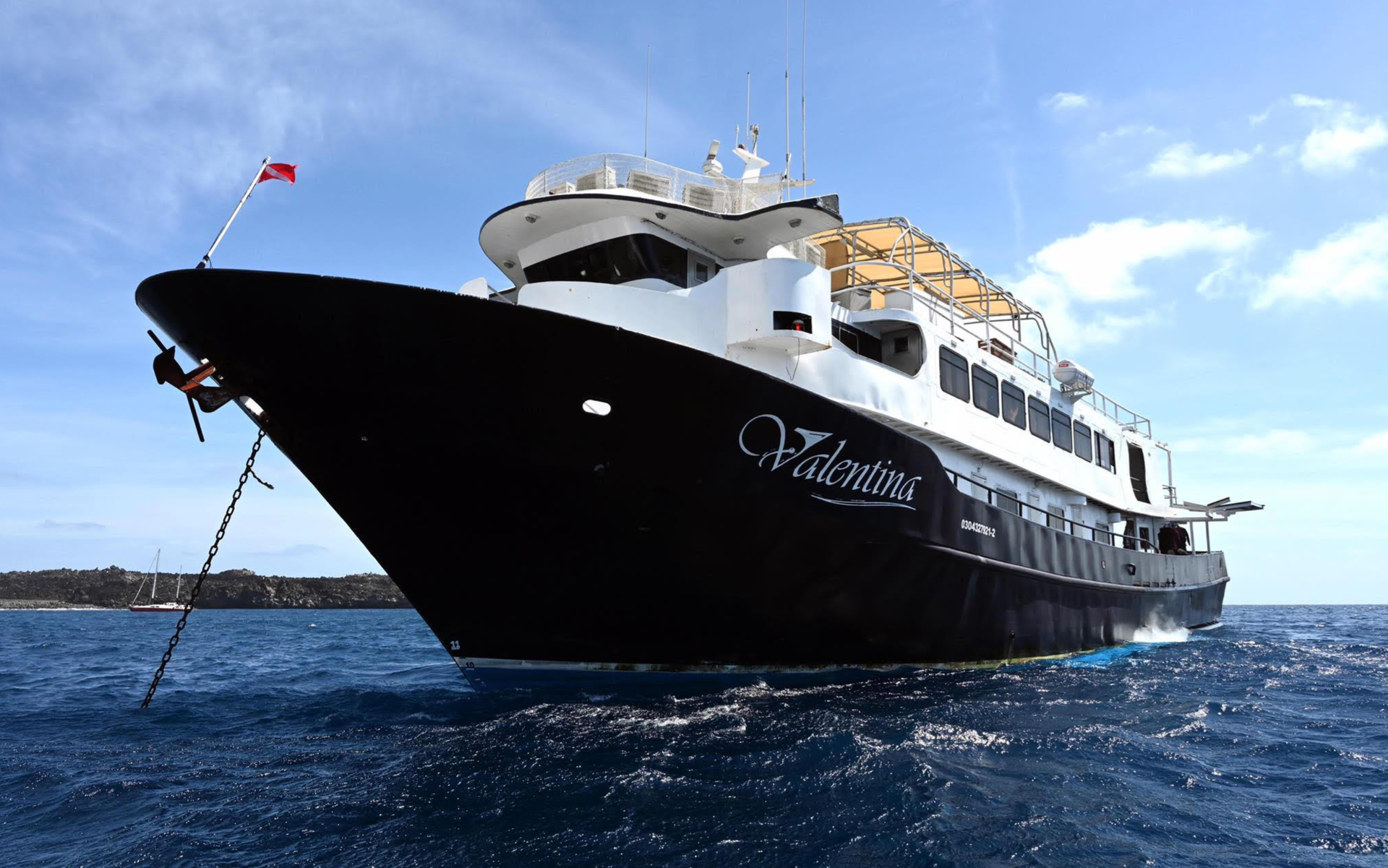
Valentina
Mexico
20 guests38.1 m
$430/day
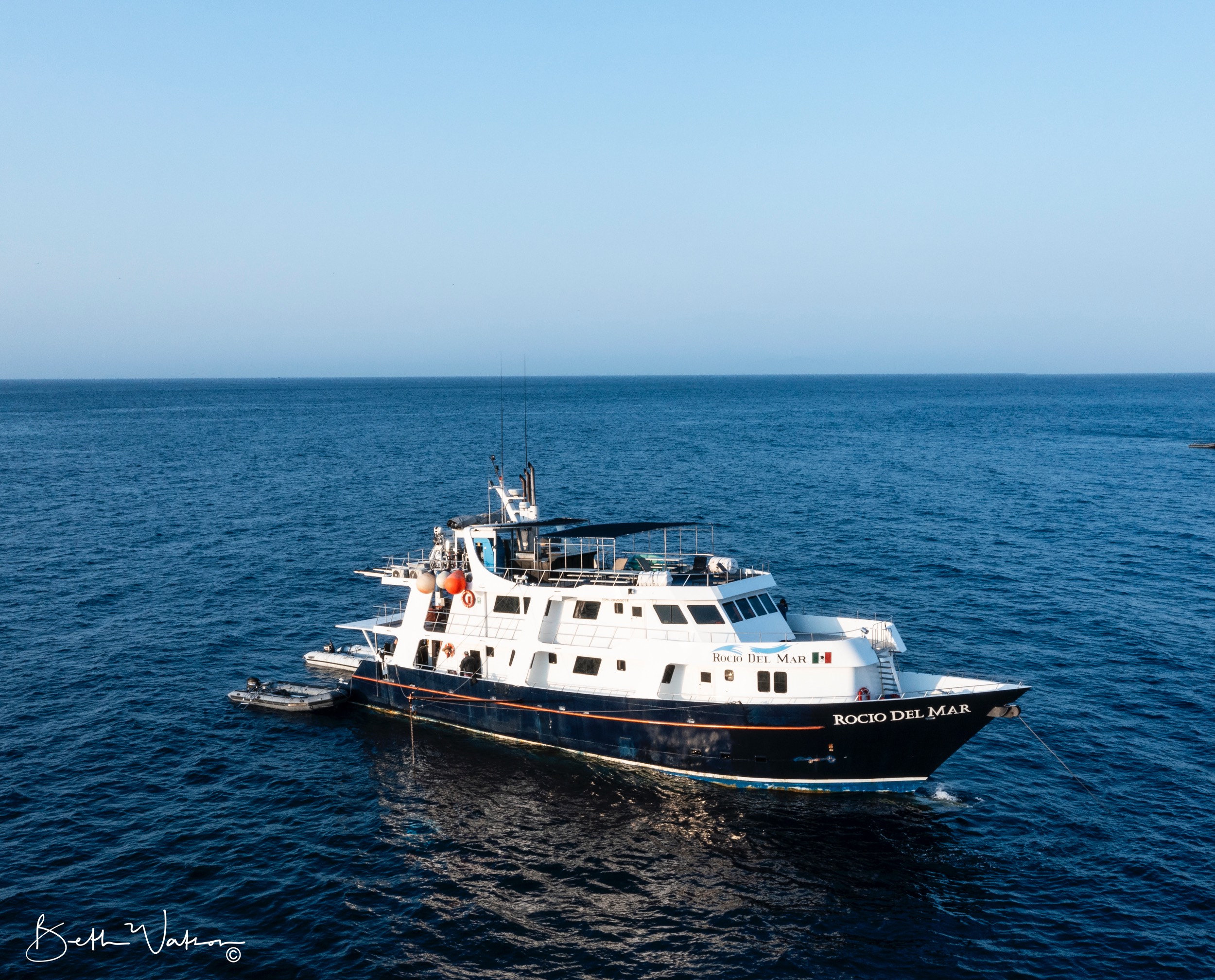
Rocio del Mar
Mexico
20 guests33.5 m
$392/day
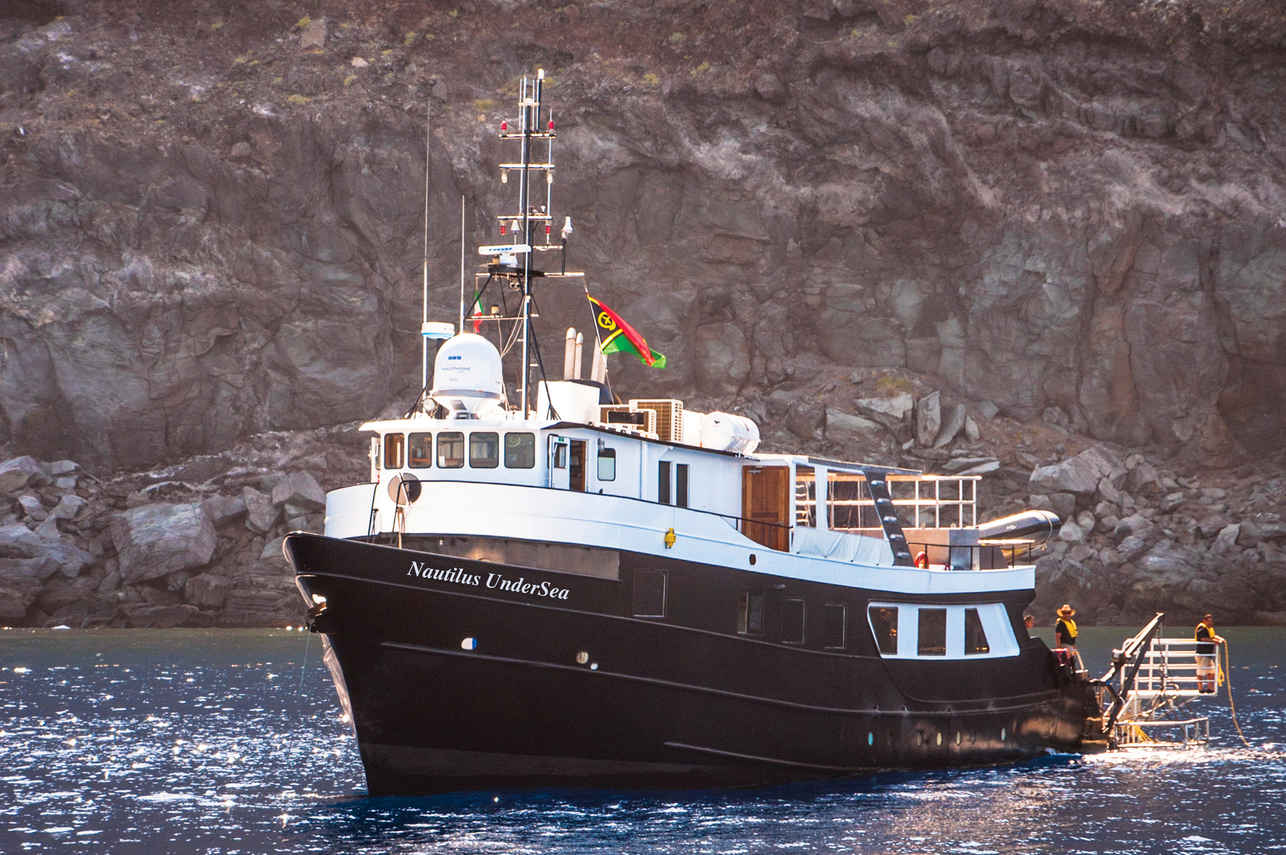
Nautilus Under Sea
Mexico
19 guests32 m
$261/day
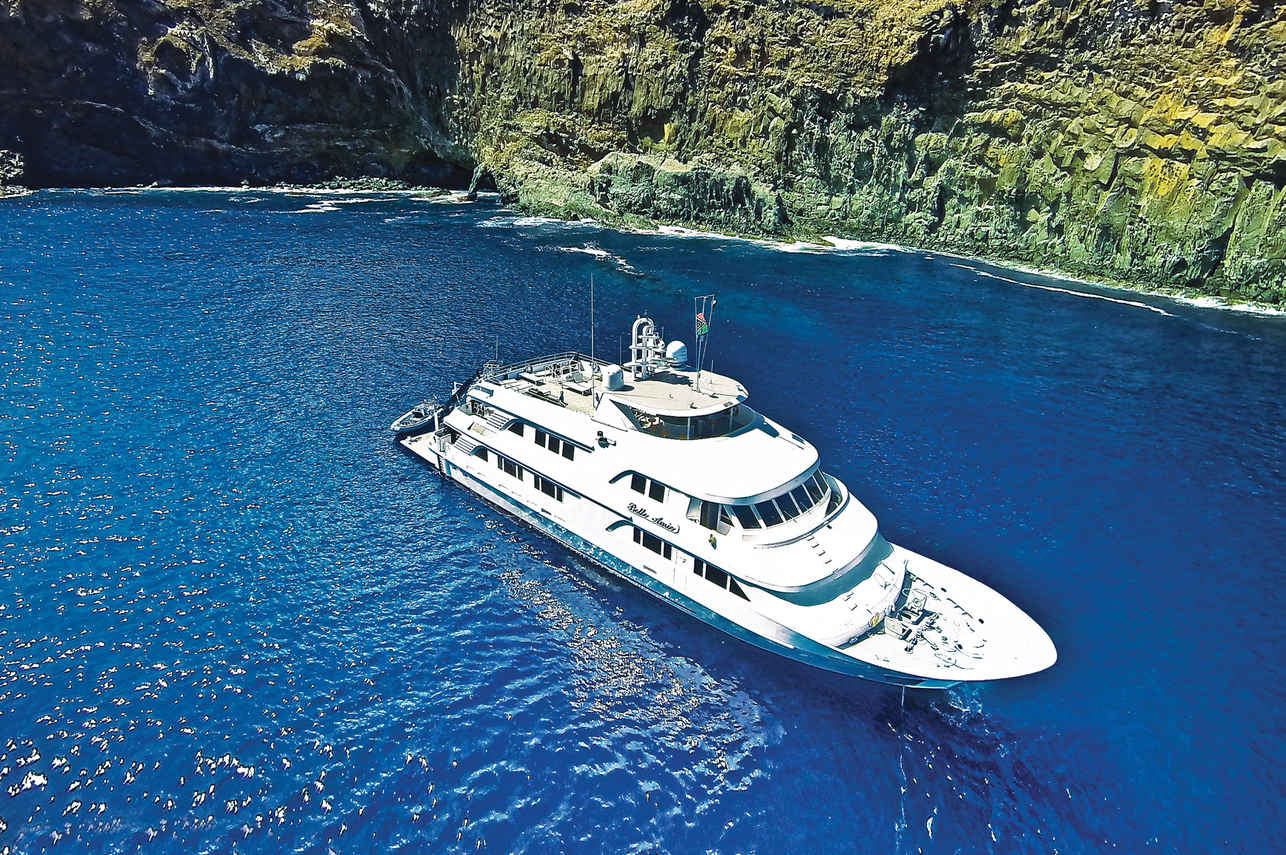
Nautilus Belle Amie
Mexico
32 guests44.8 m
$299/day
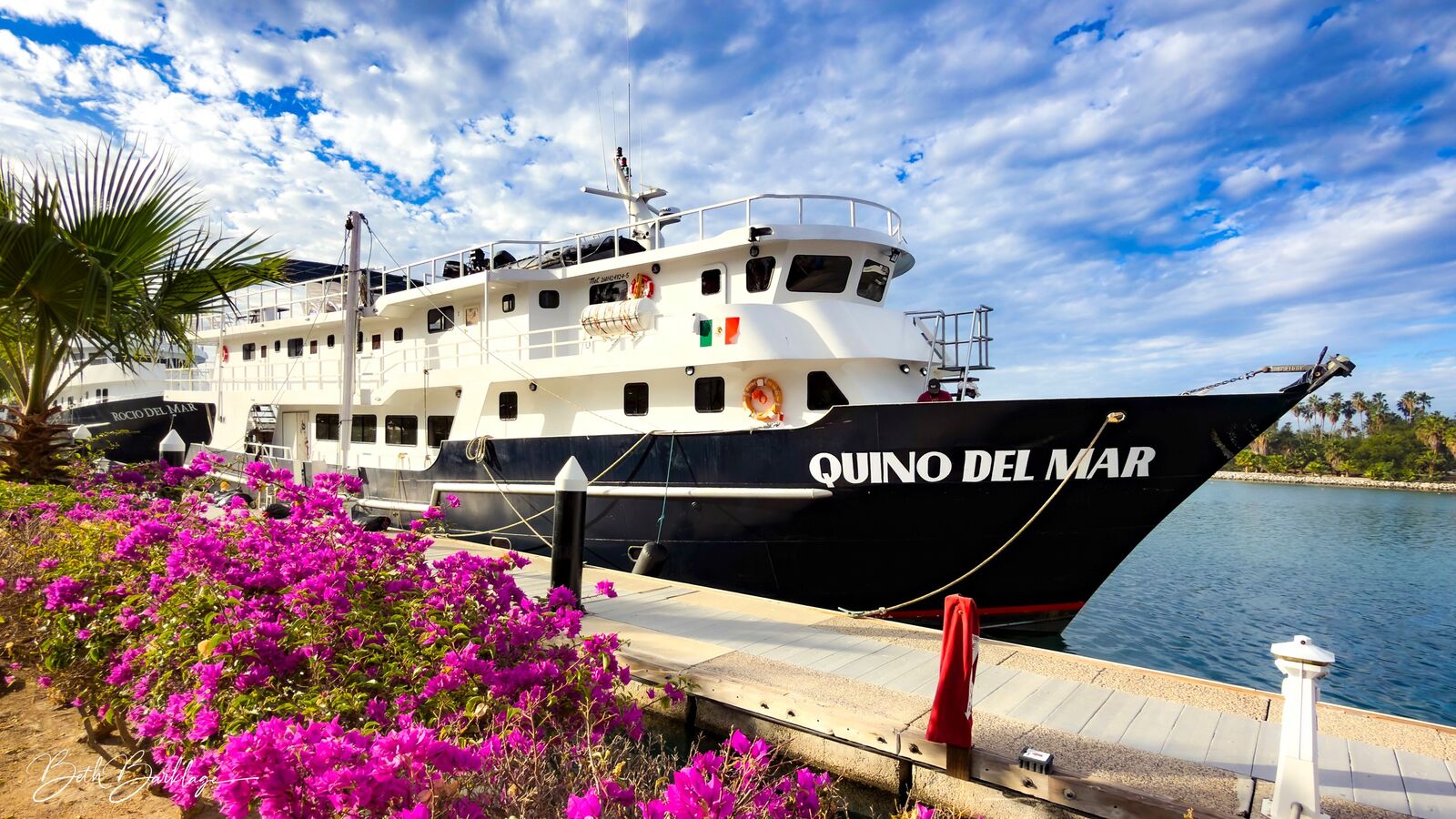
Quino del Mar
Mexico
20 guests36 m
$392/day
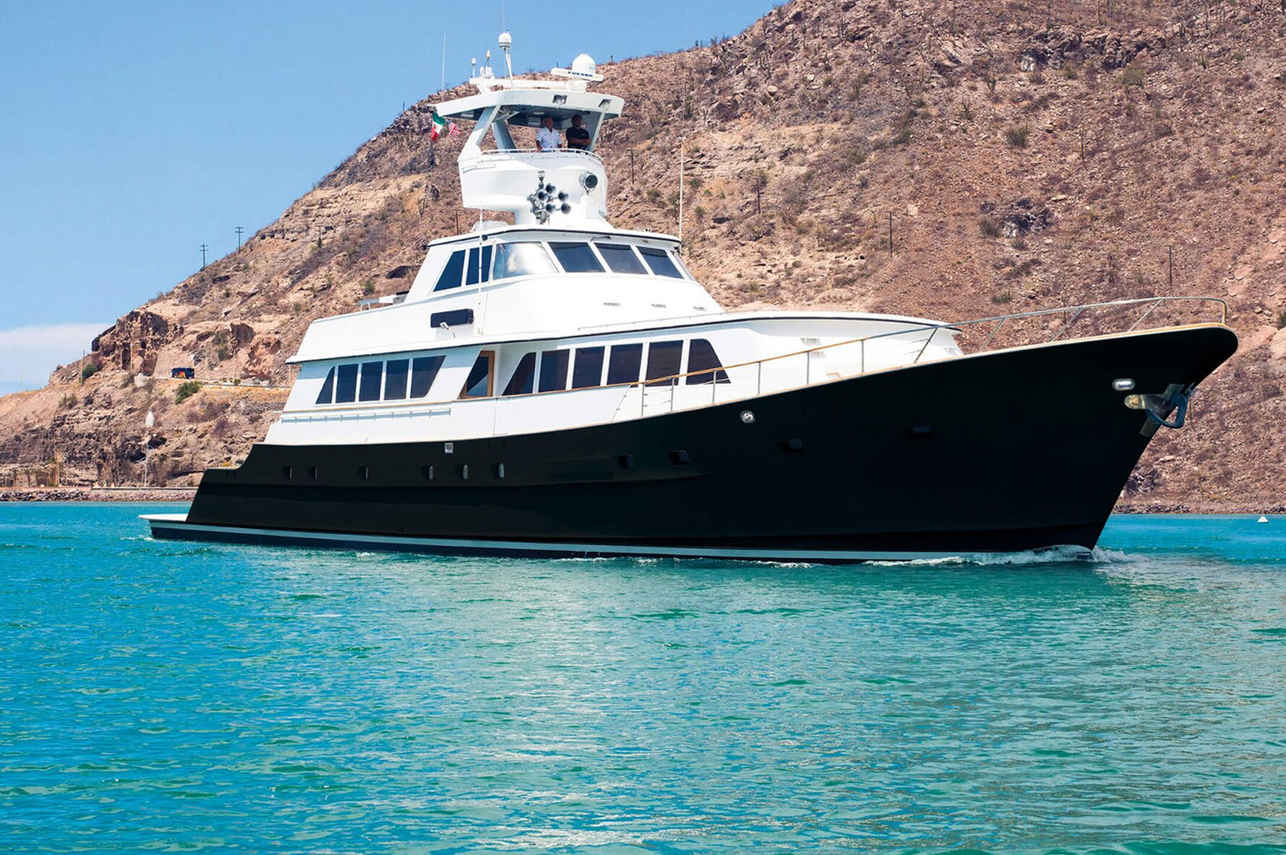
Nautilus Gallant Lady
Mexico
12 guests35.36 m
$332/day
Dive sites similar to The Wreck
Same character, same waters — six more sites divers love for the exact same reasons.Compare seasons, access and liveaboard routes — then pick the site that fits your trip best.
© Esri — Maxar, Earthstar, GIS
Tak Be Luum
Mexico
Cenote Tak Be Luum, located in the Mexican state of Quintana Roo, is an exceptional cavern dive that forms part of the vast Sac Actun underwater cave system, one of the world's largest.
- Suitable for
- Advanced
- Current
- No current
- Access
- Shore / dayboat
- Depth
- 4–9 m
- Theme
- Reef
© Esri — Maxar, Earthstar, GIS
Neptune's Finger
Mexico
Neptune's Finger is a renowned dive site located in Cabo San Lucas, Mexico, at the southern tip of the Baja California Peninsula.
- Suitable for
- Beginner
- Current
- Mild
- Access
- Liveaboard or dayboat
- Depth
- 4–152 m
- Theme
- Reef
© Esri — Maxar, Earthstar, GIS
Majahuitas
Mexico
Majahuitas is a pristine and secluded cove located on the southern coast of Banderas Bay, near Puerto Vallarta, Mexico.
- Suitable for
- Beginner
- Current
- Mild
- Access
- Dayboat
- Depth
- 8–14 m
- Theme
- Reef
La Poza is a remarkable dive site located in Xcalak, a serene fishing village situated on Mexico's Caribbean coast, near the Belize border.
- Suitable for
- Advanced
- Current
- Mild
- Access
- Shore / dayboat
- Depth
- 20–25 m
- Theme
- Reef
© Esri — Maxar, Earthstar, GIS
Siete Bocas
Mexico
Cenote Siete Bocas, meaning "Seven Mouths," is a unique cavern dive site nestled along the Ruta de los Cenotes near Puerto Morelos in Mexico's Riviera Maya.
- Suitable for
- Intermediate
- Current
- No current
- Access
- Shore / dayboat
- Depth
- ≤ 30 m
- Theme
- Reef
© Esri — Maxar, Earthstar, GIS
Sleeping Shark Cave
Mexico
Sleeping Shark Cave is a legendary underwater site situated off the eastern coast of Isla Mujeres, Mexico.
- Suitable for
- Intermediate
- Current
- No current
- Access
- Liveaboard or dayboat
- Depth
- 16–20 m
- Theme
- Reef