About Crystalino
Crystalino is a popular dive site situated within the rich marine environments of Mexico, contributing to the country's reputation as a top diving destination. This region is renowned for its significant biodiversity and dynamic underwater landscapes, attracting divers from across the globe. While the sources provided focus on broader Mexican diving regions like La Paz, the Sea of Cortez, Los Cabos, and Socorro, they collectively paint a picture of the exceptional marine richness that sites like Crystalino benefit from. The topography of Mexico's dive sites often features dramatic geography, including steep walls, deep ocean waters close to shore, and extensive coral systems. These formations create a variety of habitats, from shallow reefs to deeper pelagic zones, accommodating a wide array of marine species. Water temperatures are generally warm, ranging from 19°C to 29°C throughout the year, with visibility frequently exceeding 25 meters, providing excellent conditions for exploration. The marine life encountered in these waters is remarkably diverse, influenced by seasonal migrations and nutrient-rich currents. Divers can expect to see pelagic species such as whale sharks, manta rays, hammerhead sharks, and humpback whales, alongside resident populations of sea lions, dolphins, and numerous species of reef fish. The unique meeting point of ocean currents, especially in regions like Los Cabos where the Pacific Ocean meets the Sea of Cortez, creates particularly productive ecosystems. Diving at sites like Crystalino typically involves navigating these currents, which can range from gentle glides to stronger drifts. Operators often utilize boat charters, providing detailed briefings on current speed and direction, entry methods, and pick-up systems. This allows for effortless exploration of vast underwater areas, making the dive experience relaxing yet exhilarating, with the focus on observing the vibrant marine scenery as it unfolds.
Highlights
Crystal-clear freshwater visibilityAncient geological formationsStalactite and stalagmite structuresUnique cavern environmentFreshwater aquatic life
Season calendar
Best months to dive here
Jan
Feb
Mar
Apr
May
Jun
Jul
Aug
Sep
Oct
Nov
Dec
Excellent
Good
Dive site facts: Crystalino
- Depth
- 5–30 m
- Typical dive
- 12–25 m, 50–60 min
- Current
- Mild to moderate drift
- Visibility
- 15–30 m
- Water temperature
- 19–29°C
- Entry
- Boat / giant stride or back-roll
- Level
- Open Water with good buoyancy, drift experience helpful
- Dive type
- Reef, drift, big animals
- Region / port
- Mexico (Yucatan Peninsula or similar)
- Coordinates
- 20.3117, -87.1683
Conditions & Currents
Dive sites in Mexico frequently experience currents, which are often utilized for drift diving, especially in areas like Cozumel. The strength can vary from gentle, barely noticeable flows to much faster currents that provide a sensation of 'flying' over the reef. These currents are typically persistent, open-ocean flows rather than tidal, meaning they don't reverse or stop with the tide. Successful drift diving relies on proper buoyancy control and a horizontal position, allowing the ocean to provide propulsion while divers conserve energy. Entry methods usually involve a giant stride or back-roll followed by an immediate descent to avoid being carried off course by surface currents. The boat then follows the divers' bubbles and picks them up wherever the drift concludes, necessitating the use of surface marker buoys. Visibility remains consistently clear due to the flowing water, ofte
Marine life & sighting chances

Whale Shark
Summer & Winter · occasional
Manta Ray
Summer · occasional
Mobula Ray
Spring, Summer & Winter · common
Sea Lion
Fall, Spring & Summer · common
Humpback Whale
Winter · rare
Dolphin
Fall · occasional
Hammerhead Shark
Winter & Spring · occasional
Orca
Summer · rare
Yellowfin Tuna
Spring · occasional
Eagle Ray
occasional
Reef Shark
occasional
Turtle
commonDive profile & how the dive runs
A typical dive at Crystalino begins with a comprehensive briefing detailing the estimated current speed and direction, along with entry and exit procedures. Divers will execute a giant stride or back-roll entry, followed by an immediate descent to the planned depth, usually around 12-25 meters, to avoid being pushed off course by surface currents. The dive proceeds as a drift, allowing the current to carry divers effortlessly along the reef, showcasing diverse coral formations and marine life. Buoyancy control is paramount to maintain a horizontal position just above the reef, preventing damage to corals and ensuring optimal viewing. The divemaster leads the group, monitoring air consumption and depth. As the dive approaches its planned end, usually after 50-60 minutes or when air limits are reached (typically 700-1000 psi), divers will perform a safety stop before deploying a Surface Marker Buoy (SMB). The boat, which has been tracking the group from the surface by their bubbles, will then pick up divers at their surfacing point.
Underwater photography
Crystalino offers fantastic opportunities for wide-angle photography, especially when pelagic species like manta rays or schooling fish are present. Photographers should consider using a fisheye or wide-angle lens to capture the expansive underwater scenery and large animal encounters. Clear blue waters, particularly from November to December, provide excellent natural light. Maintaining high shutter speeds can help freeze the action of fast-moving sharks or mobula rays. For capturing detail in deeper areas or during overcast conditions, a strong video light is essential. Due to potential currents, solid buoyancy control is crucial to avoid touching the reef and to maintain stable shots.
Combine with nearby dive sites
- Akumal Bay
Akumal Bay Marine Park, nestled along Mexico's Riviera Maya, stands out as a premier Caribbean destination, particularly renowned for its…
- Cenote Kukulkan (Chikin Ha)
Cenote Kukulkan, often referred to as Chikin Ha, is a captivating underwater cavern system located in the heart of the Yucatán Peninsula…
- Cenote Cristalino
Cenote Cristalino is a popular open-air cenote located approximately 20 minutes south of Playa del Carmen, alongside Highway 307 in…
- The Wall
Cozumel's western coast features a dramatic reef shelf that plunges thousands of feet into the ocean.
- Paso de Cedral
Paso de Cedral is a dynamic drift dive site located off the coast of Cozumel, Mexico, forming part of the Mesoamerican Barrier Reef.
- Atlantis
Atlantis Reef is a captivating dive site located off the coast of Isla Mujeres, Mexico, offering certified divers an exciting exploration…
Getting there & logistics
Diving in the region around Crystalino often involves day trips from coastal towns, though specific departure ports are not detailed in the sources for this site. For wider Mexican diving, San José del Cabo serves as a hub for liveaboard expeditions to remote locations like Socorro. General access to Mexican dive sites typically begins by flying into major international airports such as Cancun International Airport (CUN) for Caribbean coast sites, or Los Cabos International Airport (SJD) for Baja California destinations. From these airports, divers can transfer to local ports. Trips can range from single-day excursions to multi-day liveaboard adventures. Park fees and permits may apply depending on the specific location, such as the Marine Park fee often associated with Cozumel diving.
Safety & environment
Ensuring safety while diving at Crystalino, particularly with potential currents, requires adherence to a thorough pre-dive briefing from a reputable local dive charter. Divers must maintain excellent buoyancy control to avoid contact with the reef and to stay with their group. An essential piece of equipment for drift diving is a Surface Marker Buoy (SMB), which allows the boat crew to easily track and retrieve divers after ascent. In the event of an emergency, prompt evacuation would typically involve transport back to the nearest coastal medical facility. While specific recompression chamber locations for Crystalino are not listed, major diving hubs in Mexico generally have access to such facilities. Comprehensive dive insurance is highly recommended for all divers to cover unforeseen medical emergencies and evacuation costs.
Who it suits — and who it doesn't
Suited for
- Divers comfortable with drift diving techniques
- Open Water divers with good buoyancy control
- Underwater photographers seeking pelagic encounters
- Divers interested in diverse marine ecosystems
- Those looking for effortless exploration of reefs
Less suited for
- First-time divers without prior experience
- Divers who struggle with current
- Beginners with poor buoyancy control
- Divers unwilling to follow specific dive plans
- Those who prefer stationary dives
FAQ
Crystalino FAQ
What kind of marine life can I expect to see at Crystalino?
Crystalino's waters are part of Mexico's rich marine environment, offering a diverse array of species. You can expect to encounter pelagic animals such as whale sharks, manta rays, mobula rays, and occasional hammerhead sharks, especially during specific seasons. Resident populations include sea lions, dolphins, various reef fish, and turtles. The site's currents often bring nutrients, attracting a wide spectrum of marine life.
Is Crystalino suitable for beginner divers?
While the waters are generally warm and visibility is good, Crystalino often involves drift diving due to natural currents. Beginners with excellent buoyancy control and comfort in currents may enjoy it, but it's generally recommended for Open Water divers who have some experience with drift diving. Prior experience with moving water will greatly enhance your enjoyment and safety at this site.
What are the typical water conditions at Crystalino?
Crystalino boasts consistently warm waters, with temperatures ranging between 19°C and 29°C throughout the year, though thermoclines can cause cooler patches. Visibility is typically excellent, often exceeding 25 meters, providing clear views of the underwater landscape. Currents are a characteristic feature, supporting drift diving and influencing the presence of marine life. Surface conditions are generally calm outside of specific weather events.
What photography opportunities does Crystalino offer?
Crystalino is an excellent site for wide-angle underwater photography, particularly for capturing large pelagic species and expansive reef scenes. The clear water provides ample natural light for vibrant shots. Divers should consider bringing a fisheye or wide-angle lens to maximize their creative potential. Strong buoyancy control is advised for stable shots, especially in current, and a video light can be beneficial for deeper or shaded areas.
How is the diving experience structured at Crystalino?
Diving at Crystalino typically involves boat entries, where divers descend promptly to begin a drift dive. The current carries you along the reef, allowing for effortless exploration. Divemasters provide detailed briefings on the planned route and current conditions, ensuring a coordinated experience. After the dive, a safety stop is performed, and divers surface to be picked up by the boat, which has been tracking their progress. This method maximizes the ground covered and minimizes exertion.
Why dive Crystalino from a liveaboard?
Crystalino is one of Mexico's signature dive sites. A liveaboard sleeps you on the water and puts you in the water for three to four guided dives per day, including dawn and night dives that day-boat operators rarely offer. You skip the daily commute back to port and reach quieter, less-crowded sites in the same region on a single trip.
Below are the liveaboards that include Crystalino on their Mexico itineraries.
Liveaboards diving Crystalino
These liveaboards may visit Crystalino on selected itineraries — the exact dive sites depend on departure, weather and conditions.
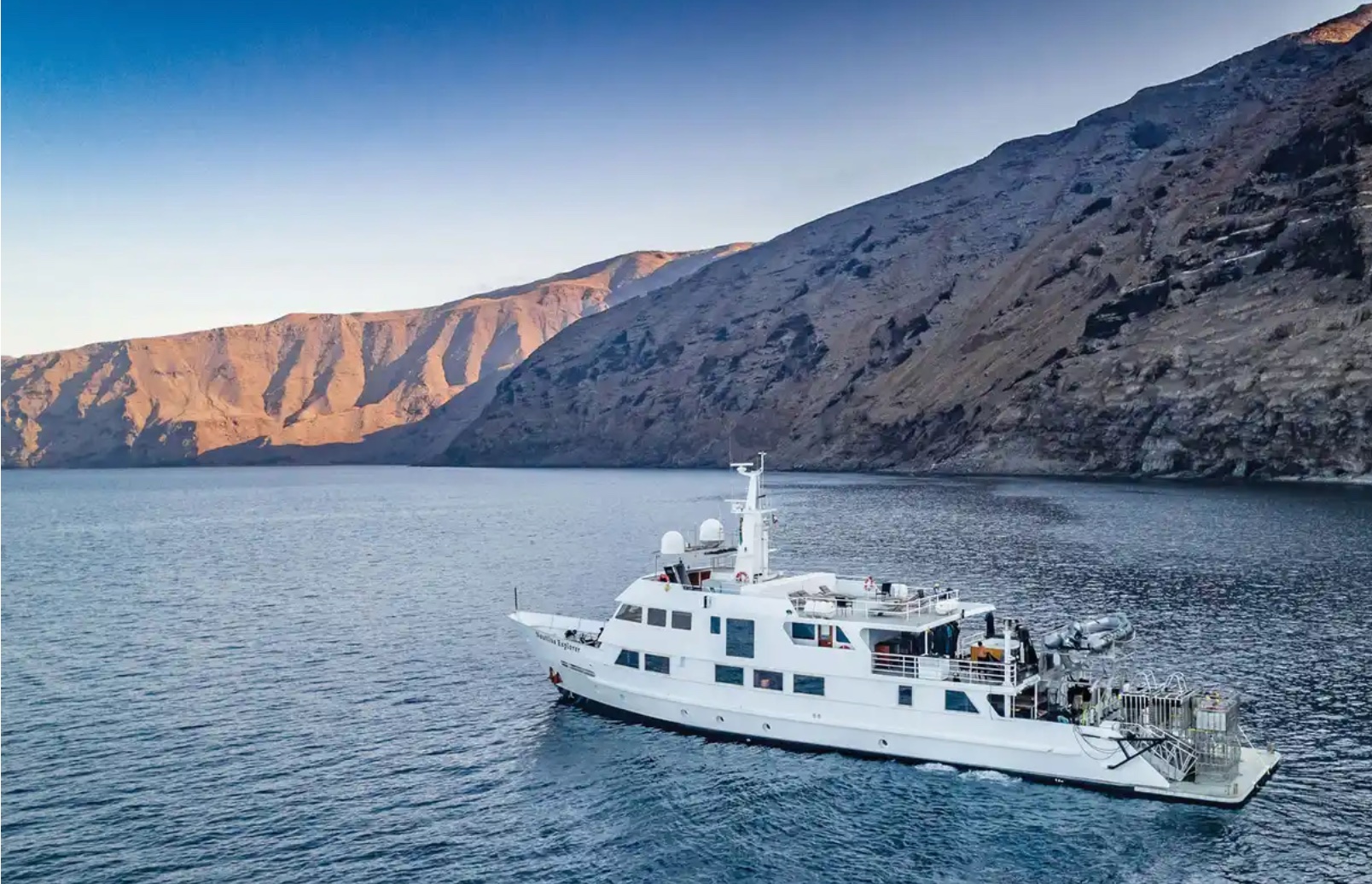
Nautilus Explorer
Mexico
25 guests44.8 m
$336/day
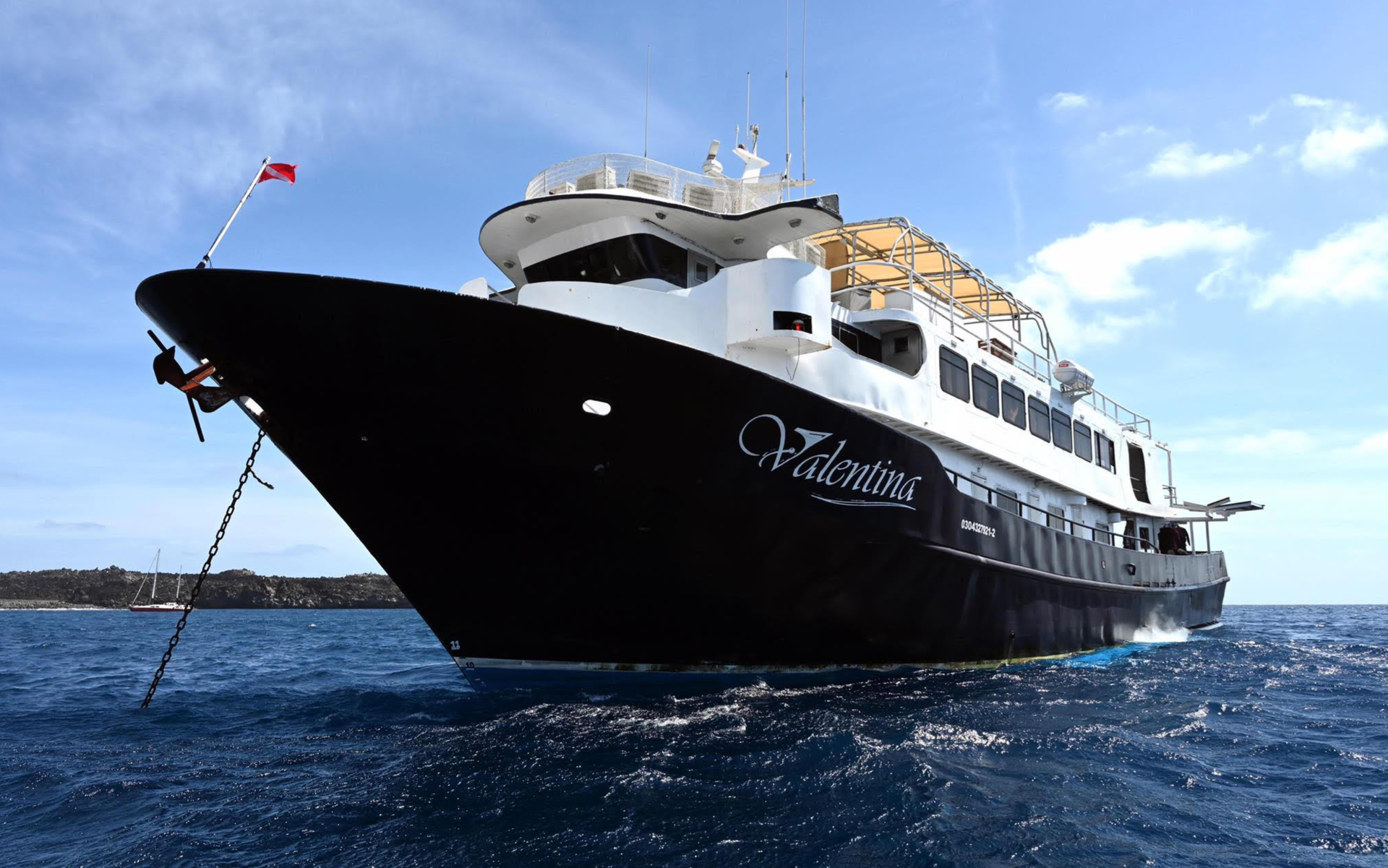
Valentina
Mexico
20 guests38.1 m
$430/day
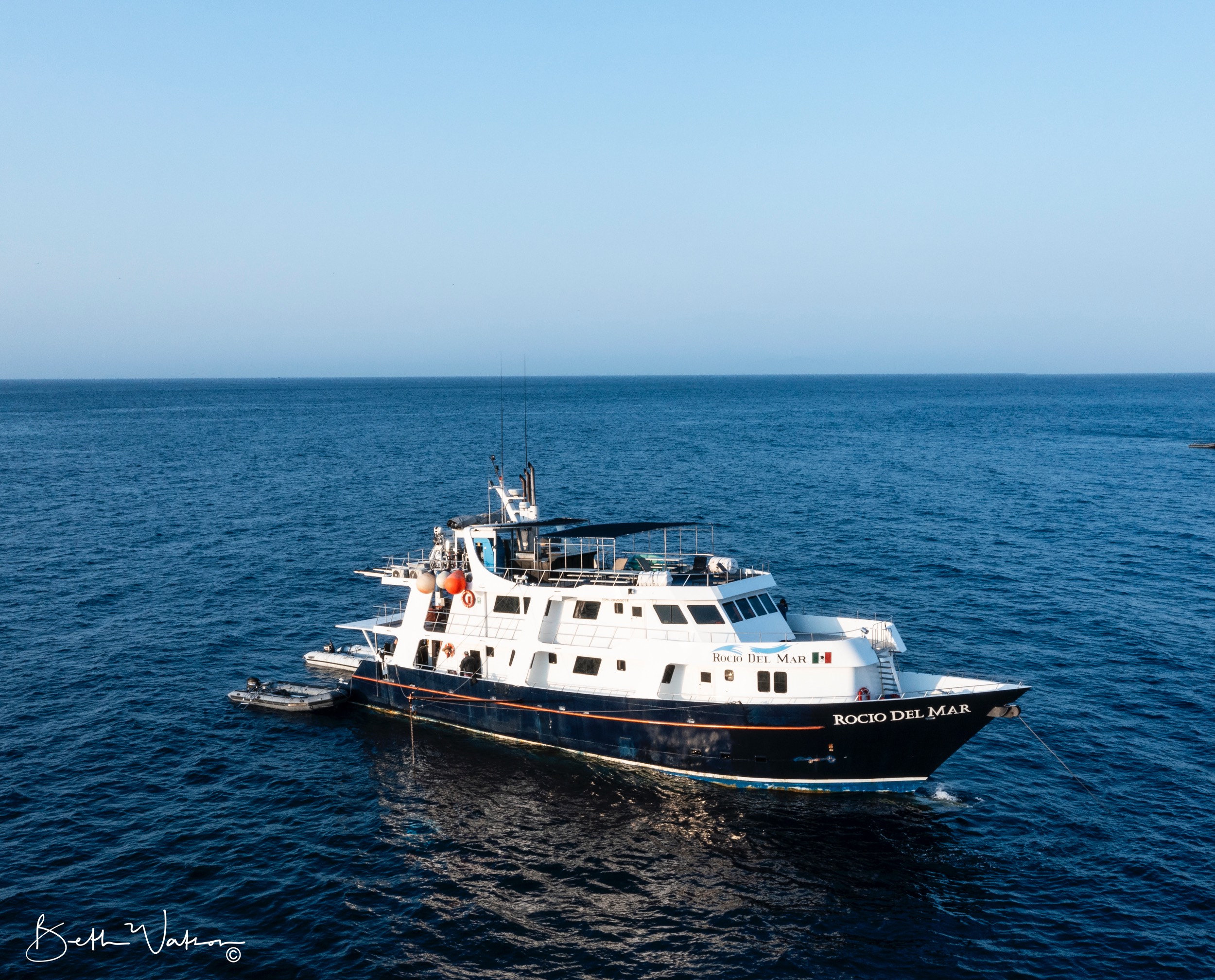
Rocio del Mar
Mexico
20 guests33.5 m
$392/day
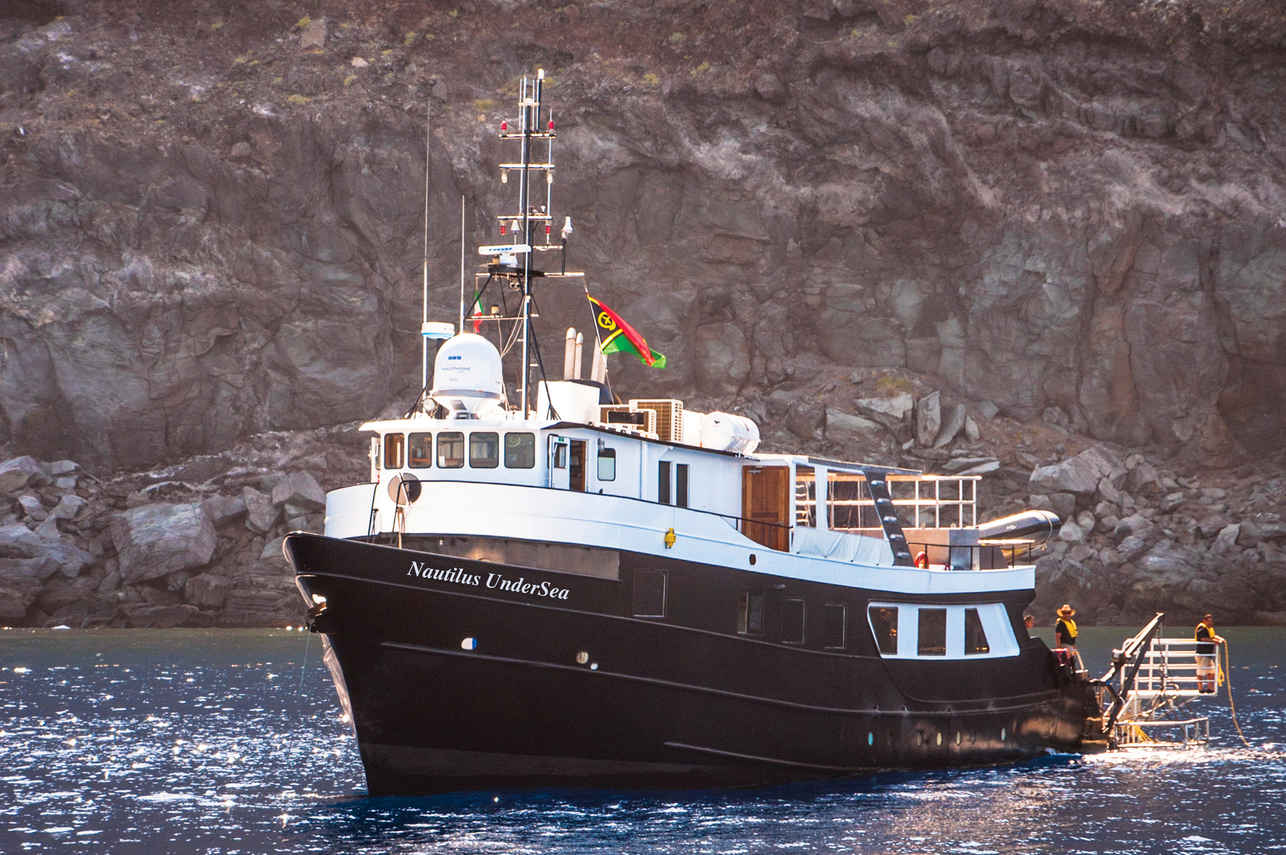
Nautilus Under Sea
Mexico
19 guests32 m
$261/day
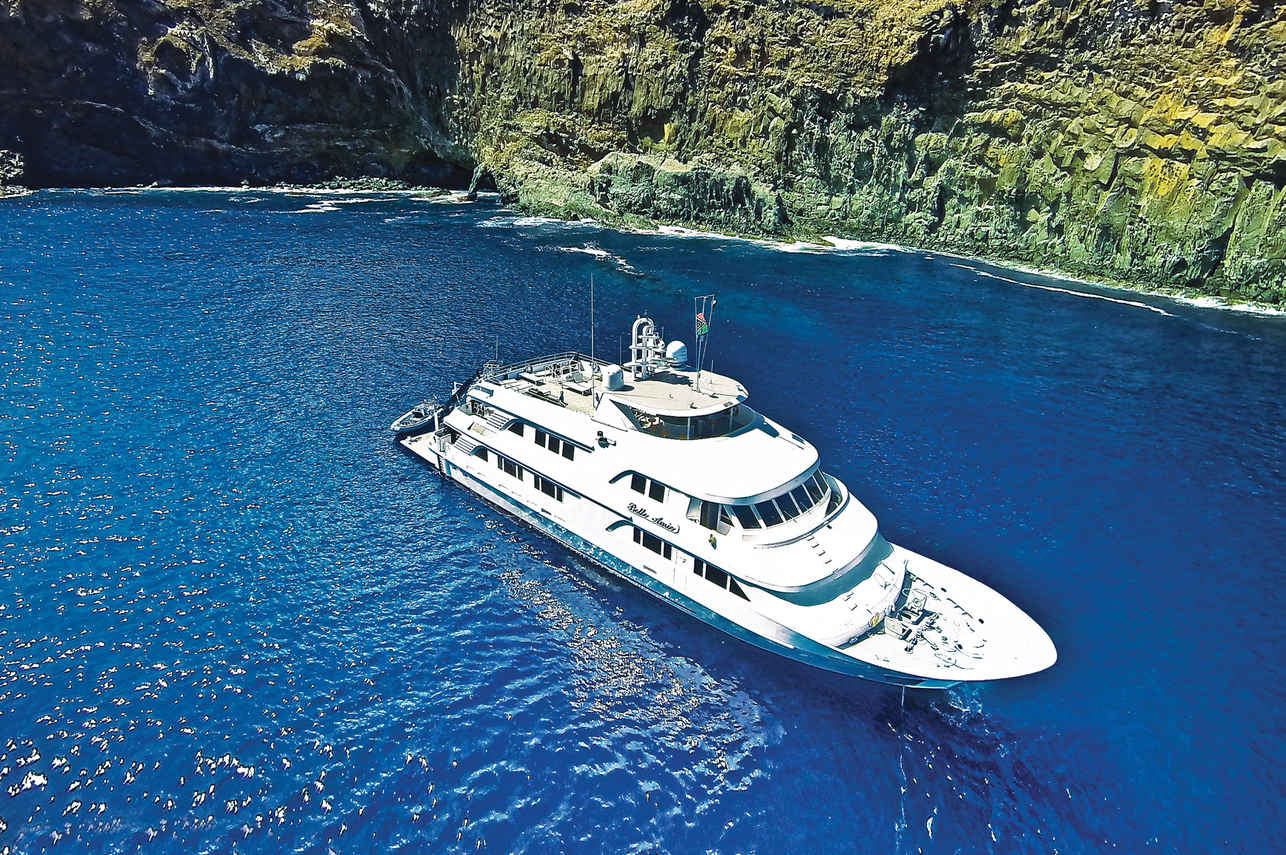
Nautilus Belle Amie
Mexico
32 guests44.8 m
$323/day
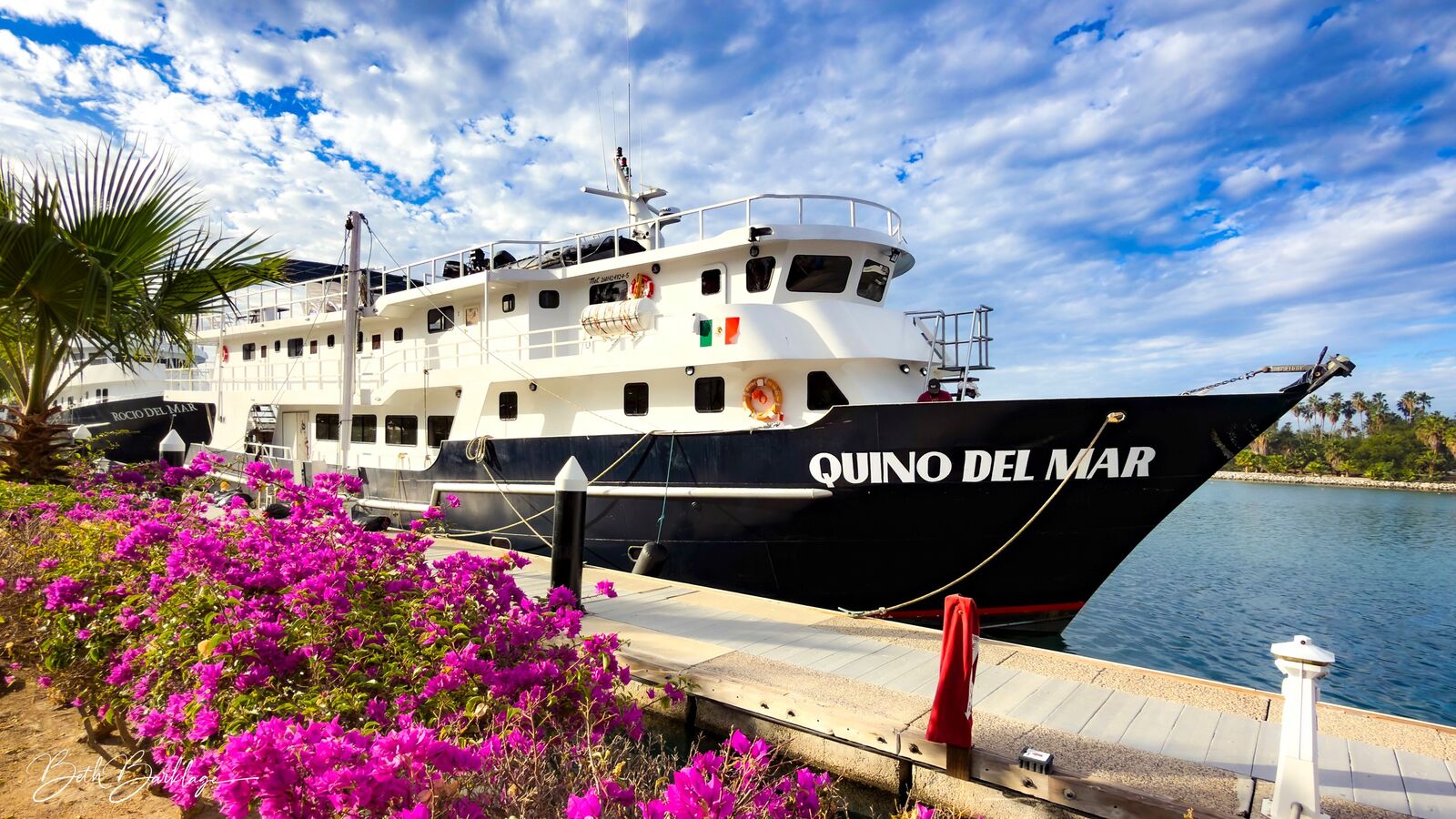
Quino del Mar
Mexico
20 guests36 m
$377/day
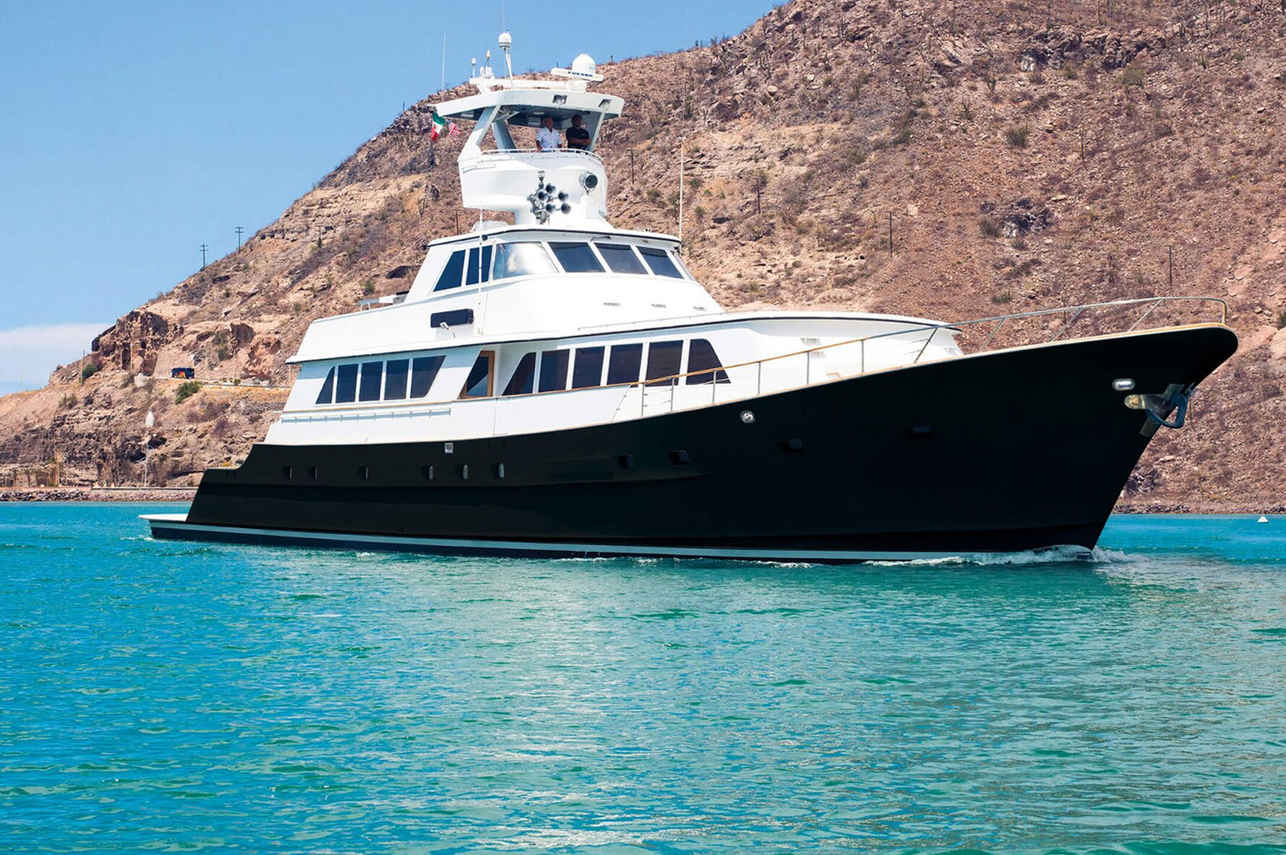
Nautilus Gallant Lady
Mexico
12 guests35.36 m
$332/day
Dive sites similar to Crystalino
Same character, same waters — six more sites divers love for the exact same reasons.Compare seasons, access and liveaboard routes — then pick the site that fits your trip best.
Cozumel's western coast features a dramatic reef shelf that plunges thousands of feet into the ocean.
- Suitable for
- Intermediate
- Current
- Mild
- Access
- Liveaboard or dayboat
- Depth
- 15–27 m
- Theme
- Reef
© Esri — Maxar, Earthstar, GIS
Majahuitas
Mexico
Majahuitas is a pristine and secluded cove located on the southern coast of Banderas Bay, near Puerto Vallarta, Mexico.
- Suitable for
- Beginner
- Current
- Mild
- Access
- Dayboat
- Depth
- 8–14 m
- Theme
- Reef
© Esri — Maxar, Earthstar, GIS
Isla Montserrat
Mexico
Isla Montserrat is one of the five major islands within the Bahía de Loreto National Park, offering a diverse range of diving opportunities.
- Suitable for
- Intermediate
- Current
- Mild
- Access
- Liveaboard only
- Depth
- —
- Theme
- Reef / Wall
© Esri — Maxar, Earthstar, GIS
Black Coral
Mexico
Black Coral I and II are prominent dive sites within Cuba's Jardines De La Reina marine reserve, renowned for their exceptionally healthy coral ecosystems and diverse marine life.
- Suitable for
- Intermediate
- Current
- Moderate
- Access
- Liveaboard only
- Depth
- 15–40 m
- Theme
- Reef
© Esri — Maxar, Earthstar, GIS
Little Brother
Mexico
Cenote Little Brother is an enchanting freshwater cavern dive located in Mexico's Riviera Maya, forming part of the larger Chac Mool system.
- Suitable for
- Intermediate
- Current
- No current
- Access
- Shore / dayboat
- Depth
- ≤ 15 m
- Theme
- Reef
© Esri — Maxar, Earthstar, GIS
Los Morros
Mexico
Los Morros is a captivating dive site situated within the Cabo Pulmo National Marine Park, an area celebrated for its remarkable marine conservation success in Baja California Sur, Mexico.
- Suitable for
- Advanced
- Current
- No current
- Access
- Liveaboard or dayboat
- Depth
- 12–24 m
- Theme
- Reef