About Los Morros
Los Morros is a captivating dive site situated within the Cabo Pulmo National Marine Park, an area celebrated for its remarkable marine conservation success in Baja California Sur, Mexico. This particular site is renowned for its unique underwater topography, characterized by rocky formations and a significant offshore position, setting it apart from some of the park's other locations. The park itself is a UNESCO World Heritage Site and protects one of North America's few hard coral reefs, showcasing the incredible recovery of marine life in the Sea of Cortez, once dubbed the "Aquarium of the World." Diving at Los Morros primarily explores depths ranging from 12 to 24 meters (40 to 80 feet). The site is recognized for its impressive schools of bigeye jacks, which can form massive, swirling columns extending from these depths all the way to the surface, offering a truly immersive experience. These rocky formations also attract various other marine species that thrive within the healthy reef system. While the bigeye jack schools are a year-round highlight, their presence is particularly spectacular. Divers can also encounter other reef inhabitants typical of Cabo Pulmo, such as snappers, groupers, and sea turtles. Bull sharks are known to frequent the deeper reefs of Cabo Pulmo, particularly from December through May, adding an element of pelagic excitement for advanced divers. The site offers world-class biomass, indicative of a thriving ecosystem. Due to its offshore location and the potential for moderate currents, Los Morros is typically considered an advanced dive. Divers embarking on this site should be prepared for varying conditions, ensuring they have the necessary experience and comfort with deeper profiles and potential currents to fully appreciate the rich marine environment and its spectacular schooling fish.
Highlights
Massive schooling bigeye jacksOffshore rocky formationsCabo Pulmo National Marine ParkHealthy hard coral reefPotential bull shark sightingsThriving marine biomass
Best Season
The best season to witness the spectacular bigeye jack tornados, which are present year-round at sites like Los Morros, is from September to December. During these months, the water generally offers better visibility and warmer temperatures, enhancing the overall dive experience.
Dive site facts: Los Morros
- Depth
- 12–24 m
- Current
- No current
- Entry
- Liveaboard or dayboat
- Level
- Advanced
- Dive type
- Pinnacle, Reef
- Region / port
- Mexico
- Coordinates
- 22.9440° N, 109.7967° W
Conditions & Currents
Los Morros, being located further offshore within Cabo Pulmo National Park, can experience moderate currents. Divers should anticipate these conditions and possess the skills necessary to manage them, as the site is classified for advanced divers. While specific current directions are not detailed, the presence of currents contributes to the rich biomass seen here. Visibility in Cabo Pulmo is generally excellent, often exceeding thirty meters in some areas, though local conditions can vary. There is no mention of thermoclines or specific entry/exit techniques for this site, but the general practice in the marine park involves guided boat dives. Divers should ensure their certification level and gas planning align with the site's depths and potential currents.
Why dive Los Morros from a liveaboard?
Los Morros is one of Mexico's signature dive sites. A liveaboard sleeps you on the water and puts you in the water for three to four guided dives per day, including dawn and night dives that day-boat operators rarely offer. You skip the daily commute back to port and reach quieter, less-crowded sites in the same region on a single trip.
Below are the liveaboards that include Los Morros on their Mexico itineraries.
Liveaboards diving Los Morros
These liveaboards may visit Los Morros on selected itineraries — the exact dive sites depend on departure, weather and conditions.
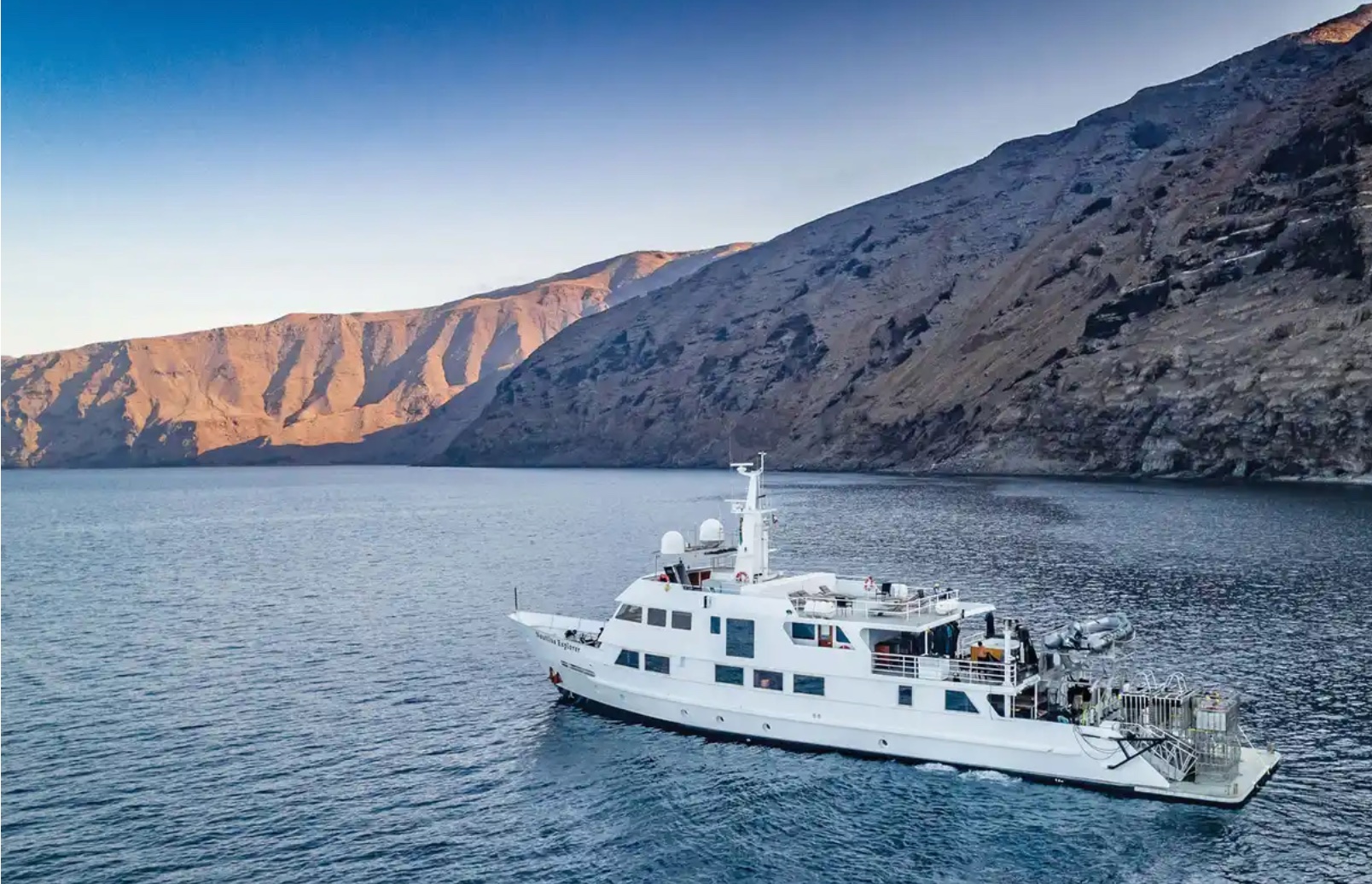
Nautilus Explorer
Mexico
25 guests44.8 m
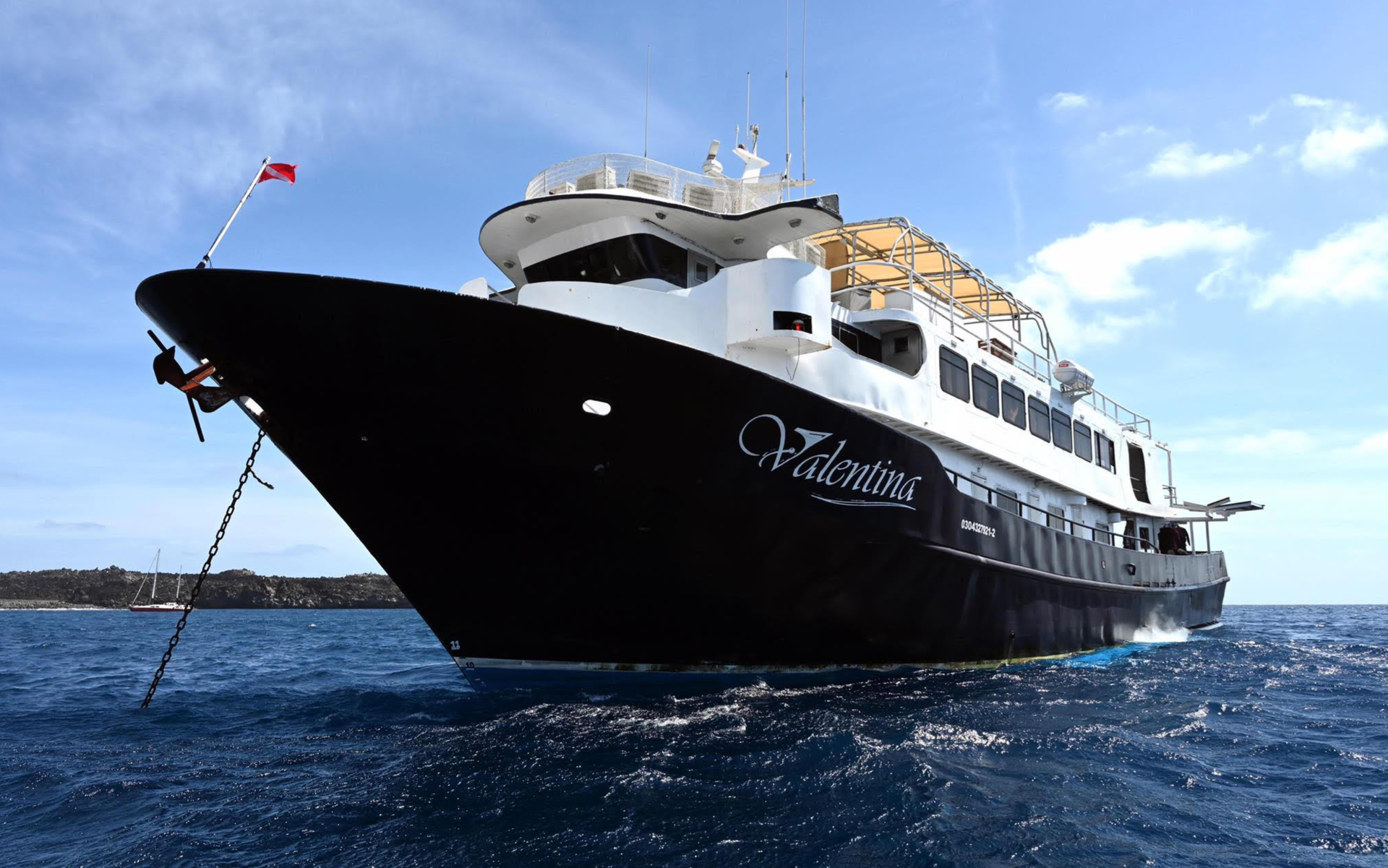
Valentina
Mexico
20 guests38.1 m
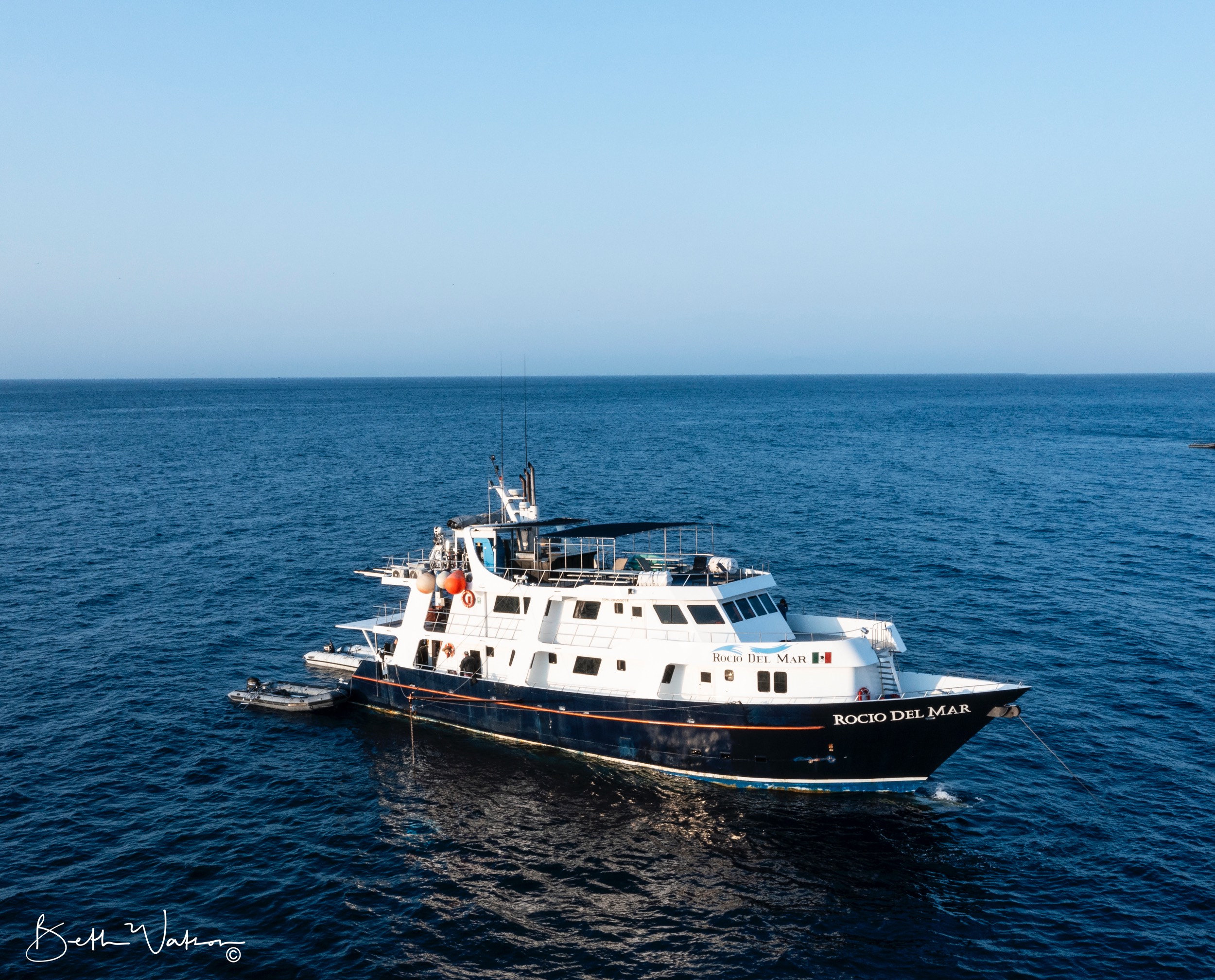
Rocio del Mar
Mexico
20 guests33.5 m
$392/day
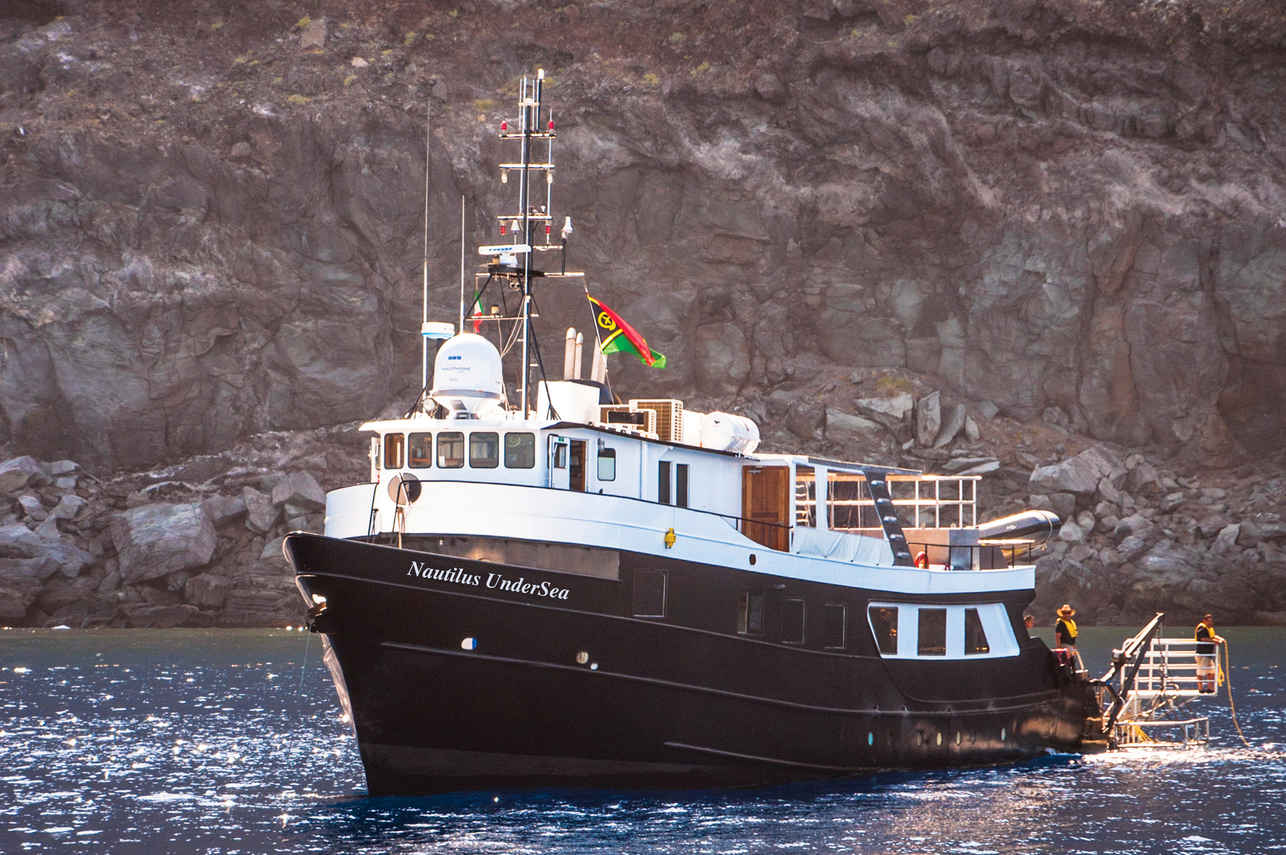
Nautilus Under Sea
Mexico
19 guests32 m
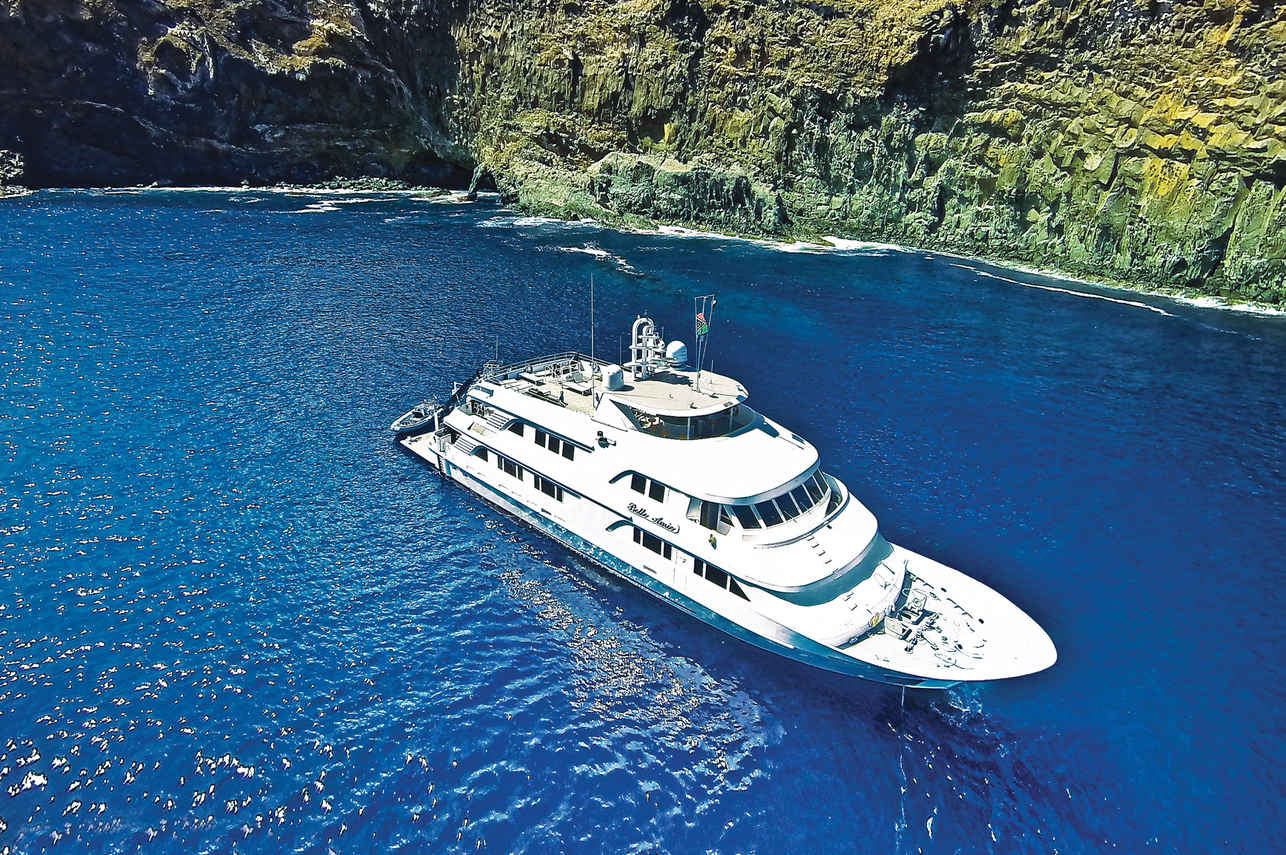
Nautilus Belle Amie
Mexico
32 guests44.8 m
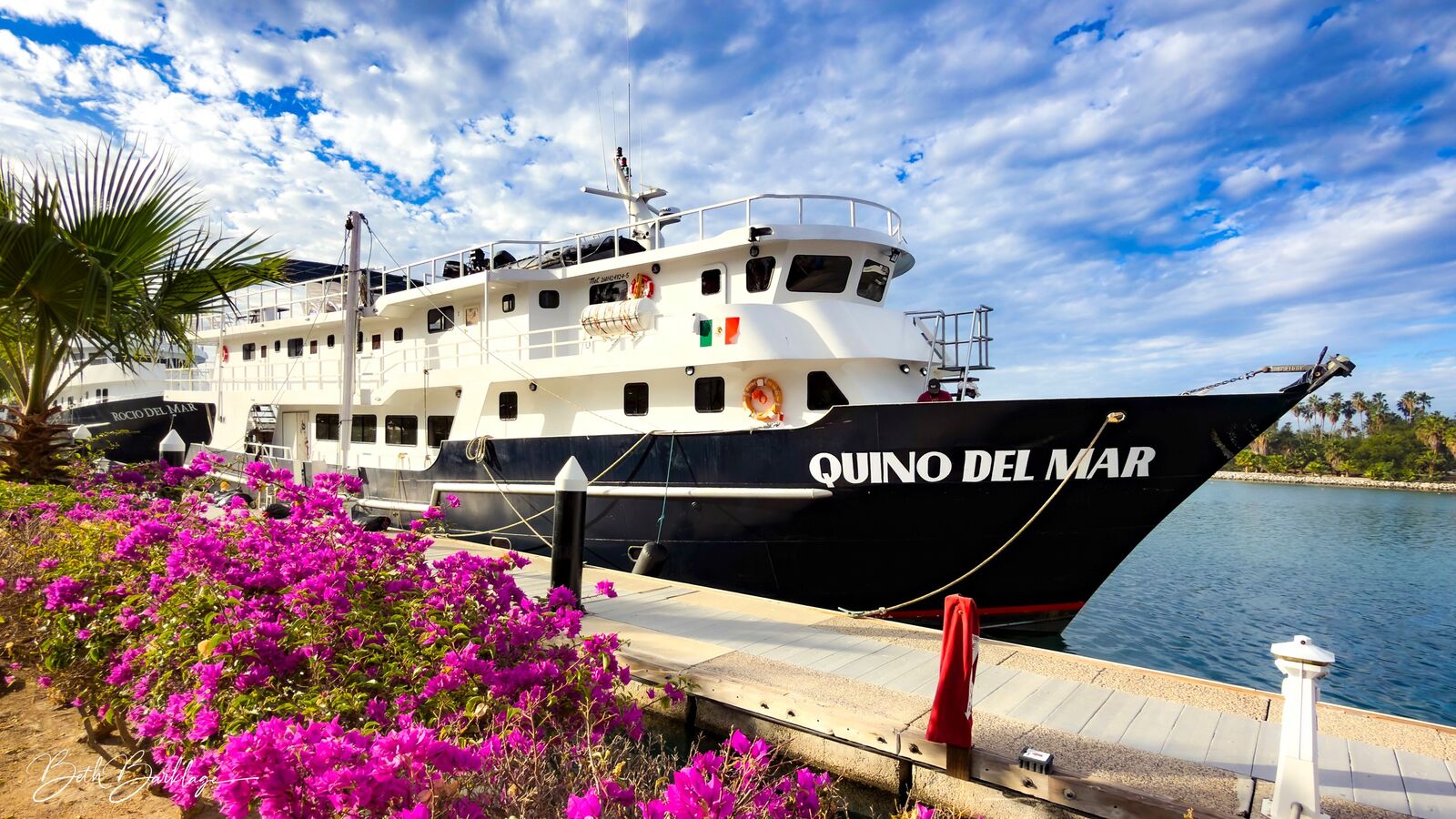
Quino del Mar
Mexico
20 guests36 m
$392/day
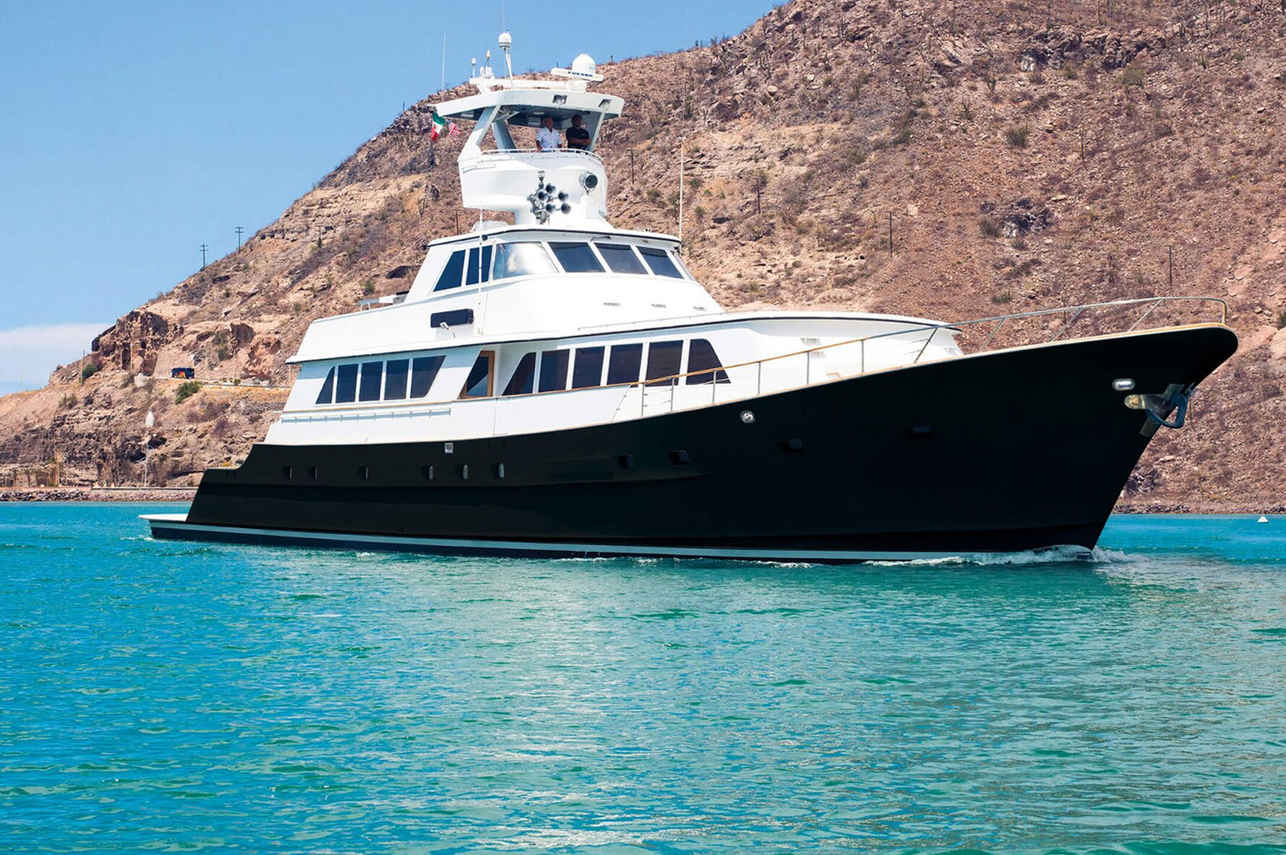
Nautilus Gallant Lady
Mexico
12 guests35.36 m
Dive sites similar to Los Morros
Same character, same waters — six more sites divers love for the exact same reasons.Compare seasons, access and liveaboard routes — then pick the site that fits your trip best.
© Esri — Maxar, Earthstar, GIS
Elizabeth Bay
Galápagos
Elizabeth Bay, located on the eastern coast of Isabela Island, presents a wide and sheltered marine environment rich in biodiversity.
- Suitable for
- Beginner
- Current
- No current
- Access
- Liveaboard only
- Depth
- 3–20 m
- Theme
- —
© Esri — Maxar, Earthstar, GIS
Floreana - Devil's Crown
Galápagos
Devil's Crown, located off Floreana Island in the Galápagos, is renowned as one of the archipelago's premier diving and snorkeling destinations.
- Suitable for
- Beginner
- Current
- Strong
- Access
- Liveaboard only
- Depth
- 3–15 m
- Theme
- Reef
© Esri — Maxar, Earthstar, GIS
Bajo Negro
Costa Rica
Bajo Negro, or Black Rock, is a captivating dive site located within the Bat Islands in Santa Rosa National Park, off Costa Rica's Pacific coast.
- Suitable for
- Advanced
- Current
- Strong
- Access
- Shore / dayboat
- Depth
- 20–30 m
- Theme
- Pinnacle / Seamount
© Esri — Maxar, Earthstar, GIS
Dos Sombreros
Costa Rica
Dos Sombreros is a renowned dive site located offshore from Playa Flamingo, forming part of the Catalina Islands chain in Costa Rica's North Pacific region.
- Suitable for
- Intermediate
- Current
- Moderate
- Access
- Dayboat
- Depth
- 12–25 m
- Theme
- Pinnacle
© Esri — Maxar, Earthstar, GIS
Pelican Rock
Mexico
Pelican Rock is a renowned dive site located within the Cabo San Lucas Marine Park in Baja California Sur, Mexico, just a few minutes by boat from the marina.
- Suitable for
- Beginner
- Current
- Mild
- Access
- Liveaboard or dayboat
- Depth
- 5–40 m
- Theme
- Wall
© Esri — Maxar, Earthstar, GIS
Isla Montserrat
Mexico
Isla Montserrat is one of the five major islands within the Bahía de Loreto National Park, offering a diverse range of diving opportunities.
- Suitable for
- Intermediate
- Current
- Mild
- Access
- Liveaboard only
- Depth
- —
- Theme
- Reef / Wall