About Paso de Cedral
Paso de Cedral is a dynamic drift dive site located off the coast of Cozumel, Mexico, forming part of the Mesoamerican Barrier Reef. This vibrant underwater area is celebrated for its distinctive topography, including massive coral mounds, ledges, and extensive overhangs, all teeming with marine activity. It stands out for its reliable sightings of larger species and spectacular reef formations. The dive typically unfolds as a guided drift, navigating through a diverse landscape that transitions from shallow reef sections with swim-throughs to a deeper wall profile. Divers explore low-profile caverns and sandy patches, progressing towards a vertical reef drop-off adorned with robust coral gardens and massive sponges. The site offers both Cedral Pass, a shallower drift zone, and Cedral Wall, a deeper, more challenging section, providing varied experiences. Marine life is abundant and diverse, often featuring nurse sharks resting under overhangs, green moray eels in reef holes, and stingrays working the sandy seafloor. Schooling French grunts densely populate overhangs, while cleaning stations host a variety of busy reef fish. Turtles are consistently seen, and the site is a reliable location to spot the endemic Splendid Toadfish. Eagle rays may also be encountered seasonally. Accessed by boat, Paso de Cedral is primarily a drift dive, making local guide expertise essential for managing currents and timing. It caters to Open Water certified divers comfortable with moderate to strong currents in the Pass, and intermediate to advanced divers for the Wall. Divers should be proficient in buoyancy control and gas management due to the prevailing current.
Highlights
Nurse shark sightingsSplendid ToadfishCoral mounds and overhangsGreen moray eelsDrift diving experienceWall diving opportunitiesSchooling French gruntsConsistent turtle encounters
Best Season
Paso de Cedral is excellent for diving year-round. While generally available, certain months may offer calmer currents, enhancing the dive experience and photographic opportunities. Some marine park areas have seasonal closures, so checking current dates when booking is advisable.
Dive site facts: Paso de Cedral
- Depth
- 9–30 m
- Current
- Moderate
- Entry
- Liveaboard only
- Level
- Intermediate
- Dive type
- Reef, Reef
- Region / port
- Mexico
- Coordinates
- 20.4148° N, 87.0373° W
Conditions & Currents
Paso de Cedral is defined by its moderate to strong north-running currents, making it a classic Cozumel drift dive. Divers should be prepared for continuous movement, utilizing reef structures and ledges for shelter when the flow intensifies. Visibility is typically very clear, ranging from 80 to 100 feet in the turquoise Caribbean water, providing excellent views despite the movement. Entry is exclusively by boat, and a local Cozumel operator is crucial for precise current timing and pickup management, often requiring a negative entry. There are no notable thermoclines or significant surge issues. Due to the variable current, good buoyancy control and careful gas management are essential, particularly for the deeper wall sections, which are better suited for intermediate to advanced divers. Stay close to your guide and be aware of your air consumption.
Why dive Paso de Cedral from a liveaboard?
Paso de Cedral is one of Mexico's signature dive sites. A liveaboard sleeps you on the water and puts you in the water for three to four guided dives per day, including dawn and night dives that day-boat operators rarely offer. You skip the daily commute back to port and reach quieter, less-crowded sites in the same region on a single trip.
Below are the liveaboards that include Paso de Cedral on their Mexico itineraries.
Liveaboards diving Paso de Cedral
These liveaboards may visit Paso de Cedral on selected itineraries — the exact dive sites depend on departure, weather and conditions.
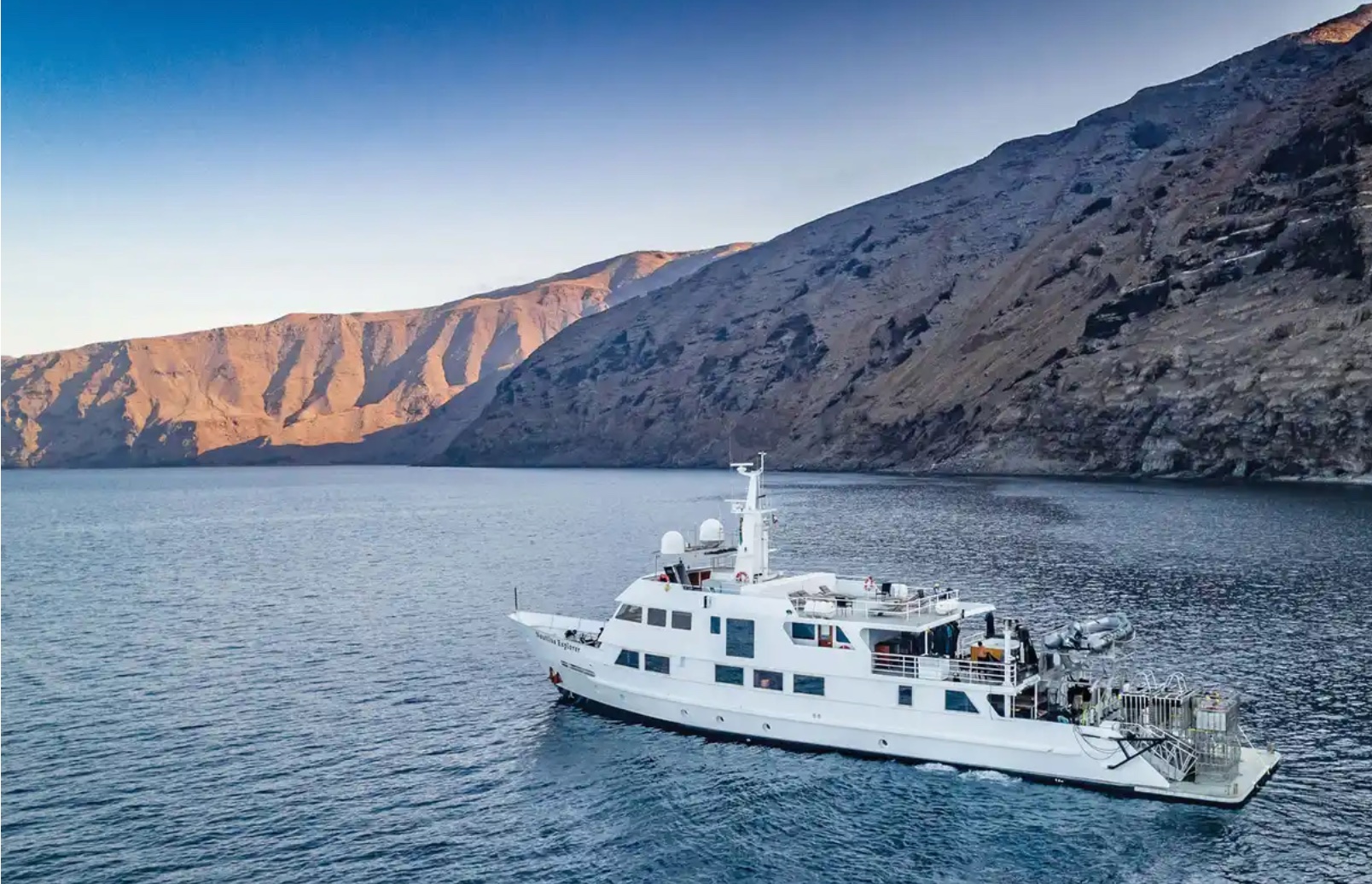
Nautilus Explorer
Mexico
25 guests44.8 m
$230/day
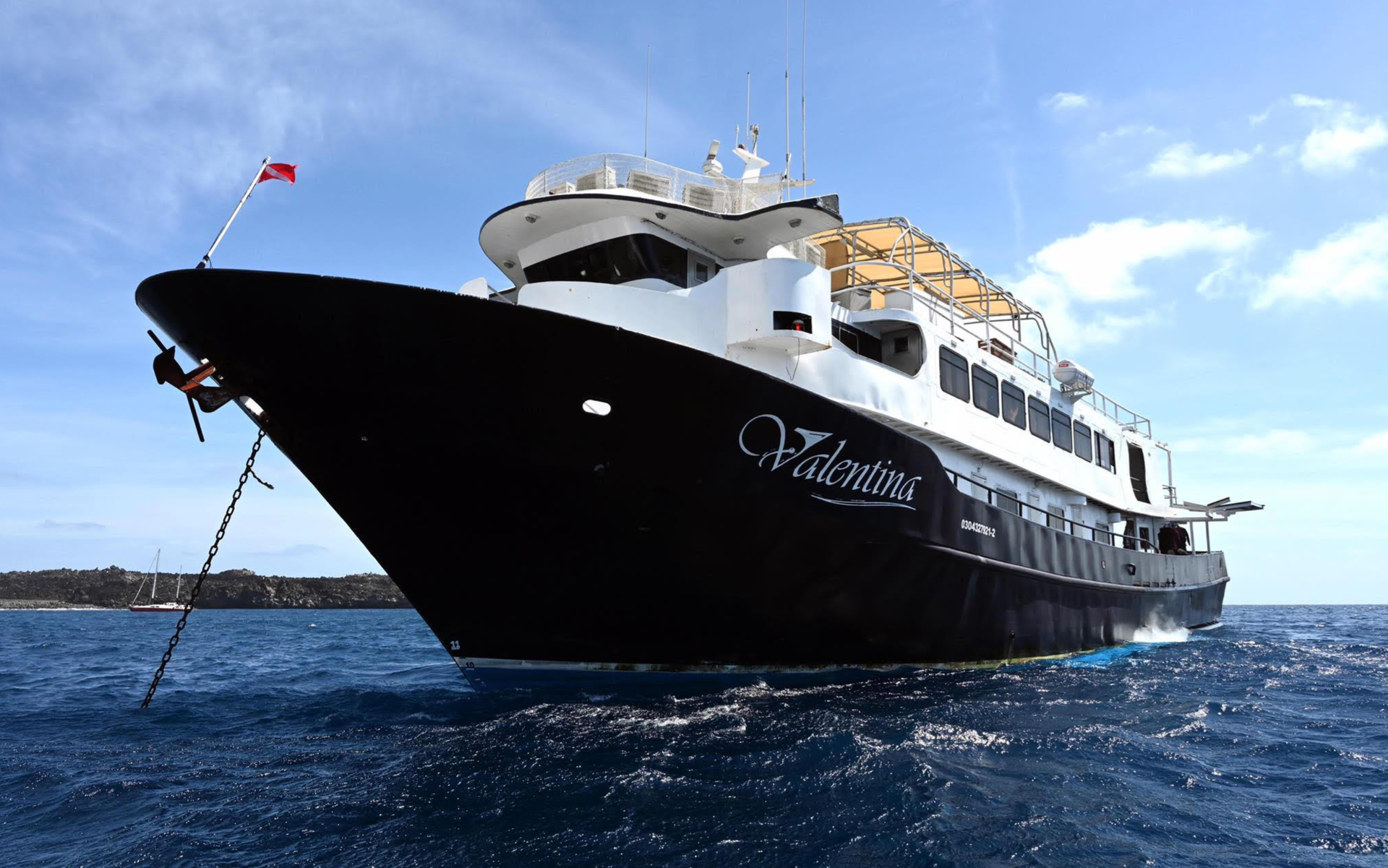
Valentina
Mexico
20 guests38.1 m
$430/day
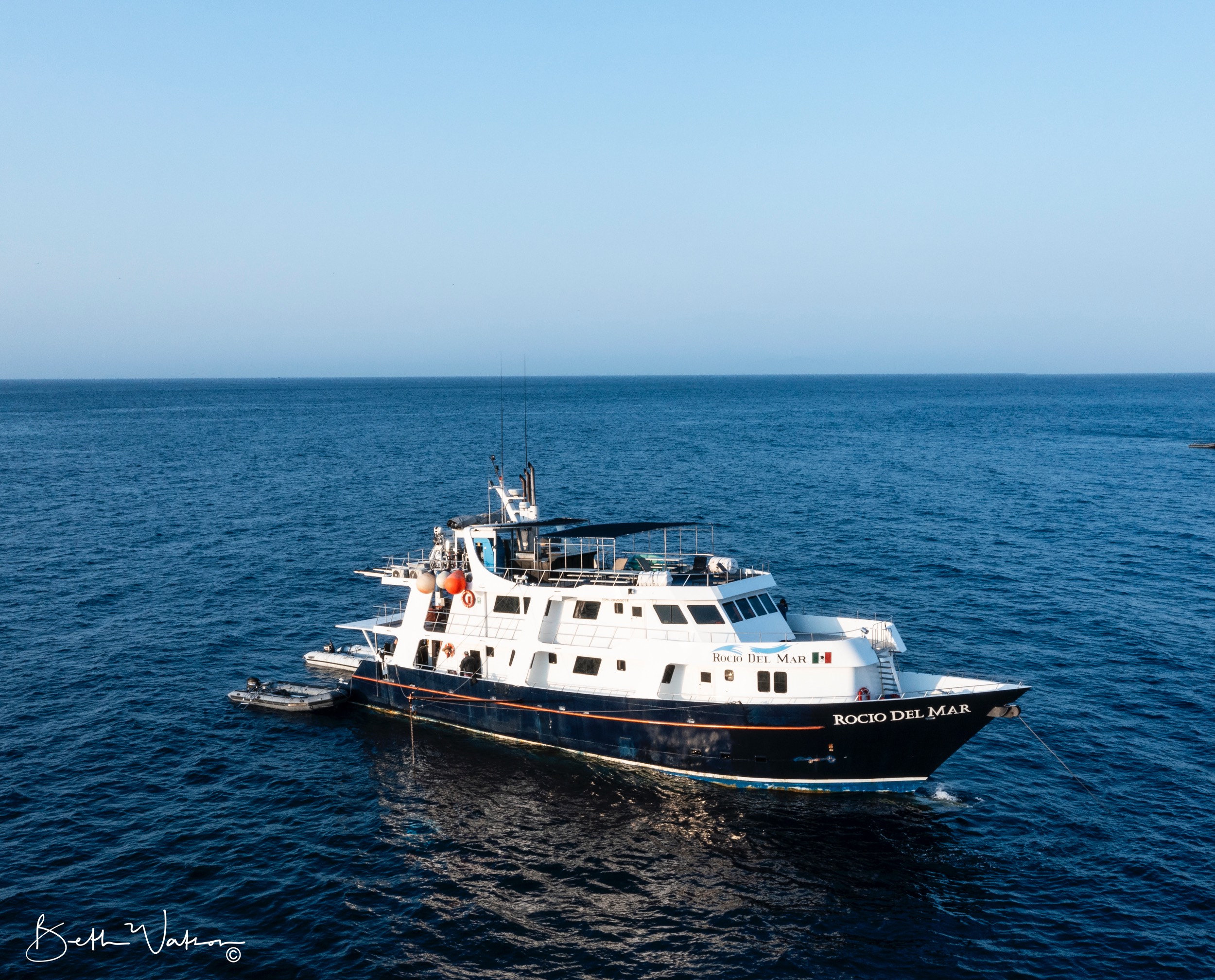
Rocio del Mar
Mexico
20 guests33.5 m
$392/day
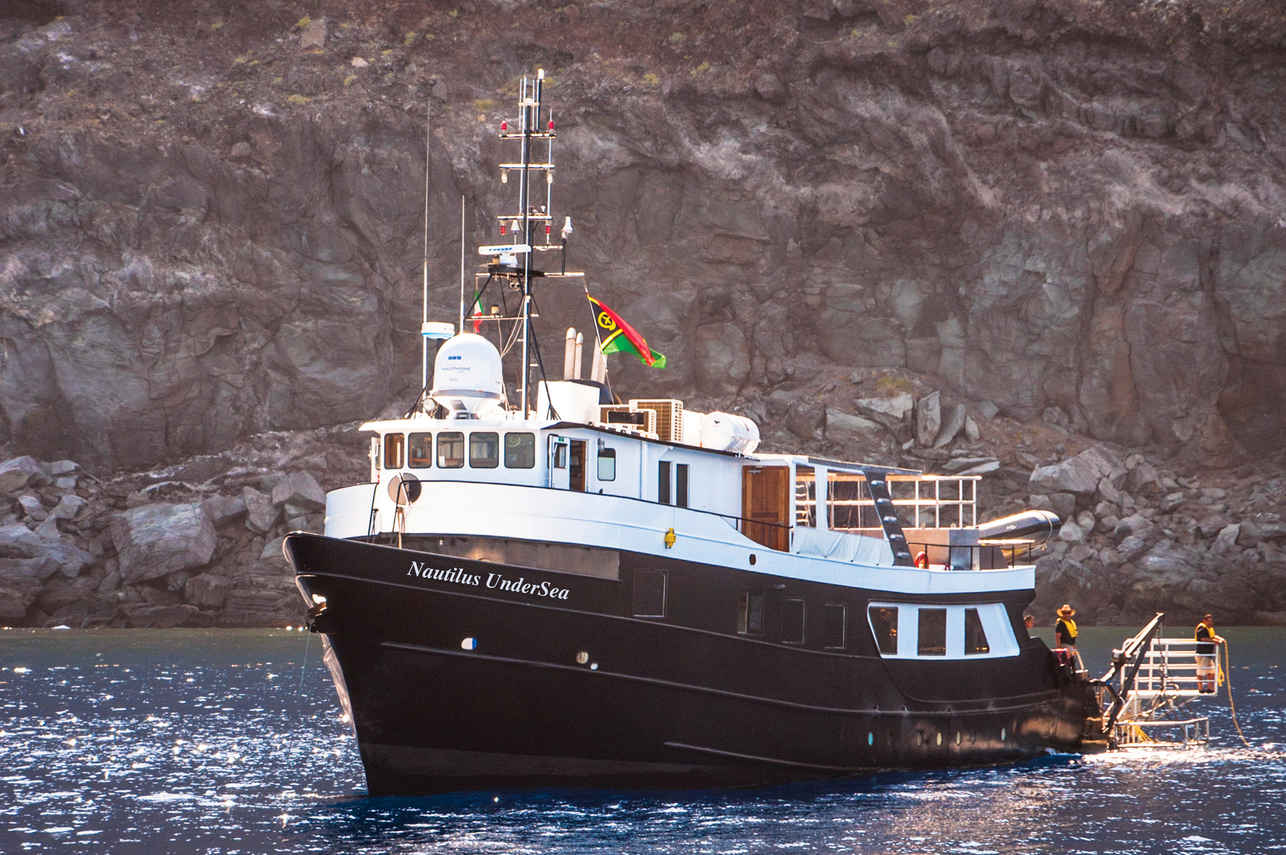
Nautilus Under Sea
Mexico
19 guests32 m
$261/day
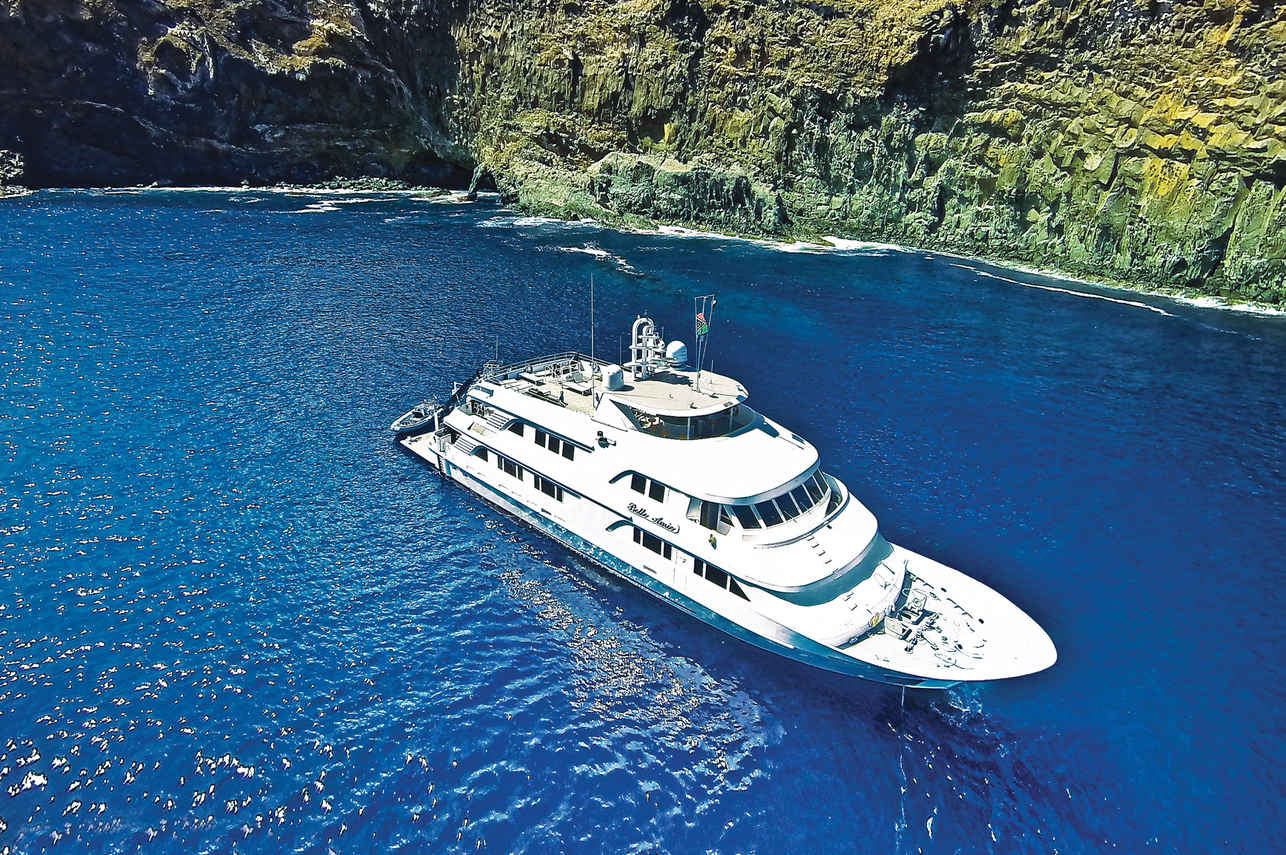
Nautilus Belle Amie
Mexico
32 guests44.8 m
$249/day
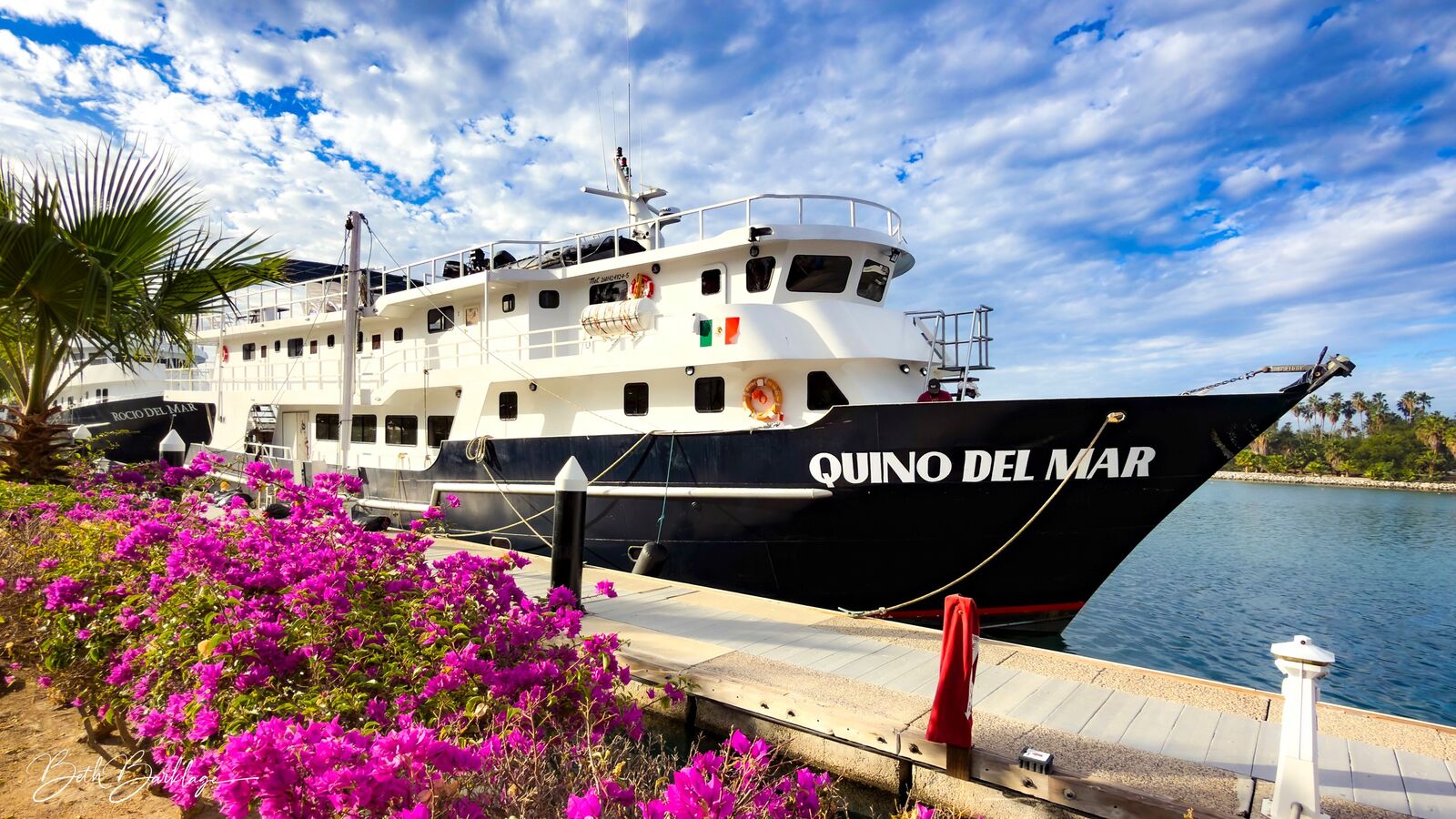
Quino del Mar
Mexico
20 guests36 m
$392/day
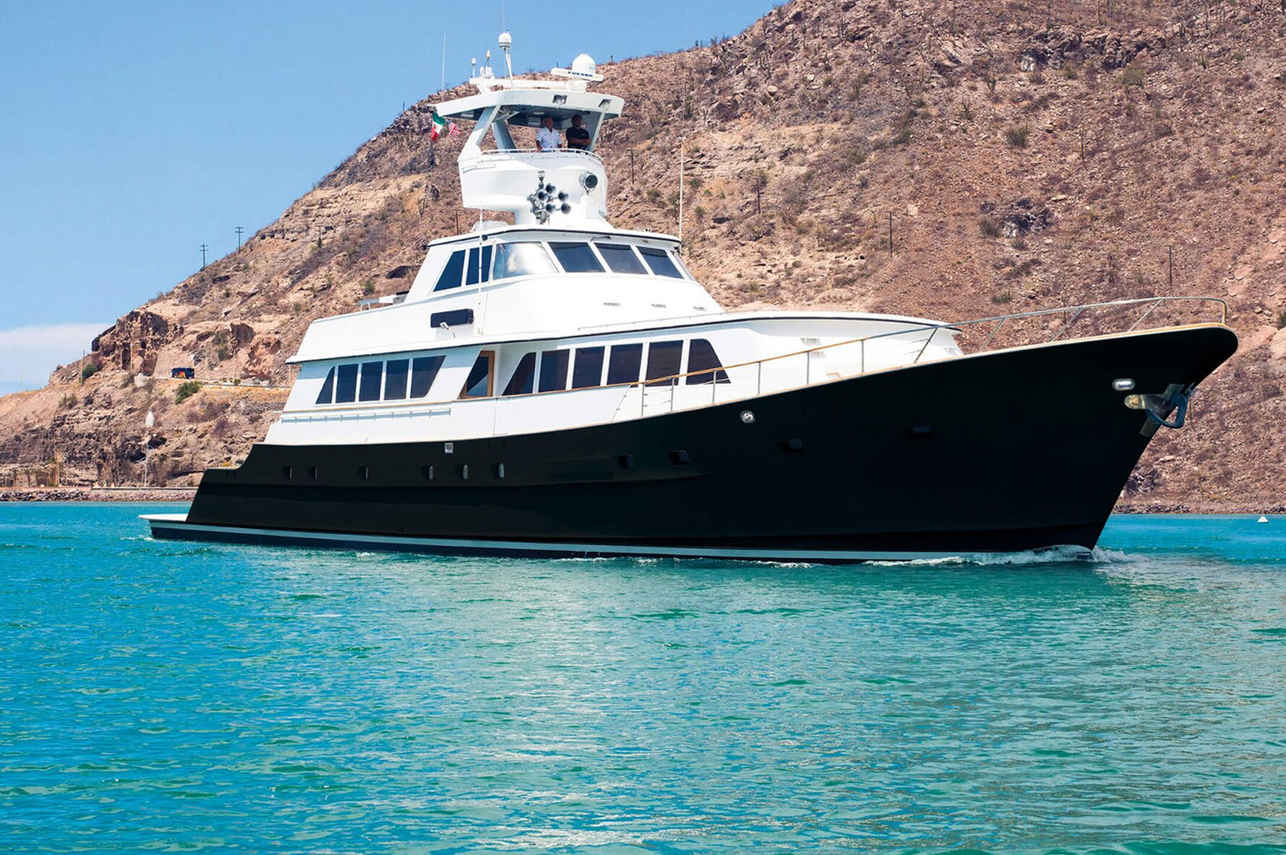
Nautilus Gallant Lady
Mexico
12 guests35.36 m
$332/day
Dive sites similar to Paso de Cedral
Same character, same waters — six more sites divers love for the exact same reasons.Compare seasons, access and liveaboard routes — then pick the site that fits your trip best.
© Esri — Maxar, Earthstar, GIS
Tak Be Luum
Mexico
Cenote Tak Be Luum, located in the Mexican state of Quintana Roo, is an exceptional cavern dive that forms part of the vast Sac Actun underwater cave system, one of the world's largest.
- Suitable for
- Advanced
- Current
- No current
- Access
- Shore / dayboat
- Depth
- 4–9 m
- Theme
- Reef
© Esri — Maxar, Earthstar, GIS
Neptune's Finger
Mexico
Neptune's Finger is a renowned dive site located in Cabo San Lucas, Mexico, at the southern tip of the Baja California Peninsula.
- Suitable for
- Beginner
- Current
- Mild
- Access
- Liveaboard or dayboat
- Depth
- 4–152 m
- Theme
- Reef
© Esri — Maxar, Earthstar, GIS
Majahuitas
Mexico
Majahuitas is a pristine and secluded cove located on the southern coast of Banderas Bay, near Puerto Vallarta, Mexico.
- Suitable for
- Beginner
- Current
- Mild
- Access
- Dayboat
- Depth
- 8–14 m
- Theme
- Reef
La Poza is a remarkable dive site located in Xcalak, a serene fishing village situated on Mexico's Caribbean coast, near the Belize border.
- Suitable for
- Advanced
- Current
- Mild
- Access
- Shore / dayboat
- Depth
- 20–25 m
- Theme
- Reef
© Esri — Maxar, Earthstar, GIS
Siete Bocas
Mexico
Cenote Siete Bocas, meaning "Seven Mouths," is a unique cavern dive site nestled along the Ruta de los Cenotes near Puerto Morelos in Mexico's Riviera Maya.
- Suitable for
- Intermediate
- Current
- No current
- Access
- Shore / dayboat
- Depth
- ≤ 30 m
- Theme
- Reef
© Esri — Maxar, Earthstar, GIS
Sleeping Shark Cave
Mexico
Sleeping Shark Cave is a legendary underwater site situated off the eastern coast of Isla Mujeres, Mexico.
- Suitable for
- Intermediate
- Current
- No current
- Access
- Liveaboard or dayboat
- Depth
- 16–20 m
- Theme
- Reef