About Cenote Cristalino
Cenote Cristalino is a popular open-air cenote located approximately 20 minutes south of Playa del Carmen, alongside Highway 307 in Quintana Roo, Mexico. It forms part of a cluster of three similar cenotes, including Cenote Azul and Jardín del Edén, all situated within 500 meters of each other. This natural sinkhole, like others in the Yucatán Peninsula, features fresh, exceptionally clear water filtered through limestone, offering visibility often exceeding 30 meters. It is characterized by limestone ledges, underwater flora, and accessible caverns. The cenote offers distinct areas for exploration. While the main body is open, there are caverns that can be explored, but these are restricted to certified cave divers. The cenote is well-suited for practicing open water skills due to its shallow areas, with a maximum depth of 9 meters. A platform is available for jumping, adding to the recreational appeal. Marine life in Cenote Cristalino is typical for a freshwater cenote in the Riviera Maya. Divers can expect to encounter small freshwater fish, turtles, and diverse aquatic plants. While not abundant in species, these sightings are consistent throughout the year. The calm, mirror-like surface of cenotes often reflects the surrounding jungle, and sunbeams penetrate the clear water, illuminating rock formations. This cenote is highly accessible and ideal for quick swims and snorkeling, often combined with visits to its neighboring cenotes. The water is still, without currents, tides, or waves, making for a serene underwater experience. It caters to a range of visitors, from snorkelers to divers, and provides an excellent entry point for those new to cenote environments, as well as a location for dive training.
Highlights
Open-sky lagoonEmerald watersLimestone formationsFreshwater turtlesSchools of molliesCrystal-clear visibilityConsistent water temperature
Season calendar
Best months to dive here
Jan
Feb
Mar
Apr
May
Jun
Jul
Aug
Sep
Oct
Nov
Dec
Excellent
Dive site facts: Cenote Cristalino
- Depth
- 2–6 m (snorkelers)
- Current
- None
- Visibility
- 30–60+ m
- Water temperature
- 24–25 °C
- Entry
- Surface entry (open pool)
- Level
- Open Water with recent experience
- Dive type
- Cavern, freshwater, geological
- Region / port
- Riviera Maya, Mexico
- Coordinates
- 20.5225, -87.2436
Conditions & Currents
Cenote Cristalino, like most cenotes, is characterized by an absence of significant currents, making for a calm and serene dive experience. The water within the cenote network is largely still, with any movement being subtle flow through the vast aquifer rather than ocean-driven currents. This tranquil environment means divers do not need to contend with drift or surge, allowing for relaxed buoyancy control and extended observation of the unique geological features. Visibility is exceptionally high, often exceeding 30 to 60 meters, as the freshwater is naturally filtered through limestone. Thermoclines are generally not a concern in cenotes due to the stable water temperature, typically 24–25 °C. However, a halocline, a visible boundary between fresh and saltwater, can sometimes be observed in deeper sections or connecting passages. Entry and exit are typically straightforward from the
Marine life & sighting chances

Dive profile & how the dive runs
Your dive at Cenote Cristalino begins with an easy entry into the open-air lagoon, where natural light floods the surface. As you descend, you will explore the transition from the sunlit pools to the more shaded, cavern-like areas. Dive depths typically range in recreational limits, with snorkelers often staying between 2 to 6 meters, while divers may explore deeper sections, generally following a fixed guideline. The route usually involves navigating through areas showcasing impressive limestone formations, stalactites, and stalagmites that have developed over millennia. You will observe schools of small freshwater fish, primarily mollies, in the clearer waters. The dive is usually conducted as a leisurely out-and-back or a circuit depending on the specific cavern configuration, always within sight of natural light and following a guide. Your safety stop will typically be performed in the brightly lit, shallower parts of the cenote near the exit point, allowing for decompression while enjoying the final views of the open water.
Underwater photography
Cenote Cristalino offers fantastic opportunities for wide-angle photography, especially when capturing the interplay of natural light with the cavern entrance and the emerald waters. A fisheye or wide-angle lens (10-24mm for cropped sensors, 16-35mm for full-frame) is recommended to encompass the grand scale of the formations and the expansive open areas. While natural light is a major feature, external strobes can be useful to illuminate darker areas of the rock formations or to bring out the colors of smaller subjects without overexposing the ambient light. Prioritize buoyancy control to avoid stirring up fine silt from the cenote floor, which can quickly degrade visibility for shots. Focus on capturing the unique geological features, the clear freshwater environment, and any occasional freshwater life such as mollies or turtles. Avoid touching any formations to preserve the delicate ecosystem and maintain ethical photographic practices.
Combine with nearby dive sites
- Cenote Kukulkan (Chikin Ha)
Cenote Kukulkan, often referred to as Chikin Ha, is a captivating underwater cavern system located in the heart of the Yucatán Peninsula…
- Sac Actun / Ox Bel Ha
Sac Actun and Ox Bel Ha represent two of the world's longest known underwater cave systems, forming an intricate network beneath the…
- Cenote Angelita
Cenote Angelita, aptly named "little angel," stands out as a singularly unusual dive site, offering an experience unlike any other cenote.
- Cenote Azul
- Dos Ojos shallow line
Getting there & logistics
Accessing Cenote Cristalino typically involves a drive within the Riviera Maya region, often from Playa del Carmen or Tulum. The nearest major international airports are Cancun International Airport (CUN). Day trips are common, and the cenote is frequently combined with other local attractions or cenotes, offering an efficient use of travel time. Entry fees are around $200 MXN (approximately $12 USD), and cash is often preferred. Biodegradable sunscreen is mandatory, and sunscreens or repellents containing harmful chemicals are prohibited to protect the delicate freshwater ecosystem. Divers should arrive prepared with their own gear or arrange rentals through a local dive operator, as on-site facilities may be basic. Permits are generally handled by the dive operator or included in the entry fee.
Safety & environment
Diving in Cenote Cristalino requires adherence to specific safety protocols to protect both divers and the delicate environment. The nearest recompression chamber is located in Playa del Carmen, approximately 30 minutes away, highlighting the importance of cautious diving. Emergency evacuation would typically involve local medical services and transport to the nearest appropriate facility. Divers must carry adequate insurance covering cavern diving. Site-specific hazards are minimal due to the open-air nature and calm waters, but divers should maintain excellent buoyancy control to avoid contact with the cenote floor or formations, which can damage the ecosystem and reduce visibility. Always follow your guide's instructions, stay within designated cavern diving limits (maintaining a visible light source to an exit), and never venture into areas not covered by your certification. Using biodegradable sunscreen is crucial for ecological preservation.
Who it suits — and who it doesn't
Suited for
- Open Water divers with recent experience
- Divers seeking unique freshwater experiences
- Photographers focusing on light and geological formations
- Relaxed divers who prefer minimal current
- Divers interested in cenote ecosystems
Less suited for
- Divers expecting abundant marine megafauna
- Those seeking strong current or drift dives
- Divers unwilling to follow strict environmental guidelines
- Individuals uncomfortable in overhead environments (even with daylight)
- Divers who prefer salty ocean dives exclusively
FAQ
Cenote Cristalino FAQ
What kind of marine life can I expect to see in Cenote Cristalino?
Cenote Cristalino is a freshwater environment, so marine life differs significantly from ocean dives. You can commonly spot schools of mollies, which are small freshwater fish, and occasionally encounter freshwater turtles. While not teeming with large fish, the unique ecosystem offers its own subtle beauty.
What is the water temperature and visibility like in Cenote Cristalino?
The water temperature in Cenote Cristalino is remarkably consistent year-round, typically hovering around 24–25 °C (75–77 °F). Visibility is exceptionally clear, often exceeding 30 to 60 meters (100–200 feet), due to the natural filtration of water through the limestone aquifer.
Is Cenote Cristalino suitable for beginners or Open Water certified divers?
Yes, Cenote Cristalino is generally considered suitable for Open Water certified divers with recent diving experience. Dives are typically conducted within the cavern zone, meaning natural light is always visible. A comprehensive briefing and guidance from an experienced cenote guide ensure a safe experience for those new to cenote diving.
Do I need a special certification to dive in Cenote Cristalino?
For most dives in Cenote Cristalino, an Open Water certification with recent experience is the minimum requirement, as it falls under cavern diving where daylight remains visible. For more challenging cenotes or cave sections, an Advanced Open Water certification might be recommended or required, but Cristalino's accessible nature makes it suitable for many recreational divers.
What are the best months to dive Cenote Cristalino to avoid crowds?
To best avoid crowds at Cenote Cristalino, consider visiting during May, late September, and early October. These periods are often described as 'sweet spots' with fewer tourists. While November to April is the dry season and optimal for weather, it can also be the busiest period due to high tourist density.
Why dive Cenote Cristalino from a liveaboard?
Cenote Cristalino is one of Mexico's signature dive sites. A liveaboard sleeps you on the water and puts you in the water for three to four guided dives per day, including dawn and night dives that day-boat operators rarely offer. You skip the daily commute back to port and reach quieter, less-crowded sites in the same region on a single trip.
Below are the liveaboards that include Cenote Cristalino on their Mexico itineraries.
Liveaboards diving Cenote Cristalino
These liveaboards may visit Cenote Cristalino on selected itineraries — the exact dive sites depend on departure, weather and conditions.
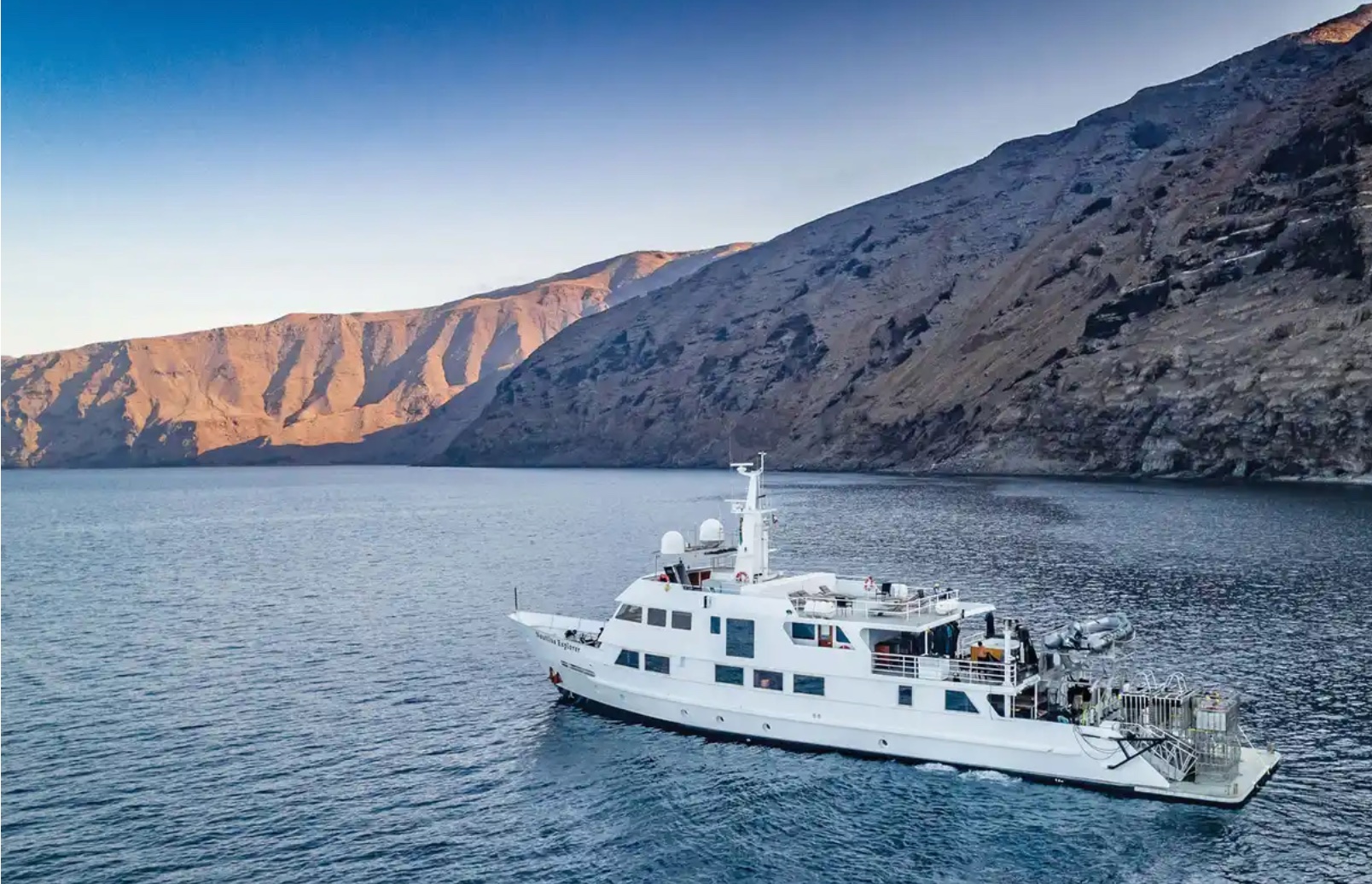
Nautilus Explorer
Mexico
25 guests44.8 m
$230/day
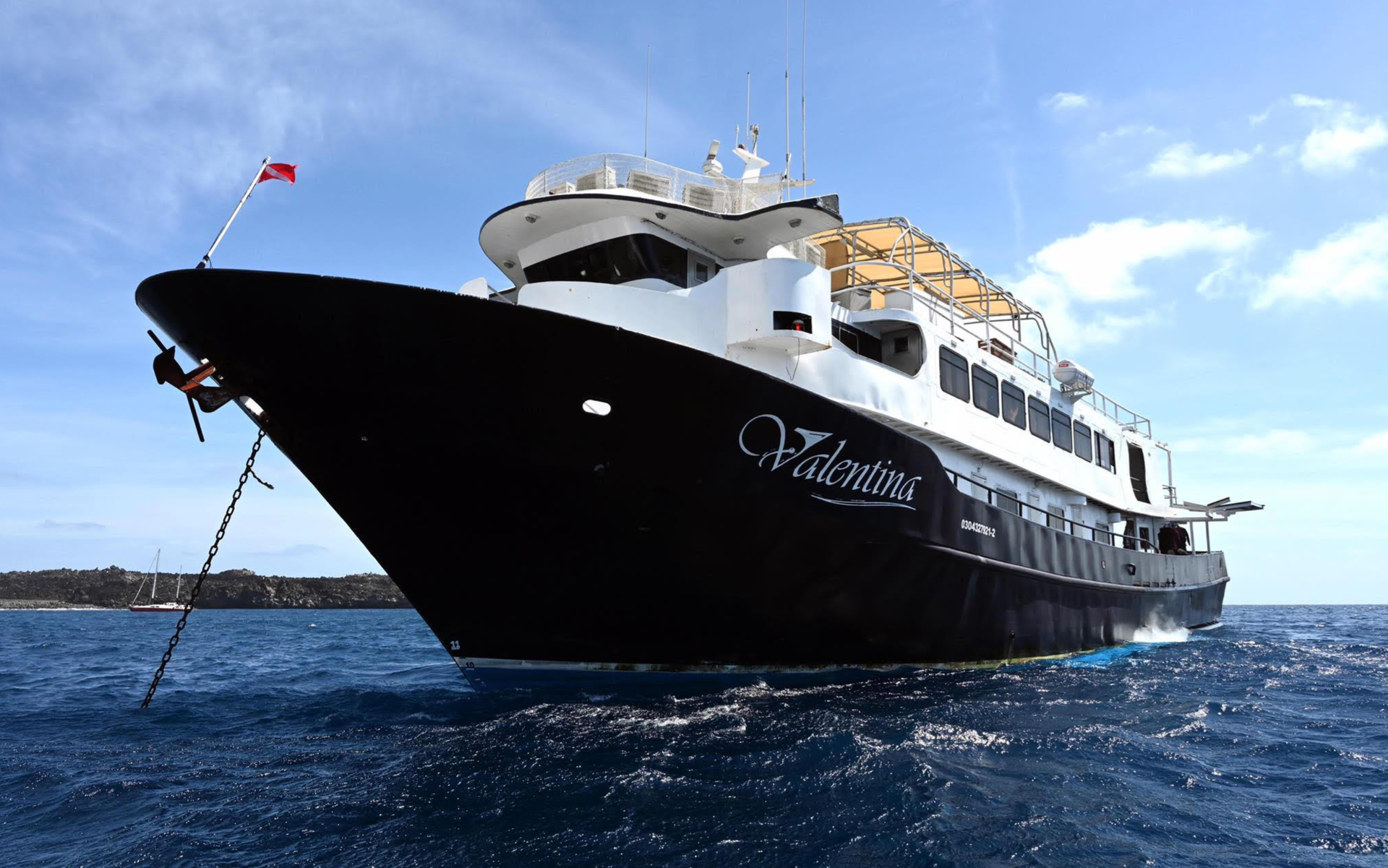
Valentina
Mexico
20 guests38.1 m
$430/day
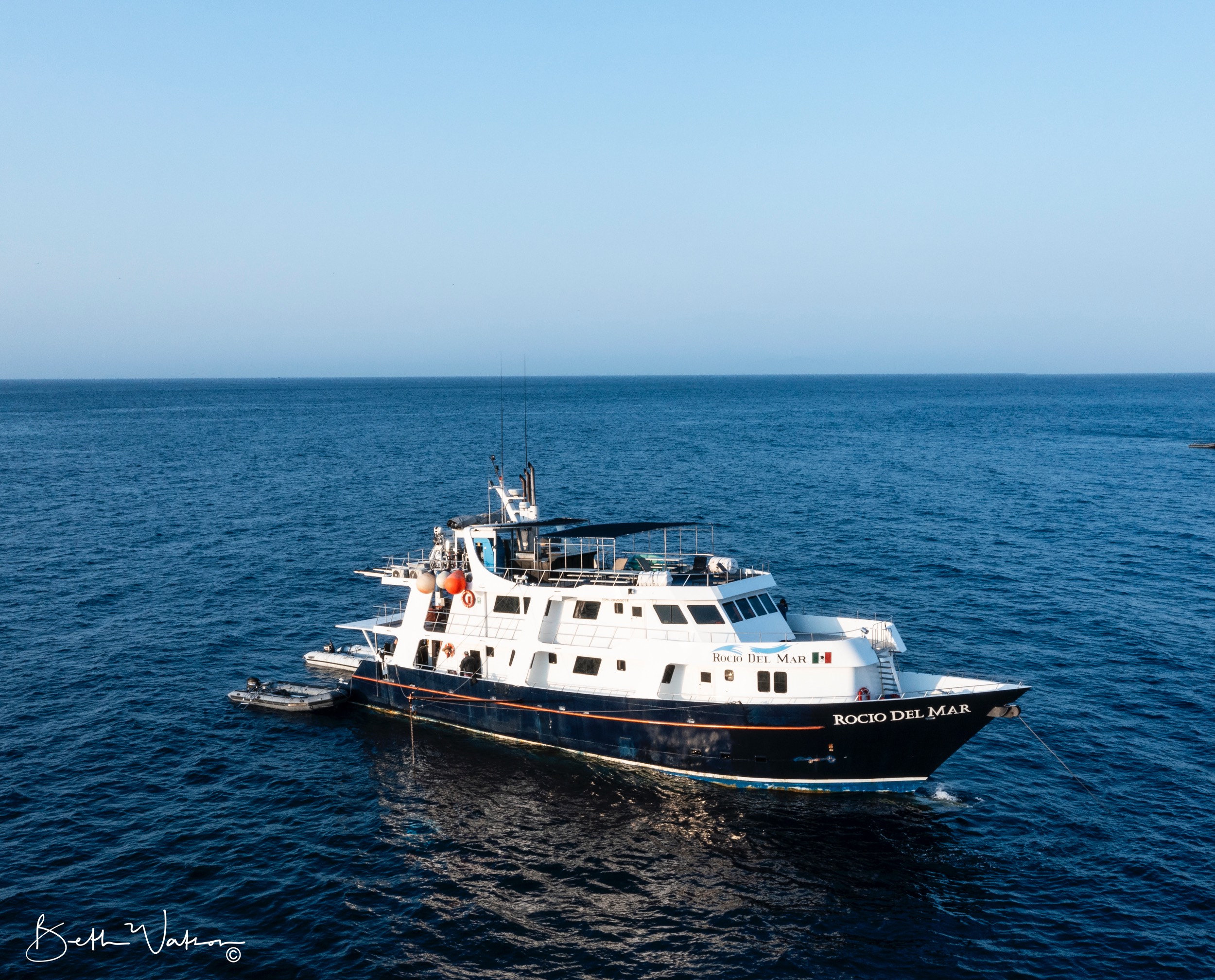
Rocio del Mar
Mexico
20 guests33.5 m
$392/day
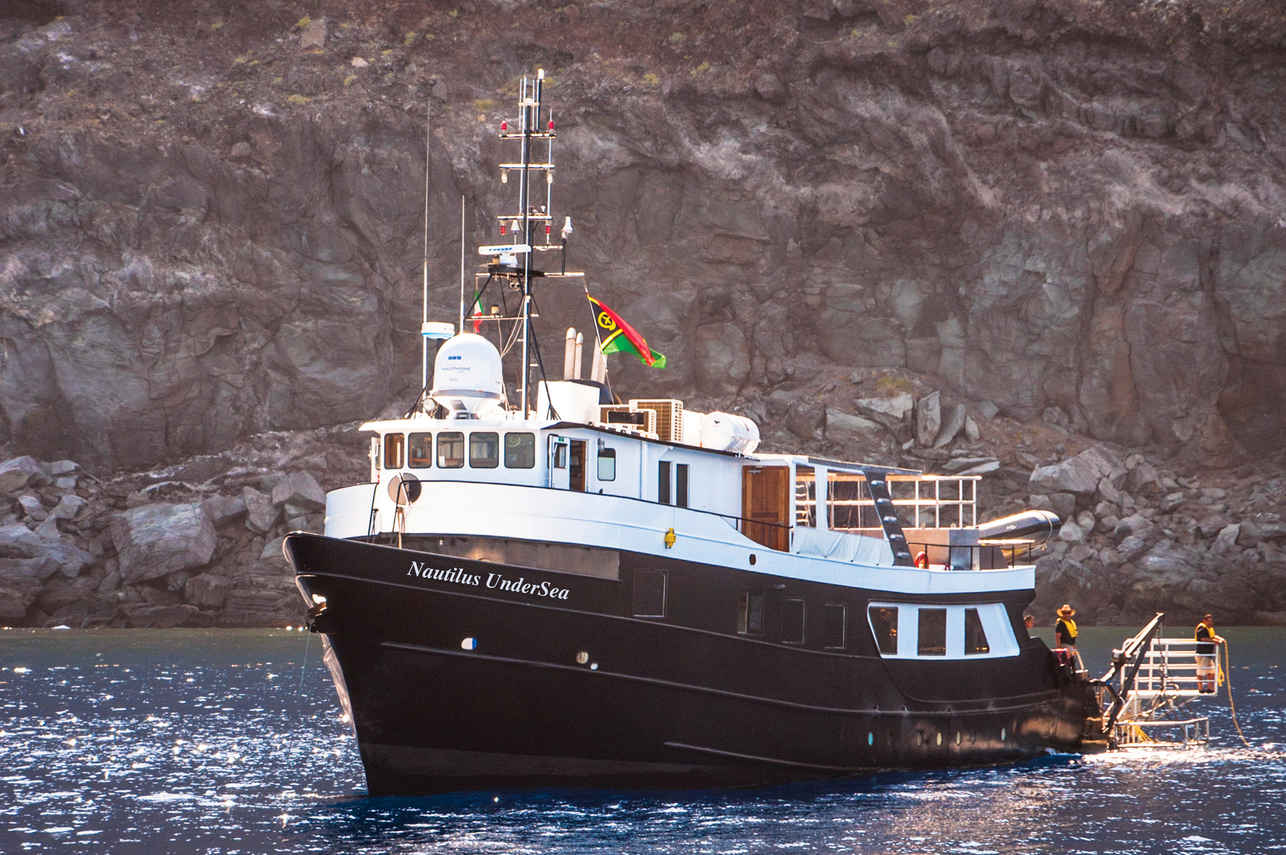
Nautilus Under Sea
Mexico
19 guests32 m
$261/day
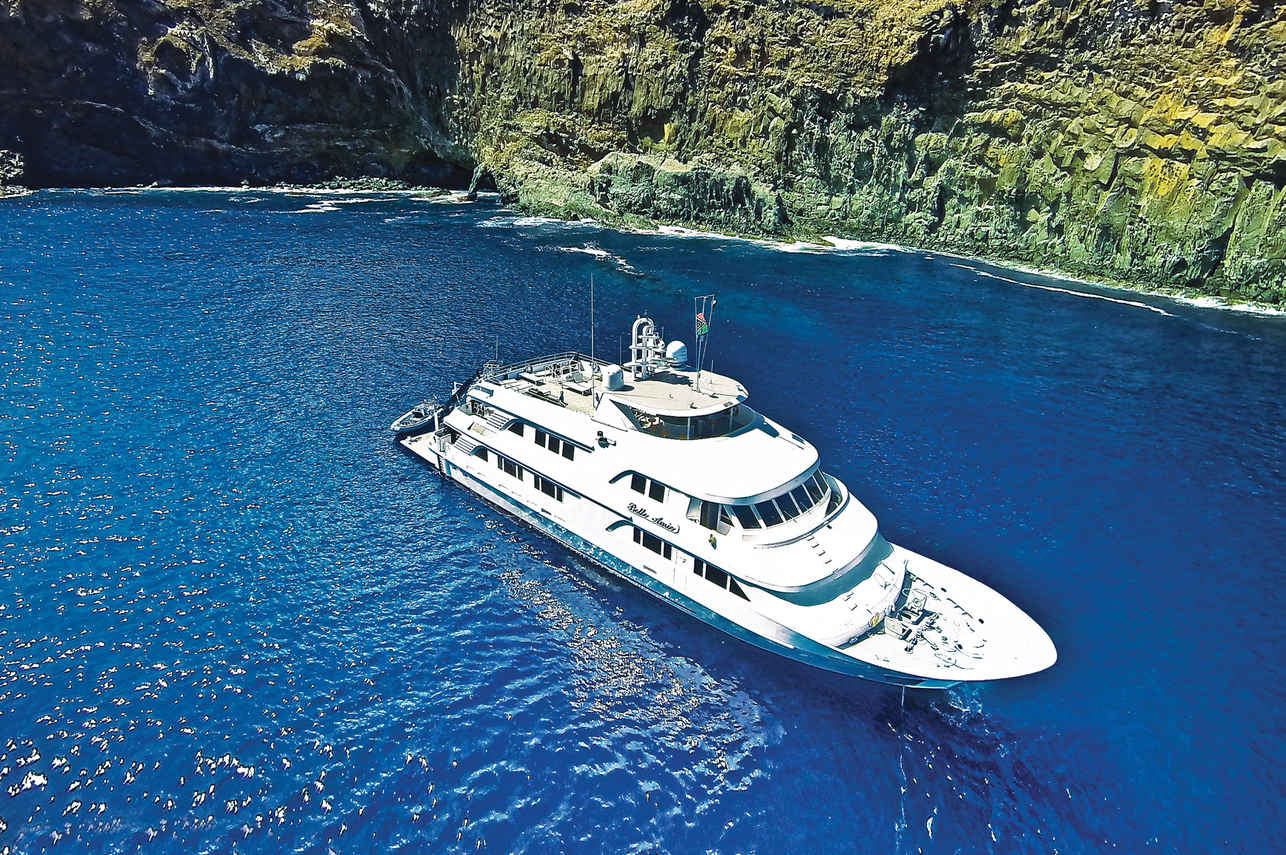
Nautilus Belle Amie
Mexico
32 guests44.8 m
$323/day
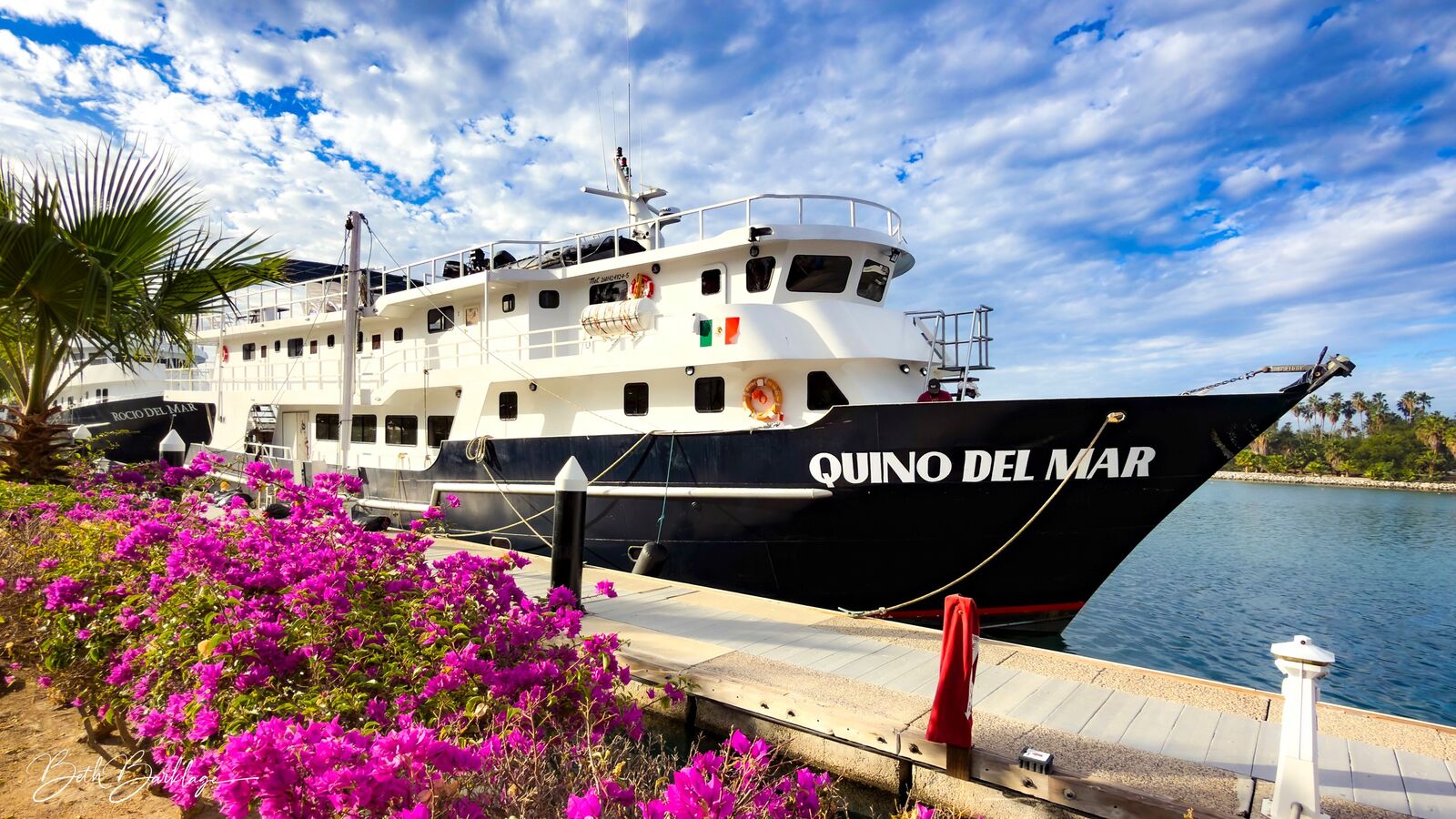
Quino del Mar
Mexico
20 guests36 m
$392/day
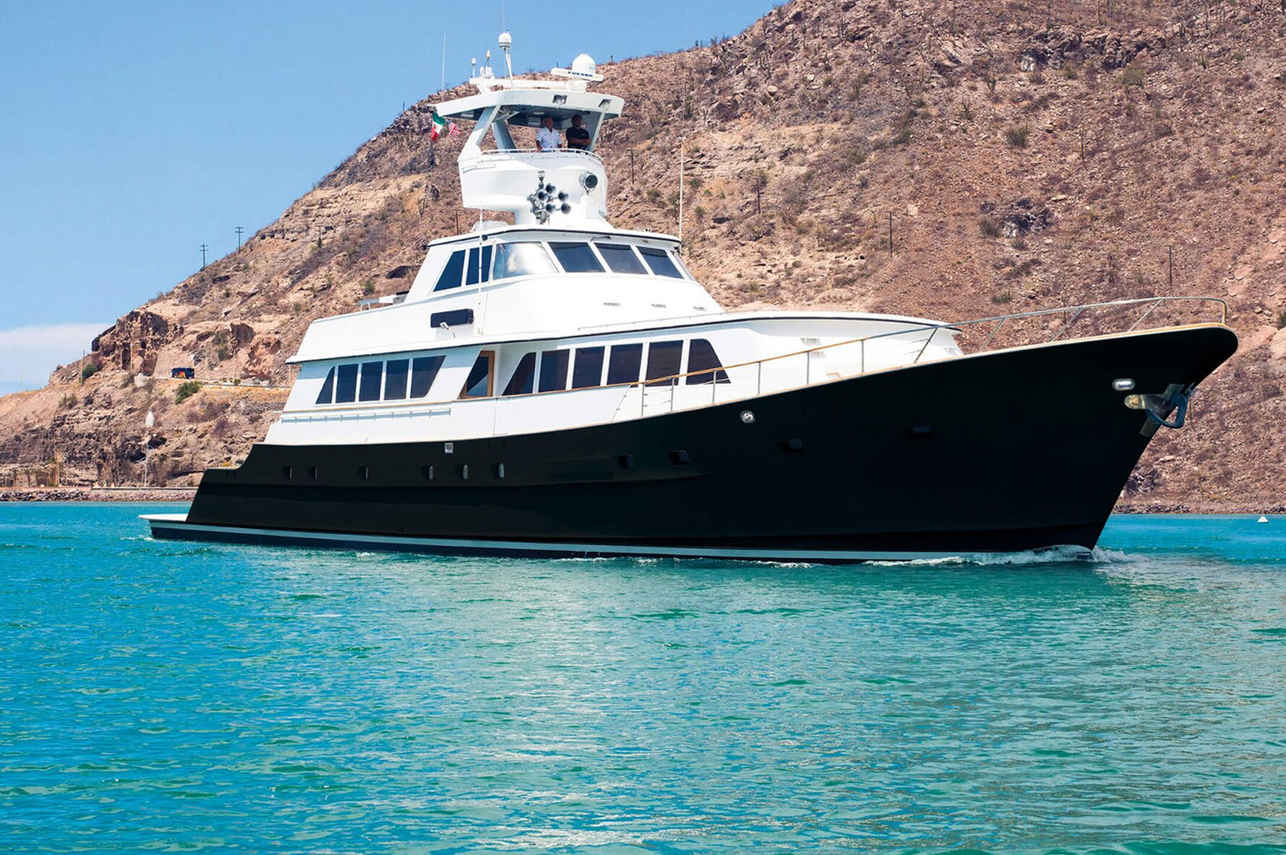
Nautilus Gallant Lady
Mexico
12 guests35.36 m
$332/day
Dive sites similar to Cenote Cristalino
Same character, same waters — six more sites divers love for the exact same reasons.Compare seasons, access and liveaboard routes — then pick the site that fits your trip best.
© Esri — Maxar, Earthstar, GIS
Cenote Kukulkan, often referred to as Chikin Ha, is a captivating underwater cavern system located in the heart of the Yucatán Peninsula, approximately 25 kilometers (15 miles) from Playa del Carmen.
- Suitable for
- Intermediate
- Current
- No current
- Access
- Dayboat
- Depth
- 10–15 m
- Theme
- Cavern / Pinnacle
© Esri — Maxar, Earthstar, GIS
Sac Actun / Ox Bel Ha
Mexico
Sac Actun and Ox Bel Ha represent two of the world's longest known underwater cave systems, forming an intricate network beneath the Yucatán Peninsula's jungle floor.
- Suitable for
- Advanced
- Current
- No current
- Access
- Dayboat
- Depth
- 10–40 m
- Theme
- Cave & cavern / Cavern
© Esri — Maxar, Earthstar, GIS
Tak Be Luum
Mexico
Cenote Tak Be Luum, located in the Mexican state of Quintana Roo, is an exceptional cavern dive that forms part of the vast Sac Actun underwater cave system, one of the world's largest.
- Suitable for
- Advanced
- Current
- No current
- Access
- Shore / dayboat
- Depth
- 4–9 m
- Theme
- Reef
© Esri — Maxar, Earthstar, GIS
Neptune's Finger
Mexico
Neptune's Finger is a renowned dive site located in Cabo San Lucas, Mexico, at the southern tip of the Baja California Peninsula.
- Suitable for
- Beginner
- Current
- Mild
- Access
- Liveaboard or dayboat
- Depth
- 4–152 m
- Theme
- Reef
© Esri — Maxar, Earthstar, GIS
Pelican Rock
Mexico
Pelican Rock is a renowned dive site located within the Cabo San Lucas Marine Park in Baja California Sur, Mexico, just a few minutes by boat from the marina.
- Suitable for
- Beginner
- Current
- Mild
- Access
- Liveaboard or dayboat
- Depth
- 5–40 m
- Theme
- Wall
© Esri — Maxar, Earthstar, GIS
Majahuitas
Mexico
Majahuitas is a pristine and secluded cove located on the southern coast of Banderas Bay, near Puerto Vallarta, Mexico.
- Suitable for
- Beginner
- Current
- Mild
- Access
- Dayboat
- Depth
- 8–14 m
- Theme
- Reef