About Chac Mool
Chac Mool is a renowned freshwater cenote located in Mexico's Riviera Maya, near Playa del Carmen, offering a unique opportunity to explore mystical underwater caverns. This site is particularly significant for its geological features, including stunning light beams that penetrate the water, dramatic halocline effects where fresh and saltwater meet, and vast decorated chambers. Named after a Mayan god believed to be an intermediary between worlds, diving here is considered a connection to ancient culture and a sacred underground realm. The dive at Chac Mool unfolds through two distinct routes, often referred to as the Little Brother Line and the Kukulkan Line. Divers navigate through crystal-clear passages and expansive air domes, exploring formations where the two distinct water layers create a visual distortion. The maximum depth reached within these caverns is around 14 meters (45 feet), making it an accessible introduction to cenote diving. However, some passages can be narrow, accommodating only a single diver, and navigation relies on a guideline. While rich in geological spectacle, cenotes like Chac Mool typically do not host the same diverse marine life as ocean reefs. Instead, divers might encounter unique formations like stalactites and stalagmites, and occasionally small freshwater fauna such as turtles within the cavern environment. The water temperature remains consistently between 24-26°C (75-79°F) year-round, allowing for comfortable diving. Practical aspects of diving Chac Mool include the need for excellent buoyancy control due to the enclosed environment and delicate formations. Dives are typically guided in small groups, often limited to four divers per guide, to ensure a personalized and safer experience. Entry is straightforward, leading directly into the cavern system for two distinct dives, usually as part of a half-day excursion. Open Water certification is the minimum requirement.
Highlights
Spectacular light beamsPronounced halocline effectsMassive decorated chambersLittle Brother Line cavern routeKukulkan Line cavern routeUnderwater stalactites and stalagmitesAir domesFreshwater turtle sightings
Best Season
Cenote Chac Mool can be dived every day of the year. The water temperature remains a consistent 24–26°C (75–79°F) regardless of the season, providing comfortable conditions for diving at any time.
Dive site facts: Chac Mool
- Depth
- 0–14 m
- Current
- No current
- Entry
- Shore / dayboat
- Level
- Intermediate
- Dive type
- Cenote / cavern, Reef
- Region / port
- Mexico
- Coordinates
- 20.3283° N, 87.3201° W
Conditions & Currents
Currents within Cenote Chac Mool's caverns are generally absent, offering calm water conditions ideal for exploring the delicate formations. However, divers must maintain excellent buoyancy control to avoid kicking up sediment, which can quickly reduce visibility and make navigation difficult. The dive follows a permanent guideline, but poor visibility can obscure it. Due to the overhead environment and potential for limited visibility if silt is disturbed, this dive requires a strong sense of awareness and good diver skills, especially when navigating narrow passages. While not requiring a cave certification, the nature of the dive means divers cannot make a direct emergency ascent to the surface, demanding careful gas planning and adherence to guide instructions. Thermoclines are not typically a feature, but the halocline creates distinct layers of water with different densities.
Why dive Chac Mool from a liveaboard?
Chac Mool is one of Mexico's signature dive sites. A liveaboard sleeps you on the water and puts you in the water for three to four guided dives per day, including dawn and night dives that day-boat operators rarely offer. You skip the daily commute back to port and reach quieter, less-crowded sites in the same region on a single trip.
Below are the liveaboards that include Chac Mool on their Mexico itineraries.
Liveaboards diving Chac Mool
These liveaboards may visit Chac Mool on selected itineraries — the exact dive sites depend on departure, weather and conditions.
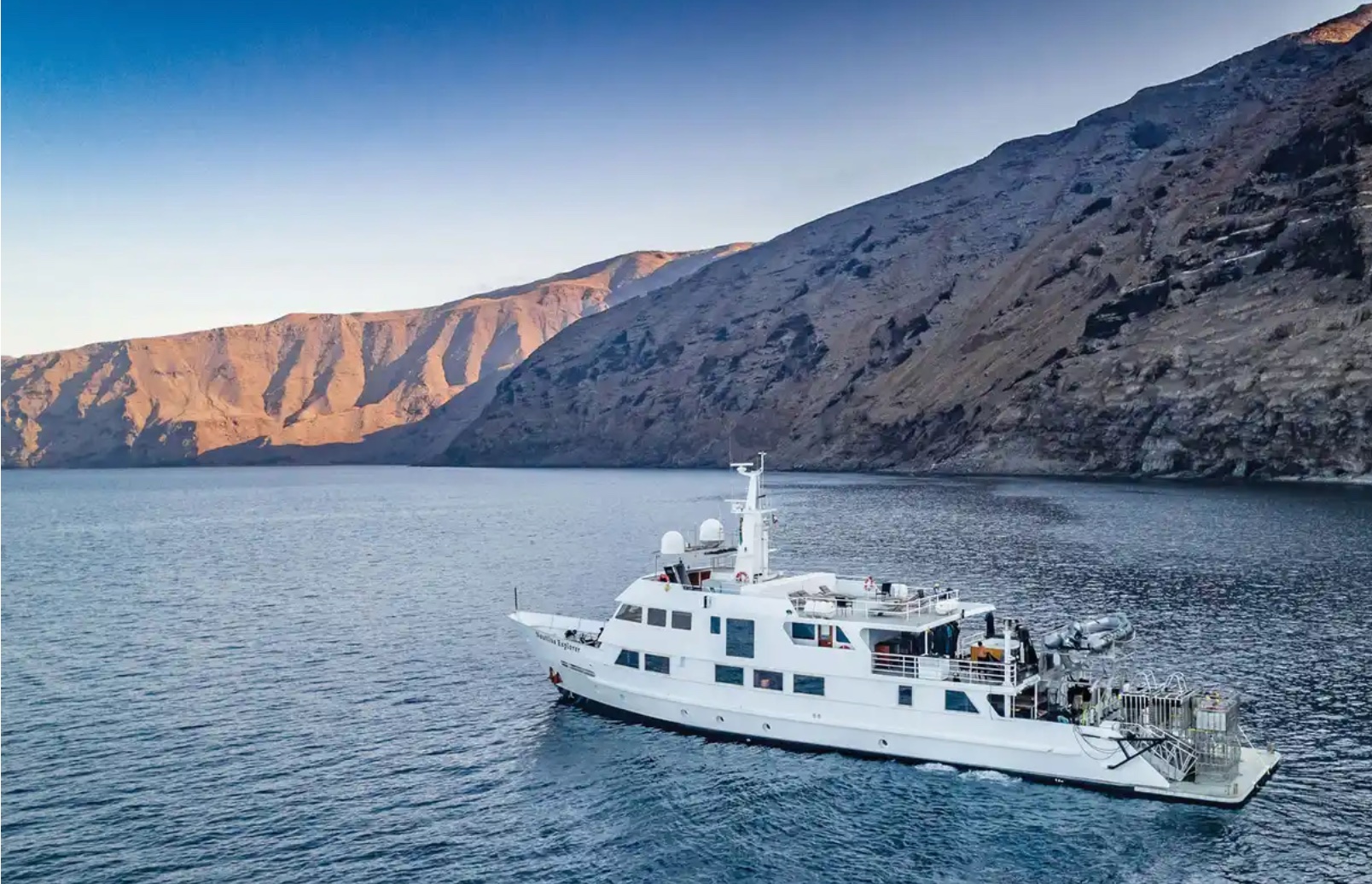
Nautilus Explorer
Mexico
25 guests44.8 m
$230/day
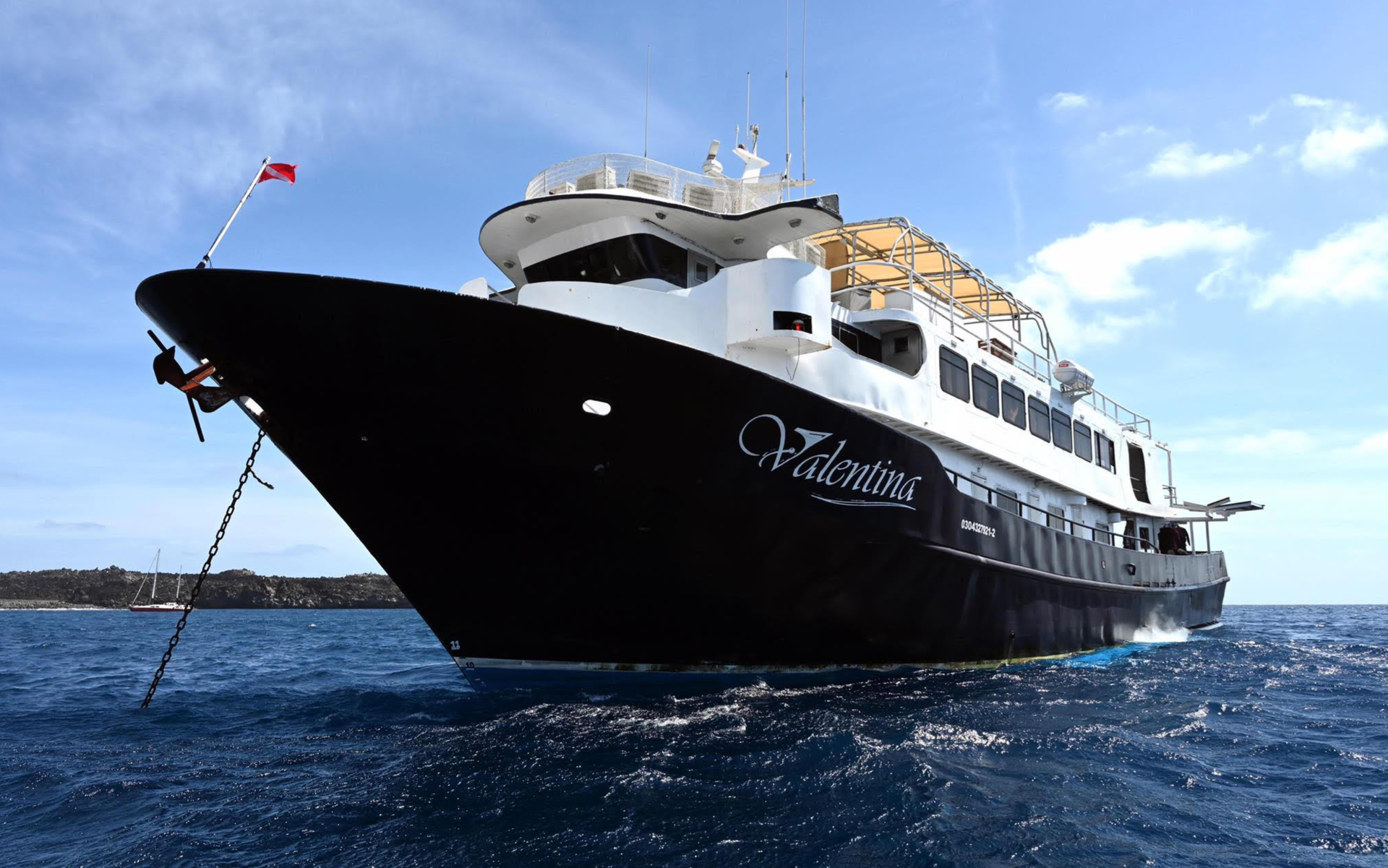
Valentina
Mexico
20 guests38.1 m
$430/day
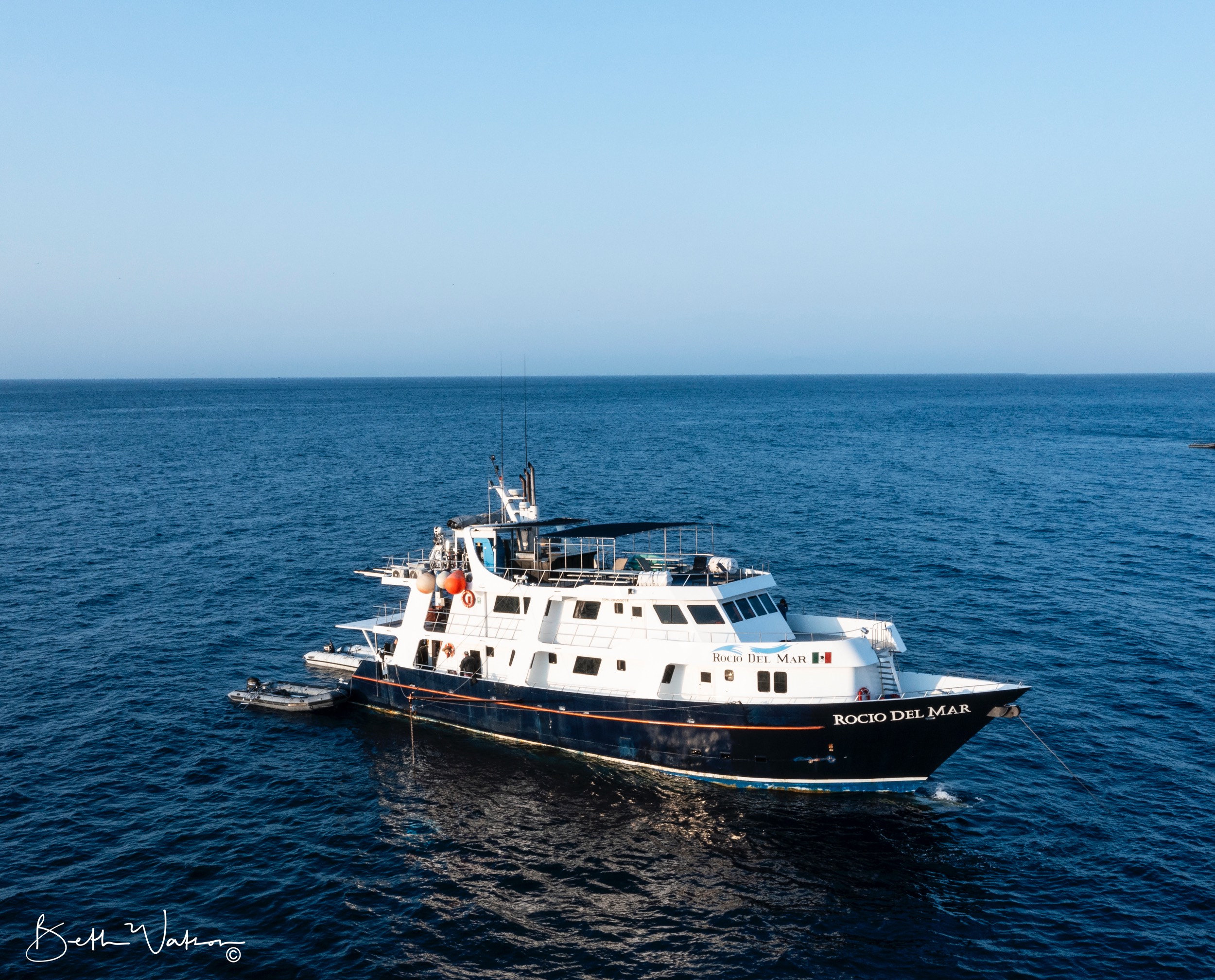
Rocio del Mar
Mexico
20 guests33.5 m
$392/day
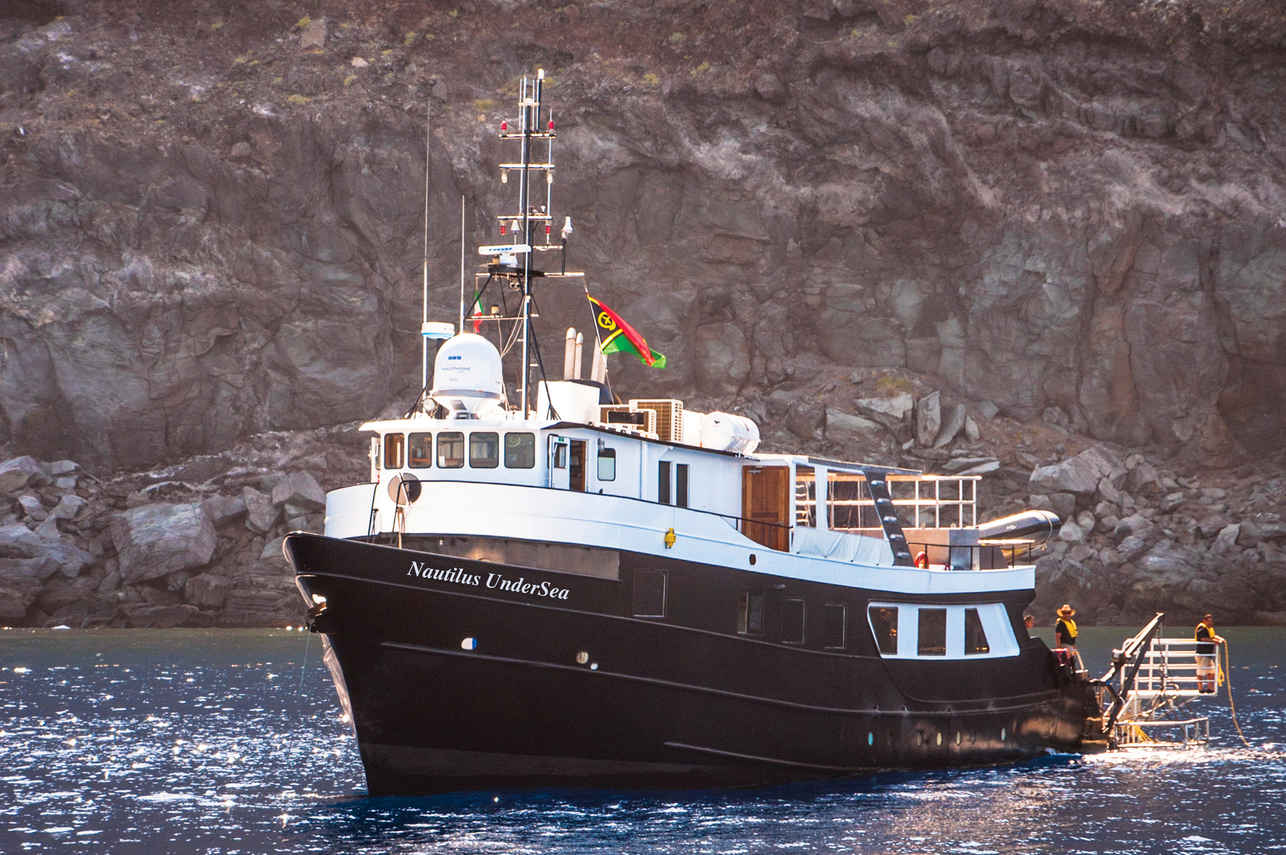
Nautilus Under Sea
Mexico
19 guests32 m
$261/day
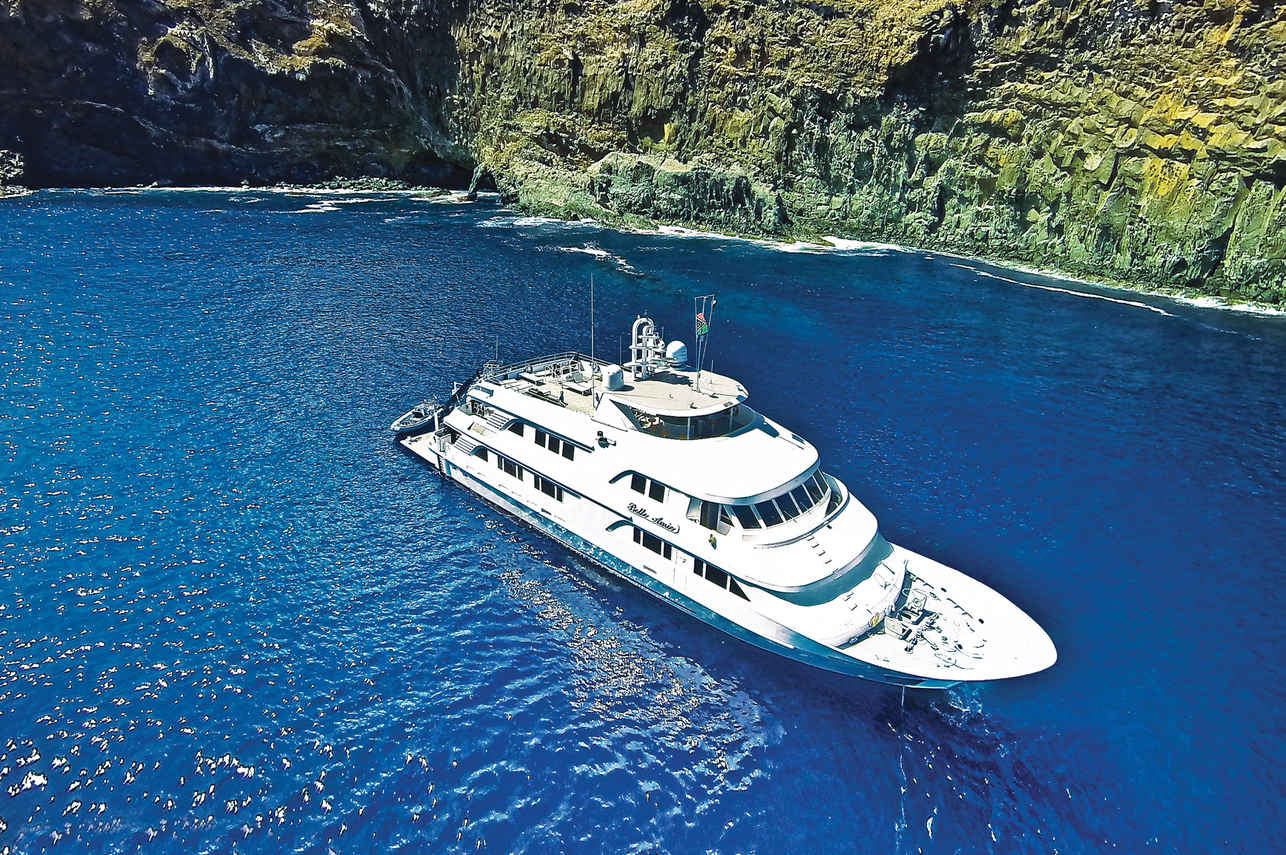
Nautilus Belle Amie
Mexico
32 guests44.8 m
$299/day
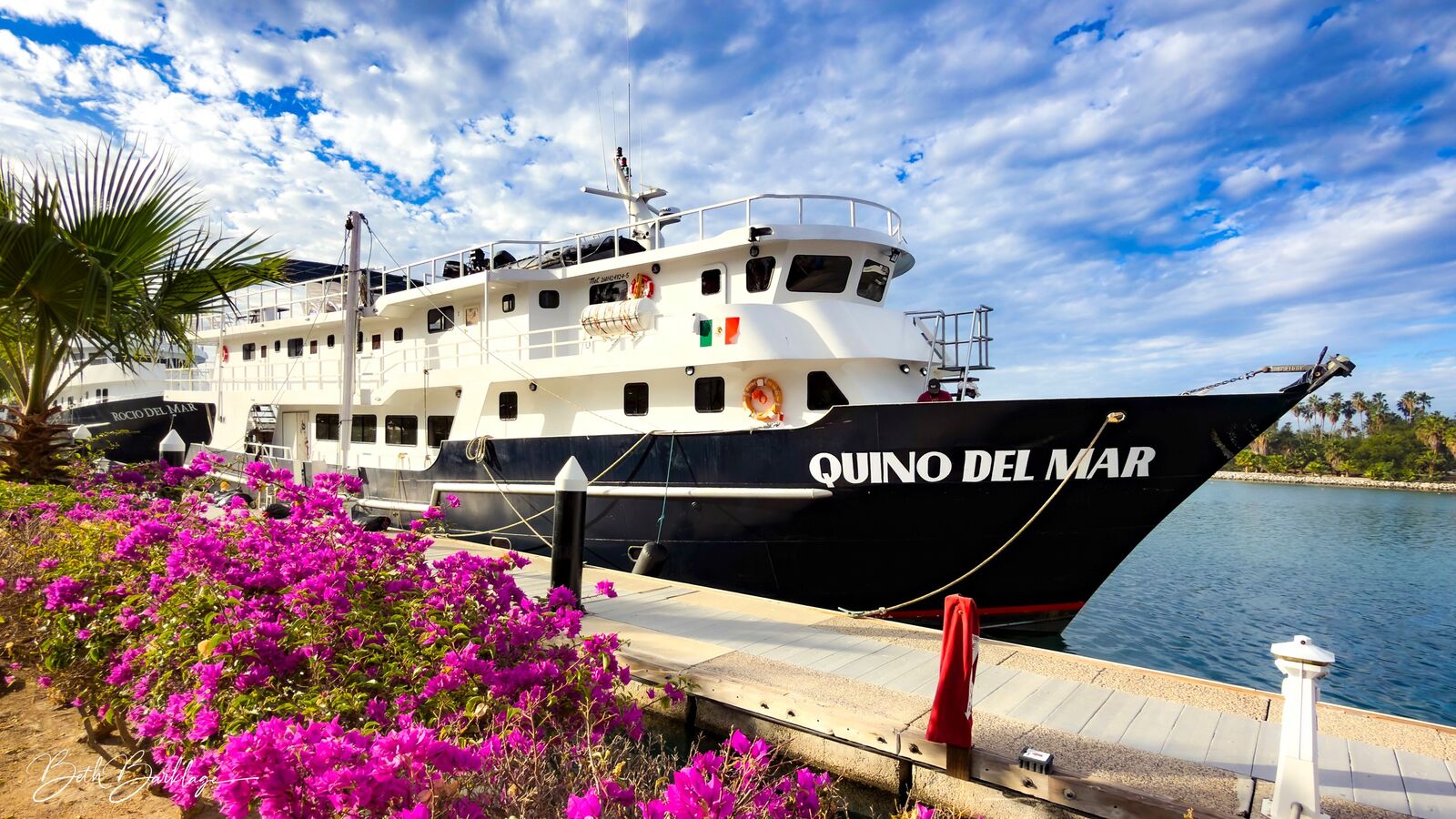
Quino del Mar
Mexico
20 guests36 m
$392/day
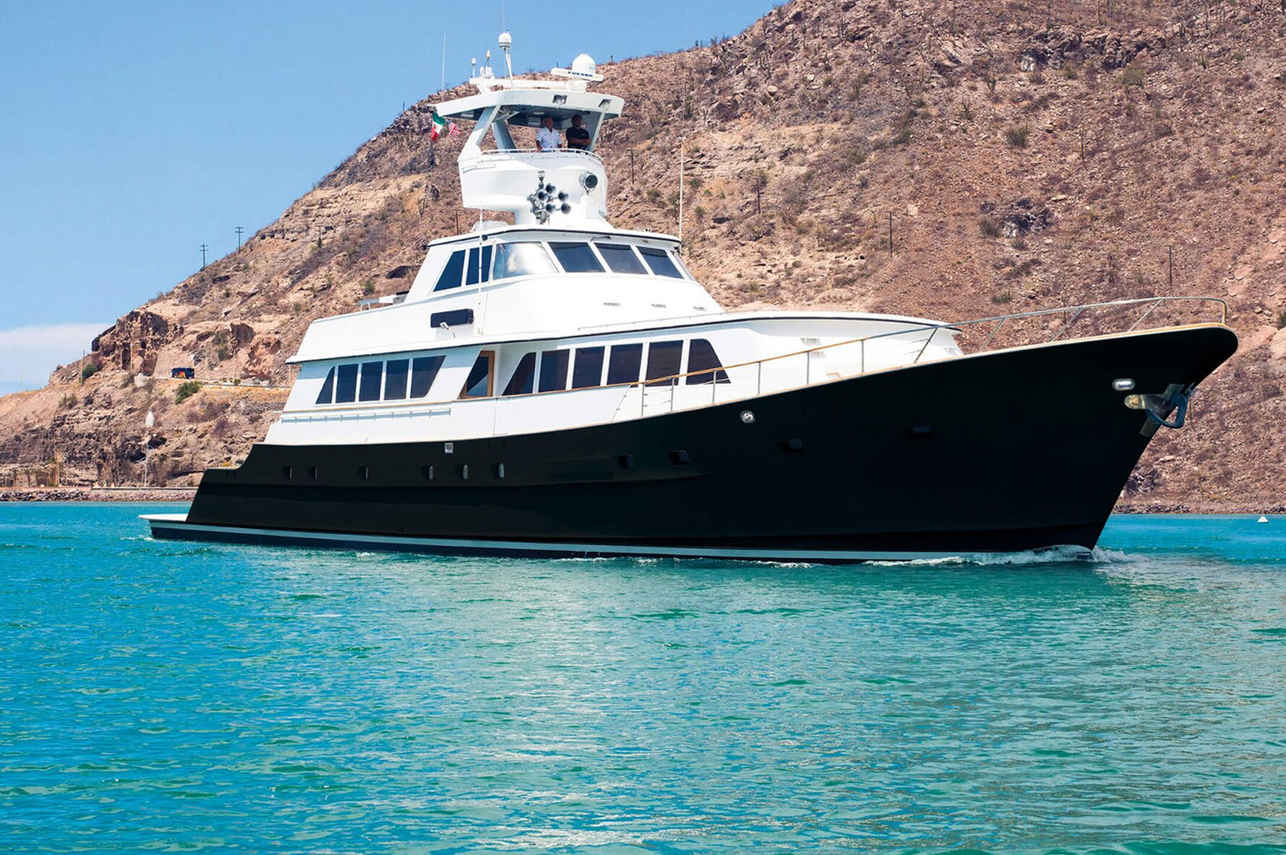
Nautilus Gallant Lady
Mexico
12 guests35.36 m
$332/day
Dive sites similar to Chac Mool
Same character, same waters — six more sites divers love for the exact same reasons.Compare seasons, access and liveaboard routes — then pick the site that fits your trip best.
© Esri — Maxar, Earthstar, GIS
Tak Be Luum
Mexico
Cenote Tak Be Luum, located in the Mexican state of Quintana Roo, is an exceptional cavern dive that forms part of the vast Sac Actun underwater cave system, one of the world's largest.
- Suitable for
- Advanced
- Current
- No current
- Access
- Shore / dayboat
- Depth
- 4–9 m
- Theme
- Reef
© Esri — Maxar, Earthstar, GIS
Neptune's Finger
Mexico
Neptune's Finger is a renowned dive site located in Cabo San Lucas, Mexico, at the southern tip of the Baja California Peninsula.
- Suitable for
- Beginner
- Current
- Mild
- Access
- Liveaboard or dayboat
- Depth
- 4–152 m
- Theme
- Reef
© Esri — Maxar, Earthstar, GIS
Majahuitas
Mexico
Majahuitas is a pristine and secluded cove located on the southern coast of Banderas Bay, near Puerto Vallarta, Mexico.
- Suitable for
- Beginner
- Current
- Mild
- Access
- Dayboat
- Depth
- 8–14 m
- Theme
- Reef
La Poza is a remarkable dive site located in Xcalak, a serene fishing village situated on Mexico's Caribbean coast, near the Belize border.
- Suitable for
- Advanced
- Current
- Mild
- Access
- Shore / dayboat
- Depth
- 20–25 m
- Theme
- Reef
© Esri — Maxar, Earthstar, GIS
Siete Bocas
Mexico
Cenote Siete Bocas, meaning "Seven Mouths," is a unique cavern dive site nestled along the Ruta de los Cenotes near Puerto Morelos in Mexico's Riviera Maya.
- Suitable for
- Intermediate
- Current
- No current
- Access
- Shore / dayboat
- Depth
- ≤ 30 m
- Theme
- Reef
© Esri — Maxar, Earthstar, GIS
Sleeping Shark Cave
Mexico
Sleeping Shark Cave is a legendary underwater site situated off the eastern coast of Isla Mujeres, Mexico.
- Suitable for
- Intermediate
- Current
- No current
- Access
- Liveaboard or dayboat
- Depth
- 16–20 m
- Theme
- Reef