About Farasan Channel
The Farasan Channel, often referred to as the Farasan Banks, represents a vast network of pristine coral reefs located approximately 300 kilometers south of Jeddah, off the coast of Jizan in the far southern Red Sea. This archipelago, designated Saudi Arabia's first UNESCO Biosphere Reserve, boasts some of the healthiest hard coral coverage in the entire Red Sea basin, making it a crucial marine sanctuary. The remote location has preserved its underwater landscapes from extensive tourism, offering a glimpse into what the Red Sea looked like a century ago. Diving here reveals a diverse topography, from shallow reef systems to deeper plateaus and volcanic walls plunging over 400 meters. Divers explore vibrant coral gardens, encounter extensive seagrass meadows, and navigate the edges of deep open water. The pristine reefs support an abundance of marine life, thriving across various depth bands and offering opportunities for both macro and pelagic encounters. Marine life is exceptional, featuring large schools of hammerhead sharks, whale sharks (especially from December to March), oceanic whitetip sharks, manta rays, and various reef sharks. Macro enthusiasts will also find colorful nudibranchs, seahorses, and a wide array of reef fish. The healthy coral ecosystems provide habitat for over 230 fish species, ensuring a rich and dynamic underwater experience. Dive conditions often feature strong currents, attracting large pelagic species, necessitating drift diving techniques. Entry is typically from liveaboards, which are the primary way to access these remote sites. The experience caters to intermediate and advanced divers due to potential strong currents and depths, offering multiple dives daily across varied environments.
Highlights
Pristine Red Sea coral reefsLarge schools of hammerhead sharksWhale shark encounters (Dec-Mar)UNESCO Biosphere ReserveExtensive hard coral coverageAbundant pelagic and macro lifeVolcanic underwater wallsRemote, untouched dive sites
Season calendar
Best months to dive here
Jan
Feb
Mar
Apr
May
Jun
Jul
Aug
Sep
Oct
Nov
Dec
Excellent
Good
Dive site facts: Farasan Channel
- Depth
- 5–40+ m
- Typical dive
- 15–30 m, 50–60 min
- Current
- Mild to substantial
- Visibility
- 15–60 m
- Water temperature
- 22–32°C
- Entry
- Liveaboard / Tender
- Level
- AOWD recommended, drift dive experience beneficial
- Dive type
- Wall, drift, pelagic, coral gardens
- Night dive
- Possible
- Region / port
- Southern Red Sea / Jizan
- Coordinates
- 16.78, 41.85
Conditions & Currents
The Farasan Channel is known for significant currents, which are a major factor in attracting large pelagic species. These currents can be strong, particularly at sites frequented by schooling hammerheads and mantas, making drift diving a common practice. Visibility is consistently excellent, often between 21-30 meters year-round, and can sometimes extend up to 60 meters. Water temperatures remain warm, typically between 26-31°C, providing comfortable diving conditions. Due to the potentially strong currents and remote nature of the sites, divers should possess intermediate to advanced certification and be comfortable with liveaboard operations and drift diving techniques. Entry is typically from a live boat, and thorough dive briefings are essential for safe navigation of the currents.
Marine life & sighting chances
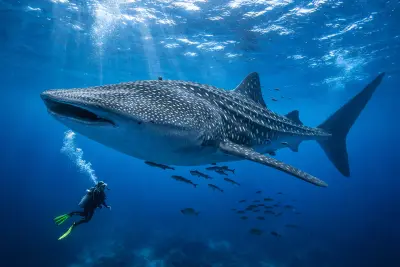
Whale Shark
February to May · common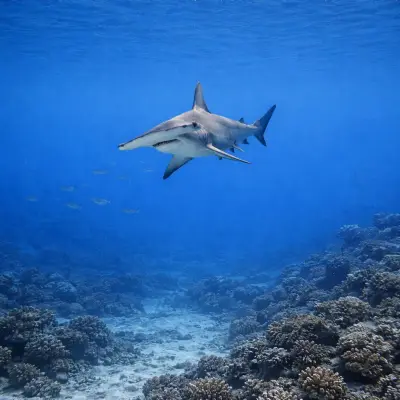
Hammerhead Shark
January to April, November · common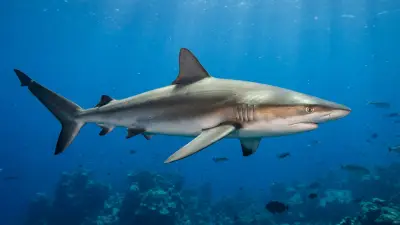
Silky Shark
January to May, November · occasional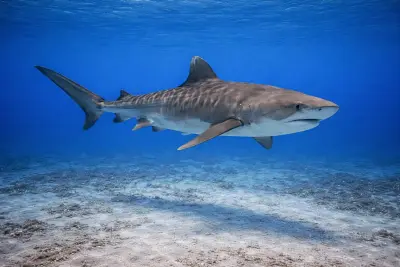
Tiger Shark
January to April · occasional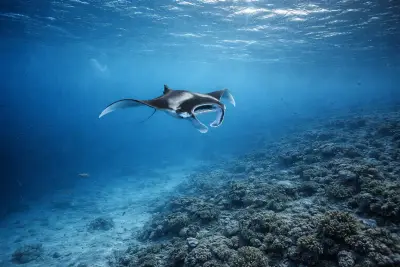
Manta Ray
February to April, December · common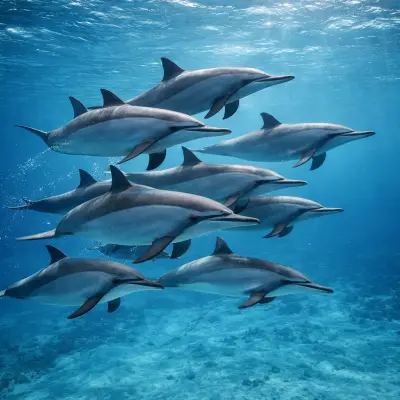
Dolphin
January to May, November, December · common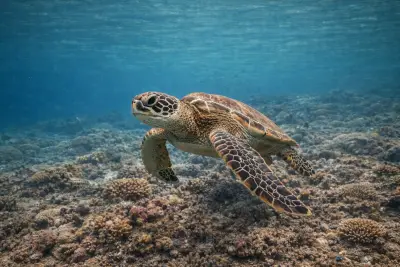
Green Turtle
Year-round · common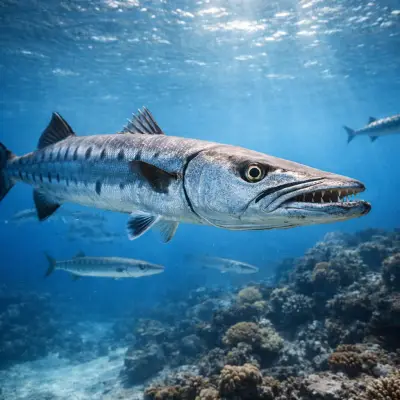
Barracuda
Year-round · common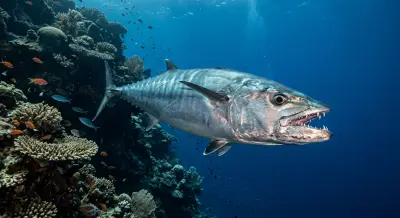
Tuna
Year-round · common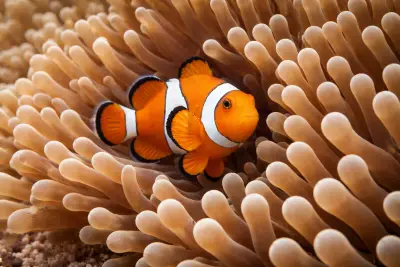
Red Sea Clownfish
Year-round · common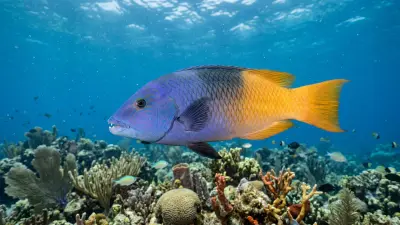
Humphead Wrasse
Year-round · occasional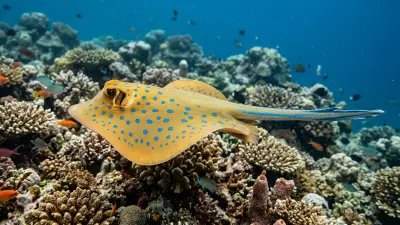
Bluespotted Ribbontail Ray
Year-round · occasionalDive profile & how the dive runs
Dives in the Farasan Channel typically begin with a negative entry from the tender boat to quickly descend into the current, targeting a specific depth along the reef wall or coral plateau. Divers will drift with the current, maintaining neutral buoyancy to observe marine life and coral formations. The route often follows the contours of deep reef walls, with an average depth range of 15-30 meters for recreational divers, extending to deeper sections for those qualified. Turn points are usually dictated by air consumption or bottom time, with the group ascending gradually while continuing to drift. The safety stop is conducted at 5 meters for a minimum of 3 minutes, often still drifting, before surfacing and being picked up by the tender boat. Divers should remain alert and in close proximity to their buddy throughout the drift to ensure effective communication and group cohesion.
Underwater photography
The Farasan Channel offers exceptional opportunities for underwater photography, particularly for wide-angle and macro subjects. For capturing the expansive reef walls and large pelagics like whale sharks and hammerheads, a wide-angle lens is essential. External strobes are highly recommended to bring out the vibrant colors of the healthy corals and to properly expose fast-moving subjects in clear, deep water. For macro enthusiasts, the healthy reef hosts abundant smaller critters, making a macro lens useful for capturing nudibranchs, seahorses, and reef fish in detail. Practicing excellent buoyancy control is crucial, especially during drift dives, to avoid disturbing the pristine corals and to maintain stable shots in varying currents. Given the uncrowded nature of the sites, photographers can often take their time to compose shots without interference from other divers.
Combine with nearby dive sites
Getting there & logistics
Access to the Farasan Channel is primarily via liveaboard, departing from ports such as Al Lith, which is accessible via internal transfer from Jeddah International Airport (JED). Liveaboard trips typically range from 5 to 7 nights, providing comprehensive exploration of the remote Farasan Banks. While there are no specific park fees mentioned, these are generally incorporated into liveaboard packages. It is advisable to secure a Saudi Arabia tourist e-visa prior to travel, as the application process takes approximately 24-72 hours. Due to the remote nature of the area, combining diving with other land-based tourism is less common than in more developed regions, making liveaboards the most efficient way to experience this untouched marine environment.
Safety & environment
Diving in the remote Farasan Channel requires adherence to strict safety protocols. The nearest recompression chamber is in Jeddah, highlighting the importance of cautious diving practices and adequate insurance coverage that includes emergency evacuation. Divers should ensure their travel insurance covers scuba diving activities, including medical emergencies and hyperbaric treatment. Site-specific hazards include potentially strong currents, especially on outer reef walls, necessitating good buoyancy control and drift diving experience. Always follow the dive guide's instructions regarding entry, exit, and buddy procedures. Given the remote location, robust dive planning, well-maintained equipment, and conservative dive profiles are paramount to a safe and enjoyable experience.
Who it suits — and who it doesn't
Suited for
- Experienced divers comfortable with drift diving
- Underwater photographers seeking pristine environments
- Divers interested in large pelagic encounters
- Liveaboard enthusiasts
- Those seeking uncrowded, untouched dive sites
Less suited for
- Beginner divers without drift experience
- Divers preferring shore-based diving
- Those prone to seasickness on liveaboards
- Individuals with limited budget for liveaboard trips
- Divers seeking resort-style amenities
FAQ
Farasan Channel FAQ
What is the best time of year to dive the Farasan Channel for pelagic sightings?
The peak season for encountering large pelagics like whale sharks and hammerheads in the Farasan Channel typically runs from February to May. Manta rays are also commonly sighted during this period, with additional opportunities in December. Diving during these months significantly increases your chances of memorable wildlife encounters.
Is the Farasan Channel suitable for beginner divers?
The Farasan Channel is generally more suited for experienced divers, especially those comfortable with drift diving. While some areas may offer milder conditions, the presence of potentially strong currents and the remote liveaboard setting make it less ideal for novices. Advanced Open Water certification and some drift experience are recommended for a more enjoyable and safer experience.
What kind of marine life can I expect to see in the Farasan Channel?
Divers can expect a rich diversity of marine life, from abundant reef fish to majestic pelagics. Common sightings include whale sharks, hammerheads, manta rays, and various species of sharks. Green turtles, barracuda, tuna, dolphins, and healthy coral ecosystems are also prevalent, making every dive a unique experience.
How do I get to the Farasan Channel for diving?
The Farasan Channel is best accessed via liveaboard, which typically departs from the port of Al Lith. You would generally fly into Jeddah International Airport (JED) and then take an internal transfer to Al Lith. Due to the remote nature of the Farasan Banks, liveaboards offer the most practical and comprehensive way to explore these pristine dive sites.
What are the typical diving conditions like in the Farasan Channel?
Diving conditions are generally excellent, with water temperatures ranging from 22°C to 32°C depending on the season, and exceptional visibility often exceeding 30 meters. Currents can vary from mild to substantial, particularly on outer reef walls, and divers should be prepared for drift diving. The healthy, untouched reefs contribute to the superb water clarity.
Why dive Farasan Channel from a liveaboard?
Farasan Channel is one of Saudi Arabia's signature dive sites. A liveaboard sleeps you on the water and puts you in the water for three to four guided dives per day, including dawn and night dives that day-boat operators rarely offer. You skip the daily commute back to port and reach quieter, less-crowded sites in the same region on a single trip.
Below are the liveaboards that include Farasan Channel on their Saudi Arabia itineraries.
Dive sites similar to Farasan Channel
Same character, same waters — six more sites divers love for the exact same reasons.Compare seasons, access and liveaboard routes — then pick the site that fits your trip best.
Marker 35 is a captivating dive site situated within the Seven Sisters, a renowned collection of reef islands located approximately 18 miles offshore from Yanbu in Saudi Arabia.
- Suitable for
- Advanced
- Current
- Moderate
- Access
- Liveaboard only
- Depth
- 5–35 m
- Theme
- Reef / Wall
© Esri — Maxar, Earthstar, GIS
Shib Habil Reef
Saudi Arabia
Shib Habil is a small, coastal reef located off the Red Sea coast of Saudi Arabia, uniquely recognized for hosting a significant aggregation of whale sharks.
- Suitable for
- Advanced
- Current
- Moderate
- Access
- Liveaboard only
- Depth
- 5–23 m
- Theme
- Reef / Drift
© Esri — Maxar, Earthstar, GIS
Marker 42 Mansi
Saudi Arabia
Marker 42 Mansi, or "the forgotten" in Arabic, is a distinctive and isolated madreporic coral column situated in Saudi Arabia's Seven Sisters region, approximately 18 kilometers west of Yanbu Port.
- Suitable for
- Advanced
- Current
- Moderate
- Access
- Liveaboard only
- Depth
- 20–40 m
- Theme
- Reef / Wall
© Esri — Maxar, Earthstar, GIS
Farasan Islands
Saudi Arabia
The Farasan Islands, situated in the southern Red Sea off the coast of Jazan, represent Saudi Arabia's premier destination for biodiverse diving.
- Suitable for
- Advanced
- Current
- Strong
- Access
- Liveaboard only
- Depth
- 10–40 m
- Theme
- Wall / Reef
Long Reef (South) is the deeper southern section of an extensive offshore reef system located near Al Lith, Saudi Arabia.
- Suitable for
- Advanced
- Current
- Strong
- Access
- Liveaboard only
- Depth
- 25–35 m
- Theme
- Reef / Wall
NEOM Reef, specifically Magna Bay Coral Garden, is located in the Red Sea along Saudi Arabia's northern coastline, offering an exceptionally preserved diving experience.
- Suitable for
- Intermediate
- Current
- Mild
- Access
- Liveaboard or dayboat
- Depth
- 8–35 m
- Theme
- Reef / Wall