About Befotaka Bay
Befotaka Bay, situated in northwestern Madagascar, is a key diving destination renowned for its vibrant marine ecosystems. This area is celebrated for its pristine coral reefs and the abundance of unique marine life, attracting divers of all experience levels. It serves as a gateway to the larger Nosy Be archipelago, an area recognized for some of the world's most diverse coral reef systems. The underwater topography around Befotaka Bay features extensive coral plateaus, dramatic drop-offs, and shallow, sheltered reefs, with depths typically ranging from 5 to 40 meters. These diverse structures create varied habitats for numerous species, from intricate macro life to impressive pelagic fish. Visibility frequently extends beyond 30 meters, offering clear views of the vibrant underwater scenery. The marine life here is exceptionally rich, encompassing a wide array of reef fish, rays, and sea turtles. Seasonal visitors include whale sharks and humpback whales, particularly between September and November for whale sharks, and July to September for humpbacks in nearby areas. The sheltered nature of Befotaka Bay often provides more consistent diving conditions even during periods when other sites might be affected by weather. Diving in Befotaka Bay is typically conducted from boats, with dive sites located a short distance from shore. Operators prioritize diver safety and comfort, often providing amenities like fresh water and fruit between dives. The region caters to both recreational and more experienced divers, with specific sites offering gentle conditions for beginners and challenging drift dives or deeper explorations for advanced divers.
Highlights
Vibrant coral reef ecosystemsRich marine biodiversityOpportunities for macro and pelagic encountersSheltered bay conditionsHealthy hard and soft coralsSeasonal whale shark sightings
Season calendar
Best months to dive here
Jan
Feb
Mar
Apr
May
Jun
Jul
Aug
Sep
Oct
Nov
Dec
Good
Dive site facts: Befotaka Bay
- Depth
- 5–40 m
- Current
- Variable, from weak to strong
- Visibility
- 10–50 m
- Water temperature
- 25–28°C
- Entry
- Boat
- Level
- All levels
- Dive type
- Reef, wreck, macro, pelagic
- Region / port
- Nosy Be, Madagascar
- Coordinates
- -13.46, 48.27
Conditions & Currents
Currents in Befotaka Bay are generally variable, ranging from weak to strong depending on the specific dive site and tidal conditions. Sites like Louann, a deep drop-off, are best dived on an ebb or flood tide to maximize encounters with schooling fish attracted by the flow. Other sites, such as Tanikely Sud, are sheltered and offer easy diving with minimal current, suitable for all levels. Divers should be prepared for potential drift dives at certain locations, necessitating good buoyancy control and experience with currents. Visibility is typically good but can decrease significantly with plankton blooms, which, however, often attract large pelagic species. Dive operators prioritize safety, providing detailed briefings on site-specific current conditions and entry/exit procedures.
Marine life & sighting chances

Hard corals
common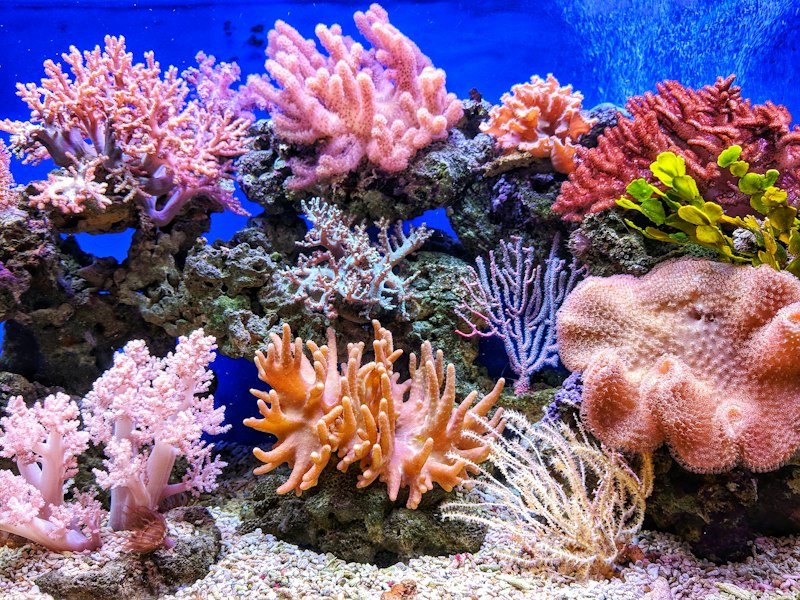
Soft corals
common
Sea turtles
common
Whale sharks
October–December · occasional
Manta rays
April–July, September–November · occasional
Scorpionfish
common
Frogfish
occasional
Nudibranchs
common
Barracuda
common
Groupers
common
Eagle rays
occasional
Reef sharks
occasionalDive profile & how the dive runs
A typical dive in Befotaka Bay often begins with a giant stride entry from the boat onto a coral plateau. For a site like Rosario, you'd descend to approximately 14-19 meters, exploring fan coral fields and searching for macro life among the vibrant reef. The dive progresses slowly, allowing ample time for observation and photography, with the depth kept moderate for extended bottom time. For sites with more current, a drift dive technique is employed, allowing the current to carry you along a wall or reef, maintaining a comfortable depth between 20-25 meters at sites like Louann, which can drop deeper to 50 meters. The turn point is determined by air consumption and bottom time, typically at 50-60 minutes. The safety stop is usually conducted at 5 meters for 3 minutes, often near a sheltered part of the reef or as a drifting stop in open water, before surfacing for boat pick-up.
Underwater photography
Befotaka Bay offers excellent opportunities for both wide-angle and macro photography. For capturing the expansive coral gardens and schools of fusiliers, a wide-angle lens is ideal. Consider an external strobe to bring out the true colors of the corals and reef fish, especially in deeper sections or during cloudy conditions. Macro photographers will revel in the abundance of nudibranchs, frogfish, and various shrimp and crabs; a macro lens will be essential here. Practicing excellent buoyancy control is crucial to avoid damaging the delicate coral structures and to get clear shots of shy macro subjects. Be mindful of your fin kicks and maintain a respectful distance from marine life, particularly when photographing nesting turtles or resting rays.
Combine with nearby dive sites
- Nosy Tanikely Marine Reserve
Known for diverse coral reefs and abundant marine species, suitable for all levels.
- Nosy Sakatia
Offers an arch formation with schools of trevallies among soft and hard corals.
- Mitsio Wreck
A deeper wreck site suitable for experienced divers, home to groupers and scorpionfish.
- Radama Islands
Part of the larger archipelago, offering diverse diving opportunities.
Getting there & logistics
The primary international gateway to Madagascar is Ivato International Airport (TNR) near Antananarivo. From there, domestic flights connect to Nosy Be (Fascene Airport, NOS), which serves as the main hub for accessing Befotaka Bay. Dive operations typically depart from Nosy Be, with local transfers provided by hotels or dive centers. Liveaboards and land-based operators both serve the region, with trip lengths varying from multi-day liveaboard excursions to daily dive trips from resorts. No specific marine park fees for Befotaka Bay are consistently mentioned, but it's advisable to confirm with your chosen operator. Trips often combine diving with other activities, such as wildlife tours on Nosy Be, or longer itineraries exploring different regions of Madagascar.
Safety & environment
While diving in Befotaka Bay is generally safe, divers should be aware of specific considerations. The nearest recompression chamber is not readily available in Nosy Be, necessitating thorough emergency planning. Evacuation procedures typically involve transfer to mainland Madagascar or Réunion for serious cases, which can be time-consuming and expensive. Comprehensive dive insurance covering medical emergencies and evacuation is therefore mandatory. Dive operators in the region, like Blue Wave Diving, adhere to SSI standards and offer various training programs, including emergency training. On board, oxygen provision is a critical safety aspect, though some smaller local boats may not consistently carry it. Always verify safety equipment and protocols with your chosen operator. Be mindful of potential strong currents at certain sites and practice responsible diving by not touching corals or harassing marine life.
Who it suits — and who it doesn't
Suited for
- Beginner divers looking for easy, sheltered dives
- Experienced divers seeking challenging drift dives and deep wrecks
- Underwater photographers interested in both macro and wide-angle subjects
- Divers keen on healthy coral reefs and diverse marine life
- Travelers looking for a blend of diving and land-based activities
Less suited for
- Divers expecting guaranteed large pelagic encounters on every dive
- Individuals without comprehensive dive insurance
- Those sensitive to variable currents or potential for reduced visibility
- Divers seeking an easily accessible recompression chamber nearby
- Travelers averse to domestic flights and potential longer transfers
FAQ
Befotaka Bay FAQ
What is the best time of year to dive in Befotaka Bay?
The optimal diving season in Befotaka Bay runs from April to January, with a peak period for whale shark sightings between October and December. While diving is possible year-round due to the bay's sheltered nature, it's generally best to avoid the intense cyclone season from January to March, which can bring heavy rains and rough seas, though diving is still possible on some days.
What kind of marine life can I expect to see in Befotaka Bay?
Befotaka Bay is teeming with diverse marine life, including extensive hard and soft coral gardens, numerous reef fish, and several species of sea turtles. Macro enthusiasts can spot nudibranchs, frogfish, and various crustaceans. Larger pelagic species like barracuda, groupers, and occasional reef sharks are also common, with seasonal sightings of manta rays and whale sharks adding to the excitement.
Are there dive sites suitable for beginners in Befotaka Bay?
Yes, Befotaka Bay offers several dive sites ideal for beginner divers. Sites like Tanikely Sud provide easy diving conditions with shallow depths and minimal currents, featuring beautiful corals and abundant fish life. These locations are perfect for gaining confidence and enjoying the vibrant underwater environment in a relaxed setting.
What are the water temperatures and visibility like?
Water temperatures in Befotaka Bay are consistently warm, ranging from 25°C in cooler months to 28°C during the warmer season. Visibility is generally excellent, often between 10 to 50 meters. However, visibility can decrease during plankton blooms, which, while affecting clarity, often attract larger marine creatures.
Is drift diving common in Befotaka Bay?
Drift diving can be common at certain sites within Befotaka Bay, particularly those with stronger currents, like Louann. These dives offer exhilarating experiences with pelagic fish but require good buoyancy control and experience with currents. There are also many sheltered sites suitable for divers who prefer calmer conditions without strong drift.
Why dive Befotaka Bay from a liveaboard?
Befotaka Bay is one of Madagascar's signature dive sites. A liveaboard sleeps you on the water and puts you in the water for three to four guided dives per day, including dawn and night dives that day-boat operators rarely offer. You skip the daily commute back to port and reach quieter, less-crowded sites in the same region on a single trip.
Below are the liveaboards that include Befotaka Bay on their Madagascar itineraries.
Dive sites similar to Befotaka Bay
Same character, same waters — six more sites divers love for the exact same reasons.Compare seasons, access and liveaboard routes — then pick the site that fits your trip best.
© Esri — Maxar, Earthstar, GIS
Andilana Reef
Madagascar
Andilana Reef, situated near Nosy Be on Madagascar's northwestern coast, presents a captivating underwater landscape that appeals to divers of all experience levels.
- Suitable for
- Intermediate
- Current
- Mild
- Access
- Liveaboard or dayboat
- Depth
- 6–22 m
- Theme
- Cave & cavern / Reef
© Esri — Maxar, Earthstar, GIS
Nosy Mitsio Pinnacles
Madagascar
Nosy Mitsio Pinnacles, part of the Mitsio Archipelago in Madagascar, offers a pristine and authentic diving experience far removed from mass tourism.
- Suitable for
- Advanced
- Current
- Strong
- Access
- Liveaboard or dayboat
- Depth
- 12–40 m
- Theme
- Wall
© Esri — Maxar, Earthstar, GIS
Nosy Vorona
Madagascar
Nosy Vorona, nestled in the Nosy Be region of Madagascar, is celebrated for its exceptional underwater biodiversity and stunning coral formations.
- Suitable for
- Intermediate
- Current
- Strong
- Access
- Liveaboard or dayboat
- Depth
- 8–22 m
- Theme
- Reef
© Esri — Maxar, Earthstar, GIS
The Wall (Nosy Be)
Madagascar
The Wall in Nosy Be is a renowned dive site characterized by its steep, colorful drop-offs, showcasing the rich biodiversity of Madagascar's underwater world.
- Suitable for
- Advanced
- Current
- Strong
- Access
- Liveaboard or dayboat
- Depth
- 15–30 m
- Theme
- Wall
© Esri — Maxar, Earthstar, GIS
Russian Bay
Madagascar
Russian Bay is a tranquil dive site nestled off Nosy Be, Madagascar, offering a peaceful underwater escape within a sheltered bay.
- Suitable for
- Beginner
- Current
- Strong
- Access
- Liveaboard or dayboat
- Depth
- 4–16 m
- Theme
- Drift / Reef
© Esri — Maxar, Earthstar, GIS
Tanikely Canyon
Madagascar
Nosy Tanikely, often called "the island of small land," is an uninhabited islet nestled in the bay of Nosy Be, Madagascar.
- Suitable for
- Intermediate
- Current
- Strong
- Access
- Liveaboard or dayboat
- Depth
- 10–28 m
- Theme
- Reef / Wall