About Eglin Air force Barge
The Eglin Air Force Barge, located off the coast of Torres Vedras in Portugal, offers an accessible and rewarding dive experience for nearly all levels of certified divers. This site uniquely combines the appeal of a sunken vessel with the vibrant ecosystem of a natural reef. Sitting comfortably at a depth of 68 feet (approximately 21 meters), the barge has become an artificial reef, attracting a variety of marine species. Its structure provides numerous hiding spots and foraging grounds, creating a dynamic underwater habitat that divers can explore. While specific seasonality for marine life at this exact site is not detailed, the surrounding waters of Portugal are known to host species like groupers, barracudas, octopuses, and various nudibranchs. Larger pelagic species such as mola mola, sailfish, and even some shark and whale species are common in the general region, though specific sightings on the barge itself are anecdotal. Water temperatures in Portugal during summer typically range from 17°C to 24°C, with visibility between 10 to 30 meters. Diving the Eglin Air Force Barge involves exploring the wreck's structure and the surrounding seabed, observing the marine life that has colonized it. Given its moderate depth, it provides ample bottom time for exploration and photography, making it a popular choice for local dive operators.
Highlights
Artificial reef habitatDiverse marine life attractionAccessible depthWreck and reef diveTorres Vedras location
Season calendar
Best months to dive here
Jan
Feb
Mar
Apr
May
Jun
Jul
Aug
Sep
Oct
Nov
Dec
Excellent
Good
Dive site facts: Eglin Air force Barge
- Depth
- 21 m / 68 ft
- Current
- Mild to moderate
- Visibility
- 10–30 m
- Water temperature
- 17–24°C (summer)
- Entry
- Boat
- Level
- Open Water Diver
- Dive type
- Wreck, Reef
- Region / port
- Lisboa, Torres Vedras, Portugal
- Coordinates
- 38.6750° N, 9.5080° W
Conditions & Currents
Currents around dive sites in Portugal are generally considered mild, especially in areas like Sesimbra, making them suitable for Open Water Divers. However, some sites, particularly in the Azores, can experience stronger currents, requiring divers to check local conditions. The visibility at the Eglin Air Force Barge can vary between 10 to 30 meters, depending on weather and local phenomena, which is typical for the region from June to September. Water entry for boat dives is often a giant stride or backroll, and efficient entry and exit techniques are encouraged, especially if live boating or drift diving conditions are present, though not explicitly stated for this site. Divers should be prepared for typical Atlantic water temperatures, which necessitate a 5mm wetsuit even in summer.
Marine life & sighting chances

Sharks
occasional
Whales
occasional
Dolphins
occasional
Turtles
occasional
Leatherback Turtles
occasional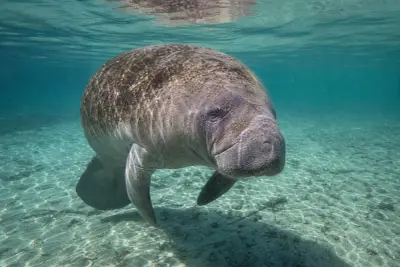
Manatees
occasional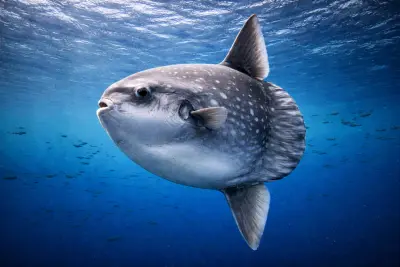
Mola Mola
occasional
Orca
occasional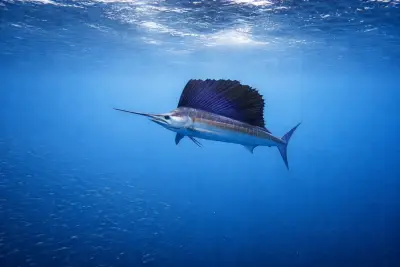
Sailfish
occasional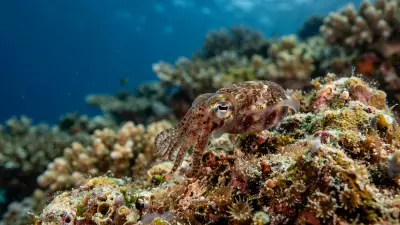
Bobtail Squid
occasional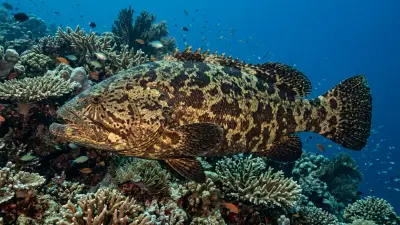
Groupers
common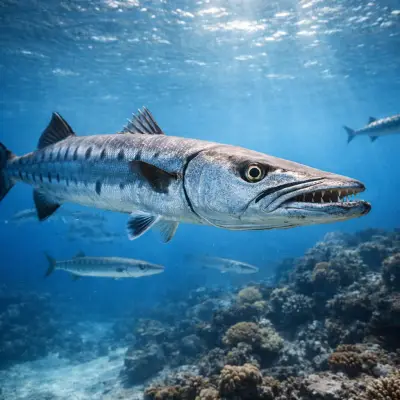
Barracudas
common
Moray Eels
common
Octopuses
commonDive profile & how the dive runs
Divers typically access the Eglin Air Force Barge by boat, making a controlled descent onto the wreck structure. The barge rests at a depth of 21 meters (68 feet), allowing for ample bottom time. Your dive will involve exploring the length of the barge, observing the diverse marine life that has colonized its surfaces and taken refuge within its structure. The route may involve circumnavigating the wreck or following specific features, guided by the dive brief. Given its relatively shallow depth, this site is ideal for recreational dives, with the safety stop conducted in the clear water above the wreck, allowing for observation of passing fish or the blue water below. Ascent will be made towards the surface, where the dive boat will be waiting for pickup.
Underwater photography
The Eglin Air Force Barge provides excellent opportunities for both wide-angle and macro photography due to its structure and varied marine life. For wide-angle shots, consider capturing the entire barge as an artificial reef, possibly including divers to convey scale. Good ambient light penetration at 21 meters allows for natural light photography, but strobes will enhance color and detail, especially for shots inside crevices or shaded areas. For macro subjects like nudibranchs, bobtail squid, or smaller fish hiding on the wreck, a macro lens is essential. Pay close attention to buoyancy control to avoid disturbing the sediment on the wreck or harming marine inhabitants. Be patient with your subjects, and allow them to become comfortable with your presence.
Combine with nearby dive sites
- Pedra do Spinola
Pedra do Spinola is a charming, sheltered boat dive site located near Sesimbra, easily accessible and designed to accommodate various diver…
- CANYON do INFERNO
Canyon do Inferno is an intriguing dive site situated along Portugal's rocky Atlantic coast, just outside Cascais.
- BOCA do INFERNO
Boca do Inferno, situated off the rocky coast of Cascais, Portugal, is named for the dramatic sea-chasm formation visible from the surface.
Getting there & logistics
Access to the Eglin Air Force Barge typically begins with international flights into Lisbon Portela Airport (LIS), which is Portugal's largest and most connected airport. From Lisbon, divers travel to coastal towns like Torres Vedras. Dive trips to the barge are usually day excursions organized by local dive centers, often as part of a multi-dive package exploring various sites in the region. There are no specific permits or fees mentioned for diving the barge itself, but local operator costs will apply. The dive site is commonly combined with other local dives rather than being part of a long liveaboard itinerary, given its proximity to the coast and moderate depth.
Safety & environment
For diving in Portugal, it is always recommended to have comprehensive dive insurance covering potential incidents and emergency medical care. The nearest recompression chamber would be located in a major medical center, likely in Lisbon, but specific facilities should be confirmed with your dive operator. Emergency evacuation procedures would involve transfer to a medical facility on the mainland. Site-specific hazards at the Eglin Air Force Barge include potential entanglement on wreck components and strong currents, although currents are generally mild. Divers should adhere to their training limits, maintain good buoyancy control to avoid contact with the wreck, and always dive with a buddy and follow the dive guide's instructions. Standard safe diving practices, including proper gas planning and ascent rates, are paramount.
Who it suits — and who it doesn't
Suited for
- Open Water certified divers
- Wreck enthusiasts
- Underwater photographers (macro & wide-angle)
- Divers seeking abundant marine life on a wreck
- Those comfortable with moderate depths
Less suited for
- Absolute beginner divers (prior open water experience recommended)
- Divers uncomfortable with potential currents
- Those expecting pristine coral reefs
- Individuals sensitive to cooler water temperatures without proper exposure protection
FAQ
Eglin Air force Barge FAQ
What is the typical depth of the Eglin Air Force Barge dive?
The Eglin Air Force Barge rests at a maximum depth of 21 meters (68 feet). This moderate depth makes it accessible for most certified recreational divers, allowing for good bottom time and exploration of the wreck and its surrounding marine life.
What kind of marine life can I expect to see at the Eglin Air Force Barge?
The barge acts as an artificial reef, attracting a variety of species. Divers commonly report sightings of groupers, barracudas, moray eels, octopuses, cuttlefish, and various nudibranchs. Occasionally, larger species like mola mola, sailfish, or even certain sharks and dolphins are seen in the general area.
Is the Eglin Air Force Barge suitable for beginner divers?
The Eglin Air Force Barge is suitable for Open Water certified divers. While not recommended for absolute beginners, its moderate depth and generally mild currents make it a good site for those with some prior open water experience who are comfortable diving from a boat.
What are the best months to dive the Eglin Air Force Barge?
The ideal time to dive the Eglin Air Force Barge is during the summer months, from June to September. During this period, water temperatures are more comfortable, ranging from 17°C to 24°C, and visibility tends to be at its best, usually between 10 to 30 meters.
Are there strong currents at the Eglin Air Force Barge?
Currents at the Eglin Air Force Barge are generally mild to moderate. While some sites in Portugal can experience stronger currents, the conditions at the barge are typically manageable. Divers should always check local conditions with their dive operator on the day of the dive.
Why dive Eglin Air force Barge from a liveaboard?
Eglin Air force Barge is one of Portugal's signature dive sites. A liveaboard sleeps you on the water and puts you in the water for three to four guided dives per day, including dawn and night dives that day-boat operators rarely offer. You skip the daily commute back to port and reach quieter, less-crowded sites in the same region on a single trip.
Below are the liveaboards that include Eglin Air force Barge on their Portugal itineraries.
Liveaboards diving Eglin Air force Barge
These liveaboards may visit Eglin Air force Barge on selected itineraries — the exact dive sites depend on departure, weather and conditions.
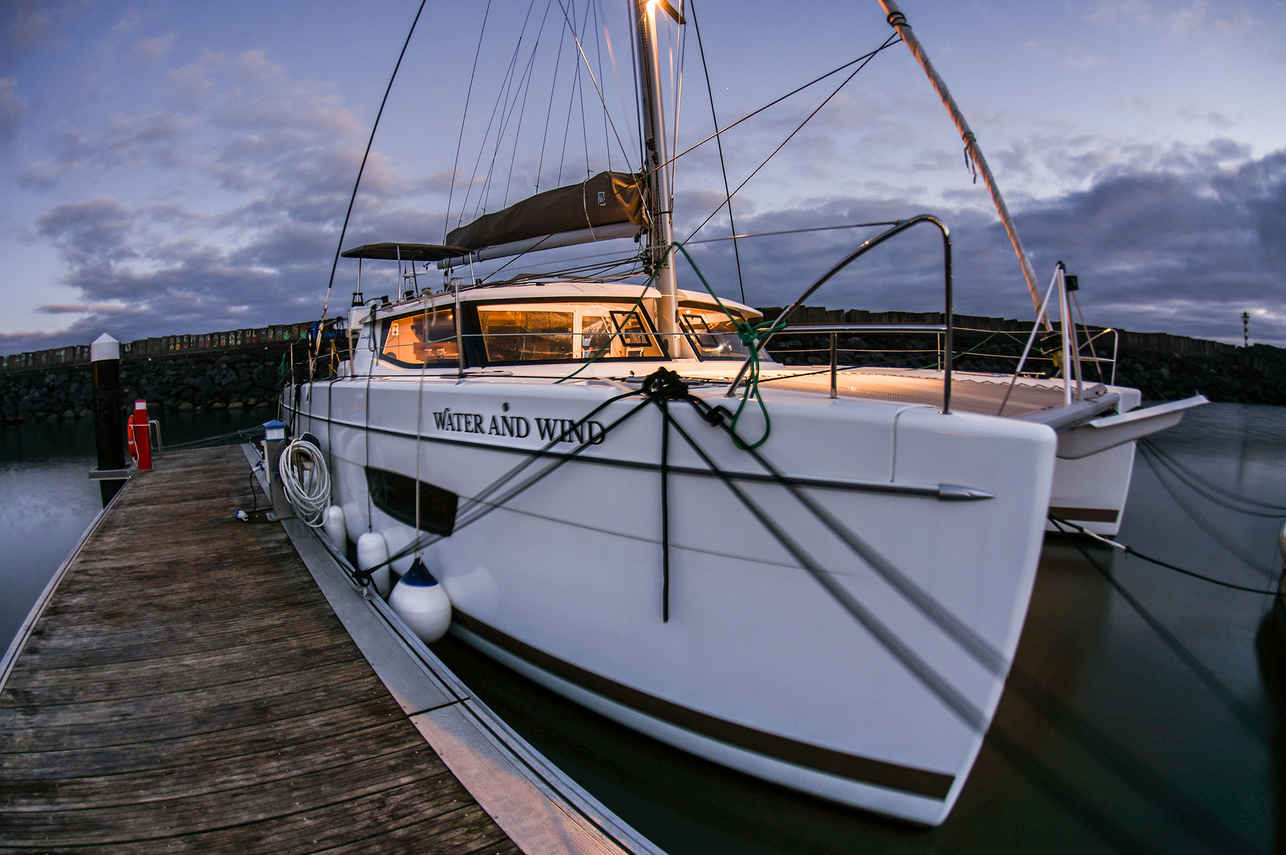
Water And Wind
Portugal
8 guests13.41 m
$434/day
Dive sites similar to Eglin Air force Barge
Same character, same waters — six more sites divers love for the exact same reasons.Compare seasons, access and liveaboard routes — then pick the site that fits your trip best.
Baixa do Ambrósio is an advanced dive site situated in the open Atlantic, southeast of Santa Maria Island in the eastern Azores.
- Suitable for
- Advanced
- Current
- Strong
- Access
- Dayboat
- Depth
- 5–47 m
- Theme
- Reef / Drift
© Esri — Maxar, Earthstar, GIS
Angra do Heroísmo Wrecks
Portugal
Angra do Heroísmo Wrecks, located in the Azores, offers a unique blend of historical intrigue and marine biodiversity within its underwater archaeological park.
- Suitable for
- Intermediate
- Current
- Strong
- Access
- Liveaboard or dayboat
- Depth
- 8–22 m
- Theme
- Wreck
© Esri — Maxar, Earthstar, GIS
Arrábida Reef
Portugal
The Arrábida Reef, nestled within the Parque Natural da Arrábida, stands as a premier diving destination in Portugal, celebrated for its rich biodiversity and stunning underwater topography.
- Suitable for
- Intermediate
- Current
- Strong
- Access
- Liveaboard or dayboat
- Depth
- 6–24 m
- Theme
- Cave & cavern / Reef
© Esri — Maxar, Earthstar, GIS
ARRAIA Reef
Portugal
ARRAIA Reef is a beginner-friendly dive site located off Terceira Island in the Azores, providing an accessible introduction to the distinct underwater environment of this mid-Atlantic island.
- Suitable for
- Beginner
- Current
- Mild
- Access
- Liveaboard or dayboat
- Depth
- 8–11 m
- Theme
- Reef
© Esri — Maxar, Earthstar, GIS
Baía da Armação
Portugal
Baía da Armação is a highly popular and easily navigable dive site situated near Sesimbra, benefiting from natural protection against the region's prevailing northern winds.
- Suitable for
- Beginner
- Current
- Mild
- Access
- Dayboat
- Depth
- 11–14 m
- Theme
- Reef
© Esri — Maxar, Earthstar, GIS
Baixa de Santa Bárbara
Portugal
Baixa de Santa Bárbara is a premier advanced dive site located off Santa Maria Island, the Azores' southernmost and oldest island.
- Suitable for
- Advanced
- Current
- Strong
- Access
- Dayboat
- Depth
- 18–30 m
- Theme
- Reef / Wall