About Farasan Banks
The Farasan Banks are an extensive volcanic archipelago located in the southern Red Sea, recognized as one of Saudi Arabia's premier diving destinations. This remote area offers untouched, healthy reef systems that have seen minimal human impact due to Saudi Arabia's recent opening to tourism. Jacques Cousteau once described the Farasan Banks as one of the most fascinating areas on the planet, highlighting its pristine condition and rich biodiversity. Divers explore vibrant coral gardens, dramatic walls, and underwater pinnacles, often finding cleaning stations on overhangs at depths between 30 to 35 meters. Unique topographical features include impressive rock formations and specific sites like Choppy Reef, renowned for its peculiar red, yellow, and white sponges that create a striking visual spectacle between 15 to 20 meters. Many sites also feature plateaus where juvenile whitetip sharks are commonly observed resting on the sand. The marine life in the Farasan Banks is exceptionally rich, with frequent sightings of large pelagics, including hammerhead, silky, gray, and white-tip reef sharks, as well as occasional whale sharks. The area hosts a wide variety of fish, turtles, and rays, thriving in the clear, warm waters. With very few other liveaboards operating in the area, divers often experience these sites without crowds, allowing for intimate encounters with the abundant sea life. Entry is typically from liveaboards that ply this vast region, with itineraries often dedicating days to exploring the deep south. Currents can range from gentle to substantial, with stronger flows often attracting a richer array of pelagic species. The diving is suitable for experienced divers, with some itineraries requiring a minimum of 50 logged dives.
Highlights
Pristine coral gardensAbundant pelagic shark encountersUnique red, yellow, and white spongesWhitetip shark nursery groundsUncrowded dive sitesVolcanic archipelago topographyDramatic walls and pinnacles
Season calendar
Best months to dive here
Jan
Feb
Mar
Apr
May
Jun
Jul
Aug
Sep
Oct
Nov
Dec
Excellent
Good
Dive site facts: Farasan Banks
- Depth
- 5–500 m
- Typical dive
- 15–40 m, 50–60 min
- Current
- Mild to strong, drift dives common
- Visibility
- 15–60 m
- Water temperature
- 20–32°C
- Entry
- Liveaboard / tender
- Level
- AOWD recommended, experience with current and depth helpful
- Dive type
- Wall, drift, pelagic, coral garden, pinnacles
- Night dive
- Possible at selected sites
- Region / port
- Jizan Province / Al Lith Port
- Coordinates
- 17, 41.5
Conditions & Currents
Currents in the Farasan Banks vary from gentle to substantial, with stronger flows typically found along deep outer reef walls. These robust currents play a significant role in attracting the rich pelagic life for which the area is known. Divers should be prepared for varying conditions, as currents can dictate drift dives and influence marine life encounters.
Marine life & sighting chances
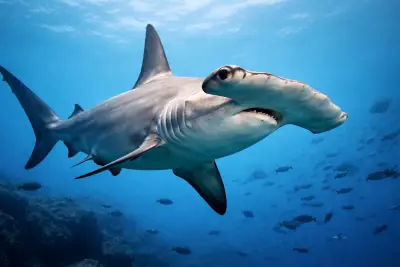
Scalloped hammerhead shark
November–May · common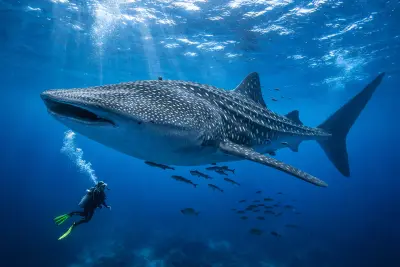
Whale shark
December–May · common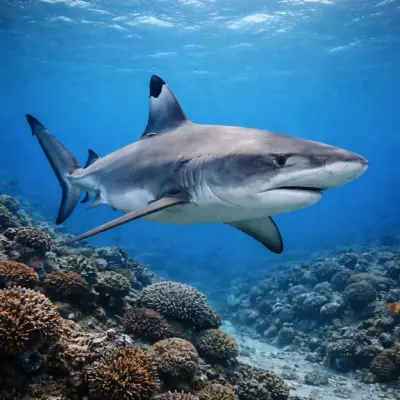
Grey reef shark
Year-round · common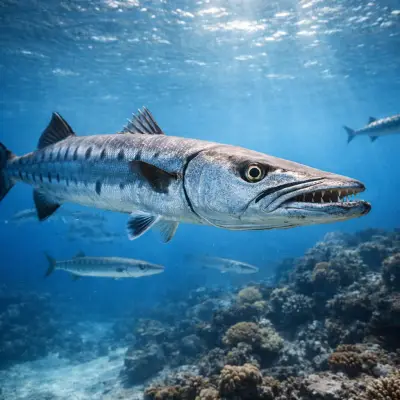
Barracuda
Year-round · common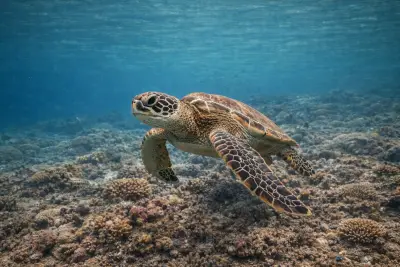
Green turtle
Year-round · common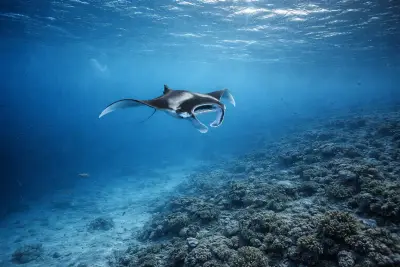
Manta ray
February–April, December · occasional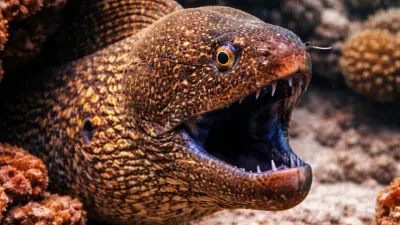
Moray eel
Year-round · common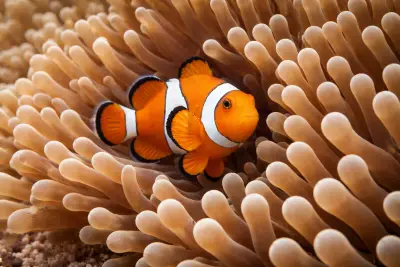
Clownfish
Year-round · common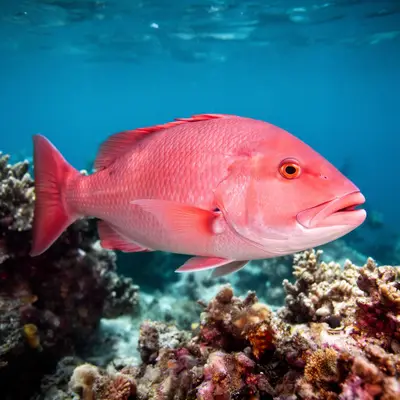
Snapper
Year-round · common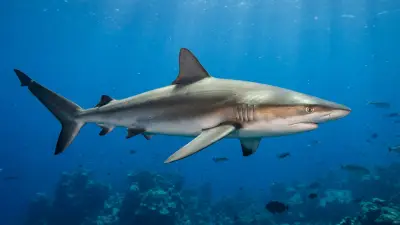
Silky shark
January–May, November · occasional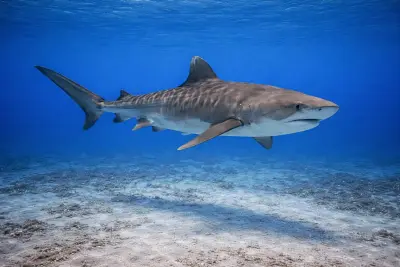
Tiger shark
January–April · occasional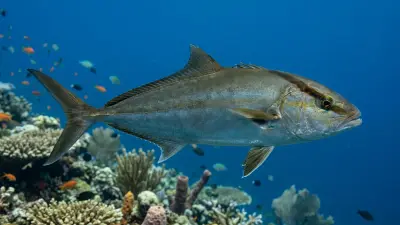
Bigeye jack
Year-round · common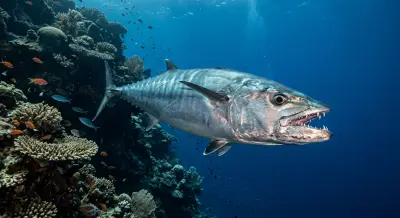
Tuna
Year-round · common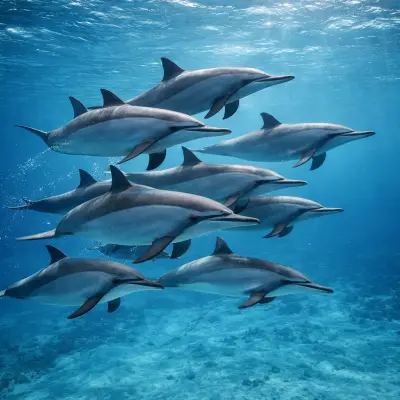
Dolphin
January–May, November, December · occasionalDive profile & how the dive runs
Diving at Farasan Banks typically involves liveaboard operations, offering multiple dives per day at various sites. Entries are usually from a tender boat, often as drift dives at sites with moderate to strong currents like Dohra Nord or Long Reef. Initial descent often targets 25-40 meters, particularly when seeking pelagic encounters such as hammerhead sharks along plateau edges. Divers will explore coral formations, reef walls, and pinnacles, maintaining good buoyancy to avoid contact with pristine corals. Safety stops are performed in the shallower sections of the reef or in the open water after surfacing from a drift, with the liveaboard crew tracking and picking up divers downcurrent. Specific profiles vary greatly by site, from shallow coral gardens accessible to all levels to deep pelagic drop-offs reserved for advanced divers.
Underwater photography
The Farasan Banks offer exceptional photographic opportunities, especially for wide-angle and portrait shots of pelagic species. For hammerhead encounters at sites like Dohra Nord, a wide-angle lens is essential, as these sharks often approach divers in groups. Visibility typically exceeds 30 meters, allowing for natural light photography at shallower depths, but strobes are highly recommended for vibrant coral colors and to illuminate subjects in deeper water or overcast conditions. When photographing juvenile whale sharks at Shib Habil, a wide-angle lens is also ideal, and patience is key, as the sharks are curious but should not be approached aggressively. For macro photography, sites with rich coral gardens and numerous invertebrates will require a macro lens and careful buoyancy to avoid disturbing delicate life. Given the remote nature of the Banks, bringing spare batteries and charging equipment is crucial. Prioritize buoyancy control to protect the untouched reefs and ensure you capture clear, unobstructed shots.
Combine with nearby dive sites
- Shib Habil Reef
Famous for whale shark aggregations
- Dohra Nord
Reliable site for hammerhead shark encounters
- Long Reef
Known for large barracuda schools and pelagic life
- Mar Mar Island
Popular for night mooring and vibrant corals
- Mubarak Reef
Rich in marine life, multiple dive opportunities
- Canyon Reef
Offers an extraordinary dive experience
Getting there & logistics
Accessing the Farasan Banks primarily involves liveaboard trips, with most itineraries departing from Al Lith Port. Al Lith is approximately 210 km south of Jeddah, requiring an internal transfer from Jeddah's King Abdulaziz International Airport (JED). Liveaboard durations typically range from 7 to 10 nights. Due to the vast and remote nature of the Farasan Banks, liveaboards are the only practical way to explore its pristine reefs and islands. There are currently no specific park fees mentioned, but all trip costs are generally inclusive of diving permits and operations. Itineraries often combine various sectors of the Banks, covering remote atolls, pinnacles, and specific sites known for pelagic encounters, offering a comprehensive Red Sea experience.
Safety & environment
Diving the remote Farasan Banks requires a high level of preparedness. The nearest recompression chamber is likely in Jeddah, which is several hours away by boat and road from Al Lith Port. Emergency evacuation can be complex and time-consuming, necessitating robust dive insurance that covers medical emergencies, evacuation, and hyperbaric treatment. Site-specific hazards include strong currents at certain locations, deep dive profiles, and encounters with large pelagic species, which require adherence to dive guide instructions. Divers should have a minimum of Advanced Open Water certification and experience with drift diving and managing deeper profiles. All divers must carry a surface marker buoy (SMB) and know how to deploy it. Responsible diving practices, including strict buoyancy control and no touching of marine life or corals, are mandatory to preserve this pristine environment.
Who it suits — and who it doesn't
Suited for
- Experienced divers seeking untouched, remote reefs
- Underwater photographers focusing on pelagic and wide-angle subjects
- Divers with a keen interest in large marine life encounters, including sharks and whale sharks
- Liveaboard enthusiasts who enjoy multi-day diving expeditions
- Those looking for uncrowded dive sites and a sense of exploration
Less suited for
- Beginner divers or those with limited experience in currents
- Divers uncomfortable with remote locations and limited immediate medical access
- Those seeking shore diving opportunities or short day trips
- Travelers expecting extensive tourism infrastructure on land
- Divers who prefer warmer, very shallow, and entirely current-free dives
FAQ
Farasan Banks FAQ
What is the best time of year to dive the Farasan Banks?
The optimal time for diving in the Farasan Banks is generally from October to May, during the cooler months, when water temperatures are comfortable and pelagic sightings are more reliable. For specific encounters like whale sharks, December to May is ideal, while hammerheads are most common from November to May, peaking from December to February.
What kind of marine life can I expect to see at the Farasan Banks?
The Farasan Banks are renowned for diverse marine life, including large pelagics. You can frequently encounter hammerhead sharks, whale sharks, grey reef sharks, and large schools of barracudas and tuna. The reefs also host vibrant corals, various reef fish, moray eels, and green turtles, with occasional sightings of silky sharks and manta rays.
Are the Farasan Banks suitable for all levels of divers?
While some shallower coral gardens are accessible to Open Water divers, many of the premier sites, especially those involving pelagic encounters or strong currents, are better suited for Advanced Open Water divers with at least 50 logged dives. Experience with drift diving and managing deeper profiles is highly beneficial due to the varied conditions and remote nature of the dive sites.
How do I get to the Farasan Banks and what are the typical trip durations?
Access to the Farasan Banks is primarily via liveaboard, which typically departs from Al Lith Port. Al Lith is located south of Jeddah, and transfers from Jeddah's King Abdulaziz International Airport (JED) are usually arranged. Liveaboard trips commonly range from 7 to 10 nights, allowing sufficient time to explore the extensive and remote reef systems.
What makes diving in the Farasan Banks unique compared to other Red Sea destinations?
The Farasan Banks stand out due to their exceptionally pristine and untouched reefs, minimal diver traffic, and a profound sense of exploration. This region offers unparalleled encounters with large pelagics and features diverse underwater topography, from dramatic walls to sprawling coral gardens. It provides a rare glimpse into the Red Sea as it was decades ago, as described by Jacques Cousteau.
Why dive Farasan Banks from a liveaboard?
Farasan Banks is one of Saudi Arabia's signature dive sites. A liveaboard sleeps you on the water and puts you in the water for three to four guided dives per day, including dawn and night dives that day-boat operators rarely offer. You skip the daily commute back to port and reach quieter, less-crowded sites in the same region on a single trip.
Below are the liveaboards that include Farasan Banks on their Saudi Arabia itineraries.
Dive sites similar to Farasan Banks
Same character, same waters — six more sites divers love for the exact same reasons.Compare seasons, access and liveaboard routes — then pick the site that fits your trip best.
Marker 35 is a captivating dive site situated within the Seven Sisters, a renowned collection of reef islands located approximately 18 miles offshore from Yanbu in Saudi Arabia.
- Suitable for
- Advanced
- Current
- Moderate
- Access
- Liveaboard only
- Depth
- 5–35 m
- Theme
- Reef / Wall
© Esri — Maxar, Earthstar, GIS
Shib Habil Reef
Saudi Arabia
Shib Habil is a small, coastal reef located off the Red Sea coast of Saudi Arabia, uniquely recognized for hosting a significant aggregation of whale sharks.
- Suitable for
- Advanced
- Current
- Moderate
- Access
- Liveaboard only
- Depth
- 5–23 m
- Theme
- Reef / Drift
© Esri — Maxar, Earthstar, GIS
Marker 42 Mansi
Saudi Arabia
Marker 42 Mansi, or "the forgotten" in Arabic, is a distinctive and isolated madreporic coral column situated in Saudi Arabia's Seven Sisters region, approximately 18 kilometers west of Yanbu Port.
- Suitable for
- Advanced
- Current
- Moderate
- Access
- Liveaboard only
- Depth
- 20–40 m
- Theme
- Reef / Wall
© Esri — Maxar, Earthstar, GIS
Farasan Islands
Saudi Arabia
The Farasan Islands, situated in the southern Red Sea off the coast of Jazan, represent Saudi Arabia's premier destination for biodiverse diving.
- Suitable for
- Advanced
- Current
- Strong
- Access
- Liveaboard only
- Depth
- 10–40 m
- Theme
- Wall / Reef
© Esri — Maxar, Earthstar, GIS
Cable Wreck
Saudi Arabia
The Cable Wreck, also known as the Staphonos or Greek Staphonos, lies off Jeddah's coast in Saudi Arabia.
- Suitable for
- Intermediate
- Current
- Moderate
- Access
- Dayboat
- Depth
- 24–24 m
- Theme
- Wreck / Reef
© Esri — Maxar, Earthstar, GIS
Cable Wreck (Jeddah)
Saudi Arabia
The Cable Wreck, originally known as the Staphonos, sank in 1978 near Jeddah while carrying a cargo of construction materials, including steel beams, cables, chain link fence, and asbestos sheets.
- Suitable for
- Intermediate
- Current
- Moderate
- Access
- Dayboat
- Depth
- 15–24 m
- Theme
- Wreck / Reef