About Aquarium Bay (Bodrum)
Aquarium Bay, situated close to Bodrum, is a celebrated dive destination in Turkey, renowned for its exceptionally clear waters and diverse underwater scenery. Unlike many Mediterranean sites, it boasts a unique topography featuring dramatic canyons, fascinating caves, and steep walls that descend into the blue. These geological formations create intricate habitats for a variety of marine species, making every dive a journey of discovery through vibrant ecosystems. The site's depth profile accommodates divers of all experience levels, from beginners exploring shallower reefs to more advanced individuals venturing into deeper canyons. Visibility here is consistently excellent, often exceeding 30 meters, enhancing the experience of drifting through its lunar-like landscapes and exploring hidden crevices. Water temperatures are comfortable for much of the year, supporting both soft coral growth and a healthy fish population. Marine life at Aquarium Bay is typical of the Aegean Sea, with frequent sightings of Mediterranean moray eels, octopuses, and various schooling fish. The site's protected nature and its distance from major coastal developments help maintain its pristine condition, offering a tranquil and engaging dive experience. The combination of stunning natural beauty and abundant sea life establishes Aquarium Bay as a must-visit for anyone diving in the Bodrum region. Access to Aquarium Bay is primarily via day boats operating from Bodrum. Divers can expect well-organized excursions that typically include multiple dives. The site's clear, calm conditions and engaging features make it ideal for both recreational diving and underwater photography, promising memorable encounters with the Aegean's aquatic inhabitants.
Highlights
Crystal-clear Aegean watersDramatic canyons and cavesAbundant Mediterranean marine lifeExcellent visibility (30m+)Comfortable water temperaturesUnique underwater topographySuitable for all diver levels
Season calendar
Best months to dive here
Jan
Feb
Mar
Apr
May
Jun
Jul
Aug
Sep
Oct
Nov
Dec
Good
Dive site facts: Aquarium Bay (Bodrum)
- Depth
- 5–40+ m
- Typical dive
- 18–30 m, 45–60 min
- Current
- Mild to moderate, sometimes strong
- Visibility
- 20–40 m
- Water temperature
- 16–29°C
- Entry
- Boat, often negative entry for drift dives
- Level
- Advanced Open Water Diver recommended
- Dive type
- Wall, canyon, drift, topography
- Night dive
- Possible
- Region / port
- Bodrum
- Coordinates
- 37.0333, 27.4333
Conditions & Currents
Currents at Aquarium Bay are generally mild to moderate, though they can vary depending on lunar cycles and local topography. While some areas might experience stronger flows, the unique canyon structure often provides sheltered zones, allowing for varied current patterns within a single dive. Dive guides provide comprehensive briefings on expected current directions and strengths, along with tailored entry and exit strategies for the day's conditions. Divers should maintain excellent buoyancy control to navigate these currents efficiently and conserve air. In cases of stronger surface currents, a negative entry might be utilized to quickly reach calmer depths. Staying streamlined and attentive to guide signals ensures a smooth and enjoyable drift, allowing divers to appreciate the scenery without undue effort.
Marine life & sighting chances
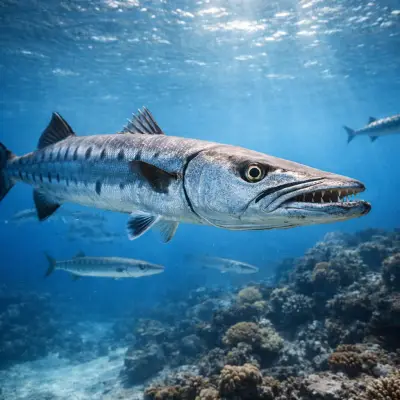
Barracuda
Summer to Autumn · common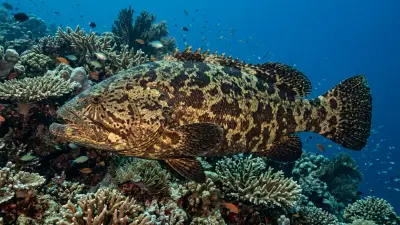
Groupers
Year-round · common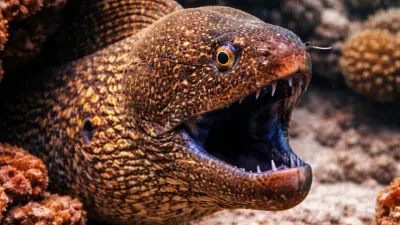
Moray eels
Year-round · common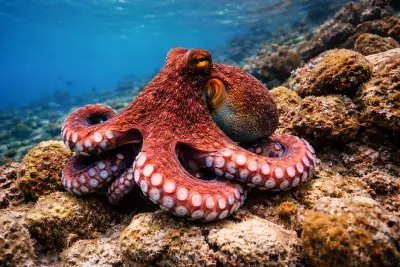
Octopus
Year-round · occasional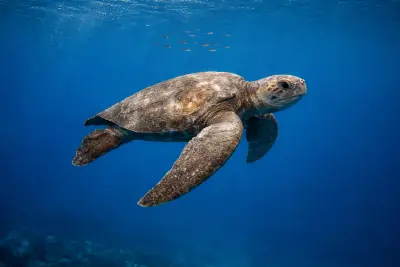
Loggerhead turtles
Summer · occasional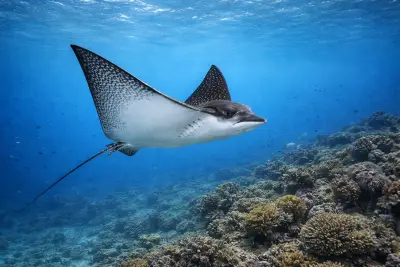
Eagle rays
Summer · rare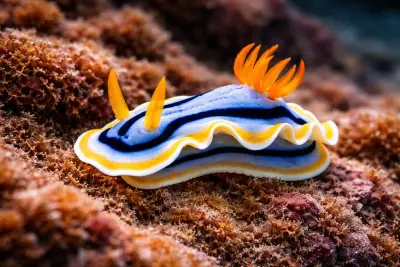
Nudibranchs
Year-round · common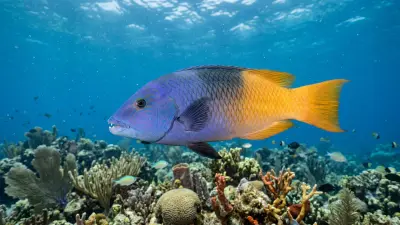
Wrasse
Year-round · common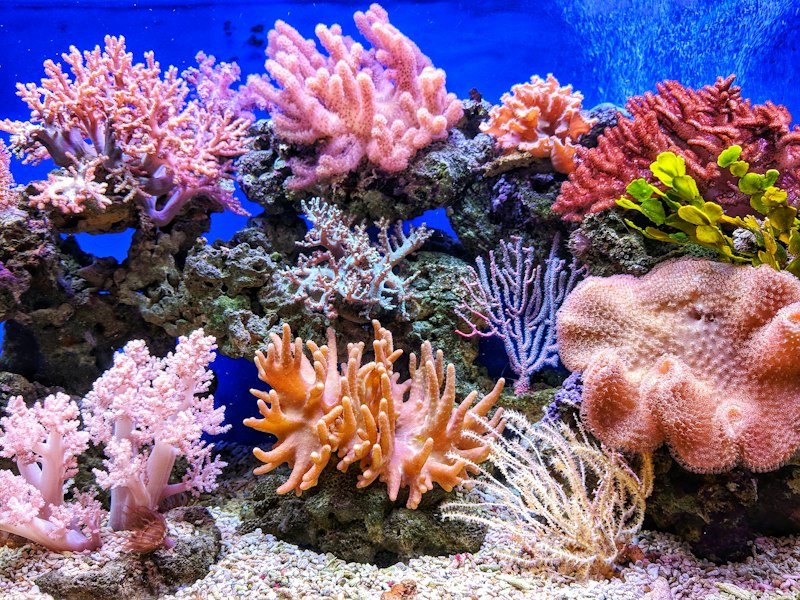
Soft corals
Year-round · common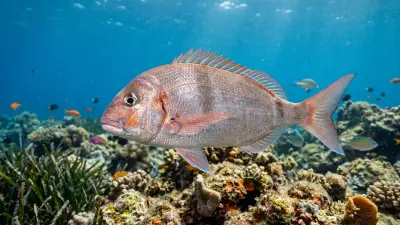
Sea bream
common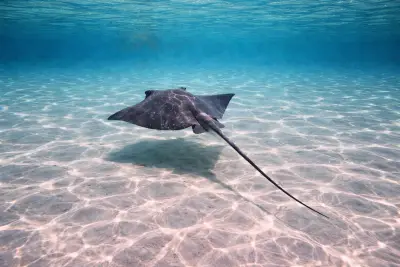
Stingrays
occasionalDive profile & how the dive runs
A dive at Aquarium Bay typically commences with a boat entry, often a negative entry if currents are significant, to bypass surface turbulence swiftly. The initial descent targets the canyon rim at approximately 5-10 meters, from where divers follow the main wall as it gradually deepens. Drifting with the prevailing current, divers explore crevices, overhangs, and diverse rock formations, keeping the canyon wall either to their left or right. The dive often progresses to depths between 20-30 meters, where the most striking features and concentrated marine life are encountered. Guides manage the turn point based on air consumption and no-decompression limits, initiating a gradual ascent along the wall. The safety stop is usually performed in shallower, more sheltered sections of the canyon or as a free-water stop during a drift, before surfacing for boat retrieval.
Underwater photography
Aquarium Bay's exceptional visibility and dramatic underwater topography provide outstanding opportunities for wide-angle photography. A fisheye or wide-angle lens is ideal for capturing the grandeur of the canyon walls, expansive blue vistas, and intricate rock formations. For macro photographers, the numerous crevices, overhangs, and soft coral gardens house a variety of small invertebrates, offering ample subjects for close-up shots. Given the potential for mild to moderate currents, maintaining excellent buoyancy control is crucial for stable shots. Natural light can be sufficient in shallower areas due to the clear water, but strobes are recommended to bring out the vibrant colors in deeper sections and within shadowed caves.
Combine with nearby dive sites
- Poyraz Reef (Bodrum)
Poyraz Reef, known locally as Poyraz Bay, is a captivating dive site situated on the southeast side of Black Island, near Bodrum, Turkey.
- Black Island (Bodrum)
Black Island, locally known as Karaada, is a prominent dive site located approximately three miles off the coast of Bodrum in Turkey.
- Baba Adası (Bodrum)
Baba Adası, or "Father Island," is a prominent dive site near Bodrum, Turkey, offering an enticing underwater landscape that blends natural…
Getting there & logistics
Access to Aquarium Bay is conveniently facilitated by day boats departing from Bodrum, a popular coastal town in Turkey. Bodrum is well-served by Milas-Bodrum Airport (BJV), which has direct and connecting flights from major European and Turkish cities. Liveaboard trips often incorporate Aquarium Bay as part of a wider itinerary exploring the Bodrum region's diverse dive sites. Typical dive excursions from Bodrum range from single-day trips to multi-day packages. There are generally no specific permits or national park fees for diving at Aquarium Bay itself, but dive operators will manage all necessary arrangements. It is advisable to book in advance, especially during peak season from June to September.
Safety & environment
Diving at Aquarium Bay generally presents moderate risks, but proper safety measures are essential. The nearest recompression chamber is located in Izmir, which means evacuation in a medical emergency could be lengthy and complex. Divers must ensure they have comprehensive dive insurance that covers emergency medical treatment and evacuation. Site-specific hazards include variable currents, which require divers to pay close attention to dive briefings and maintain excellent buoyancy control. Always follow your dive guide's instructions, stay with your buddy, and adhere to depth and time limits. Given the potential for drift diving, surface marker buoys (SMBs) are highly recommended, and divers should be proficient in their use.
Who it suits — and who it doesn't
Suited for
- Beginner divers (in shallow, calm areas)
- Advanced Open Water Divers
- Underwater photographers (wide-angle and macro)
- Divers seeking diverse topography
- Those interested in Mediterranean marine life
- Drift diving enthusiasts
Less suited for
- Divers unwilling to follow drift diving procedures
- Individuals without comprehensive dive insurance
- Those sensitive to moderate currents
- Divers expecting large pelagic encounters
FAQ
Aquarium Bay (Bodrum) FAQ
What kind of marine life can I expect to see at Aquarium Bay?
Aquarium Bay is home to a rich variety of Mediterranean marine life. Divers frequently encounter barracuda, groupers, moray eels, and octopuses. You might also spot loggerhead turtles and eagle rays, particularly during the summer months, alongside an abundance of nudibranchs, wrasse, and soft corals.
Is Aquarium Bay suitable for beginner divers?
Yes, Aquarium Bay offers areas suitable for beginner divers, especially in shallower, calmer sections. However, some parts of the site feature moderate currents and deeper profiles, which are better suited for more experienced divers. Always inform your dive center of your certification level so they can plan appropriate dives.
How clear is the water at Aquarium Bay?
The water clarity at Aquarium Bay is consistently excellent, often providing visibility between 20 to 40 meters. This exceptional visibility enhances the diving experience, allowing for clear views of the dramatic underwater canyons, caves, and abundant marine life.
What are the water temperatures like throughout the year?
Water temperatures at Aquarium Bay vary seasonally, ranging from 16-18°C in winter to a warm 27-29°C in late summer. During the peak diving season from June to September, temperatures are most comfortable, typically between 22-29°C, making it suitable for thinner wetsuits or shorties.
Are there any specific hazards to be aware of when diving here?
While generally safe, divers should be mindful of variable currents at Aquarium Bay, which can range from mild to occasionally strong. It is crucial to pay close attention to your dive guide's briefings, maintain good buoyancy control, and stay with your buddy to ensure a safe and enjoyable dive. Comprehensive dive insurance is also highly recommended.
Why dive Aquarium Bay (Bodrum) from a liveaboard?
Aquarium Bay (Bodrum) is one of Turkey's signature dive sites. A liveaboard sleeps you on the water and puts you in the water for three to four guided dives per day, including dawn and night dives that day-boat operators rarely offer. You skip the daily commute back to port and reach quieter, less-crowded sites in the same region on a single trip.
Below are the liveaboards that include Aquarium Bay (Bodrum) on their Turkey itineraries.
Liveaboards diving Aquarium Bay (Bodrum)
These liveaboards may visit Aquarium Bay (Bodrum) on selected itineraries — the exact dive sites depend on departure, weather and conditions.
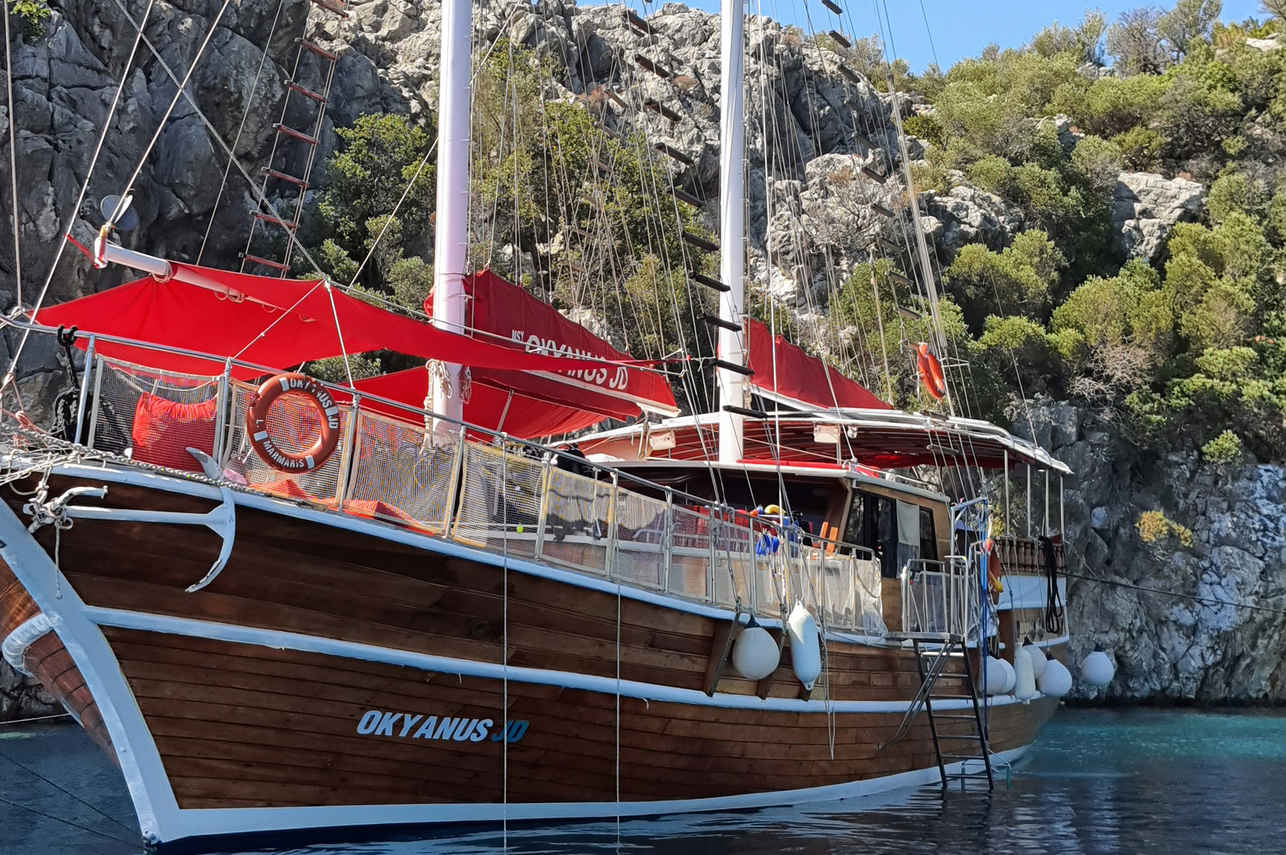
Okyanus JD
Turkey
12 guests24 m
$157/day
Dive sites similar to Aquarium Bay (Bodrum)
Same character, same waters — six more sites divers love for the exact same reasons.Compare seasons, access and liveaboard routes — then pick the site that fits your trip best.
© Esri — Maxar, Earthstar, GIS
Hidayet Koyu
Turkey
Hidayet Koyu is a well-known, sheltered bay located on the Kaş peninsula in Turkey, celebrated for its accessibility and vibrant marine ecosystem.
- Suitable for
- Beginner
- Current
- No current
- Access
- Liveaboard or dayboat
- Depth
- ≤ 32 m
- Theme
- Reef
© Esri — Maxar, Earthstar, GIS
Besmi Island
Turkey
Besmi Island, also known as Besmi Adası, is a challenging yet rewarding dive site located off Turkey's southwestern coast near Fethiye and southwest of Kaş.
- Suitable for
- Advanced
- Current
- Strong
- Access
- Dayboat
- Depth
- 4–60 m
- Theme
- Reef / Wall
© Esri — Maxar, Earthstar, GIS
Domuz Island
Turkey
Domuz Island, also known as Pig Island, is a celebrated dive destination nestled within the Göcek archipelago, part of Fethiye Bay.
- Suitable for
- Beginner
- Current
- Mild
- Access
- Dayboat
- Depth
- 5–15 m
- Theme
- Reef
© Esri — Maxar, Earthstar, GIS
Gökova Bay Canyon
Turkey
Gökova Bay Canyon is a renowned dive site in Turkey, celebrated for its unique underwater topography, which contrasts sharply with typical Mediterranean dive experiences.
- Suitable for
- Advanced
- Current
- Strong
- Access
- Liveaboard or dayboat
- Depth
- 15–35 m
- Theme
- Wall
© Esri — Maxar, Earthstar, GIS
Kızıl Island
Turkey
Kızıl Island, known locally as Kızılada, is a prominent dive site situated near Fethiye on Turkey's southwestern coast.
- Suitable for
- Intermediate
- Current
- Mild
- Access
- Dayboat
- Depth
- 8–40 m
- Theme
- Reef / Wall
© Esri — Maxar, Earthstar, GIS
Smugglers Bay
Turkey
Smugglers Bay, located near Bodrum in Turkey's Aegean Sea, is a beginner-friendly dive site renowned for its calm conditions and healthy marine environment.
- Suitable for
- Beginner
- Current
- Mild
- Access
- Dayboat
- Depth
- 3–35 m
- Theme
- Reef