About Aquarium
Aquarium is a renowned dive site located within the pristine waters of Lighthouse Reef, a remote atoll approximately 50 miles offshore from mainland Belize. This distance from shore contributes to exceptionally clear, oceanic water with minimal sediment and strong circulation, fostering a thriving, healthy reef system. The site lives up to its name, showcasing a rich biodiversity that includes vibrant coral formations and an abundance of reef fish. Topographically, Aquarium features a dynamic underwater environment, moving from shallower reef areas to significant drop-offs. The walls here are noted for being structurally intact, adorned with a variety of colorful corals and sponges, with depths reaching up to 30 meters. This varied terrain supports a wide array of marine life, from schooling fish to larger pelagics. Visibility here is consistently excellent, often ranging between 15 to 30 meters, and water temperatures remain warm year-round, typically between 26-29°C. Mild currents generally characterize the site, making for comfortable drift dives. The remote nature of Lighthouse Reef means less human pressure compared to nearshore sites, contributing to the reef's pristine condition and the overall quality of the dive experience. Divers at Aquarium can expect to glide along beautifully preserved walls, observing diverse coral formations and encountering numerous fish species. The site is part of the Lighthouse Reef Atoll, which is known for its health and vibrant marine behavior, offering a truly immersive underwater adventure for both novice and intermediate divers.
Highlights
Vibrant coral formationsAbundant reef fishMild current drift divesPristine offshore reefExcellent visibilityDynamic depth profile
Season calendar
Best months to dive here
Jan
Feb
Mar
Apr
May
Jun
Jul
Aug
Sep
Oct
Nov
Dec
Excellent
Good
Dive site facts: Aquarium
- Depth
- Up to 30 m
- Typical dive
- 18 m, 45 min
- Current
- Mild
- Visibility
- 15–30 m
- Water temperature
- 26–30 °C
- Entry
- Boat
- Level
- Intermediate
- Dive type
- Wall, coral garden
- Region / port
- Lighthouse Reef Atoll
- Coordinates
- 17.3133, -87.5317
Conditions & Currents
Currents at Aquarium are typically mild, allowing for comfortable drift dives along the reef. The site experiences minimal surge, contributing to calm underwater conditions. Divers can easily enter from a boat and follow the reef structure without significant exertion from strong currents.
Marine life & sighting chances
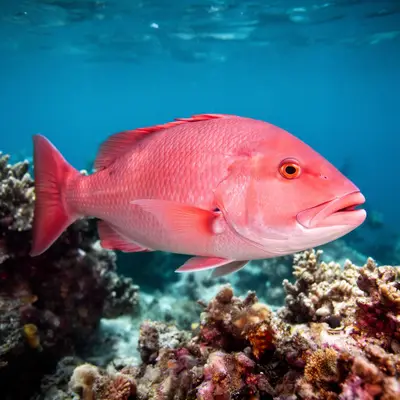
Snapper
common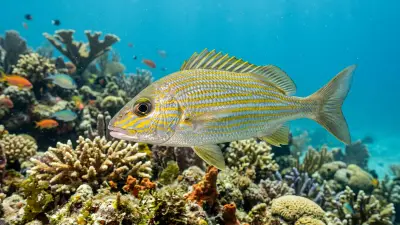
Grunts
common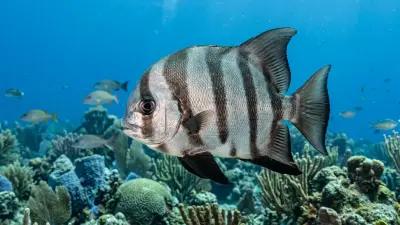
Spadefish
common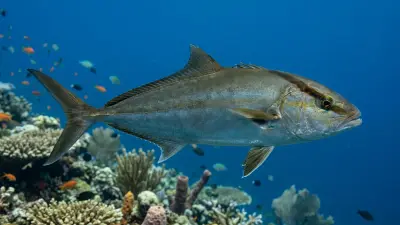
Jacks
common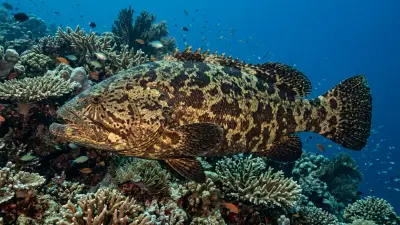
Grouper
common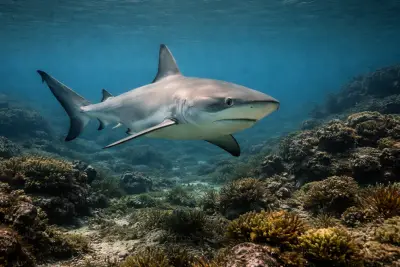
Caribbean reef shark
occasional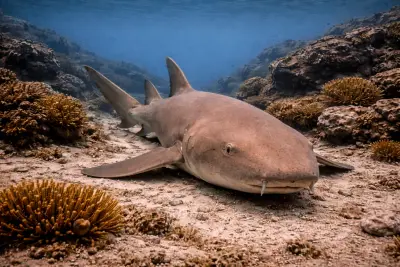
Nurse shark
occasional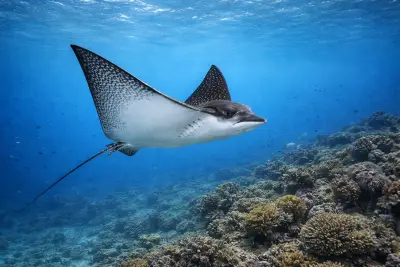
Eagle ray
occasional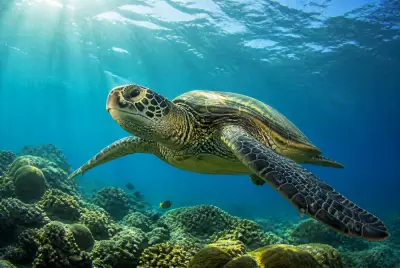
Sea turtle
occasional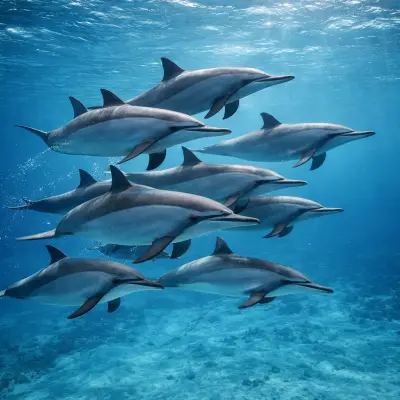
Dolphin
rare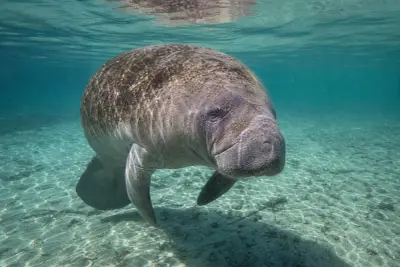
Manatee
rareDive profile & how the dive runs
Dives at Aquarium typically involve a boat entry, followed by a gentle drift along the vibrant reef wall. Divers begin in shallower areas, exploring the diverse coral formations and schooling fish, before gradually descending to deeper sections of the drop-off, which can reach up to 30 meters. The route often follows the natural contours of the reef, allowing for observation of both the abundant smaller marine life nestled within the corals and larger pelagic species in the blue. The turn point is determined by air consumption and dive computer limits, ensuring a conservative profile. The safety stop is usually conducted in the shallower, protected areas of the reef, where visibility remains excellent and divers can enjoy a final look at the lively coral gardens before surfacing.
Underwater photography
Aquarium offers excellent opportunities for both wide-angle and macro photography due to its diverse reef structure and abundant marine life. For wide-angle shots, a fisheye or wide lens is ideal to capture the expansive coral formations, the dramatic drop-offs, and potentially larger pelagics in the clear blue water. Midday lighting is often best for capturing the full spectrum of colors on the reef. For macro subjects, including the many small reef fish and invertebrates, a 60mm or 105mm lens is recommended. Employing strobes will enhance color and detail, especially in deeper sections or to highlight subjects against the backdrop. Buoyancy control is paramount to avoid disturbing delicate corals and to achieve stable shots, ensuring you capture the pristine environment respectfully.
Combine with nearby dive sites
- Great Blue Hole
A massive marine sinkhole famed for its geological formations and shark encounters.
- Half Moon Caye Wall
Known for its vibrant coral walls, sponge formations, and potential sightings of eagle rays and Caribbean reef sharks.
- Long Caye Wall
Features healthy coral reef structures and abundant marine life along its drop-offs.
- The Elbow at Turneffe
Renowned for encounters with large pelagic fish and strong currents.
- Glovers Reef Atoll
An offshore atoll known for its extensive walls and diverse ecosystem.
Getting there & logistics
Access to Aquarium is typically via liveaboard or day trips from Long Caye, which is situated within the Lighthouse Reef Atoll. Long Caye offers the closest proximity to dive sites like Aquarium and the Great Blue Hole, significantly reducing travel time compared to resorts on the mainland or other cayes. International flights arrive at Philip S. W. Goldson International Airport (BZE) near Belize City. From there, connecting flights or ferry services take you to various departure points. Dive trips to Lighthouse Reef Atoll often range from several days to a week, combining multiple dives including Aquarium, Half Moon Caye Wall, and the Great Blue Hole. Marine park permits are required for diving in protected areas, and these are usually included in liveaboard or dive package fees.
Safety & environment
Diving at Aquarium, located within the remote Lighthouse Reef Atoll, requires careful planning regarding safety. The nearest recompression chamber is in San Pedro, Ambergris Caye, which means evacuation can take several hours by boat and potentially air ambulance, depending on sea conditions. Comprehensive dive insurance that covers emergency medical treatment and evacuation is therefore strongly recommended. Site-specific hazards are minimal due to mild currents and excellent visibility, but divers should always adhere to their training limits and maintain good buoyancy control to protect the fragile coral ecosystem. Always follow the instructions of your dive guide, stay with your group, and monitor your dive computer closely. Regular hydration is crucial in the tropical climate.
Who it suits — and who it doesn't
Suited for
- Intermediate divers seeking diverse reef environments
- Underwater photographers interested in vibrant coral and fish life
- Divers who enjoy drift dives with mild currents
- Those looking for pristine, remote reef experiences
- Divers interested in exploring offshore atoll ecosystems
Less suited for
- Absolute beginner divers without prior ocean experience
- Divers uncomfortable with boat entries
- Those expecting purely large pelagic encounters
- Divers unwilling to travel to remote offshore sites
- Individuals seeking wreck or cave diving exclusively
FAQ
Aquarium FAQ
What kind of marine life can I expect to see at Aquarium?
Aquarium is rich in marine biodiversity, living up to its name. Divers frequently encounter schools of snapper, grunts, spadefish, and jacks. You also have a good chance of seeing groupers, and occasionally, Caribbean reef sharks, nurse sharks, eagle rays, and sea turtles.
What are the typical diving conditions at Aquarium?
The diving conditions at Aquarium are generally excellent. Visibility ranges from 15 to 30 meters, and water temperatures are warm, averaging between 26°C and 30°C. Currents are typically mild, making for comfortable drift dives, and there is usually no significant surge.
Is Aquarium suitable for novice divers?
Aquarium is classified as an intermediate dive site due to its depth profile and location within an offshore atoll. While conditions are generally calm, some prior diving experience is recommended to fully enjoy the site's features and manage potential drift, especially along deeper sections.
How do I get to the Aquarium dive site?
Aquarium is located in the Lighthouse Reef Atoll, which is best accessed via liveaboard or day trips from Long Caye. Most divers fly into Philip S. W. Goldson International Airport (BZE) and then arrange transfers to their liveaboard or a resort on Long Caye for direct access to the atoll's dive sites.
What makes Lighthouse Reef Atoll special for diving?
Lighthouse Reef Atoll, where Aquarium is located, is special because of its remote offshore position. This distance from the mainland results in clearer oceanic water, less runoff, and stronger circulation, contributing to a healthier and more vibrant reef system compared to many nearshore sites.
Are marine park fees required to dive at Aquarium?
Yes, Aquarium is within a protected marine area, and permits are required for access. These marine park fees are typically included in the overall package cost when booking with a liveaboard or local dive operator, so you usually don't need to arrange them separately.
Why dive Aquarium from a liveaboard?
Aquarium is one of Belize's signature dive sites. A liveaboard sleeps you on the water and puts you in the water for three to four guided dives per day, including dawn and night dives that day-boat operators rarely offer. You skip the daily commute back to port and reach quieter, less-crowded sites in the same region on a single trip.
Below are the liveaboards that include Aquarium on their Belize itineraries.
Liveaboards diving Aquarium
These liveaboards may visit Aquarium on selected itineraries — the exact dive sites depend on departure, weather and conditions.
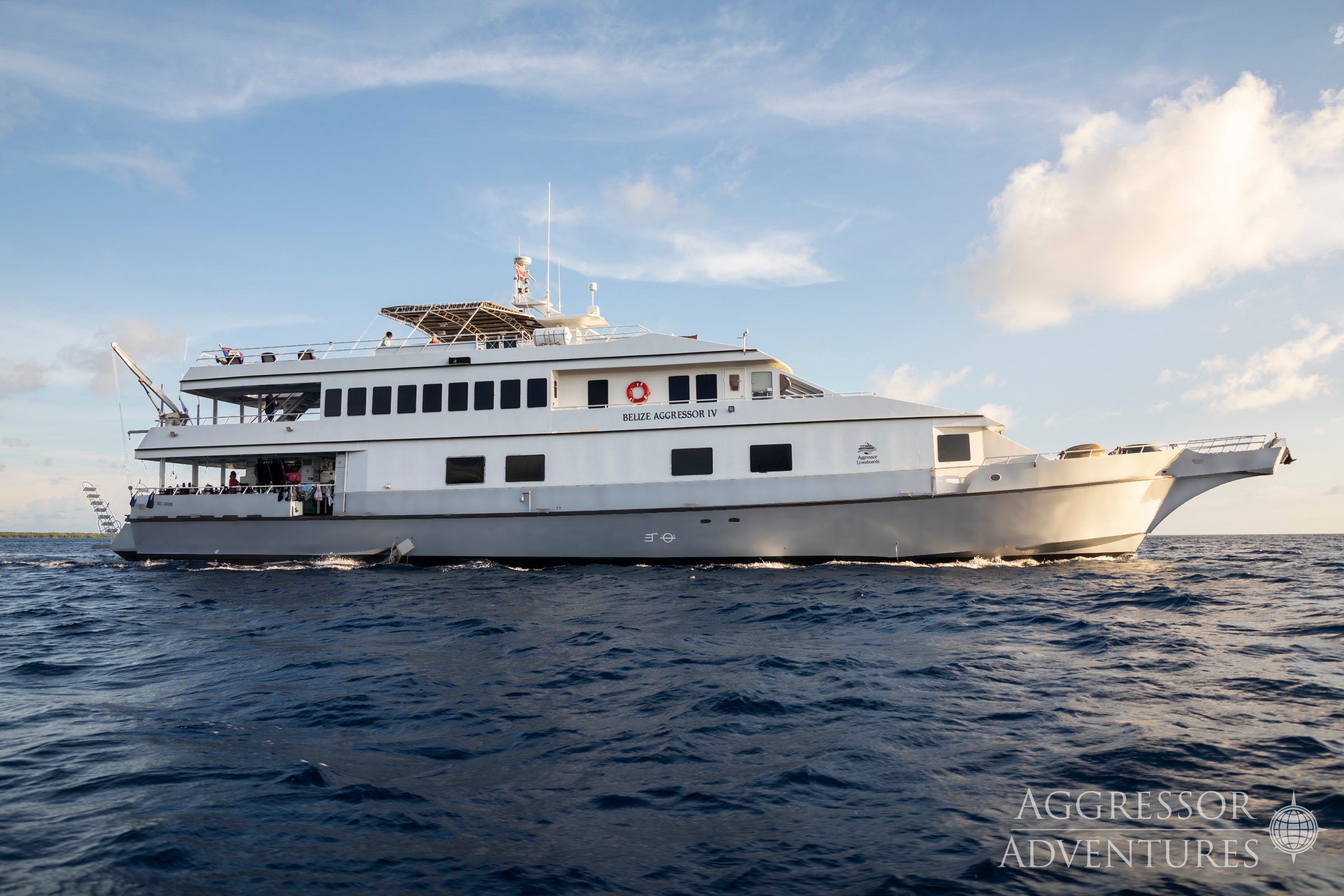
Belize Aggressor IV
Belize
20 guests42.1 m
$356/day
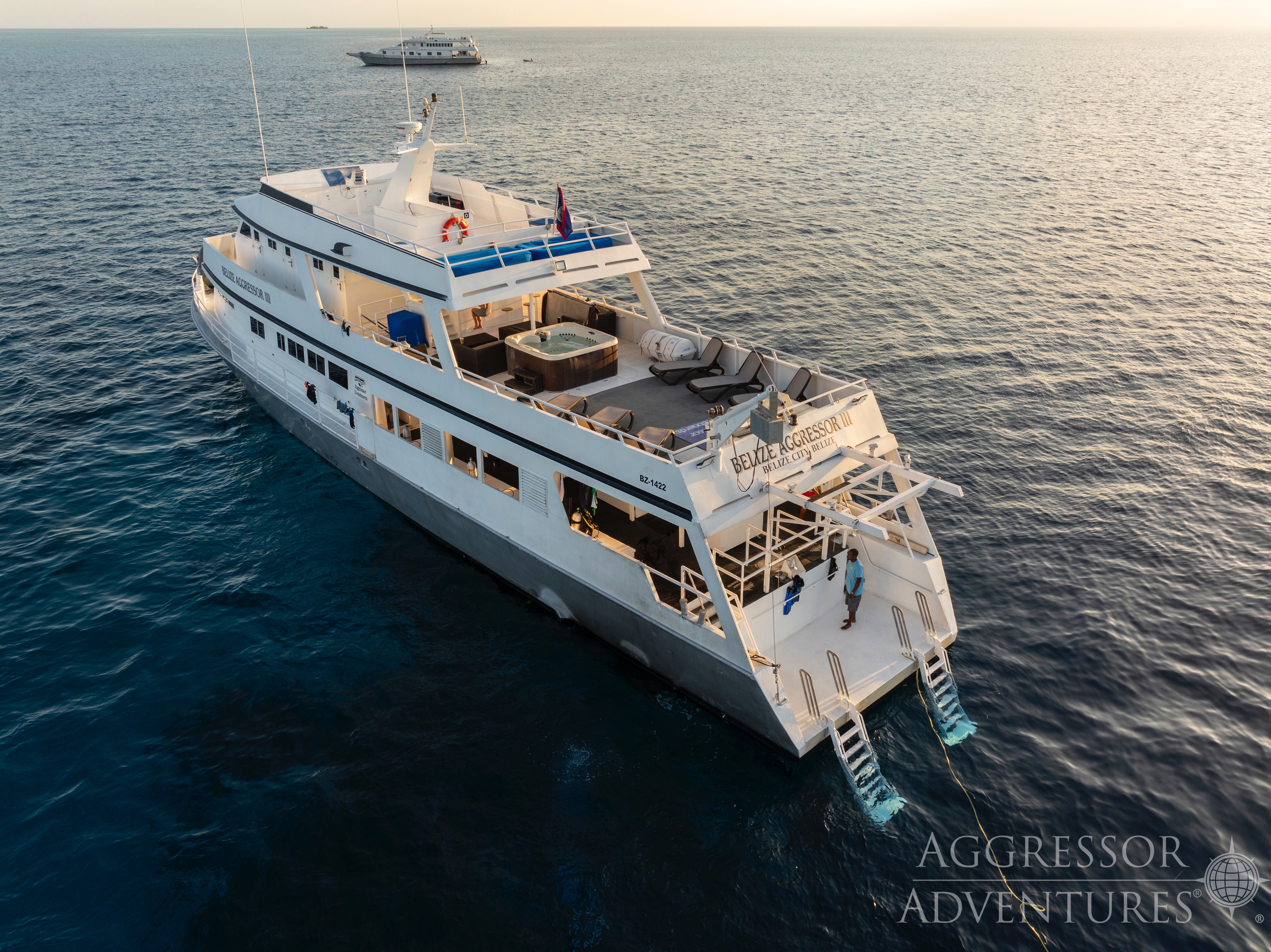
Belize Aggressor III
Belize
18 guests33.5 m
$336/day
Dive sites similar to Aquarium
Same character, same waters — six more sites divers love for the exact same reasons.Compare seasons, access and liveaboard routes — then pick the site that fits your trip best.
© Esri — Maxar, Earthstar, GIS
Carrie Bow Caye Reef
Belize
Carrie Bow Caye is a small sand caye positioned directly on the Belize Barrier Reef, hosting a continuous coral reef monitoring program by the Smithsonian Institution since 1972.…
- Suitable for
- Intermediate
- Current
- Moderate
- Access
- Liveaboard or dayboat
- Depth
- 4–30 m
- Theme
- Reef / Wall
© Esri — Maxar, Earthstar, GIS
Ambergris Caye
Belize
Ambergris Caye, the largest and most popular of Belize's offshore cayes, offers unparalleled diving along 40 kilometers of the Belize Barrier Reef, situated less than a mile offshore.
- Suitable for
- Intermediate
- Current
- Mild
- Access
- Dayboat
- Depth
- 15–60 m
- Theme
- Reef / Wall
© Esri — Maxar, Earthstar, GIS
Long Caye Ridge
Belize
Long Caye Ridge is a highly-rated dive site situated within Belize's Lighthouse Reef Atoll, an area renowned for its pristine conditions due to its distance from the mainland.
- Suitable for
- Intermediate
- Current
- No current
- Access
- Liveaboard only
- Depth
- 21–21 m
- Theme
- Reef
© Esri — Maxar, Earthstar, GIS
Silver Caves
Belize
Silver Caves offers a distinctive diving experience within the Lighthouse Reef Atoll, one of Belize's healthiest reef systems.
- Suitable for
- Advanced
- Current
- Mild
- Access
- Liveaboard only
- Depth
- 18–28 m
- Theme
- Reef / Cave & cavern
© Esri — Maxar, Earthstar, GIS
Sayonara Wreck
Belize
The Sayonara Wreck offers an engaging intermediate dive experience southwest of the Turneffe Islands in Belize.
- Suitable for
- Intermediate
- Current
- Moderate
- Access
- Liveaboard only
- Depth
- 12–18 m
- Theme
- Wreck / Reef