About Richelieu Rock
Richelieu Rock, often celebrated as Thailand's premier dive site, is a majestic, isolated pinnacle located within Surin National Park in the northern Andaman Sea. Situated about 18 km east of the Surin archipelago and roughly 70 km northwest of Khao Lak, this unique site emerges above the surface only at low tide. The rock itself forms a distinctive horseshoe shape, featuring a central limestone pinnacle complemented by numerous smaller rock outcrops, all teeming with life. Its topography includes shelves, ledges, cracks, crevices, and small caves, providing a varied and dynamic underwater landscape. Jacques Cousteau reportedly named it after Cardinal Richelieu, inspired by the vibrant purple-red soft corals that adorn the rock, reminiscent of the cardinal's robe. This site boasts exceptional biodiversity, catering to both macro enthusiasts and those seeking pelagic encounters. The rock face is blanketed in an abundance of purple soft corals, vibrant hard coral bommies, and extensive anemone gardens. Divers frequently spot a huge array of smaller marine life such as porcelain crabs, tiger tail seahorses, various pipefish, robust ghost pipefish, mantis shrimps, harlequin shrimp, frogfish, leaf fish, and numerous nudibranchs. The deeper sections feature black coral bushes and gorgonians, offering shelter to an even wider array of creatures. The isolation of Richelieu Rock, coupled with tidal current upwellings, creates a rich feeding ground that attracts large schools of fish and substantial pelagic animals. Visibility here can range from 10-15 meters to an impressive 35 meters on clear days, with lower visibility often indicating higher plankton concentration – a key draw for larger filter feeders. Currents can be strong and changeable, making it an advanced dive despite shallow areas suitable for Open Water certification. It is frequently included in Similan Islands liveaboard itineraries, but day trips from Khao Lak are also popular. The dive experience at Richelieu Rock is multi-level, with depths reaching beyond 30 meters, offering ample opportunity to explore its diverse ecosystems.
Highlights
Isolated horseshoe-shaped pinnaclePurple soft coral blanketsSeasonal whale shark sightingsMassive schools of barracudaDiverse macro lifeStrong currentsPelagic action
Season calendar
Best months to dive here
Jan
Feb
Mar
Apr
May
Jun
Jul
Aug
Sep
Oct
Nov
Dec
Excellent
Good
Off-Season
Nov – Apr (Peak)
Best visibility 25–30m, calm Andaman Sea. Similan & Surin Islands open. Whale sharks and manta rays at Richelieu Rock.
May (Transition)
Similan season opening/closing. Variable conditions, occasional rain. Still good diving at coastal sites.
Jun – Oct (Monsoon)
SW Monsoon brings rough seas. Similan Islands CLOSED. Gulf coast (Koh Tao) still diveable Jun–Sep.
Dive site facts: Richelieu Rock
- Depth
- 5–36 m
- Typical dive
- 12–25 m, 50–60 min
- Current
- Moderate to strong, variable
- Visibility
- 20–30 m
- Water temperature
- 28–30°C
- Entry
- Liveaboard / day boat
- Level
- Intermediate to Advanced, AOWD recommended
- Dive type
- Pinnacle, coral garden, macro, pelagic
- Night dive
- Not permitted
- Region / port
- Surin Islands National Park
- Coordinates
- 9.3567, 98.0234
Conditions & Currents
Currents at Richelieu Rock can be strong and variable, a factor that influences dive conditions and visibility. Dive guides may opt not to dive certain areas during peak current days, even with experienced groups. Dive profiles here run between roughly 5 and 35 metres, so plan your gas and no-decompression limits around the deeper part of the site. It is usually briefed as a dive for advanced divers. Entry is from shore, so plan the swim out and back around the surface conditions of the day. Because the flow can pick up quickly, drift profiles, a surface marker buoy and a tight group are standard practice here, and the crew's briefing always overrides any general description.
Marine life & sighting chances

Whale shark
February to April · occasional
Manta ray
February to April · occasional
Giant trevally
common
Barracuda
common
Dogtooth tuna
common
Ghost pipefish
occasional
Harlequin shrimp
occasional
Tigertail seahorse
occasional
Nudibranch
common
Snapper
common
Batfish
common
Cuttlefish
common
Octopus
common
Lionfish
commonDive profile & how the dive runs
Richelieu Rock is a horseshoe-shaped pinnacle with a central rock rising close to the surface at low tide. Dives typically begin with a descent line from the liveaboard or day boat, as the site sits in open water. Divers navigate around the pinnacle, exploring its various sections, ledges, and overhangs. The inner side of the horseshoe faces south, with depths generally ranging from 15 to 25 meters around the main structure. A satellite pinnacle lies to the east at approximately 26 meters. The dive profile involves exploring coral-encrusted walls and bommies, often moving with the current, which can vary significantly in strength and direction. Many dives involve observing the rich marine life on the reef, as well as scanning the blue for pelagics. Safety stops are often conducted in more sheltered areas or by ascending along the mooring line.
Underwater photography
Richelieu Rock offers exceptional opportunities for both wide-angle and macro photography. For wide-angle, a fisheye or ultra-wide rectilinear lens is ideal to capture the dense soft coral coverage, schooling fish like barracuda and snapper, and the dramatic topography, especially with seasonal whale sharks or manta rays. Utilize strobes to bring out the vibrant purple and red hues of the soft corals. For macro, the site is a treasure trove: look for ghost pipefish, harlequin shrimp, tigertail seahorses, and numerous nudibranchs among the corals and anemones. A dedicated macro lens with a diopter can be highly effective. Buoyancy control is paramount due to potentially strong and shifting currents; maintain a safe distance from the reef to avoid damage. Patience is key for capturing elusive critters, and a focus light is beneficial for intricate macro shots.
Combine with nearby dive sites
- Koh Bon
Often combined in liveaboard itineraries, known for manta rays.
- Koh Tachai
A popular liveaboard stop with diverse marine life and currents.
- Surin Islands — Turtle Ledge
Part of the same national park, offering reef diving.
- Elephant Head Rock
A Similan site featuring unique swim-throughs and pelagic action.
- Christmas Point
Another Similan highlight known for rich coral formations.
Getting there & logistics
Richelieu Rock is situated within the Surin Islands National Park, approximately 60 km off Thailand's west coast and 18 km east of the Surin Islands. The primary access points are via liveaboard trips departing from Khao Lak or Phuket, typically lasting multiple days and often combining Richelieu Rock with the Similan Islands, Koh Bon, and Koh Tachai. Day trips are also available from Khao Lak, utilizing speedboats for a 1 hour 20 minute journey. These day trips typically include two dives and return in the late afternoon. Entry fees for the national park are required, and are often included in liveaboard or day trip packages. Booking in advance is recommended, especially during peak season, as trips can sell out.
Safety & environment
Diving at Richelieu Rock demands careful attention to safety protocols due to its open ocean location and potentially strong, unpredictable currents. Divers should possess excellent buoyancy control and be proficient in drift diving techniques. It is highly advisable to carry a Surface Marker Buoy (SMB) and a finger spool for signalling the boat in case of an unexpected ascent or separation. Dive guides are crucial for assessing conditions and planning the dive profile. The nearest recompression chambers are located in Phuket. Divers should ensure they have comprehensive dive insurance that covers emergency medical evacuation and treatment. Always stay close to your buddy and follow the dive leader's instructions, especially regarding current direction and entry/exit procedures. The site is generally not recommended for beginner divers due to its challenging conditions.
Who it suits — and who it doesn't
Suited for
- Experienced divers comfortable with currents
- Underwater photographers (macro and wide-angle)
- Divers seeking high marine biodiversity and pelagic encounters
- Liveaboard enthusiasts looking for multiple dives at one site
- Divers interested in vibrant soft coral reefs
Less suited for
- Beginner divers or those uncomfortable with currents
- Divers prone to seasickness (due to open ocean location)
- Individuals seeking only shallow, calm reef dives
- Those without good buoyancy control
- Divers expecting easily accessible shore entry
FAQ
Richelieu Rock FAQ
What makes Richelieu Rock so special?
Richelieu Rock's unique appeal stems from its isolated location in the open Andaman Sea. This submerged pinnacle acts as a magnet for marine life, drawing in both small macro creatures and large pelagic species due to nutrient-rich upwellings. Its horseshoe shape and varied topography create diverse habitats, all draped in stunning purple soft corals, making it an incredibly vibrant and biodiverse site.
When is the best time to dive Richelieu Rock?
The main diving season for Richelieu Rock runs from October to May, when the Surin Islands National Park is open. For the best chance of spotting whale sharks, aim for February to April. While visibility is generally excellent, conditions can vary with tides and moon cycles, influencing current strength and overall dive experience.
Can beginners dive at Richelieu Rock?
Richelieu Rock is generally not recommended for beginner divers. Its exposed location means currents can be strong and unpredictable, requiring good buoyancy control and experience in drift diving. It is more suited for intermediate to advanced divers, ideally with an Advanced Open Water Diver certification and experience in challenging conditions.
How do I get to Richelieu Rock?
Most divers access Richelieu Rock via liveaboard boats that typically depart from Khao Lak or Phuket, often combining the site with visits to the Similan and Surin Islands. Day trips are also available from Khao Lak using speedboats, offering a quicker option for those with less time. These trips usually include two dives at the site.
What kind of marine life can I expect to see?
Richelieu Rock is teeming with diverse marine life. You can anticipate encountering large schools of barracuda, snapper, and trevally, along with seasonal sightings of whale sharks and manta rays. Macro enthusiasts will delight in finding ghost pipefish, harlequin shrimp, tigertail seahorses, and various nudibranchs amidst the vibrant soft corals that encrust the pinnacle.
What are the typical diving conditions at Richelieu Rock?
Diving conditions at Richelieu Rock typically feature water temperatures between 28-30°C and visibility ranging from 20 to 30 meters. However, currents can be moderate to strong and highly variable, changing direction and intensity rapidly. These dynamic conditions contribute to the site's rich biodiversity but require divers to be vigilant and experienced in current management.
Why dive Richelieu Rock from a liveaboard?
Richelieu Rock is one of Thailand's signature dive sites. A liveaboard sleeps you on the water and puts you in the water for three to four guided dives per day, including dawn and night dives that day-boat operators rarely offer. You skip the daily commute back to port and reach quieter, less-crowded sites in the same region on a single trip.
Below are the liveaboards that include Richelieu Rock on their Thailand itineraries.
Liveaboards diving Richelieu Rock
These liveaboards may visit Richelieu Rock on selected itineraries — the exact dive sites depend on departure, weather and conditions.
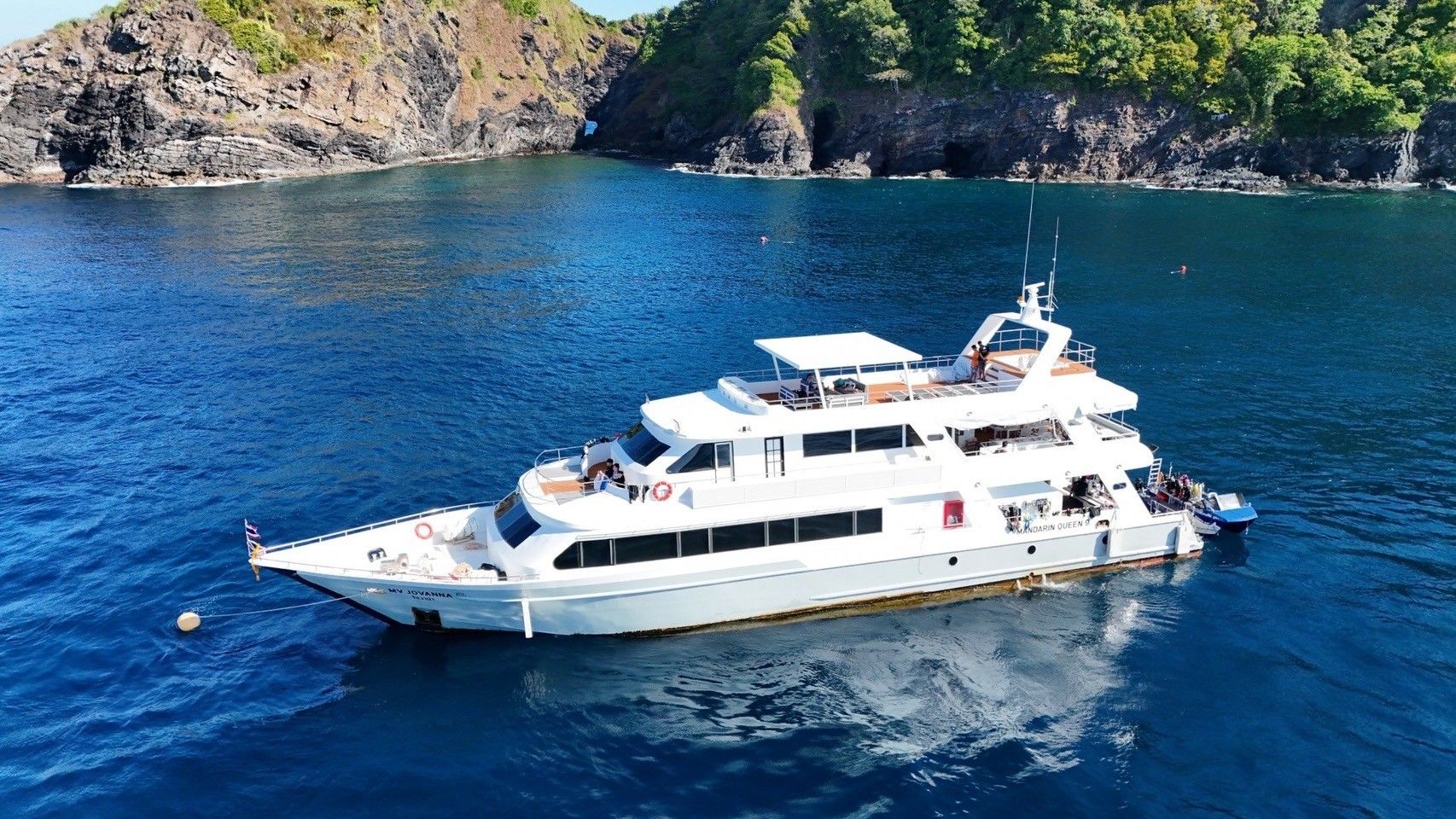
Mandarin Queen 9
Thailand
26 guests38 m
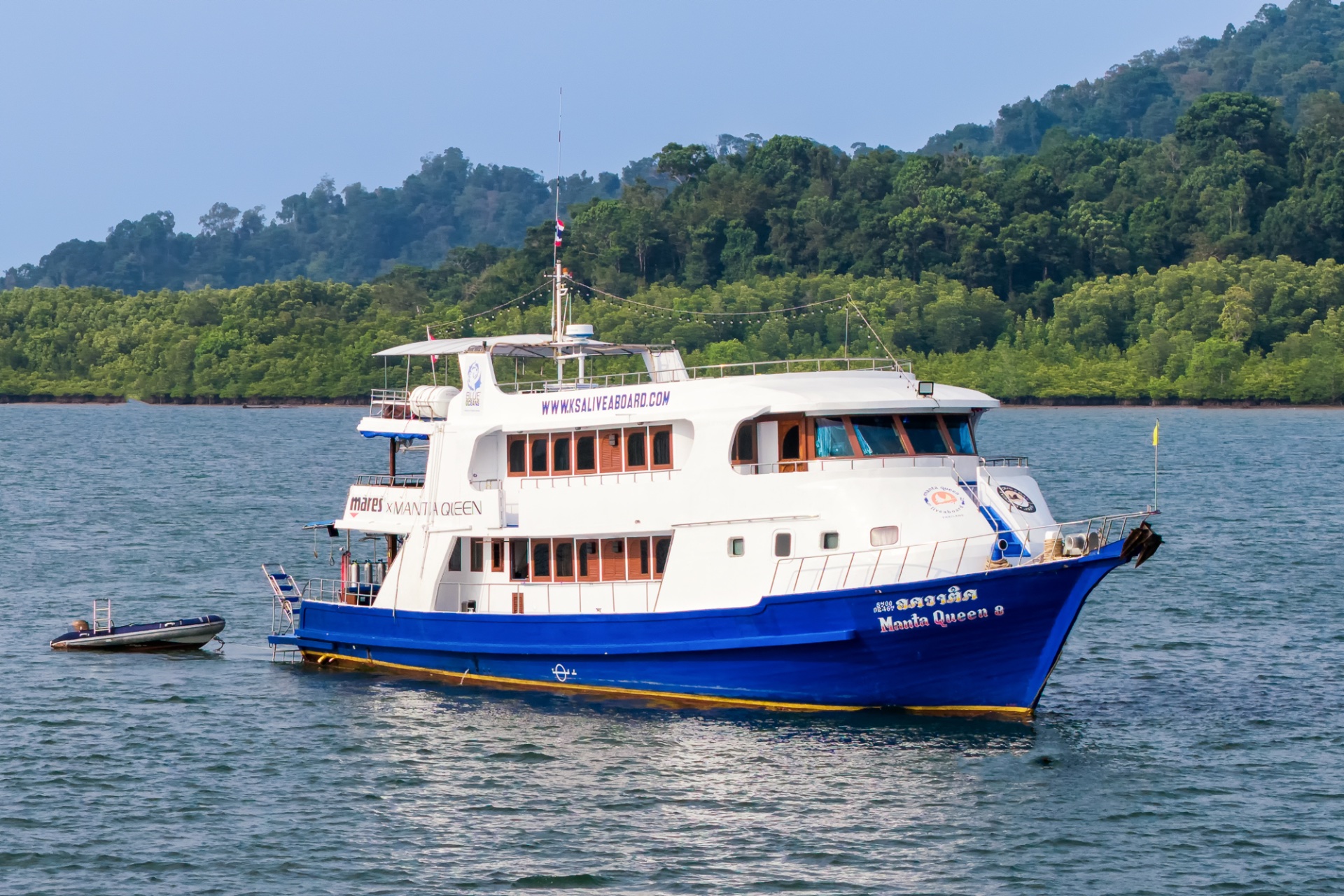
Manta Queen 8
Thailand
24 guests
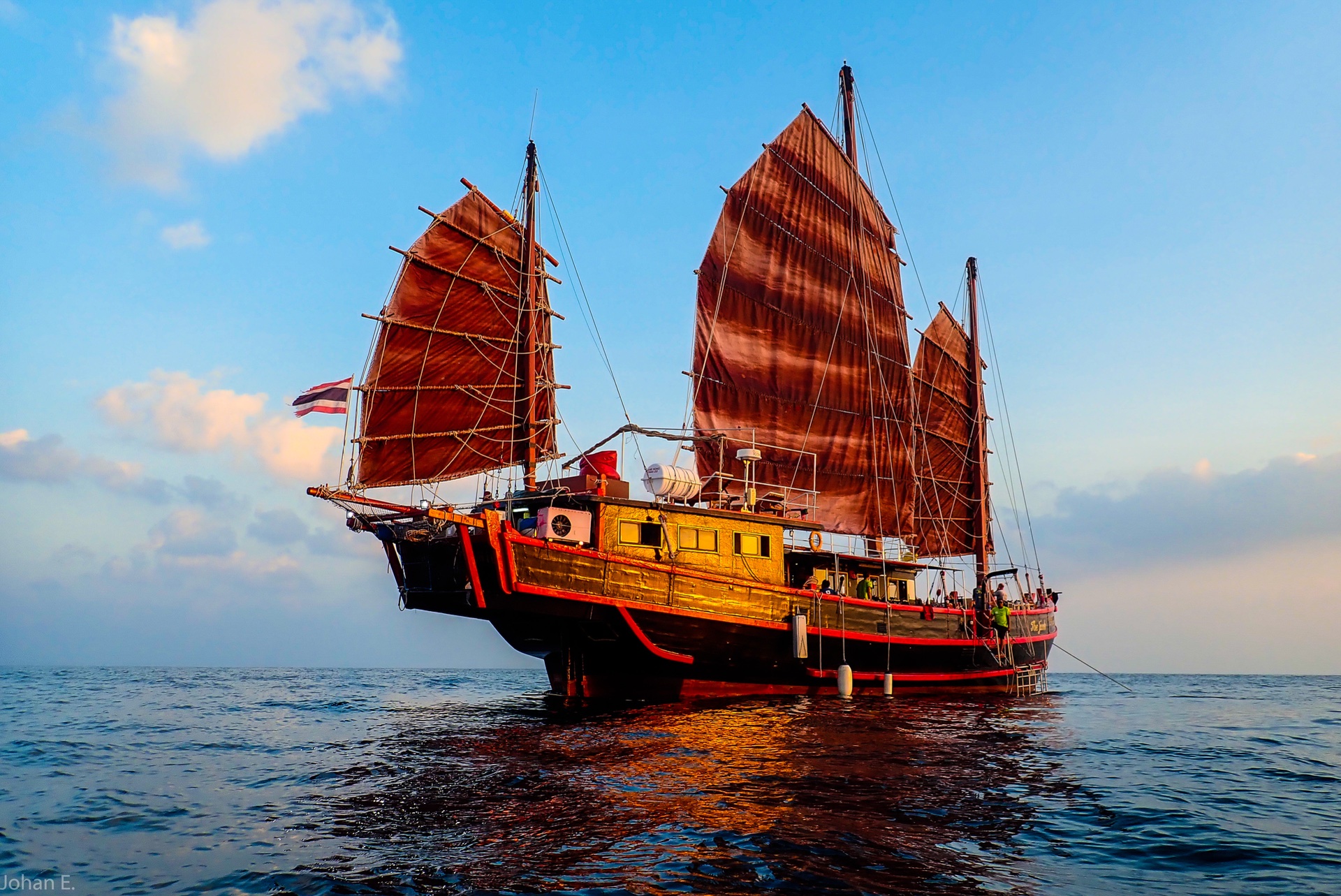
The Junk
Thailand
18 guests33 m
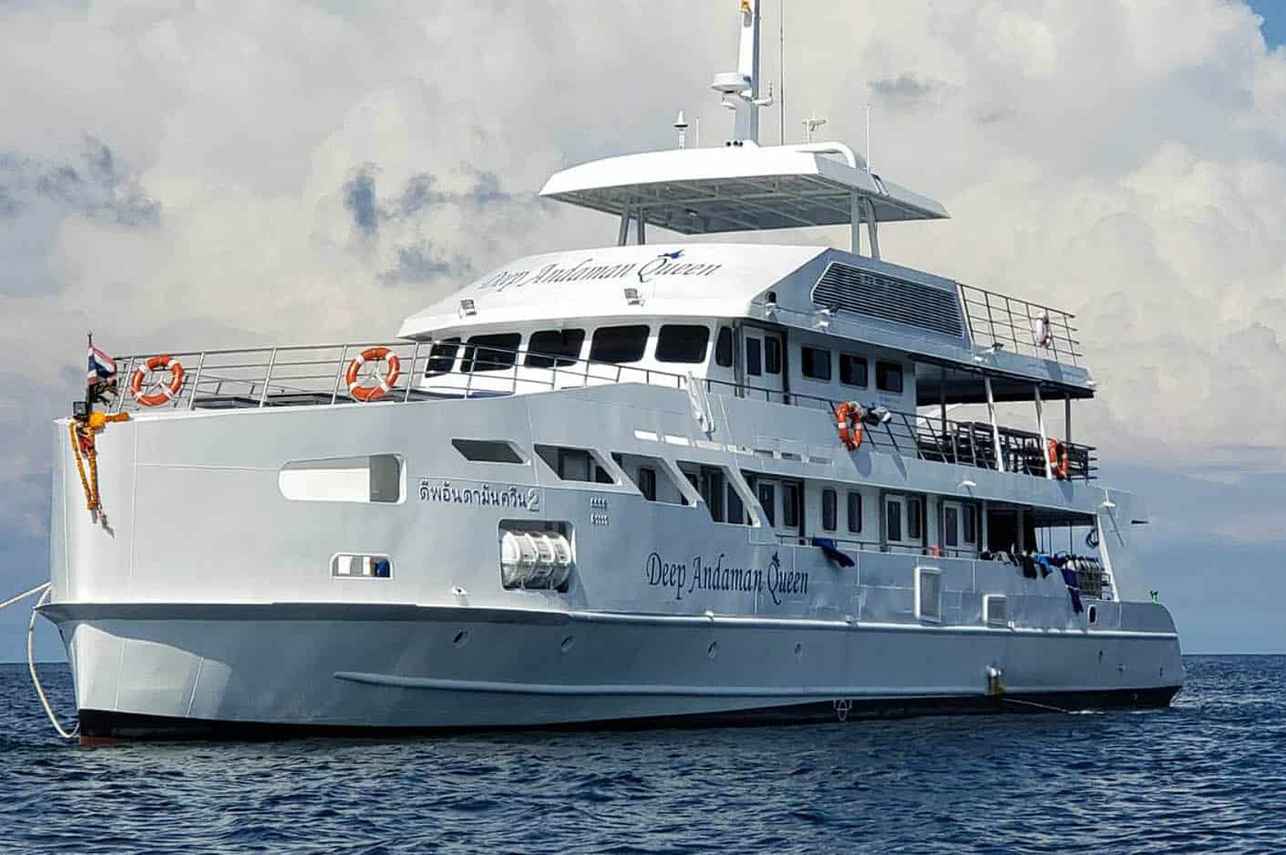
Deep Andaman Queen
Thailand
23 guests31 m
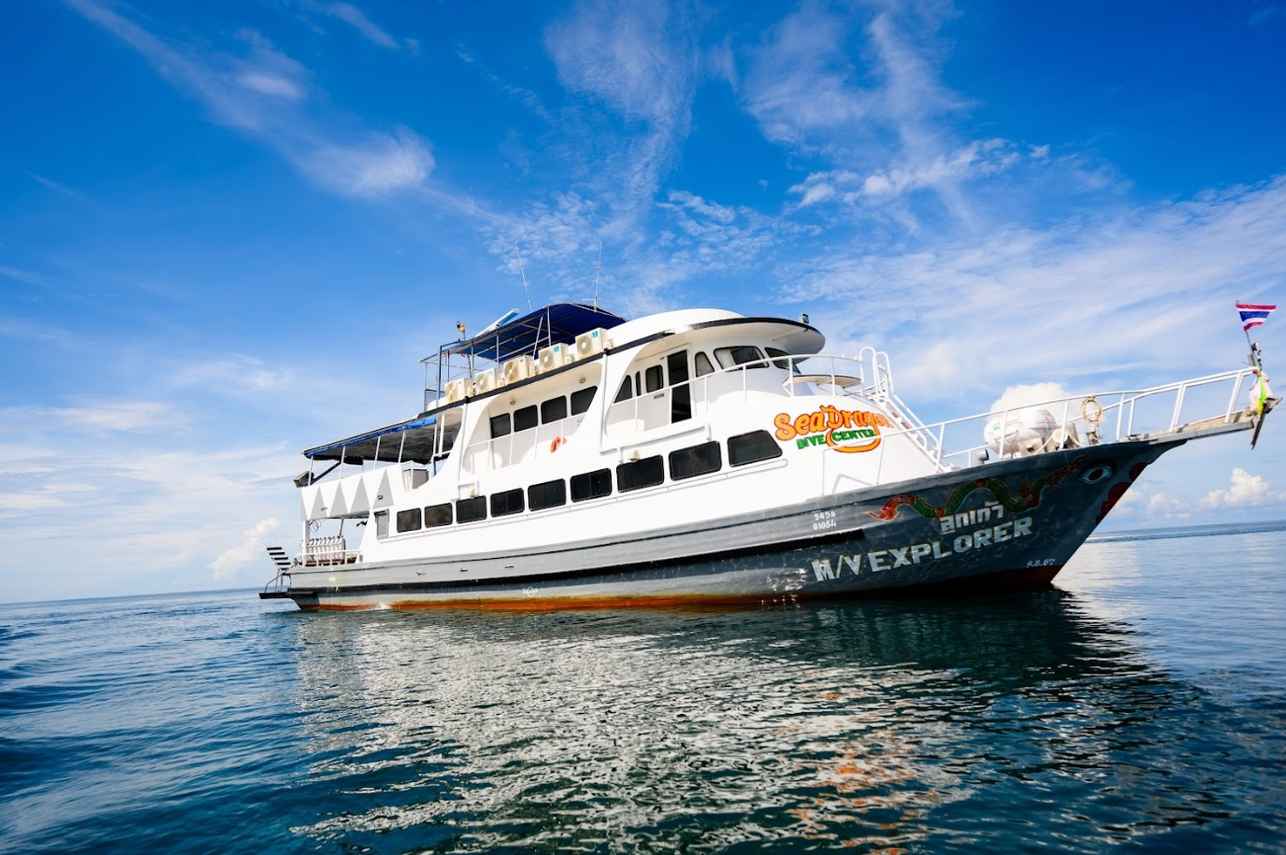
Explorer
Thailand
16 guests25 m
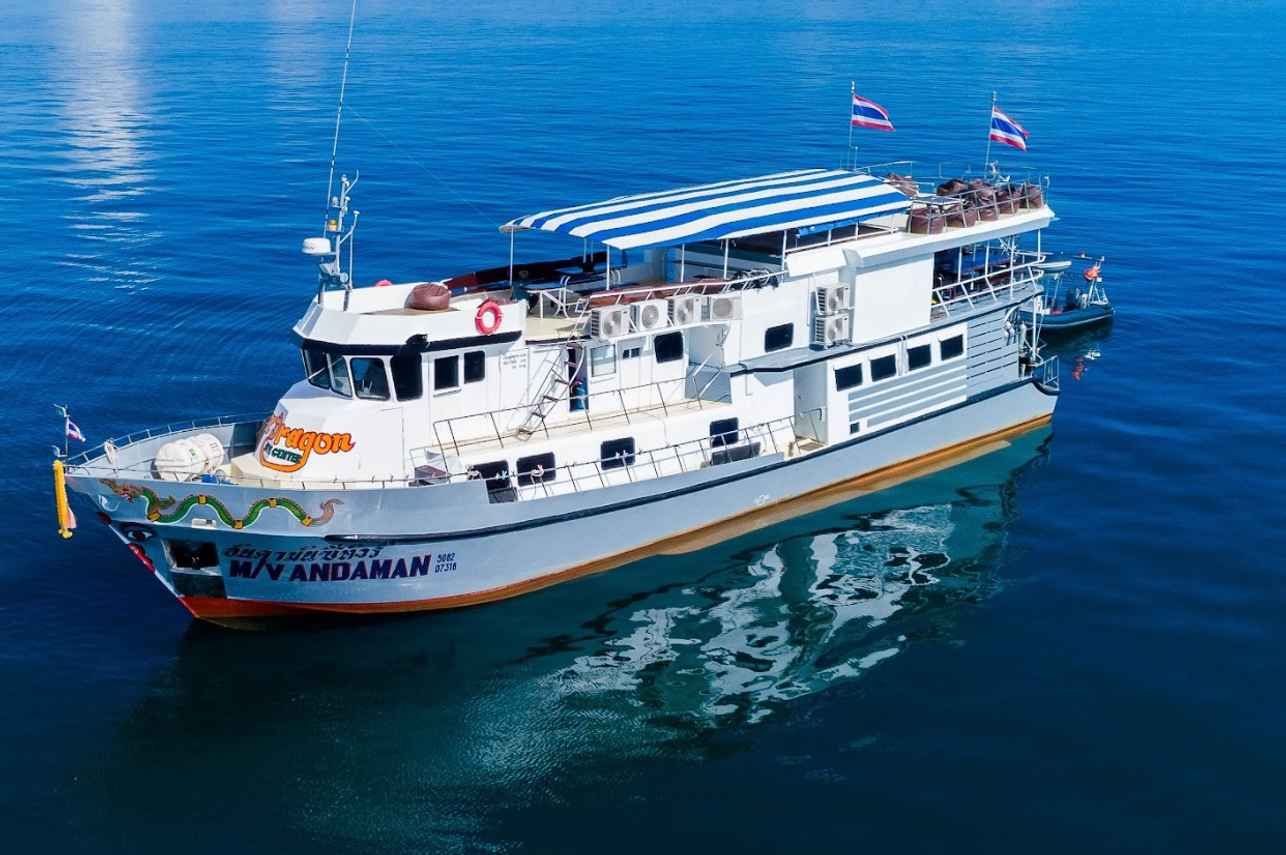
Andaman
Thailand
20 guests26 m
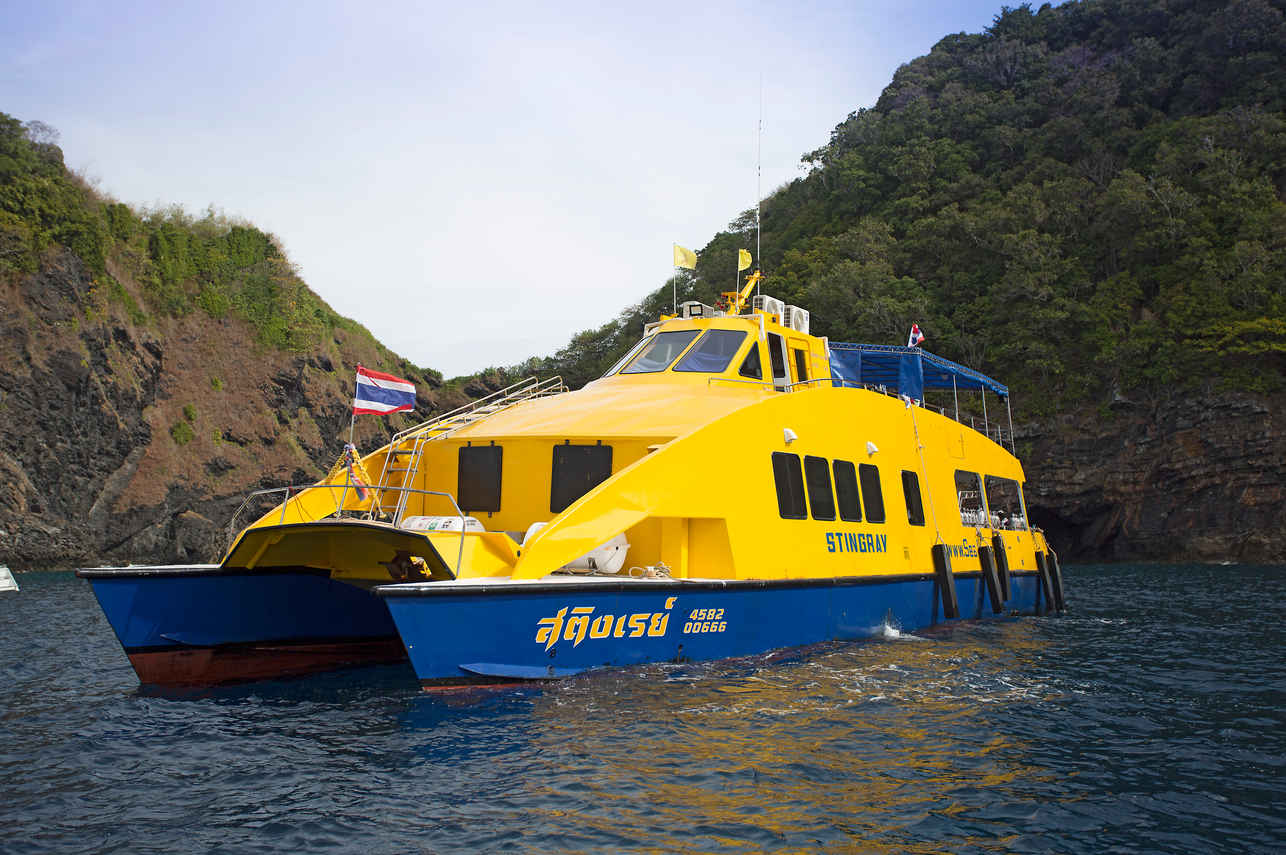
Stingray
Thailand
8 guests24 m
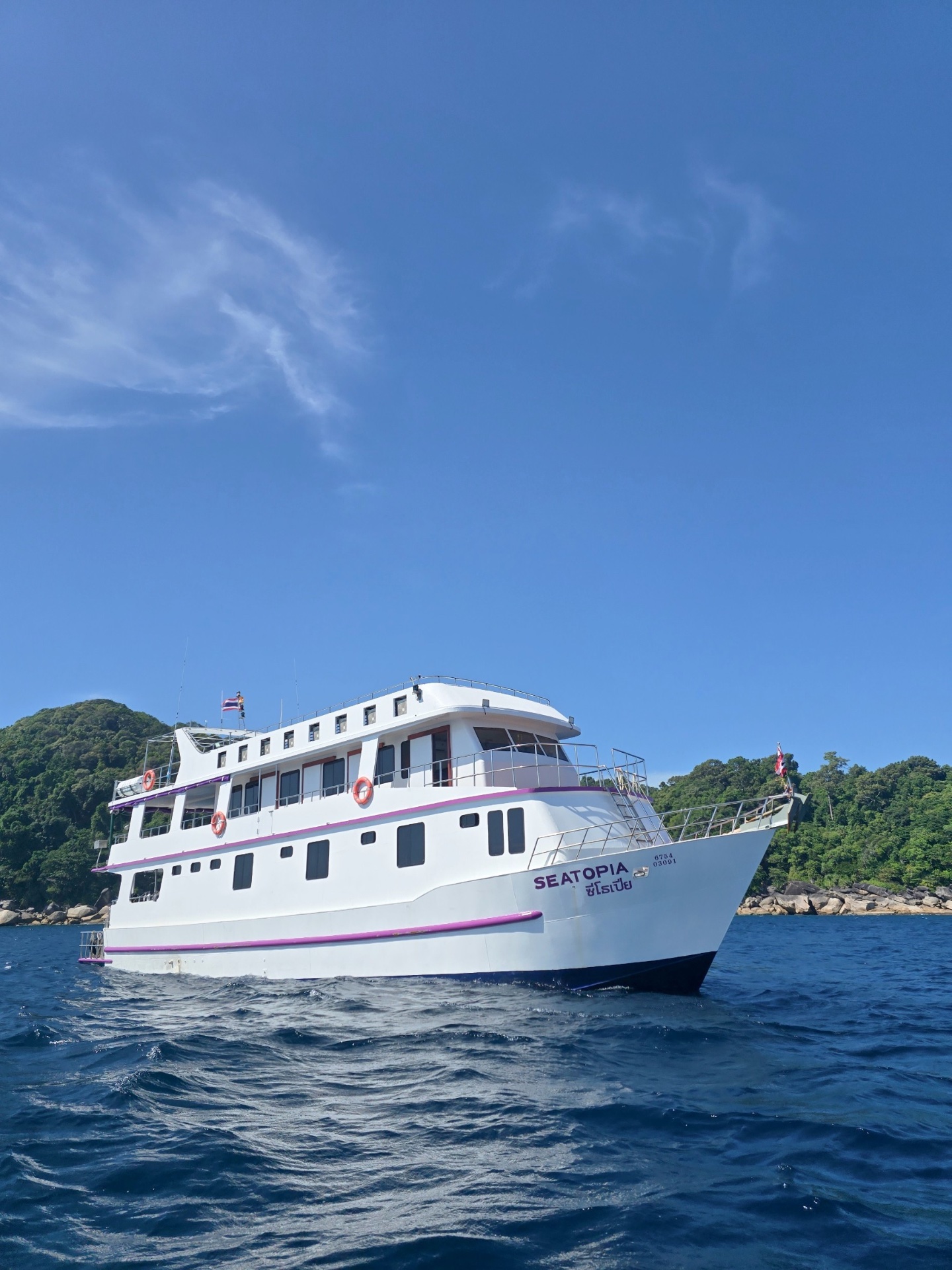
Seatopia
Thailand
24 guests24 m
Dive sites similar to Richelieu Rock
Same character, same waters — six more sites divers love for the exact same reasons.Compare seasons, access and liveaboard routes — then pick the site that fits your trip best.
© Esri — Maxar, Earthstar, GIS
Anemone Reef
Thailand
Anemone Reef, locally known as "Hin Jom" or "submerged rock," is a significant limestone pinnacle entirely hidden beneath the Andaman Sea's surface.
- Suitable for
- Intermediate
- Current
- Ripping
- Access
- Liveaboard or dayboat
- Depth
- 5–26 m
- Theme
- Pinnacle / Wall
© Esri — Maxar, Earthstar, GIS
Ang Thong — Wao Island
Thailand
Wao Island, nestled within the picturesque Ang Thong National Marine Park, is a captivating dive site characterized by its dramatic limestone formations and intricate underwater landscape.
- Suitable for
- Beginner
- Current
- Strong
- Access
- Liveaboard or dayboat
- Depth
- 3–20 m
- Theme
- Cave & cavern / Reef
© Esri — Maxar, Earthstar, GIS
Beacon Reef
Thailand
Beacon Reef, sometimes referred to as Beacon Bay or Beacon Point, is a cherished dive site within Thailand's Similan Islands National Park.
- Suitable for
- Beginner
- Current
- Moderate
- Access
- Liveaboard or dayboat
- Depth
- 5–25 m
- Theme
- Reef / Wreck
© Esri — Maxar, Earthstar, GIS
Breakfast Bend
Thailand
Breakfast Bend, also known as Three Trees, is a highly regarded dive site located along the eastern side of Similan Island No. 9, Koh Bangu.
- Suitable for
- Beginner
- Current
- Strong
- Access
- Liveaboard or dayboat
- Depth
- 5–25 m
- Theme
- Reef
© Esri — Maxar, Earthstar, GIS
Christmas Point
Thailand
Christmas Point, located on Similan Island number 9 (Koh Ba-Ngu), stands out as one of the Similan Islands' most iconic dive sites.
- Suitable for
- Intermediate
- Current
- Strong
- Access
- Liveaboard or dayboat
- Depth
- 2–40 m
- Theme
- Pinnacle
© Esri — Maxar, Earthstar, GIS
Chumphon Pinnacle
Thailand
Chumphon Pinnacle is a renowned deep dive site situated approximately 12 kilometers northwest of Koh Tao in the Gulf of Thailand.
- Suitable for
- Intermediate
- Current
- Strong
- Access
- Liveaboard or dayboat
- Depth
- 12–36 m
- Theme
- Pinnacle