About Wai Island
Wai Island, nestled near Batanta Island in Raja Ampat, offers a pristine diving experience from its private shores. This accessible island is surrounded by a thriving house reef and a turquoise lagoon, making it a spectacular base within the Coral Triangle. The underwater topography around Wai Island is characterized by an intricate reef system, providing diverse habitats for marine life. Divers can explore a variety of sites showcasing a rich ecosystem, from complex coral gardens to a fascinating WWII P-47 wreck. The marine life at Wai Island is remarkably abundant and diverse, catering to macro enthusiasts and those seeking larger schools of fish. The reefs teem with a huge variety of species, ranging from the elusive pygmy seahorses tucked away in corals to large schooling fish that drift through the currents. While larger pelagics like manta rays are often sought in specific seasons elsewhere, the year-round conditions at Wai Island ensure consistent opportunities to observe a vibrant underwater world. Diving at Wai Island is suitable for various experience levels, with calm lagoon areas ideal for beginners and refresher dives. Experienced divers will appreciate the intricate reef systems and the unique opportunity to explore the WWII P-47 wreck. The island's favorable year-round conditions and protected locations ensure comfortable and rewarding dives, making it an excellent spot for both learning and advanced exploration in Raja Ampat.
Highlights
Wobbegong sharksHard coral diversityBumphead parrotfishNight diving
Season calendar
Best months to dive here
Jan
Feb
Mar
Apr
May
Jun
Jul
Aug
Sep
Oct
Nov
Dec
Excellent
Good
Dive site facts: Wai Island
- Depth
- 3–20 m
- Current
- Moderate to strong
- Visibility
- 10–30 m
- Water temperature
- 27–30°C
- Entry
- Liveaboard / Tender
- Level
- Intermediate to Advanced
- Dive type
- Wreck, Reef, Biodiversity
- Night dive
- Possible
- Region / port
- Northern Raja Ampat
- Coordinates
- -0.4418, 130.5128
Conditions & Currents
Currents in Raja Ampat, including around Wai Island, can be significant and contribute to the region's rich marine life by delivering abundant nutrients. Divers should be prepared for moderate to strong currents, which can vary with tidal phases. Liveaboards and dive guides are adept at planning dives to maximize enjoyment and minimize exertion, often utilizing reef hooks at current-swept sites. Negative entries are sometimes employed to quickly descend to the reef and avoid surface currents. While visibility is generally good, plankton blooms, often brought by these currents, can temporarily reduce it but simultaneously attract larger pelagic species. Divers should possess good buoyancy control and be comfortable with drift diving techniques for a safe and rewarding experience.
Marine life & sighting chances
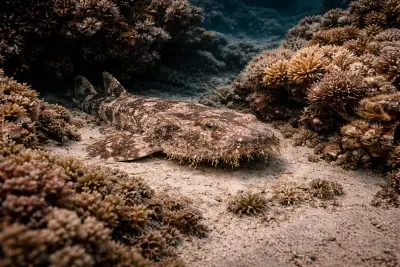
Tasseled wobbegong shark
occasional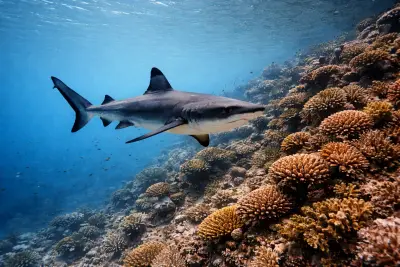
Blacktip reef shark
occasional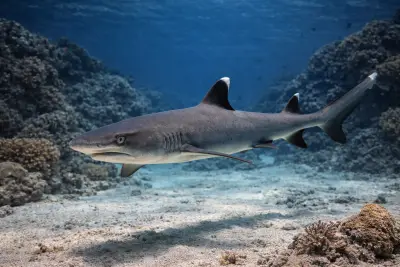
Whitetip reef shark
occasional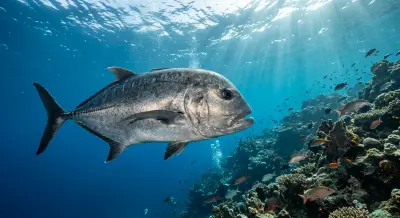
Giant Trevally
occasional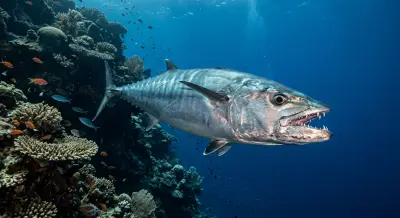
Dogtooth Tuna
occasional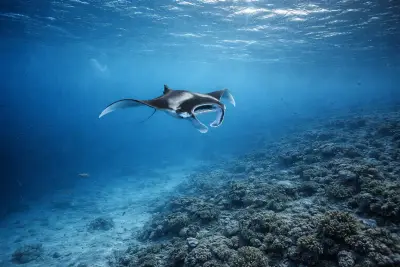
Manta Ray
Dec–Mar · occasional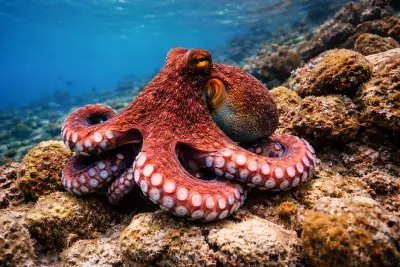
Octopus
occasional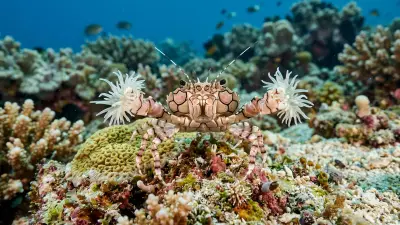
Giant crab
occasional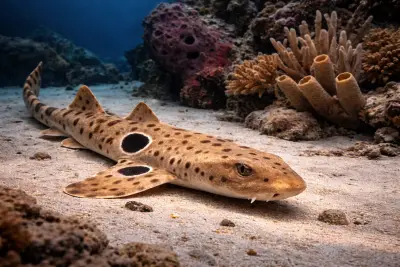
Dive profile & how the dive runs
A typical dive at Wai Island often begins with a negative entry from the tender boat, allowing divers to quickly descend to the site of the P-47D Thunderbolt wreck. The wreck lies in relatively shallow water, enabling ample bottom time for exploration. Divers can first explore the plane's intact structure, marveling at the historical remnants now encrusted with marine life. After circling the wreck and perhaps penetrating some accessible areas, the dive continues onto the adjacent reef slope or nearby coral gardens. The depth progressively decreases as the dive proceeds, allowing for a natural, multi-level profile that extends bottom time. The turn point is often dictated by air consumption or current conditions, with the safety stop conducted along the shallower reef top, offering opportunities for observing macro life before ascending.
Underwater photography
Wai Island offers diverse photographic opportunities, from wide-angle shots of the P-47D Thunderbolt wreck to macro subjects on the surrounding reef. For the wreck, a wide-angle lens (e.g., 10-17mm or 8-15mm fisheye) is ideal to capture its full scale and the marine life inhabiting it. External strobes are highly recommended to illuminate the wreck's darker sections and bring out the vibrant colors of the corals and fish. When moving to the reef, consider switching to a macro lens (e.g., 60mm or 100mm) to capture the abundant small critters. Buoyancy control is paramount, especially around the delicate corals and to maintain clear shots of the wreck without stirring up sediment. Be mindful of subject etiquette, avoiding touching or disturbing marine life and the historical wreck.
Combine with nearby dive sites
- Mioskon
Known for gentle drifts, snapper schools, and wobbegong sharks.
- Friwin Wall
Features spectacular walls covered in colorful soft corals.
- Manta Sandy
A renowned cleaning station for manta rays.
- Cape Kri
Famous for its incredible marine biodiversity and strong currents.
- Blue Magic
Attracts large pelagics, including grey reef sharks and mantas.
- Melissa's Garden
Showcases breathtaking fields of anthias over pristine hard corals.
Getting there & logistics
Accessing Wai Island, like most of Raja Ampat, typically begins with a flight to Sorong (SOQ) in West Papua, Indonesia. There are no direct international flights to Sorong, requiring connections from major Indonesian hubs such as Jakarta, Makassar, or Manado. From Sorong, travelers either board a liveaboard directly or take a public ferry to Waisai, the capital of Waigeo Island. Liveaboards are the most common and comprehensive way to dive Raja Ampat, offering multi-day itineraries that include Wai Island. These trips typically range from 7 to 14 nights, covering various sites across the northern and sometimes southern regions. Marine park fees are mandatory for all visitors to Raja Ampat.
Safety & environment
Diving in Raja Ampat requires careful attention to safety protocols due to potentially strong currents and the remote nature of the region. Divers should carry personal safety equipment, including a surface marker buoy (SMB) and a dive computer. Recompression chambers are located in Sorong and Manado, but evacuation from remote dive sites to these facilities can be lengthy and challenging. Comprehensive dive insurance, covering emergency medical evacuation and treatment, is therefore essential. Divers should maintain excellent buoyancy control to avoid damaging delicate corals and the historical wreck. Always dive with an experienced guide, follow their briefings closely, and adhere to responsible diving practices to ensure both personal safety and marine conservation.
Who it suits — and who it doesn't
Suited for
- Experienced divers comfortable with currents
- Wreck diving enthusiasts
- Underwater photographers seeking diverse subjects
- Marine life observers with an interest in biodiversity
- Liveaboard adventurers
Less suited for
- Beginner divers without current experience
- Those prone to seasickness on liveaboards
- Divers expecting only calm, current-free sites
- Travelers on a very tight budget
- Individuals with limited time for long journeys
FAQ
Wai Island FAQ
What kind of wreck is at Wai Island?
Wai Island features the wreck of a WWII P-47D Thunderbolt aircraft. This historical artifact provides a unique dive experience, contrasting with the vibrant natural reef life. It's an excellent opportunity for divers to explore both history and marine ecosystems in a single location.
Are the currents strong at Wai Island?
Currents around Wai Island can range from moderate to strong, typical of many sites in Raja Ampat. These currents are vital for the abundant marine life, but divers should be prepared for drift diving and possess good buoyancy skills. Liveaboard guides are experienced in navigating these conditions safely.
What marine life can I expect to see around Wai Island?
Divers at Wai Island can expect to encounter diverse reef fish, various shark species like wobbegongs, blacktip, and whitetip reef sharks, and occasional pelagic visitors such as giant trevally. The area is also known for healthy coral gardens and a chance to spot rare creatures like the Raja Ampat walking shark.
What is the visibility like at Wai Island?
Visibility at Wai Island is generally excellent, often ranging between 10 to 30 meters, especially during the dry season. While plankton blooms can occasionally reduce visibility, they also attract larger marine life. Clear water typically allows for great views of both the wreck and the surrounding reef.
How do I get to Wai Island?
Wai Island is primarily accessed via liveaboard trips that operate in Northern Raja Ampat. Divers usually fly into Sorong, Indonesia, and then board their liveaboard from there. These itineraries often combine Wai Island with other renowned dive sites in the region.
Is Wai Island suitable for beginner divers?
Wai Island is generally recommended for intermediate to advanced divers due to the potential for strong currents and the nature of wreck diving. While not overly challenging, prior experience with currents and good buoyancy control will enhance the diving experience and ensure safety.
Why dive Wai Island from a liveaboard?
Wai Island is one of Raja Ampat, Indonesia's signature dive sites. A liveaboard sleeps you on the water and puts you in the water for three to four guided dives per day, including dawn and night dives that day-boat operators rarely offer. You skip the daily commute back to port and reach quieter, less-crowded sites in the same region on a single trip.
Below are the liveaboards that include Wai Island on their Raja Ampat, Indonesia itineraries.
Liveaboards diving Wai Island
These liveaboards may visit Wai Island on selected itineraries — the exact dive sites depend on departure, weather and conditions.
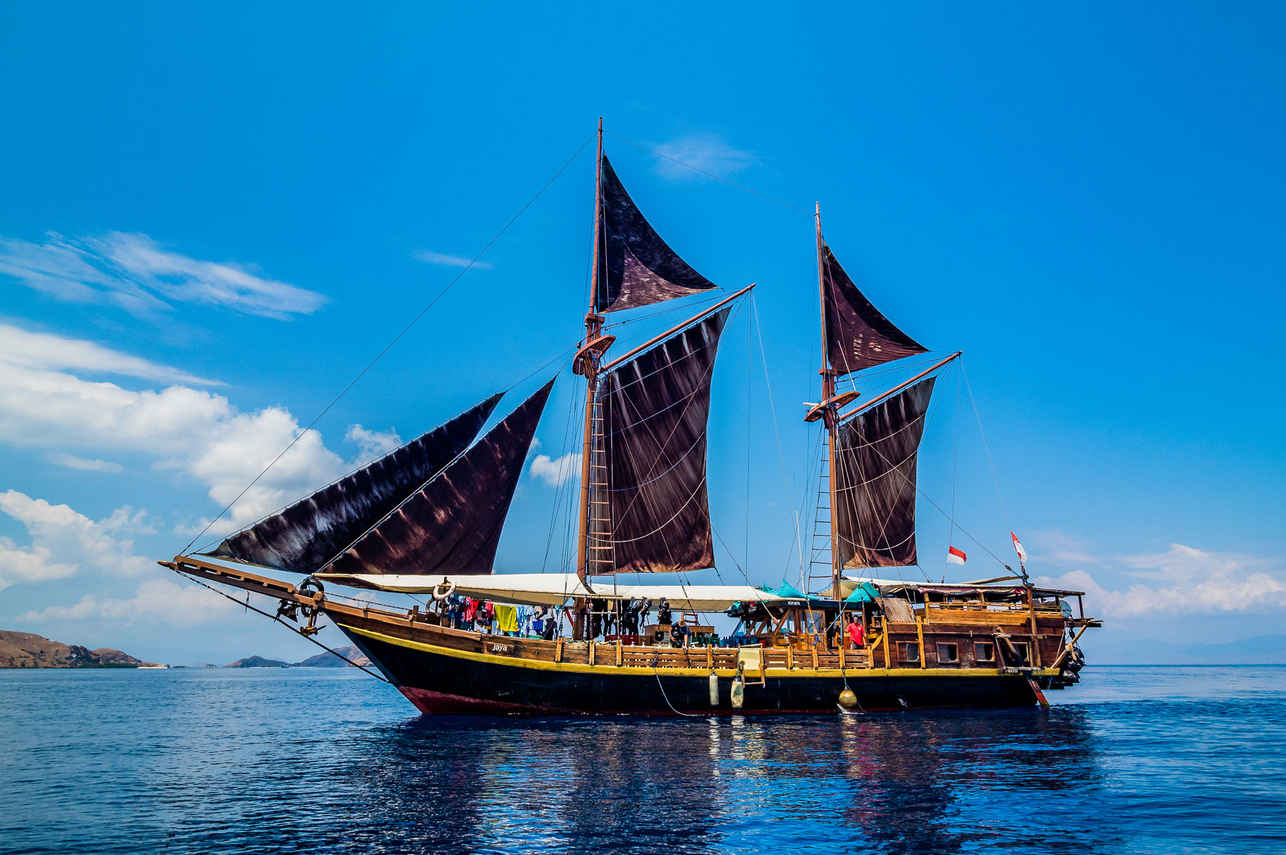
Jaya
Indonesia
14 guests23 m
$280/day
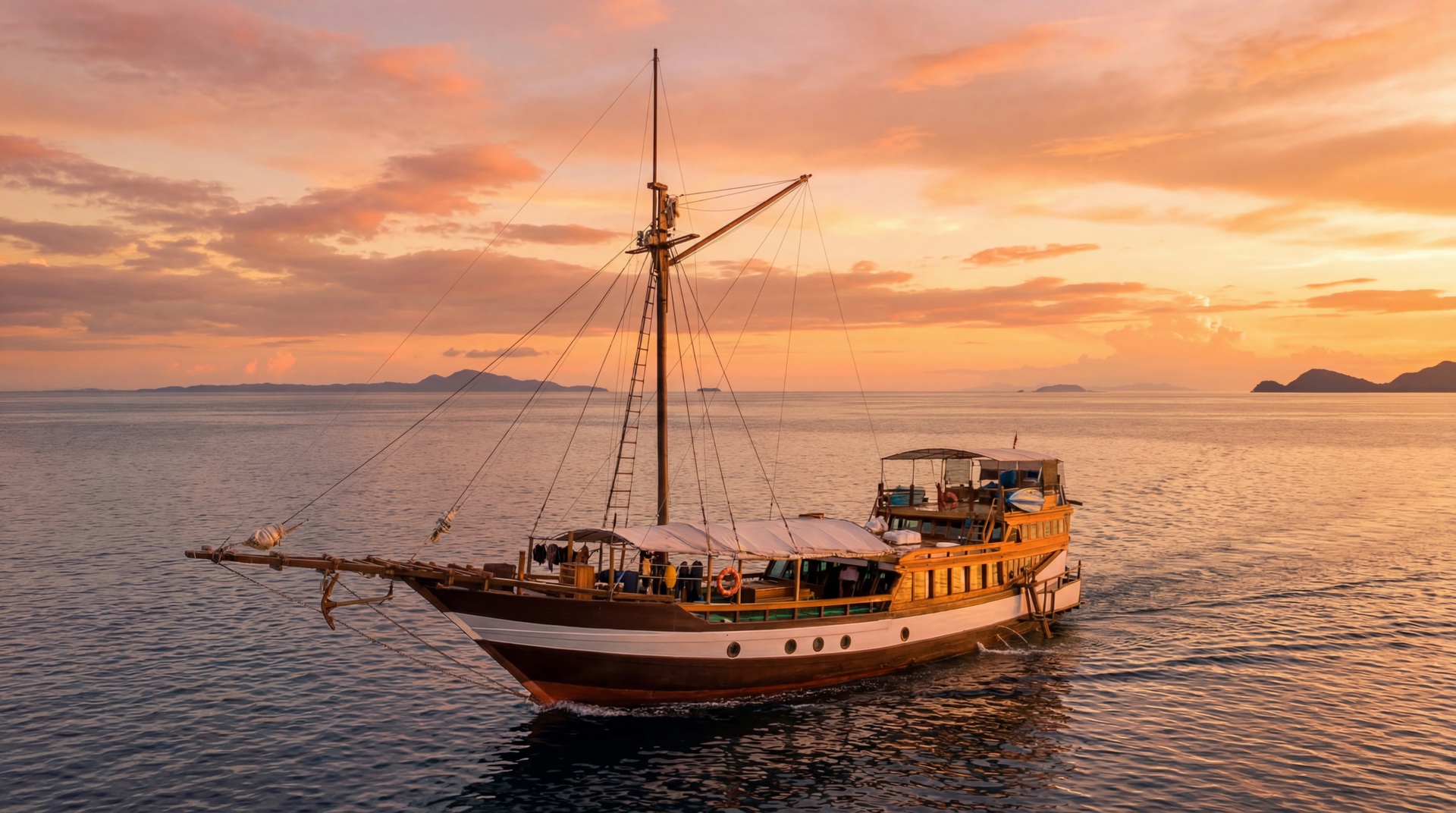
Wellenreng
Indonesia
9 guests25 m
$427/day
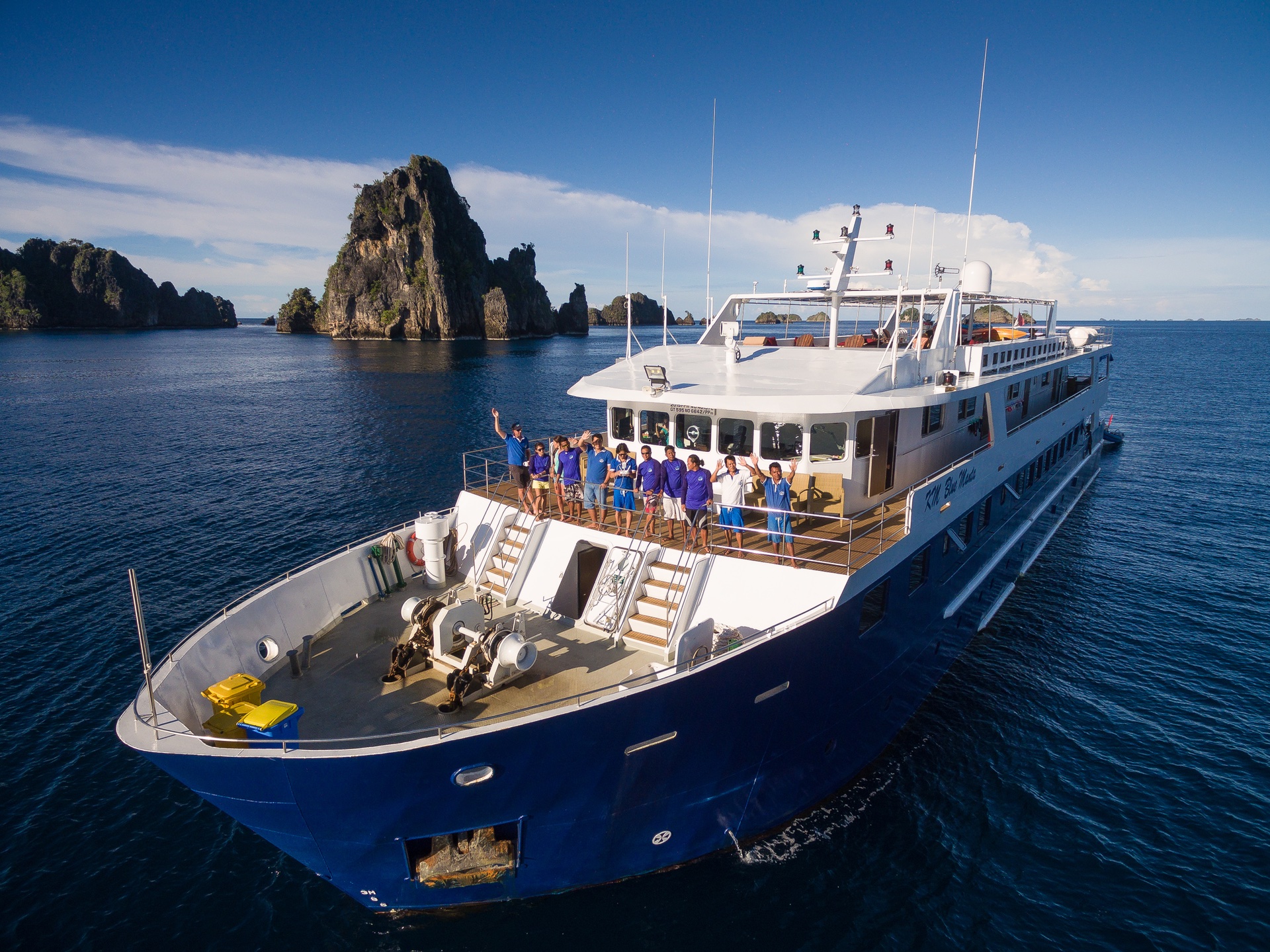
Blue Manta
Indonesia
20 guests45 m
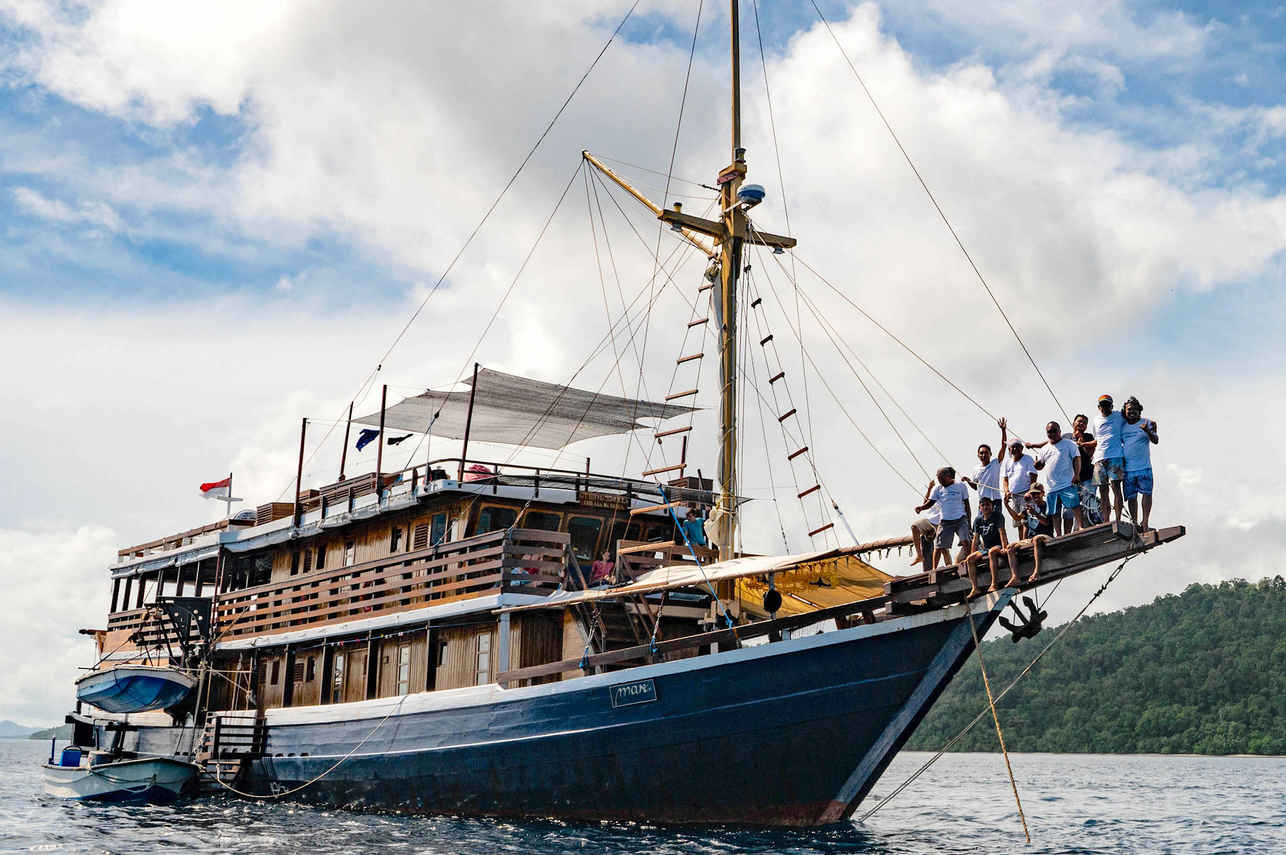
Mari
Indonesia
14 guests32.2 m
$328/day
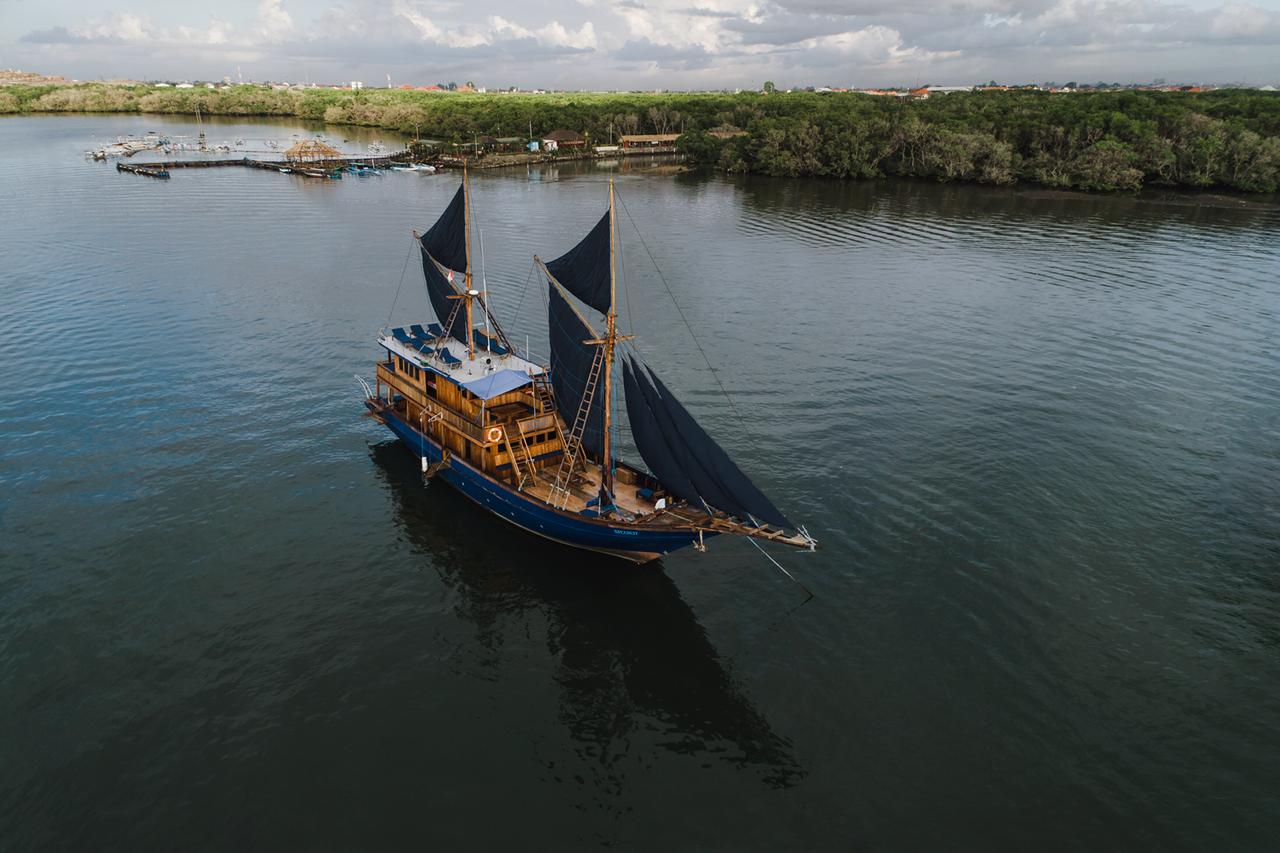
Situju7
Komodo, Indonesia
10 guests32.7 m
$362/day
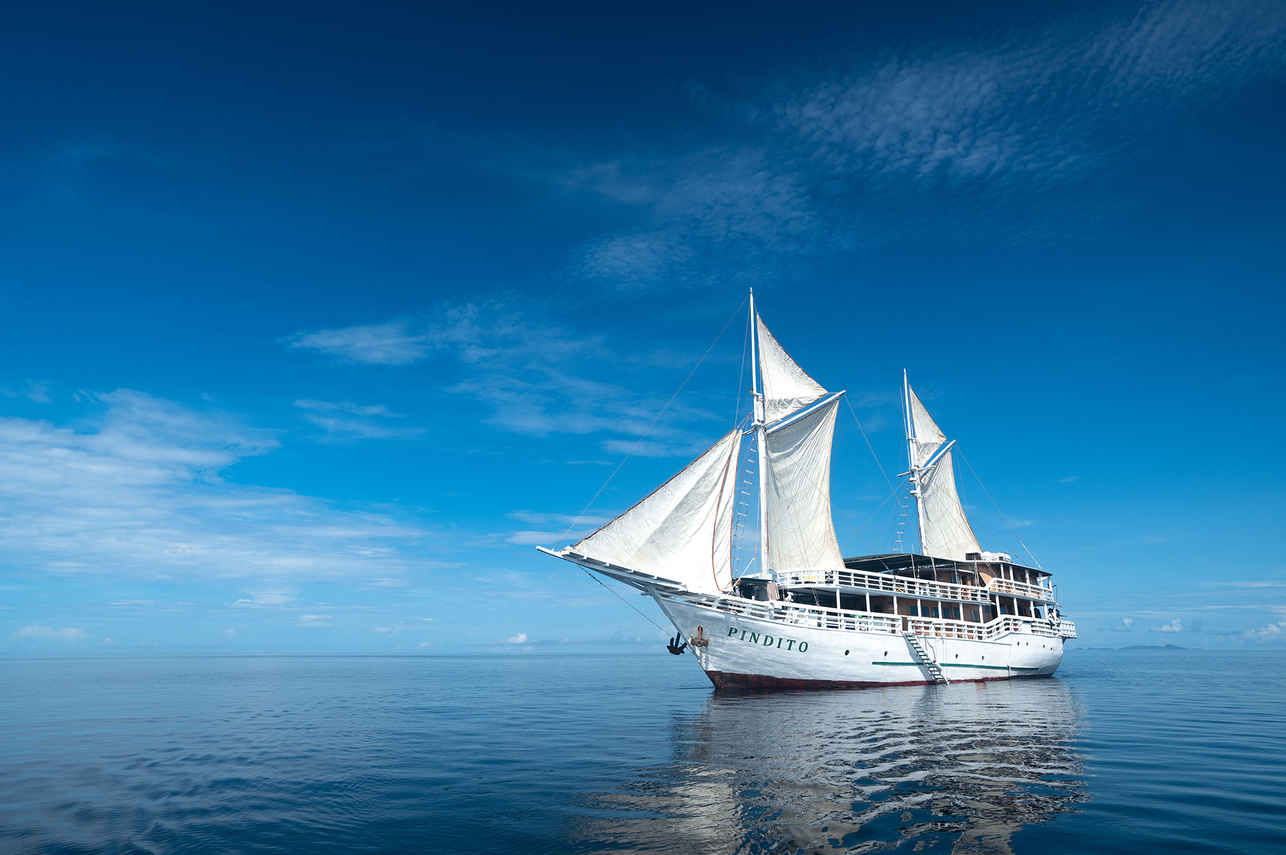
Pindito
Indonesia
16 guests37.79 m
$533/day
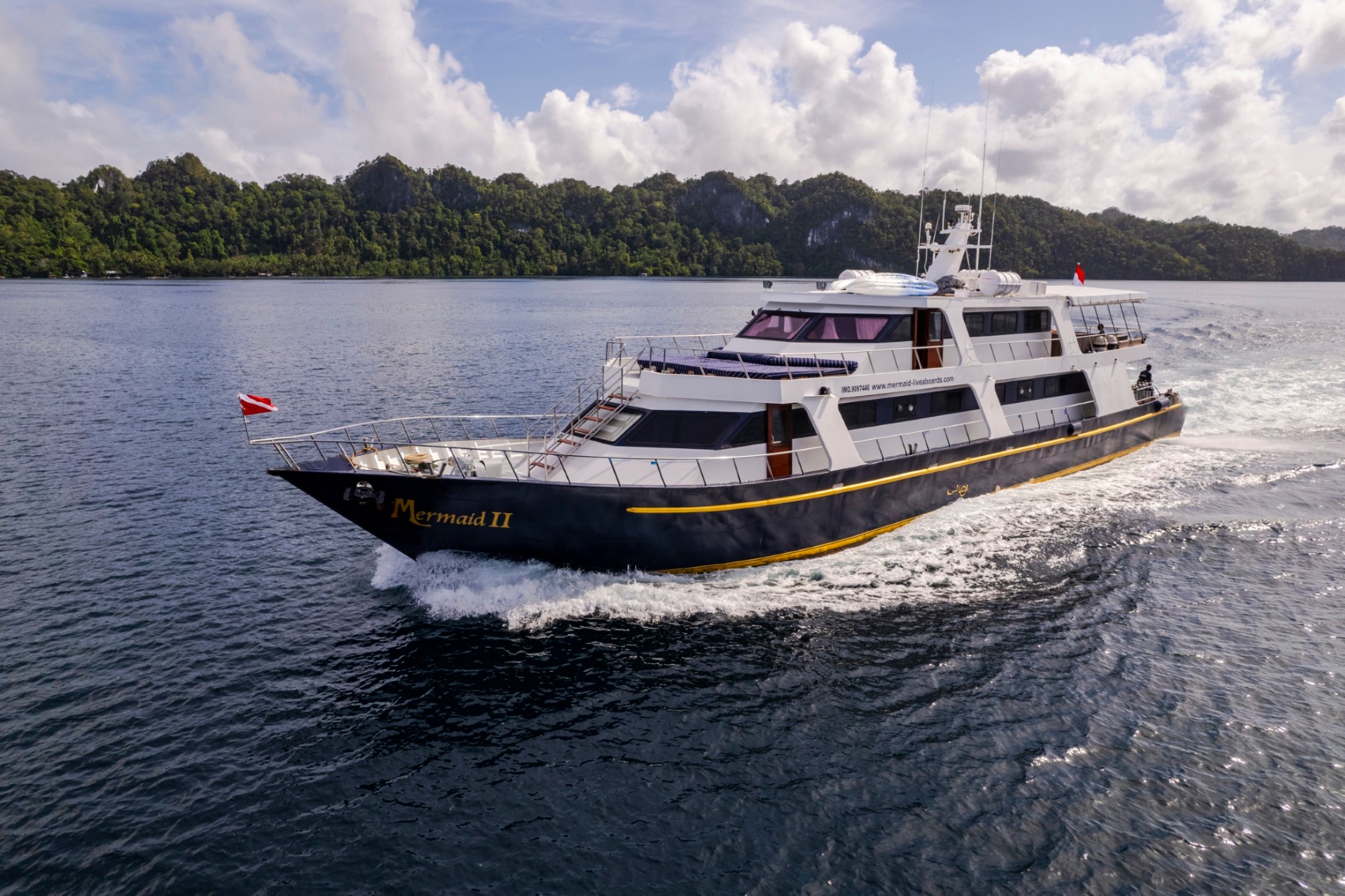
Mermaid II
Komodo, Indonesia
18 guests
$355/day
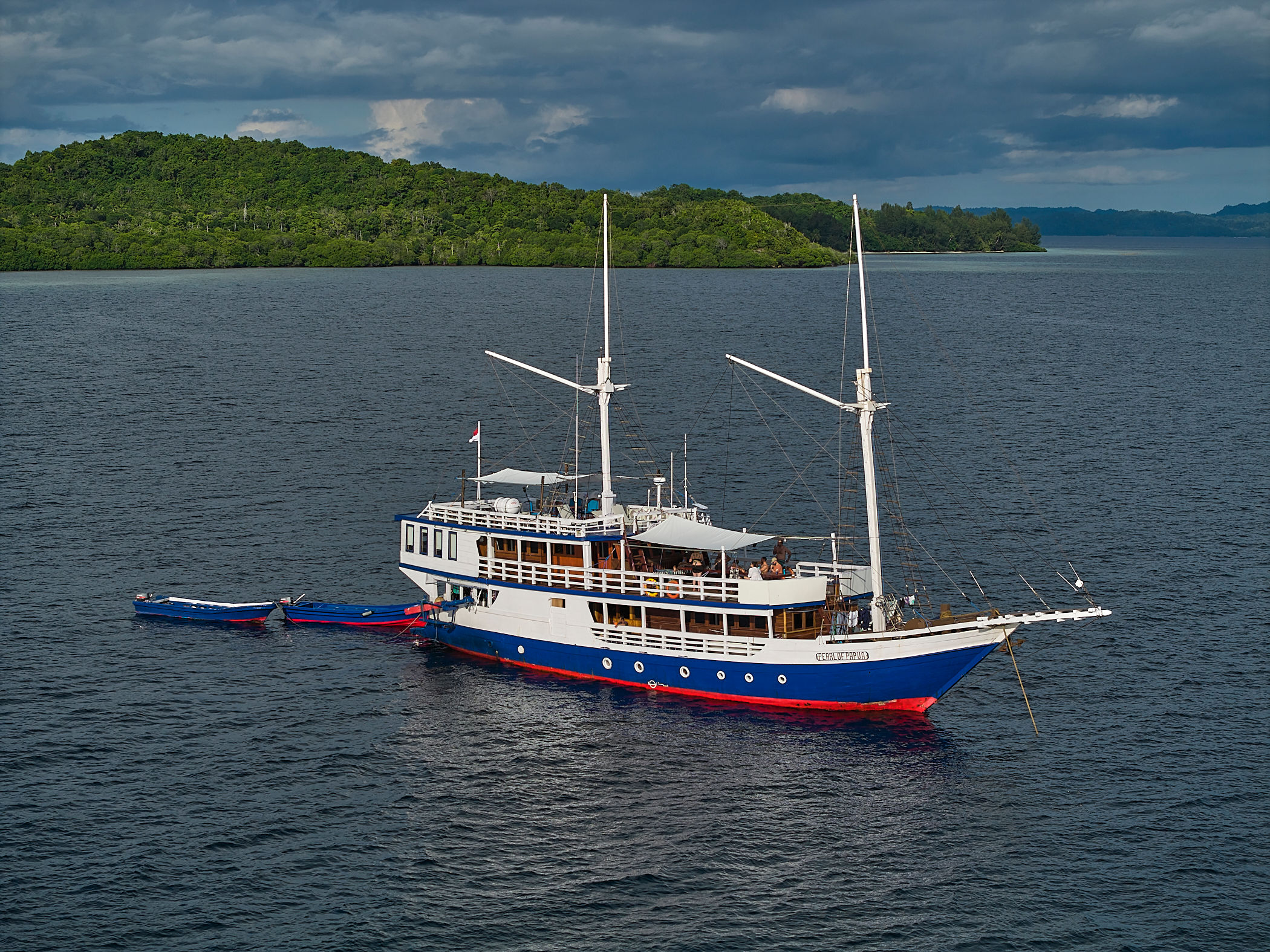
Pearl of Papua
Raja Ampat, Indonesia
14 guests30 m
$303/day
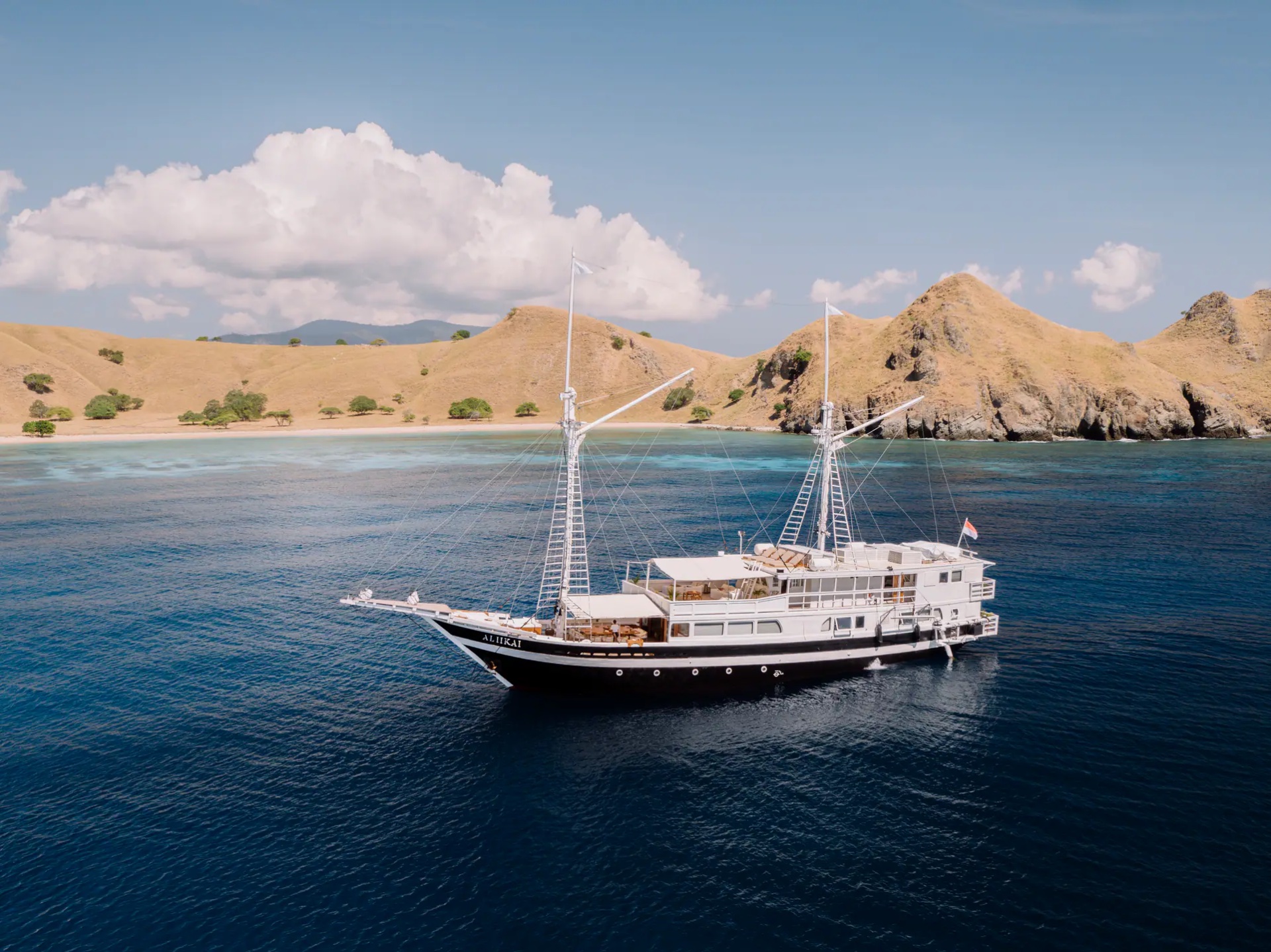
Aliikai Voyage
Indonesia
15 guests40 m
$658/day
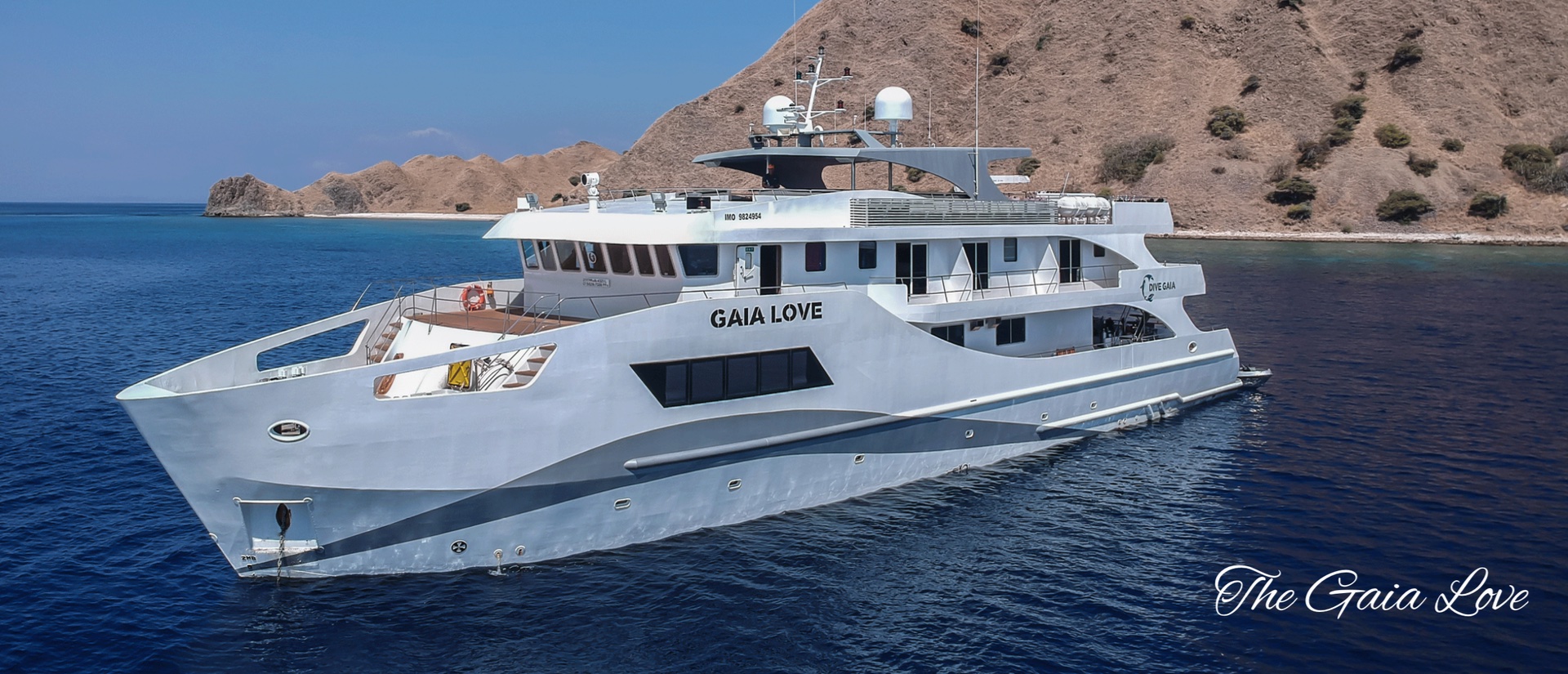
Gaia Love
Alor
20 guests
$554/day
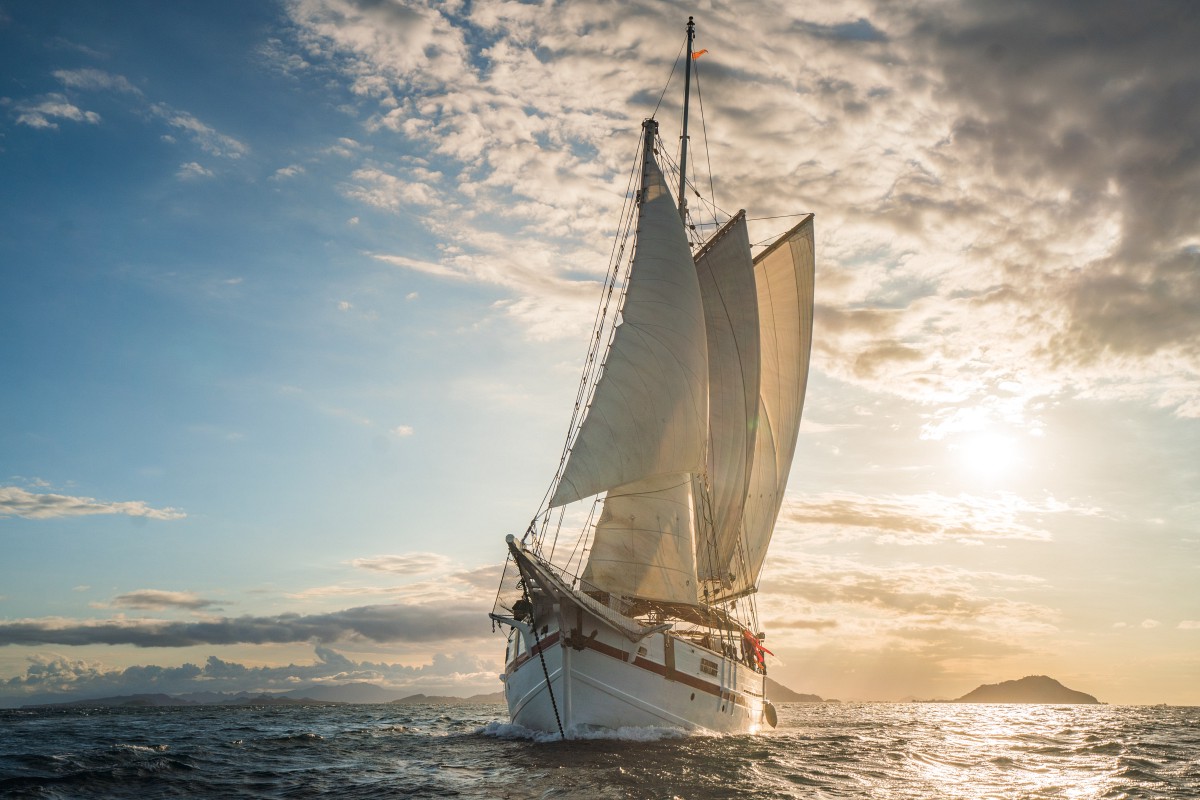
Emperor Raja Laut
Raja Ampat, Indonesia
12 guests31 m
$413/day
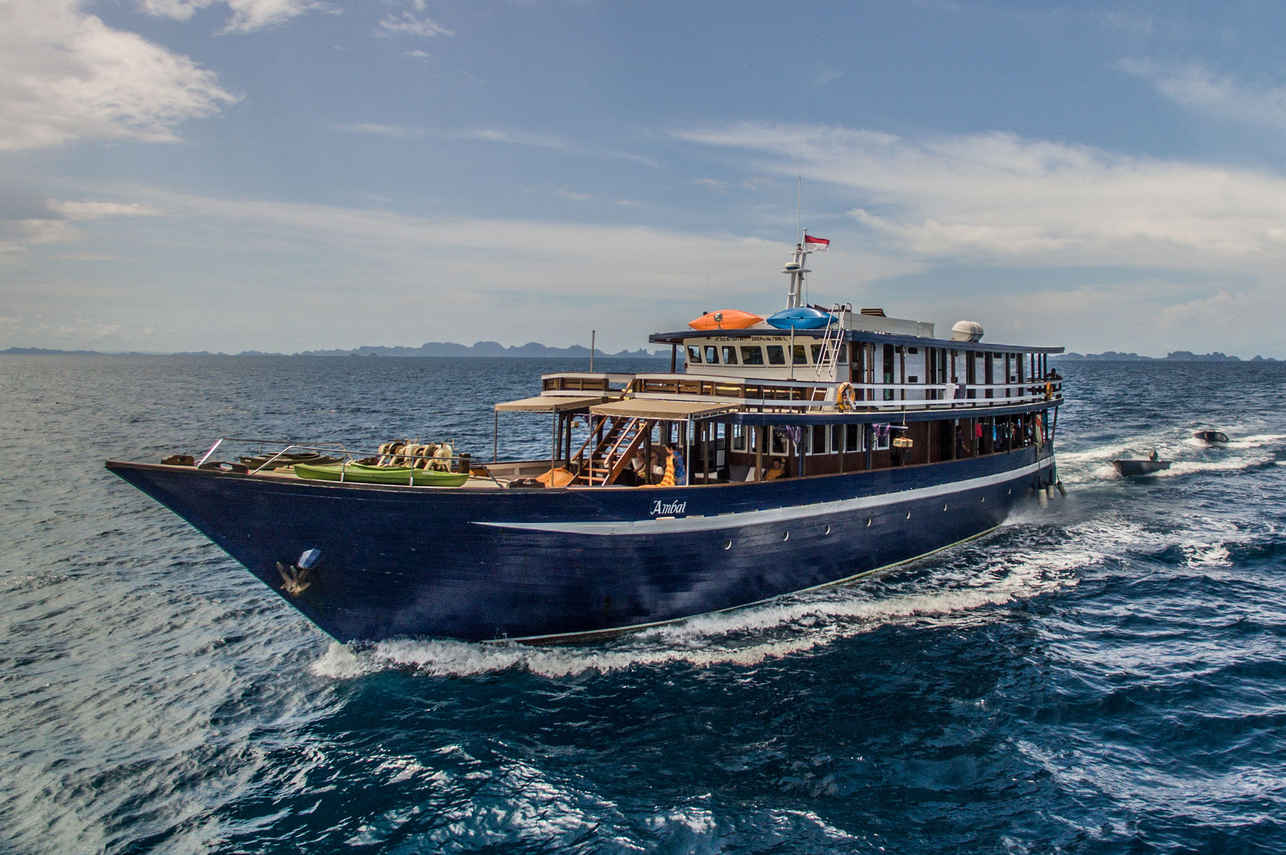
Ambai
Indonesia
16 guests32 m
$453/day
Dive sites similar to Wai Island
Same character, same waters — six more sites divers love for the exact same reasons.Compare seasons, access and liveaboard routes — then pick the site that fits your trip best.
© Esri — Maxar, Earthstar, GIS
Misool Batu Kecil
Raja Ampat, Indonesia
Misool Batu Kecil, often referred to as Tank Rock, is a prime dive site nestled within the Misool area of Raja Ampat, part of the extensive marine protected areas.
- Suitable for
- Intermediate
- Current
- Strong
- Access
- Liveaboard only
- Depth
- 5–25 m
- Theme
- Drift / Reef
© Esri — Maxar, Earthstar, GIS
Yulliet Kecil
Raja Ampat, Indonesia
Yulliet Kecil is a captivating islet dive site situated in the Misool region of Raja Ampat, Indonesia.
- Suitable for
- Intermediate
- Current
- Moderate
- Access
- Liveaboard only
- Depth
- 5–30 m
- Theme
- Reef
© Esri — Maxar, Earthstar, GIS
Friwin Wall
Raja Ampat, Indonesia
Friwin Wall, nestled in the heart of Raja Ampat's Dampier Strait, is a premier dive site renowned for its vibrant reef wall and rich biodiversity.
- Suitable for
- Intermediate
- Current
- Strong
- Access
- Liveaboard only
- Depth
- 1–25 m
- Theme
- Cave & cavern / Drift
© Esri — Maxar, Earthstar, GIS
Citrus Ridge
Raja Ampat, Indonesia
Citrus Ridge is a renowned dive site in Raja Ampat, located in a natural channel separating Gam Island from Yanggelo.
- Suitable for
- Intermediate
- Current
- Strong
- Access
- Liveaboard only
- Depth
- 10–27 m
- Theme
- Drift / Reef
© Esri — Maxar, Earthstar, GIS
Boo Windows
Raja Ampat, Indonesia
Boo Windows, located at the eastern edge of Raja Ampat's Misool region, is an iconic dive site renowned for its unique underwater topography, particularly its famous "windows" or archways.
- Suitable for
- Intermediate
- Current
- Strong
- Access
- Liveaboard only
- Depth
- 5–30 m
- Theme
- Drift / Reef
Nudi Rock, situated in the Misool area of Raja Ampat, gains its distinctive name from a prominent rock formation above the waterline that bears a striking resemblance to a nudibranch.
- Suitable for
- Intermediate
- Current
- Strong
- Access
- Liveaboard only
- Depth
- 5–28 m
- Theme
- Reef / Wall