About Jado Trader Wreck
The Jado Trader Wreck, located in the Bay Islands of Honduras, offers a fantastic wreck diving experience. This freighter, intentionally sunk, now rests as an artificial reef, inviting divers to explore its structure. The wreck measures an impressive 300 feet long, 50 feet wide, and stands 85 feet tall, positioning it among the larger wrecks in the Caribbean. Its sheer size provides ample opportunity for exploration, allowing divers to navigate its various sections and appreciate the scale of this underwater landmark. As part of the Mesoamerican Barrier Reef System, Roatan's waters are teeming with marine life, and the Jado Trader is no exception. While specific inhabitants of this wreck aren't detailed, other notable wrecks in the region host a vibrant array of marine creatures, including large groupers, parrotfish, and moray eels. Expect to encounter diverse fish populations and captivating macro critters drawn to the intricate surfaces and sheltered areas of the freighter. The artificial reef acts as a magnet for biodiversity, creating a dynamic ecosystem around its submerged hull. Water temperatures in Roatan typically range from 25-28°C (78-84°F) in summer and 24-27°C (75-80°F) in winter, occasionally dropping to 22°C (72°F) in January, making for comfortable diving conditions. Visibility is generally good, enhancing the experience of exploring such a substantial wreck. While the depth range for diving in Roatan is between 9-40 meters, wrecks often attract favorable currents, appealing to divers who enjoy a dynamic environment. The dive difficulty for large wrecks like this often falls within the intermediate to advanced range, depending on depth and current conditions, requiring good buoyancy control and potentially wreck specialty training for full penetration.
Highlights
70m cargo freighter wreckUpright on sandy bottomCoral-encrusted structureLarge groupers and morays
Season calendar
Best months to dive here
Jan
Feb
Mar
Apr
May
Jun
Jul
Aug
Sep
Oct
Nov
Dec
Excellent
Good
Dive site facts: Jado Trader Wreck
- Depth
- 18–33 m
- Typical dive
- 24–33 m, 50–60 min
- Current
- Weak
- Visibility
- 22–28 m
- Entry
- Boat
- Level
- Advanced, wreck training for penetration
- Dive type
- Wreck, reef, photography
- Region / port
- Guanaja, Bay Islands
- Coordinates
- 16.435, -85.89
Conditions & Currents
Currents at the Jado Trader Wreck are generally weak, contributing to typically calm diving conditions. However, local dive operators in Guanaja often adjust dive plans based on daily current variations, ensuring the best possible experience for divers. While the site is accessible for divers with advanced certification, an understanding of potential mild to moderate currents is beneficial, particularly for those planning wreck penetration. Visibility is consistently good, usually ranging between 22 to 28 meters, which aids in navigation and exploration of the freighter's structure and resident marine life. Entry is typically by boat, with straightforward descents due to the wreck's upright position and clear visibility.
Marine life & sighting chances
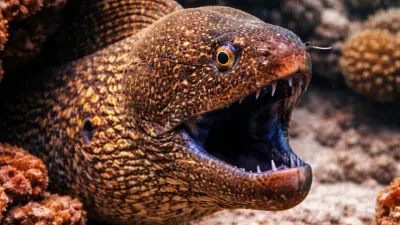
Green Moray
occasional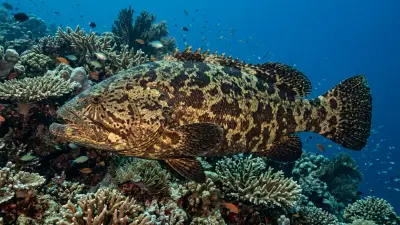
Large Grouper
common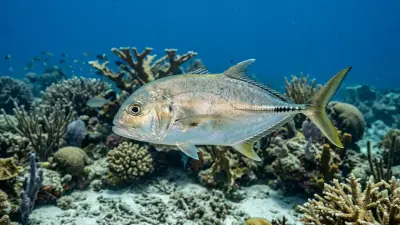
Horse-eye Jack
common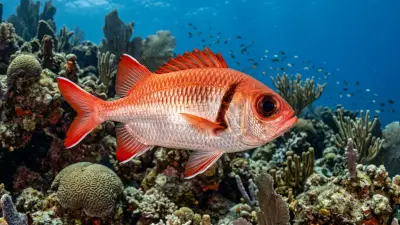
Blackbar Soldierfish
occasional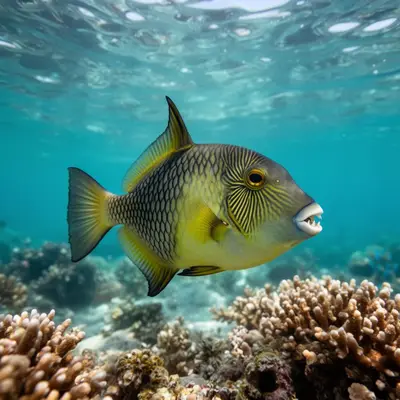
Queen Triggerfish
occasional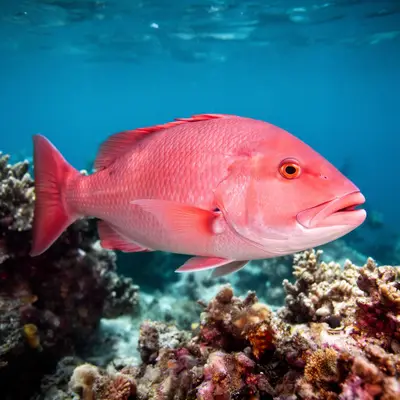
Snapper
occasional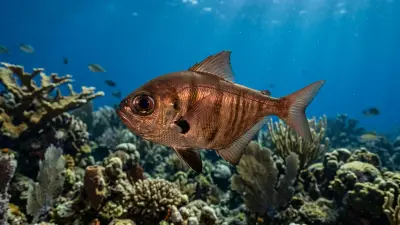
Glassy Sweeper
Summer · common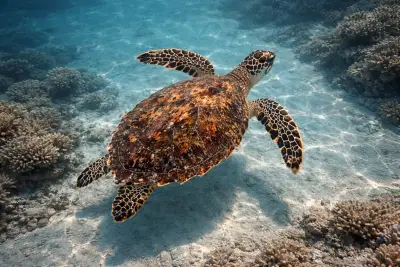
Hawksbill Turtle
occasional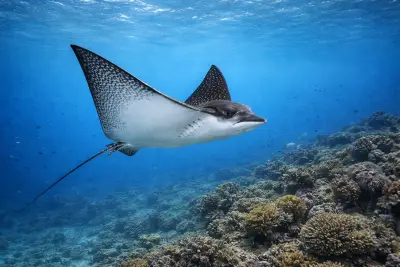
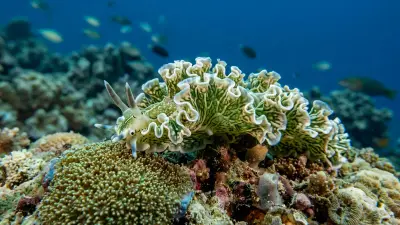
Lettuce Sea Slug
occasional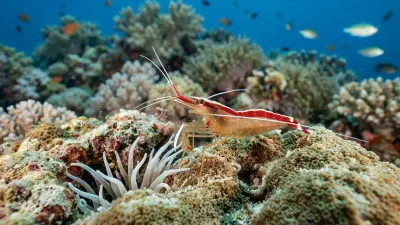
Cleaner Shrimp
occasional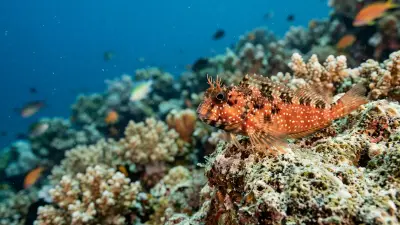
Blennies
occasional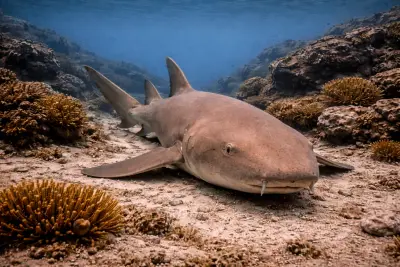
Nurse Shark
Green season · occasionalDive profile & how the dive runs
Diving the Jado Trader typically begins with a boat entry, directly over the wreck. The ship rests upright on a sandy bottom at 33 meters, allowing for a controlled descent to the deck, which lies around 24 meters. Divers often start by exploring the exterior of the hull, observing the extensive coral growth and marine life inhabiting its surfaces. For those with appropriate training, penetration into the holds, engine room, and bridge is a key highlight, allowing exploration of the ship's interior. The dive profile is often multi-level, starting deep and gradually ascending to shallower sections of the wreck. The top of the wheelhouse, at 18 meters, makes an ideal location for the latter part of the dive, observing schooling fish. A safety stop is conducted at 5 meters, typically near the mooring line or a nearby reef section, allowing divers to decompress while observing the surrounding marine environment.
Underwater photography
The Jado Trader Wreck offers diverse photographic opportunities, from wide-angle shots of the expansive 75-meter freighter to macro details of the rich encrusting life. A wide-angle lens is ideal for capturing the ship's overall structure, including the wheelhouse, deck, and cargo holds, especially with the excellent visibility. Consider bringing an external strobe to illuminate the wreck's darker areas and bring out the vibrant colors of the corals and sponges. For interior shots during penetration dives, a video light or a powerful torch can be essential to capture the ambiance and any hidden inhabitants. Focus on the schooling fish, such as horse-eye jacks and glassy sweepers, which often congregate around the wreck. For macro photographers, the hull's encrustations, including hydroids and tube sponges, host smaller critters like lettuce sea slugs, cleaner shrimps, and blennies, requiring a macro lens. Maintaining excellent buoyancy is crucial, especially during penetration, to avoid stirring up silt and to protect the delicate marine growth on the wreck.
Combine with nearby dive sites
- Vertigo Wall
A wall dive dropping to 51 meters on the barrier reef, known for pelagic sightings.
- Mary's Place
A famous Roatán dive site with lava-cut crevices and soft coral overhangs.
- El Aguila Wreck
A 70-meter cargo ship sunk near Roatán, providing another excellent wreck dive.
- The Odyssey Wreck
A 91-meter wreck near Roatán, one of the larger artificial reefs in the region.
- Coco View Wall
A prominent wall dive known for its dramatic drop-offs and diverse marine life.
Getting there & logistics
Access to Guanaja and the Jado Trader Wreck typically involves flying into Roatán (RTB) or La Ceiba (LCE) and then taking a short connecting flight with Lanhsa Airlines to Guanaja (GJA). Some resorts can arrange direct charter flights from Roatán for groups. Most dive trips to Guanaja are part of an all-inclusive dive resort package, often lasting 7 to 10 days, covering accommodation, meals, and multiple daily boat dives. Departure points for dive boats are usually from resorts around Savannah Bight or Mangrove Bight. There are no specific marine park fees mentioned for the Jado Trader, but it's advisable to confirm with your chosen dive operator.
Safety & environment
Diving the Jado Trader Wreck requires advanced certification, and any penetration into the wreck's interior demands specialized wreck diving training due to overhead environments and potential entanglement hazards. Always dive with a reputable local operator who provides thorough briefings on the wreck's layout and current conditions. Emergency recompression chambers are available in Roatán, approximately a 1.5-hour flight or longer boat journey away, emphasizing the importance of carrying comprehensive dive insurance that covers emergency evacuation and medical treatment. Always dive within your training limits, maintain proper buoyancy, and avoid solo penetration. Marine life, while generally docile, should be observed without touching to prevent harm to both diver and ecosystem.
Who it suits — and who it doesn't
Suited for
- Advanced certified divers
- Wreck diving enthusiasts
- Underwater photographers
- Divers seeking uncrowded sites
- Those interested in artificial reefs
Less suited for
- Beginner divers
- Divers without wreck penetration training
- Those who prefer shallow reef dives
- Divers prone to claustrophobia (for penetration)
FAQ
Jado Trader Wreck FAQ
What kind of wreck is the Jado Trader?
The Jado Trader is a 75-meter cargo freighter that was intentionally sunk in 1987. It sits upright on a sandy bottom, serving as one of Honduras's earliest purpose-sunk artificial reefs. The wreck is heavily encrusted with corals and sponges, making it a vibrant habitat for marine life.
What depths can I expect when diving the Jado Trader?
The Jado Trader rests at a maximum depth of 33 meters on the sandy bottom. Its deck is at approximately 24 meters, and the top of the wheelhouse is around 18 meters. This multi-level structure allows for varied dive profiles and extended bottom times for experienced divers.
Is wreck penetration possible on the Jado Trader?
Yes, the Jado Trader offers opportunities for wreck penetration through its holds, engine room, and bridge. However, these routes are only suitable for divers with appropriate wreck diving training and certification. Always confirm with your dive operator about guided penetration options and safety protocols.
What marine life can I see on the Jado Trader Wreck?
The wreck is teeming with marine life, acting as a habitat for large groupers, schools of horse-eye jacks, and dense aggregations of glassy sweepers, particularly in summer. You might also spot green morays, blackbar soldierfish, queen triggerfish, snapper, hawksbill turtles, and occasionally spotted eagle rays.
What are the typical diving conditions at the Jado Trader?
Conditions are generally calm with weak currents, making for a comfortable dive experience. Visibility is usually excellent, ranging from 22 to 28 meters, providing clear views of the wreck and its inhabitants. Water temperatures vary but are generally warm throughout the year.
How do I get to Guanaja to dive the Jado Trader?
To reach Guanaja, you typically fly into Roatán or La Ceiba, then take a connecting flight with Lanhsa Airlines to Guanaja. Some dive resorts offer charter flights from Roatán for groups. Most divers stay at all-inclusive dive resorts on Guanaja, which arrange boat trips to the Jado Trader and other sites.
Why dive Jado Trader Wreck from a liveaboard?
Jado Trader Wreck is one of Honduras's signature dive sites. A liveaboard sleeps you on the water and puts you in the water for three to four guided dives per day, including dawn and night dives that day-boat operators rarely offer. You skip the daily commute back to port and reach quieter, less-crowded sites in the same region on a single trip.
Below are the liveaboards that include Jado Trader Wreck on their Honduras itineraries.
Liveaboards diving Jado Trader Wreck
These liveaboards may visit Jado Trader Wreck on selected itineraries — the exact dive sites depend on departure, weather and conditions.
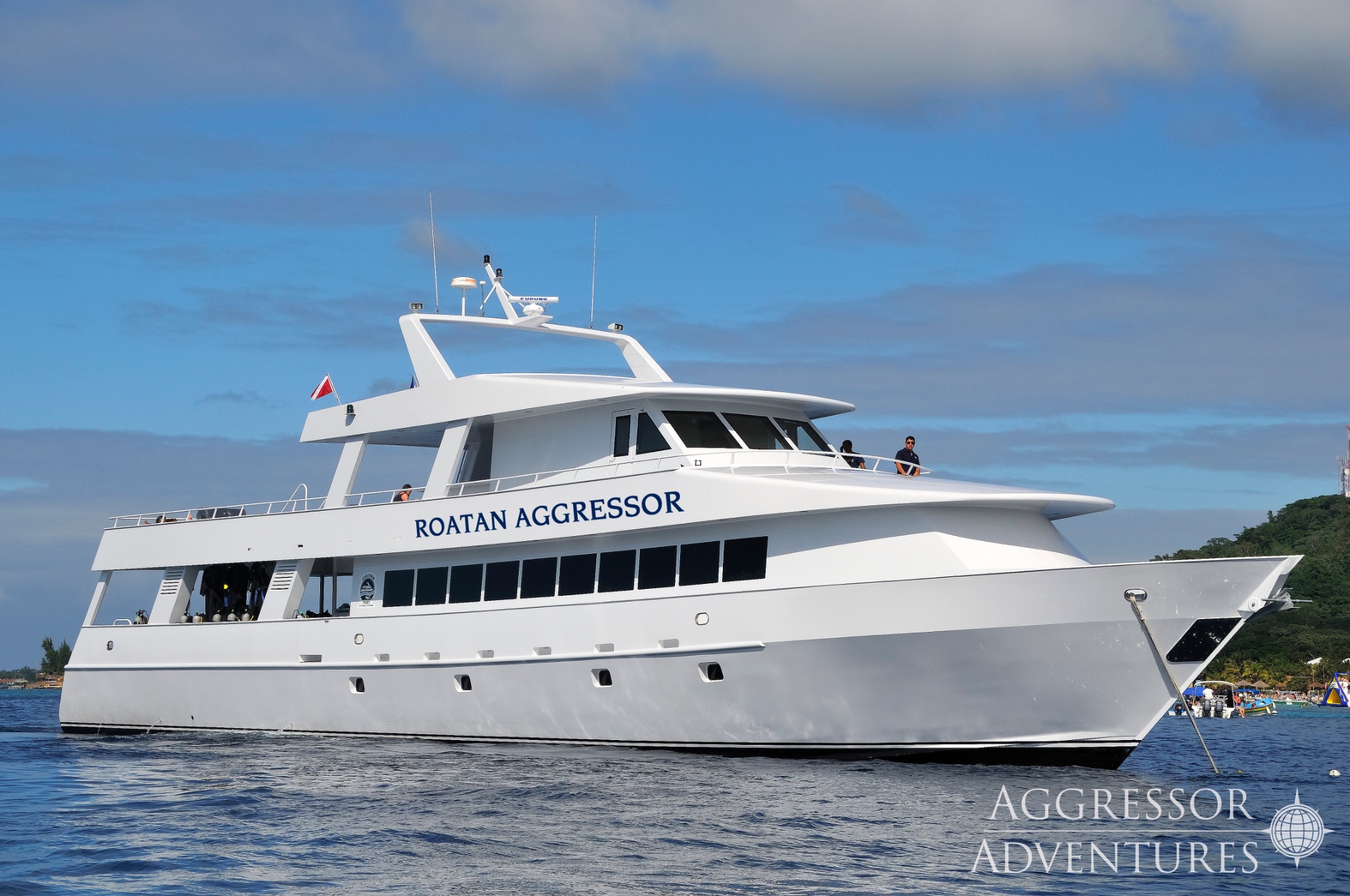
Roatan Aggressor
Honduras
18 guests31.1 m
$309/day
Dive sites similar to Jado Trader Wreck
Same character, same waters — six more sites divers love for the exact same reasons.Compare seasons, access and liveaboard routes — then pick the site that fits your trip best.
© Esri — Maxar, Earthstar, GIS
Satoshi’s Grave
Honduras
Satoshi’s Grave is a distinctive wreck site located on the southern shore of Roatan, specifically the Wreck of Mr. Bud.
- Suitable for
- Beginner
- Current
- Moderate
- Access
- Liveaboard or dayboat
- Depth
- 18–18 m
- Theme
- Wreck / Reef
© Esri — Maxar, Earthstar, GIS
Wreck of the Aguila
Honduras
The Wreck of the Aguila, affectionately known as 'The Eagle,' is a 60-meter (200-foot) cargo ship purposefully sunk in 1997 to create an artificial reef within recreational diving limits.
- Suitable for
- Intermediate
- Current
- Mild
- Access
- Dayboat
- Depth
- 20–33 m
- Theme
- Wreck / Reef
The Odyssey is a significant artificial reef located off Roatan's northern coast in Honduras, deliberately sunk in 2002 after sustaining fire damage during a rebuild.
- Suitable for
- Advanced
- Current
- Moderate
- Access
- Liveaboard or dayboat
- Depth
- 12–37 m
- Theme
- Wreck
© Esri — Maxar, Earthstar, GIS
The Odyssey Wreck
Honduras
The Odyssey Wreck, a massive commercial freighter stretching 300 feet long, 50 feet wide, and 85 feet tall, was intentionally scuttled in 2002 to become an artificial reef.
- Suitable for
- Intermediate
- Current
- Moderate
- Access
- Liveaboard or dayboat
- Depth
- 18–30 m
- Theme
- Wall / Wreck
© Esri — Maxar, Earthstar, GIS
El Aguila Wreck
Honduras
El Aguila, meaning "The Eagle," is widely regarded as Roatan's premier wreck dive.
- Suitable for
- Intermediate
- Current
- Mild
- Access
- Liveaboard or dayboat
- Depth
- 15–33 m
- Theme
- Wall / Wreck
Utila, located in Honduras' Bay Islands, is renowned globally as a premier diving destination, largely due to its affordability and exceptional access to the Mesoamerican Barrier Reef System.
- Suitable for
- Intermediate
- Current
- Mild
- Access
- Dayboat
- Depth
- 5–35 m
- Theme
- Reef / Wall