About Amphora Reef
Amphora Reef, located near Kaş on Turkey's southwestern coast, is a distinguished dive site renowned for its historical artifacts and diverse marine ecosystem. This reef gained its name from the numerous ancient amphorae, pottery fragments, and other archaeological remains scattered across its seabed, indicative of past maritime trade and shipwrecks in the area. It provides a captivating experience for divers interested in both natural reef formations and underwater history. The topography of Amphora Reef typically features gentle slopes transitioning into deeper sections, with depths ranging from shallow areas suitable for beginners to more profound depths reaching up to 30 meters. The reef comprises rocky outcrops, sandy patches, and small caves, creating varied habitats for marine organisms. Visibility here is consistently excellent, often exceeding 20 meters, allowing for clear views of both the historical finds and the vibrant underwater scenery. The marine life at Amphora Reef is characteristic of the Mediterranean, with frequent sightings of moray eels, groupers, octopuses, and various species of nudibranchs. Button coral adorns many of the rocky surfaces, adding bursts of color. While specific seasonality is less pronounced for these resident species, summer months offer warmer waters and the highest comfort levels for prolonged dives. Diving at Amphora Reef typically involves boat entry from Kaş harbor. The site offers a relatively relaxed dive profile, making it accessible to a range of experience levels. Divers can explore the reef at various depth bands, observing the historical fragments while enjoying the rich biodiversity. The excellent visibility and abundant light penetration make it a rewarding location for underwater photography.
Highlights
Ancient amphorae and potteryClear Mediterranean visibilityVaried reef topographyDiverse fish speciesButton coral formations
Season calendar
Best months to dive here
Jan
Feb
Mar
Apr
May
Jun
Jul
Aug
Sep
Oct
Nov
Dec
Excellent
Dive site facts: Amphora Reef
- Depth
- 5–30 m
- Typical dive
- 10–25 m, 45–60 min
- Current
- Mild
- Visibility
- 20–30 m
- Water temperature
- 17–29°C
- Entry
- Boat / Descent line
- Level
- Open Water Diver
- Dive type
- Reef, archaeological, topography
- Night dive
- Possible
- Region / port
- Kaş, Antalya, Turkey
- Coordinates
- 36.2, 29.64
Conditions & Currents
Currents at Amphora Reef are generally mild, making it a suitable site for divers of varying experience levels. However, as with many open-water sites, occasional localized currents can occur, particularly in deeper sections or around prominent reef structures. Entry is typically from a dive boat, with divers descending along a mooring line or natural reef contour. Visibility is consistently high, usually exceeding 20 meters, due to minimal river inflow and a rapidly dropping seabed near the Kaş coastline. Water temperatures range from approximately 17-18°C in spring and autumn to 25-29°C during the peak summer months, influencing wetsuit choice but generally offering comfortable diving. Surges are uncommon given the protected nature of many dive sites in the region.
Marine life & sighting chances
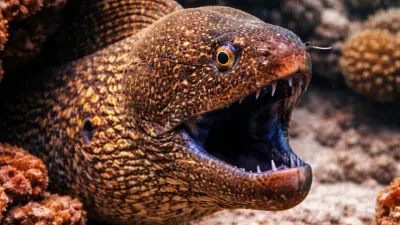
Moray eel
Year-round · occasional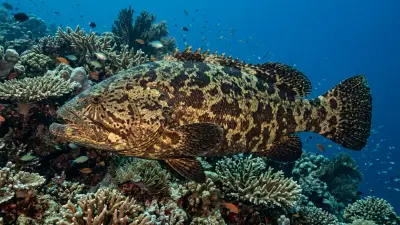
Grouper
Year-round · common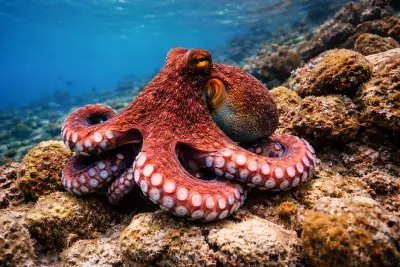
Octopus
Year-round · occasional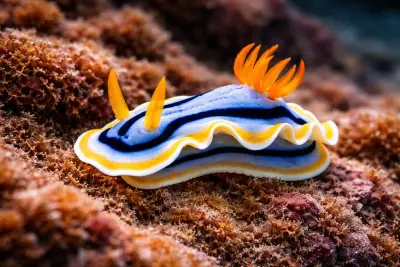
Nudibranch
Year-round · occasional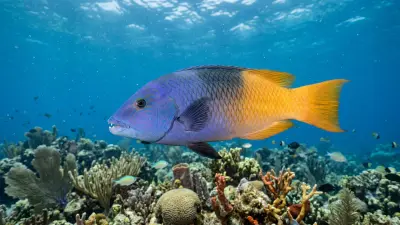
Wrasse
Year-round · common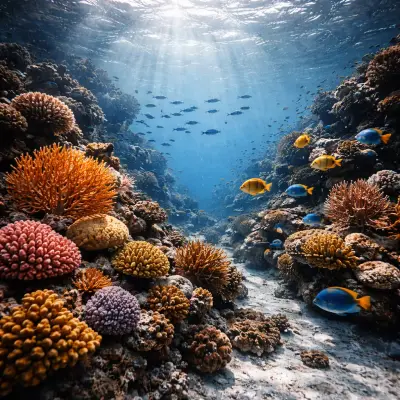
Button coral
Year-round · common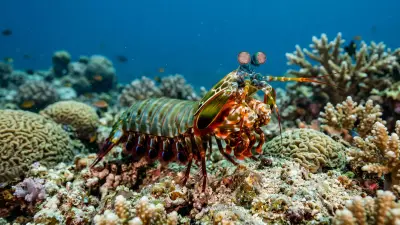
Red shrimp
Year-round · occasional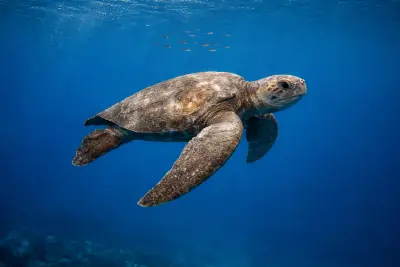
Loggerhead turtle
Summer · occasionalDive profile & how the dive runs
Your dive at Amphora Reef typically begins with a boat entry from Kaş harbor, followed by a descent to the reef. The dive plan often involves exploring the main reef structure, which gradually slopes from shallower depths down to about 30 meters. You will navigate along rocky formations and sandy patches, observing the scattered ancient amphorae and pottery fragments that give the site its name. Keep an eye out for resident marine life, such as moray eels and groupers, hiding within the reef's crevices. The route allows for a multi-level dive, conserving bottom time while providing ample opportunity to appreciate both the natural topography and archaeological findings. The turn point is determined by air consumption and no-decompression limits, after which you will begin a gradual ascent, conducting your safety stop in the shallower, sunlit areas of the reef before surfacing.
Underwater photography
Amphora Reef offers excellent opportunities for both wide-angle and macro photography. A wide-angle lens is ideal for capturing the expansive reef formations, the clear water visibility, and the broader context of the archaeological remains like the scattered amphorae. For the smaller, more intricate subjects, such as nudibranchs, button coral, and red shrimp, a macro lens will allow you to highlight the details of the reef's delicate ecosystems. External strobes are highly recommended to restore natural colors that are lost at depth and to minimize backscatter, especially when photographing in the clearer Mediterranean water. Maintaining excellent buoyancy control is crucial to avoid disturbing the historical artifacts or stirring up sediment from the seabed, ensuring clear shots and preserving the site. Always photograph marine life responsibly, without harassment or contact.
Combine with nearby dive sites
Getting there & logistics
Kaş is situated on Turkey's southwest coast, with the closest major international airports being Antalya (AYT) and Dalaman (DLM), both approximately 2.5 hours' drive away. Transfers or rental cars are readily available from these airports to Kaş. Dive trips to Amphora Reef typically depart from Kaş harbor via daily boat excursions. Most local dive operators combine Amphora Reef with other nearby sites in their daily itineraries, offering multi-dive packages. There are no specific marine park fees for diving in Kaş; dive package costs usually cover boat transport, guide services, and equipment rental. The prime diving season in Kaş runs from May to November, with September and October offering ideal conditions for combining diving with local exploration of Lycian historical sites.
Safety & environment
For divers exploring Amphora Reef and other sites around Kaş, the nearest recompression chamber is located in Antalya. In the unlikely event of a dive emergency, initial evacuation would involve boat transfer back to Kaş, followed by overland transport to Antalya. Comprehensive dive insurance, covering emergency medical care and evacuation, is strongly recommended for all divers. Site-specific hazards at Amphora Reef are minimal due to generally mild currents and clear visibility, but adherence to safe diving practices and respecting depth limits is always advised. Divers should also be mindful of the historical artifacts on the seabed, avoiding contact to preserve them. Always dive with a reputable operator and follow your dive guide's instructions.
Who it suits — and who it doesn't
Suited for
- Beginner divers seeking easy conditions
- Divers interested in underwater archaeology
- Underwater photographers looking for clear visibility
- Divers preferring mild currents and comfortable temperatures
- Those looking for diverse reef and historical sites
Less suited for
- Divers exclusively seeking large pelagic encounters
- Those who prefer strong current drift dives
- Divers disinterested in historical artifacts
- Individuals sensitive to cooler water temperatures outside of peak season
- Divers expecting extreme depths or challenging wreck penetrations
FAQ
Amphora Reef FAQ
What kind of archaeological finds can be seen at Amphora Reef?
Amphora Reef is named for the numerous ancient amphorae, pottery fragments, and other ceramics scattered across its seabed. These artifacts are remnants of past maritime trade and shipwrecks, offering a glimpse into the region's rich history. Divers should observe these historical pieces without touching them to ensure their preservation.
Is Amphora Reef suitable for beginner divers?
Yes, Amphora Reef is generally suitable for beginner divers. Its typical dive depths are manageable, and currents are usually mild, providing a relaxed and enjoyable diving experience. The excellent visibility also contributes to a comfortable and safe environment for those with less experience.
What is the visibility like at Amphora Reef?
Visibility at Amphora Reef is consistently excellent, often exceeding 20 meters and frequently reaching up to 30 meters on good days. This high clarity is a hallmark of the Kaş coastline, allowing for clear views of both the natural reef structures and the historical artifacts on the seabed.
What marine life can I expect to see at Amphora Reef?
Amphora Reef hosts a variety of Mediterranean marine life. Divers can frequently spot moray eels, groupers, and octopuses among the reef's crevices. Nudibranchs, various wrasse species, and colorful button coral are also common, adding to the site's biodiversity and visual appeal.
When is the best time of year to dive Amphora Reef?
The best time to dive Amphora Reef is from April to November, with the warmest water temperatures in July and August. For divers who prefer warm water with fewer crowds, September and October are highly recommended. Winter diving is also possible on good weather days for those comfortable with cooler temperatures.
Why dive Amphora Reef from a liveaboard?
Amphora Reef is one of Turkey's signature dive sites. A liveaboard sleeps you on the water and puts you in the water for three to four guided dives per day, including dawn and night dives that day-boat operators rarely offer. You skip the daily commute back to port and reach quieter, less-crowded sites in the same region on a single trip.
Below are the liveaboards that include Amphora Reef on their Turkey itineraries.
Liveaboards diving Amphora Reef
These liveaboards may visit Amphora Reef on selected itineraries — the exact dive sites depend on departure, weather and conditions.
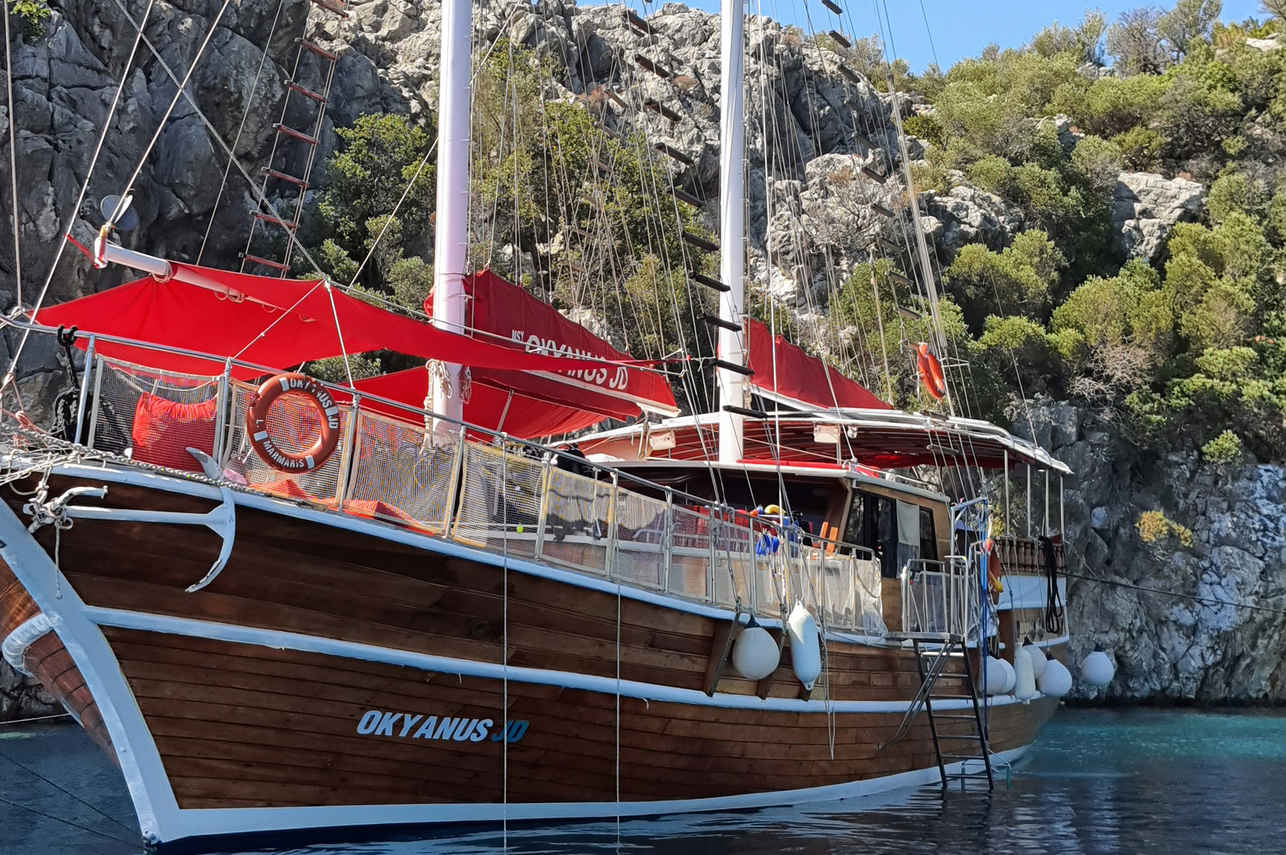
Okyanus JD
Turkey
12 guests24 m
$157/day
Dive sites similar to Amphora Reef
Same character, same waters — six more sites divers love for the exact same reasons.Compare seasons, access and liveaboard routes — then pick the site that fits your trip best.
© Esri — Maxar, Earthstar, GIS
Hidayet Koyu
Turkey
Hidayet Koyu is a well-known, sheltered bay located on the Kaş peninsula in Turkey, celebrated for its accessibility and vibrant marine ecosystem.
- Suitable for
- Beginner
- Current
- No current
- Access
- Liveaboard or dayboat
- Depth
- ≤ 32 m
- Theme
- Reef
© Esri — Maxar, Earthstar, GIS
Besmi Island
Turkey
Besmi Island, also known as Besmi Adası, is a challenging yet rewarding dive site located off Turkey's southwestern coast near Fethiye and southwest of Kaş.
- Suitable for
- Advanced
- Current
- Strong
- Access
- Dayboat
- Depth
- 4–60 m
- Theme
- Reef / Wall
© Esri — Maxar, Earthstar, GIS
Domuz Island
Turkey
Domuz Island, also known as Pig Island, is a celebrated dive destination nestled within the Göcek archipelago, part of Fethiye Bay.
- Suitable for
- Beginner
- Current
- Mild
- Access
- Dayboat
- Depth
- 5–15 m
- Theme
- Reef
© Esri — Maxar, Earthstar, GIS
Kızıl Island
Turkey
Kızıl Island, known locally as Kızılada, is a prominent dive site situated near Fethiye on Turkey's southwestern coast.
- Suitable for
- Intermediate
- Current
- Mild
- Access
- Dayboat
- Depth
- 8–40 m
- Theme
- Reef / Wall
© Esri — Maxar, Earthstar, GIS
Smugglers Bay
Turkey
Smugglers Bay, located near Bodrum in Turkey's Aegean Sea, is a beginner-friendly dive site renowned for its calm conditions and healthy marine environment.
- Suitable for
- Beginner
- Current
- Mild
- Access
- Dayboat
- Depth
- 3–35 m
- Theme
- Reef
© Esri — Maxar, Earthstar, GIS
Rambo Cave
Turkey
Rambo Cave is a captivating coastal cavern located near Alanya in Antalya, Turkey.
- Suitable for
- Intermediate
- Current
- Moderate
- Access
- Liveaboard or dayboat
- Depth
- 3–15 m
- Theme
- Cave & cavern