About The Seamounts
The Seamounts, located in the Cayos Cochinos marine reserve off Honduras, offer a unique diving experience distinct from the typical fringing reefs of the Bay Islands. These underwater mountains rise dramatically from the deep ocean floor, serving as nutrient-rich focal points that attract large schools of pelagic fish. The area, part of a strictly protected marine reserve since 1993, benefits from an absence of commercial fishing, contributing to its pristine condition and abundant marine life. Diving here involves exploring the pinnacles and walls of these seamounts, where depths can range significantly, typically from around 12 meters to 35 meters. The topography supports dense, healthy hard and soft corals, giant barrel sponges, and gorgonian sea fans, even when pelagic action is quiet. These structures create a vibrant habitat for both schooling fish and various reef creatures. While the exact name "The Seamounts" isn't explicitly tied to a single, named site like Roatan Banks (Cocos Seamount) or CJ's Garden in the sources, the general description of Cayos Cochinos highlights seamounts as key dive features where pelagic fish school. Divers visiting Cayos Cochinos can expect these types of dives. Conditions at these offshore sites often feature moderate currents, which are part of what attracts the larger marine life, and excellent visibility typically exceeding 25 meters. Access to The Seamounts is primarily via day trips from La Ceiba or Sambo Creek on the mainland, or occasionally from Roatan-based operators, including liveaboards that incorporate Cayos Cochinos into their itineraries. The dive experience focuses on encountering large schools of fish in a pristine, protected environment with very few other divers present, making it a highly rewarding destination for those seeking vibrant pelagic action.
Highlights
Pristine marine reserveMassive pelagic schoolsHealthy hard and soft coralsDramatic seamount topographyAbundant fish lifeExceptional visibilityMinimal dive boat traffic
Season calendar
Best months to dive here
Jan
Feb
Mar
Apr
May
Jun
Jul
Aug
Sep
Oct
Nov
Dec
Excellent
Good
Dive site facts: The Seamounts
- Depth
- 12–35 m
- Current
- Moderate
- Visibility
- 25–30+ m
- Water temperature
- 25–29 °C
- Entry
- Boat
- Level
- Intermediate to advanced
- Dive type
- Pinnacle, wall, big animals, coral garden
- Region / port
- Cayos Cochinos, Honduras
- Coordinates
- 16.2597° N, 86.6139° W
Conditions & Currents
Diving at The Seamounts often involves moderate currents, particularly around pinnacles like Roatan Banks, where upwellings bring nutrients that attract schooling fish. These currents are an integral part of the dynamic ecosystem and contribute to the rich marine life observed. Divers should be prepared for drift diving scenarios, utilizing the currents to explore the seamount structures. Visibility is consistently excellent, often between 25 to 30 meters or more, providing clear views of the vibrant marine action. Entry techniques may vary but are typically boat entries, and divers should maintain good buoyancy control to avoid contact with the pristine corals. While specific thermoclines are not detailed for The Seamounts, general Cayos Cochinos water temperatures range from 25–29 °C. Awareness of current strength and direction is crucial for planning dives, especially for managing air
Marine life & sighting chances
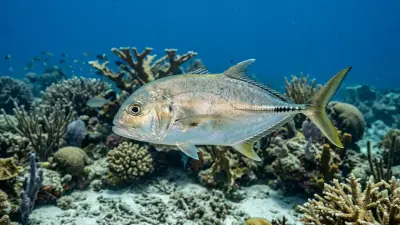
Horse-eye jacks
common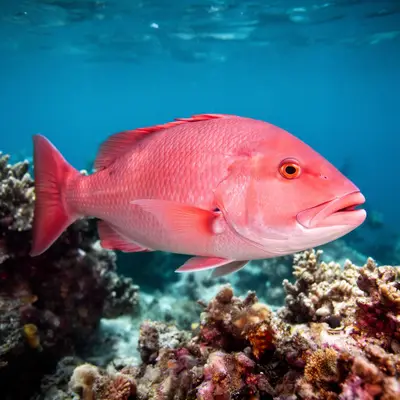
Cubera snapper
common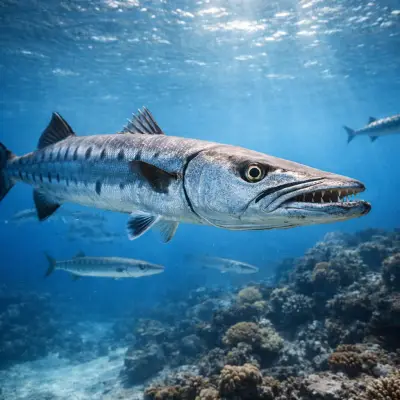
Barracuda
common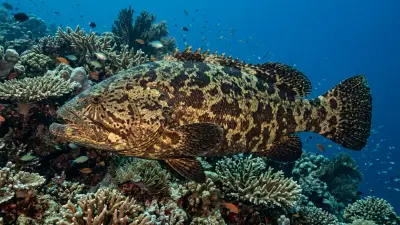
Large grouper
occasional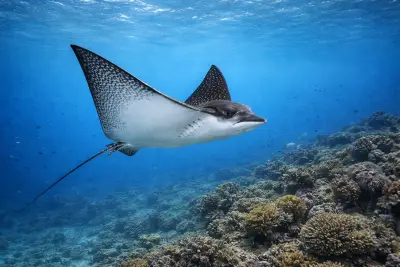
Eagle ray
occasional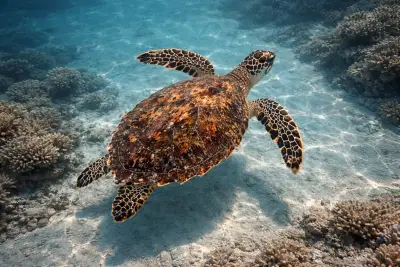
Hawksbill turtle
occasional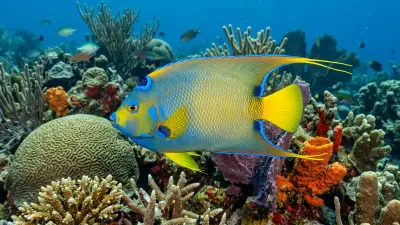
Queen angelfish
occasional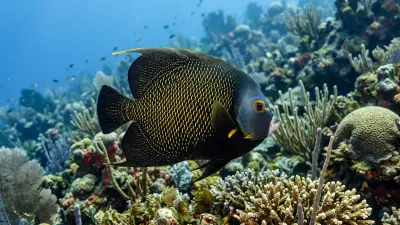
French angelfish
occasionalSchoolmaster snapper
occasional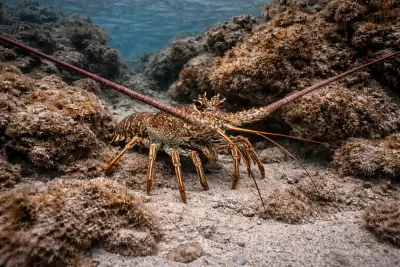
Lobster
occasional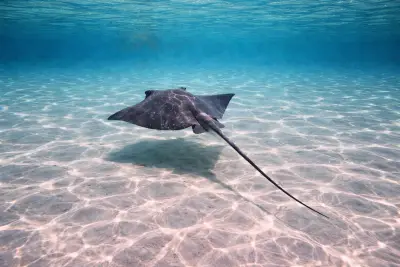
Southern stingray
occasional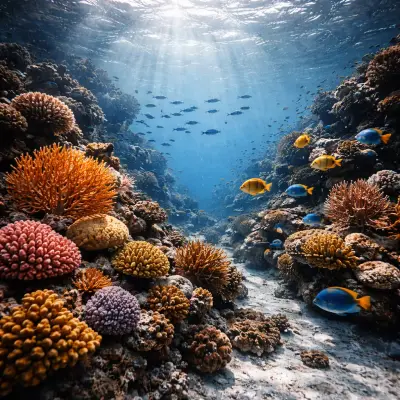
Banded coral shrimp
occasional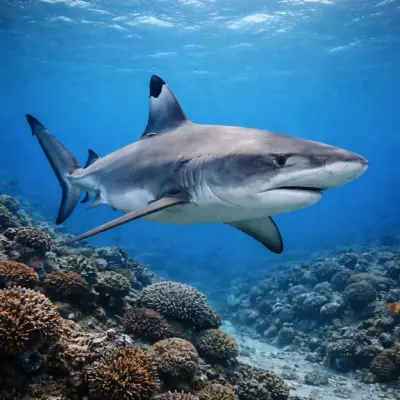
Reef sharks
occasionalDive profile & how the dive runs
Diving The Seamounts typically begins with a boat entry, often as a negative entry to descend quickly to the top of the pinnacle, which can be as shallow as 12 meters. The dive then follows the seamount structure, exploring its walls and plateaus. Divers will typically circle the seamount, observing the massive schools of jacks, snapper, and barracuda that congregate in the moderate currents. The route usually involves a gradual ascent along the coral-encrusted slopes, allowing exploration of healthy hard and soft corals, giant barrel sponges, and gorgonian sea fans. Turn points are often dictated by air consumption and depth limits, with the deepest parts reaching around 35 meters. Safety stops are conducted in the shallower sections of the seamount or mid-water, depending on conditions and boat positioning. Given the often moderate currents, divers should maintain awareness of their position relative to the boat and be prepared for potential drift. The pristine nature of the site means strict buoyancy control is essential to protect the delicate corals.
Underwater photography
The Seamounts offer exceptional opportunities for wide-angle photography, capturing the dramatic underwater topography and the immense schools of pelagic fish. A wide-angle lens is essential for encompassing the vast schools of jacks, snapper, and barracuda that frequently block out the light. Strobes are recommended to bring out the vibrant colors of the healthy hard and soft corals and the deep-water gorgonians. Divers should maintain excellent buoyancy control to avoid stirring up sediment or damaging the pristine reef structures, especially when positioning for shots in currents. Be prepared for dynamic lighting conditions due to the schooling fish. For macro subjects on the coral-rich walls, a macro lens can capture the smaller creatures, though the primary draw is the large-scale pelagic action. Respect marine life by observing from a distance and avoid chasing or disturbing fish for a shot.
Combine with nearby dive sites
- Pelican Point
A general all-around site with healthy corals and good macro, located in Cayos Cochinos.
- Lion's Head
Suitable for newer divers and macro photographers, featuring large coral heads and channels in Cayos Cochinos.
Getting there & logistics
Access to The Seamounts, situated in the Cayos Cochinos marine reserve, is primarily through day trips from mainland Honduras departure points such as La Ceiba and the Garifuna village of Sambo Creek, with boat journeys typically lasting 1 to 1.5 hours. Roatan-based operators also offer day trips or overnighters, though these tend to be more expensive due to the longer crossing. Some Honduras liveaboards include Cayos Cochinos in their itineraries, offering a more extensive exploration. The nearest international airport for Cayos Cochinos is Golosón International Airport (LCE) in La Ceiba. An entry fee is required, which directly supports the Honduras Coral Reef Fund (HCRF) for park management and protection. Trip lengths vary, from single day trips to multi-day liveaboard excursions, often combining dives with beach lunches on the small islands.
Safety & environment
Diving at The Seamounts requires careful consideration of safety, particularly due to the potential for moderate currents and deeper dive profiles. Divers should be proficient in current diving techniques and maintain excellent buoyancy control. The nearest recompression chamber is located in Roatan, which is a significant distance away, making emergency evacuation a concern. Divers Alert Network (DAN) insurance or similar comprehensive dive accident insurance is highly recommended. All divers should ensure their equipment is in excellent working condition and consider carrying a surface marker buoy (SMB) for drift dives or in case of separation. Always dive with a buddy and follow the dive guide's instructions. Respect the marine reserve rules, which prohibit touching or collecting marine life and fishing, to preserve the pristine environment.
Who it suits — and who it doesn't
Suited for
- Advanced Open Water Divers
- Divers seeking pelagic encounters
- Underwater photographers with wide-angle focus
- Divers comfortable with moderate currents
- Environmentally conscious divers
Less suited for
- Beginner divers without current experience
- Divers prone to seasickness on offshore trips
- Divers seeking only macro subjects
- Those on a tight budget for day trips from Roatan
FAQ
The Seamounts FAQ
What kind of marine life can I expect to see at The Seamounts?
At The Seamounts, you can anticipate encountering massive schools of horse-eye jacks, cubera snapper, and barracuda, which are a primary highlight. Occasionally, large groupers and eagle rays are spotted. The vibrant coral structures also host a variety of reef fish like queen angelfish, French angelfish, and schoolmaster snapper, alongside creatures such as lobsters and banded coral shrimp.
What are the typical dive conditions like at The Seamounts?
The Seamounts generally offer excellent visibility, often ranging from 25 to over 30 meters. Water temperatures are comfortably warm, typically between 25–29 °C. Divers should be prepared for moderate currents, which are characteristic of these offshore pinnacles and contribute to the rich pelagic life. These conditions make for dynamic and rewarding dives.
How are The Seamounts protected, and what does this mean for divers?
The Seamounts are part of the Cayos Cochinos marine reserve, established in 1993, with strict protections against commercial fishing, netting, and trapping. This means divers will experience pristine reefs with abundant fish life. Visitors are required to pay an entry fee, which directly supports the Honduras Coral Reef Fund (HCRF) in managing and enforcing the park's conservation efforts, ensuring the ecosystem remains healthy.
Is "The Seamounts" one specific dive site, or does it refer to multiple locations?
While the sources refer to 'the seamounts' as a general type of dive site within Cayos Cochinos, there are specific named seamounts like Roatan Banks (also known as Cocos Seamount) and CJ's Garden that exemplify these characteristics. These sites are underwater mountains attracting pelagic species. So, 'The Seamounts' can refer to these distinct, individual sites or the general category of seamount diving in the area.
What is the recommended diving skill level for The Seamounts?
Diving at The Seamounts is generally recommended for intermediate to advanced divers. This is primarily due to the potential for moderate currents and the typical dive depths, which can extend to 35 meters. Experience in drift diving and good buoyancy control are beneficial to fully enjoy and safely navigate these dynamic offshore sites.
Why dive The Seamounts from a liveaboard?
The Seamounts is one of Honduras's signature dive sites. A liveaboard sleeps you on the water and puts you in the water for three to four guided dives per day, including dawn and night dives that day-boat operators rarely offer. You skip the daily commute back to port and reach quieter, less-crowded sites in the same region on a single trip.
Below are the liveaboards that include The Seamounts on their Honduras itineraries.
Liveaboards diving The Seamounts
These liveaboards may visit The Seamounts on selected itineraries — the exact dive sites depend on departure, weather and conditions.
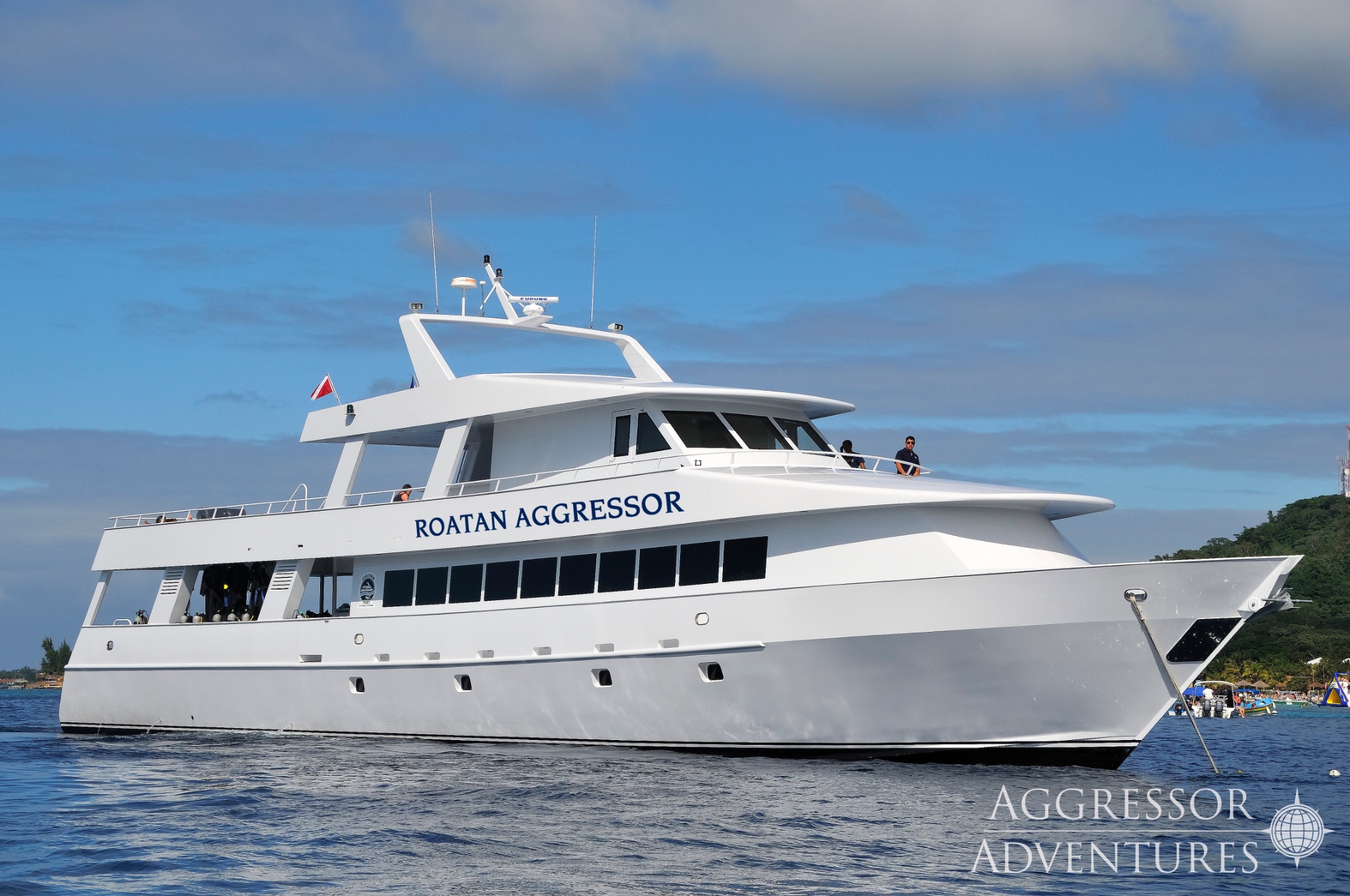
Roatan Aggressor
Honduras
18 guests31.1 m
$309/day
Dive sites similar to The Seamounts
Same character, same waters — six more sites divers love for the exact same reasons.Compare seasons, access and liveaboard routes — then pick the site that fits your trip best.
© Esri — Maxar, Earthstar, GIS
Blackish Point
Honduras
Blackish Point is a captivating shore-drift wall dive located on the north side of Utila, offering a unique blend of volcanic rock formations, soft corals, and an intricate network of caves, overhangs, and crevices.
- Suitable for
- Intermediate
- Current
- Mild
- Access
- Shore / dayboat
- Depth
- 11–27 m
- Theme
- Cave & cavern / Drift
© Esri — Maxar, Earthstar, GIS
Gold Chain Reef
Honduras
Gold Chain Reef is a celebrated dive site located off the coast of Roatan, Honduras, within the vast Mesoamerican Barrier Reef System, the world's second-largest coral reef.
- Suitable for
- Intermediate
- Current
- Mild
- Access
- Liveaboard only
- Depth
- 3–9 m
- Theme
- Wall
© Esri — Maxar, Earthstar, GIS
Jack Neil Bight
Honduras
Jack Neil Bight is a notable dive site located on the south side of Utila, Honduras, part of the Bay Islands archipelago, known for its calm conditions and diverse underwater scenery.
- Suitable for
- Beginner
- Current
- Mild
- Access
- Dayboat
- Depth
- 2–40 m
- Theme
- Reef / Wall
© Esri — Maxar, Earthstar, GIS
Hole in the Wall
Honduras
Hole in the Wall is a celebrated dive site in Roatan, part of the extensive Mesoamerican Barrier Reef System, which is the second-largest barrier reef globally.
- Suitable for
- Beginner
- Current
- No current
- Access
- Liveaboard only
- Depth
- 33–33 m
- Theme
- Wall / Cavern
© Esri — Maxar, Earthstar, GIS
Green Out House Wall
Honduras
Green Out House Wall is a notable dive site in Roatan, recognized for its distinct wall topography and the potential for drift diving.
- Suitable for
- Intermediate
- Current
- Moderate
- Access
- Dayboat
- Depth
- ≤ 22 m
- Theme
- Wall / Drift
© Esri — Maxar, Earthstar, GIS
Jack Neal Point
Honduras
Jack Neal Point is a captivating dive site located off the western coast of Roatan, Honduras, nestled within the larger Mesoamerican Barrier Reef System, the second-largest barrier reef globally.
- Suitable for
- Beginner
- Current
- Mild
- Access
- Dayboat
- Depth
- 5–30 m
- Theme
- Reef / Wall