About The Canyon
The Canyon, located in Dahab, is a renowned dive site distinguished by its unique geological formation. It features an underwater split in the rock, almost entirely closed at the top, which descends from 18 meters to a maximum recreational depth of 30 meters, before continuing to deeper sections accessible only to technical divers. The dive begins with an easy shore entry into a shallow, sandy lagoon, leading to beautiful coral gardens before reaching the main Canyon entrance. Inside the Canyon, divers encounter an ethereal experience as light penetrates through ceiling cracks, illuminating columns of plankton and soft coral-encrusted walls. This creates a mesmerizing atmosphere, particularly within the coral dome filled with glassfish at the Canyon's upper reaches. The surrounding coral gardens are home to vibrant reef fish, offering abundant photographic opportunities. Marine life at The Canyon includes various butterflyfishes, unicornfishes, octopuses, and pufferfish, alongside the omnipresent Red Sea anthias. Moray eels and shrimp are often found in the wall crevices, while schools of dusky sweepers inhabit the deepest pockets of the fissure. The site is best explored over multiple visits to fully appreciate its rich biodiversity. Typically, the morning dive of a Dahab day trip, The Canyon offers a gentler depth profile and an easier start, preparing divers for more challenging sites. The exit is usually along the outer wall, concluding in a shallow coral garden known as "the fishbowl," which is rich with anthias and lionfish, and occasionally features a Red Sea Walkman scorpionfish. Total dive time is approximately 40-45 minutes.
Highlights
Vertical fissure diveGlassfish-filled coral domeLight shafts inside canyonShallow lagoon entryAbundant reef fishSoft coral wallsDusky sweeper schools
Season calendar
Best months to dive here
Jan
Feb
Mar
Apr
May
Jun
Jul
Aug
Sep
Oct
Nov
Dec
Excellent
Dive site facts: The Canyon
- Depth
- 1–30 m (recreational)
- Typical dive
- 18–30 m, 40–45 min
- Current
- Mild
- Visibility
- 20–40 m
- Water temperature
- 21–30°C
- Entry
- Shore entry via shallow lagoon
- Level
- Open Water Diver
- Dive type
- Wall, canyon, reef
- Region / port
- Dahab, Sinai Peninsula
- Coordinates
- 28.585, 34.531
Conditions & Currents
Currents at The Canyon are generally mild, making it suitable for a wide range of diver experience levels. The entry and exit points through the shallow, sandy lagoon are typically calm. Within the Canyon itself, water movement is minimal due to its sheltered, fissured structure, allowing for relaxed exploration of its unique features and marine inhabitants. While the surrounding open water may experience some gentle movement, it rarely poses a challenge for divers. Divers should still pay attention to buoyancy, especially when navigating inside the narrow sections of the Canyon to avoid contact with the delicate coral and rock formations. Visibility is consistently good, often exceeding 20 meters, though occasional plankton blooms can slightly reduce it without impacting the dive experience significantly.
Marine life & sighting chances

Butterflyfishes
common
Unicornfishes
common
Octopus
occasional
Pufferfish
common
Red Sea Anthias
common
Dusky Sweepers
common
Moray Eels
common
Shrimp
common
Lionfish
common
Red Sea Walkman Scorpionfish
occasional
Glassfish
commonDive profile & how the dive runs
The dive at The Canyon begins with an easy shore entry through a shallow, sandy lagoon, typically 1-3 meters deep. After traversing the lagoon, divers reach open water with coral gardens and a gently sloping seabed that descends from 10 meters to around 20 meters. The main entrance to The Canyon appears as a distinct black slot in the reef. Divers enter the Canyon at its largest point, around 18-20 meters, and descend further into the fissure, which reaches a maximum recreational depth of 30 meters. Inside, light shafts penetrate from above, illuminating the soft coral-encrusted walls and resident dusky sweeper schools. After exploring the Canyon's unique internal structure and observing the various creatures in its crevices, divers exit at the deepest point and ascend along the outer wall. The dive concludes in the shallower coral garden known as "the fishbowl" (7-10m) where the safety stop is performed amidst abundant reef fish, before returning to the shore entry point.
Underwater photography
The Canyon presents exceptional opportunities for wide-angle and macro photography. For the dramatic light shafts piercing through the canyon, a wide-angle lens is essential to capture the scale and ethereal atmosphere. Internally, a dive light is highly recommended to illuminate the soft corals and details within the crevices, especially for macro shots of moray eels, shrimp, and other cryptic inhabitants. Pay close attention to buoyancy inside the narrow sections to avoid disturbing the environment. Outside the Canyon, the coral gardens and "fishbowl" are vibrant for natural light wide-angle shots of schooling fish and reef scenes. Strobes can enhance colors and reduce backscatter, particularly when shooting into the deeper, darker parts of the fissure or capturing the textures of the coral walls.
Combine with nearby dive sites
- The Bells
Often combined with The Blue Hole for a classic Dahab drift dive.
- Blue Hole Dahab
A famous sinkhole, typically part of a two-dive day trip with The Canyon.
- Eel Garden
Known for its garden eels and often combined with Lighthouse for a drift.
- The Lighthouse
A popular, accessible site often used for training and combined with Eel Garden.
- Moray Garden
A shore dive south of Dahab, known for stony corals and macro life.
Getting there & logistics
Diving The Canyon is primarily arranged as a day trip from Dahab, or as part of a longer excursion from Sharm El Sheikh, which is a 90-minute drive away. The closest international airport for direct arrival is Sharm El Sheikh International Airport (SSH). Most operators combine The Canyon with the nearby Blue Hole (via The Bells entry) for a two-dive itinerary, often including lunch at a Bedouin restaurant near the Blue Hole. Transportation from Dahab is typically by jeep, as both sites are accessible from shore. No specific park fees are mentioned for The Canyon itself, but some operators may include general Dahab area permits in their pricing. Trip lengths are usually full-day excursions from Dahab or Sharm El Sheikh.
Safety & environment
While The Canyon is considered a relatively safe and accessible dive site, general Red Sea diving safety protocols apply. It is crucial to dive within your certified limits, especially regarding depth, as the Canyon continues past 30 meters for technical divers only. Always dive with a reputable operator, ensure your equipment is well-maintained, and follow your dive guide's instructions. Currents are mild, but good buoyancy control is necessary inside the Canyon to avoid contact with the fragile coral and rock formations. The nearest recompression chamber is located in Sharm El Sheikh. Divers should always have appropriate dive insurance that covers emergency medical evacuation and recompression treatment. Given the remote location from major hospitals, prompt medical attention for serious incidents may involve significant travel time.
Who it suits — and who it doesn't
Suited for
- Open Water certified divers
- Divers seeking unique topography
- Underwater photographers
- Divers comfortable with confined spaces
- Those who enjoy shore entries
Less suited for
- Divers with claustrophobia
- Beginners without good buoyancy control
- Those uninterested in reef and geological features
- Divers relying solely on boat entries
FAQ
The Canyon FAQ
What makes The Canyon a unique dive site?
The Canyon is unique due to its geological formation: a deep, narrow fissure in the reef that opens up to a larger chamber. Inside, divers can experience spectacular light shafts piercing through cracks in the ceiling, illuminating soft coral-encrusted walls and schooling fish, creating an almost otherworldly atmosphere.
What marine life can I expect to see in The Canyon?
You can expect to encounter a variety of reef fish like butterflyfishes, unicornfishes, and numerous Red Sea anthias in the coral gardens. Inside the Canyon itself, you'll find schools of dusky sweepers, moray eels and shrimp in crevices, and occasional octopuses and pufferfish along the surrounding reef.
What is the typical depth and duration of a dive at The Canyon?
The Canyon dive typically ranges from 18 meters at its entrance to a maximum recreational depth of 30 meters. The average dive time is about 40-45 minutes, allowing ample opportunity to explore the fissure and the surrounding coral gardens, including the shallow "fishbowl" for the safety stop.
Is The Canyon suitable for beginners?
The Canyon is suitable for Open Water certified divers with good buoyancy control. While the entry through a shallow lagoon is easy and currents are mild, navigating inside the fissure requires comfort in somewhat confined spaces and precision to avoid contact with the delicate environment.
How do I get to The Canyon, and is it usually combined with other dives?
The Canyon is typically accessed via a shore entry from Dahab. It is almost always combined with a dive at the famous Blue Hole (entered via The Bells) as part of a full-day two-dive trip from Dahab, or as an excursion from Sharm El Sheikh.
Why dive The Canyon from a liveaboard?
The Canyon is one of Egypt's signature dive sites. A liveaboard sleeps you on the water and puts you in the water for three to four guided dives per day, including dawn and night dives that day-boat operators rarely offer. You skip the daily commute back to port and reach quieter, less-crowded sites in the same region on a single trip.
Below are the liveaboards that include The Canyon on their Egypt itineraries.
Liveaboards diving The Canyon
These liveaboards may visit The Canyon on selected itineraries — the exact dive sites depend on departure, weather and conditions.
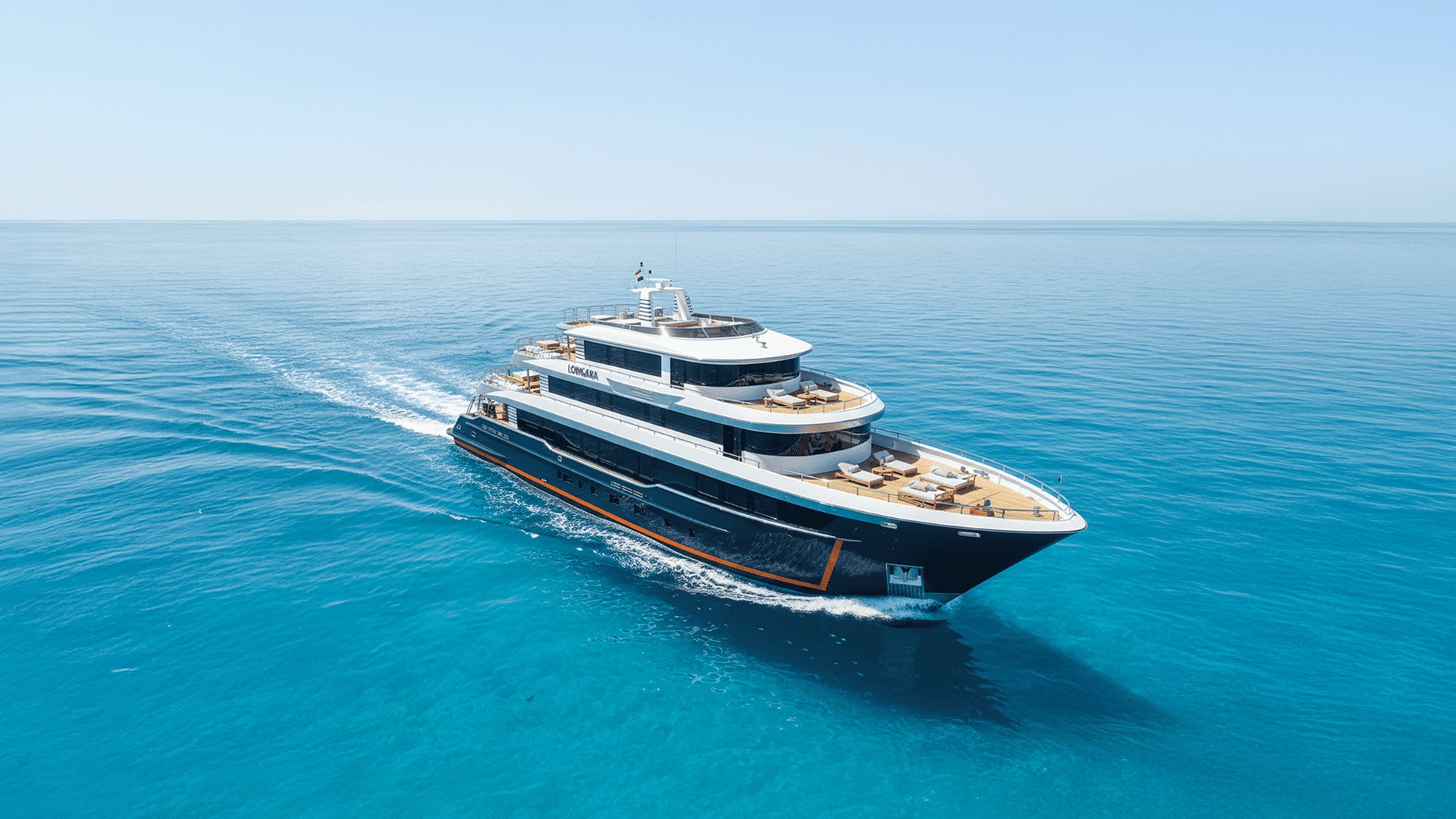
DUNE Longara
Egypt
30 guests
$150/day
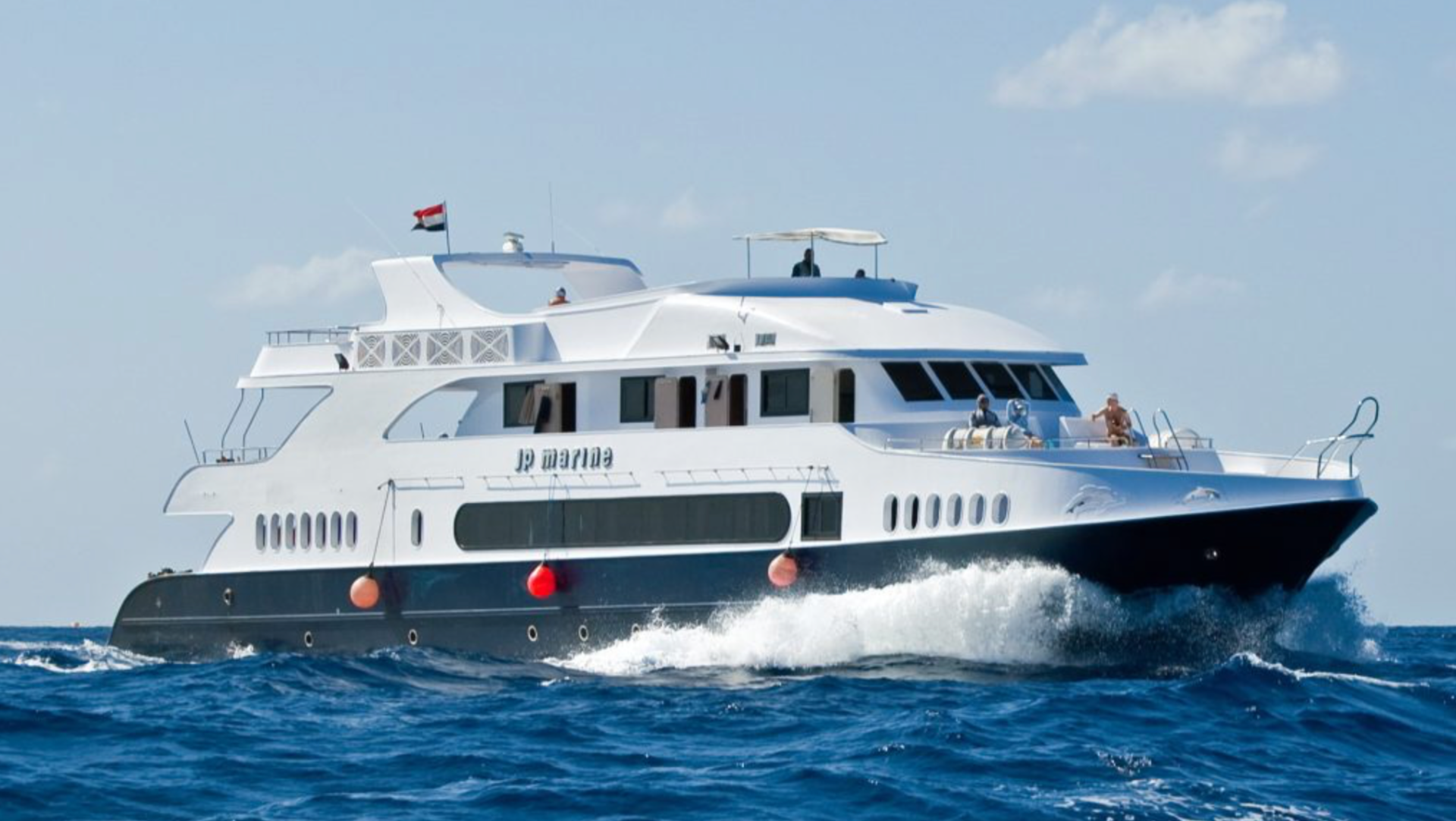
JP Marine
Egypt
28 guests
$109/day
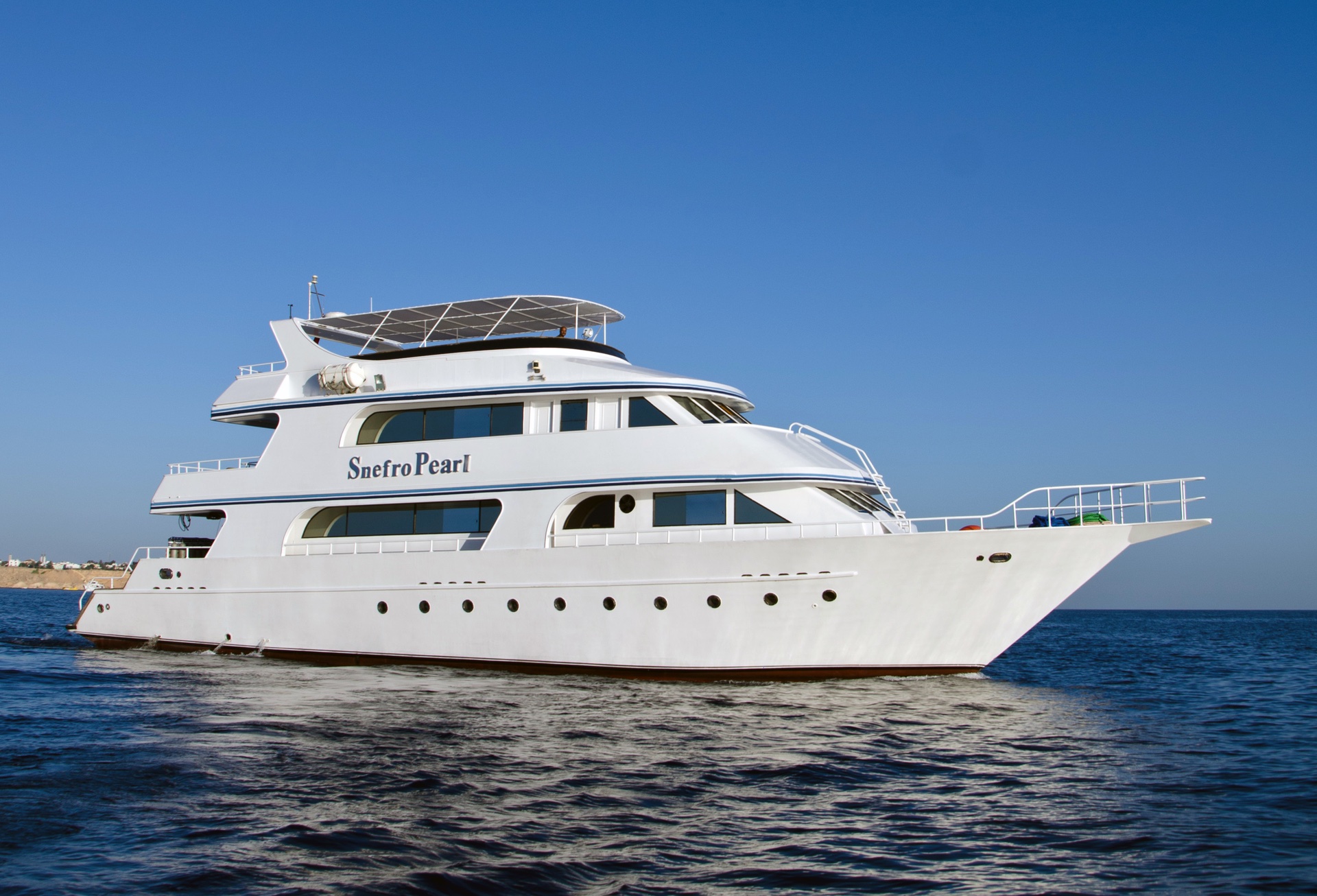
Snefro Pearl
Egypt
12 guests
$150/day
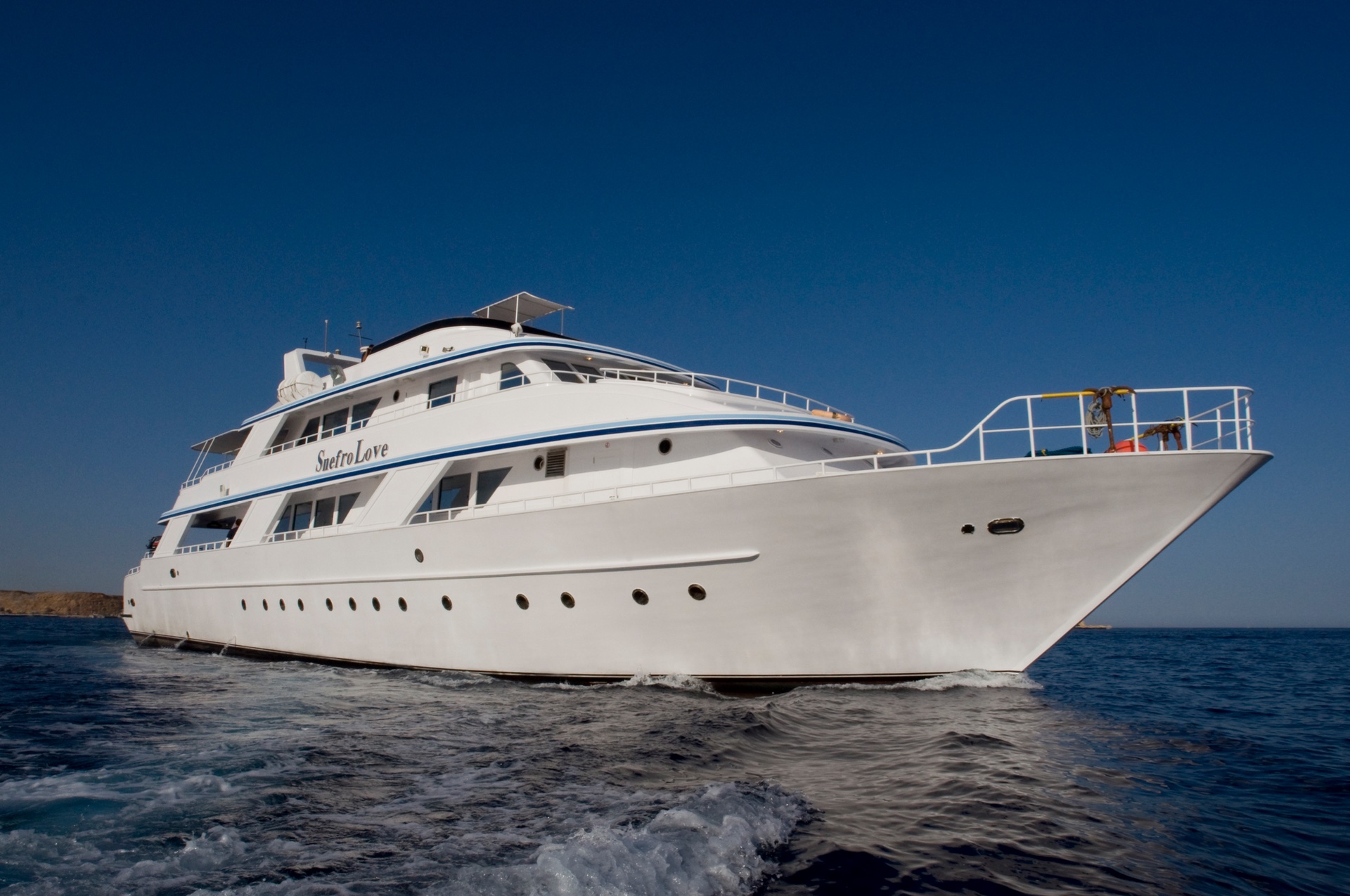
Snefro Love
Egypt
20 guests
$154/day
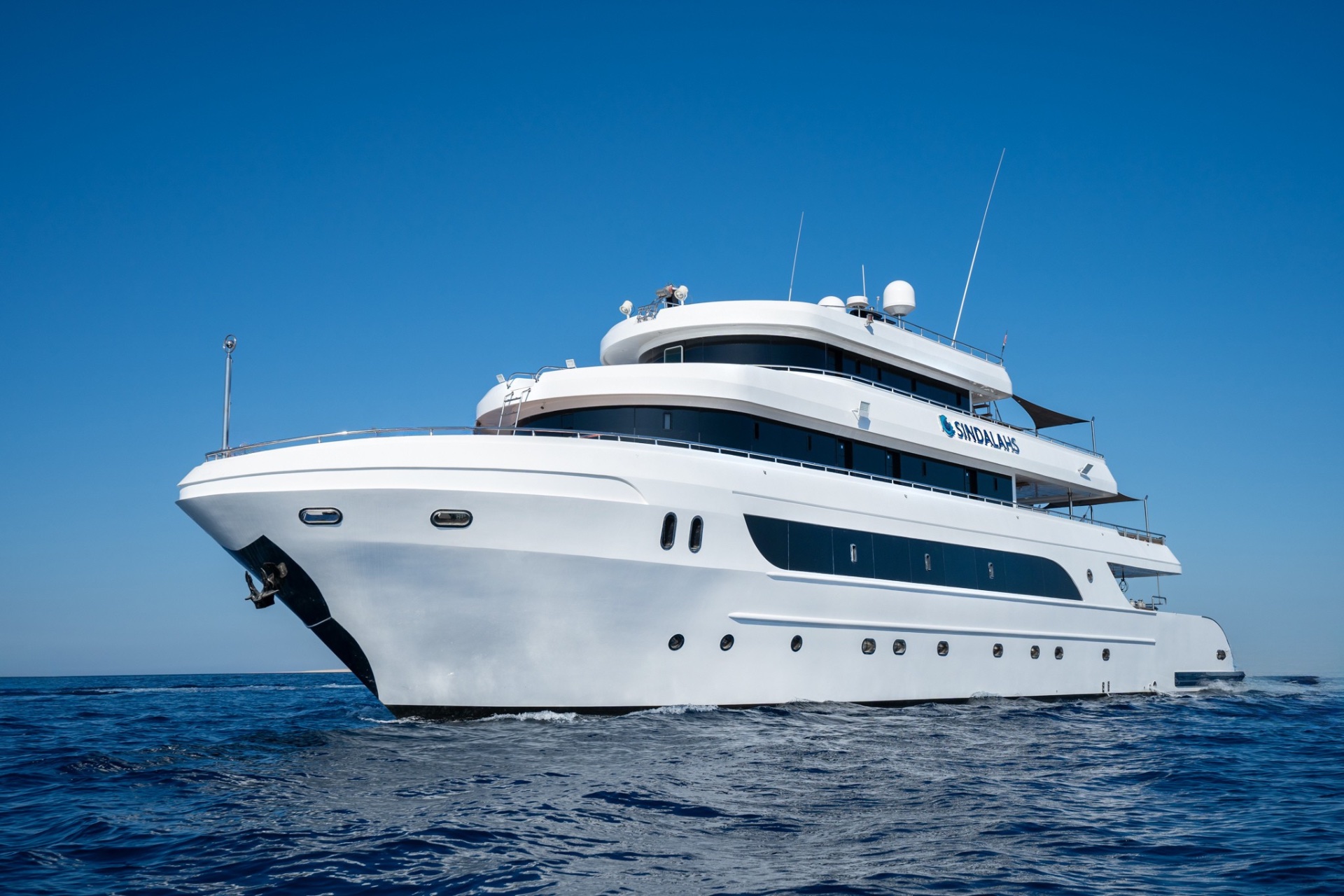
Sindalahs
Egypt
26 guests38 m
$155/day
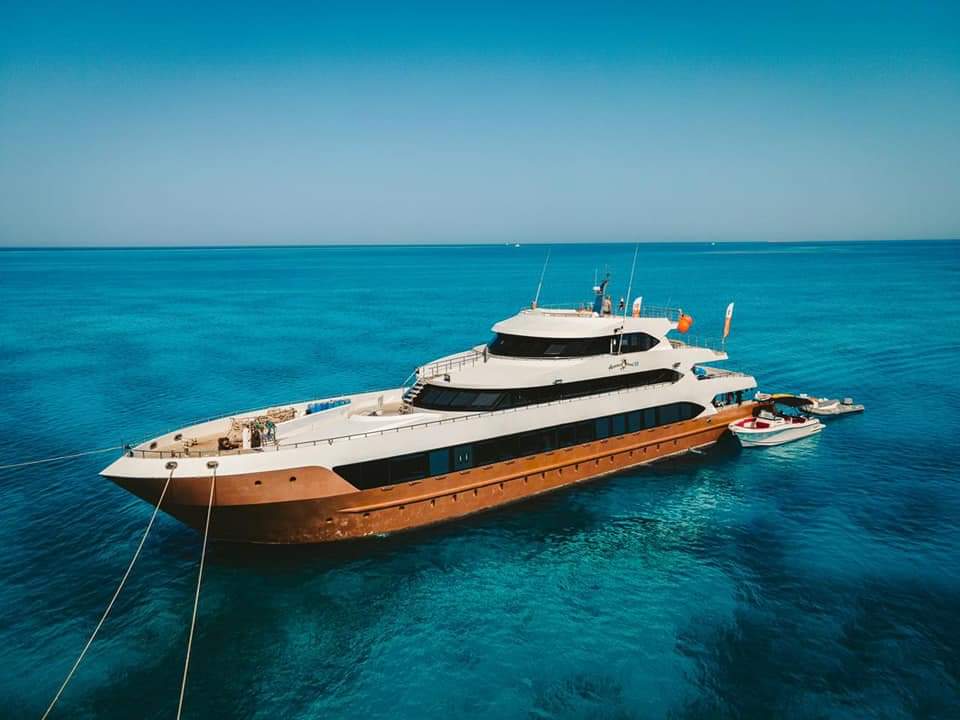
Hammerhead II
Egypt
20 guests
$172/day
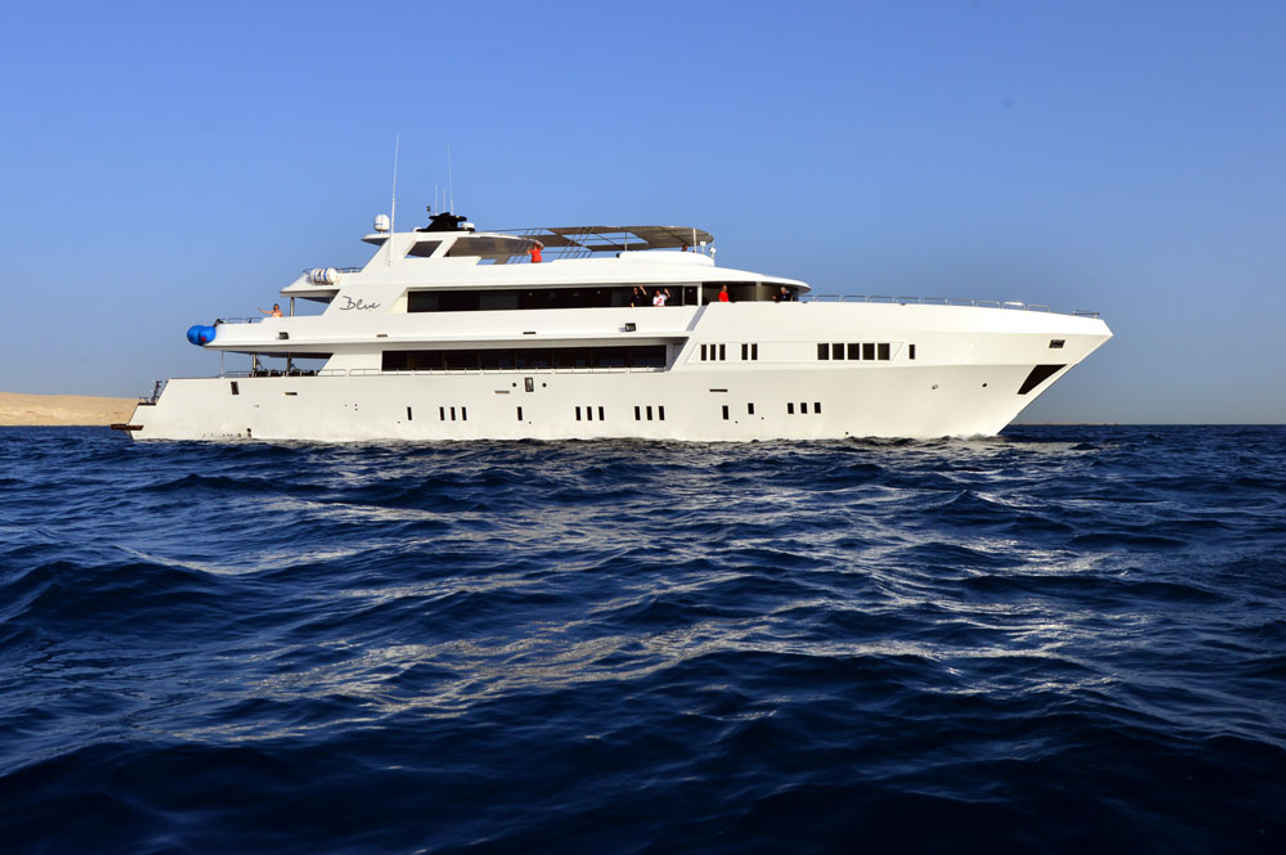
Blue Liveaboard
Egypt
24 guests43 m
$172/day
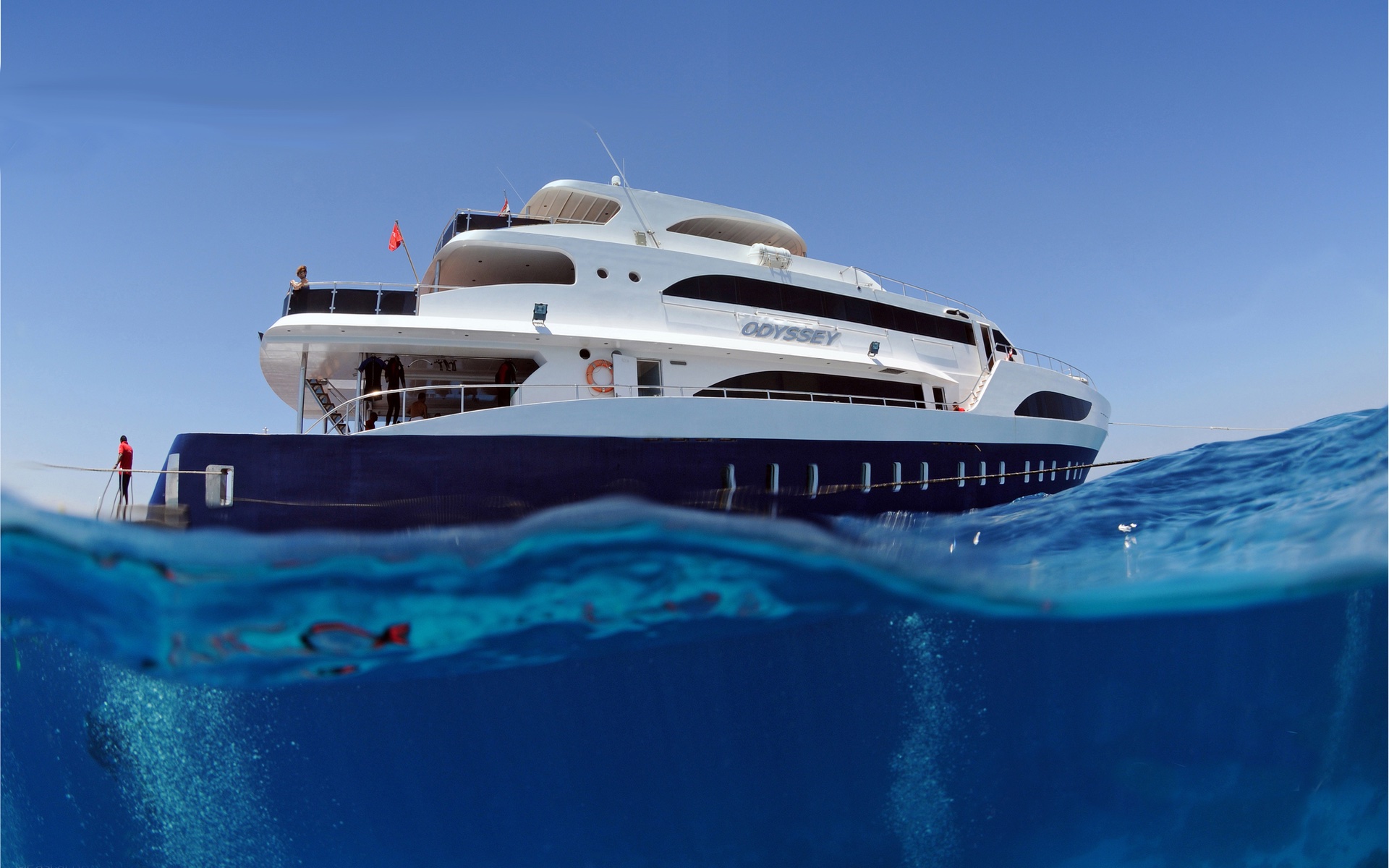
Odyssey
Egypt
26 guests40 m
$185/day
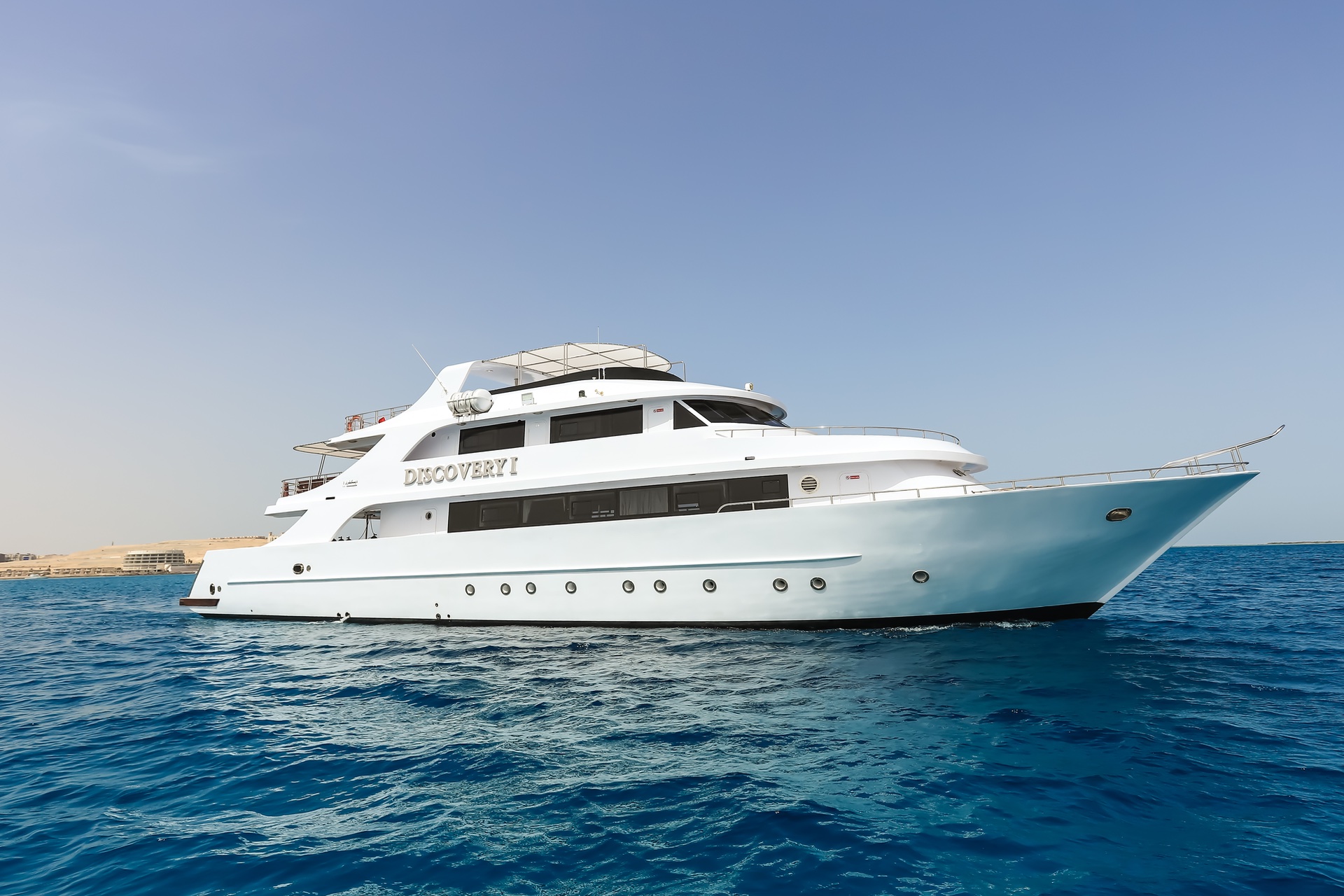
Discovery I
Egypt
20 guests
$104/day
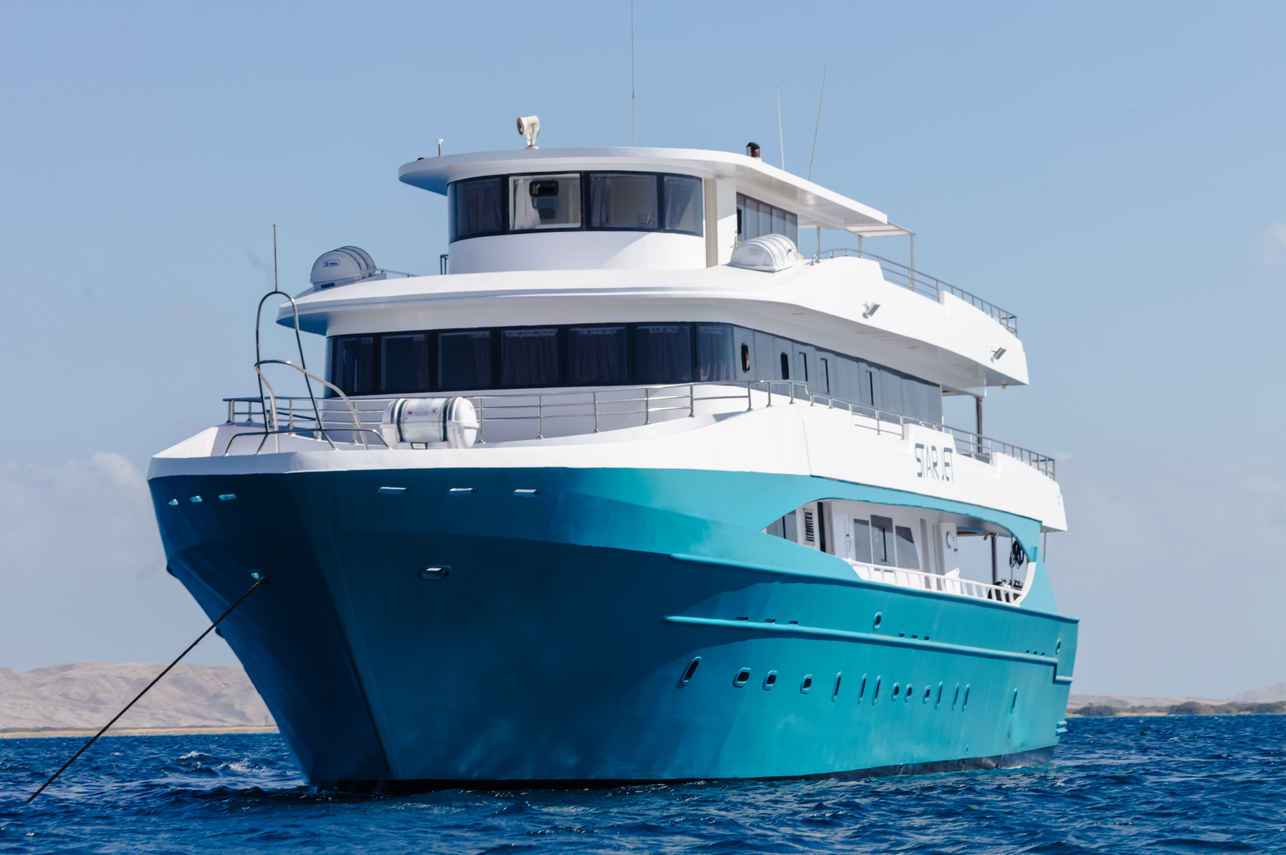
Star Jet
Egypt
28 guests35 m
$145/day
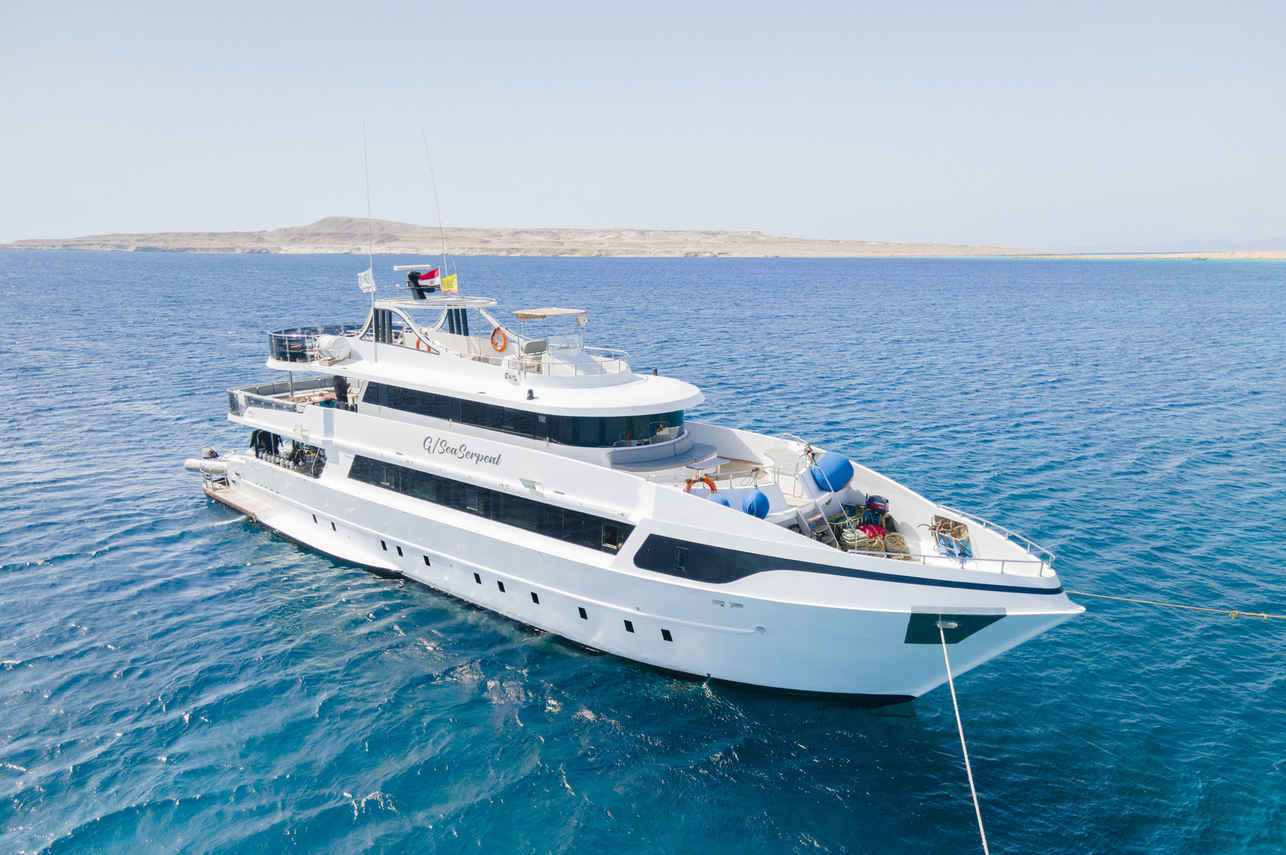
SS Serena Dreams
Egypt
18 guests33 m
$159/day
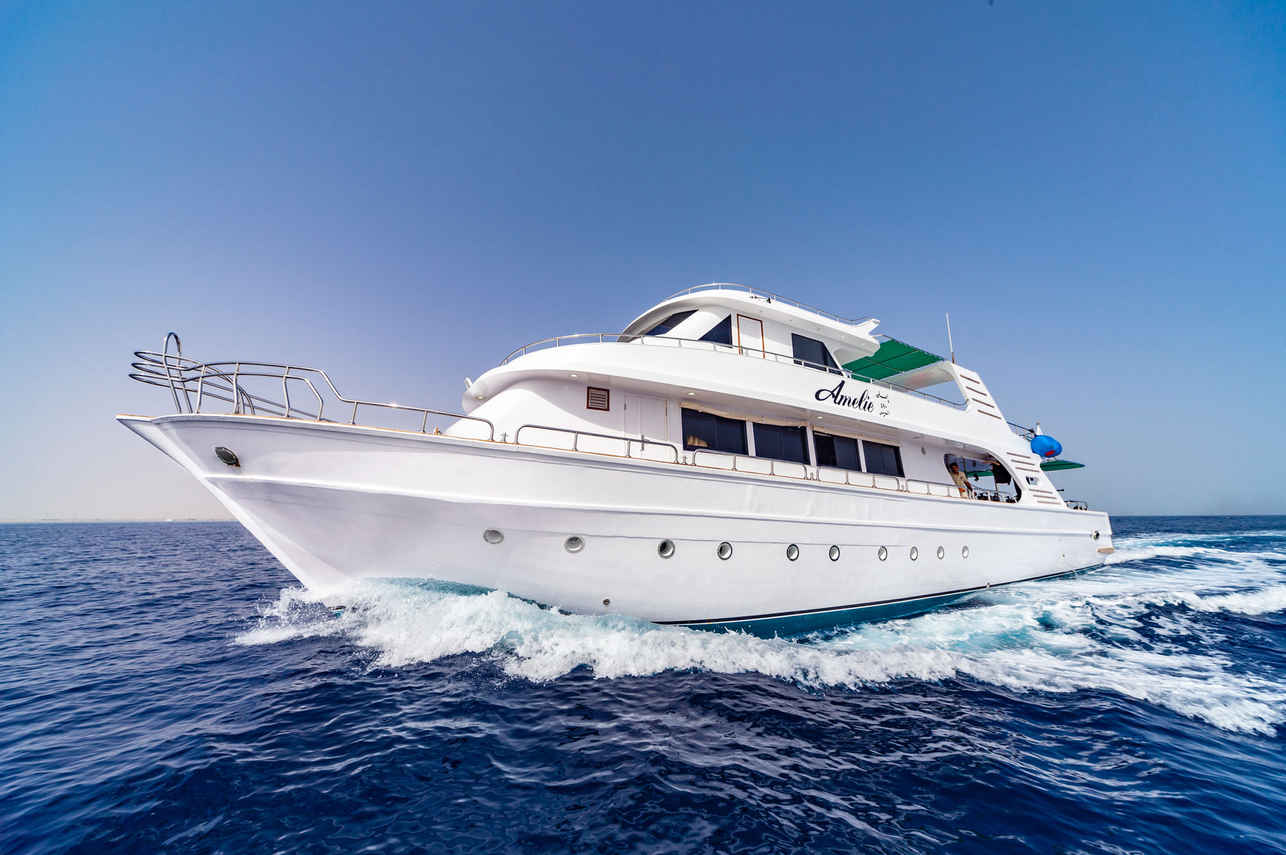
Amelie
Egypt
12 guests23 m
$115/day
Dive sites similar to The Canyon
Same character, same waters — six more sites divers love for the exact same reasons.Compare seasons, access and liveaboard routes — then pick the site that fits your trip best.
© Esri — Maxar, Earthstar, GIS
El Fanadir North
Egypt
El Fanadir North is a prominent reef system in the Red Sea, situated roughly 4 kilometers offshore from Hurghada.
- Suitable for
- Advanced
- Current
- Moderate
- Access
- Liveaboard or dayboat
- Depth
- 12–70 m
- Theme
- Drift / Reef
© Esri — Maxar, Earthstar, GIS
Gota Soraya
Egypt
Gota Soraya stands out as one of the Red Sea's premier wall dives, located in the southern region near the Sudanese border.
- Suitable for
- Advanced
- Current
- Moderate
- Access
- Liveaboard only
- Depth
- ≤ 20 m
- Theme
- Wall
© Esri — Maxar, Earthstar, GIS
Umm Kharalim
Egypt
Umm Kharalim, also known as St. John's Caves, is a distinctive dive site nestled within the remote St. John's reef system in the southern Red Sea, close to Egypt's border with Sudan.
- Suitable for
- Advanced
- Current
- Strong
- Access
- Liveaboard only
- Depth
- 3–15 m
- Theme
- Cave & cavern
© Esri — Maxar, Earthstar, GIS
Thomas Reef
Egypt
Thomas Reef is one of the four prominent coral reefs within the Straits of Tiran, accessible by boat and famed for its dramatic topography and rich marine biodiversity.
- Suitable for
- Advanced
- Current
- Strong
- Access
- Liveaboard only
- Depth
- ≤ 92 m
- Theme
- Cave & cavern / Drift
Umm Gamar, translating to 'Mother of the Moon' due to its crescent shape, is a long, narrow offshore island reef situated approximately 16 kilometers north of Hurghada.
- Suitable for
- Intermediate
- Current
- Moderate
- Access
- Liveaboard or dayboat
- Depth
- 8–37 m
- Theme
- Reef / Wall
© Esri — Maxar, Earthstar, GIS
Little Brother
Egypt
Little Brother is the smaller of Egypt's two remote Brothers Islands, rising steeply from the open Red Sea.
- Suitable for
- Advanced
- Current
- Strong
- Access
- Liveaboard only
- Depth
- 5–40 m
- Theme
- Reef / Wall