About Suflani Reef
Suflani Reef, located south of Yanbu, is distinguished by its fascinating geological formations within the reef wall. Divers encounter unique recesses and cavities at shallow depths, forming corridors that penetrate the reef structure. At specific times, sunlight streams through these cracks, creating stunning visual effects as it illuminates the interior of these underwater passages. This site is part of the larger Seven Sisters area, celebrated for its exceptionally healthy hard and soft coral formations. The topography here includes walls, plateaus, and rock formations, with overall depths in the region ranging from 5 to 35 meters. Suflani Reef itself features sections where you can enter these striking natural corridors, offering a truly distinctive diving experience. The marine ecosystem is robust, supporting a rich diversity of fish and invertebrates, typical of the pristine Saudi Red Sea. While larger pelagics like hammerheads are sighted in the broader Seven Sisters region, Suflani Reef's appeal lies in its intricate structure and the interplay of light and coral. The diving here is pristine and largely unspoiled due to low diver traffic, offering conditions reminiscent of the Red Sea's earlier days. Access to Suflani Reef is typically via liveaboard from Yanbu, as part of an itinerary that explores the Seven Sisters area. Dives often involve drift techniques due to mild to moderate currents, requiring careful attention to entry and exit procedures.
Highlights
Sunlit reef corridors and cavitiesPristine hard and soft coralsDramatic reef wall recessesUnique geological formationsAbundant reef fish lifeLow diver trafficExceptional visibility
Season calendar
Best months to dive here
Jan
Feb
Mar
Apr
May
Jun
Jul
Aug
Sep
Oct
Nov
Dec
Excellent
Good
Dive site facts: Suflani Reef
- Depth
- Shallow areas to 35 m (regionally)
- Current
- Mild to moderate
- Visibility
- 15–60 m
- Water temperature
- 26–32°C
- Entry
- Tender / negative entry (from liveaboard)
- Level
- Advanced recommended
- Dive type
- Wall, coral garden, light play
- Region / port
- Yanbu
- Coordinates
- 22.4184° N, 38.6639° E
Conditions & Currents
Currents at Suflani Reef, as part of the Seven Sisters area, are typically mild to moderate, making drift diving a common practice. Divers must pay close attention to the dive briefing for precise current direction and strength, which dictate entry, descent, and exit procedures. The boat tracks divers and picks them up downstream after the dive. While visibility is consistently excellent, often exceeding 15 meters and reaching up to 60 meters, plankton blooms in the hotter summer months can occasionally reduce it. Water temperatures range from 26°C to 32°C, ensuring comfortable conditions, though careful planning for surface intervals is advised in extreme heat. These conditions are suitable for advanced divers who are comfortable with drift diving techniques.
Marine life & sighting chances
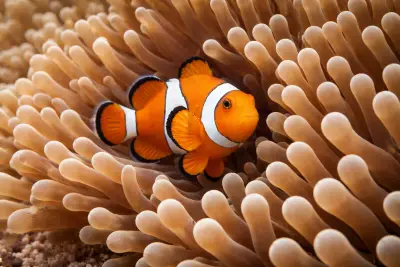
Red Sea Clownfish
common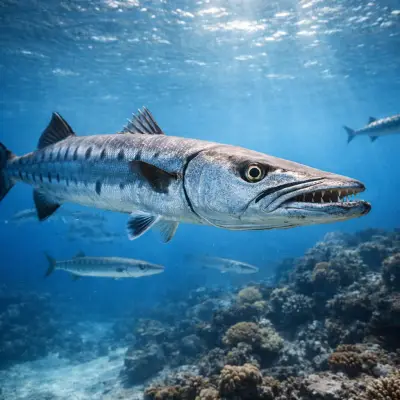
Barracuda
common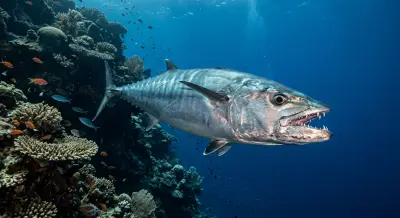
Dogtooth Tuna
occasional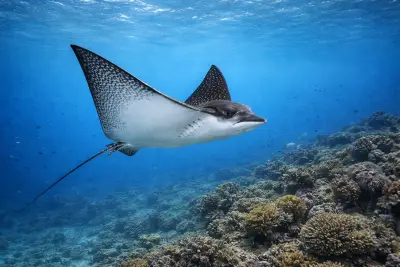
Eagle Ray
occasional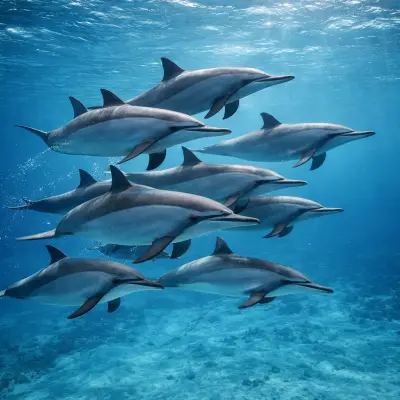
Dolphin
January to May, October–December · common
Turtle
Year-round, especially January–May · common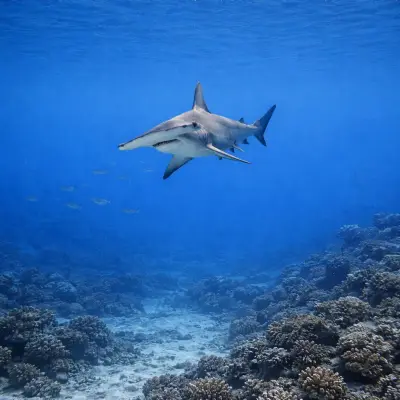
Hammerhead Shark
January to April, October, November · occasional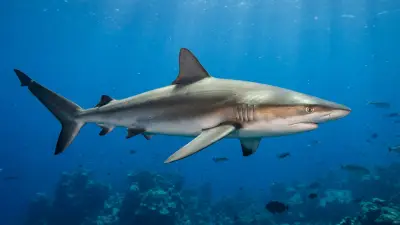
Silky Shark
January to May, September–October · occasional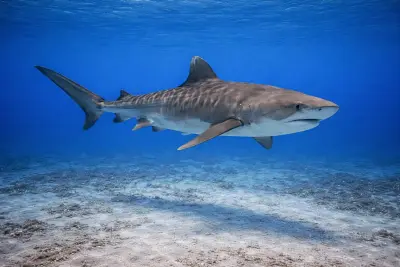
Tiger Shark
January to April, October · occasional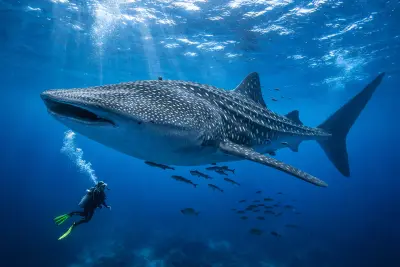
Whale Shark
February to May · occasional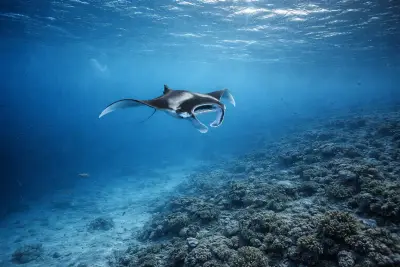
Manta Ray
January to May, October–December · occasional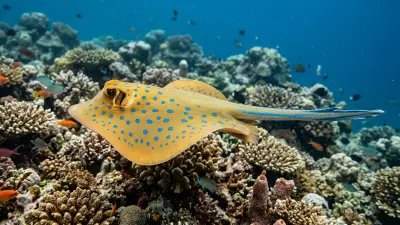
Dive profile & how the dive runs
Diving at Suflani Reef typically begins with a tender or negative entry from a liveaboard, with divers descending quickly to manage any surface current. The dive focuses on exploring the unique reef wall, particularly its recesses and cavities that form natural corridors. Divers can enter some of these passages at shallow depths, observing the dramatic light shafts that penetrate through cracks in the reef. The dive generally follows the reef wall or a plateau, with mild to moderate currents often guiding the drift. Depths can vary, but the main features are in shallower areas of the wall, with the broader reef system reaching up to 30-35 meters. Maintaining excellent buoyancy is crucial to protect the pristine corals. The dive profile allows for extended bottom time with a multi-level ascent. A safety stop is conducted at 5 meters, usually in a shallower part of the reef or in the blue, depending on the boat’s position and current. The liveaboard tracks divers and picks them up downstream, so divers must adhere closely to exit procedures.
Underwater photography
Suflani Reef offers exceptional opportunities for both wide-angle and ambient light photography, particularly within its distinctive reef corridors. A fisheye or wide rectilinear lens is ideal for capturing the sun's rays penetrating the cavities and the extensive coral formations. The exceptional visibility, often exceeding 40 meters, enhances ambient light shots. However, strobes are recommended to reveal the vibrant colors of both hard and soft corals. For macro subjects, a macro lens can be useful for capturing the smaller reef fish and invertebrates inhabiting the healthy corals. Photographers should maintain impeccable buoyancy to avoid contact with the pristine reef while framing shots of the unique light play.
Combine with nearby dive sites
- Long Reef
Long Reef (South) is the deeper southern section of an extensive offshore reef system located near Al Lith, Saudi Arabia.
- Mubarak Reef
Mubarak Reef is a significant dive site within the expansive Farasan Banks in Saudi Arabia, a region acclaimed for its unspoiled reefs and…
- King Abdullah Reef
King Abdullah Reef, named in honor of His Majesty King Abdullah II, is one of Aqaba's most cherished and healthy house reefs, nestled along…
- SS Iona
A British steamship wreck approximately 8 miles from Yanbu.
- Five Corals
The Five Corals, also referred to as the Five Sisters, represent a prominent dive site located in the Makkah Province of Saudi Arabia…
- Marker 35
Marker 35 is a captivating dive site situated within the Seven Sisters, a renowned collection of reef islands located approximately 18…
Getting there & logistics
Access to Suflani Reef is primarily via liveaboard departing from Yanbu, a major port city on Saudi Arabia's Red Sea coast. International travelers typically fly into King Abdulaziz International Airport (JED) in Jeddah, then connect to Yanbu (YNB) or arrange ground transport. Liveaboard trips in the Seven Sisters area, which includes Suflani Reef, typically span multiple days, offering an immersive experience away from crowded dive spots. Itineraries often combine various reef walls, coral gardens, and potential pelagic encounters. As tourism infrastructure is still developing, a liveaboard offers the most comprehensive way to explore these remote and pristine sites. Specific permits and marine park fees may apply, usually handled by the liveaboard operator.
Safety & environment
Diving in the Red Sea, including Suflani Reef, requires adherence to standard dive safety protocols. The nearest recompression chamber is likely located in Jeddah, a significant distance from the Seven Sisters area, underscoring the importance of insurance covering dive accidents and medical evacuation. Divers should ensure their insurance policy explicitly includes provisions for remote diving locations and air evacuation. Site-specific hazards at Suflani Reef include mild to moderate currents, necessitating careful attention to dive briefings and conservative dive planning. Advanced diver certification and experience with drift diving are recommended. Always dive within your training limits and with a reliable buddy. Maintaining excellent buoyancy is crucial to avoid damaging the pristine coral formations, which also protects you from potential sharp edges or stinging organisms.
Who it suits — and who it doesn't
Suited for
- Advanced divers comfortable with drift diving
- Underwater photographers seeking unique light effects
- Divers interested in pristine, uncrowded reefs
- Liveaboard enthusiasts
- Those seeking healthy coral ecosystems
Less suited for
- Beginner divers or those without current experience
- Divers uncomfortable with potential drift dives
- Those preferring shore-based diving
- Divers seeking exclusively macro subjects
- Those who dislike deeper, open water conditions
FAQ
Suflani Reef FAQ
What makes Suflani Reef unique for divers?
Suflani Reef is unique for its distinct reef wall topography featuring natural recesses and corridors. At certain times of day, sunlight penetrates through cracks into these passages, creating spectacular light effects that illuminate the internal reef structures. This interplay of light and shadow, combined with healthy corals, provides a visually stunning dive experience.
What kind of marine life can be seen at Suflani Reef?
While Suflani Reef is most noted for its topography, it supports a healthy Red Sea reef ecosystem. You can expect to see common reef fish like Red Sea clownfish and bluespotted ribbontail rays. The broader Seven Sisters area, which includes Suflani, also offers occasional sightings of larger pelagics such as barracuda, dolphins, turtles, and various sharks, including hammerheads, silky, and tiger sharks.
What are the typical conditions like for diving Suflani Reef?
Suflani Reef generally offers excellent diving conditions, including remarkable visibility often ranging from 15 to 60 meters. Water temperatures are warm, typically between 26°C and 32°C. Currents are usually mild to moderate, making drift diving a common practice, but always manageable with proper briefing and planning.
Is Suflani Reef suitable for all diver levels?
Suflani Reef, located within the Seven Sisters area, is generally recommended for advanced divers. This is due to the potential for mild to moderate currents and the common practice of drift diving. Divers should be comfortable with these conditions and possess good buoyancy control to navigate the unique reef structures without causing damage.
How do you access Suflani Reef?
Suflani Reef is best accessed via liveaboard trips departing from Yanbu. It is typically part of a multi-day itinerary exploring the Seven Sisters area, which is known for its pristine and remote dive sites. Liveaboards provide the most practical way to reach and dive this and other offshore reefs in the region.
When is the best time of year to visit Suflani Reef?
The overall best time to dive Suflani Reef for ideal conditions, including comfortable water temperatures and excellent visibility, is from October to May. However, consistent warm water and good visibility for the Yanbu region extend from March to September, making both periods excellent for visiting the site.
Why dive Suflani Reef from a liveaboard?
Suflani Reef is one of Saudi Arabia's signature dive sites. A liveaboard sleeps you on the water and puts you in the water for three to four guided dives per day, including dawn and night dives that day-boat operators rarely offer. You skip the daily commute back to port and reach quieter, less-crowded sites in the same region on a single trip.
Below are the liveaboards that include Suflani Reef on their Saudi Arabia itineraries.
Dive sites similar to Suflani Reef
Same character, same waters — six more sites divers love for the exact same reasons.Compare seasons, access and liveaboard routes — then pick the site that fits your trip best.
© Esri — Maxar, Earthstar, GIS
Shib Habil Reef
Saudi Arabia
Shib Habil is a small, coastal reef located off the Red Sea coast of Saudi Arabia, uniquely recognized for hosting a significant aggregation of whale sharks.
- Suitable for
- Advanced
- Current
- Moderate
- Access
- Liveaboard only
- Depth
- 5–23 m
- Theme
- Reef / Drift
© Esri — Maxar, Earthstar, GIS
Farasan Islands
Saudi Arabia
The Farasan Islands, situated in the southern Red Sea off the coast of Jazan, represent Saudi Arabia's premier destination for biodiverse diving.
- Suitable for
- Advanced
- Current
- Strong
- Access
- Liveaboard only
- Depth
- 10–40 m
- Theme
- Wall / Reef
© Esri — Maxar, Earthstar, GIS
Cable Wreck
Saudi Arabia
The Cable Wreck, also known as the Staphonos or Greek Staphonos, lies off Jeddah's coast in Saudi Arabia.
- Suitable for
- Intermediate
- Current
- Moderate
- Access
- Dayboat
- Depth
- 24–24 m
- Theme
- Wreck / Reef
© Esri — Maxar, Earthstar, GIS
Cable Wreck (Jeddah)
Saudi Arabia
The Cable Wreck, originally known as the Staphonos, sank in 1978 near Jeddah while carrying a cargo of construction materials, including steel beams, cables, chain link fence, and asbestos sheets.
- Suitable for
- Intermediate
- Current
- Moderate
- Access
- Dayboat
- Depth
- 15–24 m
- Theme
- Wreck / Reef
Long Reef (South) is the deeper southern section of an extensive offshore reef system located near Al Lith, Saudi Arabia.
- Suitable for
- Advanced
- Current
- Strong
- Access
- Liveaboard only
- Depth
- 25–35 m
- Theme
- Reef / Wall
© Esri — Maxar, Earthstar, GIS
Sharm Yanbu
Saudi Arabia
Sharm Yanbu is a well-regarded dive site situated north of Yanbu City, offering easy shore access to a shallow, sheltered bay.
- Suitable for
- Beginner
- Current
- Mild
- Access
- Shore / dayboat
- Depth
- ≤ 12 m
- Theme
- Reef / Wreck