About South Shetland Islands - Half Moon
Half Moon Island, nestled in the South Shetland Islands of Antarctica, offers a distinctive polar diving experience. This captivating island, named for its crescent shape, is home to a rich array of Antarctic wildlife and boasts dramatic icy landscapes. The underwater environment here is characterized by stunning ice formations and surprisingly abundant marine life, providing a rare opportunity for divers to explore a truly remote and pristine ecosystem. Diving around Half Moon Island typically involves exploring depths suitable for experienced cold-water divers. The topography underwater can be varied, influenced by ice scour, yet often reveals walls, slopes, and intriguing ice formations. Divers can expect to witness a vibrant macro-life scene, alongside potential encounters with charismatic Antarctic creatures. The Southern Hemisphere summer, from November to March, marks the dive season. This period brings increased marine activity, with plankton blooms attracting krill, which in turn draws in larger marine animals. During these months, the chances of encountering seals, penguins, and various fish species are highest. Expedition-style diving is the norm here, with itineraries remaining flexible due to weather and ice conditions. Dives are often conducted from Zodiacs, offering access to unique and seldom-explored underwater sites. The emphasis is on safe, well-prepared cold-water diving to maximize enjoyment of this extraordinary destination.
Highlights
Crescent-shaped island geographyAbundant penguin coloniesDiverse seal sightingsSpectacular ice formations underwaterRich macro-lifeOpportunity for pioneering explorationDramatic polar landscapes
Season calendar
Best months to dive here
Jan
Feb
Mar
Apr
May
Jun
Jul
Aug
Sep
Oct
Nov
Dec
Excellent
Good
Off-Season
Dec – Feb
Antarctic summer with 20+ hours of daylight. Best ice diving conditions. Penguin breeding colonies.
Mar & Nov
Early/late season with dramatic ice formations. Whale encounters increase in March.
Apr – Oct
Antarctic winter. No expedition vessels operate. Extreme cold makes diving impossible.
Dive site facts: South Shetland Islands - Half Moon
- Depth
- Up to 20 m
- Typical dive
- 15–30 min
- Current
- Variable, generally manageable
- Visibility
- 12–24 m, up to 300 m
- Water temperature
- -2 to 2 °C
- Entry
- Zodiac / shore entry
- Level
- Advanced, drysuit experience required
- Dive type
- Ice formations, wall, macro
- Night dive
- Not typically offered
- Region / port
- Antarctica / South Shetland Islands
- Coordinates
- -62.595, -59.92
Conditions & Currents
Diving conditions around Half Moon Island can vary significantly, heavily influenced by weather and ice movements. While specific current strength is not universally documented for every dive site, the dynamic nature of Antarctic waters means divers must be prepared for potential shifts. The presence of icebergs and their scouring effect can also impact underwater environments and, indirectly, water flow. Entry and exit points during Zodiac dives can be dynamic due to shifting ice, requiring constant vigilance and awareness of your surroundings. Visibility can range widely, with plankton blooms, though vital for marine life, potentially reducing clarity in some areas. Divers must prioritize maintaining situational awareness and excellent buoyancy control in this challenging environment.
Marine life & sighting chances

Chinstrap penguin
November–March · common
Gentoo penguin
November–March · common
Fur seal
February–March · occasional
Leopard seal
February–March · occasional
Crabeater seal
November–December · occasional
Kelp
All year · common
Sea snail
All year · occasional
Jellyfish
All year · occasional
Starfish
All year · occasional
Sea urchin
All year · occasional
Anemone
All year · occasional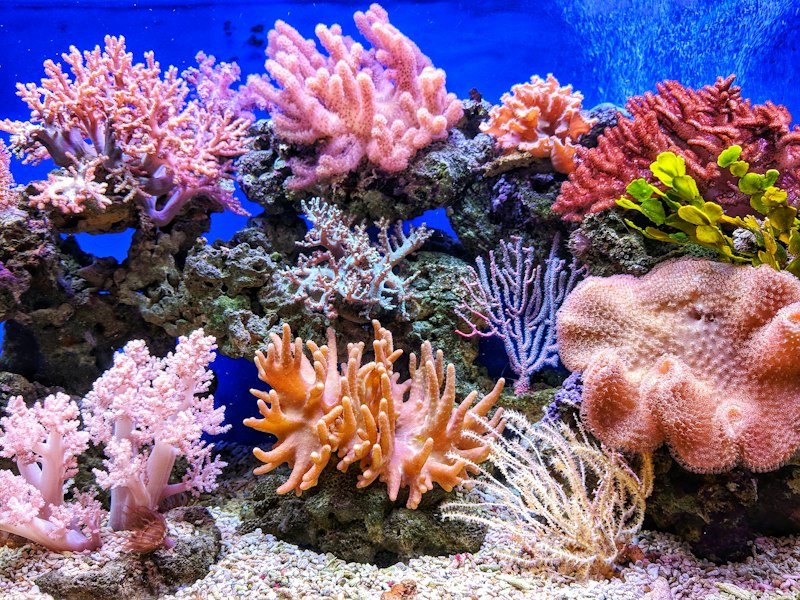
Soft coral
All year · occasionalKrill
November–December · commonDive profile & how the dive runs
Dives at Half Moon Island are expedition-style, meaning the exact profile adapts to daily conditions. Typically, dives are conducted from a Zodiac, often exploring shallow ice diving or wall diving environments. Maximum depths usually do not exceed 20 meters, with dive durations around 15 to 30 minutes due to the extreme cold. You will descend near an ice formation or a wall, follow its contours, and ascend gradually, ensuring a safety stop is performed near the surface. The emphasis is always on careful planning and execution given the remote and challenging environment, with dive guides monitoring from the surface.
Underwater photography
Underwater photography at Half Moon Island presents unique challenges and rewards. Due to the extreme cold, large gloves are necessary, which can make manipulating camera settings difficult; practice with your gear beforehand is essential. The water often contains significant particulate matter from plankton blooms, and diving lights can create reflections, so adjust your camera settings to manage these conditions. Wide-angle lenses are ideal for capturing expansive ice formations, while macro lenses will highlight the rich invertebrate life and smaller creatures. Given the occasional encounters with seals and penguins, be prepared for quick adjustments. Maintaining excellent buoyancy is crucial to avoid disturbing the fragile environment and to achieve steady shots.
Combine with nearby dive sites
- Deception Island - Whaler's Bay
Deception Island, located in the South Shetland Islands of Antarctica, is an active submerged caldera volcano.
- Neko Harbour
Neko Harbour, nestled on the Antarctic Peninsula, offers divers a truly immersive experience in a pristine polar environment.
- Paradise Bay
Paradise Bay, located on the Antarctic Peninsula, offers divers a unique opportunity to explore a wilderness few will ever experience.
- Lemaire Channel
Lemaire Channel, a narrow passage between the Antarctic mainland and Booth Island, presents a truly majestic and impressive dive experience.
- Danco Island
Danco Island, located in the Errera Channel off the Antarctic Peninsula, presents an unparalleled cold-water diving experience.
Getting there & logistics
Most Antarctic dive expeditions, including visits to Half Moon Island, depart from Ushuaia, Argentina. Travelers typically fly into Ushuaia (USH) and then embark on an expedition vessel. Trip durations vary but often span 10 to 14 days, incorporating multiple landings and dive opportunities across the Antarctic Peninsula and South Shetland Islands. There are no specific entry fees for Half Moon Island, but expedition costs include all permits and activities. Itineraries are flexible due to ice and weather conditions, meaning specific dive sites are determined daily by the expedition leader and ship captain. This ensures optimal conditions for both diving and wildlife viewing.
Safety & environment
Diving in Antarctica, especially around Half Moon Island, requires strict adherence to safety protocols due to the remote and challenging environment. Recompression chambers are thousands of kilometers away, making deep dives ill-advised and necessitating immediate evacuation in case of emergencies, which can be complex and time-consuming. Comprehensive dive insurance, including coverage for remote medical evacuation, is mandatory. Divers must be experienced in cold-water and drysuit diving, with a minimum of 30 logged drysuit dives. Continuous vigilance regarding shifting ice conditions and maintaining awareness of safe exit points are critical. Always follow your dive guide's instructions, as they are expert in navigating these unpredictable waters.
Who it suits — and who it doesn't
Suited for
- Experienced cold-water divers
- Drysuit certified divers
- Photographers seeking unique ice and macro subjects
- Adventure seekers desiring remote expedition diving
- Wildlife enthusiasts focusing on polar marine life
Less suited for
- Beginner divers
- Wetsuit-only divers
- Those without drysuit experience
- Divers uncomfortable with extreme cold
- Individuals prone to seasickness on expedition vessels
FAQ
South Shetland Islands - Half Moon FAQ
What kind of marine life can I expect to see at Half Moon Island?
Half Moon Island is teeming with Antarctic wildlife. You can anticipate seeing various penguin species such as Chinstrap and Gentoo, along with different seals like Fur, Leopard, and Crabeater seals. Underwater, expect to find rich macro life including kelp, sea snails, starfish, anemones, and soft corals.
What are the water temperatures like for diving around Half Moon Island?
The water temperatures are extremely cold, typically ranging from -2 to 2 degrees Celsius (28 to 36 degrees Fahrenheit). This frigid environment necessitates specialized equipment like drysuits with thick undergarments and freeze-protected regulators to ensure diver safety and comfort.
Do I need special dive certifications to dive in Antarctica?
Yes, diving in Antarctica is strictly for experienced cold-water divers. You must have a recognized international dive qualification, significant drysuit experience, usually a minimum of 30 logged drysuit dives, and medical clearance. A check-dive is also typically required upon arrival to assess your comfort in the cold water.
How long do dives typically last at Half Moon Island?
Due to the extreme cold, dives at Half Moon Island are generally shorter than in warmer waters. They typically last between 15 to 30 minutes. This duration helps to manage exposure to the frigid temperatures while still allowing ample time to explore the unique underwater environment.
Is visibility good for diving in this region?
Visibility in the Antarctic waters around Half Moon Island can be excellent, often ranging from 12 to 24 meters, and sometimes even up to 300 meters before plankton blooms. However, plankton blooms, which are crucial for the ecosystem, can sometimes reduce visibility. Conditions can vary daily based on ice presence and bloom intensity.
Why dive South Shetland Islands - Half Moon from a liveaboard?
South Shetland Islands - Half Moon is one of Antarctica's signature dive sites. A liveaboard sleeps you on the water and puts you in the water for three to four guided dives per day, including dawn and night dives that day-boat operators rarely offer. You skip the daily commute back to port and reach quieter, less-crowded sites in the same region on a single trip.
Below are the liveaboards that include South Shetland Islands - Half Moon on their Antarctica itineraries.
Liveaboards diving South Shetland Islands - Half Moon
These liveaboards may visit South Shetland Islands - Half Moon on selected itineraries — the exact dive sites depend on departure, weather and conditions.
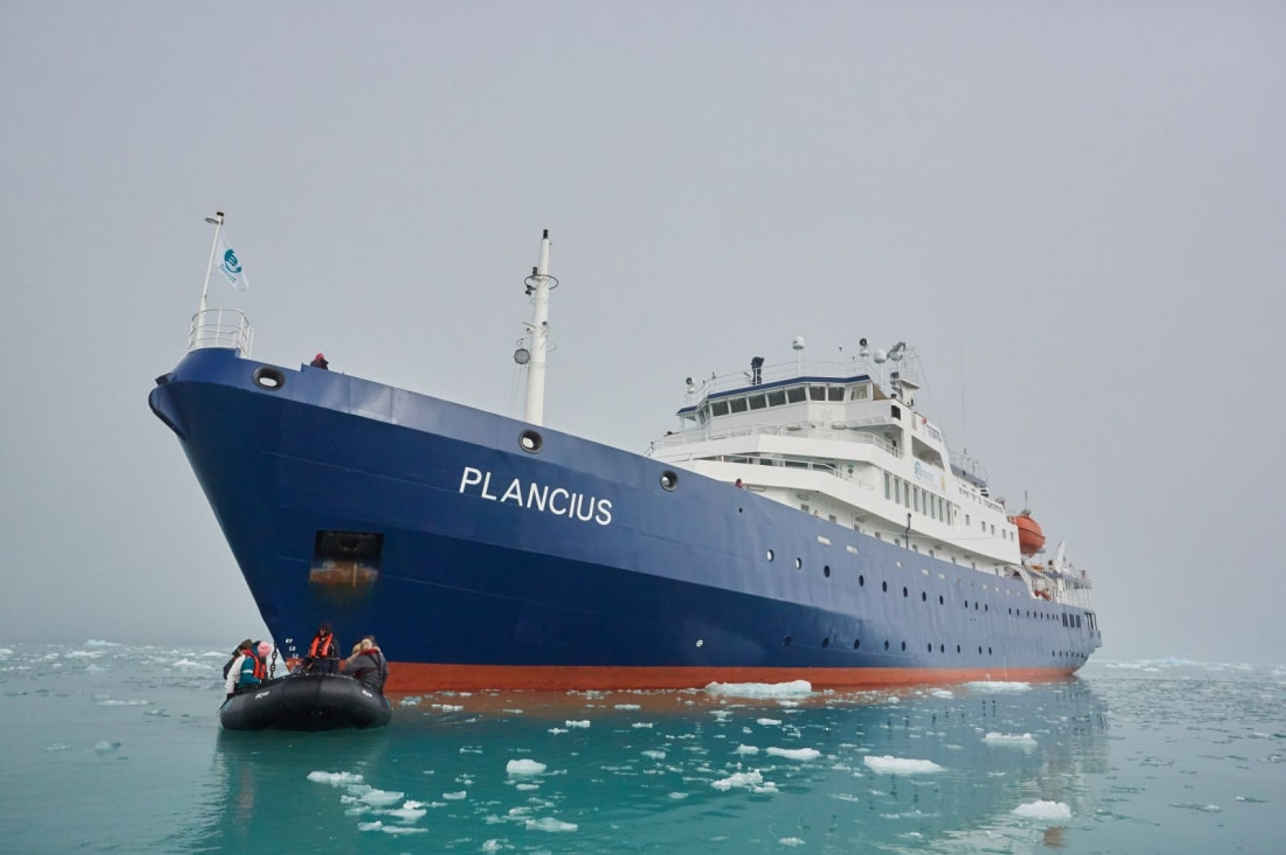
Plancius
Antarctica
108 guests89 m
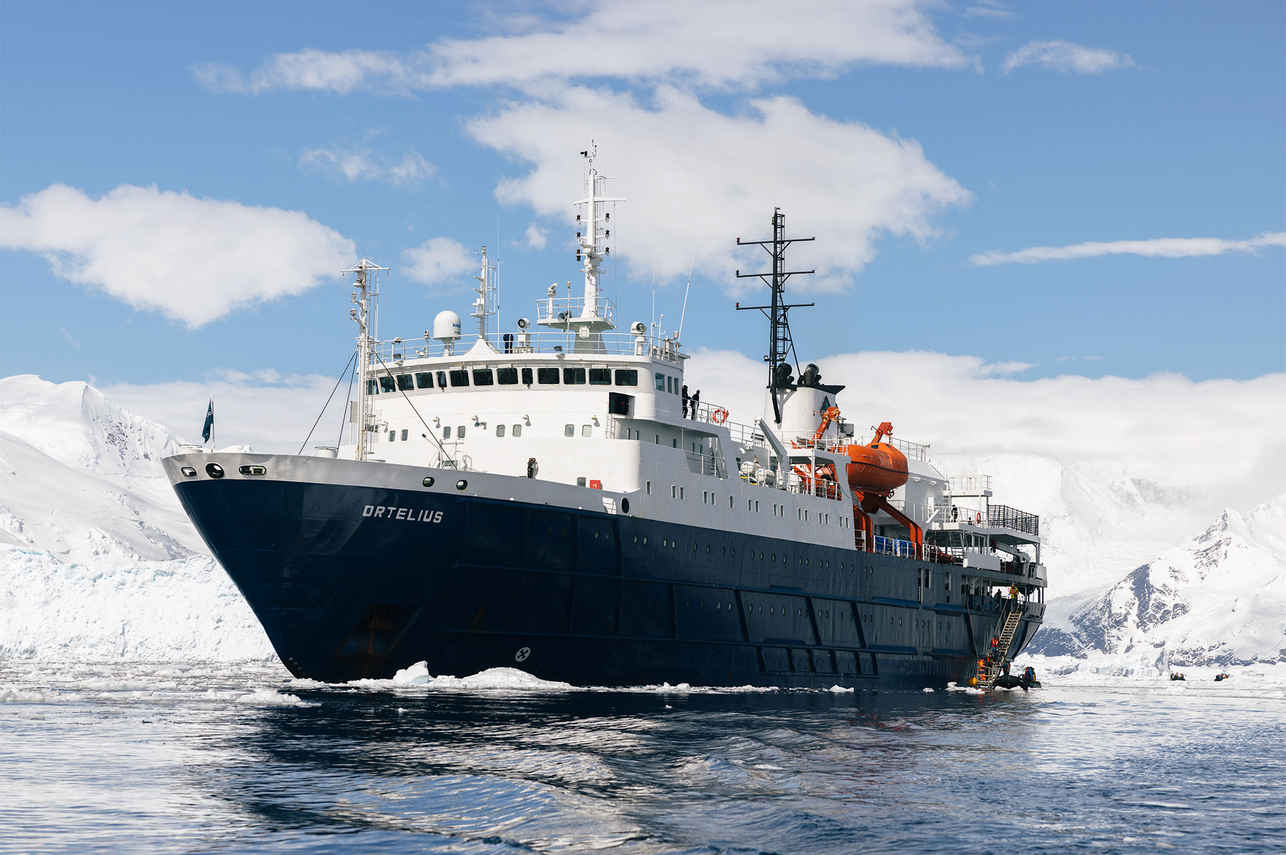
Ortelius
Antarctica
108 guests91 m
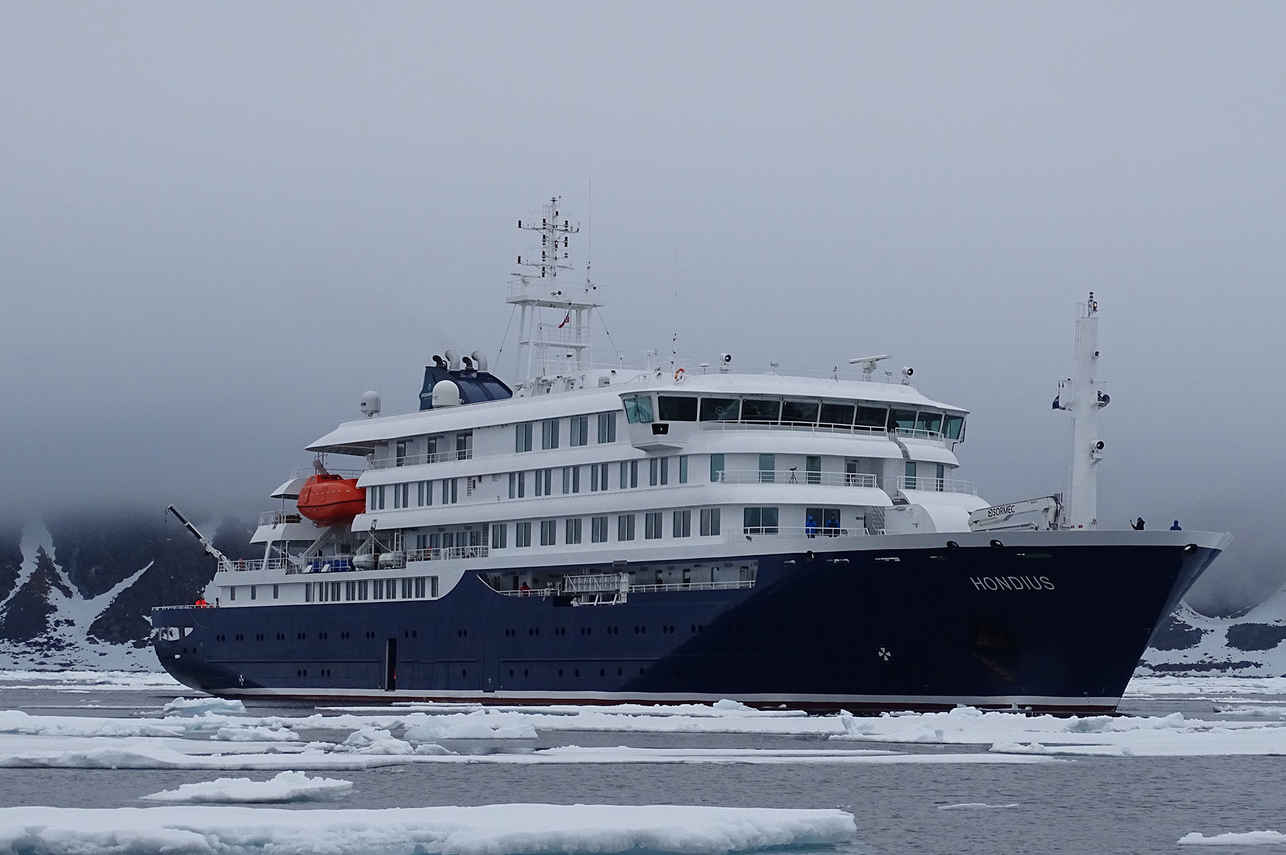
Hondius Antarctica Diving
Antarctica
170 guests108 m
Dive sites similar to South Shetland Islands - Half Moon
Same character, same waters — six more sites divers love for the exact same reasons.Compare seasons, access and liveaboard routes — then pick the site that fits your trip best.
© Esri — Maxar, Earthstar, GIS
Antarctic Peninsula Ice Diving
Antarctica
Diving in the Antarctic Peninsula offers an unparalleled adventure into a remote, extreme environment, revealing an ecosystem thriving beneath the ice.
- Suitable for
- Expert
- Current
- Moderate
- Access
- Liveaboard only
- Depth
- 5–25 m
- Theme
- —
© Esri — Maxar, Earthstar, GIS
Argentine Islands - Vernadsky
Antarctica
Diving at the Argentine Islands, near the Vernadsky Research Base, offers an exclusive opportunity to explore the underwater world of the Antarctic Peninsula.
- Suitable for
- Advanced
- Current
- Strong
- Access
- Liveaboard only
- Depth
- 3–15 m
- Theme
- Ice / Reef
© Esri — Maxar, Earthstar, GIS
Brown Bluff
Antarctica
Brown Bluff is a distinctive dive site located at the tip of the Antarctic Peninsula, renowned for its dramatic reddish-brown cliffs formed by subglacial eruptions.
- Suitable for
- Advanced
- Current
- Ripping
- Access
- Liveaboard only
- Depth
- 5–22 m
- Theme
- Ice / Wall
© Esri — Maxar, Earthstar, GIS
Cuverville Island
Antarctica
Cuverville Island, nestled within the Errera Channel off the Antarctic Peninsula, presents an exceptional opportunity for polar diving.
- Suitable for
- Advanced
- Current
- Strong
- Access
- Liveaboard only
- Depth
- 3–15 m
- Theme
- Ice / Reef
© Esri — Maxar, Earthstar, GIS
Danco Island
Antarctica
Danco Island, located in the Errera Channel off the Antarctic Peninsula, presents an unparalleled cold-water diving experience.
- Suitable for
- Intermediate
- Current
- Moderate
- Access
- Liveaboard only
- Depth
- 3–12 m
- Theme
- Ice / Reef
© Esri — Maxar, Earthstar, GIS
Deception Island - Whaler's Bay
Antarctica
Deception Island, located in the South Shetland Islands of Antarctica, is an active submerged caldera volcano.
- Suitable for
- Advanced
- Current
- Moderate
- Access
- Liveaboard only
- Depth
- 5–30 m
- Theme
- Ice