About Coconut Point
Coconut Point is a renowned dive site located in Alor, celebrated for its exceptional water clarity and vibrant marine ecosystems. This site offers divers an immersive experience, showcasing extensive hard coral gardens that gradually slope downwards, creating a breathtaking seascape. The topography at Coconut Point is characterized by these beautiful coral formations and ridges, with depths that allow for both extensive exploration and shallow, colorful reef experiences. The remarkable visibility, often reaching up to 50 meters, allows for clear observation of the intricate reef structure and the diverse life it supports. Divers frequently encounter large schools of fusiliers, various species of triggerfish, and numerous parrotfish patrolling the reefs. In the deeper blue, curious dogtooth tuna, wahoo, and schools of jacks and barracuda are common sights. The site is a testament to Alor's healthy marine environment, thriving on nutrient-rich waters. The practical dive experience at Coconut Point is generally straightforward, though the presence of currents can influence drift characteristics. It is a site that appeals to both wide-angle photographers due to its expansive views and healthy corals, and those seeking vibrant reef life encounters.
Highlights
Exceptional water clarityExtensive hard coral gardensLarge fusilier schoolsDogtooth tuna encountersDiverse reef fish speciesUnderwater ridges
Season calendar
Best months to dive here
Jan
Feb
Mar
Apr
May
Jun
Jul
Aug
Sep
Oct
Nov
Dec
Excellent
Good
Dive site facts: Coconut Point
- Depth
- 5–30 m+
- Typical dive
- 15–25 m, 50–60 min
- Current
- Mild to strong
- Visibility
- 15–40 m
- Water temperature
- 24–28°C
- Entry
- Tender / Liveaboard
- Level
- Intermediate to Advanced
- Dive type
- Coral reef, drift, wide-angle
- Night dive
- Not typically offered
- Region / port
- Alor, Indonesia
- Coordinates
- -8.272, 124.235
Conditions & Currents
Coconut Point, like many Alor dive sites, experiences varied current conditions, influenced by the strong currents that push through the Pantar Strait. While it can offer calm, leisurely dives, currents can also be moderate to strong, especially during new and full moons, attracting pelagic life. Divers should be prepared for potential drift dives, and current hooks are recommended for more advanced scenarios or for observing marine life in stronger flows. Visibility is frequently outstanding, ranging from 15 to 40 meters, though occasional thermoclines can cause slight temperature drops. Entry is typically by tender, and divers should maintain good buoyancy control to avoid impacting the pristine coral structures.
Marine life & sighting chances
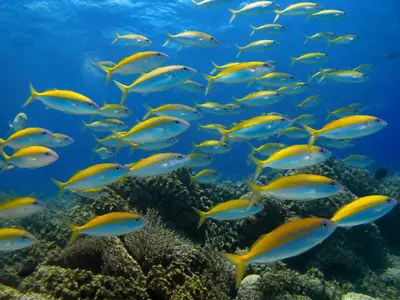
Fusiliers
common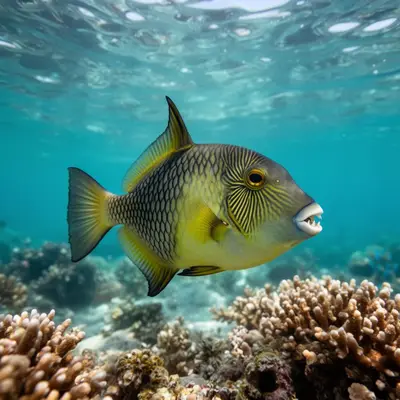
Triggerfish
common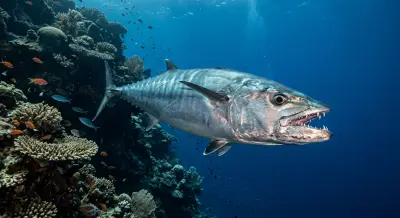
Dogtooth Tuna
occasional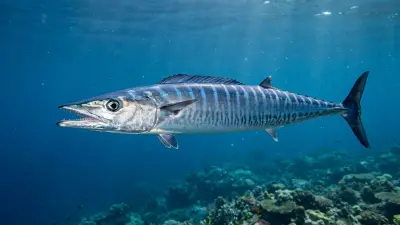
Wahoo
occasional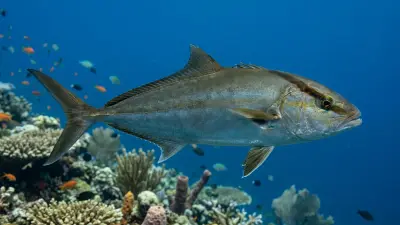
Jacks
occasional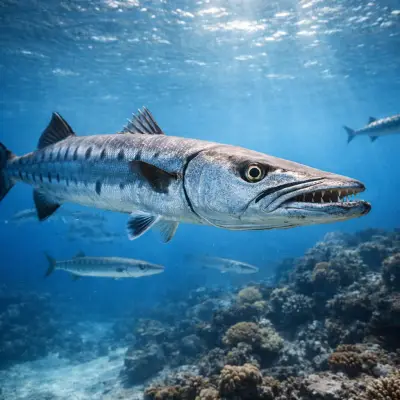
Barracuda
occasional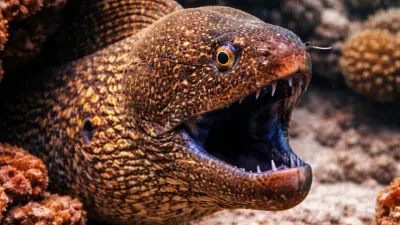
Moray Eels
common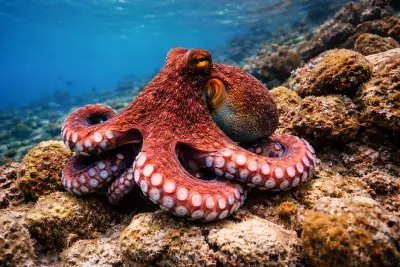
Octopus
occasional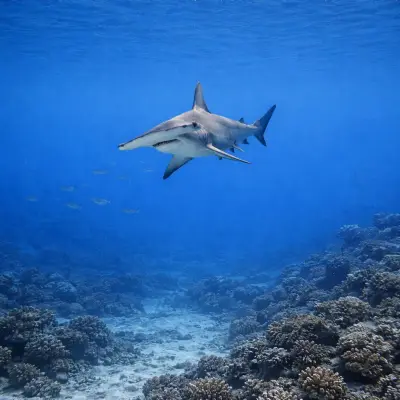
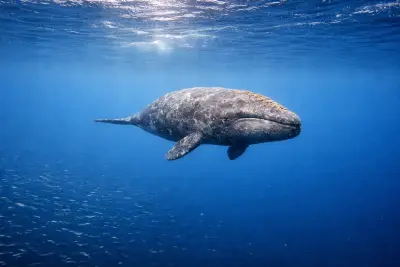
Gray Reef Shark
rareDive profile & how the dive runs
A typical dive at Coconut Point begins with a tender drop, often directly onto the reef to minimize environmental impact. The dive generally follows the gently sloping hard coral gardens, progressing from shallower depths of around 5-10 meters down to 25-30 meters. Divers can explore along ridges and coral formations, keeping an eye on the blue for pelagic activity. The route usually involves a drift along the reef, guided by the prevailing current, which allows for effortless viewing of the extensive coral ecosystems and schooling fish. Turnaround points are often dictated by air consumption or bottom time limits. The safety stop is typically conducted in the shallower, protected areas of the reef, allowing for observation of smaller reef inhabitants and colorful soft corals before surfacing.
Underwater photography
Coconut Point's exceptional visibility and expansive coral gardens make it ideal for wide-angle photography. A dome port is essential to capture the grandeur of the healthy hard corals and the large schools of fusiliers and other reef fish. When currents are present, utilize them to drift effortlessly over the reef, framing sweeping reef-scapes. For macro enthusiasts, while the site is known for wide-angle opportunities, closer inspection of the corals and sponges can reveal smaller inhabitants. Ensure excellent buoyancy control to avoid contact with the pristine reef, and use strobes to bring out the vibrant colors of the corals and fish against the clear blue water.
Combine with nearby dive sites
- Pura Island Drop-off
Pura Island Drop-off, also known as Sharks Galore, is a dynamic dive site located off the coast of Pura Island in the Alor archipelago.
- Clown Valley
A black sand muck dive site known for macro life.
- The Arch
Features a natural underwater rock arch with soft corals.
- Mahi Point
A shallow reef renowned for macro photography subjects.
- Beang Abang
Known for night dives with unique critter sightings.
- Kal's Dream
A pristine coral wall with pelagic visits.
Getting there & logistics
Access to Alor is typically via domestic flights to Mali Airport (ARD) near Kalabahi, often connecting through Kupang (KOE) or Bali (DPS). Liveaboards are a popular way to explore Alor's dive sites, with itineraries often ranging from 7 to 10 days. Shore-based resorts in Kalabahi Bay also offer daily boat dives to sites like Coconut Point. Trip planning usually includes an arrival day, several full diving days, and a departure day. There are usually no specific park fees for diving at Coconut Point itself, but general marine park contributions may be included in liveaboard or resort packages. Alor is often combined with other Indonesian destinations like Banda or the Forgotten Islands for extended expeditions.
Safety & environment
Diving in Alor, including at Coconut Point, requires adherence to standard safety protocols. The nearest recompression chamber is in Denpasar, Bali, necessitating robust evacuation plans in case of a dive emergency. Divers must have adequate dive insurance that covers emergency medical treatment and evacuation. Site-specific hazards at Coconut Point include potential strong currents, which may require advanced diving skills and the use of current hooks. Always dive with a reputable operator, follow your guide's instructions, and maintain good buoyancy control to protect the delicate coral ecosystems. Surface conditions can occasionally be choppy, so comfortable boat handling is beneficial.
Who it suits — and who it doesn't
Suited for
- Experienced divers comfortable with currents
- Wide-angle photographers
- Coral reef enthusiasts
- Divers seeking excellent visibility
- Those interested in pelagic encounters
Less suited for
- Beginner divers without current experience
- Divers exclusively seeking macro life
- Those unwilling to dive from tenders
- Individuals prone to seasickness
- Divers without comprehensive travel insurance
FAQ
Coconut Point FAQ
What is the visibility like at Coconut Point?
Coconut Point is famous for its extraordinary visibility, which can often reach up to 50 meters during peak conditions. Even outside of the absolute peak season, visibility typically ranges from 15 to 40 meters, offering incredibly clear views of the extensive coral reefs and marine life.
What kind of marine life can I expect to see at Coconut Point?
You can expect to see abundant reef fish, including large schools of fusiliers, triggerfish, and parrotfish. In the blue water, dogtooth tuna, wahoo, jacks, and barracuda are often spotted. While primarily a reef dive, curious moray eels and octopuses can also be found amongst the corals.
Are there strong currents at Coconut Point?
Currents at Coconut Point can vary from mild to strong, influenced by the robust water flow through the Pantar Strait. During certain tidal conditions, particularly around new and full moons, currents can be significant. Dive guides will assess conditions and plan drift dives accordingly, making current experience beneficial.
Is Coconut Point suitable for beginner divers?
Coconut Point is generally recommended for intermediate to advanced divers. The potential for strong currents and deeper areas means that divers should have good buoyancy control and some experience with drift diving. Beginners without current experience may find it challenging.
What kind of photography is best suited for Coconut Point?
Coconut Point is an excellent site for wide-angle photography due to its expansive hard coral gardens and exceptional visibility. A wide-angle lens with a dome port will allow you to capture the impressive reef-scapes and schooling fish. Strobes are recommended to enhance the natural colors underwater.
Why dive Coconut Point from a liveaboard?
Coconut Point is one of Alor's signature dive sites. A liveaboard sleeps you on the water and puts you in the water for three to four guided dives per day, including dawn and night dives that day-boat operators rarely offer. You skip the daily commute back to port and reach quieter, less-crowded sites in the same region on a single trip.
Below are the liveaboards that include Coconut Point on their Alor itineraries.
Liveaboards diving Coconut Point
These liveaboards may visit Coconut Point on selected itineraries — the exact dive sites depend on departure, weather and conditions.
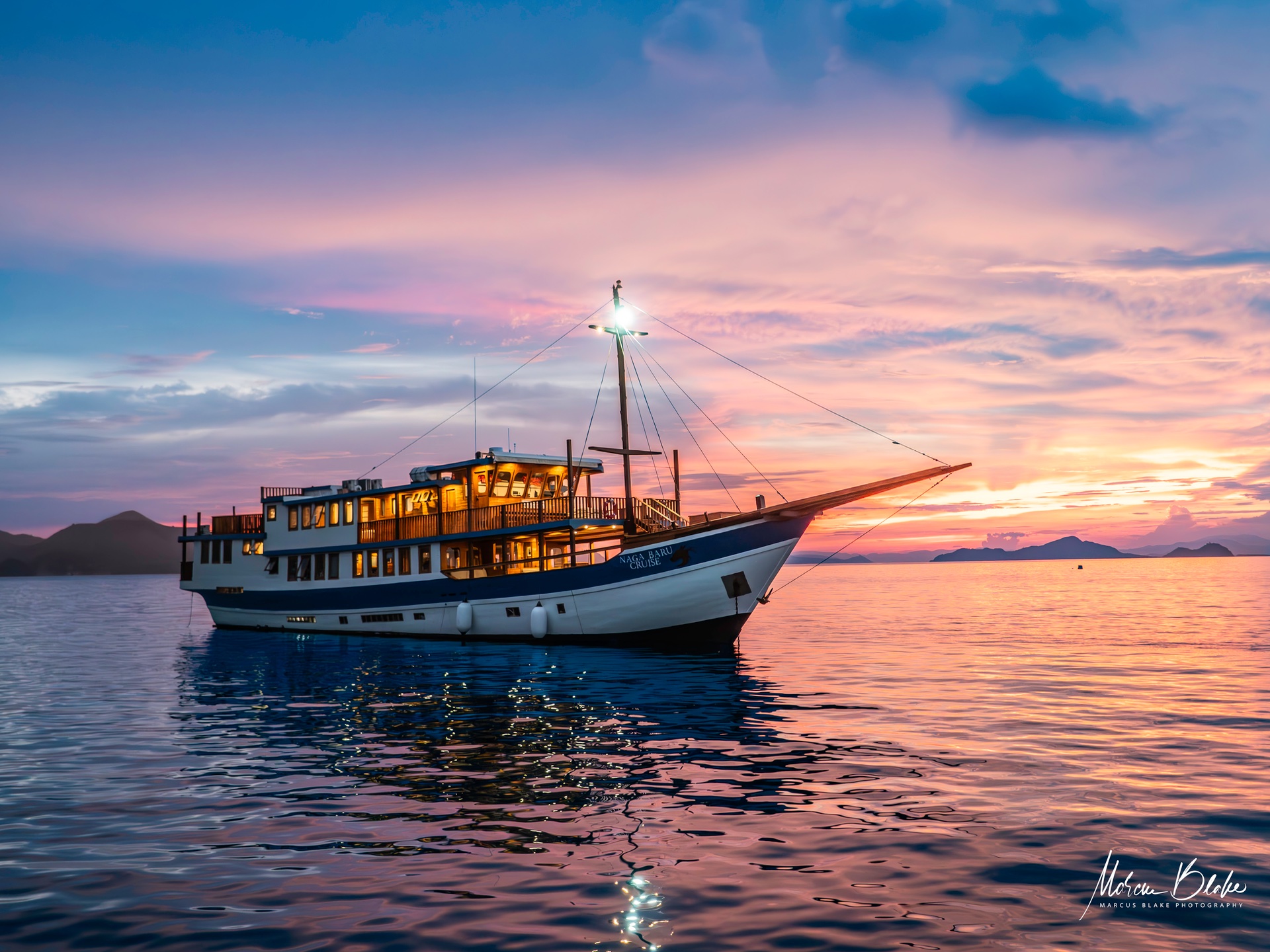
Naga Biru
Indonesia
12 guests40 m
$311/day
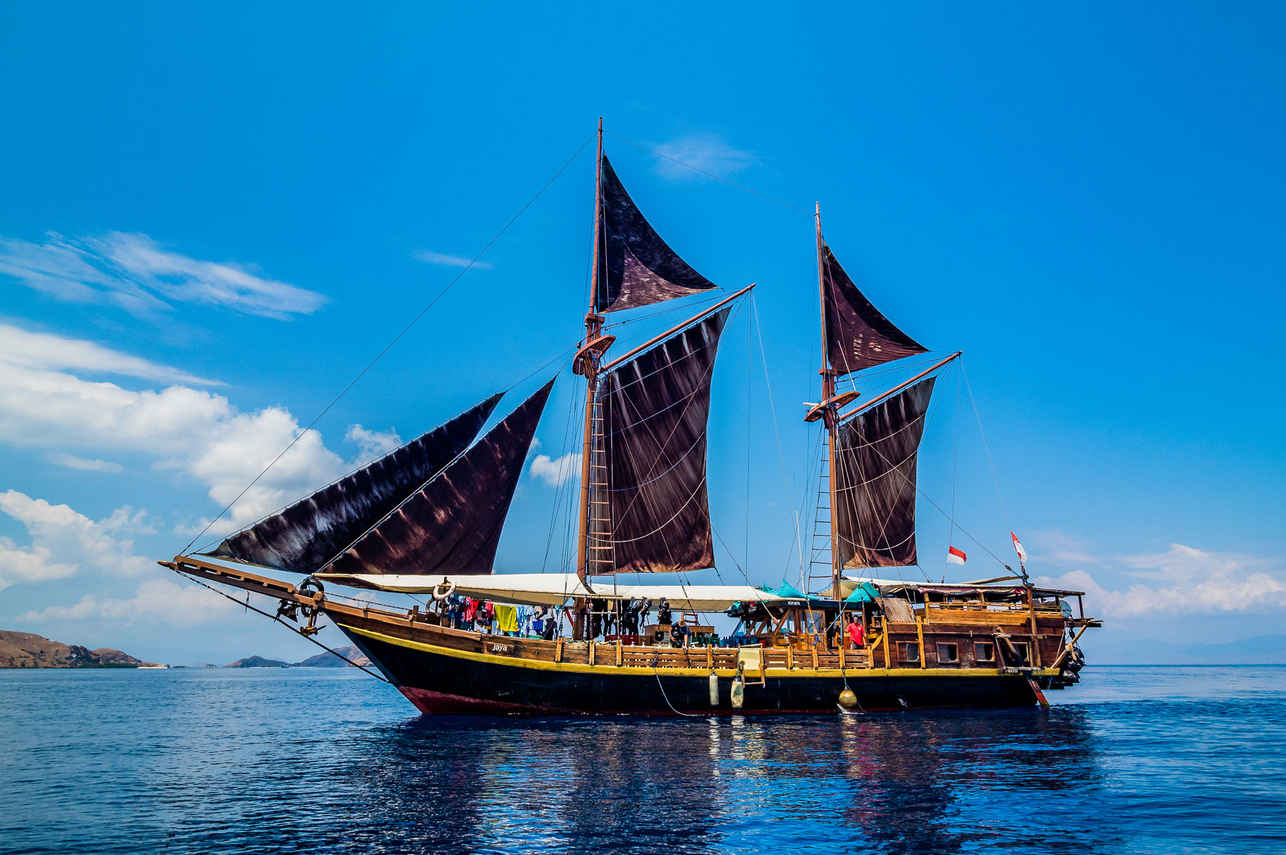
Jaya
Indonesia
14 guests23 m
$280/day
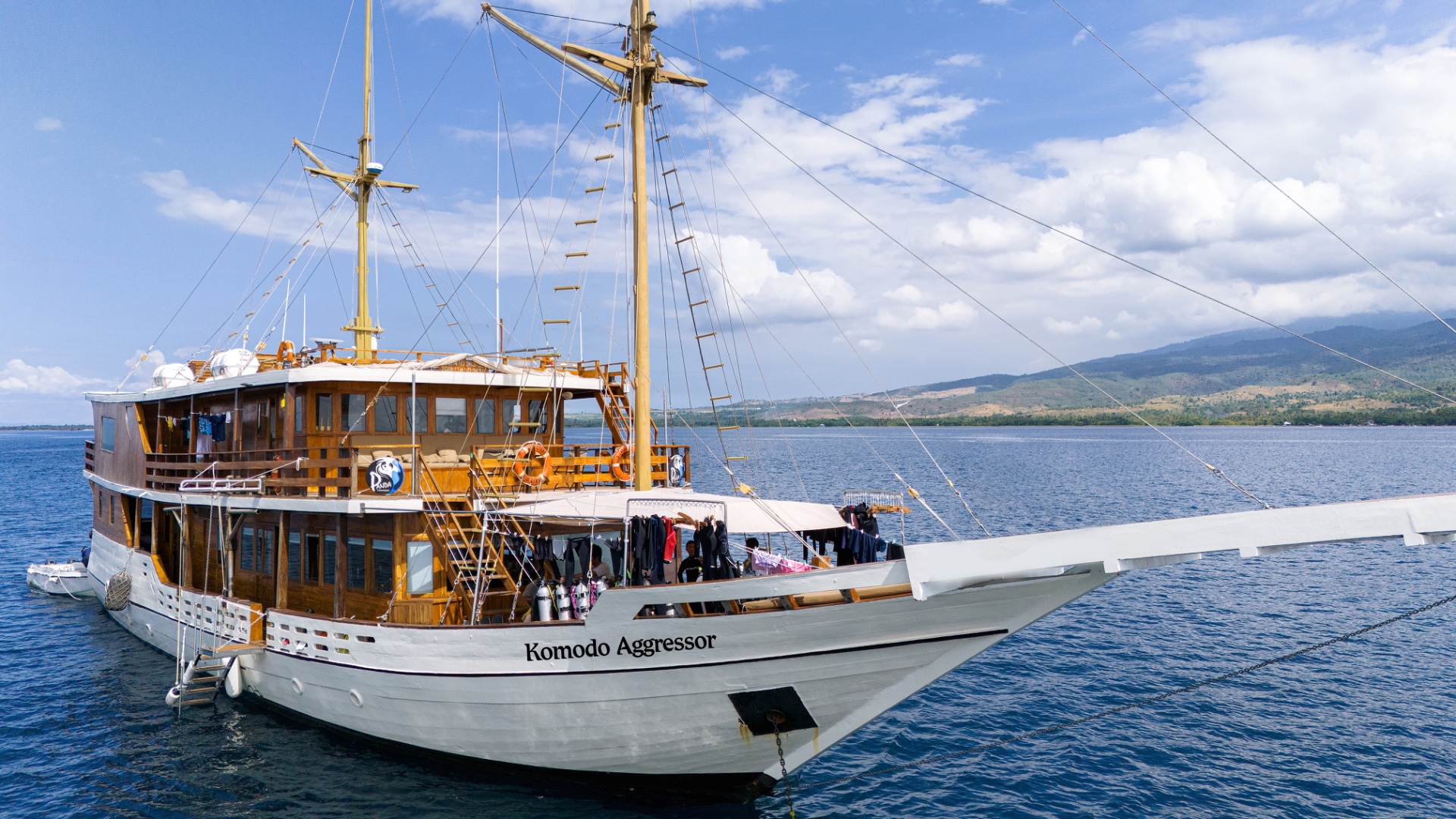
Komodo Aggressor
Komodo, Indonesia
16 guests29 m
$312/day
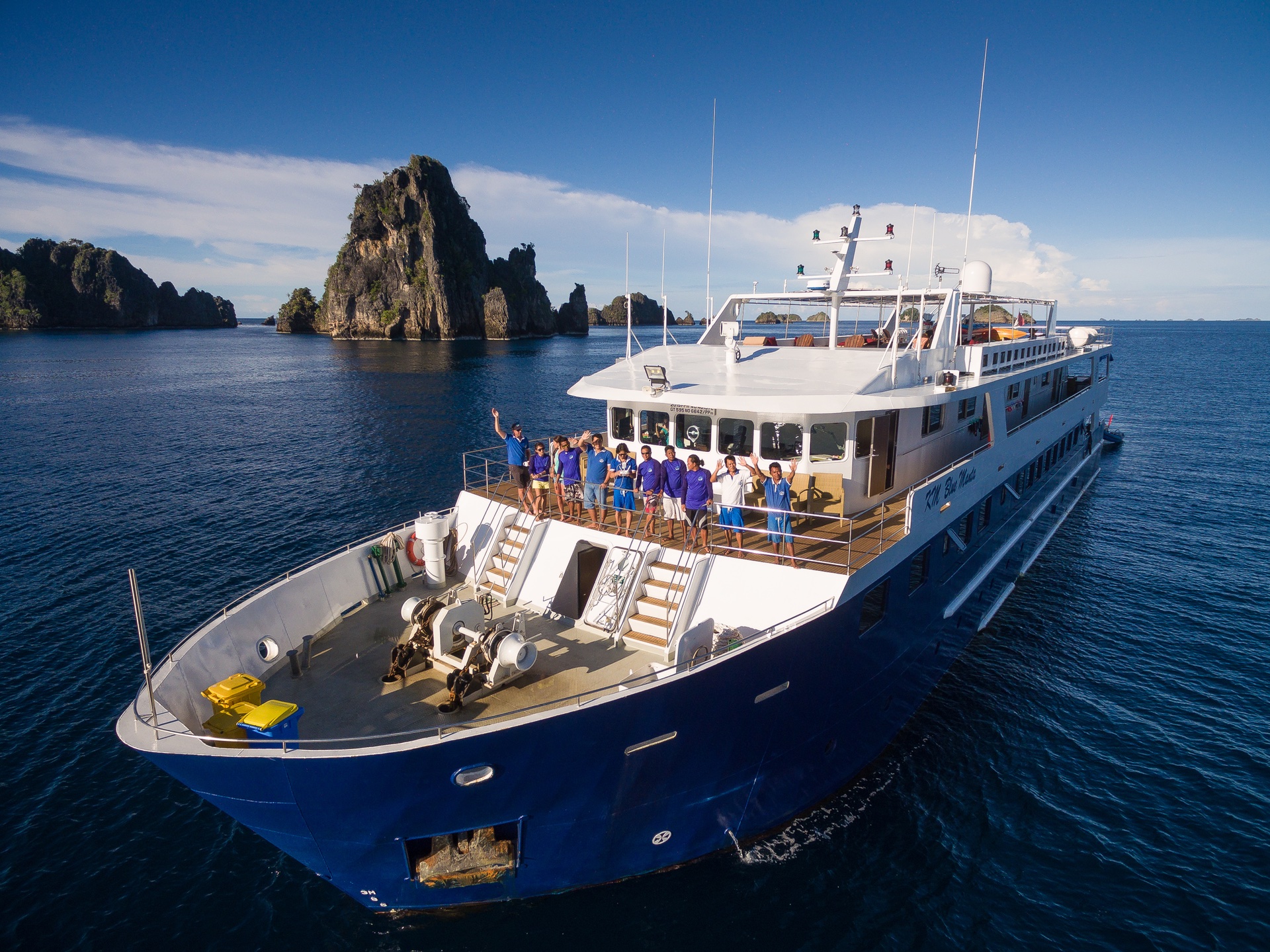
Blue Manta
Indonesia
20 guests45 m
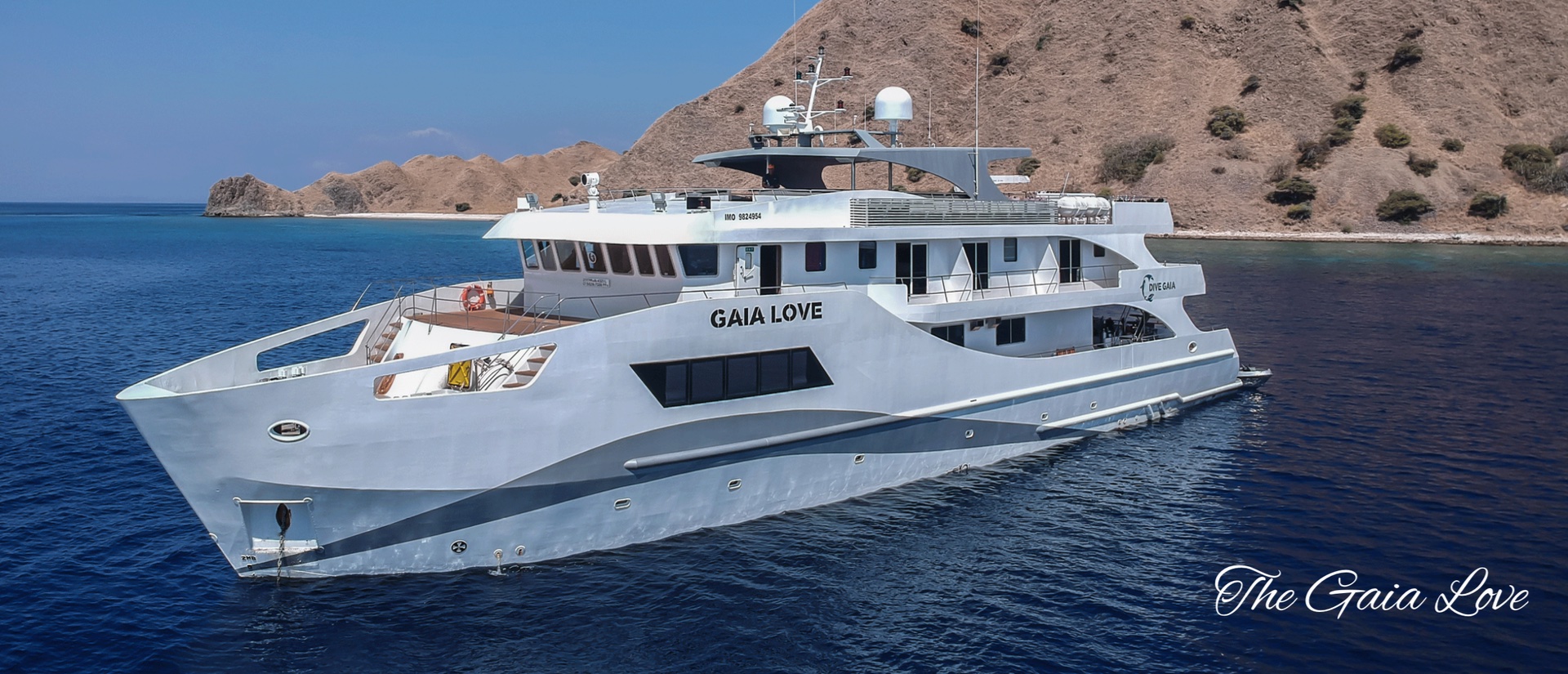
Gaia Love
Alor
20 guests
$554/day
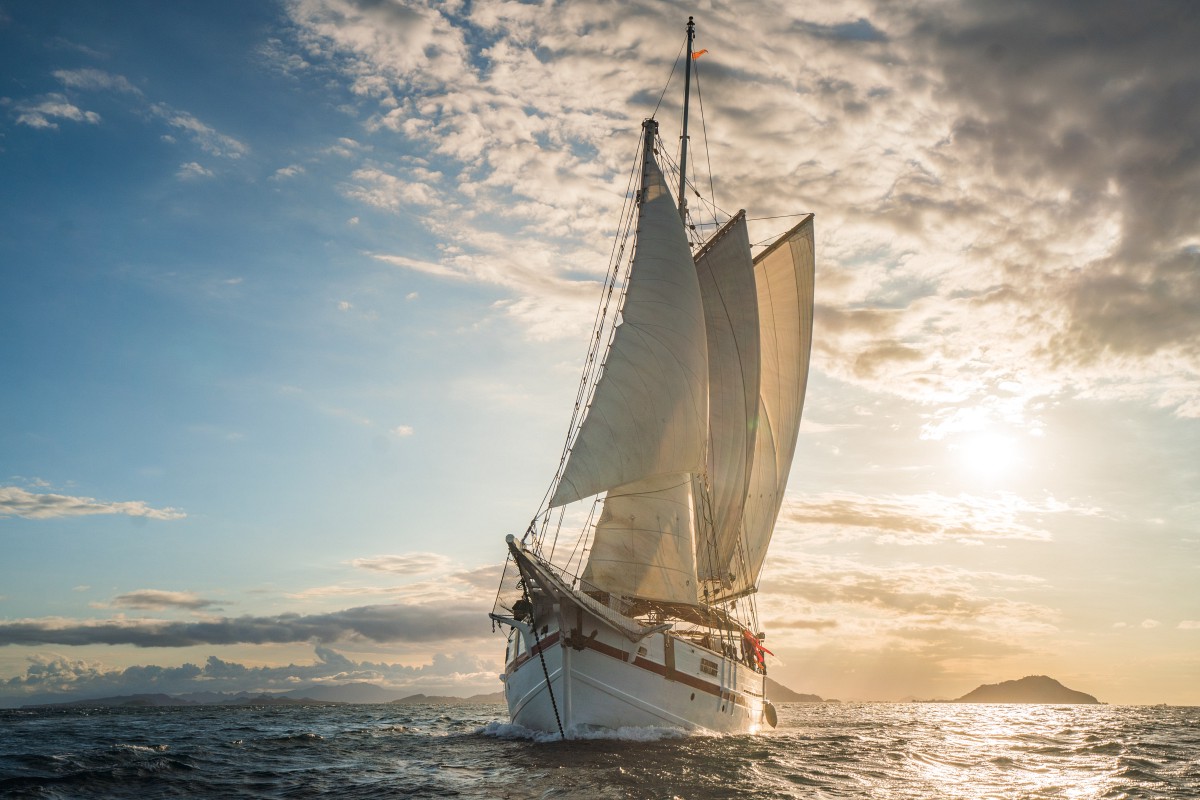
Emperor Raja Laut
Raja Ampat, Indonesia
12 guests31 m
$413/day
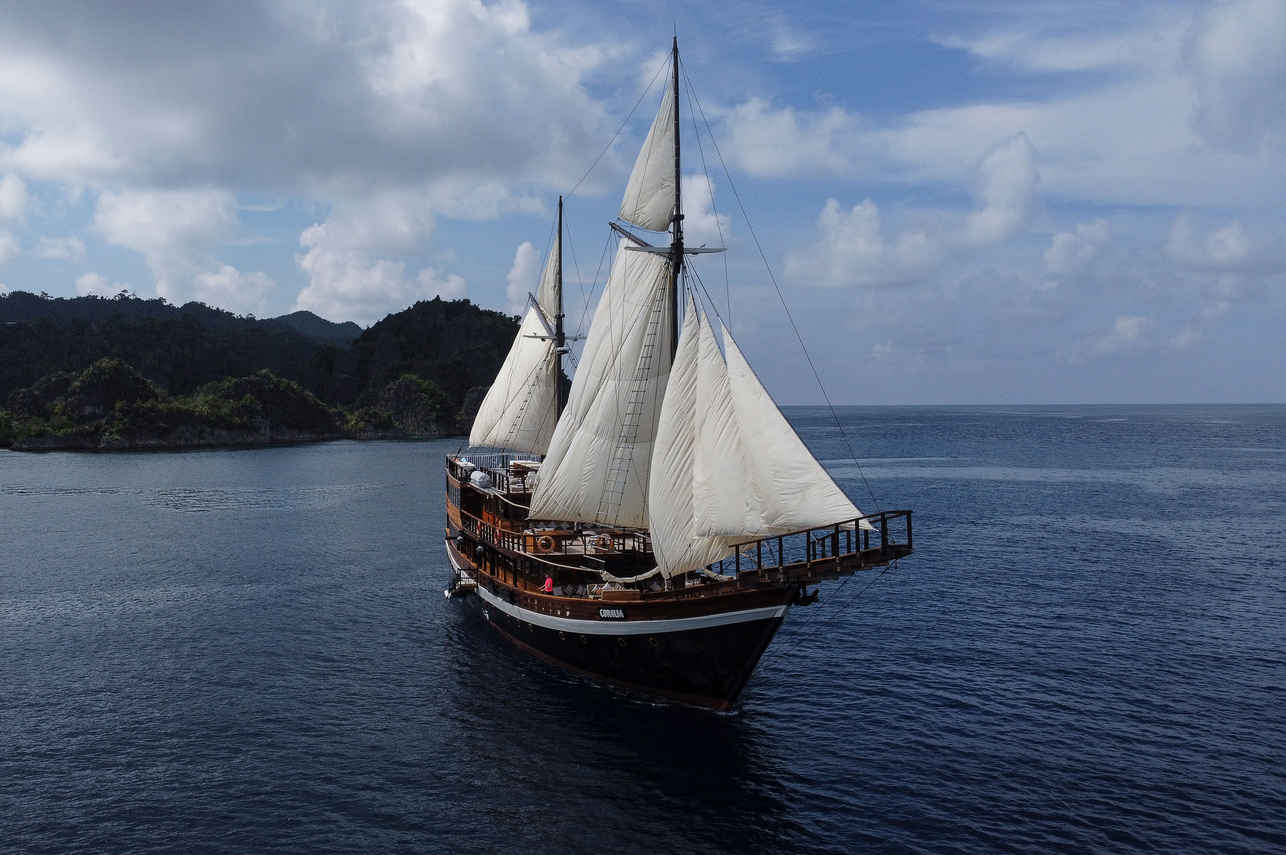
Coralia
Indonesia
16 guests48 m
$577/day
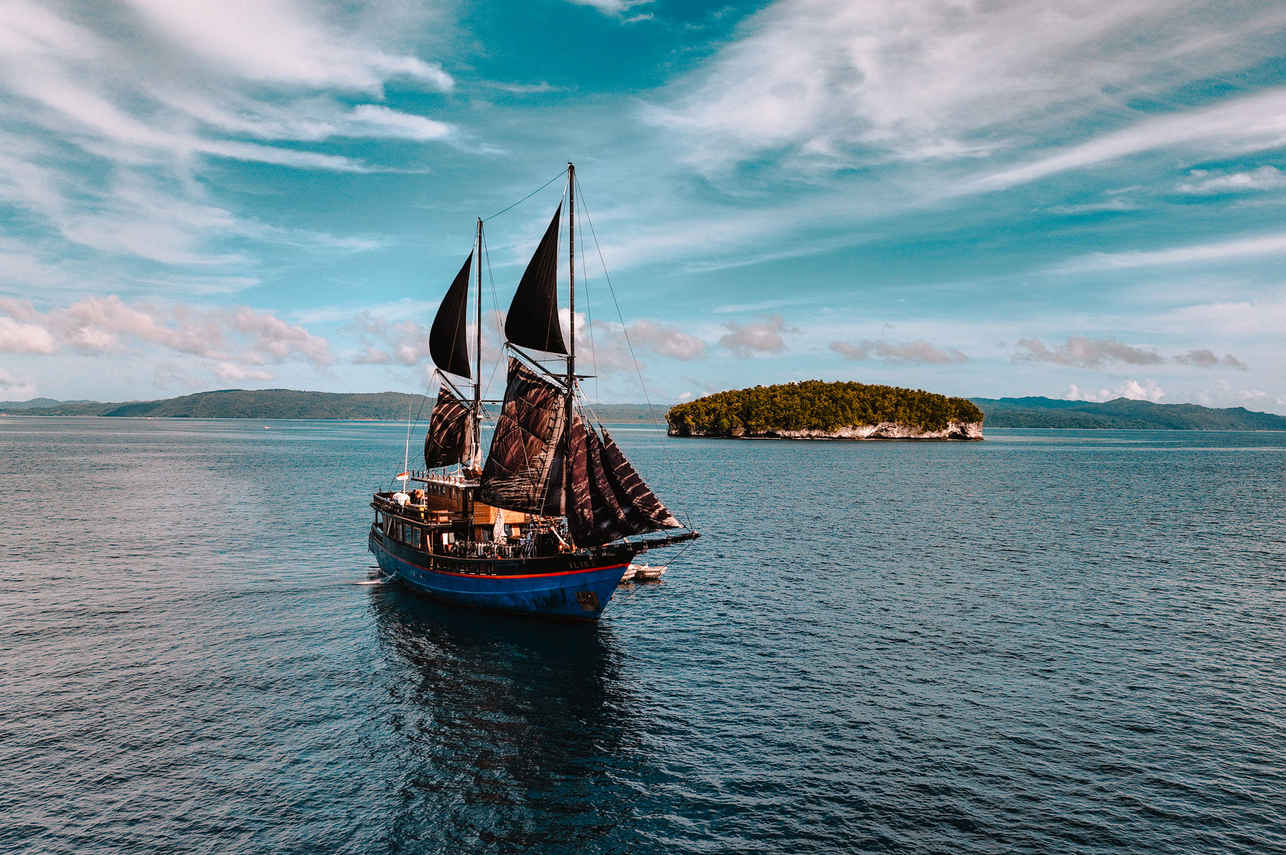
Ilike
Indonesia
16 guests40 m
$298/day
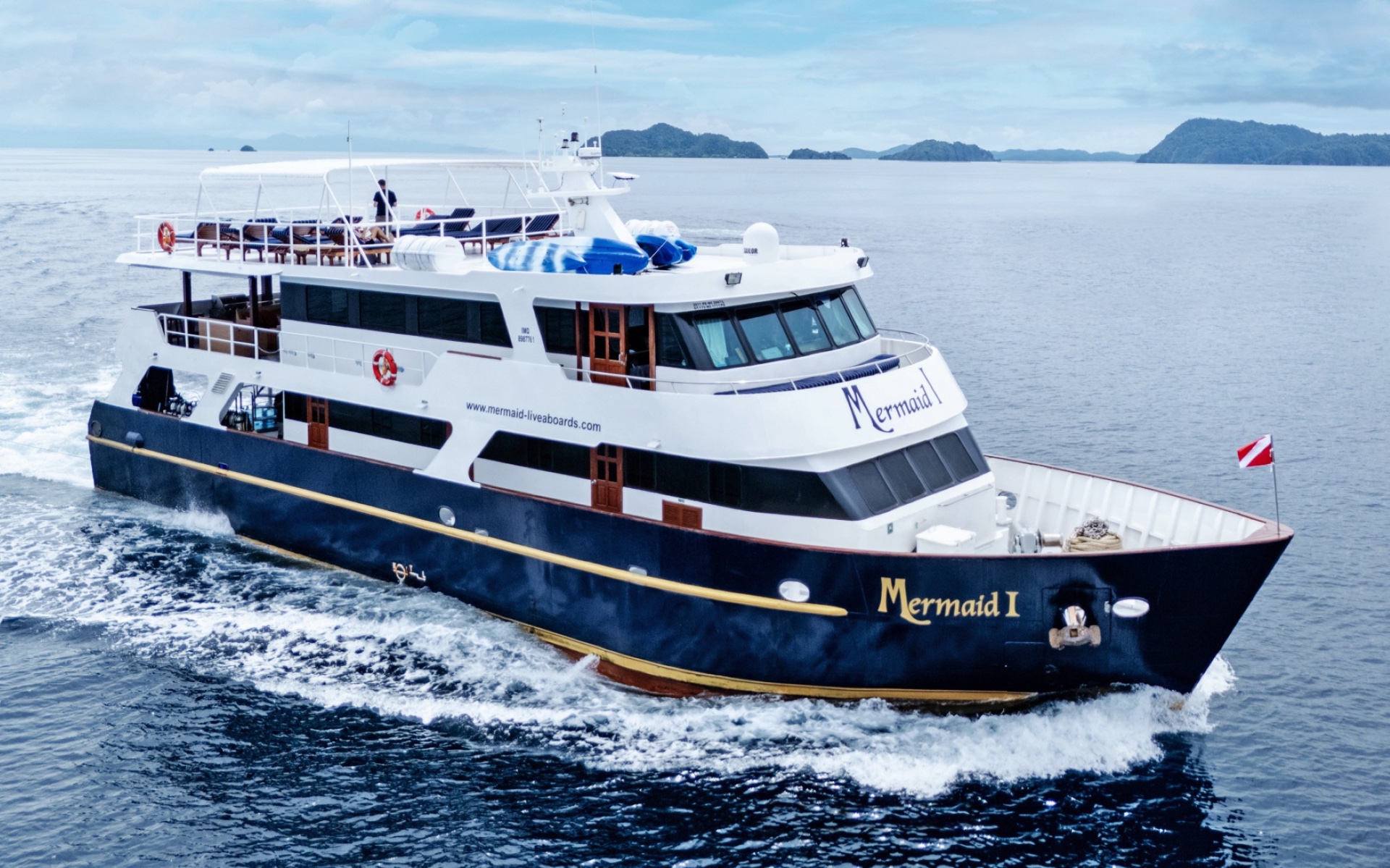
Mermaid I
Alor
15 guests28 m
$422/day
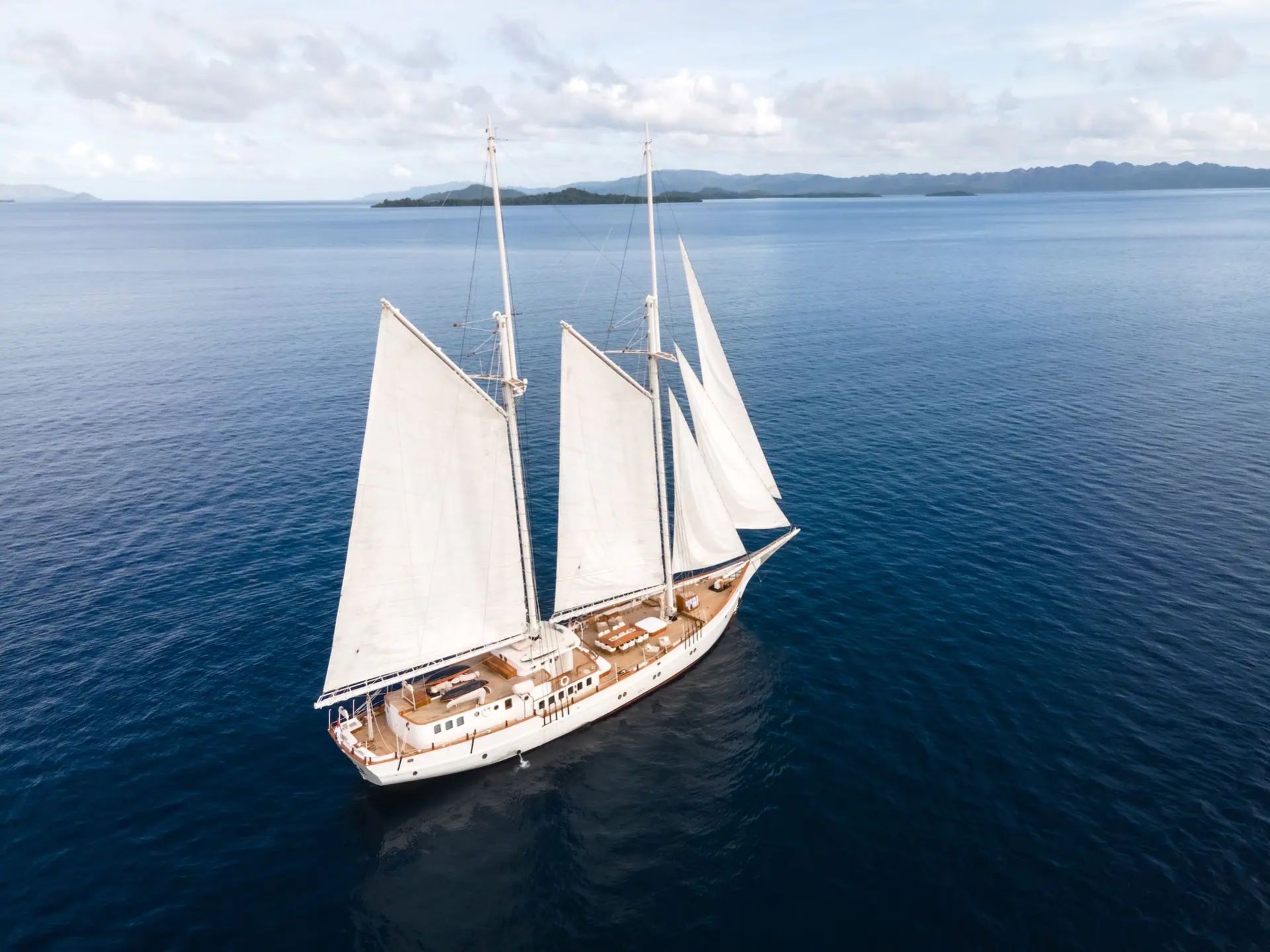
Mutiara Laut
Indonesia
14 guests46 m
$741/day
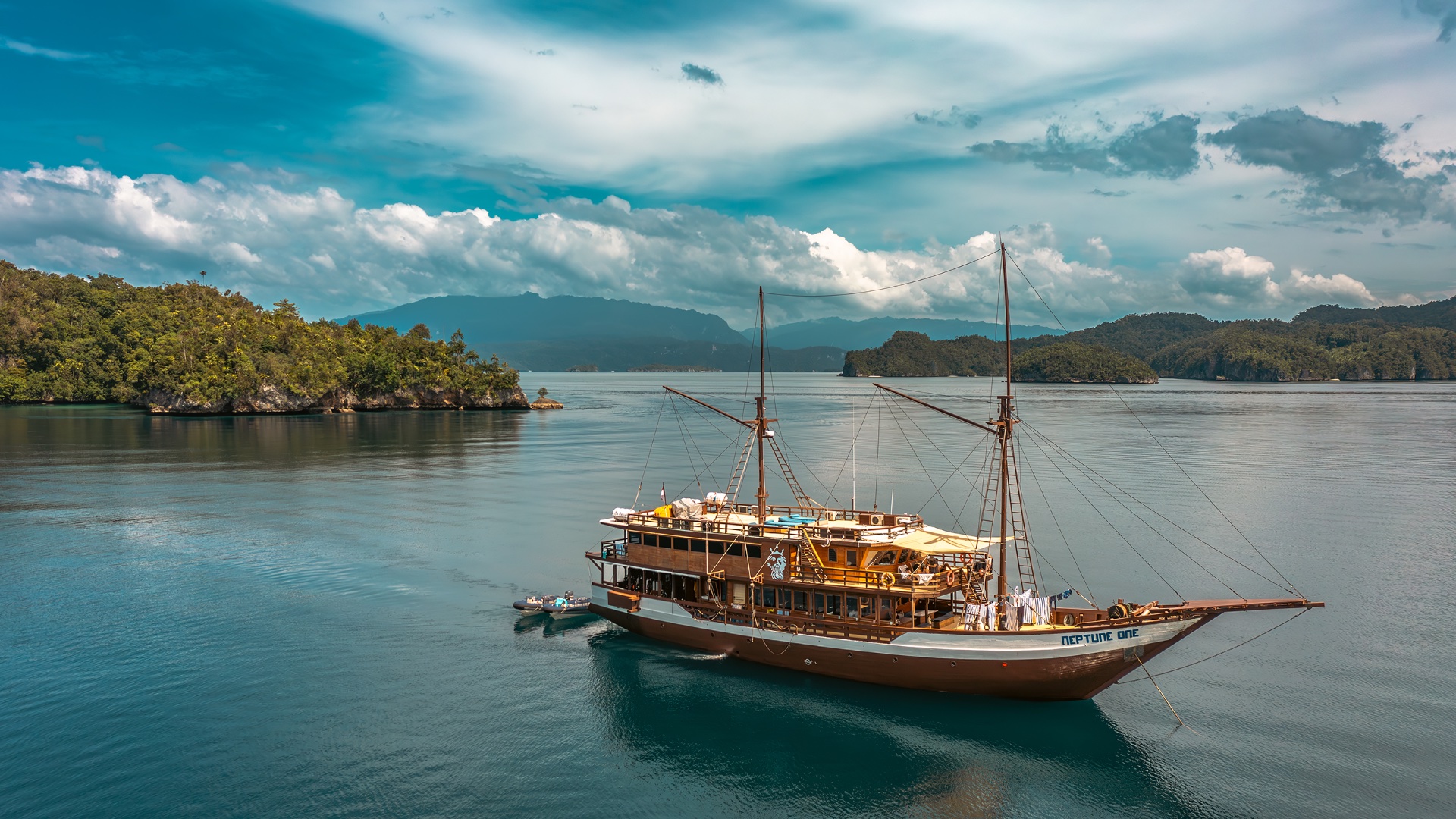
Neptune One
Indonesia
16 guests38 m
$332/day
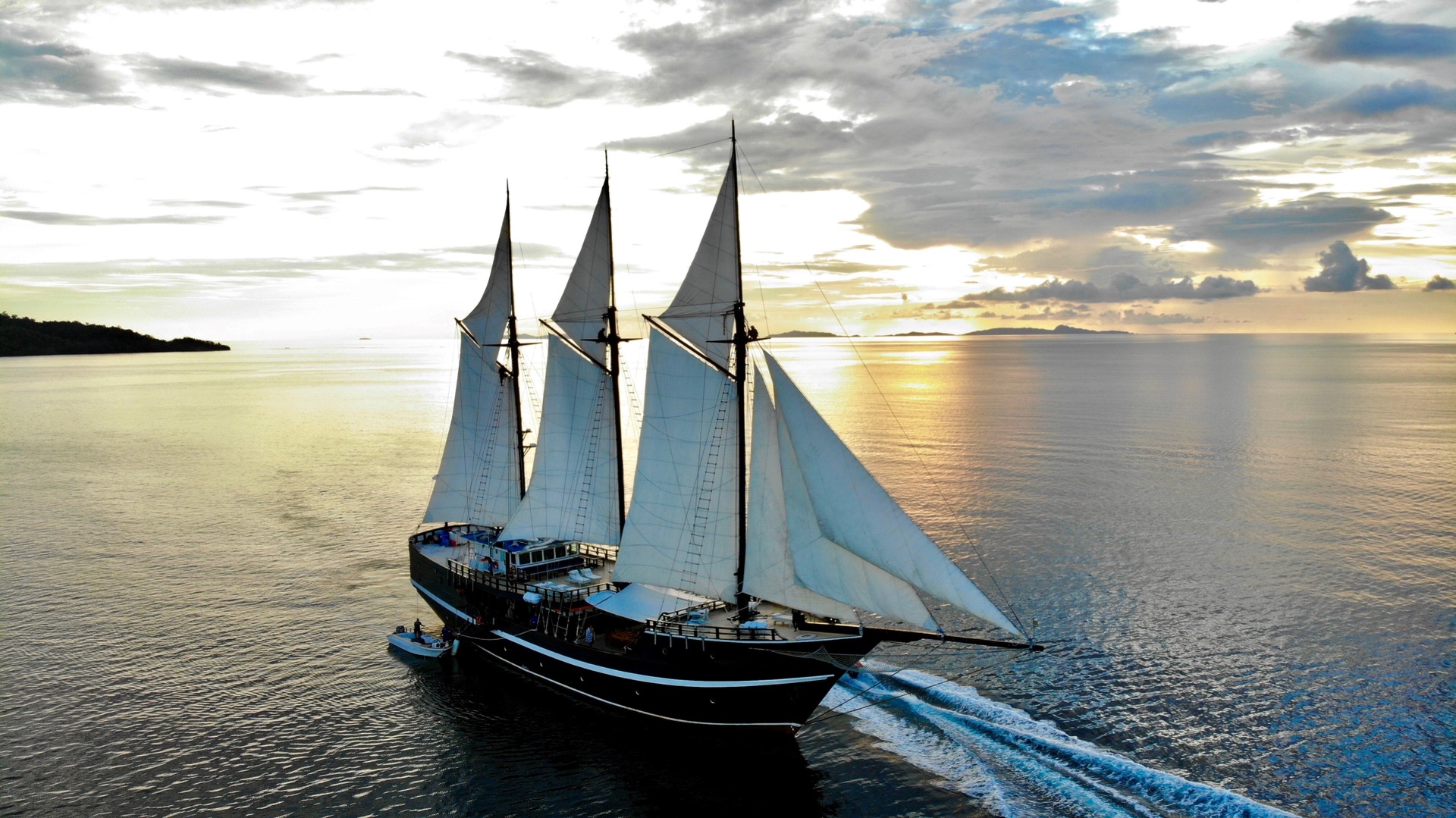
Dewi Nusantara
Indonesia
18 guests57 m
$493/day
Dive sites similar to Coconut Point
Same character, same waters — six more sites divers love for the exact same reasons.Compare seasons, access and liveaboard routes — then pick the site that fits your trip best.
Halerman is a prominent dive site located in the southern part of Alor, known for its distinct underwater landscape and varied marine life.
- Suitable for
- Advanced
- Current
- Strong
- Access
- Liveaboard or dayboat
- Depth
- —
- Theme
- Wall / Drift
© Esri — Maxar, Earthstar, GIS
Schools Out
Alor
Schools Out in Alor offers divers an exceptional encounter with healthy coral reefs and a rich variety of marine species.
- Suitable for
- Intermediate
- Current
- Mild
- Access
- Liveaboard only
- Depth
- 20–30 m
- Theme
- Reef
© Esri — Maxar, Earthstar, GIS
Pasir Merah
Alor
Pasir Merah, or Red Sand, is a distinctive dive site situated north of Pura Island in the Alor Archipelago, East Nusa Tenggara.
- Suitable for
- Intermediate
- Current
- Moderate
- Access
- Liveaboard or dayboat
- Depth
- 5–35 m
- Theme
- Muck diving / Reef
© Esri — Maxar, Earthstar, GIS
Rusa Pinnacle
Alor
Rusa Pinnacle is a challenging yet highly rewarding dive site situated in the Alor archipelago, part of Indonesia's East Nusa Tenggara.
- Suitable for
- Advanced
- Current
- Strong
- Access
- Liveaboard only
- Depth
- 6–30 m
- Theme
- Reef
© Esri — Maxar, Earthstar, GIS
Sharks Galore
Alor
Sharks Galore, an iconic drift-dive in Alor, offers thrilling encounters with diverse marine life.
- Suitable for
- Advanced
- Current
- Ripping
- Access
- Liveaboard or dayboat
- Depth
- 15–40 m
- Theme
- Channel / Drift
© Esri — Maxar, Earthstar, GIS
Yellow Corner
Alor
Yellow Corner, also known as Current Alley, is a challenging dive site specifically suited for advanced divers due to its strong and potentially ripping currents.
- Suitable for
- Advanced
- Current
- Strong
- Access
- Liveaboard only
- Depth
- 18–40 m
- Theme
- Drift