About Pillar Coral
Pillar Coral is a distinctive dive site off Roatán, Honduras, named for its significant concentration of rare, vertically growing pillar coral colonies. These formations, which are increasingly uncommon across the Caribbean, create an impressive, forest-like underwater landscape. The site is a key attraction for advanced divers due to its depth and the ecological importance of its thriving coral structures. The topography begins with a moored top reef around 10 meters, where the coral pillar itself rises. Beyond this coral garden, the reef quickly transitions into a dramatic wall that descends to approximately 30 meters. Deeper sections feature crevices, often home to Channel Clinging Crabs, while Southern Stingrays can be observed resting on sandy bottoms. The pillar corals act as natural cleaning stations, attracting various fish species and providing vital shelter for juvenile marine life. While diving, you can expect to encounter a range of inhabitants from reef sharks and moray eels to smaller creatures like seahorses. Visibility is typically excellent, often exceeding 20 meters, though currents can vary. Access to Pillar Coral is exclusively by boat, typically starting with a mooring on the shallower reef. The dive profile usually involves a short swim to the main pillar feature, followed by a deeper exploration along the wall. Good buoyancy control is essential here, allowing divers to fully appreciate the intricate coral structures and the dramatic drop-off. The site is well-suited for those who appreciate robust coral formations and a rewarding deep wall experience.
Highlights
Rare pillar coral formationsDramatic reef wall drop-offCleaning stations for fishDeep crevices and overhangsSouthern Stingrays on sandDiverse Caribbean reef ecosystemAdvanced deep wall dive
Season calendar
Best months to dive here
Jan
Feb
Mar
Apr
May
Jun
Jul
Aug
Sep
Oct
Nov
Dec
Excellent
Good
Dive site facts: Pillar Coral
- Depth
- 10–30 m
- Typical dive
- 18–27 m, 45–60 min
- Current
- Mild to moderate
- Visibility
- 18–30 m
- Water temperature
- 25–31°C
- Entry
- Boat from mooring
- Level
- Advanced
- Dive type
- Deep, wall, reef, coral garden
- Night dive
- Not specified
- Region / port
- Roatán, Bay Islands, Honduras
- Coordinates
- 16.3874° N, 86.5226° W
Conditions & Currents
Currents at Pillar Coral are typically light to moderate, though conditions can be dynamic, particularly in deeper sections or at certain times of the year. Divers have reported mild currents in March and no current in July, contrasting with moderate currents observed in November, indicating variability. This requires divers to maintain strong buoyancy control, especially when navigating along the deep wall, where conditions can change. Visibility is generally excellent, often reported between 18 to 30 meters, and can extend up to 36 meters in the dry season. Entry is always from a boat, usually via a moored start on the top reef, followed by a swim to the main pillar feature. The dive then progresses along a wall profile, emphasizing steady depth control to manage the rapid drop-off. Divers should be prepared for varying conditions and plan their gas accordingly, as this site is recomm
Marine life & sighting chances

Pillar Coral
common
Sea Turtle
occasional
Eagle Ray
occasional
Reef Shark
occasional
Nurse Shark
occasional
Moray Eel
common
Tarpon
occasional
Seahorse
occasional
Southern Stingray
common
Channel Clinging Crab
common
Sharp Nose Butterflyfish
common
Barracuda
occasional
Lionfish
commonDive profile & how the dive runs
Pillar Coral typically begins with a boat mooring on the top reef at around 10 meters. From here, divers make a short swim to the prominent vertical pillar coral formations, which are the namesake of the site. The dive then proceeds along a deep wall, descending to a maximum depth of 30 meters. Divers will explore crevices and deeper sections where specific marine life such as Channel Clinging Crabs and Southern Stingrays can be found. The route often involves a gradual progression along the wall, emphasizing excellent buoyancy control to navigate the drop-off and observe the intricate coral structures and sponges. The turn point is determined by gas consumption and no-decompression limits, allowing ample time to ascend gradually along the reef. Safety stops are usually conducted at shallower depths near the original mooring area or along the top reef, typically at 5 meters, before a surface interval and boat exit.
Underwater photography
Pillar Coral offers excellent opportunities for wide-angle photography, focusing on the impressive vertical pillar coral formations and the extensive reef wall. A wide-angle lens will capture the grandeur of the coral gardens and the dramatic topography, especially when ascending towards the shallower reef. For macro subjects, like Channel Clinging Crabs in crevices or seahorses, a macro lens is essential. Utilizing strobes is crucial to bring out the vibrant colors of the corals and sponges, particularly in deeper areas. Divers should practice superior buoyancy control to avoid damaging delicate coral structures and to maintain stable shots in potentially varying currents. Ethical photography involves observing marine life without disturbing it, especially when focusing on creatures sheltering within the coral.
Combine with nearby dive sites
- El Aguila Wreck
A popular wreck dive often combined with reef sites.
- Melissa's Reef
Melissa's Garden stands out as one of Raja Ampat's most spectacular dive sites, particularly renowned for its vibrant and extensive coral…
- Front Porch
Front Porch Reef is a convenient shore dive site located just steps from Anthony’s Key Resort’s dock, making it easily accessible for…
- Black Coral Wall
Known for its depth and extensive black coral formations.
- West End Wall
A classic wall dive with diverse coral formations.
Getting there & logistics
Access to Pillar Coral is exclusively via boat, as are most dive sites in Roatán due to the reef's proximity to shore and boat traffic in some areas. Roatán is served by Juan Manuel Gálvez International Airport (RTB), with direct flights from several major North American cities. Most dive trips depart from dive centers located in West End or Sandy Bay, which are short boat rides away from this site. Operators like Roatan Divers, Scuba Roatan, and Sandy Bay Divers are within a few kilometers. Dive packages often involve multiple dives per day, typically two-tank morning trips with surface intervals back on shore. There are no specific park fees mentioned for this site, but diving usually requires booking with a local, guided dive operator. Trip lengths vary, from single day dives to week-long dive packages on the island.
Safety & environment
For diving at Pillar Coral, it's crucial to be an advanced diver due to the maximum depth of 30 meters and the potential for moderate currents and deep wall profiles. Hazards include managing depth discipline to avoid exceeding limits and boat traffic at the surface, especially near mooring points. Overhead environments, such as crevices, require appropriate training and equipment if explored. The nearest recompression chamber is located in Roatán, with local dive operators typically having emergency action plans in place for evacuations. Divers are strongly advised to have comprehensive dive insurance that covers emergency medical treatment and evacuation. Always follow your operator's briefing and local site rules, and never enter overhead spaces without proper training and gear.
Who it suits — and who it doesn't
Suited for
- Advanced certified divers
- Divers seeking deep wall experiences
- Underwater photographers (wide-angle and macro)
- Divers interested in unique coral formations
- Those who can maintain excellent buoyancy control
Less suited for
- Beginner divers
- Divers without deep dive training
- Divers prone to strong currents
- Individuals without precise buoyancy skills
- Snorkelers (except in shallowest areas)
FAQ
Pillar Coral FAQ
What makes Pillar Coral a unique dive site in Roatán?
Pillar Coral is particularly unique due to its remarkable concentration of vertically growing pillar coral colonies. These formations are considered rare in the Caribbean and create a distinctive, forest-like underwater landscape. This site offers an exceptional opportunity to observe this threatened coral species thriving in its natural habitat, which is why it's highly valued by divers.
What kind of marine life can I expect to see at Pillar Coral?
Beyond the unique pillar corals, divers can anticipate encountering a diverse range of marine life. Common sightings include Southern Stingrays resting on sandy patches, Channel Clinging Crabs in deep crevices, and Sharp Nose Butterflyfish. Occasional encounters with sea turtles, eagle rays, reef sharks, nurse sharks, moray eels, and patrolling barracuda also add to the rich biodiversity of the site.
What is the recommended diving experience level for Pillar Coral?
Pillar Coral is classified as an advanced dive site. This recommendation is primarily due to the maximum depth of 30 meters and the presence of a deep wall profile. While currents are often mild, they can occasionally be moderate, requiring divers to possess excellent buoyancy control and comfort with deeper diving conditions.
When is the best time of year to dive Pillar Coral for optimal conditions?
The optimal time to dive Pillar Coral is during Roatán's dry season, typically from March through October. During these months, the seas are generally calmer, and visibility is at its best, often exceeding 30 meters. Water temperatures are also warmer, making for a more comfortable diving experience while enjoying the clear conditions.
Are there any specific hazards or safety considerations at Pillar Coral?
Key safety considerations for Pillar Coral include maintaining strict depth discipline given the 30-meter maximum depth and the rapid drop-off of the wall. Divers should also be aware of potential moderate currents and the presence of boat traffic near the surface mooring. Exploring overhead environments like crevices requires appropriate training and equipment, and divers are always advised to carry comprehensive dive insurance.
Why dive Pillar Coral from a liveaboard?
Pillar Coral is one of Honduras's signature dive sites. A liveaboard sleeps you on the water and puts you in the water for three to four guided dives per day, including dawn and night dives that day-boat operators rarely offer. You skip the daily commute back to port and reach quieter, less-crowded sites in the same region on a single trip.
Below are the liveaboards that include Pillar Coral on their Honduras itineraries.
Liveaboards diving Pillar Coral
These liveaboards may visit Pillar Coral on selected itineraries — the exact dive sites depend on departure, weather and conditions.
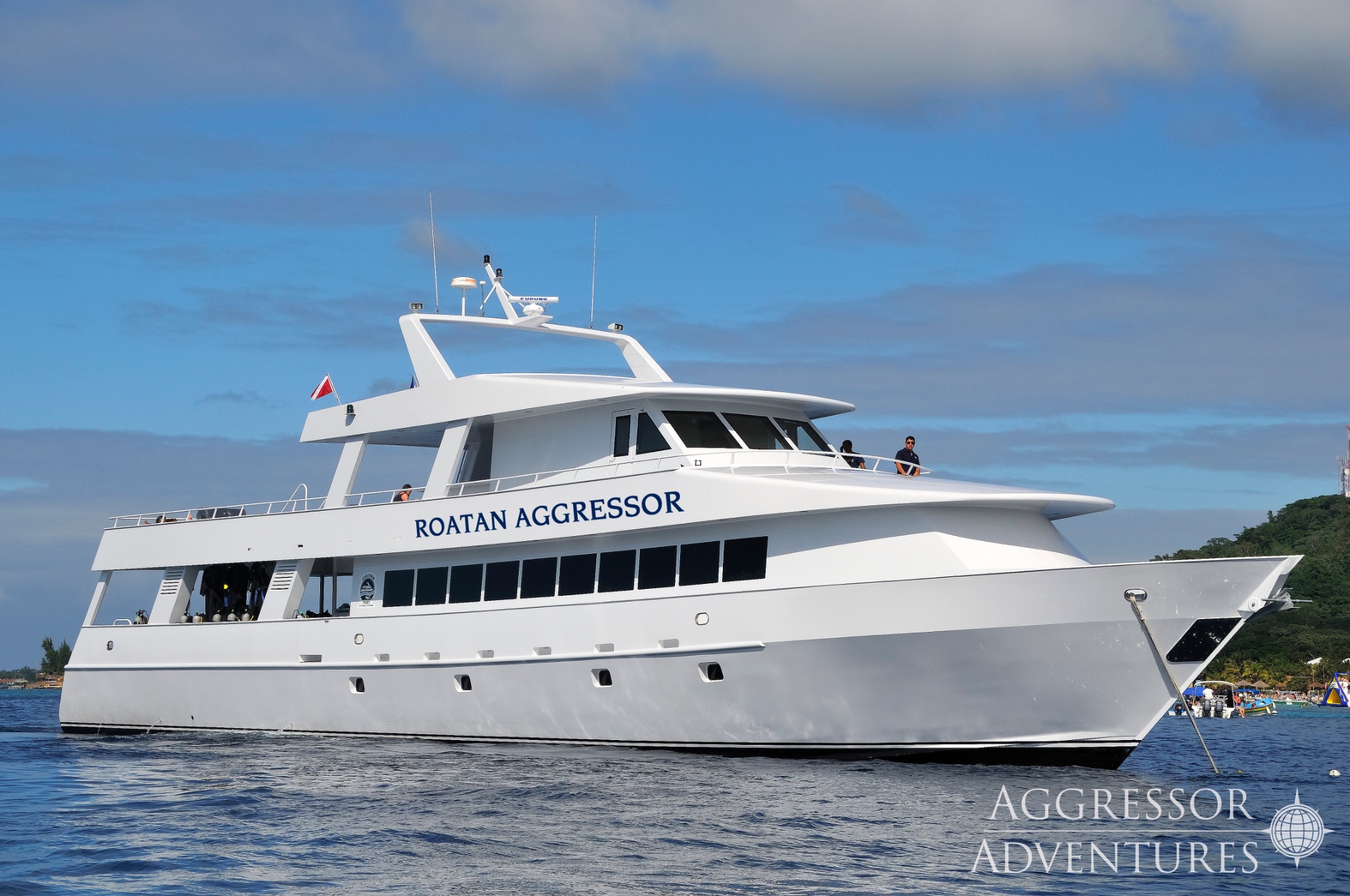
Roatan Aggressor
Honduras
18 guests31.1 m
$309/day
Dive sites similar to Pillar Coral
Same character, same waters — six more sites divers love for the exact same reasons.Compare seasons, access and liveaboard routes — then pick the site that fits your trip best.
© Esri — Maxar, Earthstar, GIS
Satoshi’s Grave
Honduras
Satoshi’s Grave is a distinctive wreck site located on the southern shore of Roatan, specifically the Wreck of Mr. Bud.
- Suitable for
- Beginner
- Current
- Moderate
- Access
- Liveaboard or dayboat
- Depth
- 18–18 m
- Theme
- Wreck / Reef
© Esri — Maxar, Earthstar, GIS
Addie's Garden
Honduras
Addie's Garden is one of 350 dive and snorkel sites located around Roatan, Honduras, within the Mesoamerican Barrier Reef System.
- Suitable for
- Intermediate
- Current
- Moderate
- Access
- Liveaboard or dayboat
- Depth
- 5–30 m
- Theme
- Reef
© Esri — Maxar, Earthstar, GIS
Blackish Point
Honduras
Blackish Point is a captivating shore-drift wall dive located on the north side of Utila, offering a unique blend of volcanic rock formations, soft corals, and an intricate network of caves, overhangs, and crevices.
- Suitable for
- Intermediate
- Current
- Mild
- Access
- Shore / dayboat
- Depth
- 11–27 m
- Theme
- Cave & cavern / Drift
© Esri — Maxar, Earthstar, GIS
Marie's Kitchen
Honduras
Marie's Kitchen is a distinguished dive site located in Roatan, Honduras, forming a crucial part of the Mesoamerican Barrier Reef System, which stands as the world's second-largest coral reef.
- Suitable for
- Intermediate
- Current
- Moderate
- Access
- Liveaboard or dayboat
- Depth
- 5–30 m
- Theme
- Reef
© Esri — Maxar, Earthstar, GIS
Butcher's Bank
Honduras
Butcher's Bank is a celebrated dive site in Roatan, Honduras, widely regarded as one of the island's most enjoyable locations, particularly for novice divers.
- Suitable for
- Beginner
- Current
- Mild
- Access
- Dayboat
- Depth
- 12–18 m
- Theme
- Reef
© Esri — Maxar, Earthstar, GIS
Black Coral Wall
Honduras
Black Coral Wall is a captivating dive site situated off the coast of Utila, Honduras, characterized by its extensive formations of black coral.
- Suitable for
- Intermediate
- Current
- Moderate
- Access
- Liveaboard only
- Depth
- ≤ 50 m
- Theme
- Wall