About Pakaka Pass
Pakaka Pass is located in Apataki, one of the coral atolls within French Polynesia's Tuamotu Archipelago, positioned approximately 370 kilometers northeast of Tahiti. This site is celebrated for its pristine coral formations, showcasing the health and diversity of the region's underwater environment. The pass functions as one of Apataki's two navigable channels, crucial for water exchange with the large central lagoon, which spans about 706 square kilometers. While specific depths are not detailed, the passes in the Tuamotus generally present diverse topographies, from outer walls to submerged plateaus, supporting a wide range of marine life. Apataki itself is known for its species-rich reefs, drawing interest for both scuba diving and snorkeling. The atoll's coral framework exemplifies the geological evolution of Tuamotu formations, with its narrow motu (islets) encircling the lagoon. The diving experience at Pakaka Pass is characterized by its healthy coral gardens and the bustling activity of reef fish. While strong currents are a feature of many Tuamotu passes, conditions at Pakaka specifically are not detailed, implying varied experiences based on tidal flow. Divers can expect to witness a thriving ecosystem sustained by the regular flow of nutrient-rich waters through the pass. The main village of Niutahi is located on the southwest Pakaka Pass, suggesting accessibility and local interaction.
Highlights
Pristine coral formationsHealthy reef ecosystemsApataki Atoll PassVibrant reef fishTuamotu Archipelago diving
Season calendar
Best months to dive here
Jan
Feb
Mar
Apr
May
Jun
Jul
Aug
Sep
Oct
Nov
Dec
Excellent
Dive site facts: Pakaka Pass
- Current
- Can be strong
- Visibility
- Excellent
- Water temperature
- 24–28°C
- Entry
- Tender / Liveaboard
- Level
- Experienced divers recommended (for passes in general)
- Dive type
- Reef / Drift
- Region / port
- Apataki, Tuamotu Archipelago, French Polynesia
- Coordinates
- 15.8200° S, 146.4020° W
Conditions & Currents
As a pass within an atoll, Pakaka experiences tidal currents that facilitate significant water circulation, influencing dive conditions. While specific details on current strength for Pakaka are not provided, Tuamotu passes are generally known for potentially strong currents, especially during tidal exchanges. These currents are vital for the health of the coral ecosystems and attracting marine life. Divers should anticipate drift diving scenarios, requiring good buoyancy control and experience with currents. Entry and exit strategies are typically managed by the dive operator, often involving negative entries or specific timing to coincide with more favorable conditions, such as slack tide, to maximize enjoyment and safety. Visibility in the Tuamotus is consistently excellent, often exceeding 30-40 meters, even with currents.
Marine life & sighting chances
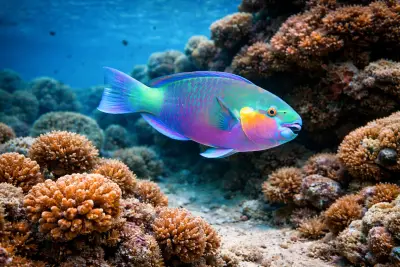
Parrotfish
common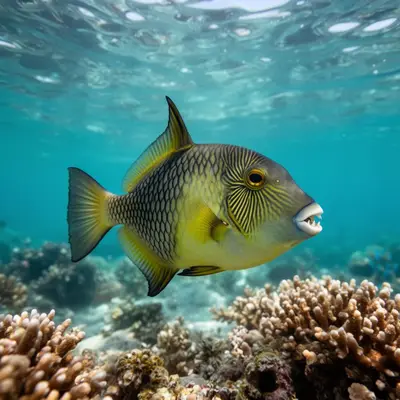
Picasso Triggerfish
common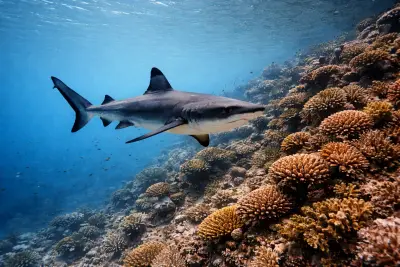
Blacktip Reef Shark
occasional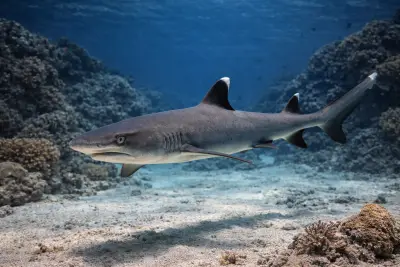
Whitetip Reef Shark
occasional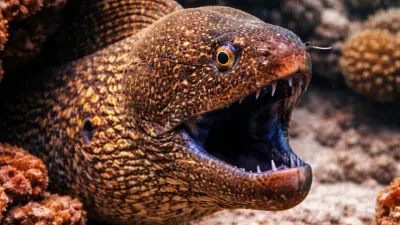
Moray Eel
occasional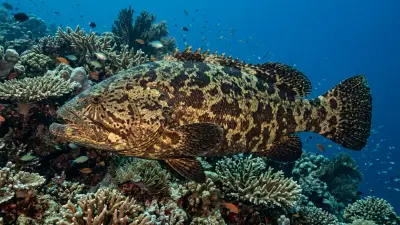
Grouper
June, July · occasional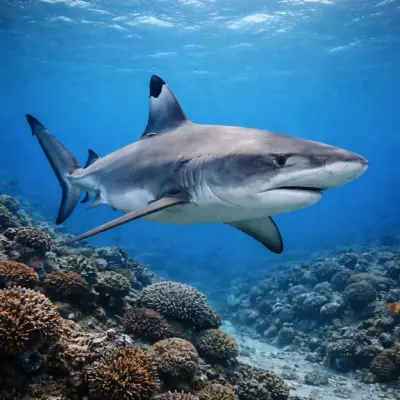
Grey Reef Shark
occasional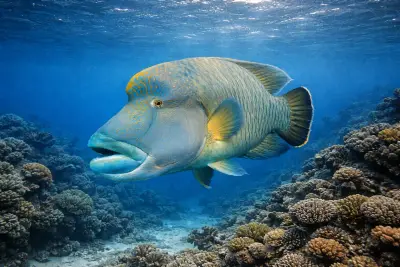
Napoleon Wrasse
occasional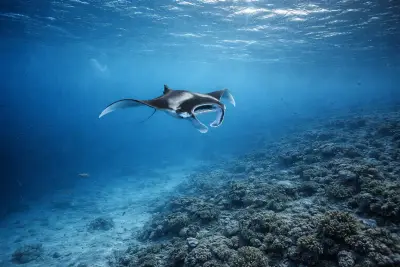
Manta Ray
occasional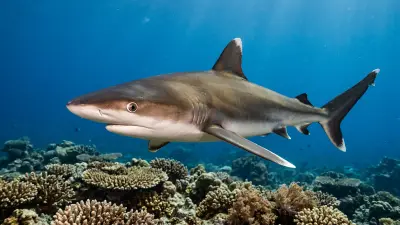
Silvertip Shark
occasional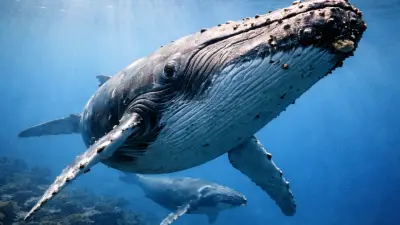
Humpback Whale
August-October · rareDive profile & how the dive runs
Diving in Pakaka Pass typically involves exploring the pristine coral gardens, often influenced by the tidal currents flowing through the atoll's channel. Divers might begin with a boat entry, potentially a negative entry depending on current strength, to quickly descend to the reef. The route would then follow the contours of the pass, allowing for observations of the abundant reef life that thrives in these nutrient-rich waters. Given the emphasis on healthy corals, the dive may involve exploring reef walls and slopes, with particular attention to various parrotfish and Picasso triggerfish noted in the area. Depths would vary as divers navigate the topography of the pass. The turn point might be dictated by air consumption, no-decompression limits, or the strength of the current, which could facilitate a drift dive towards the lagoon or open ocean. Safety stops are generally conducted in shallower, more sheltered areas, or while drifting at the appropriate depth, ensuring a safe ascent after exploring the vibrant marine environment of Pakaka Pass.
Underwater photography
Pakaka Pass, with its pristine corals, offers exceptional wide-angle opportunities to capture the vibrant reefscapes and potentially larger pelagics in the channel. A dome port with a wide-angle lens is ideal for showcasing the expansive coral gardens and the overall health of the reef. For macro enthusiasts, there are numerous smaller creatures like nesting Picasso triggerfish and various types of parrotfish that can be subjects for a macro lens. Given the excellent visibility, natural light photography can be very effective, but strobes are recommended to bring out the true colors of the corals and fish. Buoyancy control is paramount to avoid disturbing the delicate coral formations, especially when currents are present. Divers should maintain a respectful distance from marine life, particularly nesting fish, and avoid touching the reef to preserve the pristine environment.
Combine with nearby dive sites
- Garuae Pass
Northernmost channel of Fakarava, known for mass shark sightings.
- Tumakohua Pass
Southern pass of Fakarava, also rich in sharks and mantas, with grouper spawning events.
- Outer Wall
In Kauehi, characterized by huge hard coral formations and sponges.
- Ohotu
A plateau in Fakarava dropping to 30m with vibrant corals and manta rays.
- Ohutu Pass
The 400m wide channel of Toau, best dived on an incoming tide for sharks and silvertips.
Getting there & logistics
Access to Pakaka Pass in Apataki, French Polynesia, is primarily via liveaboard itineraries that focus on the Tuamotu archipelago. International flights typically arrive at Fa'a'ā International Airport (PPT) in Pape'ete, Tahiti, before connecting to smaller regional airports or liveaboard departure points. Apataki Atoll is located approximately 370 kilometers northeast of Tahiti. Liveaboard trips in French Polynesia often range from 7 to 14 days, exploring multiple atolls within the Tuamotus, and may combine Apataki with other renowned dive destinations like Fakarava and Rangiroa. The main village of Niutahi on the southwest Pakaka Pass serves as a local hub. There are no specific fees mentioned for diving Pakaka Pass, but park fees or local taxes may be included in liveaboard packages.
Safety & environment
Diving at Pakaka Pass, especially in a pass environment, requires adherence to strict safety protocols. French Polynesia has strict dive-safety regulations, particularly for current-swept passes. Divers should possess good buoyancy control and be comfortable with potential strong currents, as these are characteristic of atoll passes. It is crucial to listen carefully to local dive guides, who are experienced with the specific conditions of the pass, including tidal influences. The nearest recompression chamber is likely located in Tahiti, necessitating robust evacuation plans in case of emergencies. Divers should ensure they have comprehensive dive insurance that covers medical emergencies and potential evacuation from remote locations. Always maintain a no-touch, no-chase approach to marine life to protect the pristine coral ecosystems and ensure diver safety.
Who it suits — and who it doesn't
Suited for
- Experienced divers comfortable with currents
- Coral enthusiasts
- Photographers seeking pristine reefscapes
- Liveaboard guests exploring the Tuamotus
- Divers interested in healthy ecosystems
Less suited for
- Beginner divers without current experience
- Divers seeking only large pelagic action (though possible, corals are highlight)
- Those who prefer calm, current-free environments
- Divers unwilling to adhere to strict safety briefings
- Individuals with poor buoyancy control
FAQ
Pakaka Pass FAQ
What kind of marine life can I expect to see at Pakaka Pass?
Pakaka Pass is known for its pristine corals, which attract a variety of reef fish. You can commonly spot various parrotfish and Picasso triggerfish, especially near the motus. Larger species like Blacktip and Whitetip Reef Sharks, Moray Eels, and Groupers are also occasionally seen, with manta rays and silvertip sharks possible during favorable conditions.
What are the typical dive conditions like in Pakaka Pass?
As a pass in an atoll, Pakaka experiences tidal currents that can be strong, making it suitable for experienced divers comfortable with drift diving. Visibility is generally excellent, often exceeding 30 meters, allowing for clear views of the vibrant coral formations. Water temperatures are consistently warm, ranging from 24°C to 28°C throughout the year.
Is Pakaka Pass suitable for beginner divers?
Pakaka Pass is generally more suited for experienced divers due to the potential for strong currents, which are typical of atoll passes in the Tuamotu Archipelago. While the pristine corals are inviting, conditions can be challenging. Divers without experience in currents may find the dive demanding, and good buoyancy control is essential.
How is Pakaka Pass usually accessed?
Pakaka Pass, located in the remote Apataki Atoll, is primarily accessed via liveaboard trips that explore the Tuamotu Archipelago. These itineraries often include multiple atolls and provide dedicated tender boats for reaching specific dive sites within the passes. It's not typically a shore-diving destination.
What are the photography opportunities like at Pakaka Pass?
The pristine coral formations make Pakaka Pass an excellent site for wide-angle photography, capturing the healthy reef ecosystems. Macro photographers will find plenty of subjects among the reef fish, such as nesting Picasso triggerfish. Given the excellent visibility, both natural light and strobe photography can yield stunning results, but careful buoyancy is crucial to protect the delicate corals.
Why dive Pakaka Pass from a liveaboard?
Pakaka Pass is one of French Polynesia's signature dive sites. A liveaboard sleeps you on the water and puts you in the water for three to four guided dives per day, including dawn and night dives that day-boat operators rarely offer. You skip the daily commute back to port and reach quieter, less-crowded sites in the same region on a single trip.
Below are the liveaboards that include Pakaka Pass on their French Polynesia itineraries.
Liveaboards diving Pakaka Pass
These liveaboards may visit Pakaka Pass on selected itineraries — the exact dive sites depend on departure, weather and conditions.
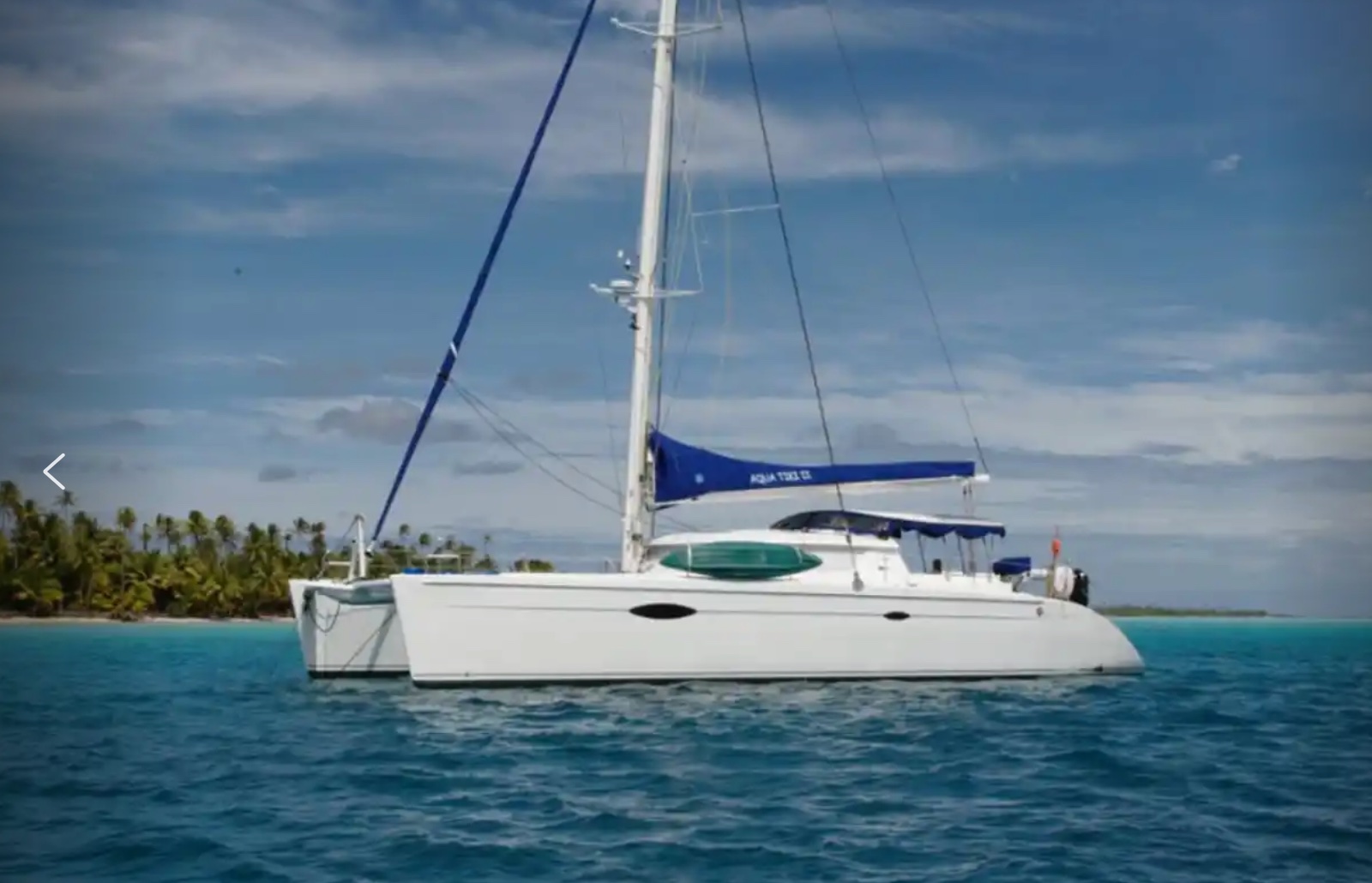
Aqua Tiki II
French Polynesia
8 guests
$579/day
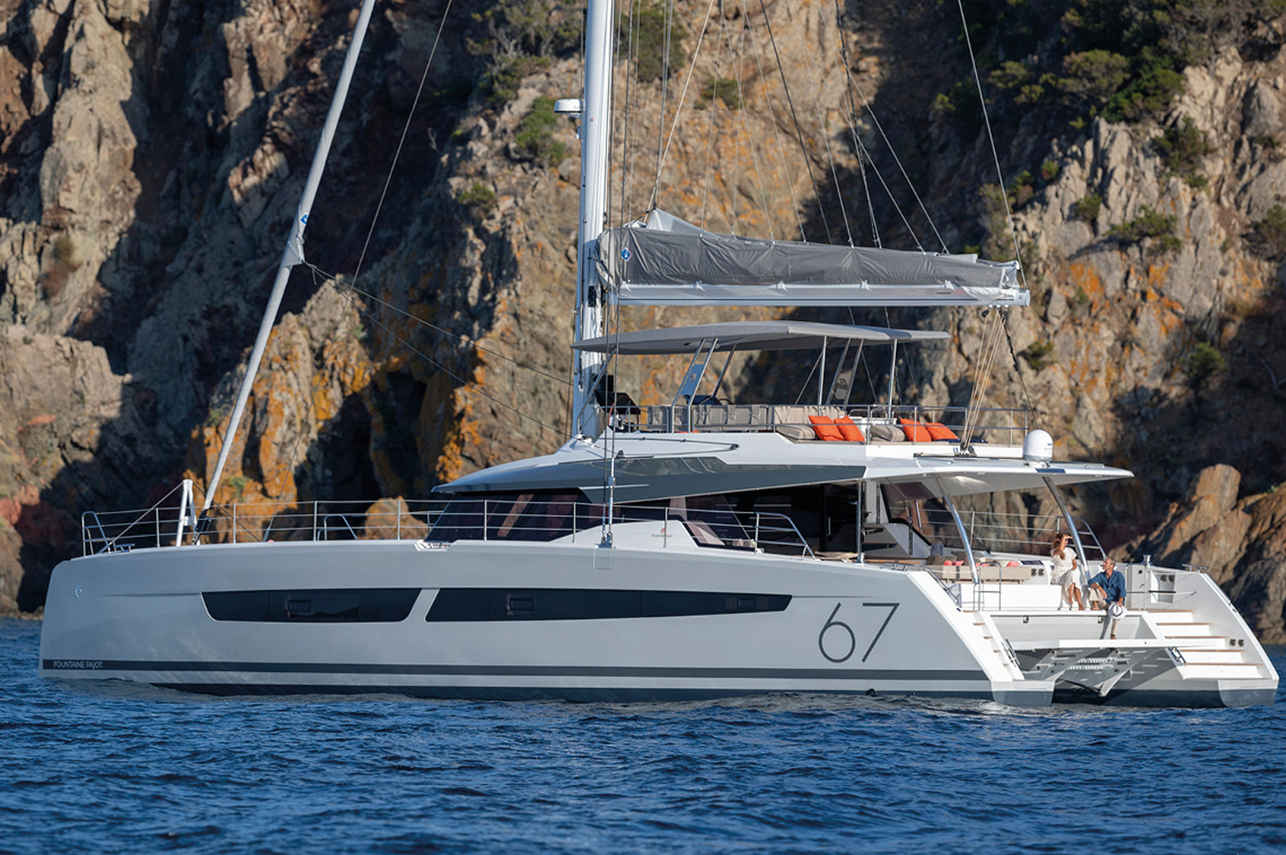
Aqua Tiki III
French Polynesia
10 guests20 m
$504/day
Dive sites similar to Pakaka Pass
Same character, same waters — six more sites divers love for the exact same reasons.Compare seasons, access and liveaboard routes — then pick the site that fits your trip best.
© Esri — Maxar, Earthstar, GIS
Fakarava - Ohotu Reef
French Polynesia
Ohotu Reef, situated in Fakarava's immense Garuae Pass, is a premier dive destination within the UNESCO Biosphere Reserve of French Polynesia.
- Suitable for
- Advanced
- Current
- Strong
- Access
- Liveaboard or dayboat
- Depth
- 5–18 m
- Theme
- Drift / Reef
© Esri — Maxar, Earthstar, GIS
Moorea - Ray Corridor
French Polynesia
The Ray Corridor in Moorea offers an exhilarating drift dive experience within a natural lagoon, making it a favorite for divers seeking dynamic encounters.
- Suitable for
- Beginner
- Current
- Moderate
- Access
- Liveaboard or dayboat
- Depth
- 3–12 m
- Theme
- Drift / Reef
Taotoi, situated in Moorea, French Polynesia, is widely recognized as a premier location for divers seeking an accessible yet vibrant underwater experience.
- Suitable for
- Beginner
- Current
- Mild
- Access
- Dayboat
- Depth
- 9–19 m
- Theme
- Reef
© Esri — Maxar, Earthstar, GIS
The Windmill
French Polynesia
The Windmill is a renowned dive site located within Rangiroa's expansive Tiputa Pass, positioned on the right ocean-side slope.
- Suitable for
- Intermediate
- Current
- Moderate
- Access
- Liveaboard or dayboat
- Depth
- 25–26 m
- Theme
- Reef
Alibaba is a renowned drift dive located within the Garuae Pass in northern Fakarava, a UNESCO Biosphere Reserve in the Tuamotu Archipelago.
- Suitable for
- Intermediate
- Current
- Strong
- Access
- Liveaboard only
- Depth
- 5–30 m
- Theme
- Reef
© Esri — Maxar, Earthstar, GIS
The Crossing
French Polynesia
The Crossing is an advanced dive site located within Rangiroa’s famous Tiputa Pass, designed for highly experienced divers.
- Suitable for
- Expert
- Current
- Ripping
- Access
- Liveaboard or dayboat
- Depth
- 50–50 m
- Theme
- Reef