About The Windmill
The Windmill is a renowned dive site located within Rangiroa's expansive Tiputa Pass, positioned on the right ocean-side slope. Unlike many of Rangiroa's shark-centric dives, this site stands out for its rich diversity of non-shark species, offering a unique perspective on the atoll's abundant marine ecosystem. It is accessible to all levels of certified divers due to its manageable depth and position away from the strongest currents typical of the pass entrance. The dive maintains a maximum depth of 25 to 26 meters, allowing for extended bottom time and thorough exploration of its vibrant inhabitants. Divers can expect to encounter a variety of pelagic and reef creatures, showcasing a different facet of Rangiroa's underwater world than the often-turbulent pass entrances. While the Tiputa Pass is famed for its strong currents, The Windmill is specifically positioned to offer a dive experience out of the direct path of the most intense flow, making it a more relaxed drift. This site is frequently featured on liveaboard and land-based dive itineraries in Rangiroa, providing a contrasting experience to the high-adrenaline shark dives in other parts of the pass. Its focus on a wide array of marine life, from playful dolphins to graceful manta rays and ancient sea turtles, makes The Windmill a rewarding and memorable dive for those seeking biodiversity beyond large shark aggregations.
Highlights
Diverse non-shark marine lifeDolphins, mantas, stingrays, tunaSea turtles and wrassesAccessible to all certified diversMaximum 26 meters depthOut of direct strong currentsVibrant reef ecosystem
Season calendar
Best months to dive here
Jan
Feb
Mar
Apr
May
Jun
Jul
Aug
Sep
Oct
Nov
Dec
Excellent
Good
Off-Season
May – Oct (Dry Season)
Best visibility up to 40m. Humpback whales Jul–Nov. Shark wall at Fakarava peaks Jun–Jul (grouper spawning). Ideal conditions.
Feb – Apr & Nov (Transition)
Improving/declining conditions. Still good diving, occasional rain. Fewer tourists, good value.
Dec – Jan (Wet/Cyclone Season)
Peak wet season with reduced visibility, rough seas possible. Cyclone risk. Some operators still run trips to Rangiroa and Fakarava.
Dive site facts: The Windmill
- Depth
- 25–26 m
- Current
- Mild drift
- Visibility
- 30 m+
- Water temperature
- 26–29°C
- Entry
- Boat / Drift
- Level
- All certified levels
- Dive type
- Drift, pelagic, reef
- Region / port
- Rangiroa, French Polynesia
- Coordinates
- 15.0283° S, 147.7383° W
Conditions & Currents
The Windmill dive site is situated on the right ocean-side slope of the Tiputa Pass in Rangiroa, specifically chosen to avoid the strongest currents that characterize other areas of the pass. While it is a drift dive, it is performed out of the way of the most intense current flows, making it suitable for all levels of certified divers. Visibility in Rangiroa is often excellent, typically around 30 meters, though it can exceed 50 meters on calm days, which enhances the viewing of marine life at this site. Water temperatures consistently range from 26° to 29°C. Divers should maintain good buoyancy control and stay with their group, even in less severe currents, to fully appreciate the diverse marine life encountered here.
Marine life & sighting chances

Dolphins
common
Manta Rays
July to September · occasional
Stingrays
common
Tuna
common
Wrasses
common
Sea Turtles
common
Jacks
common
Barracudas
common
Triggerfish
common
Groupers
common
Anthias
common
Butterflyfish
common
Angelfish
common
Lobsters
occasionalDive profile & how the dive runs
Dives at The Windmill begin from a boat, typically involving a giant stride entry. The site is located on the right ocean-side slope of the Tiputa Pass, away from the strongest incoming or outgoing currents. Divers descend to a maximum depth of 25 to 26 meters, following the gentle drift along the reef. The dive focuses on exploring the rich, non-shark marine life, including sightings of dolphins, manta rays, stingrays, tuna, wrasses, and sea turtles. The progression is generally horizontal along the reef wall, allowing ample time to observe the diverse ecosystem. The dive concludes with a gradual ascent, often utilizing the calmer waters near the end of the drift for a safety stop before surfacing for boat pick-up.
Underwater photography
The Windmill offers excellent opportunities for wide-angle photography due to its diverse pelagic and reef life. A wide-angle lens will capture the graceful movements of dolphins, manta rays, and schooling fish against the clear blue water. For closer reef inhabitants like wrasses and smaller fish, a macro lens can also be rewarding, though wide-angle is generally preferred for the site's larger subjects. Natural light is often sufficient given the excellent visibility, but strobes will enhance color and detail, especially for subjects at greater depths. Maintain good buoyancy to avoid stirring up sediment and approach marine life slowly and respectfully to capture natural behaviors.
Combine with nearby dive sites
- The Canyons
Located within Tiputa Pass, known for grey reef sharks and strong currents.
- The Sharks’ cavern
A deep cavern in Tiputa Pass where divers wait for grey reef sharks.
- The Crossing
An advanced drift dive across Tiputa Pass at deeper depths.
- The Blue
Starts near The Windmill but extends into deeper oceanic waters.
- Avatoru Pass
Another major pass in Rangiroa, offering both advanced and beginner dives.
Getting there & logistics
Access to Rangiroa, where The Windmill is located, typically involves flying into Fakarava (FAV) or directly to Rangiroa (RGI) from Tahiti (PPT) via Air Tahiti. International flights arrive at Fa'a'ā International Airport (PPT) on Tahiti, with direct connections available from cities like San Francisco (SFO) or Los Angeles (LAX) and Paris (PAR). Dive trips to Rangiroa usually combine with other atolls in the Tuamotus, often on liveaboards spanning 7 nights or as part of multi-island land-based packages. Transfers to dive sites like The Windmill are done by local dive operators using small boats. There are generally no specific dive site fees beyond the standard dive package costs.
Safety & environment
Diving at The Windmill, while suitable for all certified divers, still requires attention to standard safety protocols. The nearest recompression chamber is located in Tahiti, necessitating robust emergency evacuation plans in case of a serious dive incident. Divers should always carry valid dive insurance that covers medical emergencies and potential evacuation. Although The Windmill avoids the strongest currents of Tiputa Pass, good buoyancy control and staying with the dive guide are essential. Respect marine life by observing without touching or harassing animals, and adhere to maximum depth limits of 25-26 meters to ensure a safe and enjoyable experience.
Who it suits, and who it doesn't
Suited for
- Divers seeking diverse marine life beyond sharks
- All certified diver levels (Open Water and above)
- Photographers focusing on wide-angle subjects
- Those who prefer milder drift dives
- Divers interested in dolphins, mantas, and turtles
Less suited for
- Divers exclusively seeking high-adrenaline shark action
- Those unwilling to perform drift dives
- Beginners without any drift dive experience
- Divers expecting extreme depths or technical diving
FAQ
The Windmill FAQ
What kind of marine life can I expect at The Windmill?
The Windmill is celebrated for its rich diversity of non-shark species. You can frequently encounter dolphins, manta rays, stingrays, tuna, and various species of wrasses. Sea turtles are also a common sight, offering a vibrant contrast to the shark-dominated dives found elsewhere in Rangiroa.
Is The Windmill suitable for beginner divers?
Yes, The Windmill is considered suitable for all levels of certified divers. It is specifically located out of the way of the strongest currents in Tiputa Pass, making it a more gentle drift dive compared to other sites. This accessibility allows less experienced divers to enjoy the rich marine environment comfortably.
What is the typical depth for a dive at The Windmill?
The maximum depth for a dive at The Windmill typically ranges from 25 to 26 meters (82 to 85 feet). This relatively shallower depth, combined with milder currents, allows for longer bottom times and a more relaxed exploration of the reef and its inhabitants.
How do currents affect diving at The Windmill?
Unlike the intense currents in other parts of Tiputa Pass, The Windmill is intentionally chosen for its position out of the direct path of the strongest flows. While it is a drift dive, the currents are typically milder, offering a comfortable experience. Divers should still be prepared for a drift and maintain good buoyancy.
Can I see manta rays or dolphins at The Windmill?
Yes, The Windmill is one of the sites in Rangiroa where you have a good chance of encountering both dolphins and manta rays. While manta sightings can be seasonal, typically from July to September, dolphins are a more frequent sight. The site is known for its pelagic encounters beyond just sharks.
Why dive The Windmill from a liveaboard?
The Windmill is one of French Polynesia's signature dive sites. A liveaboard sleeps you on the water and puts you in the water for three to four guided dives per day, including dawn and night dives that day-boat operators rarely offer. You skip the daily commute back to port and reach quieter, less-crowded sites in the same region on a single trip.
Below are the liveaboards that include The Windmill on their French Polynesia itineraries.
Liveaboards diving The Windmill
These liveaboards may visit The Windmill on selected itineraries, the exact dive sites depend on departure, weather and conditions.
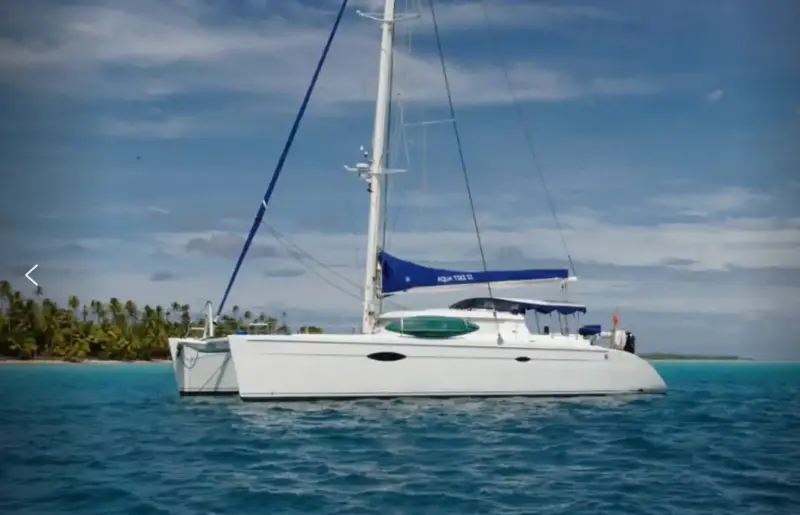
Aqua Tiki II
French Polynesia
8 guests
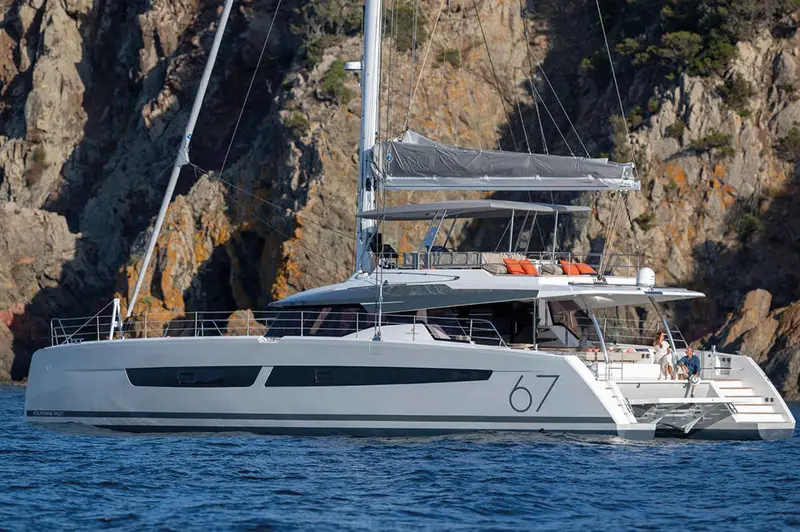
Aqua Tiki III
French Polynesia
10 guests20 m
Dive sites similar to The Windmill
Same character, same waters, six more sites divers love for the exact same reasons.Compare seasons, access and liveaboard routes, then pick the site that fits your trip best.
© EsriMaxar, Earthstar, GIS
Agincourt Reef
Australia
Agincourt Reef sits on the outer edge of the Great Barrier Reef, roughly 60–72 km off Port Douglas in Far North Queensland, at the southern end of the true ribbon reefs that run…
- Suitable for
- Beginner
- Current
- Moderate
- Access
- Dayboat
- Depth
- 2–20 m
- Theme
- Reef / Wall
Ahe Atoll, a remote and authentic destination in French Polynesia, offers a dive experience deeply intertwined with its local pearl farming community.
- Suitable for
- Advanced
- Current
- Strong
- Access
- Liveaboard or dayboat
- Depth
- 5–22 m
- Theme
- Channel / Drift
© EsriMaxar, Earthstar, GIS
Alacrity Shoal
Fiji
Alacrity Shoal is a premier dive site in Fiji, renowned for its spectacular drift diving opportunities and rich marine biodiversity.
- Suitable for
- Advanced
- Current
- Strong
- Access
- Liveaboard or dayboat
- Depth
- 12–40 m
- Theme
- Drift / Seamount
Alibaba is a renowned drift dive located within the Garuae Pass in northern Fakarava, a UNESCO Biosphere Reserve in the Tuamotu Archipelago.
- Suitable for
- Intermediate
- Current
- Strong
- Access
- Liveaboard only
- Depth
- 5–30 m
- Theme
- Reef
© EsriMaxar, Earthstar, GIS
Aliko Reef
Micronesia
Aliko Reef is a prominent dive site within Yap, Micronesia, characterized by a captivating underwater topography that blends a mini-wall with an expansive coral plateau.
- Suitable for
- Intermediate
- Current
- Mild
- Access
- Dayboat
- Depth
- 6–15 m
- Theme
- Reef / Wall
© EsriMaxar, Earthstar, GIS
Amity Point
Australia
Amity Point is a popular shore diving destination located at the northwestern tip of North Stradbroke Island, within the protected waters of Moreton Bay.
- Suitable for
- Beginner
- Current
- Moderate
- Access
- Shore / dayboat
- Depth
- 5–15 m
- Theme
- Reef