About Overheat
Overheat Reef is an intermediate dive site located off Roatán, Honduras, renowned for its vibrant Caribbean reef system. It's part of the extensive Mesoamerican Barrier Reef, which is the second-largest coral reef system globally. This site is particularly noted for its healthy hard coral formations, including brain, star, and elkhorn corals, which create a thriving habitat for numerous marine species. The topography of Overheat Reef primarily consists of a barrier reef, with depths reaching up to 18 to 20 meters, though a wall extends down to 30 meters. Divers will encounter a sandy patch at 8 meters, ideal for macro life and beginner training, which then slopes towards the deeper wall. The site is accessible via boat and is also suitable for drift dives, navigation dives, and night dives. Throughout the year, divers can observe a bustling community of reef fish, such as queen and French angelfish, trumpetfish, and various groupers and barracudas frequenting cleaning stations. Critters like nudibranchs, sea hares, crabs, conch, and lobsters are abundant, especially in the sandy patches and among rocks. While sea turtles and eagle rays are occasionally seen, the primary focus is on the rich coral and reef fish diversity. The typical dive at Overheat Reef involves exploring the coral formations and searching for macro life, often maintaining a depth range of 12-25 meters for about 50-60 minutes. The moderate depth and generally gentle currents make it a comfortable dive, suitable for those with intermediate experience looking to enjoy a classic Caribbean reef environment.
Highlights
Healthy hard coral formationsVibrant reef fish communityCleaning stationsMacro life in sandy patchesWall descending to 30 metersSuitable for night divesGentle currentsBrain, star, elkhorn corals
Season calendar
Best months to dive here
Jan
Feb
Mar
Apr
May
Jun
Jul
Aug
Sep
Oct
Nov
Dec
Excellent
Good
Dive site facts: Overheat
- Depth
- 8–30 m
- Typical dive
- 12–25 m, 50–60 min
- Current
- Gentle to mild, occasionally moderate
- Visibility
- 18–30 m
- Water temperature
- 26–29°C
- Entry
- Boat dive
- Level
- Intermediate
- Dive type
- Reef, wall, macro
- Night dive
- Possible
- Region / port
- Roatán, Honduras
- Coordinates
- 16.3312° N, 86.6450° W
Conditions & Currents
Overheat Reef typically experiences gentle to mild currents, making it a relaxing and rewarding dive site for most skill levels. While conditions are generally calm, moderate currents have been noted, particularly during certain months like November, which can make for an interesting drift dive. Visibility is usually excellent, often ranging from 18 to 30 meters, with peak visibility extending to 36 meters during the drier months. Surface conditions typically include calm seas, though occasional moderate wave heights of around 1.2 meters can occur. Divers should plan for standard boat entries and exits, and be mindful that while thermoclines are noted at 25 meters in the region, they are not specifically detailed for Overheat Reef itself. The site's moderate depth profile and typically gentle conditions mean it is accessible to intermediate divers and those with some current experience.
Marine life & sighting chances
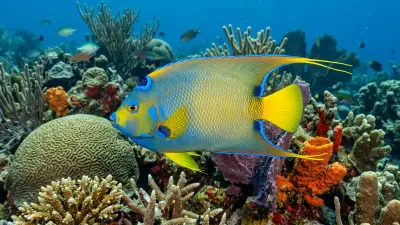
Queen Angelfish
common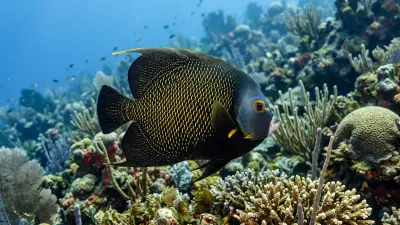
French Angelfish
common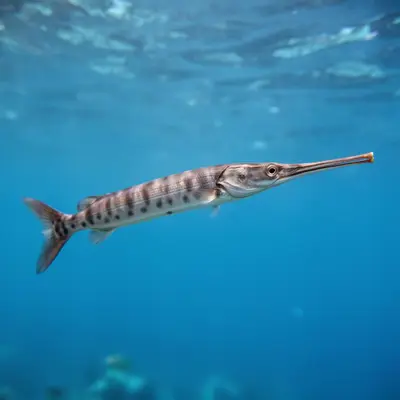
Trumpetfish
common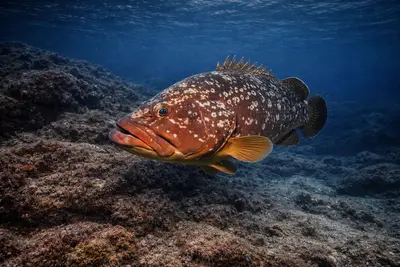
Groupers
common
Barracuda
common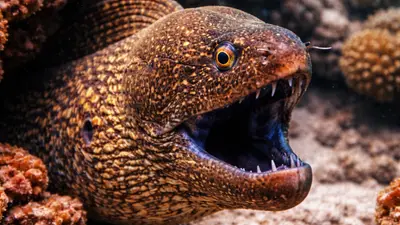
Moray Eels
occasional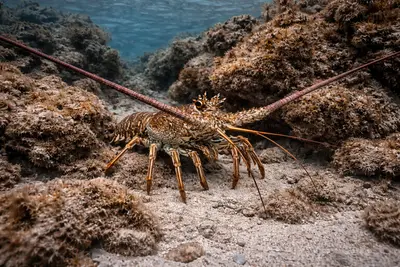
Lobsters
common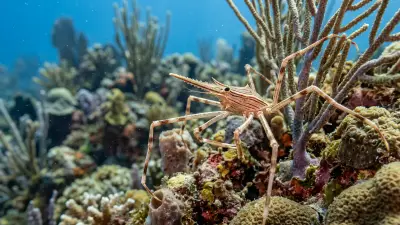
Crabs
common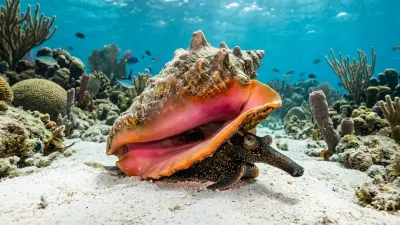
Conch
common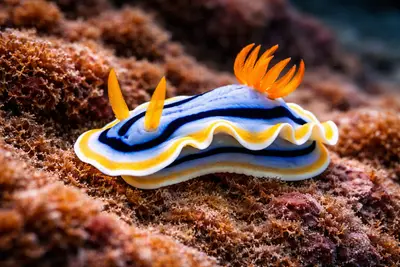
Nudibranchs
common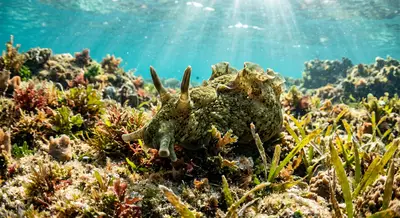
Sea Hares
commonSea Turtles
occasional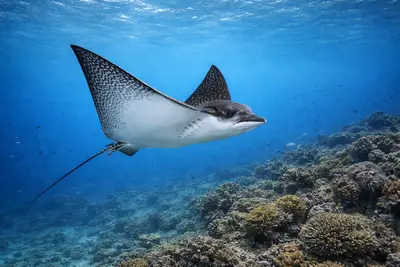
Eagle Rays
occasional
Reef Sharks
rareDive profile & how the dive runs
Your dive at Overheat Reef typically begins with a boat entry, leading you to a shallow sandy patch around 8 meters deep, which is excellent for beginner training and spotting macro life. From here, you follow the vibrant barrier reef, gradually descending along its contours, observing healthy hard coral formations such as brain, star, and elkhorn corals. The reef slopes down to a wall, allowing for deeper exploration, with the maximum depth reaching around 30 meters. During the dive, you can focus on the cleaning stations to observe interactions between groupers and barracudas, or search for smaller critters like nudibranchs and lobsters among the rocks and sand. The site is well-suited for drift diving due to occasional moderate currents. The turnaround point is determined by air consumption or bottom time, typically leading back up the reef. Your safety stop will commonly be conducted at 5 meters in the shallower reef sections before ascending to the boat.
Underwater photography
Overheat Reef provides excellent opportunities for both wide-angle and macro photography due to its diverse topography and marine life. For wide-angle shots, a fisheye or wide rectilinear lens is ideal to capture the expansive coral formations and the sheer wall drop-off. Ensure your strobes are positioned to illuminate the colorful corals and avoid backscatter, especially in the clear visibility. For macro enthusiasts, a 60mm or 100mm lens will be perfect for documenting the abundant nudibranchs, sea hares, crabs, and lobsters found in the sandy patches and crevices. Practicing good buoyancy is crucial to avoid damaging the healthy corals and to get stable shots of smaller, shy subjects. When photographing cleaning stations, approach slowly and maintain a respectful distance to avoid disturbing the natural behavior of the fish.
Combine with nearby dive sites
- Front Porch
Front Porch Reef is a convenient shore dive site located just steps from Anthony’s Key Resort’s dock, making it easily accessible for…
- Hole in the Wall
Hole in the Wall is a celebrated dive site in Roatan, part of the extensive Mesoamerican Barrier Reef System, which is the second-largest…
- Black Coral Wall
Black Coral I and II are prominent dive sites within Cuba's renowned Jardines de la Reina marine reserve, an area celebrated for its…
- Pillar Coral
Pillar Coral is a distinctive dive site off Roatán, Honduras, named for its significant concentration of rare, vertically growing pillar…
Getting there & logistics
To reach Overheat Reef, divers typically fly into Juan Manuel Gálvez International Airport (RTB) on Roatán, Honduras. From there, transfers are arranged to dive resorts or operators located primarily in the Sandy Bay or West End areas. The site is exclusively accessed by boat, with numerous PADI and SSI certified dive centers operating within close proximity, such as Scuba Roatan, Sandy Bay Divers, and Anthony's Key Resort. Day trips from local dive shops are the standard, as liveaboards are generally not available for single-site diving in Roatán. Typical dive trips often combine Overheat Reef with other nearby sites, offering varied itineraries. Marine park fees are usually around $10 per person, which may be included in your dive package. No specific permits beyond standard diving certifications are required.
Safety & environment
Diving at Overheat Reef, as with any site in Roatán, requires adherence to standard safety protocols. The nearest recompression chamber is located within 10 km, providing crucial support in case of decompression sickness. Divers should always carry appropriate dive insurance that covers emergency medical treatment and evacuation, as medical facilities on the island are basic, and serious incidents may necessitate transfer to mainland Honduras or internationally. Site-specific hazards are minimal, with generally gentle currents, but divers should be prepared for occasional moderate currents, especially if planning drift dives. Always dive within your certification limits and follow your guide's instructions. An emergency assistance plan should always be discussed during the dive briefing, covering procedures for lost divers and separated buddies.
Who it suits — and who it doesn't
Suited for
- Intermediate divers seeking vibrant reef exploration
- Macro photographers
- Divers interested in drift dives
- Those who enjoy observing cleaning stations
- Divers looking for night dive opportunities
Less suited for
- Absolute beginners without supervised training
- Divers expecting extreme pelagic encounters
- Those uninterested in reef ecology
- Divers seeking shore-entry access
FAQ
Overheat FAQ
What kind of marine life can I expect at Overheat Reef?
You can expect a thriving community of reef fish, including queen and French angelfish, trumpetfish, and groupers. The site is also rich in macro life, with frequent sightings of nudibranchs, sea hares, crabs, and lobsters. While sea turtles and eagle rays are occasionally seen, the focus is more on the diverse reef inhabitants and coral formations.
How deep is Overheat Reef and what is the typical dive profile?
Overheat Reef features depths ranging from a shallow sandy patch at 8 meters to a wall descending to 30 meters. A typical dive often explores the 12-25 meter range, lasting 50-60 minutes. Divers usually start shallow, follow the reef's slope, and ascend to a safety stop in the shallower sections.
Are the currents strong at Overheat Reef?
The currents at Overheat Reef are generally gentle to mild, contributing to a relaxing dive experience. However, moderate currents can occur, particularly in certain seasons, making it suitable for drift dives. It is always best to check with local dive operators for daily conditions.
Is Overheat Reef suitable for beginners?
Overheat Reef is classified as an intermediate dive site, making it suitable for certified divers with some experience. Beginners can use the shallower sandy patches for training under direct supervision, but exploring the deeper wall sections requires more advanced skills. It's recommended to have current experience if conditions are moderate.
Can I do a night dive at Overheat Reef?
Yes, Overheat Reef is an excellent site for night dives. The diverse topography and abundant macro life provide a unique experience after dark, allowing divers to observe different behaviors and creatures that emerge at night. Many local dive centers offer organized night excursions to this site.
Why dive Overheat from a liveaboard?
Overheat is one of Honduras's signature dive sites. A liveaboard sleeps you on the water and puts you in the water for three to four guided dives per day, including dawn and night dives that day-boat operators rarely offer. You skip the daily commute back to port and reach quieter, less-crowded sites in the same region on a single trip.
Below are the liveaboards that include Overheat on their Honduras itineraries.
Liveaboards diving Overheat
These liveaboards may visit Overheat on selected itineraries — the exact dive sites depend on departure, weather and conditions.
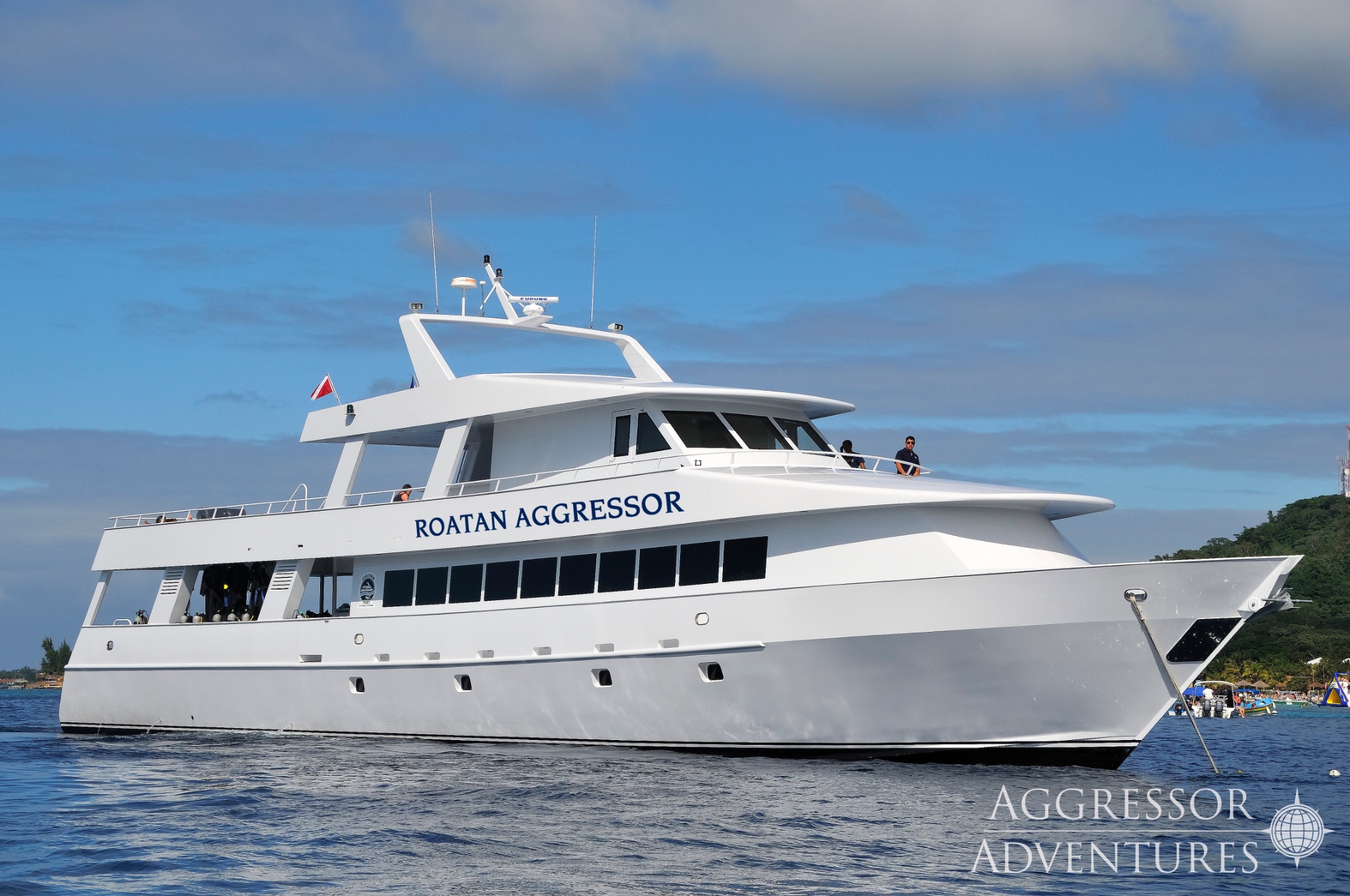
Roatan Aggressor
Honduras
18 guests31.1 m
$309/day
Dive sites similar to Overheat
Same character, same waters — six more sites divers love for the exact same reasons.Compare seasons, access and liveaboard routes — then pick the site that fits your trip best.
Blackish Point
Honduras
Blackish Point is a captivating shore-drift wall dive located on the north side of Utila, offering a unique blend of volcanic rock formations, soft corals, and an intricate network of caves, overhangs, and crevices.
- Suitable for
- Intermediate
- Current
- Mild
- Access
- Shore / dayboat
- Depth
- 11–27 m
- Theme
- Cave & cavern / Drift
Carib Point
Honduras
Carib Point is a distinctive shallow fringing reef and hardbottom site located off Roatán's north shore, specifically in the Sandy Bay/West End area.
- Suitable for
- Intermediate
- Current
- Mild
- Access
- Liveaboard only
- Depth
- 9–12 m
- Theme
- Drift
Green Out House Wall
Honduras
Green Out House Wall is a notable dive site in Roatan, recognized for its distinct wall topography and the potential for drift diving.
- Suitable for
- Intermediate
- Current
- Moderate
- Access
- Dayboat
- Depth
- ≤ 22 m
- Theme
- Wall / Drift
Jack Neal Point
Honduras
Jack Neal Point is a captivating dive site located off the western coast of Roatan, Honduras, nestled within the larger Mesoamerican Barrier Reef System, the second-largest barrier reef globally.
- Suitable for
- Beginner
- Current
- Mild
- Access
- Dayboat
- Depth
- 5–30 m
- Theme
- Reef / Wall
Pablo's Place
Honduras
Pablo's Place, or Texas, is a notable dive site located in the Mesoamerican Reef system, specifically off Roatan's West End in Honduras.
- Suitable for
- Intermediate
- Current
- Moderate
- Access
- Dayboat
- Depth
- 5–30 m
- Theme
- Reef / Wall
Carib Wall
Honduras
Carib Wall is a renowned dive site located in Carib Bight, on the island of Roatan in Honduras.
- Suitable for
- Intermediate
- Current
- Moderate
- Access
- Dayboat
- Depth
- 9–30 m
- Theme
- Wall / Drift