About Outer Wall
Outer Wall is not a specific named site but rather a characteristic feature of various dive locations throughout Mexico, particularly where continental shelves or volcanic islands create dramatic vertical drop-offs. These walls are frequently found within marine protected areas, emphasizing their ecological significance. Such formations often serve as a crucial habitat for a diverse array of marine life, thriving on the currents that sweep along their faces and carry nutrient-rich waters. Topographically, outer walls typically begin at varying depths and plunge hundreds of meters into the deep ocean. Divers follow the wall's contours, navigating overhangs, crevices, and ledges. These structures provide shelter and hunting grounds for smaller creatures and offer expansive views into the blue water, where larger pelagic species are often sighted. The experience frequently involves drift diving, allowing the current to carry divers along the wall rather than swimming against it. Marine life encounters along these walls can be rich and varied, depending on the specific region. For example, in the Caribbean, you might observe turtles, stingrays, eagle rays, barracuda, and reef sharks. In the Pacific, encounters can include schools of jacks, various shark species, and seasonal aggregations of mobula rays. The abundance of pelagic life is often tied to seasonal migrations and current conditions. Diving these outer walls is usually conducted via boat, as they are largely inaccessible from shore. The nature of these sites often implies drift dives with prevailing currents, requiring careful planning and proficient buoyancy control. Divers typically complete multiple dives in a day, with operators facilitating upstream drops and downstream pickups.
Highlights
Pacific Ocean meets Sea of CortezDramatic wall divingCabo San Lucas Marine ParkDiverse seasonal pelagic lifeResident sea lionsRocky crevices and reefsExcellent visibilityMinimal currents
Season calendar
Best months to dive here
Jan
Feb
Mar
Apr
May
Jun
Jul
Aug
Sep
Oct
Nov
Dec
Excellent
Good
Nov – Apr (Peak)
Socorro season open (Nov–May) for giant mantas and hammerheads. Cozumel bull sharks Dec–Mar. Cenotes excellent year-round. Best overall conditions.
May – Oct (Transition & Sea of Cortez)
Socorro closing, Cozumel still good. Whale sharks arrive at Isla Mujeres Jun–Sep. From August, the Sea of Cortez comes alive: Midriff Islands offer massive sea lion colonies and schooling mobulas. September and October bring world-class diving around La Paz and Cabo Pulmo with whale sharks, hammerheads, and bull sharks on the Explore Baja route.
Dive site facts: Outer Wall
- Depth
- 8–40 m
- Current
- Minimal
- Visibility
- 15–30 m
- Water temperature
- 19–28°C
- Entry
- Boat
- Level
- All levels, AOWD recommended for deeper sections
- Dive type
- Wall, reef, pelagic
- Region / port
- Cabo San Lucas, Baja California Sur
- Coordinates
- 22.867846, -109.980055
Conditions & Currents
Current conditions vary significantly depending on the specific outer wall location and can range from mild to strong. Many wall dives are characterized by drift diving, where consistent currents carry divers along the reef. In areas like Cozumel, these currents can be substantial, often running at 2 to 3 knots, and can also produce unpredictable down-currents along the wall face. These conditions necessitate proficiency in drift diving techniques and strong current experience for advanced sites. Entry is typically a negative descent from a live boat, with divers picked up downstream at the end of the dive. Visibility is generally excellent, often exceeding 30 meters, but could be affected by seasonal plankton blooms or stormy weather. Thermoclines are possible in deeper or open-ocean environments, especially on the Pacific side, and can influence comfort and gas planning. Divers should be prepared for varying conditions and possess the appropriate certification level.
Marine life & sighting chances

California Sea Lion
Year-round, most active in late summer · common
Mobula Ray
May–July, October–December · common
Whale Shark
October–December, January–March, April–May · occasional
White Tip Shark
Year-round · occasional
Hammerhead Shark
January–March, April–May · occasional
Sea Turtle
Year-round · common
Snapper
Year-round · common
Butterfly Fish
Year-round · common
Moray Eel
Year-round · common
Lobster
Year-round · common
Octopus
Year-round · occasional
Moorish Idol
Year-round · common
Guitarfish
Year-round · occasional
Seahorse
Year-round · occasionalDive profile & how the dive runs
Dives at the Outer Wall typically begin with a boat drop directly onto the reef top, often around 8 to 12 meters. From there, divers descend along the outer wall, following the contours of the coral formations and rocky crevices. The dive progresses along the wall, exploring depths down to 25-40 meters, depending on the diver's certification and the guide's plan for the day. The route emphasizes careful buoyancy control to navigate the intricate wall structure without disturbing marine life. Turnaround points are determined by air consumption and bottom time, with the ascent usually retracing the wall or ascending along a suitable reef slope. Safety stops are conducted in the shallower sections of the reef, often around 5 meters, allowing for extended observation of the abundant reef fish while decompressing safely.
Underwater photography
The Outer Wall offers diverse photographic opportunities, from wide-angle pelagic encounters to macro life within the wall's crevices. For capturing the expansive wall and schooling fish, a wide-angle lens with external strobes is highly recommended to bring out vibrant colors in the deep blue. When focusing on macro subjects like nudibranchs, seahorses, or small crustaceans tucked into the rocky features, a macro lens with a snoot or focused lighting will highlight intricate details. Maintain excellent buoyancy to avoid stirring up sediment or damaging delicate corals, especially when getting close to subjects. Be respectful of sea lions and other large marine animals, keeping a safe distance and never chasing or cornering them.
Combine with nearby dive sites
Getting there & logistics
Diving at the Outer Wall is exclusively via day boat trips departing from Cabo San Lucas. Several PADI 5 Star IDC Dive Centers operate in Cabo, offering daily excursions to the marine park. Trip lengths typically involve 2-tank dives, lasting a half-day. Cabo San Lucas is easily accessible through Los Cabos International Airport (SJD), which serves numerous domestic and international flights. It is common for Outer Wall dives to be combined with other sites within the Cabo San Lucas Marine Park, such as Neptune's Finger or Pelican Rock, as part of a single boat trip. While specific permit fees for this site are usually included in dive packages, divers should be prepared for standard marine park environmental fees common in Mexican protected areas.
Safety & environment
For diving the Outer Wall, recompression chambers are available in Cabo San Lucas, ensuring prompt medical attention for dive-related emergencies. Divers should always carry personal dive insurance covering hyperbaric treatment and evacuation. Site-specific hazards are generally minimal, given the typically calm conditions and mild currents, but thermoclines can cause sudden temperature drops, requiring appropriate thermal protection. Divers should strictly adhere to depth and time limits, maintain excellent buoyancy control to protect the marine environment, and follow the instructions of their dive guide. All diving should be conducted with a certified local operator, ensuring safety protocols and knowledge of current conditions are in place for each dive. Always dive within your training and experience limits.
Who it suits — and who it doesn't
Suited for
- Divers seeking vibrant reef and wall environments
- Photographers interested in wide-angle and macro subjects
- Divers hoping for pelagic encounters
- Divers comfortable with boat entries and exits
- Those who enjoy calm seas and minimal current
Less suited for
- Divers seeking shore entry opportunities
- Those sensitive to occasional thermoclines
- Divers looking for extremely challenging drift dives
- Individuals not comfortable with boat travel
- Divers unwilling to adhere to marine park regulations
FAQ
Outer Wall FAQ
What is the best time of year to dive the Outer Wall?
The prime season for diving the Outer Wall is from late August through December. During these months, you can expect the warmest water temperatures, often reaching 28°C, and excellent visibility, frequently exceeding 30 meters. This period is also ideal for encountering a wide range of marine life, including seasonal visitors.
What kind of marine life can I expect to see at the Outer Wall?
The Outer Wall is home to diverse marine life due to its location where the Pacific meets the Sea of Cortez. You can regularly encounter playful California sea lions, schools of snapper and butterfly fish, and various moray eels. Depending on the season, you might also spot mobula rays, sea turtles, and different shark species like white tips or hammerheads.
Are the currents strong at the Outer Wall?
Generally, the Outer Wall experiences minimal currents, contributing to a calm and enjoyable diving experience. While the convergence of two major ocean bodies can create unique conditions, most dives are characterized by gentle water movements. Your local dive guide will always assess daily conditions to ensure a safe and comfortable dive.
Is the Outer Wall suitable for beginner divers?
Yes, the Outer Wall offers sections suitable for all certification levels, including beginners. The shallower parts of the reef start around 8 meters, and typically calm conditions make it accessible. However, for exploring deeper sections of the wall, an Advanced Open Water Diver certification is recommended to maximize your experience.
How do I access the Outer Wall dive site?
Access to the Outer Wall is exclusively by boat from Cabo San Lucas. Numerous PADI-certified dive centers in the area offer daily excursions to the Cabo San Lucas Marine Park, which includes the Outer Wall. Dives are typically part of a 2-tank trip, combining the wall with other nearby sites like Neptune's Finger or Pelican Rock.
Why dive Outer Wall from a liveaboard?
Outer Wall is one of Mexico's signature dive sites. A liveaboard sleeps you on the water and puts you in the water for three to four guided dives per day, including dawn and night dives that day-boat operators rarely offer. You skip the daily commute back to port and reach quieter, less-crowded sites in the same region on a single trip.
Below are the liveaboards that include Outer Wall on their Mexico itineraries.
Liveaboards diving Outer Wall
These liveaboards may visit Outer Wall on selected itineraries — the exact dive sites depend on departure, weather and conditions.
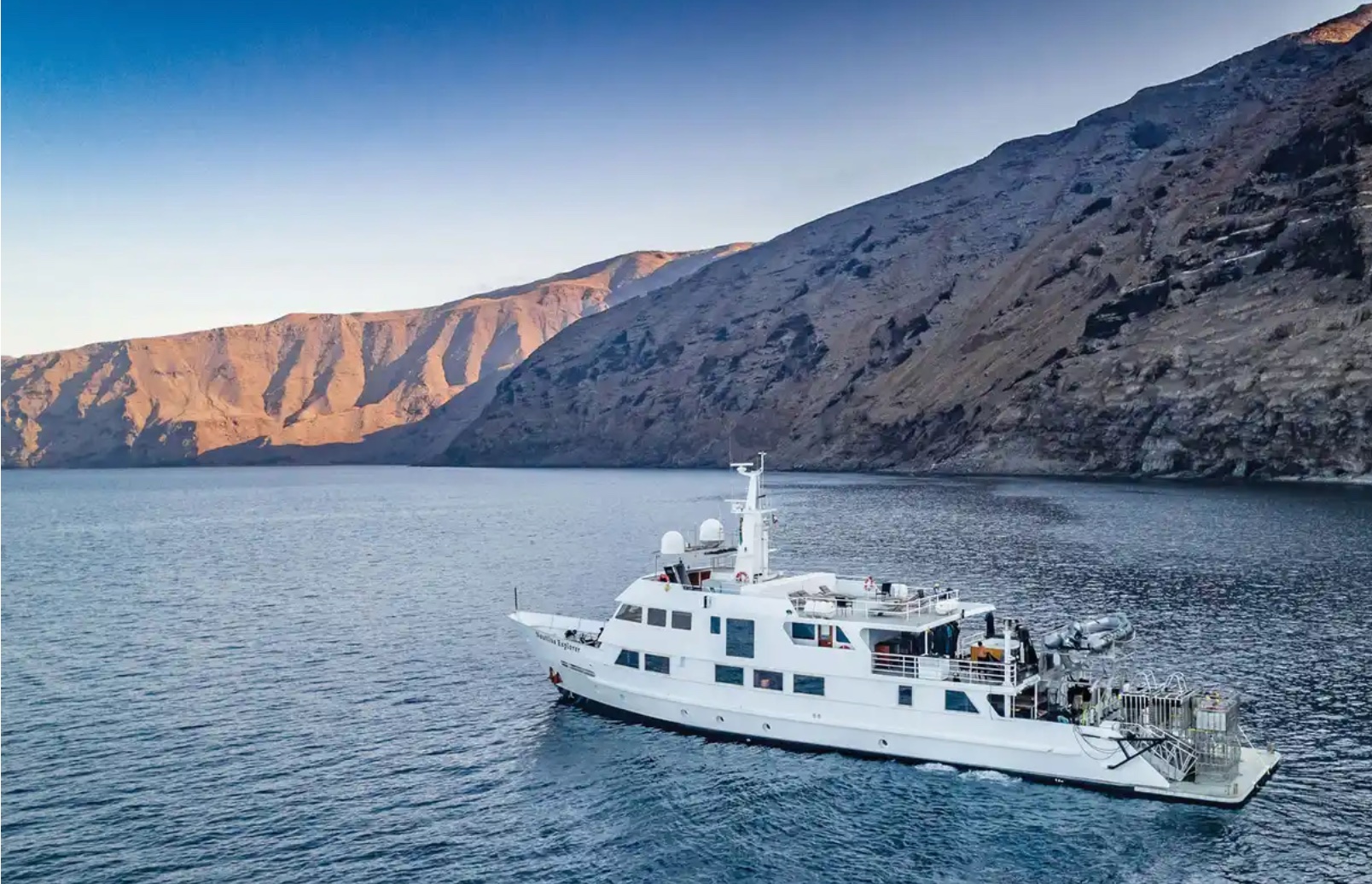
Nautilus Explorer
Mexico
25 guests45 m
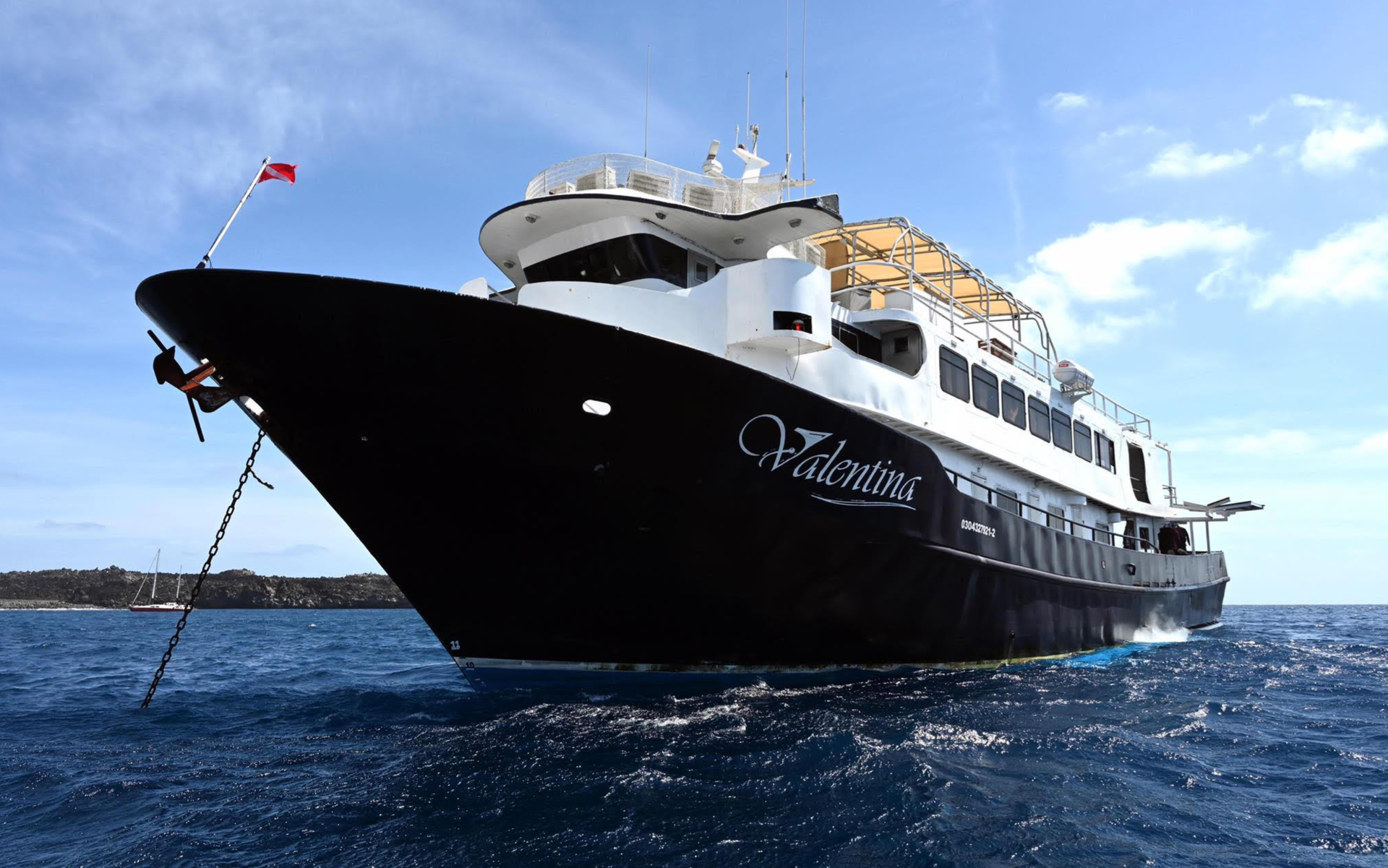
Valentina
Mexico
20 guests38 m
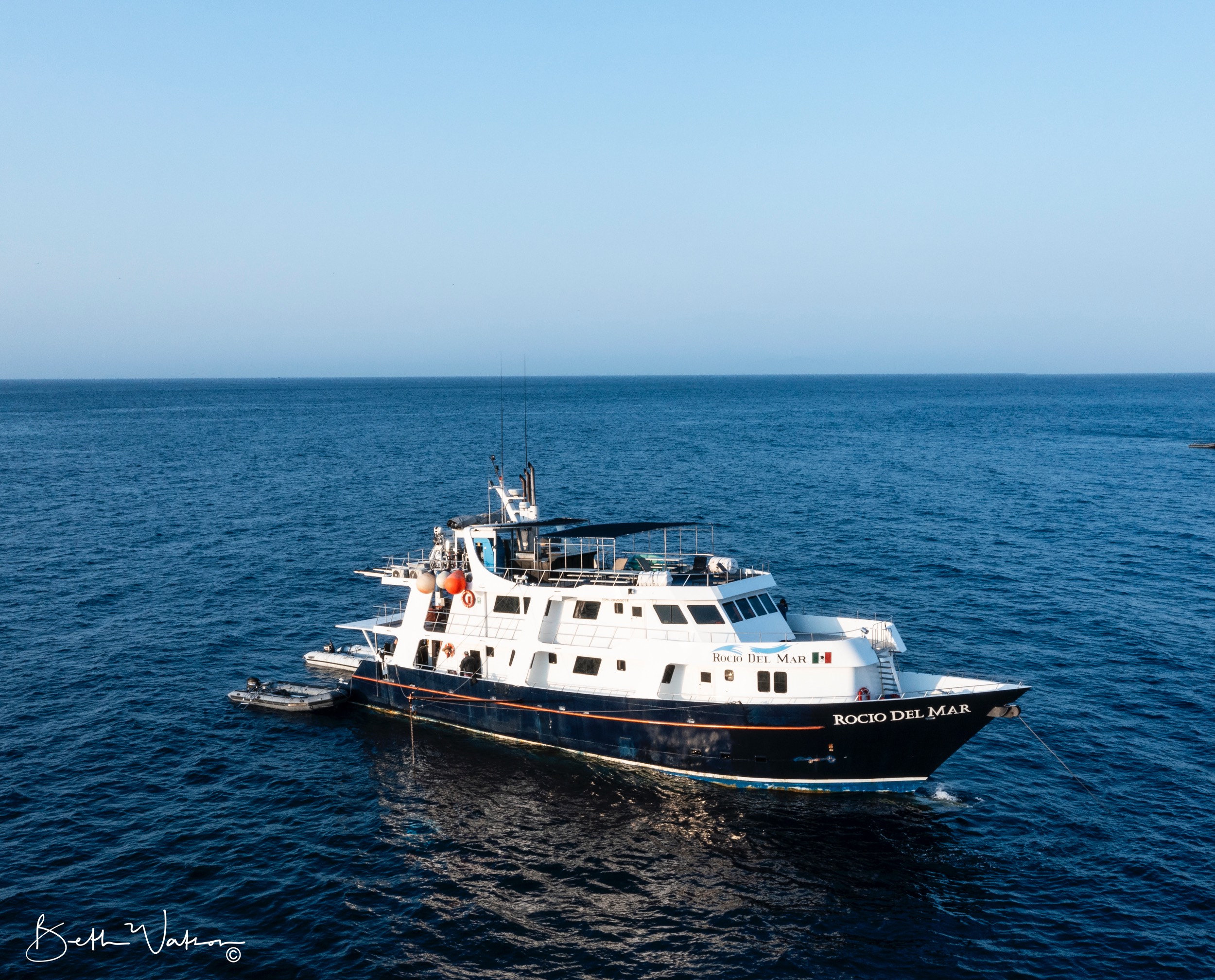
Rocio del Mar
Mexico
20 guests34 m
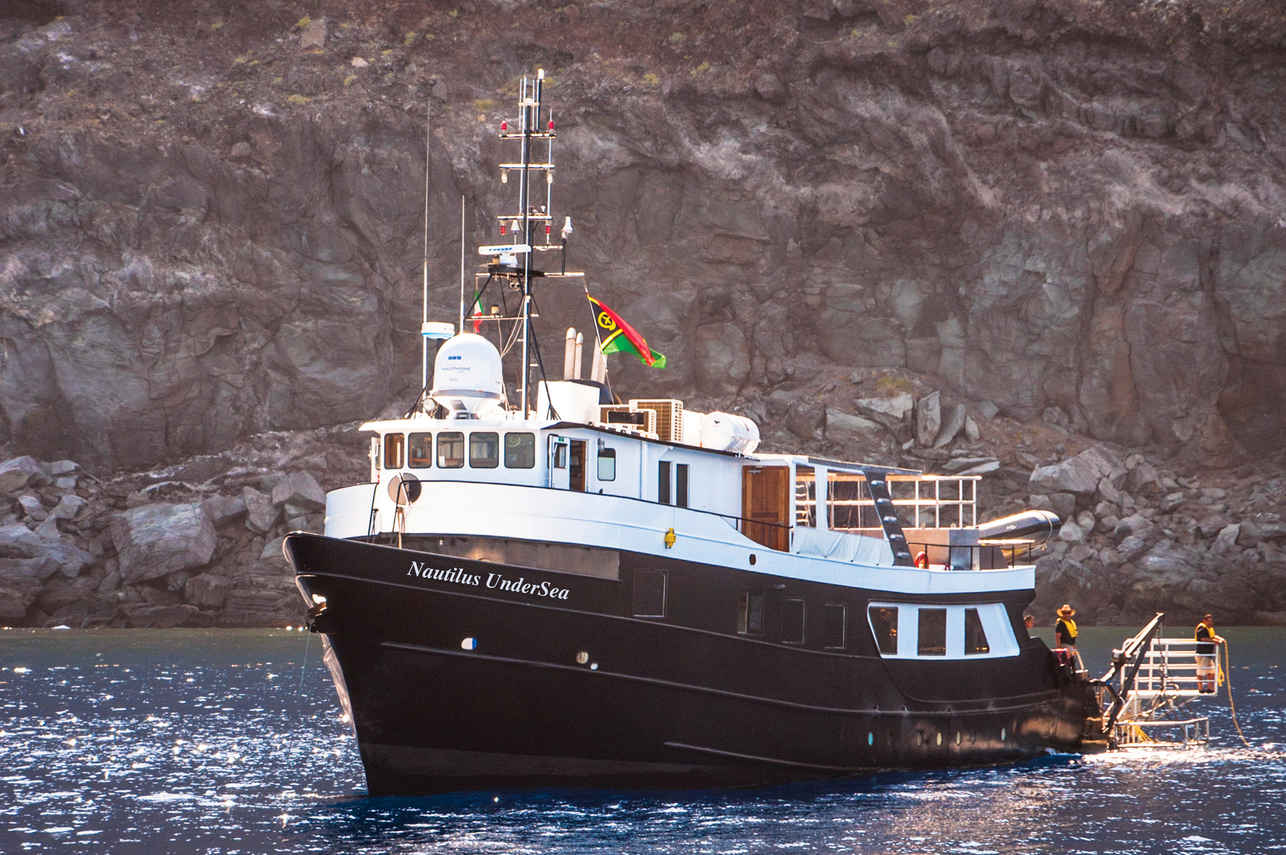
Nautilus Under Sea
Mexico
19 guests32 m
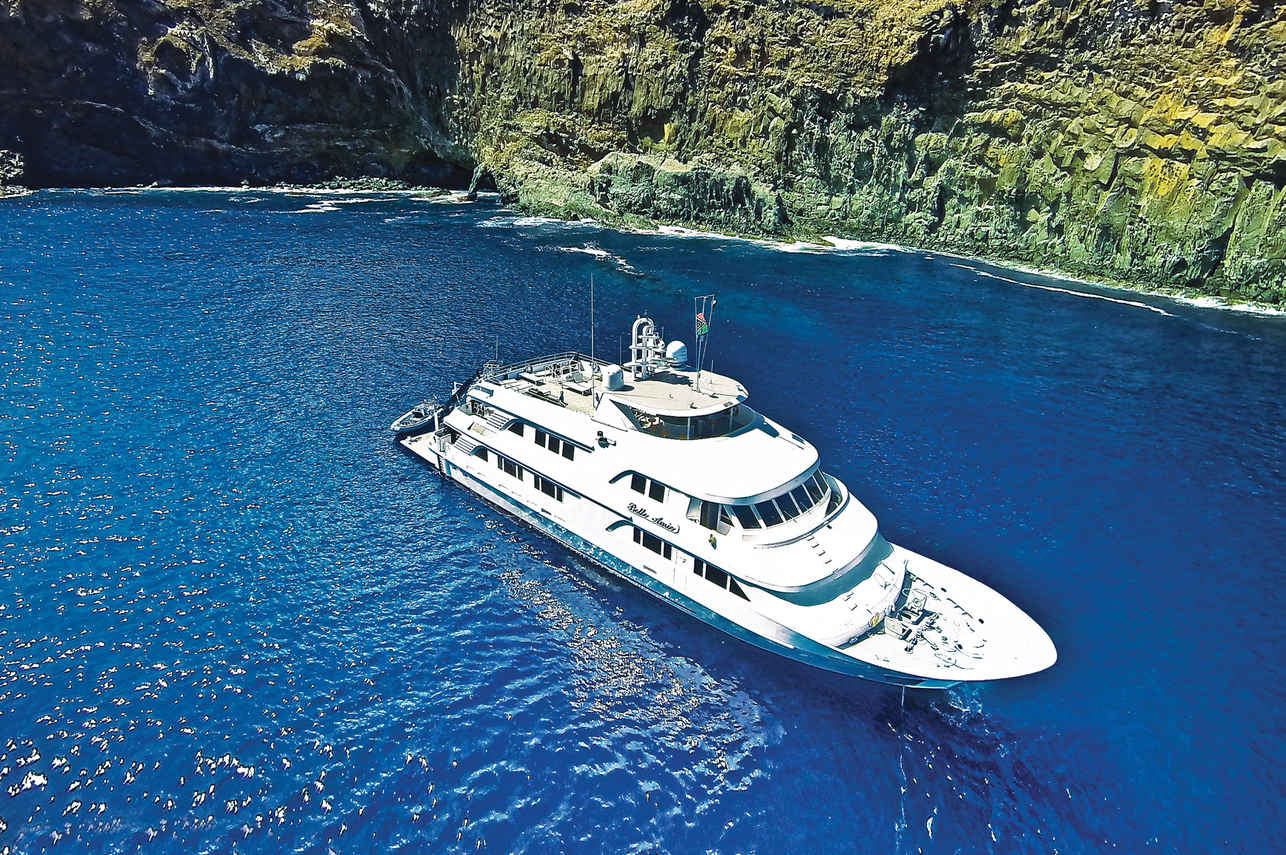
Nautilus Belle Amie
Mexico
32 guests45 m
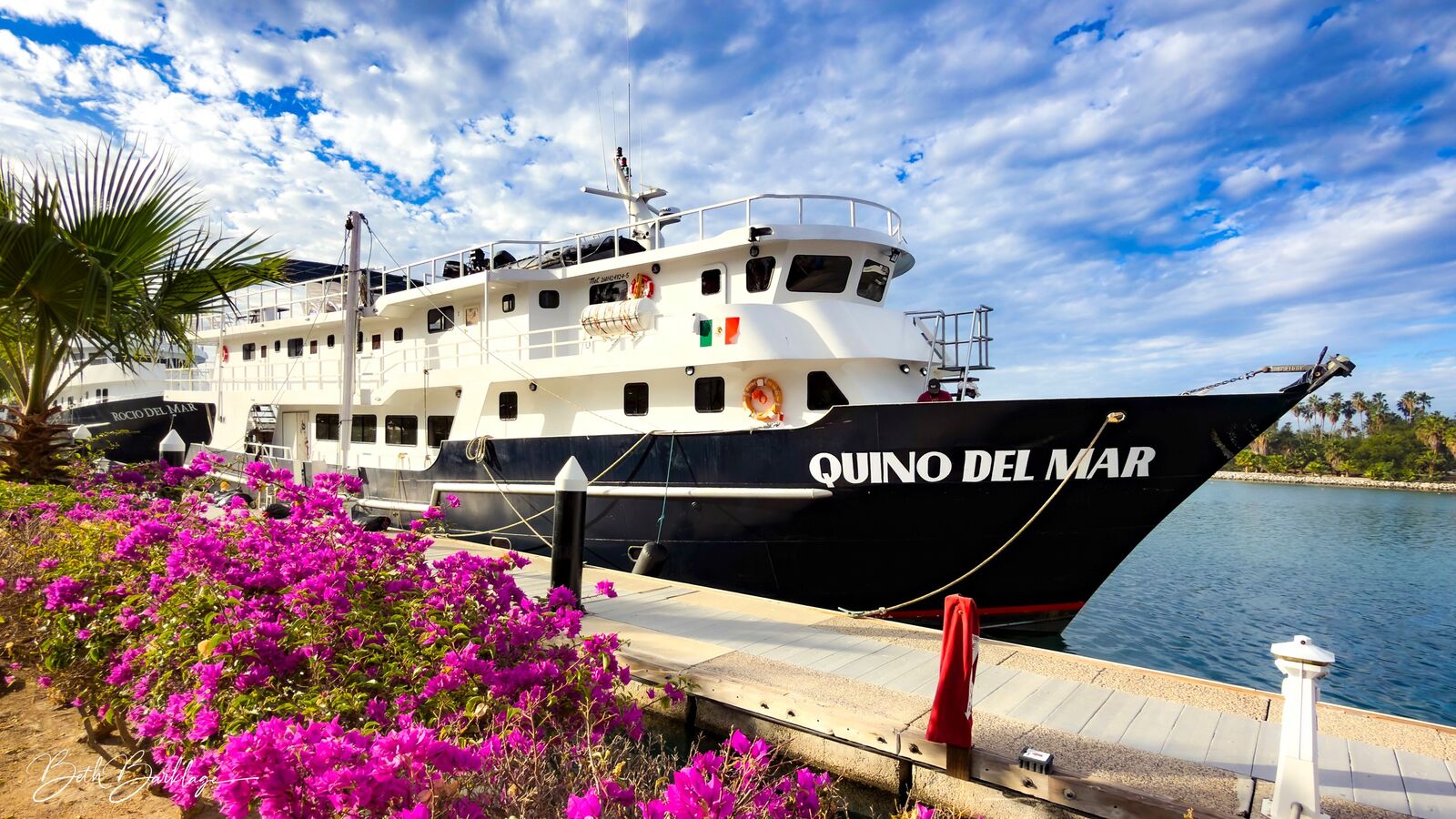
Quino del Mar
Mexico
20 guests36 m
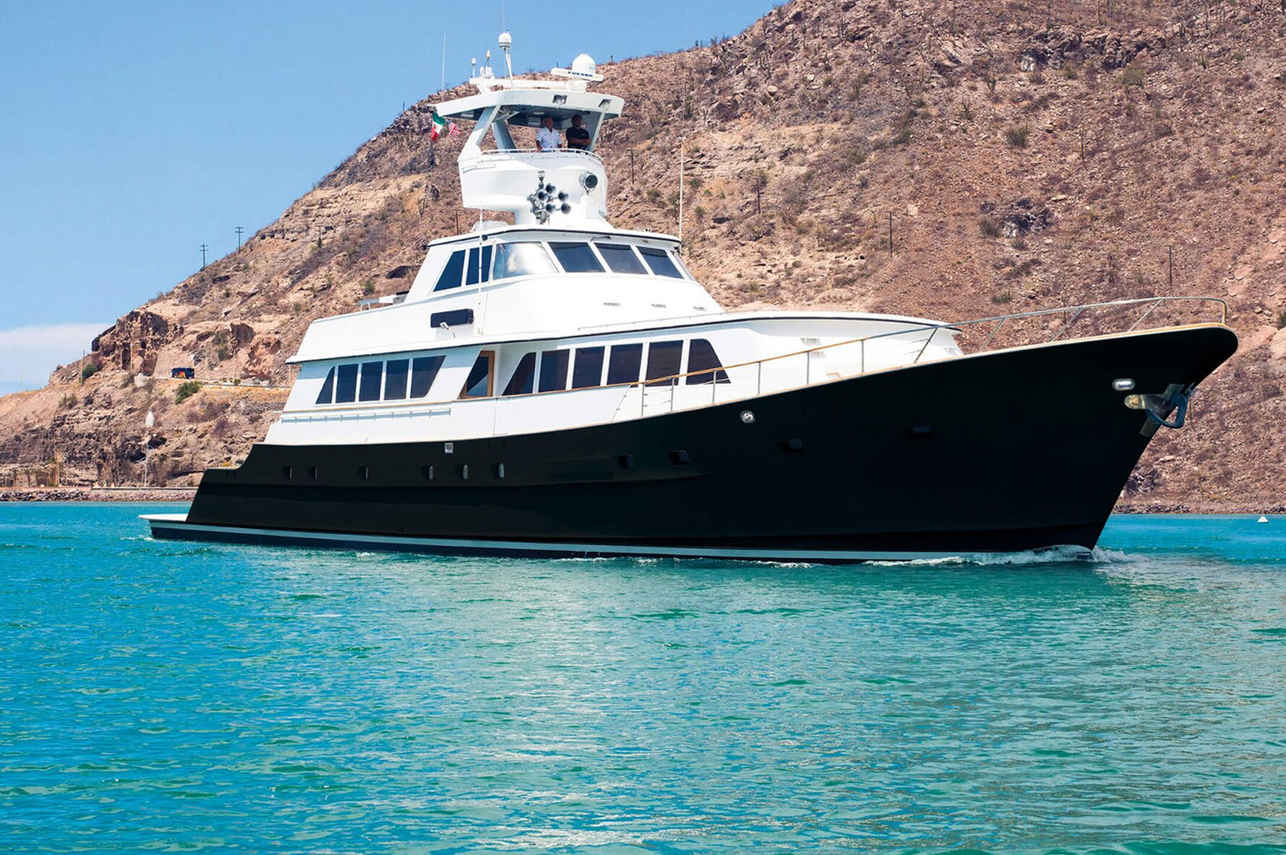
Nautilus Gallant Lady
Mexico
12 guests35 m
Dive sites similar to Outer Wall
Same character, same waters — six more sites divers love for the exact same reasons.Compare seasons, access and liveaboard routes — then pick the site that fits your trip best.
© Esri — Maxar, Earthstar, GIS
Agustín Melgar shipwreck
Mexico
The Agustín Melgar, also known as the C-54, is a 56-meter (185-foot) former minesweeper that rests on a sandy bottom at 24 meters (80 feet) south of Puerto Escondido within the Loreto Bay National Park.
- Suitable for
- Intermediate
- Current
- Mild
- Access
- Liveaboard only
- Depth
- 12–24 m
- Theme
- Wreck
Arco Iris, or "Rainbow" in Spanish, is a prominent dive site located near Brumel Island (Penahuaste), approximately 8km north of Playa Potrero in Costa Rica.
- Suitable for
- Beginner
- Current
- Moderate
- Access
- Dayboat
- Depth
- 9–30 m
- Theme
- Reef
© Esri — Maxar, Earthstar, GIS
Bahía de La Paz
Mexico
Bahía de La Paz serves as the capital of Baja California Sur and the primary gateway to the Sea of Cortez, a region famously dubbed the "world's aquarium" by Jacques Cousteau due to its exceptional biodiversity.
- Suitable for
- Advanced
- Current
- Mild
- Access
- Dayboat
- Depth
- 17–27 m
- Theme
- Big animals / Reef
© Esri — Maxar, Earthstar, GIS
Bahía de los Ángeles
Mexico
Bahía de los Ángeles, nestled in the northern Sea of Cortez, is a remarkable dive destination primarily known for its seasonal aggregations of whale sharks.
- Suitable for
- Intermediate
- Current
- Moderate
- Access
- Liveaboard only
- Depth
- 3–15 m
- Theme
- Reef
© Esri — Maxar, Earthstar, GIS
Bajo Alcyone
Costa Rica
Bajo Alcyone, a submerged seamount near Cocos Island, stands as a world-renowned dive site.
- Suitable for
- Advanced
- Current
- Strong
- Access
- Liveaboard only
- Depth
- 25–40 m
- Theme
- Drift / Seamount
© Esri — Maxar, Earthstar, GIS
Bajo de la Ballena
Mexico
El Bajo, often referred to as Bajo de la Ballena, is a prominent seamount situated approximately eight miles northeast of La Paz, Mexico.
- Suitable for
- Advanced
- Current
- Strong
- Access
- Liveaboard or dayboat
- Depth
- 18–35 m
- Theme
- Pinnacle