About Middle Wall
Middle Wall is a prominent dive site within the protected Cabo San Lucas Marine Park, located just minutes by boat from the bustling marina. This site exemplifies the region's dramatic underwater topography, featuring a striking vertical reef wall that plunges into deep blue waters, creating a sense of vastness and weightlessness during descent. Geologically, Middle Wall is a substantial drop-off, transitioning from shallower ledges to deeper sections. Its face is adorned with an impressive array of coral formations, sponges, and gorgonians, forming a vibrant ecosystem against the deep ocean backdrop. The structure integrates with the adjacent sandfall area near Pelican Rock, a unique phenomenon where sand cascades down underwater slopes. Divers often experience an exhilarating descent alongside the wall, observing marine life clinging to its surfaces and darting from numerous crevices. The site offers compelling exploration for intermediate to advanced divers, with a depth range extending from approximately 18 meters (60 feet) to 43 meters (140 feet). This profile demands good buoyancy control and an understanding of no-decompression limits, allowing for a thorough appreciation of both the deeper sections and the transition zone where the wall meets the sandy seafloor. Encountering marine life is common, though specific seasonal aggregations are not detailed for this site. Being close to the marina, Middle Wall is easily accessible for boat dives. The site provides a rewarding experience for divers seeking vertical reef structures and diverse marine habitats.
Highlights
Vertical reef wallAbundant coral formationsSponge and gorgonian gardensDeep water drop-offSandfall proximity
Season calendar
Best months to dive here
Jan
Feb
Mar
Apr
May
Jun
Jul
Aug
Sep
Oct
Nov
Dec
Excellent
Good
Nov – Apr (Peak)
Socorro season open (Nov–May) for giant mantas and hammerheads. Cozumel bull sharks Dec–Mar. Cenotes excellent year-round. Best overall conditions.
May – Oct (Transition & Sea of Cortez)
Socorro closing, Cozumel still good. Whale sharks arrive at Isla Mujeres Jun–Sep. From August, the Sea of Cortez comes alive: Midriff Islands offer massive sea lion colonies and schooling mobulas. September and October bring world-class diving around La Paz and Cabo Pulmo with whale sharks, hammerheads, and bull sharks on the Explore Baja route.
Dive site facts: Middle Wall
- Depth
- 18–43 m
- Current
- Mild
- Entry
- Liveaboard or dayboat
- Level
- Intermediate
- Dive type
- Wall, Reef
- Region / port
- Mexico
- Coordinates
- 22.8565° N, 109.9605° W
Conditions & Currents
The waters within the Cabo San Lucas Marine Park, where Middle Wall is located, are generally calm with minimal current. This typically allows for comfortable diving conditions, though divers should always be aware of local variations. The site is a wall dive where good buoyancy control is crucial given its vertical profile and depth range, which extends to 43 meters. Visibility is generally good in the region, supporting recreational diving. Entry is typically via boat, with live boat operations being common given the site's characteristics. No specific information regarding thermoclines, surge, or boat traffic specific to Middle Wall is detailed in the sources, but the overall calm nature of the marine park suggests a straightforward dive experience for appropriately certified divers.
Why dive Middle Wall from a liveaboard?
Middle Wall is one of Mexico's signature dive sites. A liveaboard sleeps you on the water and puts you in the water for three to four guided dives per day, including dawn and night dives that day-boat operators rarely offer. You skip the daily commute back to port and reach quieter, less-crowded sites in the same region on a single trip.
Below are the liveaboards that include Middle Wall on their Mexico itineraries.
Liveaboards diving Middle Wall
These liveaboards may visit Middle Wall on selected itineraries — the exact dive sites depend on departure, weather and conditions.
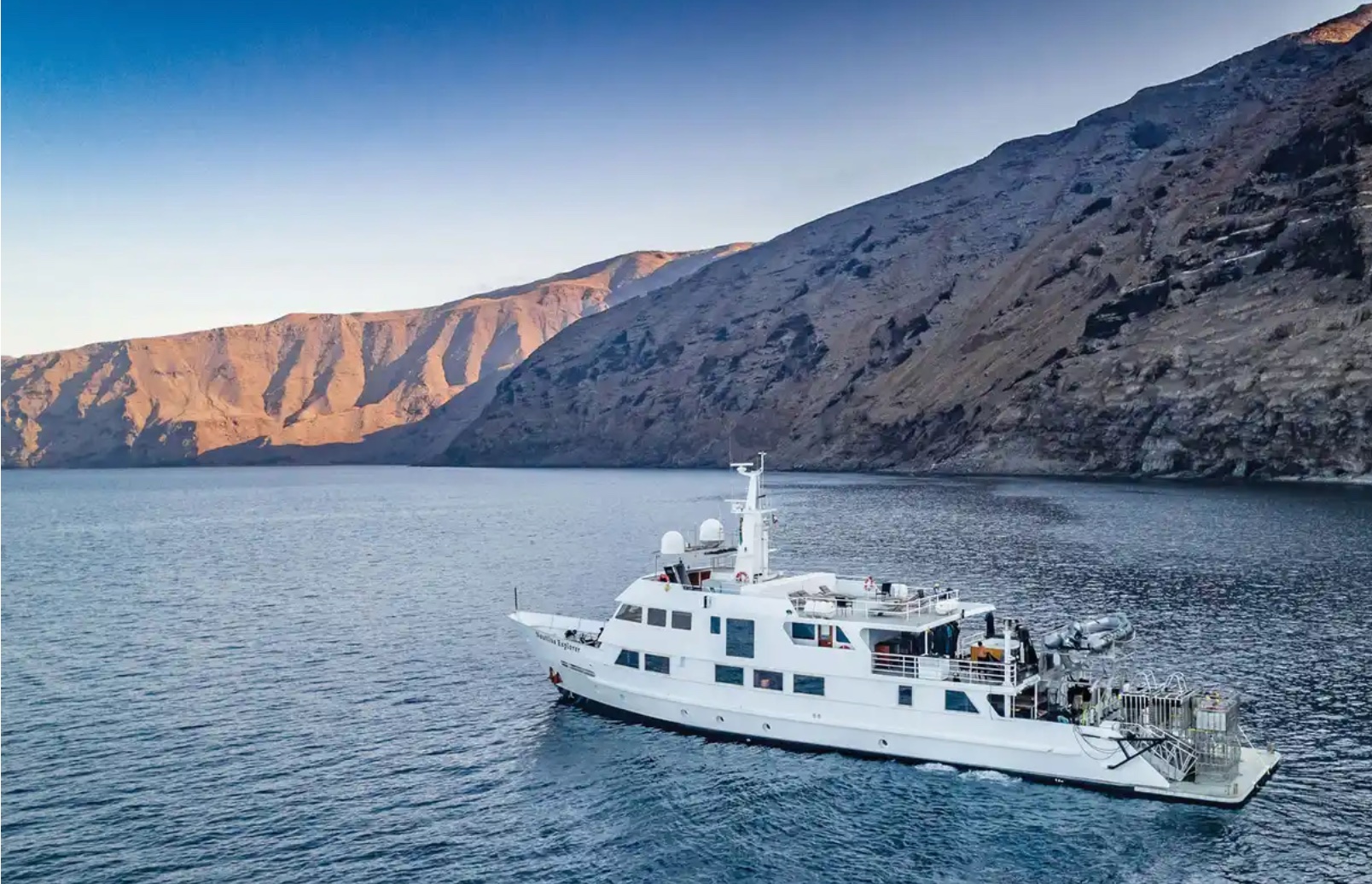
Nautilus Explorer
Mexico
25 guests45 m
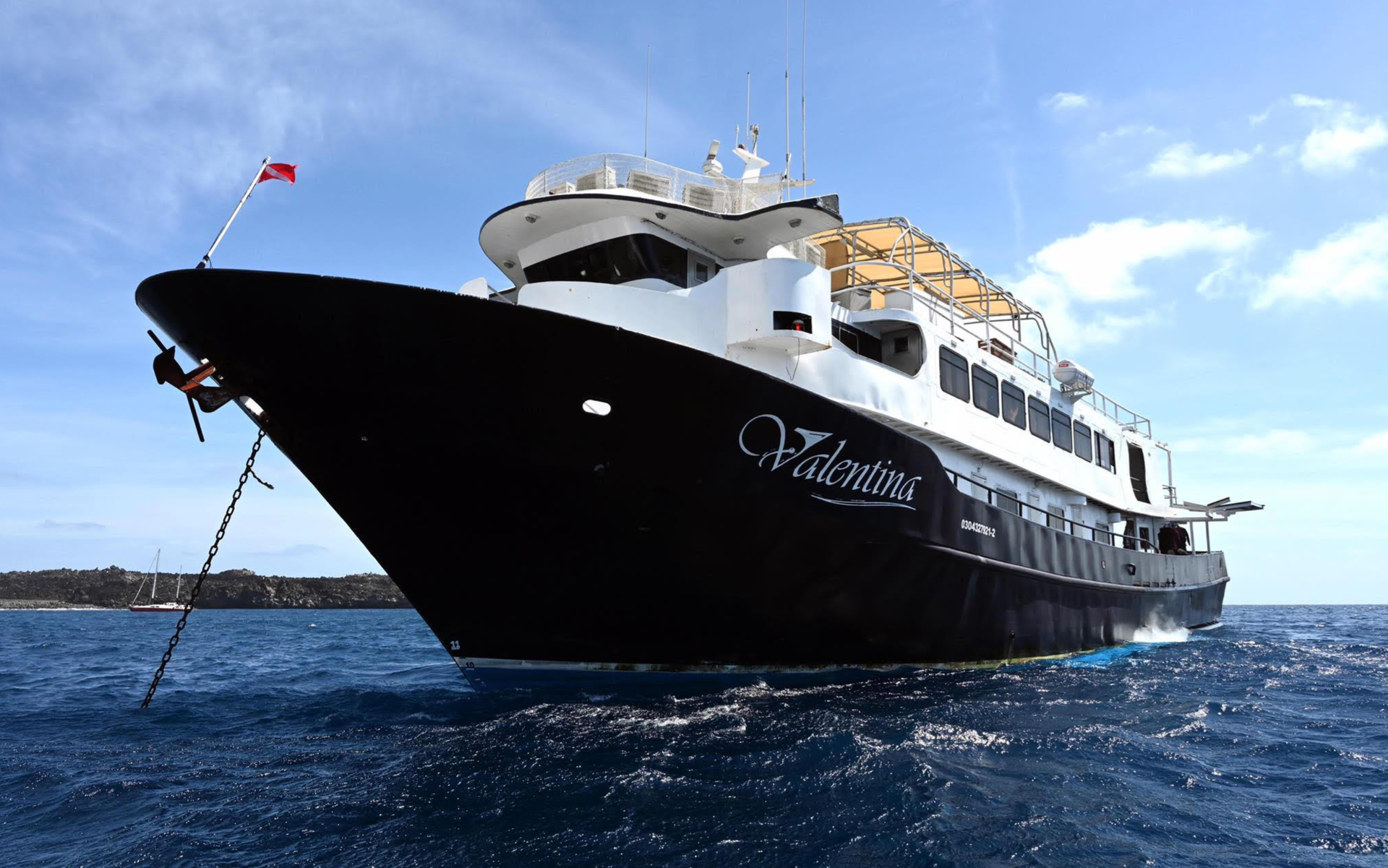
Valentina
Mexico
20 guests38 m
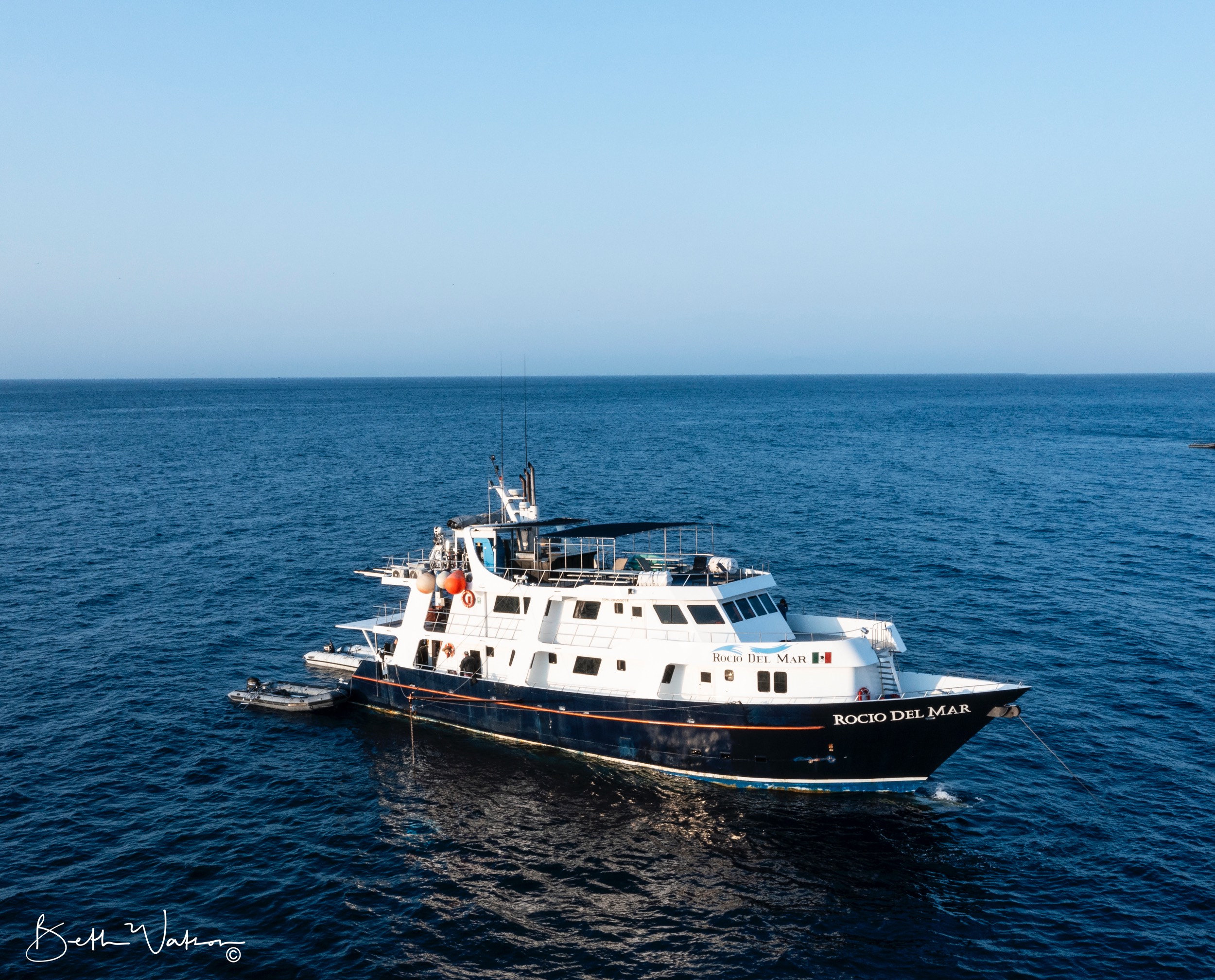
Rocio del Mar
Mexico
20 guests34 m
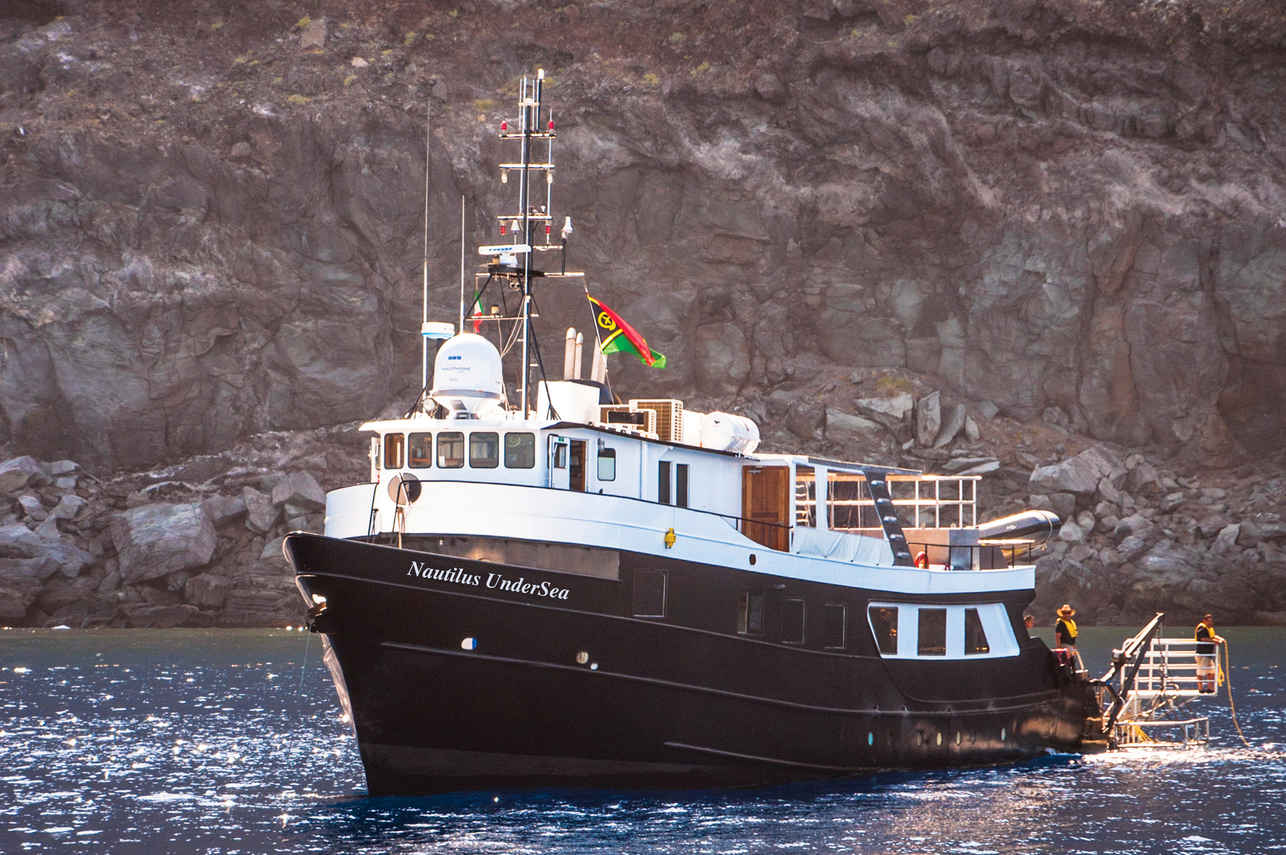
Nautilus Under Sea
Mexico
19 guests32 m
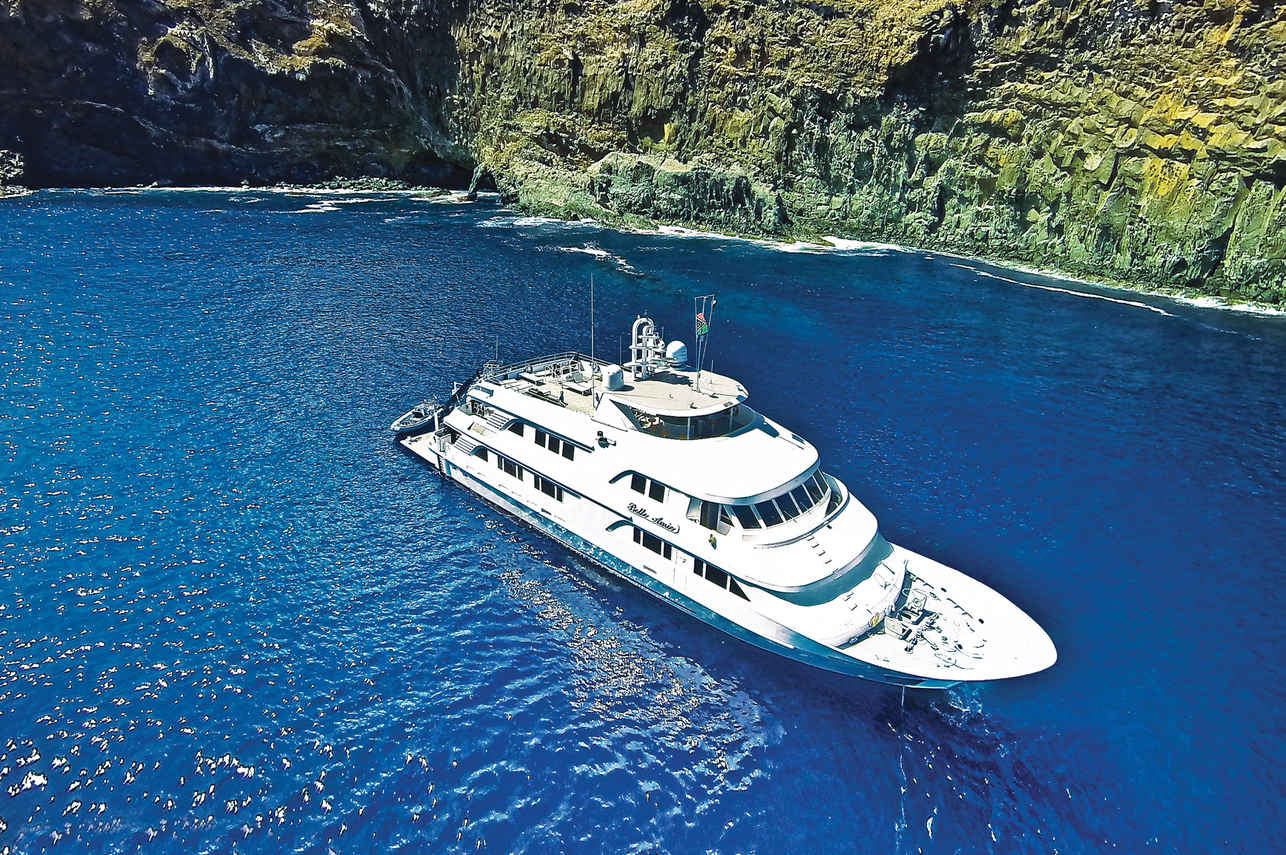
Nautilus Belle Amie
Mexico
32 guests45 m
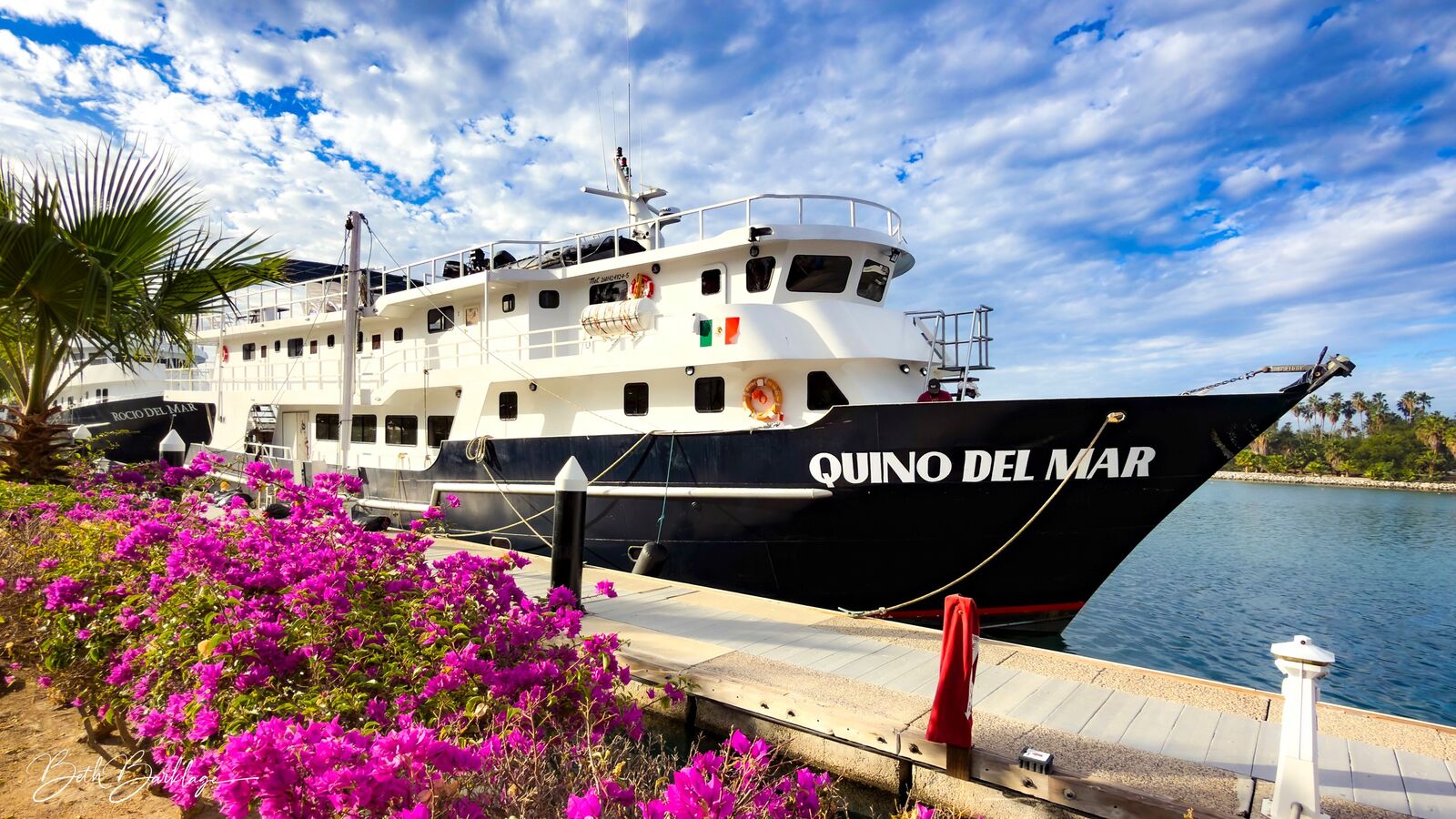
Quino del Mar
Mexico
20 guests36 m
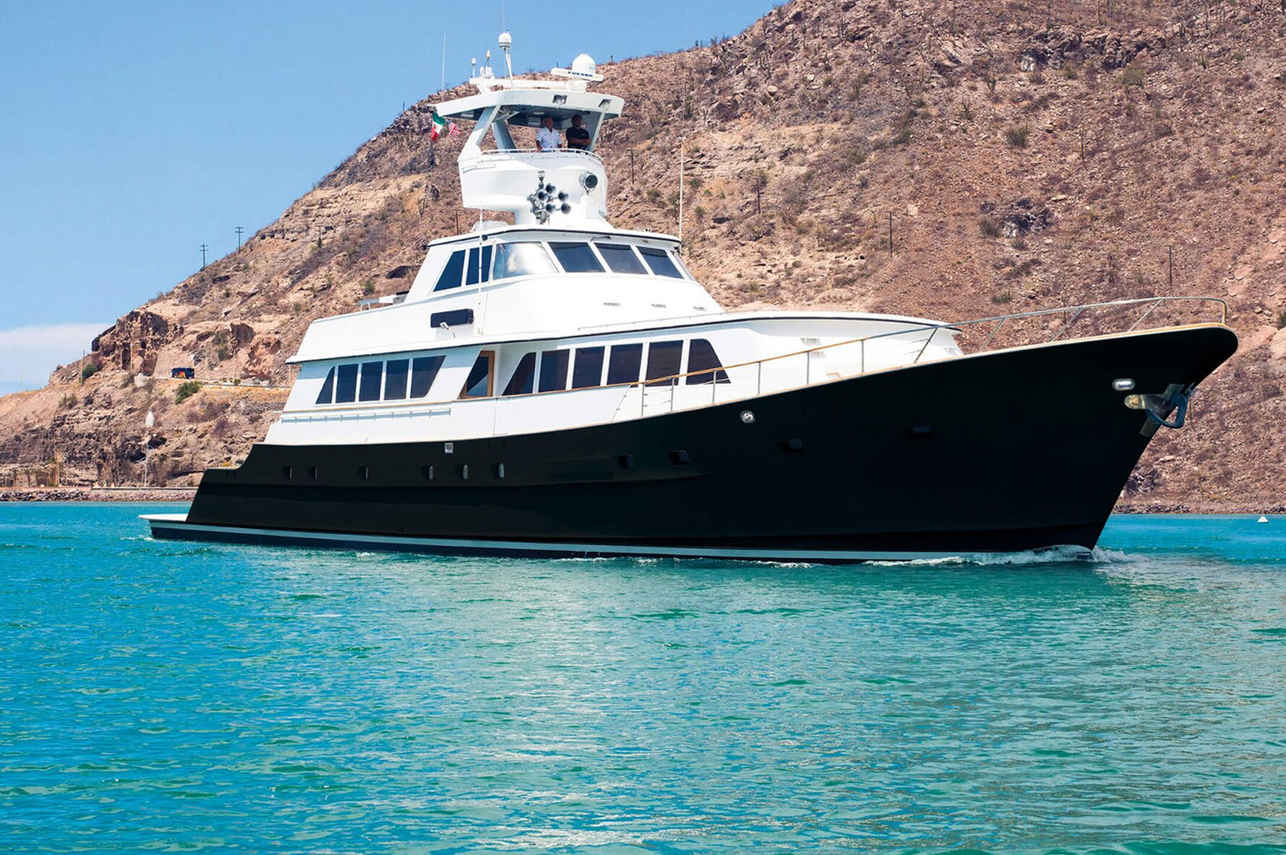
Nautilus Gallant Lady
Mexico
12 guests35 m
Dive sites similar to Middle Wall
Same character, same waters — six more sites divers love for the exact same reasons.Compare seasons, access and liveaboard routes — then pick the site that fits your trip best.
© Esri — Maxar, Earthstar, GIS
Agustín Melgar shipwreck
Mexico
The Agustín Melgar, also known as the C-54, is a 56-meter (185-foot) former minesweeper that rests on a sandy bottom at 24 meters (80 feet) south of Puerto Escondido within the Loreto Bay National Park.
- Suitable for
- Intermediate
- Current
- Mild
- Access
- Liveaboard only
- Depth
- 12–24 m
- Theme
- Wreck
Arco Iris, or "Rainbow" in Spanish, is a prominent dive site located near Brumel Island (Penahuaste), approximately 8km north of Playa Potrero in Costa Rica.
- Suitable for
- Beginner
- Current
- Moderate
- Access
- Dayboat
- Depth
- 9–30 m
- Theme
- Reef
© Esri — Maxar, Earthstar, GIS
Bahía de La Paz
Mexico
Bahía de La Paz serves as the capital of Baja California Sur and the primary gateway to the Sea of Cortez, a region famously dubbed the "world's aquarium" by Jacques Cousteau due to its exceptional biodiversity.
- Suitable for
- Advanced
- Current
- Mild
- Access
- Dayboat
- Depth
- 17–27 m
- Theme
- Big animals / Reef
© Esri — Maxar, Earthstar, GIS
Bahía de los Ángeles
Mexico
Bahía de los Ángeles, nestled in the northern Sea of Cortez, is a remarkable dive destination primarily known for its seasonal aggregations of whale sharks.
- Suitable for
- Intermediate
- Current
- Moderate
- Access
- Liveaboard only
- Depth
- 3–15 m
- Theme
- Reef
© Esri — Maxar, Earthstar, GIS
Bajo Alcyone
Costa Rica
Bajo Alcyone, a submerged seamount near Cocos Island, stands as a world-renowned dive site.
- Suitable for
- Advanced
- Current
- Strong
- Access
- Liveaboard only
- Depth
- 25–40 m
- Theme
- Drift / Seamount
© Esri — Maxar, Earthstar, GIS
Bajo de la Ballena
Mexico
El Bajo, often referred to as Bajo de la Ballena, is a prominent seamount situated approximately eight miles northeast of La Paz, Mexico.
- Suitable for
- Advanced
- Current
- Strong
- Access
- Liveaboard or dayboat
- Depth
- 18–35 m
- Theme
- Pinnacle