About Pelican Rock
Pelican Rock is a prominent and well-loved dive site in St. Maarten, characterized by its striking rocky topography and rich biodiversity. This site is renowned for its large, sculptural rock formations that create an intricate underwater landscape of crevices, overhangs, and swim-throughs. Situated near the island's southern coast, Pelican Rock benefits from consistent conditions, making it a reliable destination for divers. The site's depths range from shallow areas suitable for beginners to deeper sections that appeal to more experienced divers. The volcanic origins of St. Maarten have shaped these unique underwater structures, which now serve as vital habitats for an array of marine life. Currents are generally mild, allowing for relaxed exploration of the reef system and its inhabitants. Marine life at Pelican Rock is diverse, featuring numerous species of reef fish, crustaceans, and corals. You can expect to encounter colorful parrotfish, inquisitive snappers, and various types of crabs and lobsters nestled within the rocky shelters. The coral growth, including both hard and soft varieties, is resilient and contributes significantly to the site's vibrant ecosystem, showcasing recovery from past hurricane damage. Diving Pelican Rock typically involves boat access, offering a comfortable and straightforward entry into the water. Its accessibility and the variety of marine encounters ensure a rewarding experience, whether you're observing macro life or enjoying the broader reef scenery. The site’s clear waters and abundant photographic opportunities further enhance its appeal.
Highlights
Dramatic rock formationsDiverse reef fishVibrant coral gardensMild currentsUnderwater crevices and overhangsAccessible for multiple skill levelsGood visibility
Season calendar
Best months to dive here
Jan
Feb
Mar
Apr
May
Jun
Jul
Aug
Sep
Oct
Nov
Dec
Excellent
Good
Dive site facts: Pelican Rock
- Depth
- 5–18 m
- Typical dive
- 12–18 m, 50–60 min
- Current
- Mild to weak
- Visibility
- 20–30 m
- Water temperature
- 25–30°C
- Entry
- Boat
- Level
- All levels
- Dive type
- Reef, rocky topography
- Region / port
- St. Maarten
- Coordinates
- 18.003, -63.045
Conditions & Currents
Currents at Pelican Rock are typically mild to weak, providing a comfortable diving environment suitable for a wide range of skill levels. Surface conditions may vary, with stronger trade winds in winter (December-March) potentially creating some surface chop, which can affect entry and exit. However, underwater, the site generally remains calm. Visibility is often excellent, frequently exceeding 20 meters, though it can be temporarily reduced by northerly swells during winter storms. Divers should always assess conditions before entering the water and plan their dives within their comfort and skill limits. The calm summer months generally offer the clearest and calmest conditions, ideal for photography.
Marine life & sighting chances

Parrotfish
Year-round · common
Snapper
Year-round · common
Spiny lobster
Year-round · occasional
Crabs
Year-round · common
Triggerfish
Year-round · occasional
Barracuda
Year-round · occasional
Caribbean reef shark
Year-round · rare
Green sea turtle
Year-round · rare
Hawksbill turtle
Year-round · rare
Squirrelfish
Year-round · common
Grouper
Year-round · occasionalDive profile & how the dive runs
A typical dive at Pelican Rock begins with a short boat ride to the site, followed by a back-roll entry directly onto the main reef structure. Descending to an average depth of 12-18 meters, you will navigate around the large, volcanic rock formations that define the site. The route often involves exploring various crevices and small swim-throughs, paying close attention to the vibrant coral growth and the reef fish sheltering within. Divers usually follow the natural contours of the rock, maintaining a gradual depth profile as they circle the main pinnacles. The turnaround point is typically determined by air consumption or bottom time, with a slow ascent initiated thereafter. The safety stop is conducted at 5 meters, often near the boat's mooring line, allowing for a final observation of shallower reef life before surfacing.
Underwater photography
Pelican Rock offers fantastic opportunities for underwater photography, particularly for wide-angle shots of its impressive rock formations and diverse reefscapes. A wide-angle lens will capture the grandeur of the volcanic structures and the expansive coral gardens. For macro enthusiasts, there are plenty of smaller subjects like colorful crustaceans and juvenile fish hiding in the crevices, best captured with a macro lens and a snoot to highlight details. Given the excellent visibility, natural light can be sufficient in shallower areas, but strobes are recommended to bring out the true colors of the corals and marine life, especially when shooting into shadowed areas under overhangs. Maintaining excellent buoyancy control is crucial to avoid stirring up sediment and to protect the delicate coral environment while framing your shots.
Combine with nearby dive sites
- Fish Bowl
A large circular reef with abundant fish life and coral arches.
- Big Mama's Reef
Known for its sandy expanses and coral reefs, with frequent shark sightings.
- HMS Proselyte
A historic wreck covered in hard coral, part of an artificial reef.
- Carib Cargo
A deliberately sunk wreck, offering penetration opportunities for certified divers.
Getting there & logistics
St. Maarten is easily accessible via Princess Juliana International Airport (SXM), which receives flights from numerous international locations. Most dive operators are based around Philipsburg or Simpson Bay, offering convenient boat departures to sites like Pelican Rock. Dive trips are typically day excursions, often combining two dives at different sites. No specific permits are generally required for recreational diving in St. Maarten. It is advisable to book dive packages in advance, especially during peak season, to ensure availability. The island's compact size allows for easy travel between accommodations and dive centers, and many itineraries combine diving with exploring the island's unique Dutch and French cultures.
Safety & environment
Diving in St. Maarten is generally safe, but divers should always adhere to standard safety protocols. The nearest recompression chamber is not directly on St. Maarten, so in the rare event of a dive emergency requiring chamber treatment, evacuation to a neighboring island with facilities may be necessary. For this reason, comprehensive dive insurance, such as that provided by DAN, is highly recommended. Divers should always dive within their certification limits and comfort levels, and follow the instructions of their dive guides. Site-specific hazards at Pelican Rock are minimal, primarily involving careful navigation around rock formations to avoid accidental contact. Always perform buddy checks and monitor air and depth throughout the dive.
Who it suits — and who it doesn't
Suited for
- Beginner divers seeking easy conditions
- Experienced divers who appreciate reef topography
- Underwater photographers interested in wide-angle and macro subjects
- Divers looking for abundant reef fish and vibrant corals
- Those who prefer mild current dives
Less suited for
- Divers seeking extreme depths or technical diving challenges
- Individuals uncomfortable with boat entries
- Divers expecting frequent large pelagic encounters
- Those who dislike navigating around complex reef structures
FAQ
Pelican Rock FAQ
What kind of marine life can I expect to see at Pelican Rock?
Pelican Rock boasts a healthy array of Caribbean reef fish, including various species of parrotfish, snapper, and squirrelfish. You'll also likely encounter crustaceans such as crabs and spiny lobsters in the crevices. While rarer, occasional sightings of barracuda, triggerfish, and even turtles can occur, adding excitement to your dive.
Is Pelican Rock suitable for beginner divers?
Yes, Pelican Rock is highly suitable for beginner divers. Its maximum depth typically ranges from 5 to 18 meters, and currents are generally mild, creating a relaxed and safe diving environment. The clear visibility and diverse marine life make it an excellent site for those new to diving or looking for an easy, enjoyable experience.
What are the typical water conditions like at Pelican Rock?
Water conditions at Pelican Rock are generally excellent, with temperatures ranging from 25-30°C (77-88°F) year-round. Visibility often exceeds 20 meters, providing clear views of the reef and its inhabitants. While surface conditions can be choppier during winter due to trade winds, the underwater environment usually remains calm and inviting.
Are there any strong currents to be aware of?
Currents at Pelican Rock are typically mild to weak, making it a comfortable dive site for divers of all experience levels. However, as with any dive site, conditions can occasionally vary, so it's always important to listen to your dive guide's briefing and be aware of your surroundings. Strong currents are not a common feature of this site.
Can I do night diving at Pelican Rock?
While night diving is an incredible experience that reveals different marine life behaviors, the provided sources do not specify whether night dives are regularly conducted or permitted at Pelican Rock. It is best to inquire directly with local St. Maarten dive operators about the possibility and availability of night dives at this particular site.
What is the best type of photography to do at Pelican Rock?
Pelican Rock is ideal for both wide-angle and macro photography. The large rock formations and vibrant coral gardens lend themselves well to wide-angle shots, capturing the expansive beauty of the site. For macro photographers, the numerous crevices and diverse small marine life offer excellent subjects for close-up detail, especially with proper lighting from strobes.
Why dive Pelican Rock from a liveaboard?
Pelican Rock is one of St. Maarten's signature dive sites. A liveaboard sleeps you on the water and puts you in the water for three to four guided dives per day, including dawn and night dives that day-boat operators rarely offer. You skip the daily commute back to port and reach quieter, less-crowded sites in the same region on a single trip.
Below are the liveaboards that include Pelican Rock on their St. Maarten itineraries.
Liveaboards diving Pelican Rock
These liveaboards may visit Pelican Rock on selected itineraries — the exact dive sites depend on departure, weather and conditions.
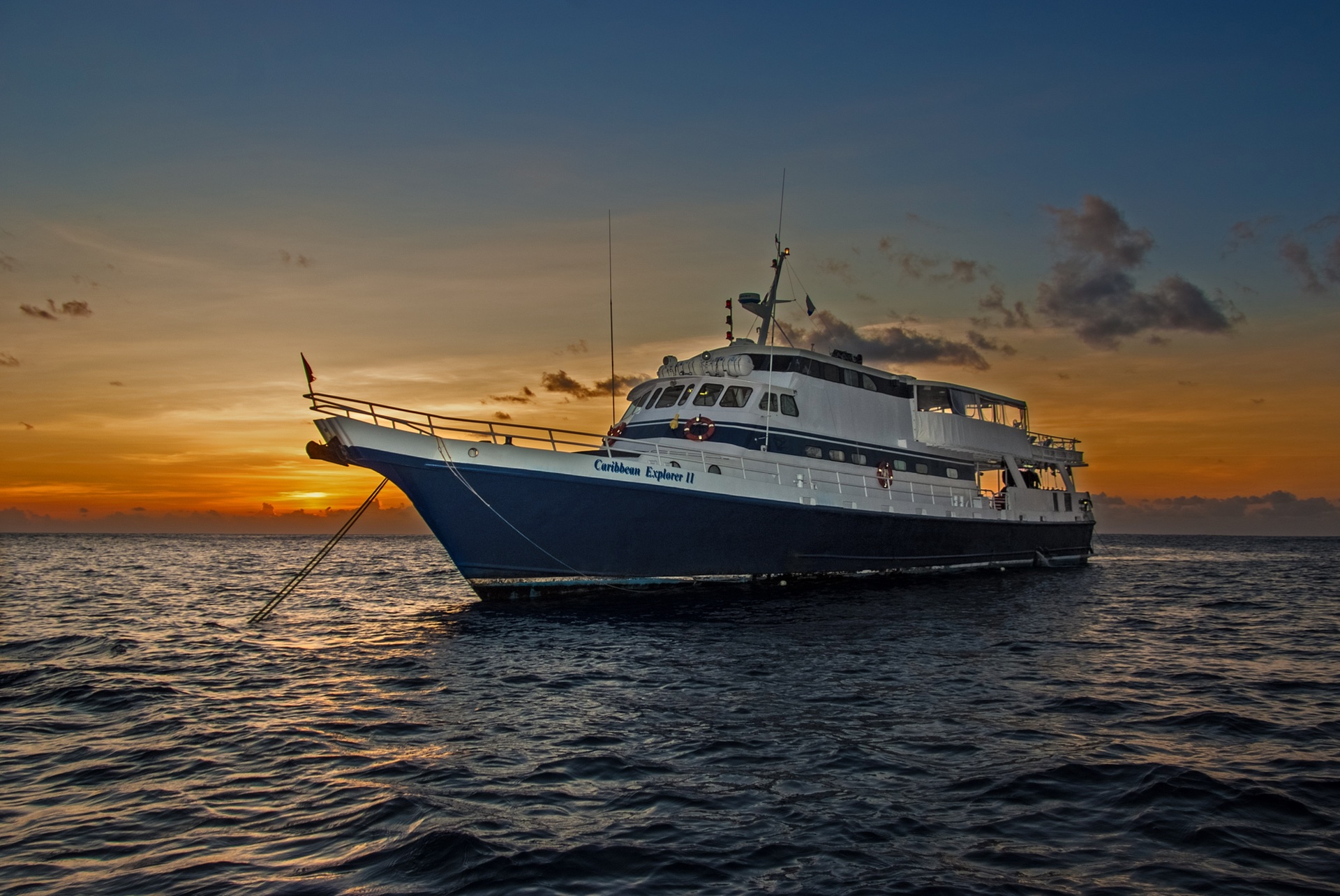
Caribbean Explorer II
St. Maarten
18 guests
$224/day
Dive sites similar to Pelican Rock
Same character, same waters — six more sites divers love for the exact same reasons.Compare seasons, access and liveaboard routes — then pick the site that fits your trip best.
© Esri — Maxar, Earthstar, GIS
Basse Espagnole
St. Maarten
Located in the Réserve Naturelle de St. Martin on the French side of the island, Basse Espagnole is celebrated for its thriving coral life and preserved marine environment.
- Suitable for
- Beginner
- Current
- Mild
- Access
- Liveaboard or dayboat
- Depth
- ≤ 18 m
- Theme
- Reef
© Esri — Maxar, Earthstar, GIS
Big Mama's Reef
St. Maarten
Big Mama's Reef, nestled southeast off Point Blanche Bay in St. Maarten, stands out as a unique Caribbean dive site, primarily characterized by a vast sand channel bordered by an expansive reef.
- Suitable for
- Beginner
- Current
- Mild
- Access
- Liveaboard or dayboat
- Depth
- 12–50 m
- Theme
- Reef
Big Momma is a natural coral reef system located within the protected Man of War Shoal Marine Park in St. Maarten, known for its extensive coral formations surrounding a sandy seabed.
- Suitable for
- Beginner
- Current
- Mild
- Access
- Liveaboard or dayboat
- Depth
- 12–50 m
- Theme
- Reef
© Esri — Maxar, Earthstar, GIS
Cable Reef
St. Maarten
Cable Reef, also known as Teigland, offers a unique dual-experience dive combining a purposefully sunk wreck with a thriving natural reef.
- Suitable for
- Beginner
- Current
- Mild
- Access
- Liveaboard or dayboat
- Depth
- 18–18 m
- Theme
- Reef
© Esri — Maxar, Earthstar, GIS
Carib Ghost
St. Maarten
The Carib Ghost, also known as Carib Cargo or RORO, is a prominent wreck dive site in St. Maarten, situated off Philipsburg.
- Suitable for
- Beginner
- Current
- Mild
- Access
- Liveaboard or dayboat
- Depth
- 26–26 m
- Theme
- Reef
© Esri — Maxar, Earthstar, GIS
Cay Bay Reef
St. Maarten
Cay Bay Reef in St. Maarten offers a welcoming dive experience for all levels, situated in a sheltered area ideal for tranquil exploration.
- Suitable for
- Beginner
- Current
- Strong
- Access
- Liveaboard or dayboat
- Depth
- 5–15 m
- Theme
- Reef / Wreck